Container Commissioning
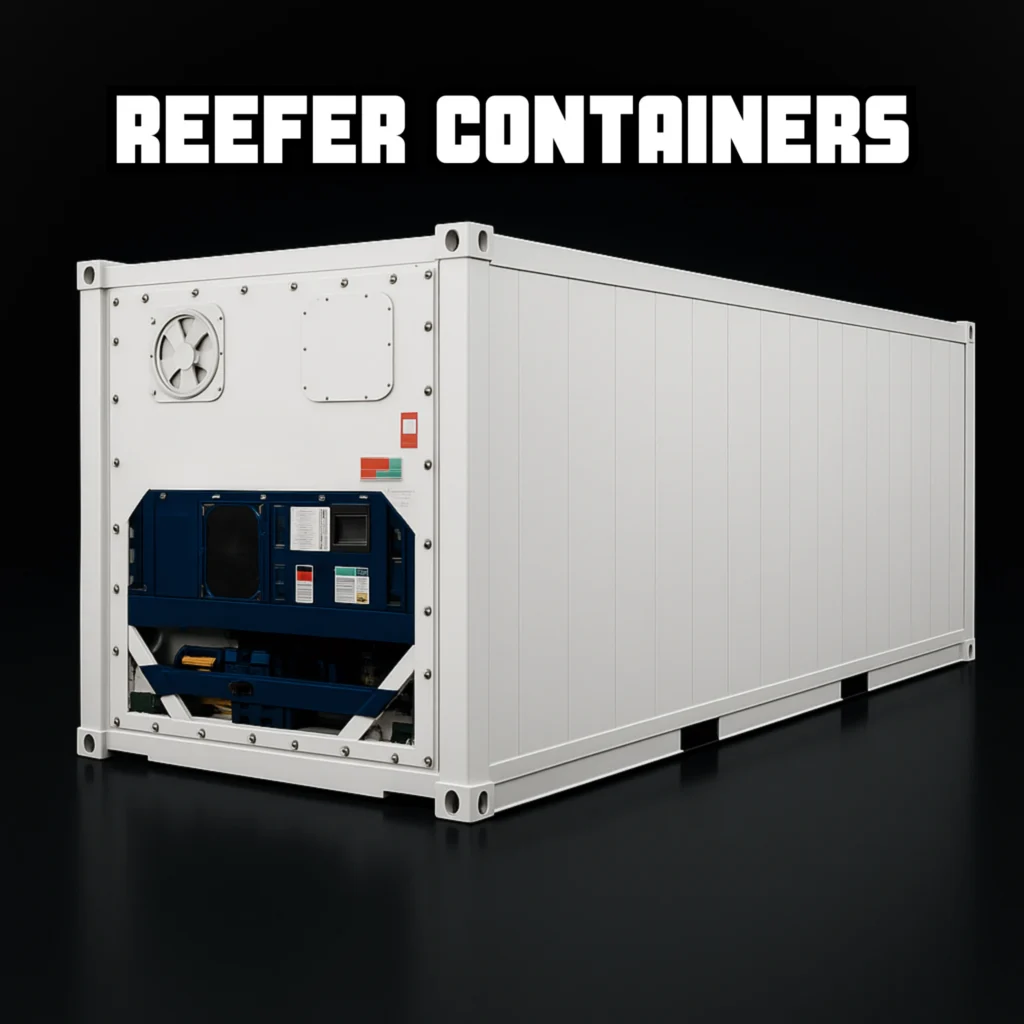
Container commissioning is the on-site setup and handover process for a refrigerated container after delivery. It checks that the unit has suitable power, is safely positioned, reaches the required temperature, and is understood by the customer before use. Bosh Boxes can arrange refrigerated container commissioning for hire or sale units across the UK.
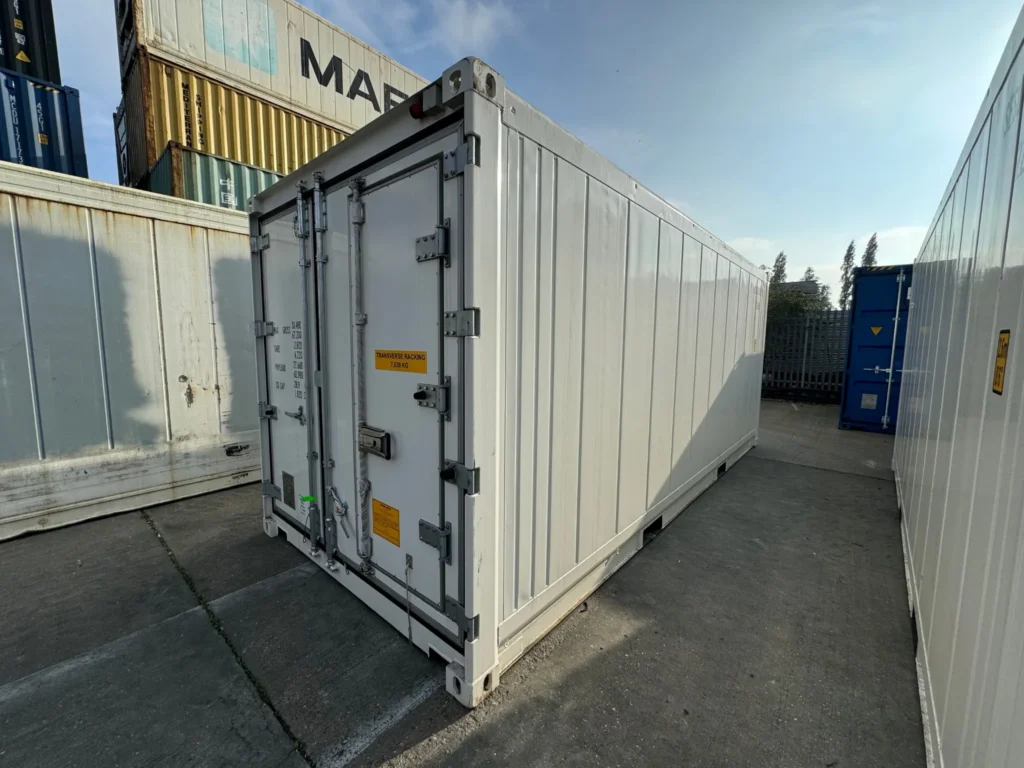
What Is Container Commissioning?
Container commissioning is the final setup stage after a refrigerated container has been delivered and positioned.
A commissioning engineer checks the unit at the customer’s premises, connects it to the correct power supply, sets the required temperature, and explains how the machinery should be used.
Container commissioning helps make sure a refrigerated container is ready for safe day-to-day operation.
For refrigerated containers, commissioning usually covers:
- Power connection check from the socket
- Plugging the unit into the customer’s supply
- Setting the required temperature
- Checking basic operation
- Explaining airflow and loading rules
- Explaining defrosting and ice prevention
- Completing handover notes or commissioning paperwork
Commissioning does not replace a full site electrical inspection. The customer must make sure the correct electrical supply is installed before the engineer arrives.
If you are still choosing the right unit, see our main page for refrigerated containers for sale and hire.
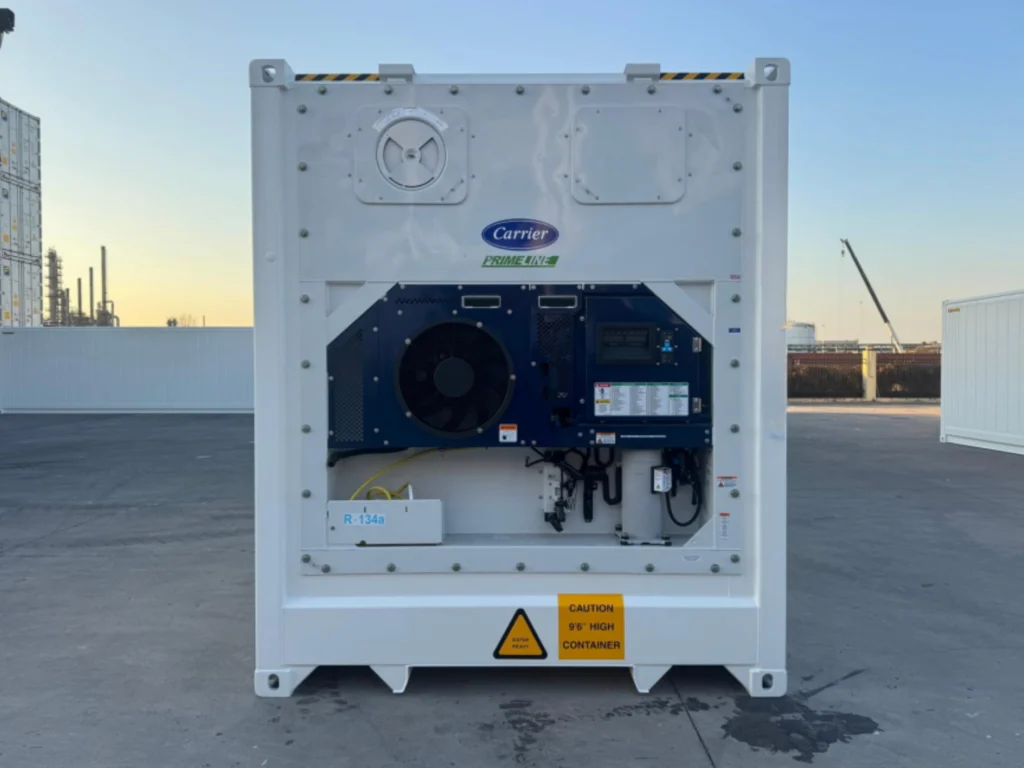
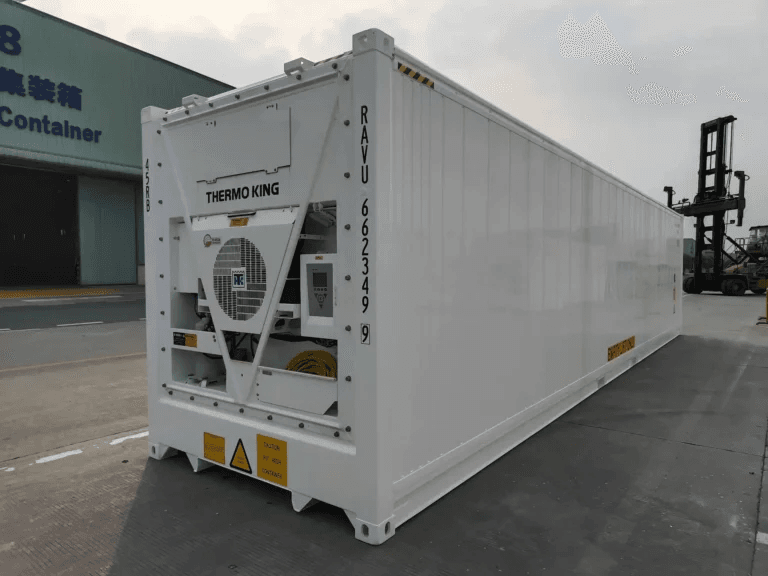
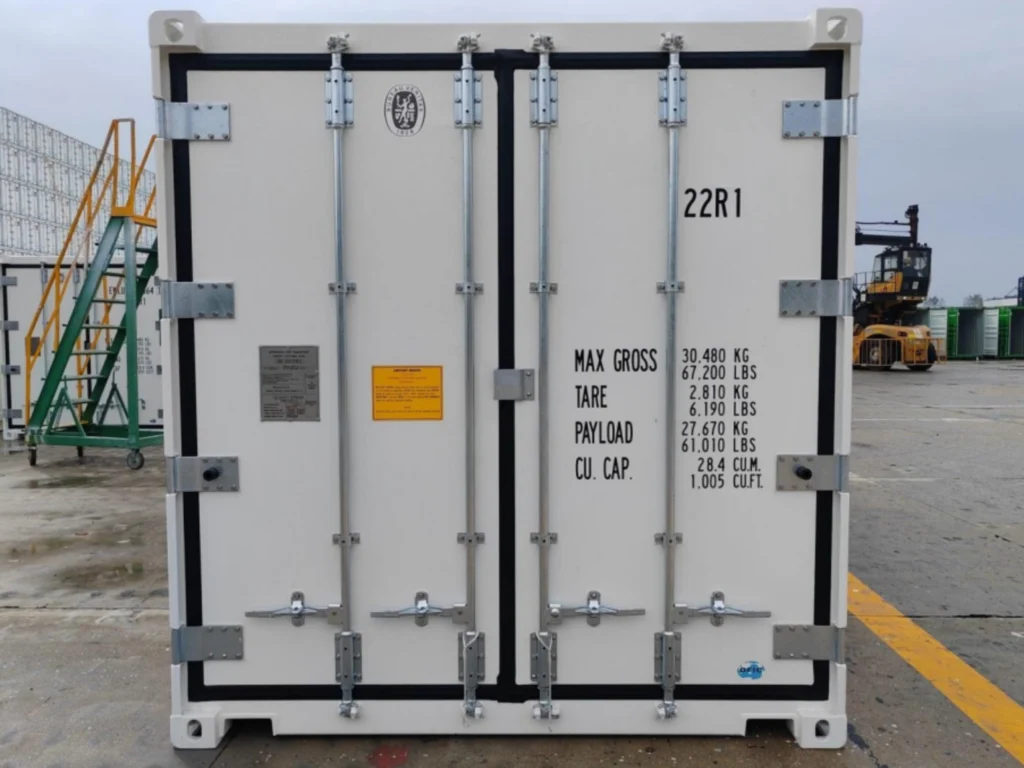
Why Container Commissioning Matters
Refrigerated containers need the right power, airflow, spacing, and loading method to work properly.
Poor setup can cause temperature issues, ice build-up, airflow problems, and unnecessary call-outs.
Container commissioning reduces the risk of early operating issues by making sure the customer understands how to use the unit correctly.
Commissioning helps with:
- Correct temperature setup
The unit is set to the required holding temperature before loading. - Safe power connection
The engineer checks the available socket connection before the container is run. - Better product protection
Correct airflow and loading guidance helps the container hold temperature. - Clear handover
The customer knows how to operate, monitor, and maintain the unit. - Warranty or hire support activation
Signed commissioning notes may activate support terms or warranty terms, depending on the order.
Commissioning helps the customer understand how the refrigeration system works before the container is used for stock. For a full breakdown, read our guide on how refrigerated containers work.
Customer Responsibilities Before Commissioning
The customer must have the correct electrical supply ready before a refrigerated container can be commissioned.
Most refrigerated shipping containers require a suitable 3-phase power supply with an independent 5-pin socket.
Before the engineer attends, the customer should make sure:
- The container has been placed on firm, level ground
- The correct power supply has been installed by a qualified electrician
- The socket is close enough for the container cable
- There is safe access around the machinery end
- The external machinery end has enough airflow space
- The relevant site operatives are available for the handover
- The container is not loaded before it reaches the required temperature
A minimum of around 5ft clearance at the machinery end is usually recommended for airflow and maintenance access.
Power supply is one of the most important parts of refrigerated container commissioning. Our guide on how much power a refrigerated container uses explains typical power requirements and what buyers should check before delivery.
Bosh Boxes can advise on delivery and positioning before the container arrives, but the site power supply remains the customer’s responsibility.
Refrigerated Container Commissioning Checklist
Before refrigerated container commissioning, the site should be ready for safe power connection, access, airflow, and handover.
| Check | Why it matters |
|---|---|
| 3-phase power supply ready | The container cannot be commissioned without suitable power. |
| Independent 5-pin socket available | Most reefer containers need the correct socket connection. |
| Container positioned level | Uneven positioning can affect drainage, doors, and operation. |
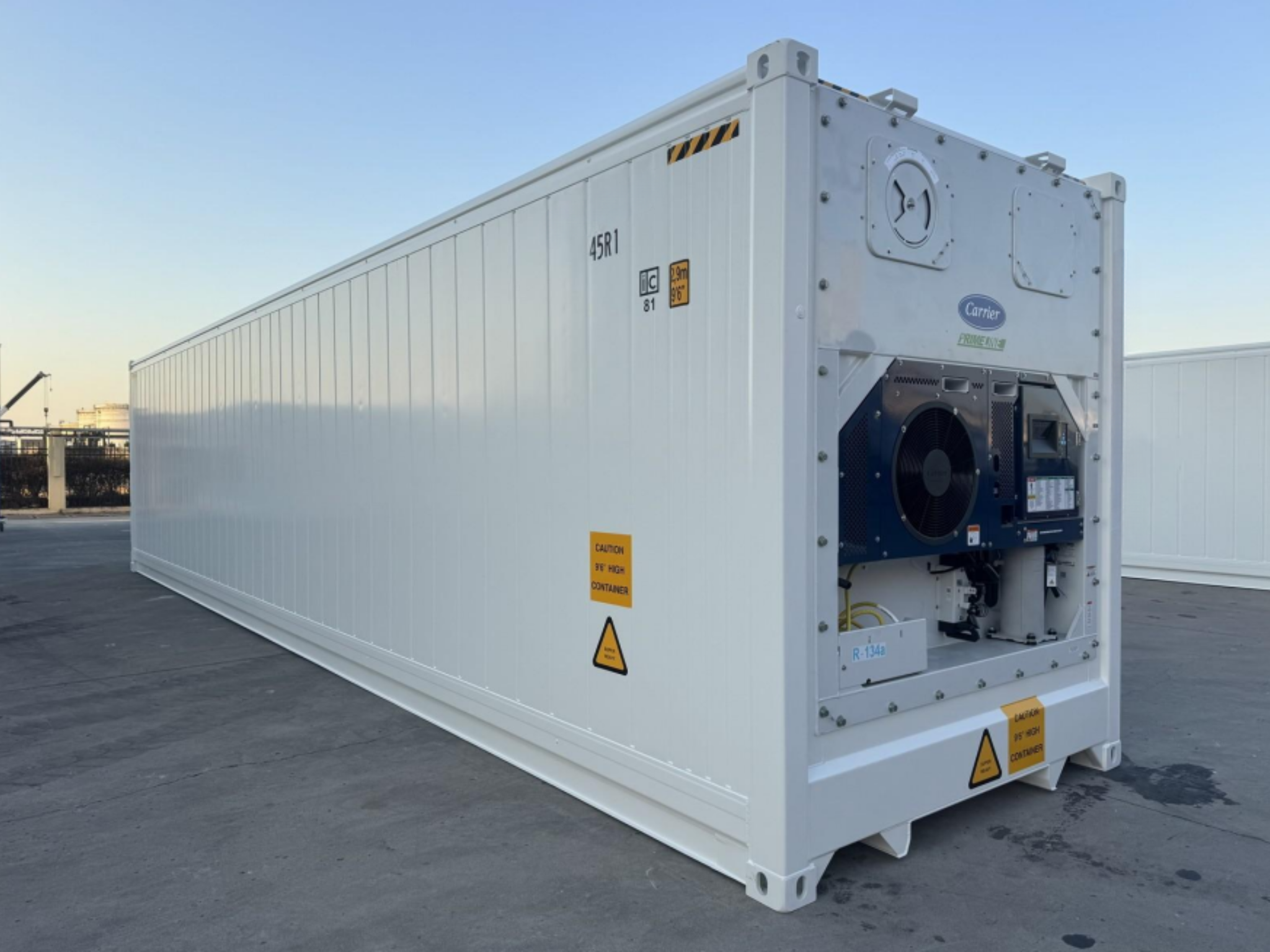
| Machinery end has clearance | The refrigeration machinery needs airflow and engineer access. |
| Site team available | The engineer can explain loading, controls, and monitoring properly. |
| Stock not loaded yet | The container should reach temperature before goods are loaded. |
| Temperature requirement known | The engineer needs to set the correct chilled or frozen temperature. |
A commissioning checklist helps prevent failed visits, delayed loading, and avoidable temperature problems.
What Happens During Commissioning?
Once the refrigerated container is delivered and positioned, a commissioning engineer attends site to set up the unit.
Commissioning may take place on the same day as delivery or shortly after, depending on engineer availability and delivery timing.
A typical commissioning visit includes:
- Checking the visible socket connection is suitable and safe to use.
- Plugging the refrigerated container into the supply.
- Starting the refrigeration machinery.
- Setting the required holding temperature.
- Explaining the controller and basic operation.
- Explaining correct loading and airflow.
- Explaining how to reduce ice build-up.
- Answering practical site questions.
- Completing commissioning notes or handover paperwork.
A refrigerated container must be used as a holding unit, not as a blast freezer.
This means goods should be loaded at or close to the temperature they need to be stored at.
For example, if the container is set to -20°C, frozen stock should usually be loaded at around -18°C to -20°C.
The required temperature depends on the goods being stored, the loading temperature, and whether the container is being used for chilled or frozen stock. Our guide to what temperature a reefer container can hold explains the common temperature ranges in more detail.
After Commissioning
After commissioning, the refrigerated container should be allowed to reach the required temperature before any goods are loaded.
A refrigerated container is designed to hold products at temperature, not rapidly chill or freeze warm stock.
Customers should:
- Wait until the container reaches the set temperature before loading
- Load goods at or close to the required storage temperature
- Keep airflow channels clear inside the container
- Avoid blocking the evaporator or internal air movement
- Check the container temperature regularly during use
- Keep the internal and external areas clean
- Keep the machinery end clear for airflow and access
- Report any unusual alarms, noises, leaks, or temperature movement quickly
Customers should monitor refrigerated containers in line with their own stock control, food safety, or site procedures.
Common Buyer Concerns
Can I load the container straight away?
No. You should wait until the container has reached the required temperature before loading.
A refrigerated container should be at temperature before stock is placed inside.
Does commissioning check my full electrical installation?
No. Commissioning can only check the supply from the socket used by the container.
The customer is responsible for making sure the electrical installation is safe, suitable, and installed by a qualified electrician.
Do refrigerated containers freeze warm stock?
Refrigerated containers are designed to hold stock at temperature.
They are not designed to rapidly freeze warm products like a blast freezer.
How often should I check the container?
The container should be checked regularly throughout the day.
Many customers check the temperature at least three times daily, or more often if their own food safety or stock control process requires it.
How much does a refrigerated container cost to run?
Running costs depend on container size, set temperature, outside temperature, door openings, maintenance condition, and electricity rates.
A refrigerated container should be monitored and maintained properly to avoid unnecessary energy use and machinery strain. Our guide to reefer container running costs covers electricity, maintenance, and expected lifespan in more detail.
What happens if the unit develops a fault?
Support depends on whether the container is hired or purchased, and what was agreed in the quotation or hire terms.
For hire units, breakdown support may apply if the container has been operated correctly and in line with the commissioning guidance.
Why Arrange Container Commissioning Through Bosh Boxes?
Bosh Boxes keeps refrigerated container commissioning clear, practical, and site-focused.
The aim is simple. The customer should know how to use the container properly before relying on it for stock.
Why customers choose Bosh Boxes:
- Clear advice before delivery, so power and access can be prepared early
- UK-wide container delivery support
- Guidance on 3-phase power, machinery clearance, and site positioning
- Practical handover, not vague instructions
- New and used refrigerated containers available for sale or hire
- Support linked to agreed hire or warranty terms
- Straightforward communication before, during, and after delivery
Bosh Boxes helps customers reduce avoidable refrigeration issues by explaining setup requirements before the container reaches site.
For related information, see our guide to container delivery UK.
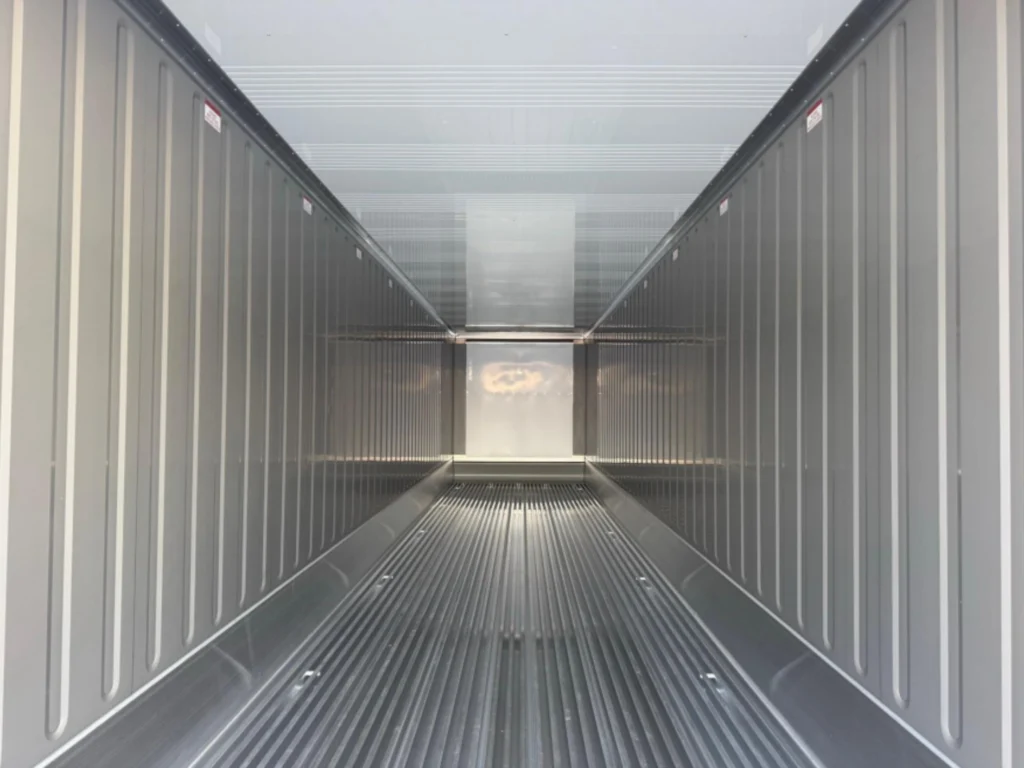
Related Refrigerated Container Options
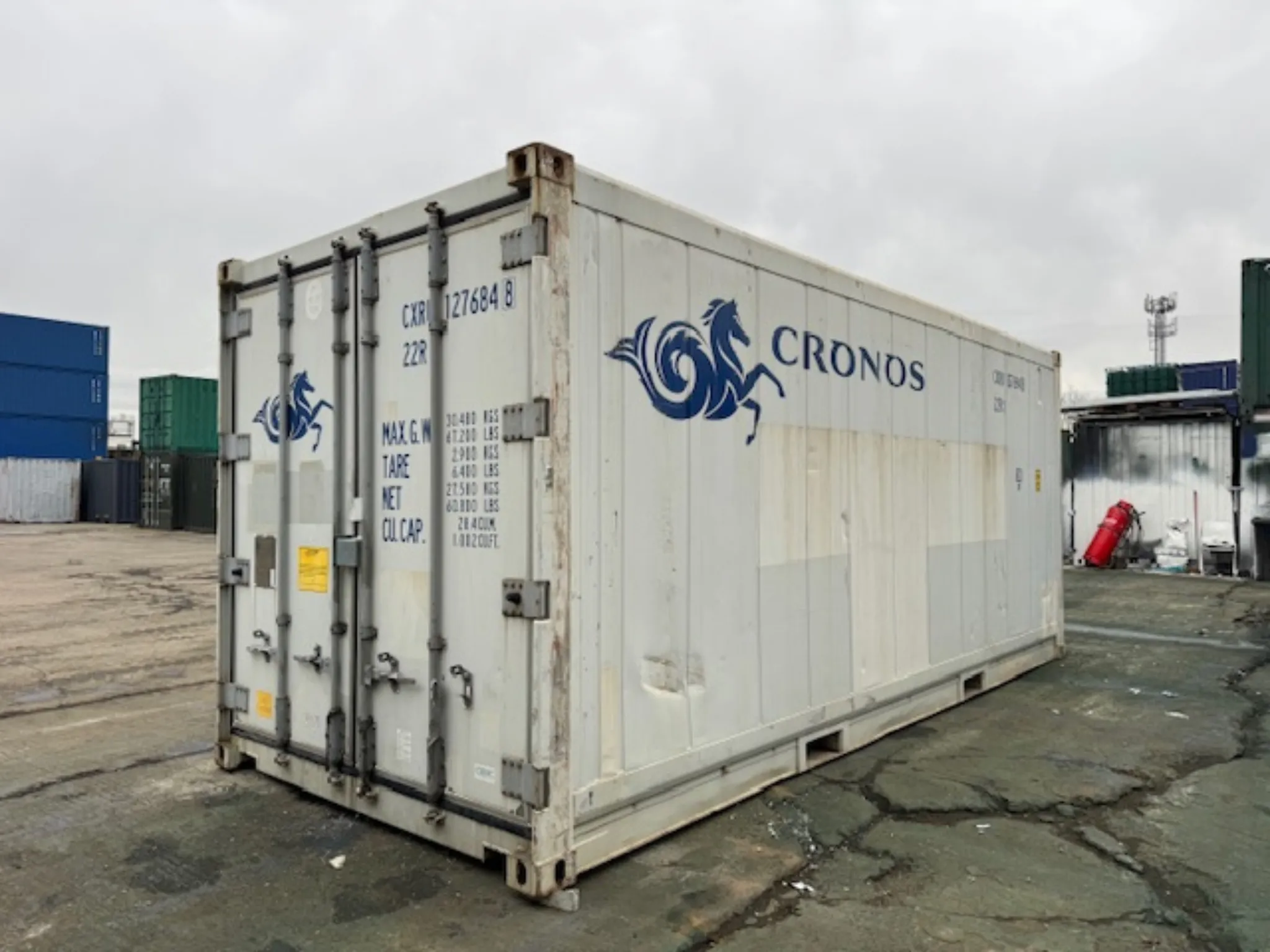
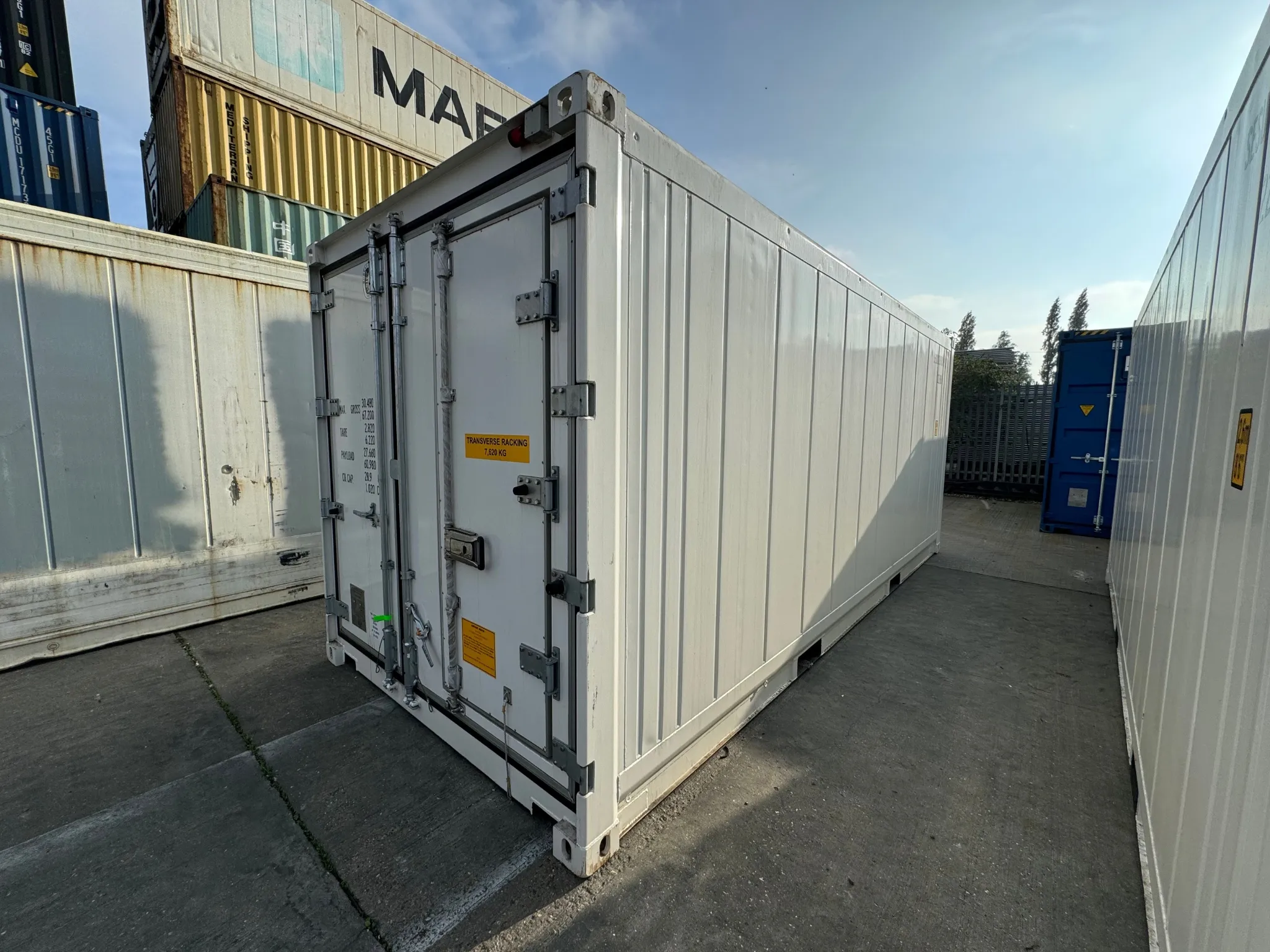
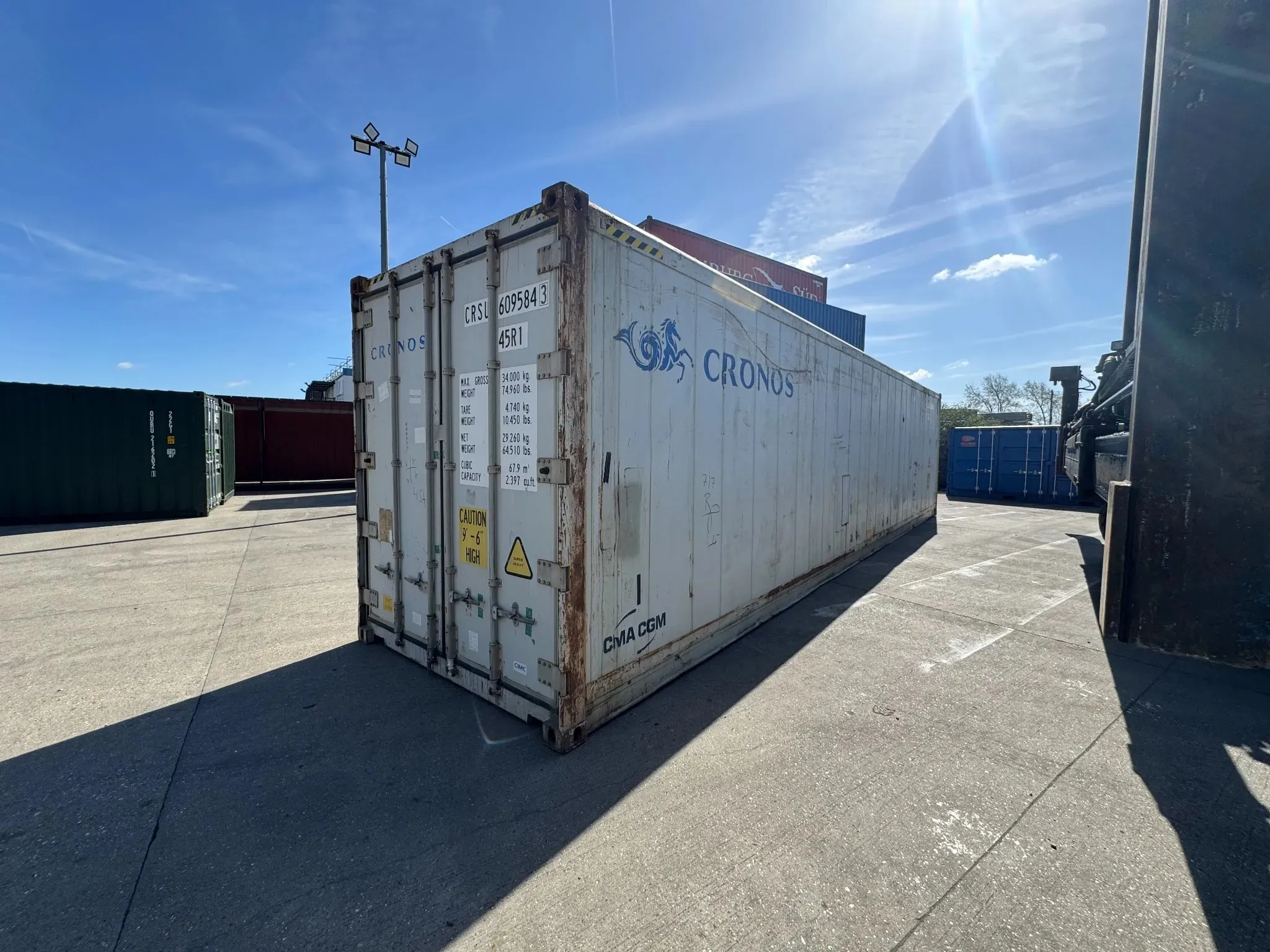
Bosh Boxes supplies refrigerated containers in both 20ft and 40ft sizes, with new and used options available depending on budget, condition preference, and site requirements.
The right refrigerated container depends on how much storage space you need, whether you prefer a new or used unit, and how long the container will be in use.
| Product option | Best for | Internal link |
|---|---|---|
| 20ft used refrigerated containers | Cost-effective chilled or frozen storage where a used unit is suitable | Buy a 20ft used refrigerated container |
| 20ft new refrigerated containers | Buyers wanting a new unit with clean condition and long-term use in mind | Buy a 20ft new refrigerated container |
| 40ft used refrigerated containers | Larger storage requirements where value is the main priority | Buy a 40ft used refrigerated container |
| 40ft new refrigerated containers | High-capacity cold storage where condition, lifespan, and presentation matter | Buy a 40ft new refrigerated container |
A 20ft refrigerated container is often the most practical option for smaller sites, while a 40ft refrigerated container gives more capacity for businesses storing larger volumes of chilled or frozen goods.
Before choosing a unit, it is worth checking the available space, access route, power supply, and how often the doors will be opened during use.
If you are comparing different sizes and conditions, speak to Bosh Boxes and we can help match the refrigerated container to the way it will actually be used.
How to Get Started
To arrange container commissioning, speak to Bosh Boxes before delivery so the site can be prepared properly.
The process is straightforward:
- Tell us whether you need refrigerated container hire or purchase.
- Confirm the container size, temperature requirement, and site location.
- Make sure the correct 3-phase power supply is installed.
- Prepare a firm, level base with safe machinery-end clearance.
- Arrange delivery and commissioning.
- Wait for the container to reach temperature before loading.
For advice on refrigerated container commissioning, delivery, or choosing the right unit, contact Bosh Boxes and we will talk you through the next steps.
Related Products
Need Some More Info From The Bosh Boxes Team?
Need a Container? We’ll Keep It Easy.
Call us on 01375 503890 or email sales@boshboxes.store for a quick, no-nonsense quote — delivery included anywhere in the UK.
Prefer to do it online?
Hit the button below, tell us what you’re after, and we’ll send you our best new and used shipping container deals in no time.
Still browsing?
Explore our full range of shipping containers for sale UK — from secure steel storage containers to refrigerated units, 20ft and 40ft sizes, plus custom builds — all available nationwide.
Order Your Container Today — The Bosh Boxes Way: fast delivery, fair prices, quality guaranteed.