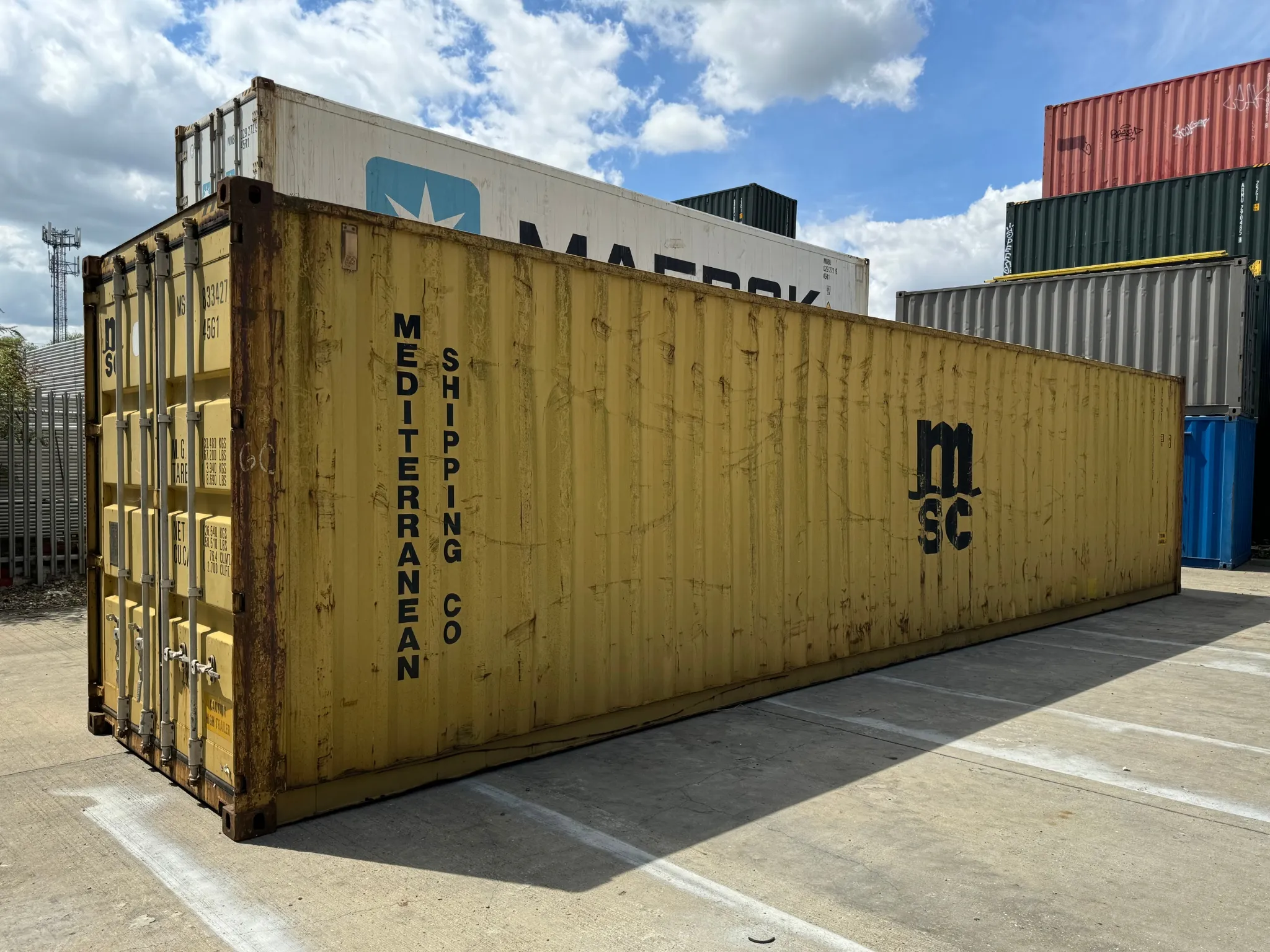
Quick answer: a refrigerated container does not have one fixed electricity-use figure. The reliable calculation is average electrical demand (kW) × operating hours = energy used (kWh). Consumption changes with the refrigeration model, set temperature, ambient temperature, product load, airflow, door openings and machinery condition. Standard marine reefers commonly use an external 380–460V three-phase, 50/60Hz supply, often on a 32A connection, but the exact plug, protection and cable requirements must be confirmed from the specific unit before delivery.
Introduction
Understanding how much power a refrigerated container uses is critical for UK businesses planning cold storage on site. Power consumption affects running costs, electrical installation requirements, and generator sizing.
Whether you are storing food, pharmaceuticals, or temperature-sensitive stock, knowing real-world energy usage helps avoid unexpected electricity bills and operational issues.
If you are comparing unit sizes and delivered prices, view our refrigerated containers for sale UK, including 20ft used refrigerated containers and 40ft used high cube refrigerated containers. We can confirm the suitable unit, electrical requirements and UK delivery cost before you order.
What Is a Refrigerated Container?
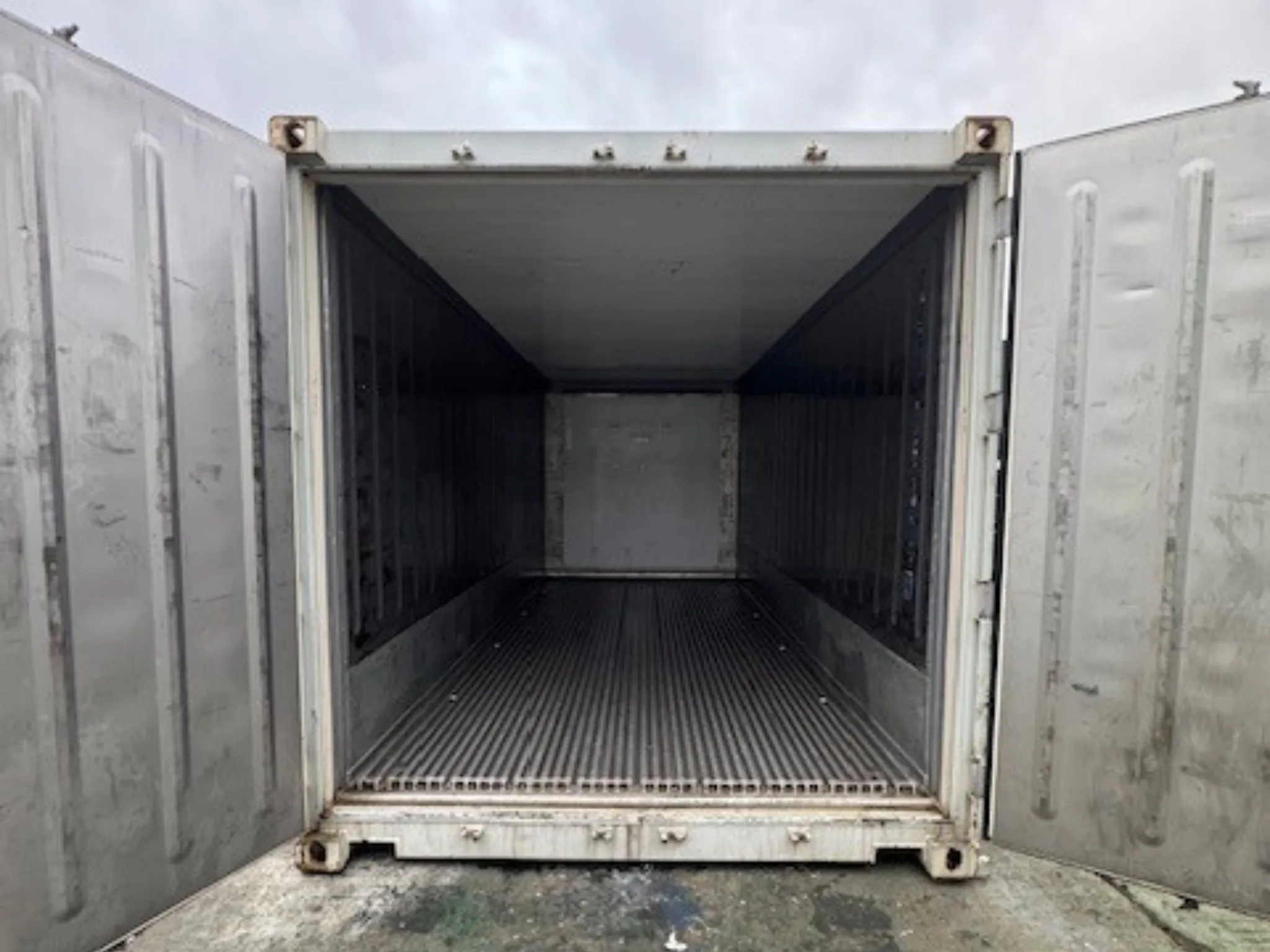
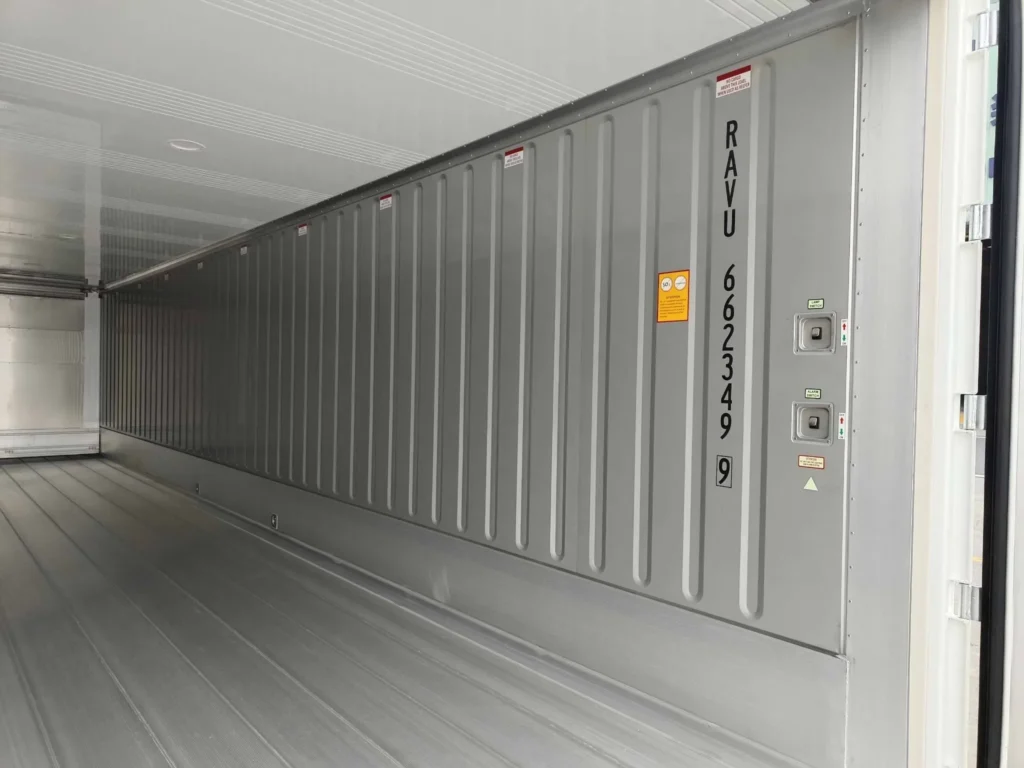
A refrigerated container, often called a reefer container, is a shipping container fitted with an integrated refrigeration unit. It is designed to maintain precise internal temperatures regardless of external weather conditions.
They are commonly used for:
- Agriculture and cold chain distribution
- Food and beverage storage
- Pharmaceutical and medical products
- Catering and event logistics
How to Estimate Refrigerated Container Power Use
The best estimate comes from the actual refrigeration unit’s controller, energy log, smart meter or manufacturer data. Container length alone is not enough: two 40ft reefers with different machinery, setpoints and door-opening patterns can consume very different amounts of electricity.
Use This Calculation
Average demand in kW × hours operating = kWh used. Then multiply the kWh figure by your electricity tariff.
| Illustrative average demand | Energy over 24 hours | Cost at £0.25/kWh | 30-day cost |
|---|---|---|---|
| 3 kW | 72 kWh | £18 | £540 |
| 5 kW | 120 kWh | £30 | £900 |
| 7 kW | 168 kWh | £42 | £1,260 |
These are calculation examples, not guaranteed consumption figures. A reefer cycles rather than drawing its maximum load continuously. For a useful budget, ask for the machinery make and model and, where available, measured consumption from the actual unit.
Power Supply Requirements Explained
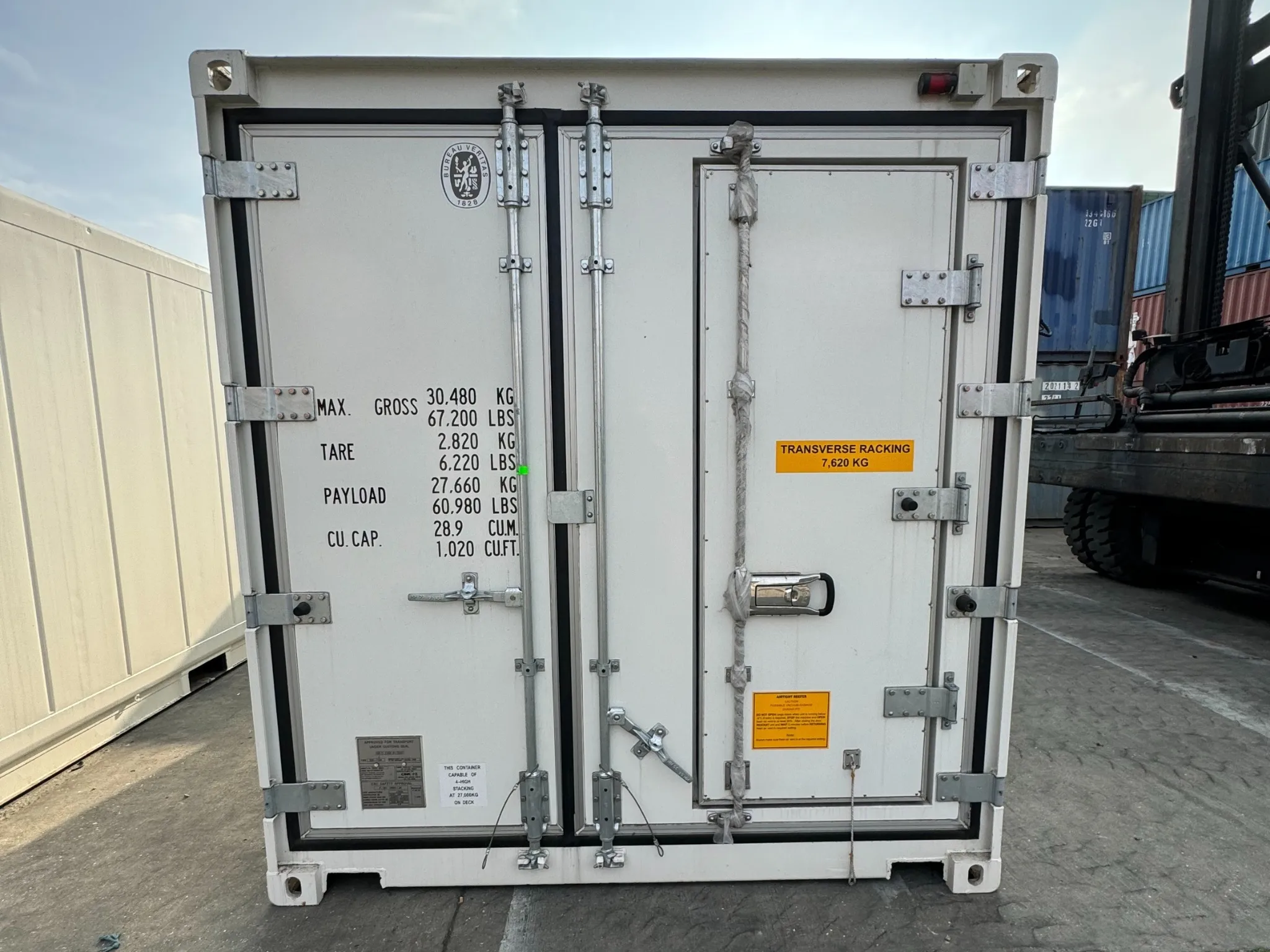
Marine reefer machinery from manufacturers such as Carrier and Thermo King is commonly designed for 380–460V, three-phase, 50/60Hz power. A 32A site connection is common, but buyers must not assume that every container has the same plug, neutral requirement, breaker or cable length.
- Check the electrical nameplate and supplied plug on the exact unit.
- Confirm whether the connection is four-pin or five-pin and whether a neutral is required.
- Use correctly rated isolation, earthing and motor-start protection.
- Position the connection safely within reach of the supplied lead; do not rely on improvised extension cables.
- Have a qualified commercial electrician assess and prepare the installation before delivery.
Bosh Boxes can confirm the machinery model, plug arrangement and cable reach for the container being quoted. Manufacturer references include the Carrier PrimeLINE technical resources and the Thermo King Magnum+ operator manual.
What Factors Affect Power Consumption?
Several variables directly impact how much electricity a refrigerated container uses.
Temperature Set Point
Lower temperatures require more energy. A container running at -25°C will use significantly more power than one set at +4°C.
Ambient Temperature
Containers working during summer months or in direct sunlight consume more electricity as the unit works harder to maintain internal temperature.
Door Openings
Frequent door openings allow cold air to escape, increasing compressor run time and energy use.
Container Condition
Older or heavily used refrigerated containers may use more power due to wear on insulation, door seals, or refrigeration components.
Calculate Your Running Cost
Use your measured or estimated average kW figure, multiply it by the hours operated, then multiply the resulting kWh by the electricity tariff shown on your business bill.
Example: 4 kW average demand × 24 hours = 96 kWh per day. At £0.25 per kWh, that equals £24 per day or approximately £720 over 30 days. This is an illustration only; your tariff, machinery and operating conditions will change the result.
For maintenance, servicing and total ownership costs as well as electricity, read our reefer container running-cost guide.
How to Reduce Refrigerated Container Energy Use
Practical ways to lower running costs include:
- Set the temperature only as low as required
- Minimise door openings
- Keep containers shaded where possible
- Ensure door seals are well maintained
- Use energy-efficient LED internal lighting
- Schedule regular servicing
These steps can reduce unnecessary compressor and fan runtime, but the saving cannot be expressed as one universal percentage. Measure consumption before and after changes if electricity cost is operationally important.
New vs Used Refrigerated Containers and Power Efficiency
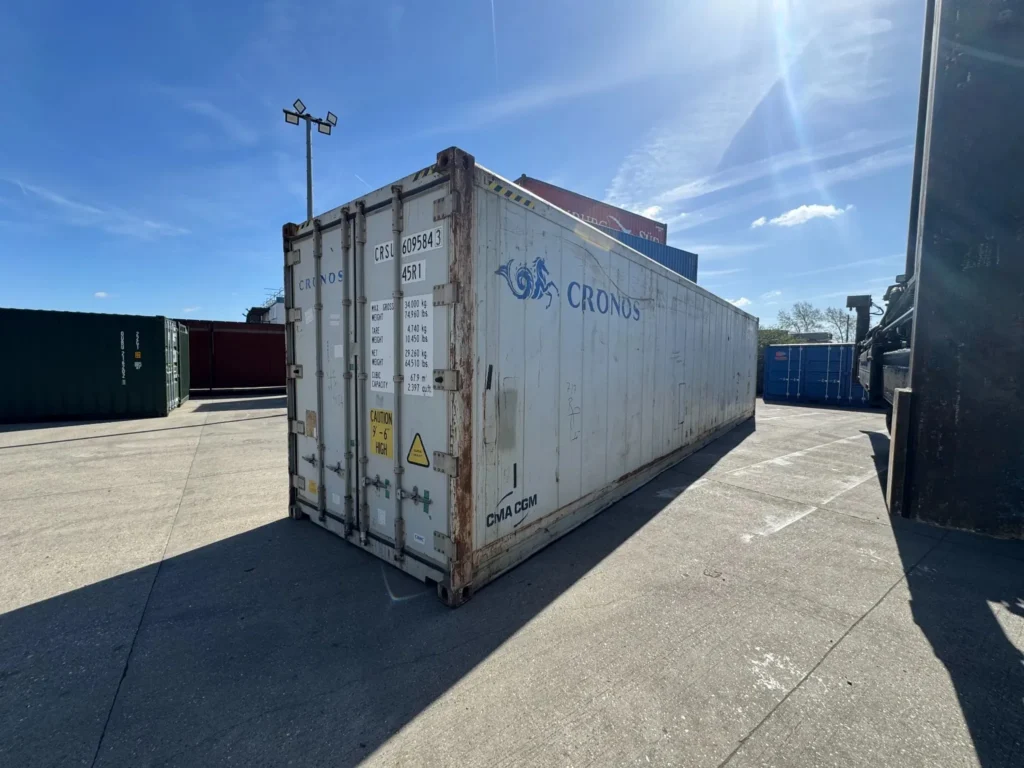
Newer machinery can be more efficient, but age alone does not predict consumption. Compare the refrigeration model, operating hours, maintenance history, insulation, door seals and measured energy draw. A well-maintained used reefer may use less electricity than a poorly operated newer unit.
A PTI confirms specified checks at the time of inspection; it is not an energy-efficiency certificate or an indefinite warranty. Bosh Boxes will explain the machinery condition and available testing for the unit being quoted.
Choose between new and used based on criticality, budget, maintenance tolerance and the evidence available for the exact container.
Why Bosh Boxes Is the Right Choice for Refrigerated Containers
- Expert advice on power requirements before delivery
- UK-spec electrical compatibility guidance
- PTI status and machinery condition explained before dispatch
- Honest advice on new vs used efficiency
- Nationwide delivery and support
- Containers suitable for storage or continuous operation
Related Refrigerated Container Guides
- Reefer container running costs, maintenance and lifespan
- 20ft vs 40ft refrigerated containers
- Refrigerated container buyer’s guide UK
Bottom Line
A reefer’s electricity use should be calculated from its average demand in kW and expressed as kWh over a stated period. Confirm the exact electrical supply and machinery before delivery, then use measured consumption and your own tariff for the most reliable running-cost forecast.
Technical Sources
Specifications vary by refrigeration model and container. Always confirm the data plate and electrical requirements of the exact unit supplied.
Need Help Choosing the Right Refrigerated Container?
If you are unsure about power supply, running costs, or which container size is best for your application, Bosh Boxes can help you choose the right solution with confidence.