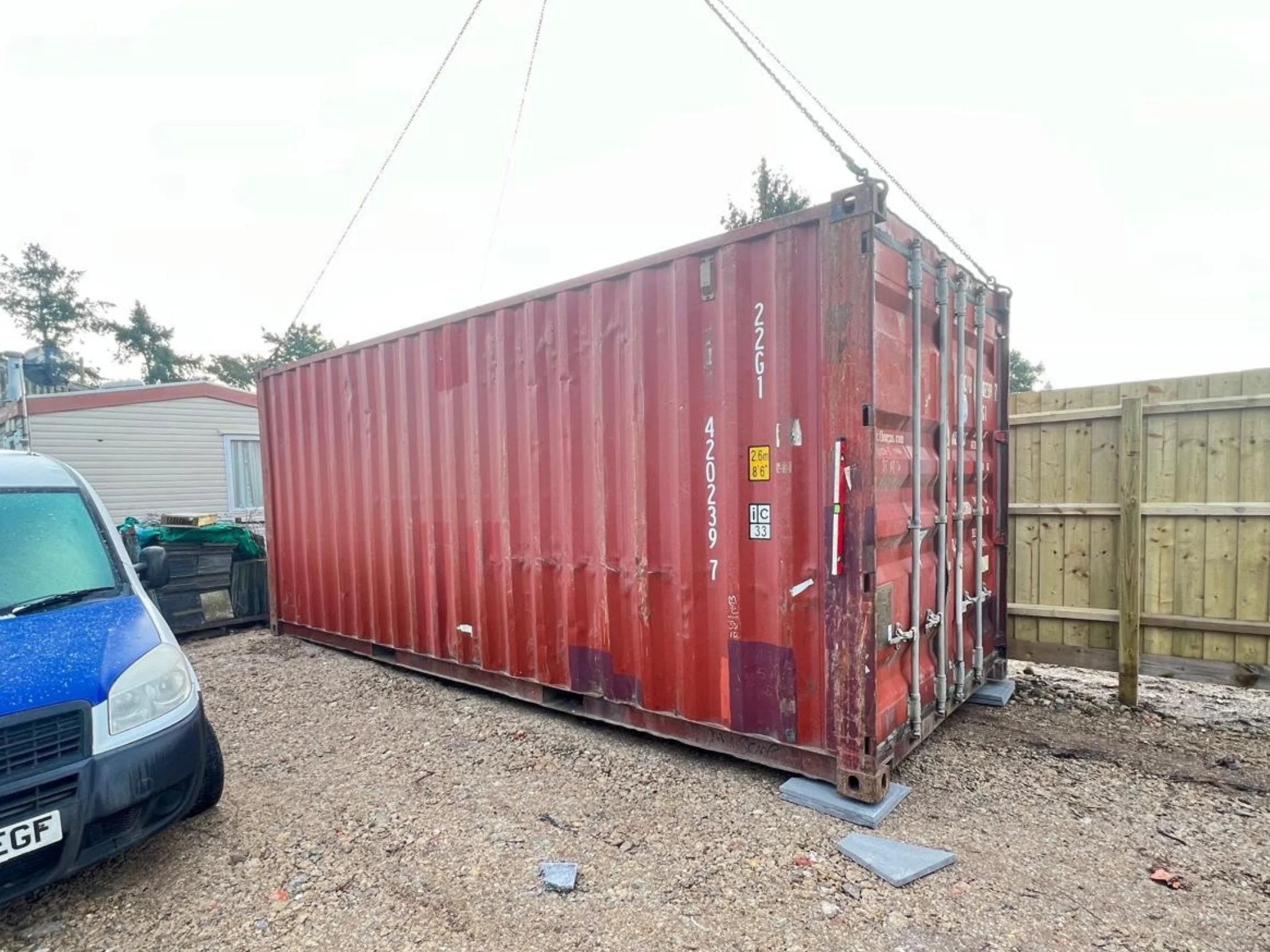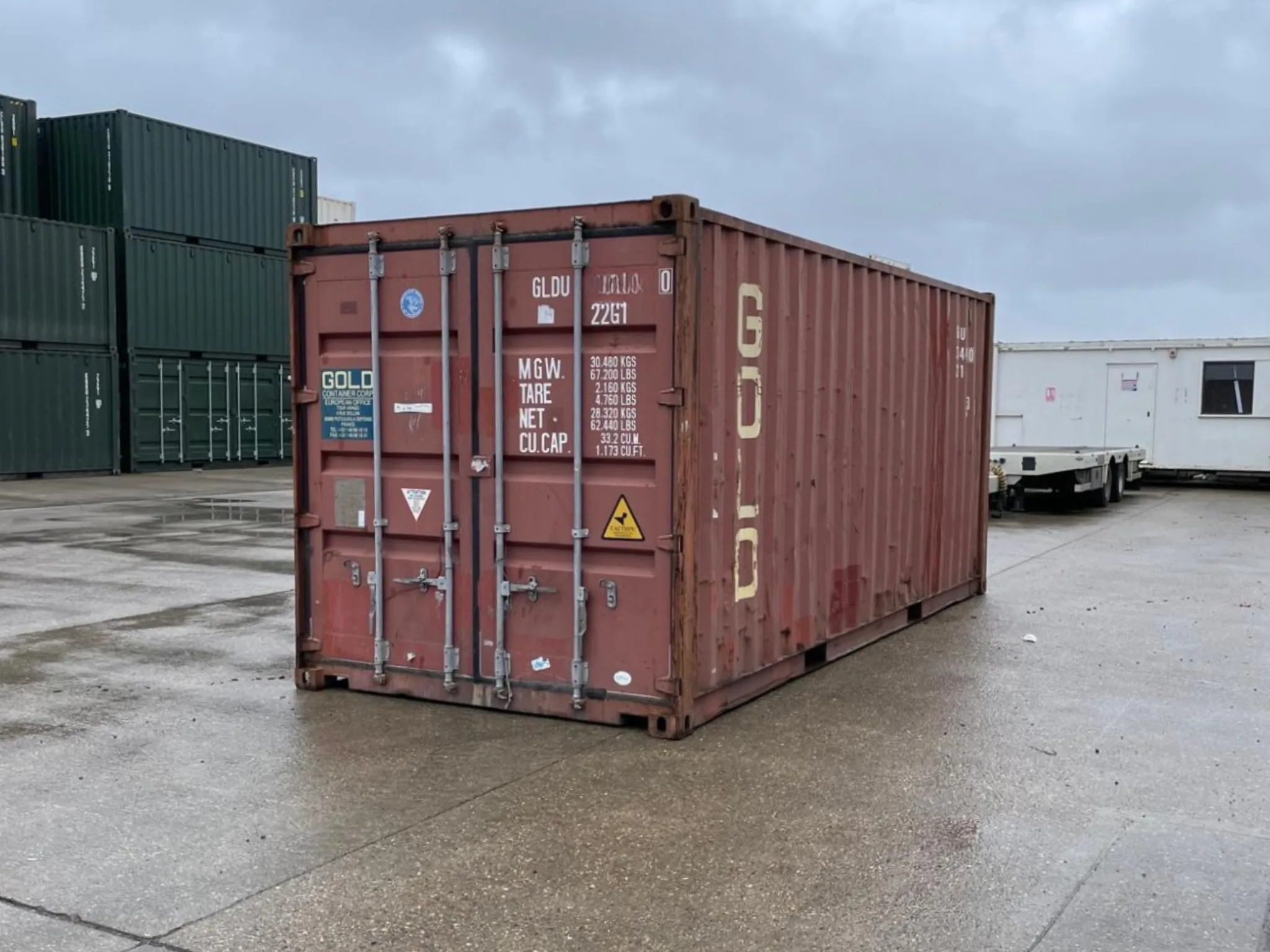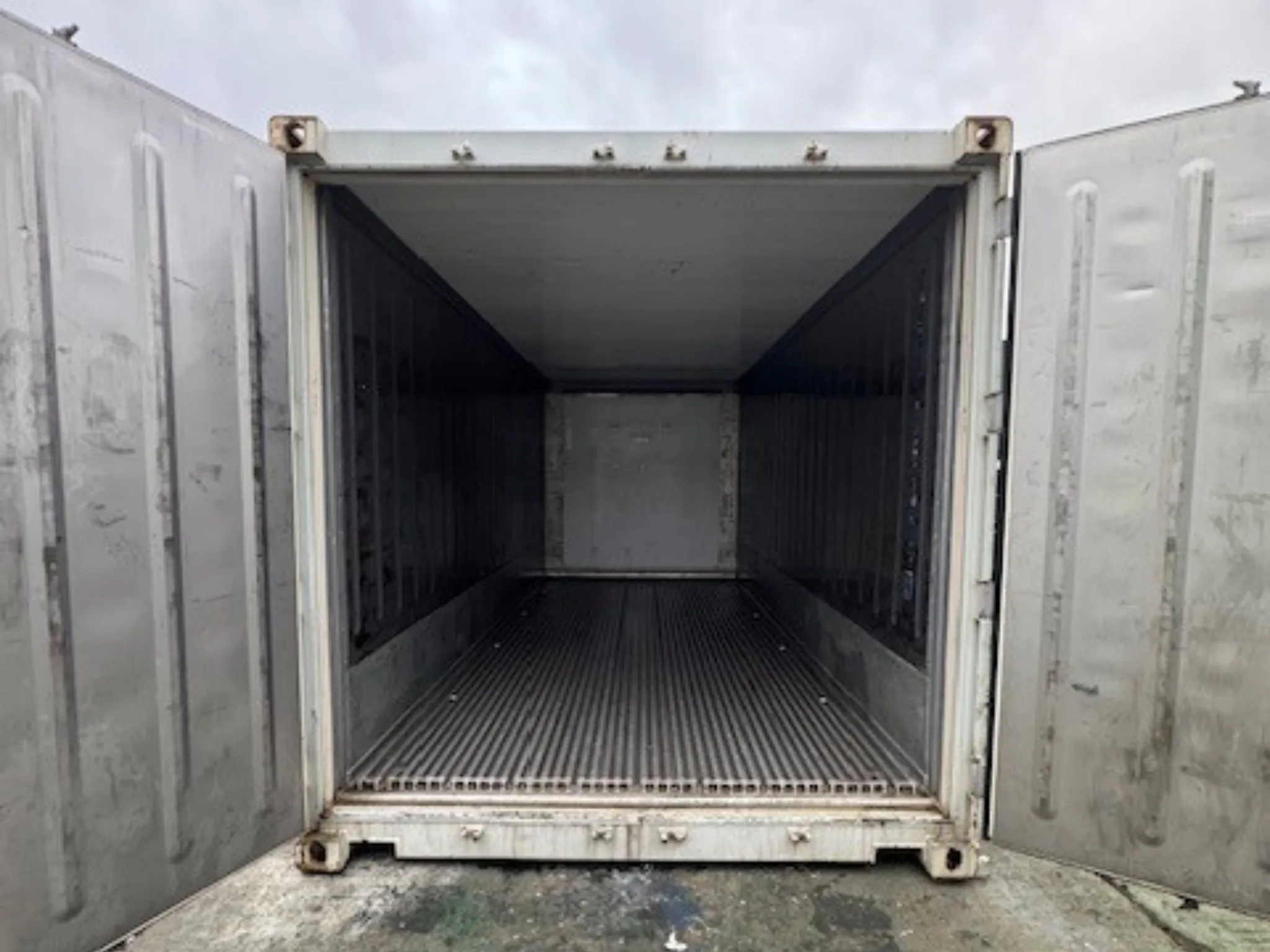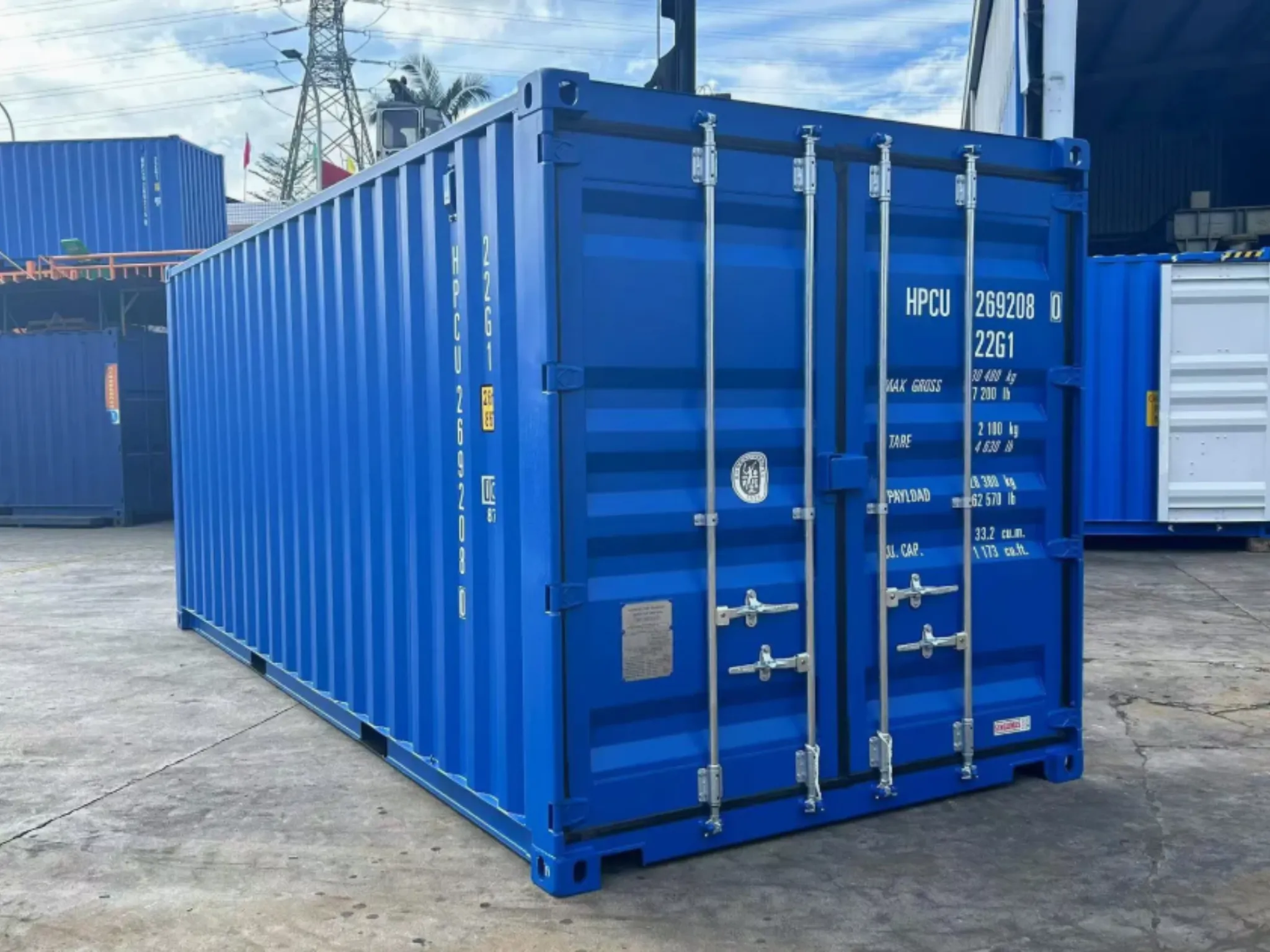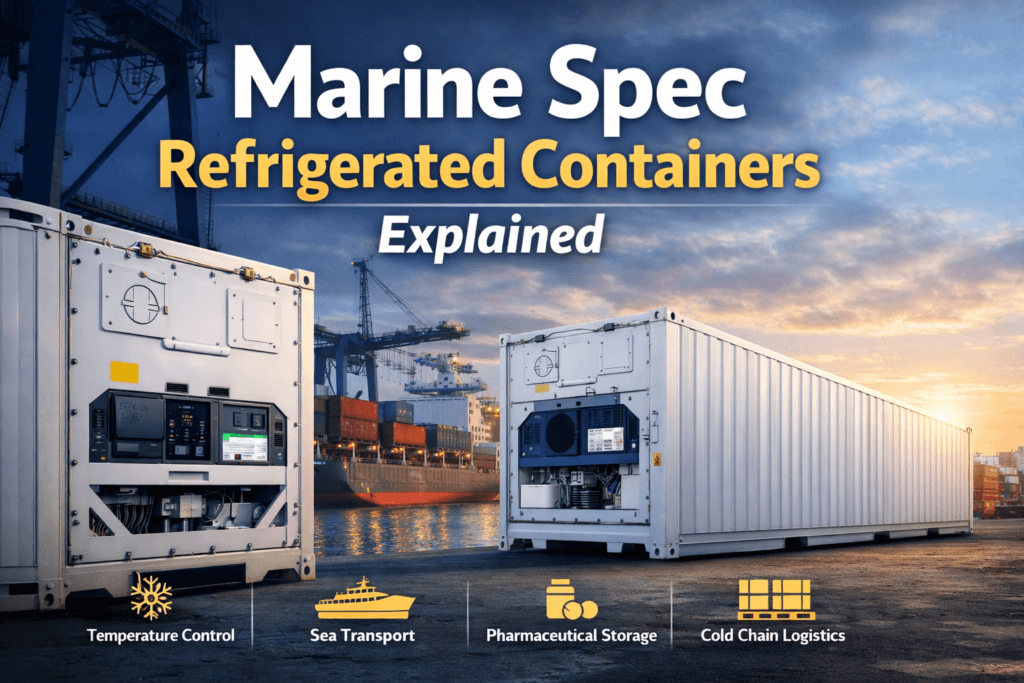
Marine spec refrigerated containers are ISO-certified temperature controlled shipping containers built for international transport and long-term cold storage. In the UK, marine spec reefers are used for food, pharmaceutical, and export logistics where compliance, durability, and consistent temperature control are critical.
Introduction
Not all refrigerated containers are built to marine specification.
Some units are designed purely for static storage. Marine spec reefers are engineered for global transport, stacking on vessels, and continuous operation in harsh environments.
For UK buyers, understanding marine specification is only the starting point. Size selection, electricity usage, maintenance costs, delivery access, and planning permission all influence suitability.
A 20ft marine spec reefer behaves differently operationally from a 40ft unit. Running costs vary depending on power demand and usage intensity. Long-term installation may also raise planning considerations depending on site location.
Choosing correctly means evaluating specification, size, cost, and compliance together.
This guide explains what marine spec means in practice, how it differs from non-marine refrigerated containers, and what UK businesses should consider before purchasing.
What Is a Marine Spec Refrigerated Container?
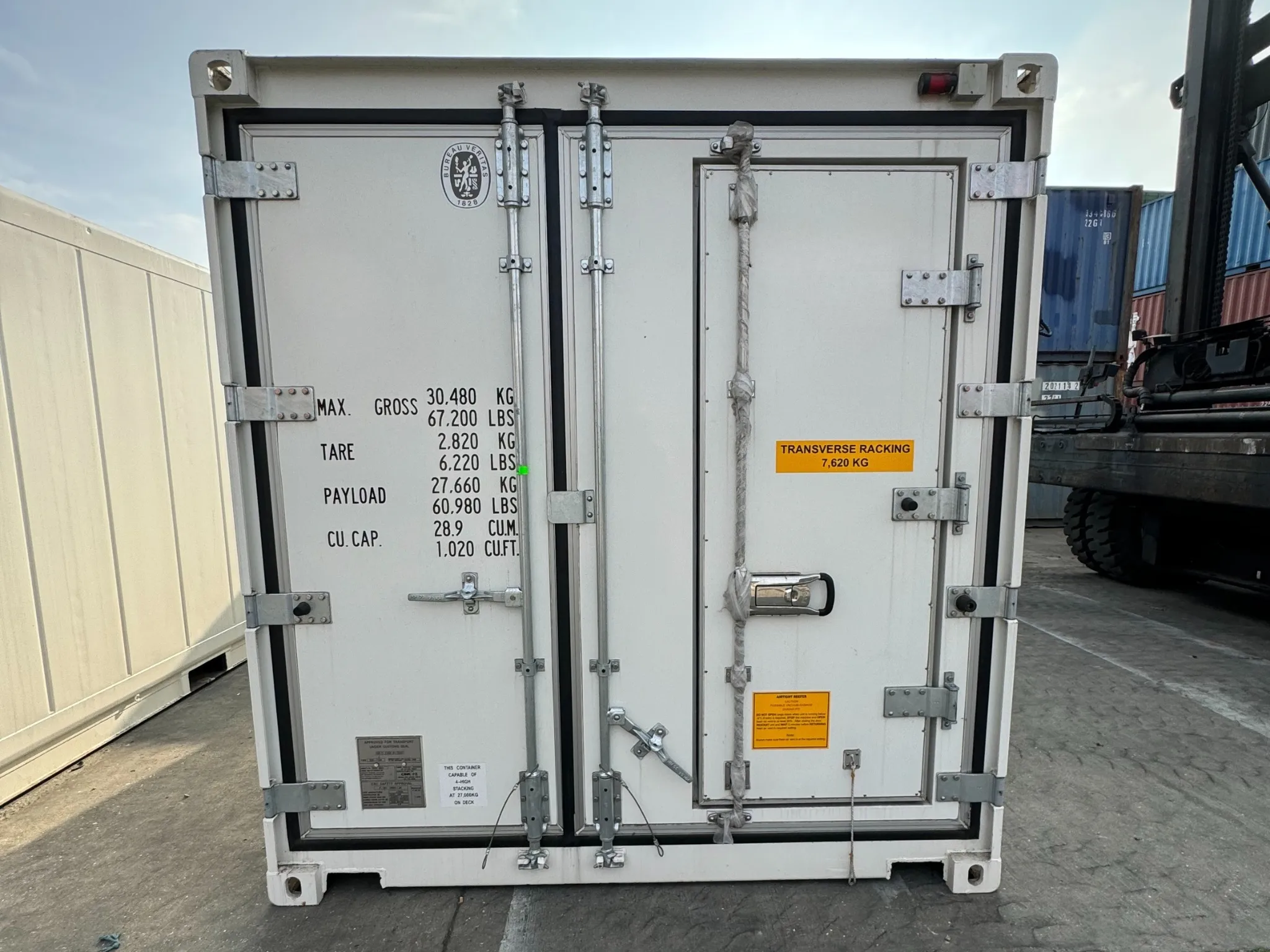
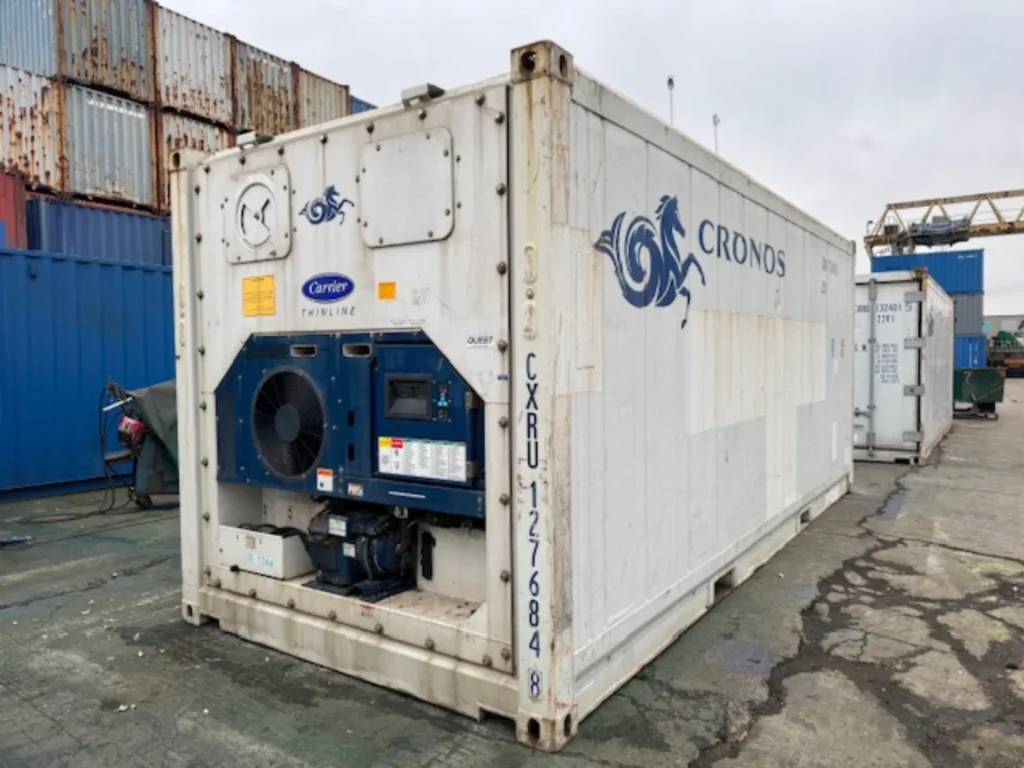
A marine spec refrigerated container is a purpose built ISO shipping container fitted with an integrated refrigeration unit and manufactured to meet global shipping and safety standards.
Key characteristics include:
- ISO compliant steel structure
- Built in refrigeration machinery
- Designed for sea freight and port handling
- Capable of maintaining stable temperatures over long periods
- Suitable for international export and domestic UK use
Unlike basic cold storage units, marine spec reefers are designed to operate reliably in harsh marine environments.
What Does Marine Spec Mean in Practice?
Marine specification refers to containers that meet international shipping requirements rather than just domestic storage needs.
This includes:
- Compliance with CSC safety regulations
- Structural strength for stacking on vessels
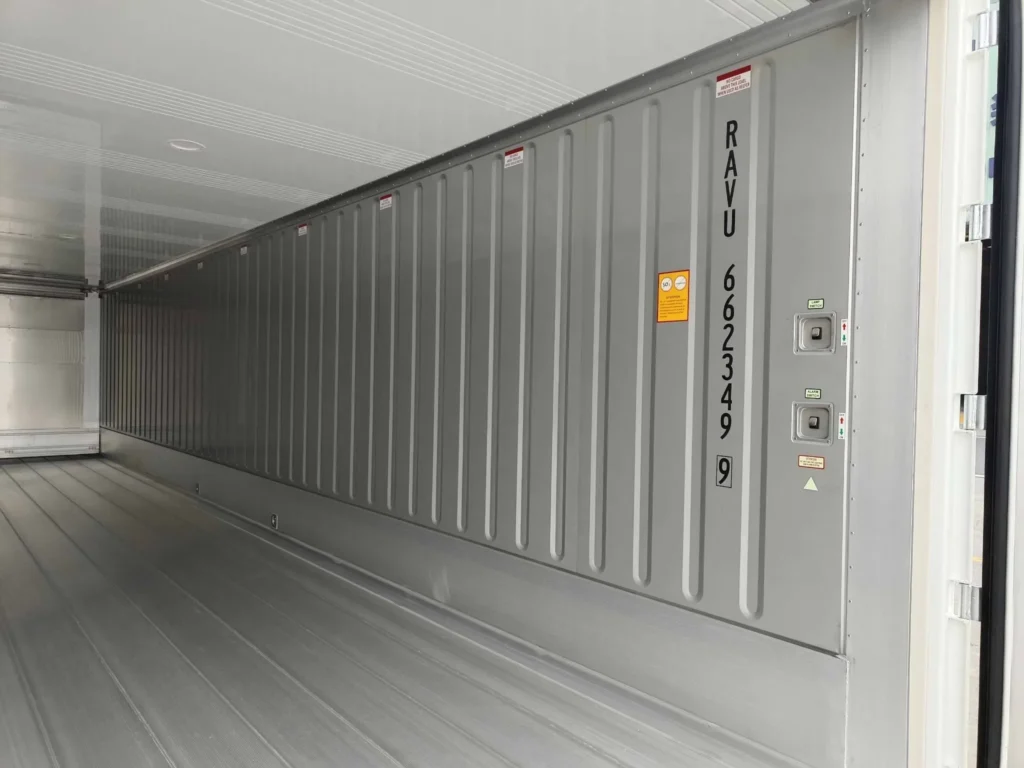
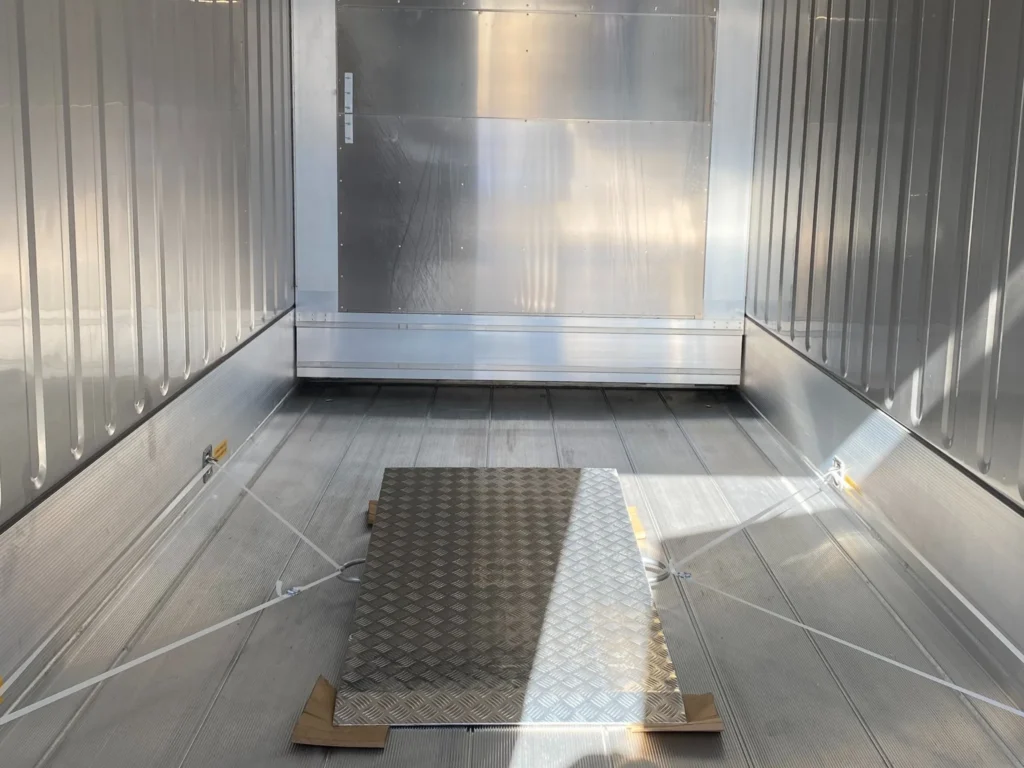
- Heavy duty flooring rated for pallet loads
- Electrical systems designed for continuous operation
- Refrigeration units approved for maritime use
For UK businesses, this means the container can be used both on site and in global supply chains.
Typical Temperature Ranges
Marine spec refrigerated containers are capable of precise temperature control.
Common ranges include:
- Frozen storage down to -25°C
- Chilled storage from 0°C to +4°C
- Controlled environments up to +25°C
Modern reefer units maintain temperature consistency even in fluctuating external conditions, making them ideal for sensitive goods.
Choosing the Right Size: 20ft vs 40ft Marine Spec Reefers
Marine specification applies to both 20ft and 40ft refrigerated containers, but size affects practicality, energy use, and site planning.
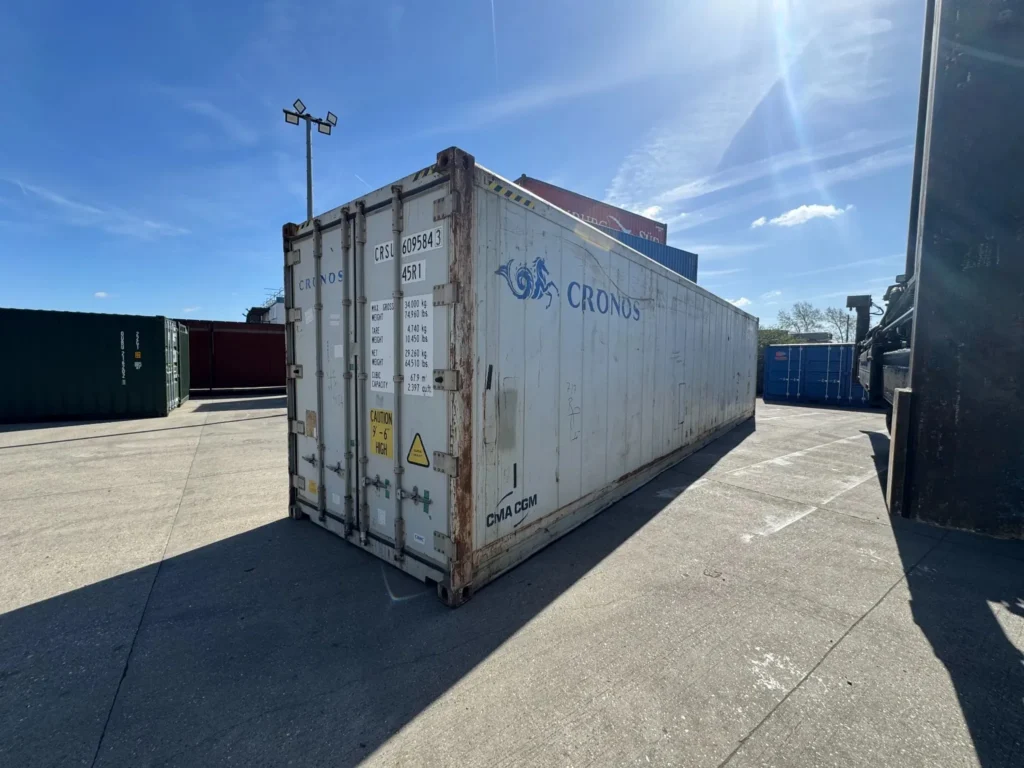
A 20ft marine spec reefer is typically chosen for smaller operations, limited site access, or moderate pallet volumes. A 40ft unit offers significantly greater internal capacity and suits high-volume food distribution or export operations.
The correct size depends on stock turnover, available power supply, delivery access, and physical footprint.
Businesses comparing sizes should review 20ft vs 40ft Refrigerated Containers: Which Is Right for You? for a full breakdown of capacity, pallet layouts, access needs, and operational efficiency.
Selecting the correct size at the specification stage prevents operational inefficiencies later.
Common Uses for Marine Spec Refrigerated Containers in the UK
Marine spec refrigerated containers are widely used across multiple industries.
Typical applications include:
- Food distribution and cold chain storage
- Meat, fish, and dairy processing
- Pharmaceutical and medical storage
- Catering and event cold storage
- Export shipping of temperature sensitive goods
Their versatility makes them a long term asset rather than a short term solution.
Marine Spec vs Non Marine Refrigerated Containers
Not all refrigerated containers are built to the same standard.
Marine spec containers are designed for shipping and long term use, while non marine units are often converted or repurposed for static storage only.
Key differences include:
- Higher build quality and durability
- Certified for international transport
- More robust refrigeration systems
- Higher resale value
- Better long term reliability
For businesses planning export or heavy use, marine spec is the safer choice.
New vs Used Marine Spec Refrigerated Containers
UK buyers can choose between new and used marine spec reefers depending on budget and usage.
New marine spec containers offer:
- One trip prior cargo use
- Latest refrigeration technology
- Maximum lifespan
- Best efficiency and reliability
Used marine spec containers provide:
- Lower upfront cost
- Proven performance history
- Ideal for static cold storage
- Strong value when properly serviced
The right choice depends on how critical temperature control and longevity are to your operation.
Power Requirements Explained
Marine spec refrigerated containers require an external power supply.
Most units operate on:
- 380V to 460V three phase power
- Standard industrial connections
- Generator compatibility if required
Understanding site power availability is essential before purchase.
Read more on How Much Power Does a Refrigerated Container Use?
Running Costs and Long-Term Operational Planning
Marine spec refrigerated containers are engineered for reliability, but operational cost must be factored into the purchase decision.
Electricity consumption depends on container size, ambient temperature, insulation condition, and compressor performance. Three-phase power supply is standard, and continuous operation can generate significant monthly energy use.
Maintenance intervals, refrigerant servicing, and component lifespan also influence total ownership cost. Before purchase, businesses should understand the full breakdown of electricity, maintenance, and lifespan expectations. For a full breakdown of electricity consumption, servicing intervals, and expected lifespan, see Reefer Container Running Costs: Electricity, Maintenance and Lifespan.
Marine specification ensures durability, but cost awareness ensures sustainability.
Planning Permission and Site Installation in the UK
Marine spec refrigerated containers are built for transport, but many are installed for static on-site use.
In the UK, planning permission requirements depend on duration of use, site type, and visual impact. Temporary installations for events or short-term storage are often treated differently from permanent commercial placements.
Larger units or installations in residential or sensitive areas may require consultation with the local authority.
Before installing a reefer for extended commercial use, review Do Refrigerated Containers Need Planning Permission in the UK? to understand how duration, location, and site visibility affect approval.
Regulatory awareness protects both compliance and investment.
Frequently Asked Questions About Marine Spec Refrigerated Containers
Is every refrigerated container marine specification?
No. Some refrigerated containers are designed purely for static storage and do not meet full maritime structural or CSC compliance standards.
Is a 20ft or 40ft marine spec reefer better?
The correct size depends on storage volume, pallet configuration, site access, and power availability. A detailed comparison is available in 20ft vs 40ft Refrigerated Containers: Which Is Right for You?
How much does it cost to run a marine spec refrigerated container in the UK?
Running costs depend on size, insulation condition, ambient temperature, and compressor efficiency. A full cost breakdown is available in Reefer Container Running Costs: Electricity, Maintenance and Lifespan.
Do marine spec refrigerated containers require planning permission?
Planning requirements depend on installation duration, location, and intended use. Guidance is available in Do Refrigerated Containers Need Planning Permission in the UK?
Why Marine Spec Matters for Compliance
For UK businesses involved in food or pharmaceutical storage, compliance is non negotiable.
Marine spec refrigerated containers help meet:
- Food safety regulations
- Cold chain requirements
- Export shipping standards
- Insurance and audit expectations
Using a container that meets marine specification reduces operational risk.
Related Guides You May Find Useful
Refrigerated Shipping Containers Explained (UK Buyer Guide)
Why Bosh Boxes Is the Right Choice
Bosh Boxes supplies marine spec refrigerated containers built for real world UK business use.
Buyers benefit from:
- Verified marine specification containers
- Honest condition grading
- Expert advice on power and placement
- Nationwide UK delivery
- Containers suitable for storage or export
- Long term support and guidance
Our focus is on reliability, not just price.
Bottom Line
Marine spec refrigerated containers combine ISO-certified structural strength with reliable temperature control for demanding UK environments.
Choosing correctly means assessing size, electricity demand, long-term maintenance, and planning requirements together. Specification alone is not enough.
Businesses that evaluate capacity, operational cost, and compliance before purchase avoid disruption later.
For a fast quote and guidance tailored to your site, Bosh Boxes can advise on specification, delivery, and installation across the UK.