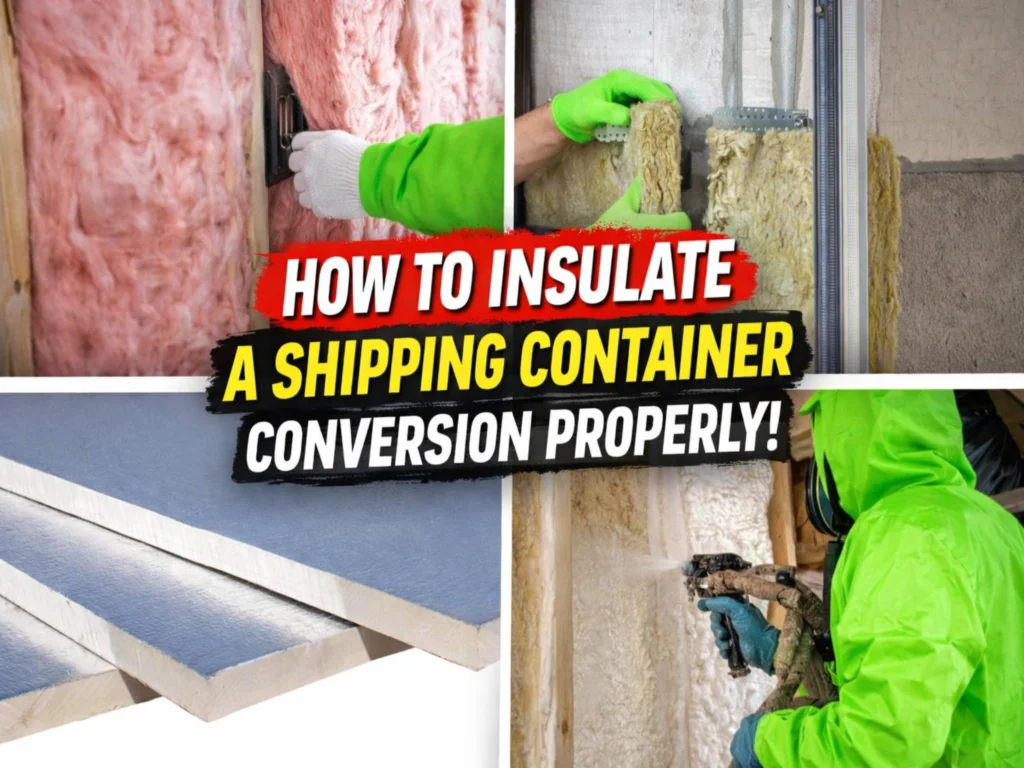
How to insulate a shipping container conversion properly depends on controlling condensation as well as temperature. In the UK, the best approach is usually closed-cell spray foam or a flash-and-batt system, because steel containers trap moisture and create thermal bridging. Poor insulation choices can leave wall cavities damp, reduce usable lifespan, and make a conversion uncomfortable to use year-round.
Insulation is one of the most important parts of any container conversion. A shipping container office, studio, workshop, shop, or home can look finished on the outside but still perform badly if the insulation system is wrong.
Many buyers focus on warmth alone. The bigger issue is usually moisture.
Why insulation matters in a container conversion
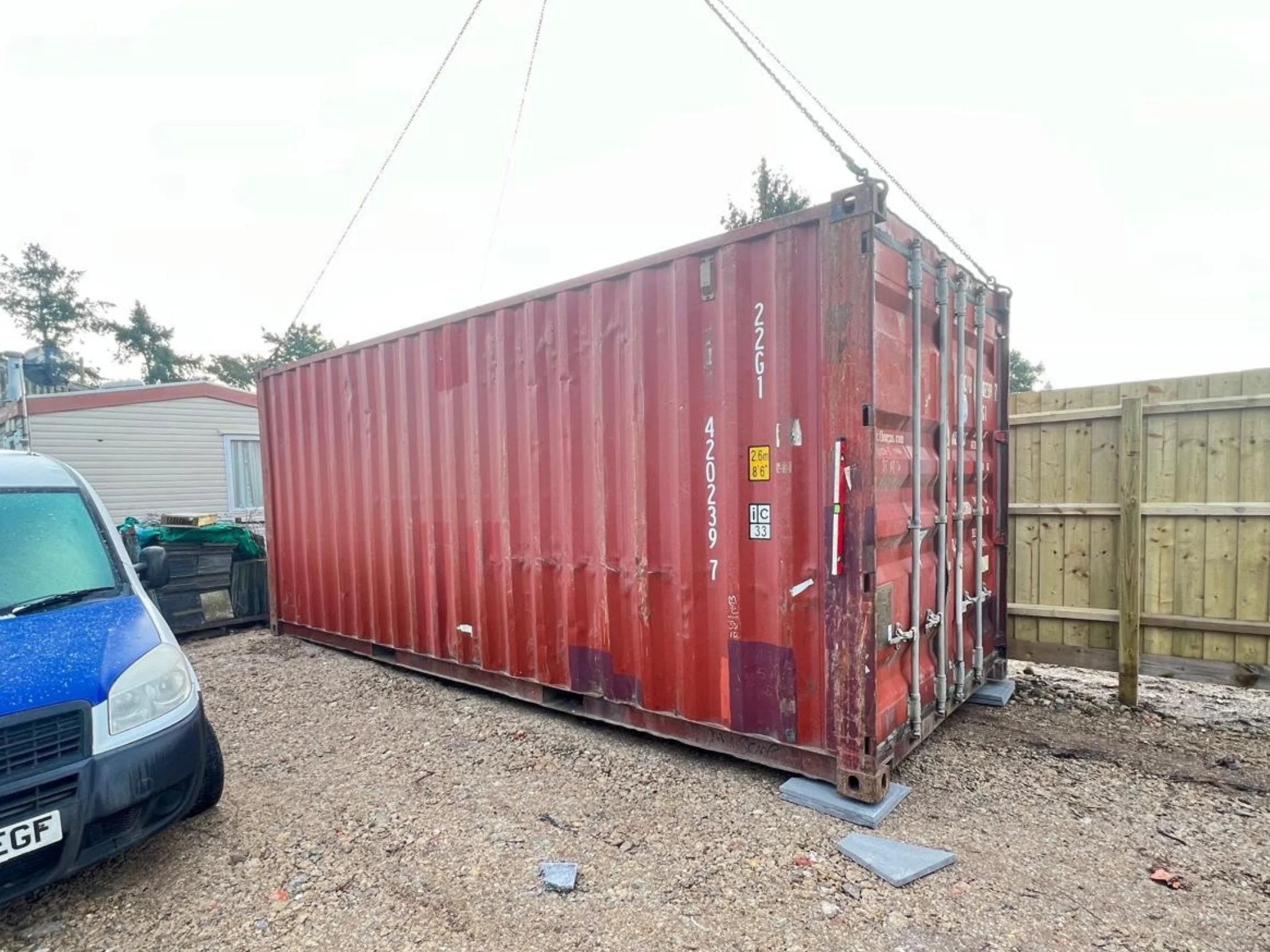
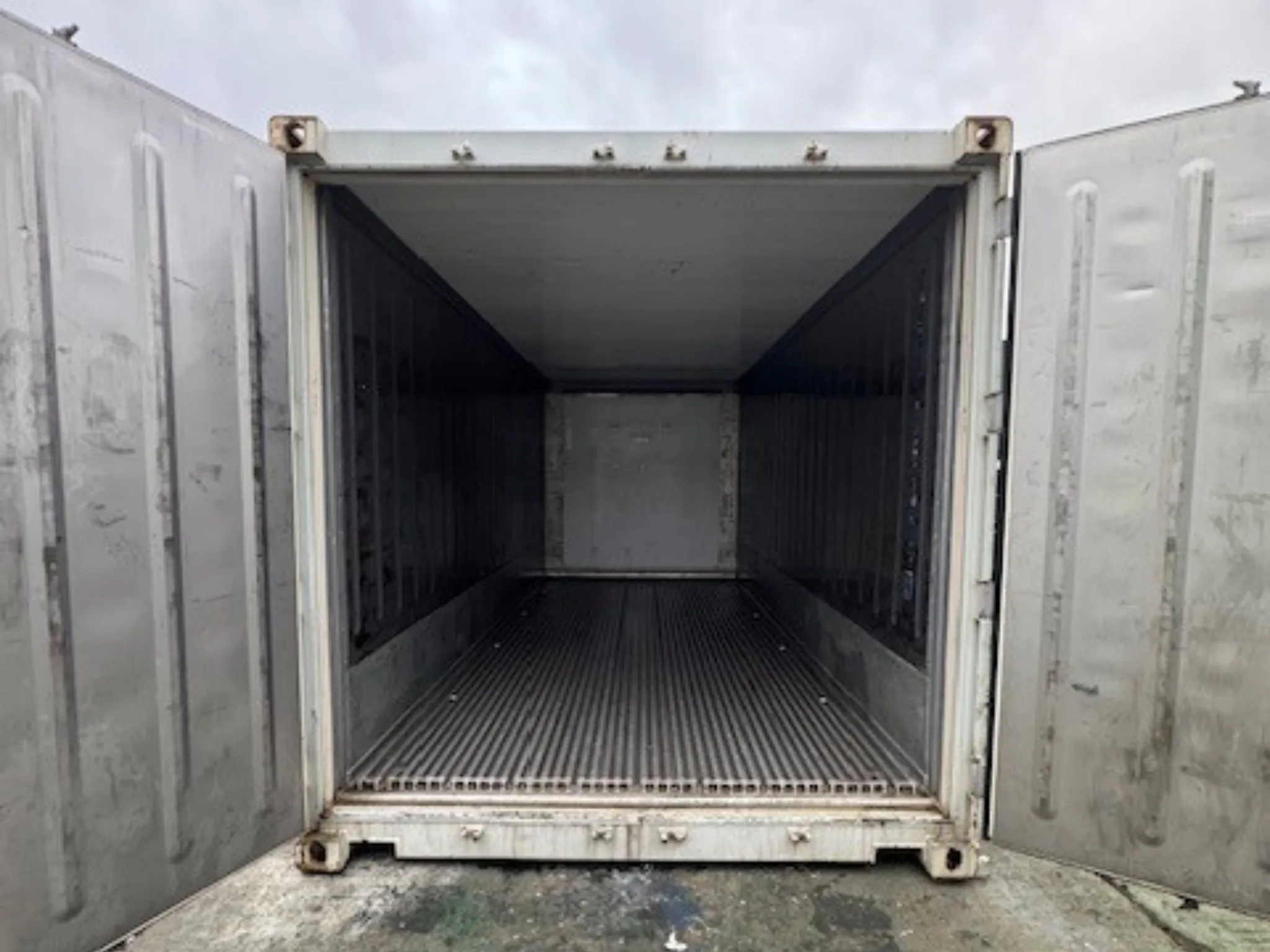
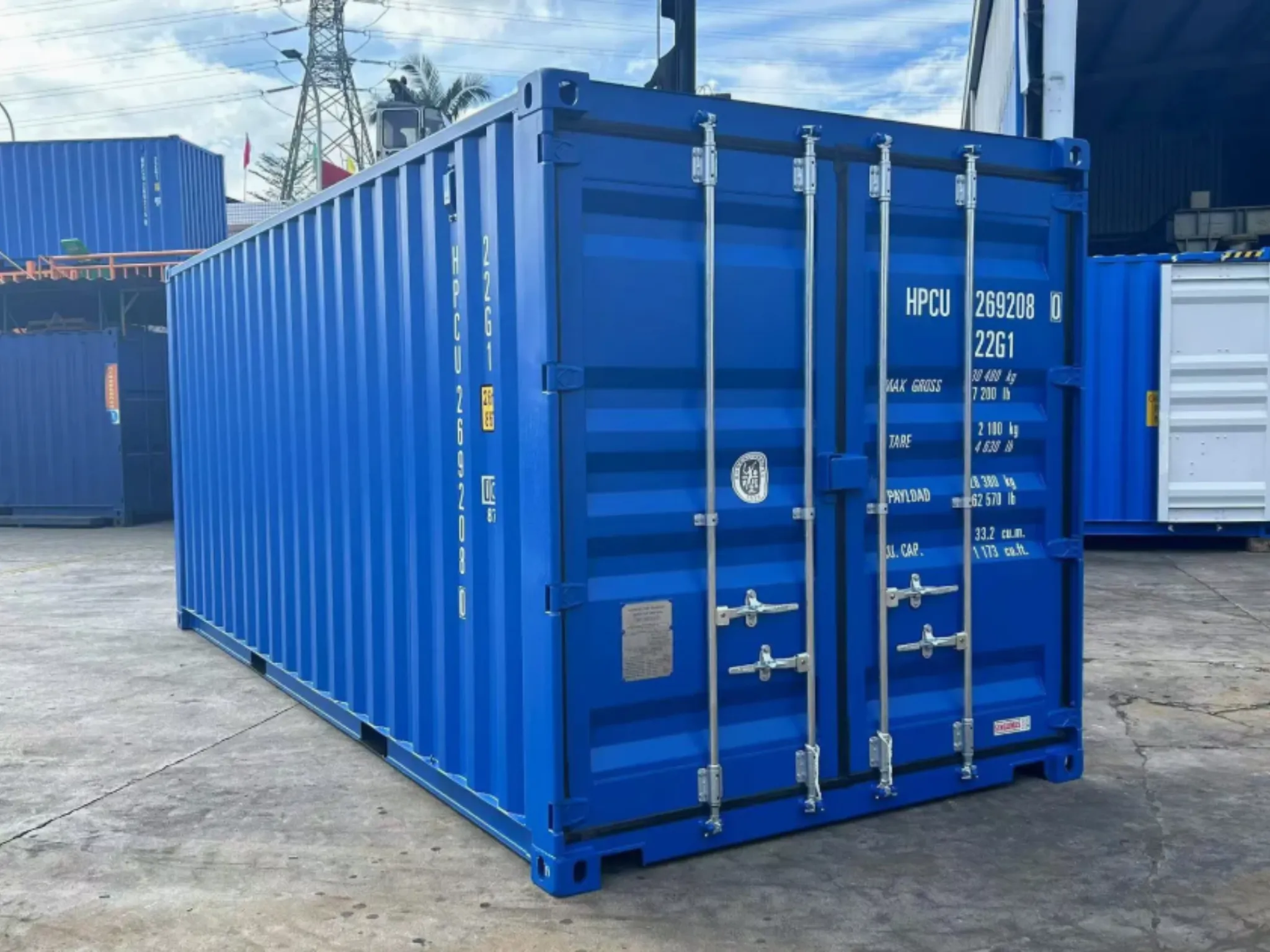
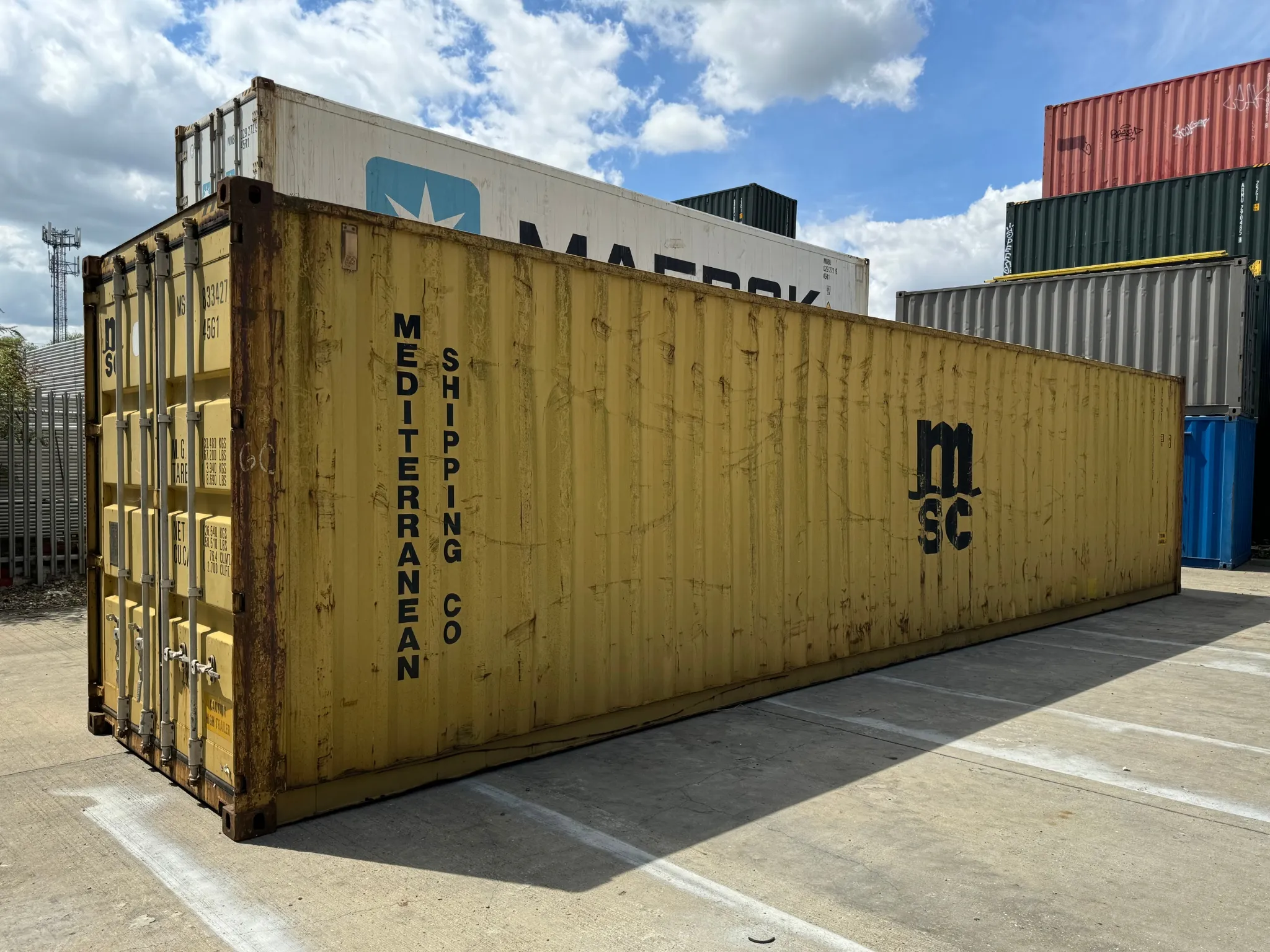
A shipping container is a steel box. Steel heats up quickly, cools down quickly, and creates condensation when warm internal air meets a cold metal surface.
That means insulation in a container conversion needs to do more than improve comfort. It needs to:
- reduce heat gain in summer
- reduce heat loss in winter
- manage condensation risk
- limit thermal bridging through the steel shell
- improve sound control in work or living spaces
If the insulation system is poor, a conversion can suffer from mould, damp smells, corrosion behind the wall lining, and higher heating costs.
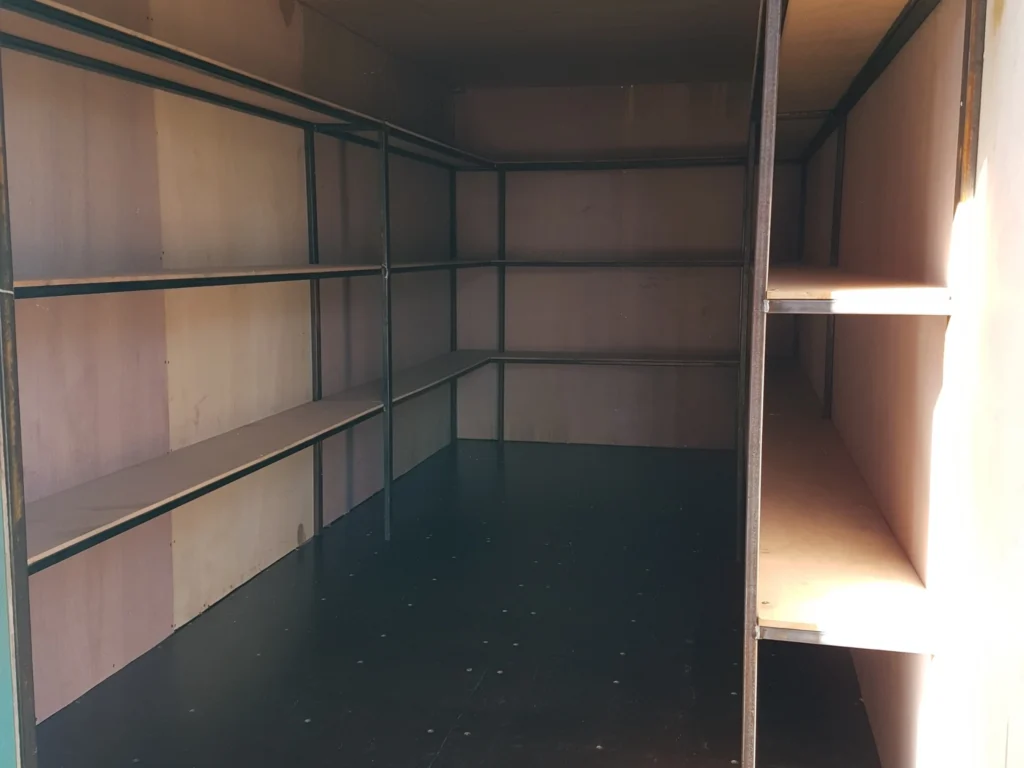
The biggest insulation mistake in container conversions
The most common mistake is treating a container like a normal stud wall building.
A standard house wall can often breathe differently because the structure and materials behave differently. A shipping container is a sealed steel envelope. If moisture gets trapped between the insulation and the steel wall, problems start.
This is why the wrong insulation can fail even if it is cheap and widely used elsewhere.
Worst option: fibreglass insulation
Fibreglass is usually one of the weakest choices for a shipping container conversion.
On paper, it looks affordable and familiar. In practice, it can create a damp wall cavity if it is installed between timber studs against a steel shell.
The issue is simple. The container wall already behaves like a vapour barrier. If fibreglass sits in a closed cavity and an internal vapour barrier is added as well, moisture can become trapped between the two layers.
Fibreglass can also wick moisture, and timber framing is porous. That combination can create the right conditions for mould and mildew.
Fibreglass can work in conventional buildings. It is usually not the best answer in a steel container conversion.

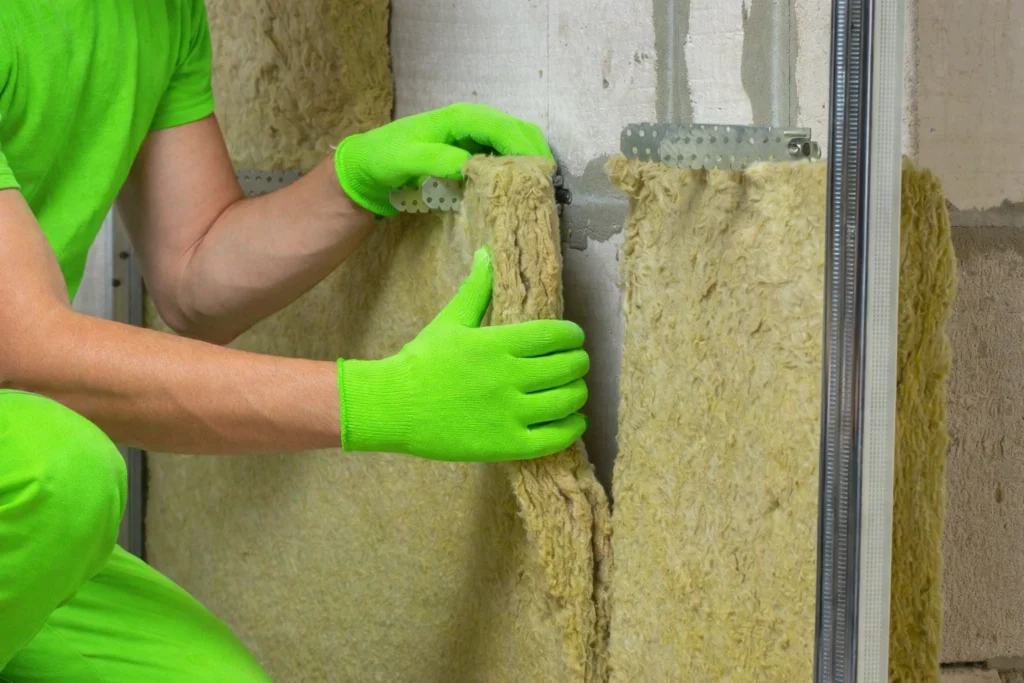
Mineral wool: useful, but not always best on its own
Mineral wool is much better than fibreglass in terms of moisture resistance and fire performance.
It does not wick water in the same way, offers good sound reduction, and is naturally resistant to mould. That makes it a strong material in many partitions and internal walls.
In shipping containers, mineral wool works best when used as part of a wider system rather than as the only barrier between the steel shell and the finished wall.
It is especially useful for:
- internal partition walls
- sound reduction between rooms
- adding extra thermal value in a layered insulation system
Mineral wool on its own does not solve the full thermal bridging problem of a steel container.
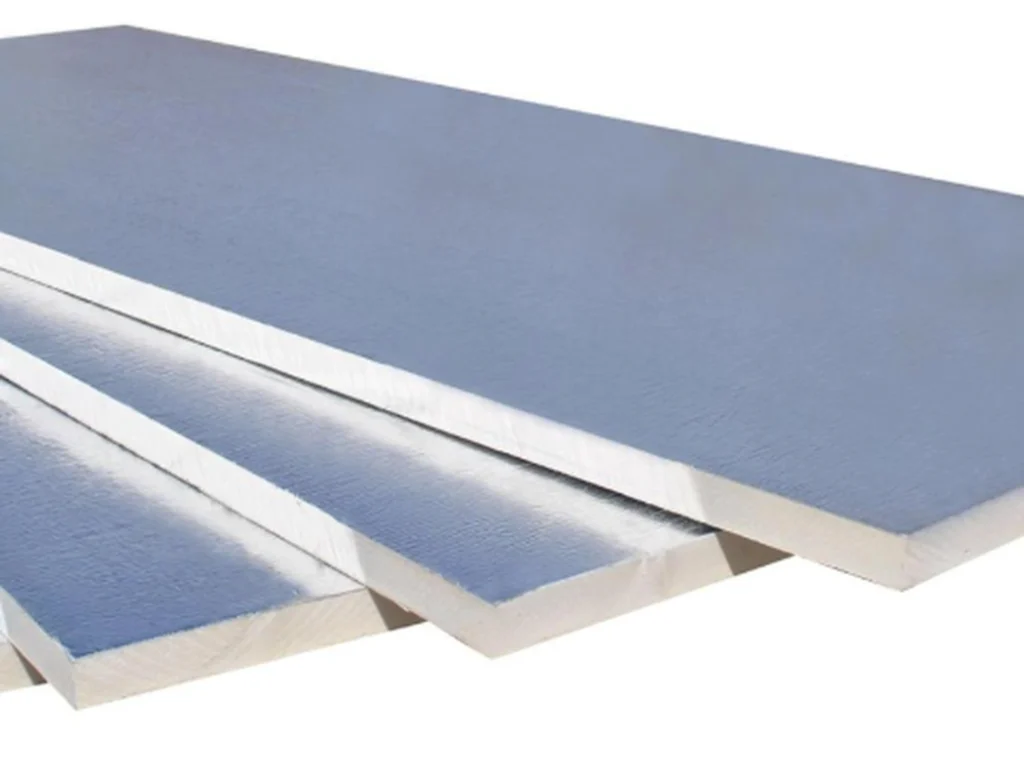
Rigid foam boards: better, but installation matters
Rigid foam boards are a better option than fibreglass for many container conversions.
They offer stronger thermal performance, can save space compared with deep stud cavities, and are easier to fit neatly. But rigid boards only work properly if installation is detailed well.
The key issue is air gaps.
If rigid foam is fixed in a way that leaves voids between the steel wall and the insulation, those gaps can allow moisture build-up. In some cases that means the cavity needs ventilation, which adds complexity.
Rigid boards can work well in:
- storage-focused conversions
- simple workshops
- projects where internal space needs to be preserved
- layered systems with careful sealing and finishing
Poorly fitted foam boards are much less effective than they appear on paper.
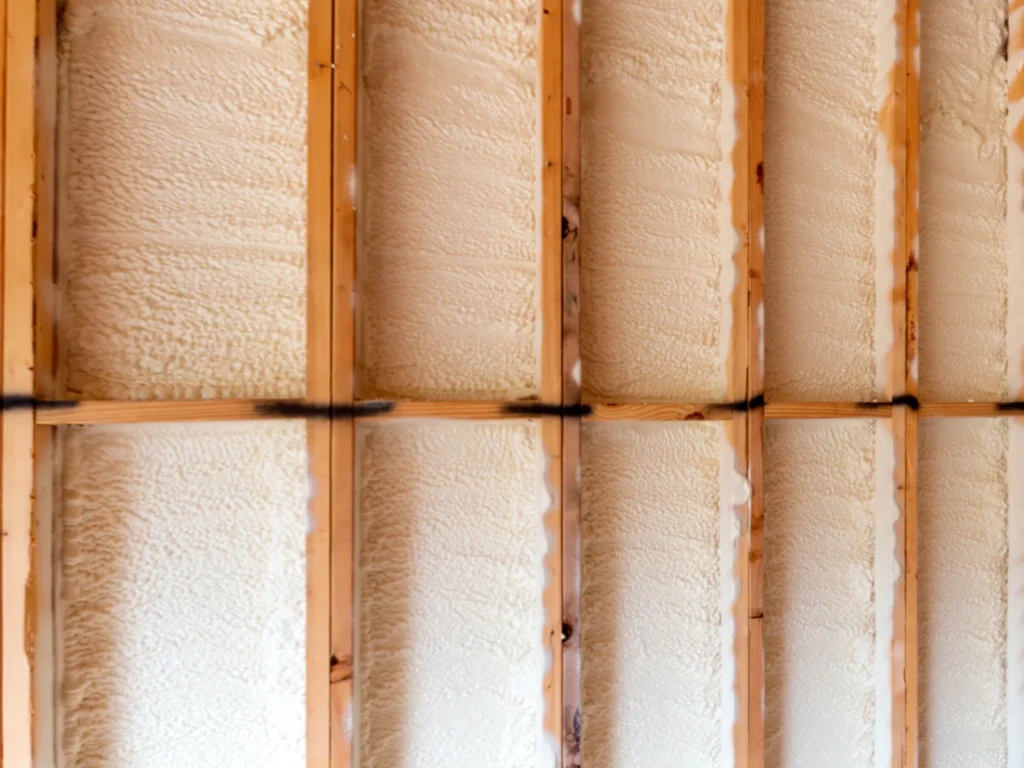
Best option for most conversions: closed-cell spray foam
For many UK container conversions, closed-cell spray foam is the strongest all-round option.
That is because it adheres directly to the steel shell, fills awkward corrugations, reduces gaps, and creates a continuous insulation layer that also helps with vapour control.
The main benefits are:
- strong thermal performance
- fewer cold bridges
- better condensation control
- full coverage over corrugated steel walls
- good performance in awkward corners and roof sections
Spray foam is usually more expensive than basic insulation boards or rolls. But it often performs better in a steel container because it deals with the real problem, which is moisture and air gaps as much as heat loss.
For a buyer planning an office, studio, retail unit, or container home, the upfront cost can be justified by better long-term performance.
Best hybrid method: flash and batt
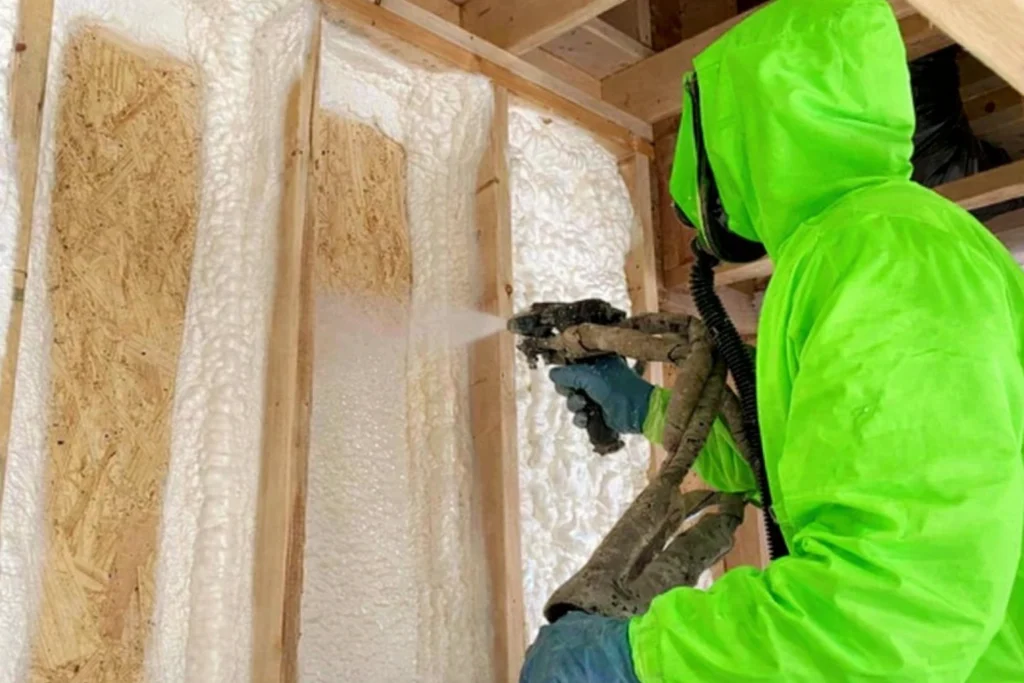
One of the best methods for higher-spec conversions is a flash-and-batt system.
This usually means applying a thinner layer of closed-cell spray foam directly to the steel shell, then adding mineral wool within the framing cavity. That gives the conversion a vapour-resistant base layer plus the sound and thermal benefits of mineral wool.
This system works well because it combines:
- spray foam for condensation control
- reduced thermal bridging
- mineral wool for extra insulation
- better sound reduction
- a more comfortable finished internal environment
For offices, studios, meeting rooms, and customer-facing commercial spaces, this can be one of the most balanced approaches.
Internal vs external insulation
Most shipping container conversions in the UK are insulated internally. That is usually the most practical method and protects the insulation behind the steel shell.
Internal insulation is popular because it is:
- easier to install
- easier to protect
- more practical for most commercial conversions
- simpler to coordinate with electrics and linings
External insulation can work, and it reduces thermal bridging well, but it usually needs additional cladding and weather protection. It also changes the external look of the container and often increases project cost.
For most UK buyers, internal insulation remains the standard route.
How to insulate a shipping container conversion properly
1. Start with the intended use
The right insulation depends on what the container will become.
A basic workshop does not need the same finish as a garden office. A container home needs higher performance again. The first step is deciding whether the conversion will be used for:
- storage
- occasional work
- full-time office use
- retail or hospitality
- residential use
The more time people spend inside, the more important insulation quality becomes.
2. Prepare the container shell
Before insulating, the inside should be cleaned and checked properly. Any rust, moisture damage, leaks, or surface contamination should be dealt with before insulation starts.
Insulation should never hide an existing problem.
3. Choose the framing method carefully
If timber framing is used, the system should be designed so insulation and moisture control still work properly. In steel containers, the framing approach affects how much thermal bridging and trapped moisture risk remains.
4. Insulate the walls and roof
The roof is often one of the biggest heat transfer points in a container conversion. Skipping roof insulation weakens the whole system.
Walls and roof should both be treated as standard.
5. Pay attention to doors, windows, and gaps
A well-insulated wall can still underperform if door frames, windows, and service penetrations are not sealed correctly.
This matters especially in container offices, studios, and container homes where comfort expectations are higher.
6. Finish with the right internal lining
After insulation, the internal finish helps protect the system and complete the look. Common options include plywood, melamine-faced boards, or plasterboard depending on the project.
Quick comparison table
| Insulation type | Cost level | Condensation control | Thermal performance | Best use |
|---|---|---|---|---|
| Fibreglass | Low | Poor | Basic | Usually avoid in conversions |
| Mineral wool | Low to medium | Moderate | Good | Partitions or layered systems |
| Rigid foam board | Medium | Good if fitted well | Good | Workshops, offices, storage |
| Closed-cell spray foam | Medium to high | Excellent | Excellent | Most container conversions |
| Flash and batt | High | Excellent | Excellent | Higher-spec offices, studios, homes |
Common buyer concerns
Is spray foam always worth the extra money?
Not always for a low-spec storage project. But for container conversions where comfort, damp prevention, and long-term performance matter, it is often one of the best investments in the build.
Can I use cheap insulation to save money?
You can, but poor insulation often costs more later through condensation damage, heating bills, and rework. In container conversions, cheap and correct are not always the same thing.
Do container floors need insulation too?
If the conversion is going to be used regularly by people, floor insulation can make a big difference. Walls and roof are the minimum priority, but floors matter for comfort and year-round use.
Does insulation reduce internal space?
Yes. Internal insulation always takes up some room. That is one reason high-performance systems like spray foam or well-planned rigid board setups are popular in smaller conversions.
Related Topics
See: Shipping Container Conversions UK
See: How to Stop Condensation in a Shipping Container
See: Shipping Container Offices Costs, Setup & Delivery
Bottom line
How to insulate a shipping container conversion properly comes down to moisture control, not just warmth. In a steel container, the wrong insulation can trap condensation and shorten the life of the conversion.
For many UK buyers, closed-cell spray foam or a flash-and-batt system gives the best balance of thermal performance, condensation control, and long-term reliability. If you are planning a container conversion and want the right base unit for the job, contact Bosh Boxes and follow The Bosh Boxes Way.ive to entrepreneurs across hospitality, retail, fitness, and service industries.e 28-day rule rarely applies because conversions are usually intended for long-term use.