
Quick answer: a refrigerated container does not have one fixed electricity-use figure. The reliable calculation is average electrical demand (kW) × operating hours = energy used (kWh). Consumption changes with the refrigeration model, set temperature, ambient temperature, product load, airflow, door openings and machinery condition. Standard marine reefers commonly use an external 380–460V three-phase, 50/60Hz
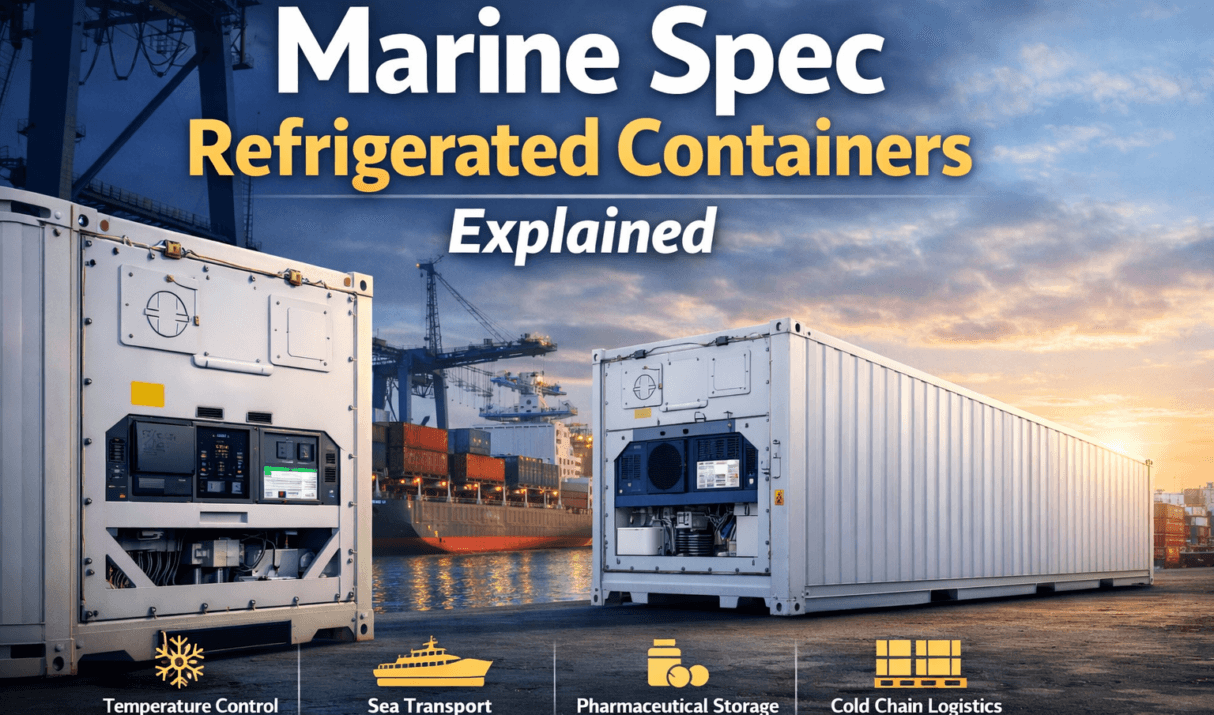
Quick answer: a marine-spec refrigerated container is an intermodal reefer originally designed for international transport, with ISO-standard handling points, an insulated cargo space, an integrated refrigeration system and bottom-air circulation through a T-floor. Many 20ft used refrigerated containers sold in the UK are ex-marine units, even when buyers simply call them cold-storage containers or used
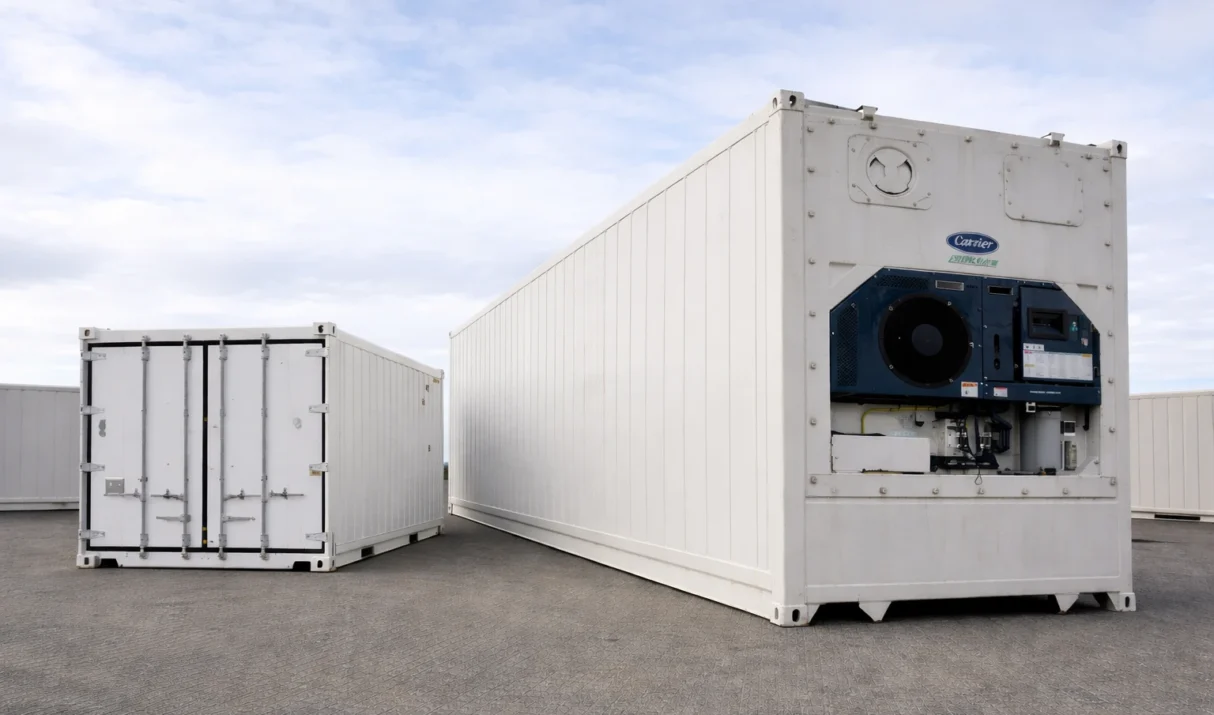
Choosing between a 20ft and 40ft refrigerated container is one of the most important decisions when investing in temperature-controlled storage. The right size affects running costs, delivery access, power requirements, and how efficiently your business can scale. This guide explains the real-world differences between 20ft reefers and 40ft reefers, helping UK buyers choose the option
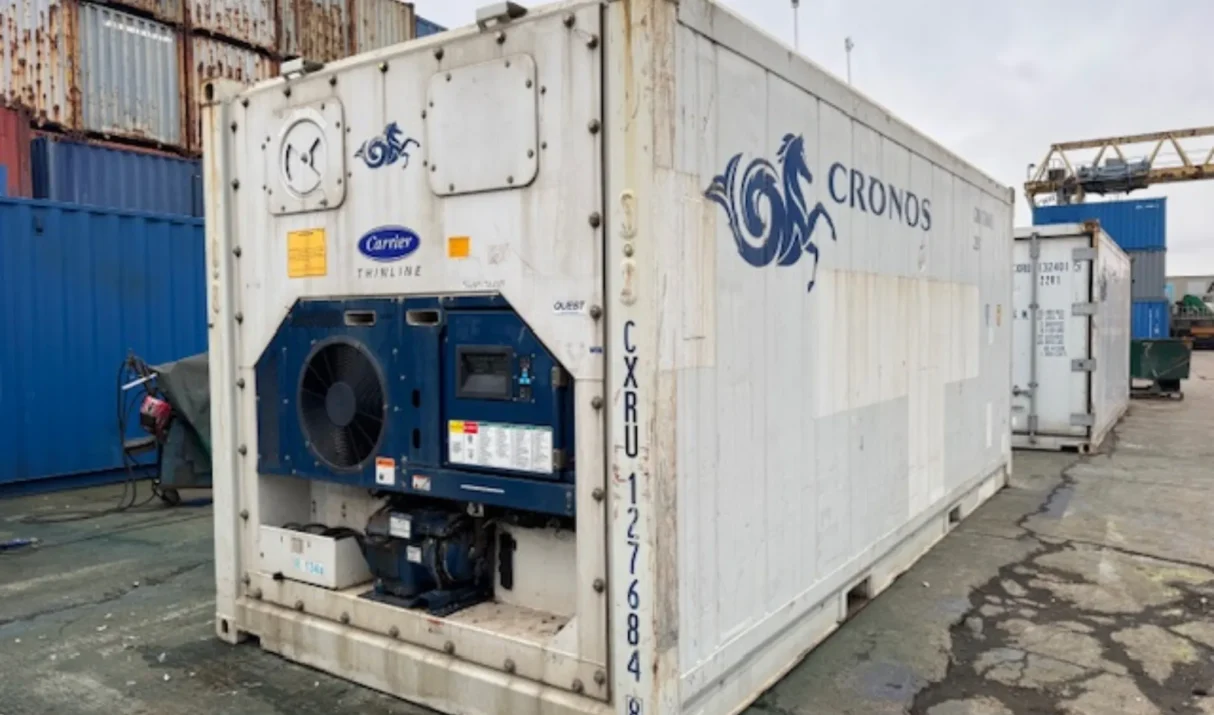
Used refrigerated containers, often referred to as reefers, are one of the most cost-effective ways for UK businesses to secure reliable cold or frozen storage. Originally built for international shipping, ex-marine refrigerated containers are designed to maintain precise temperatures in demanding environments and are now widely used for static storage, logistics, and export. This guide