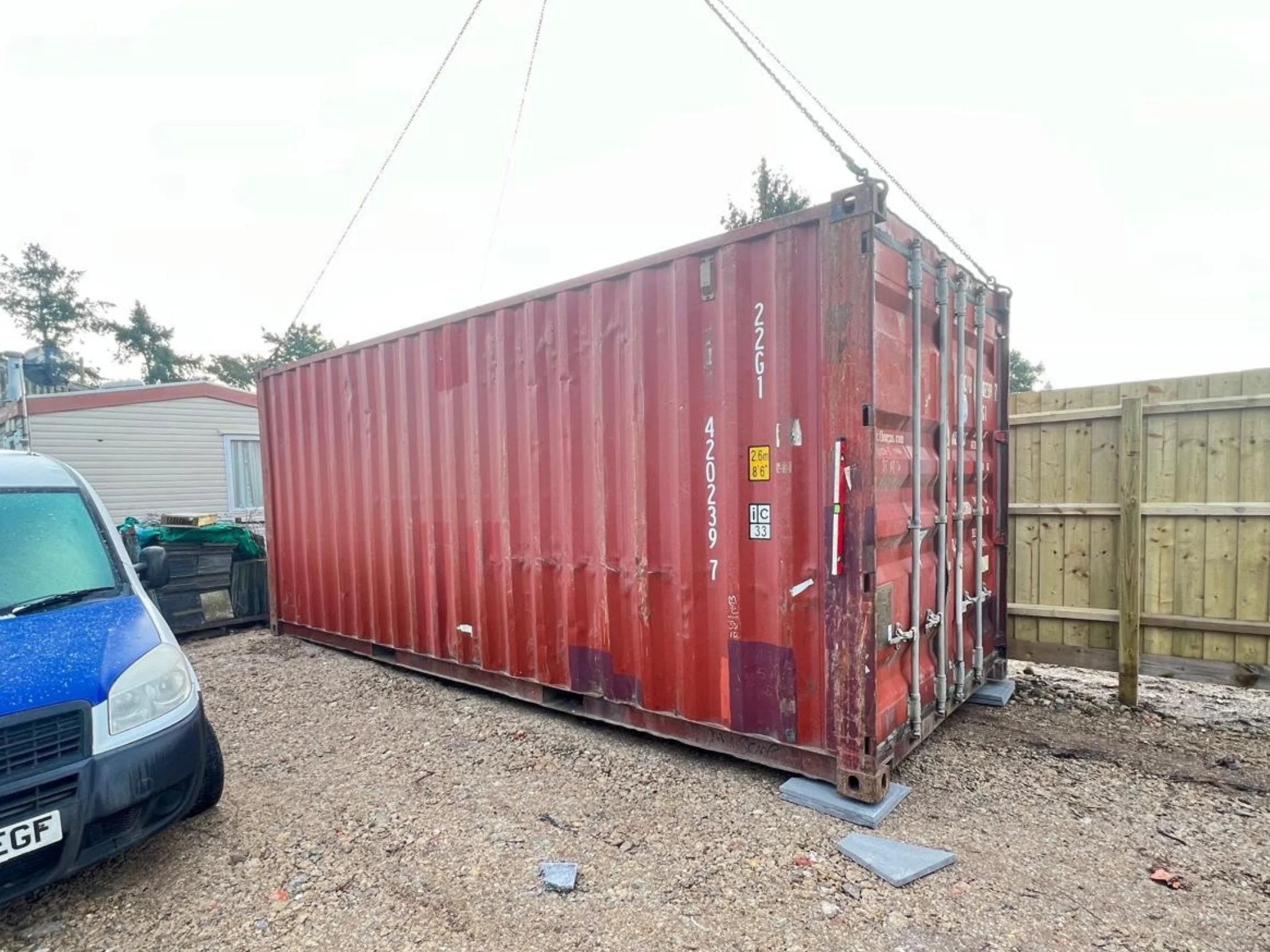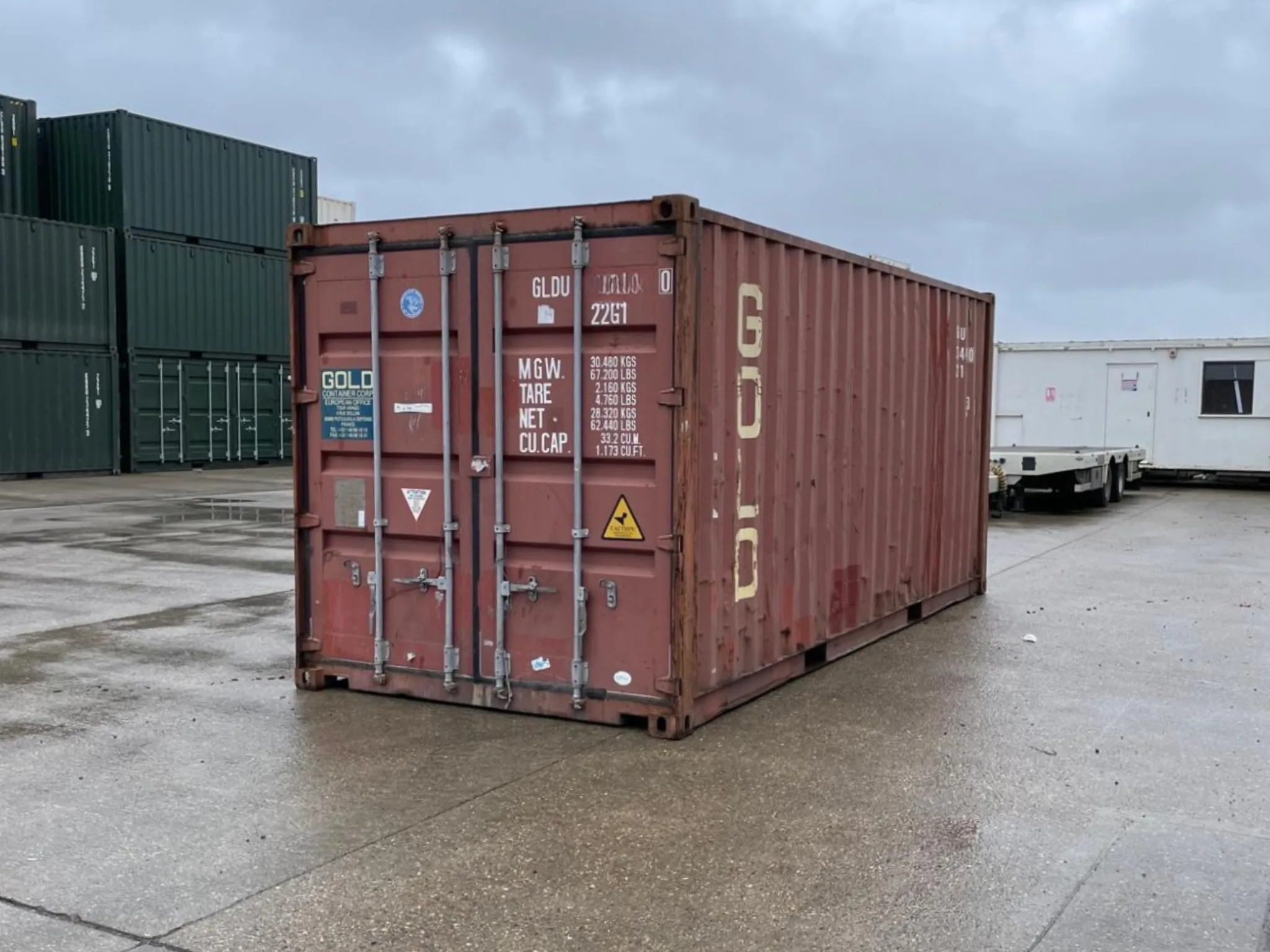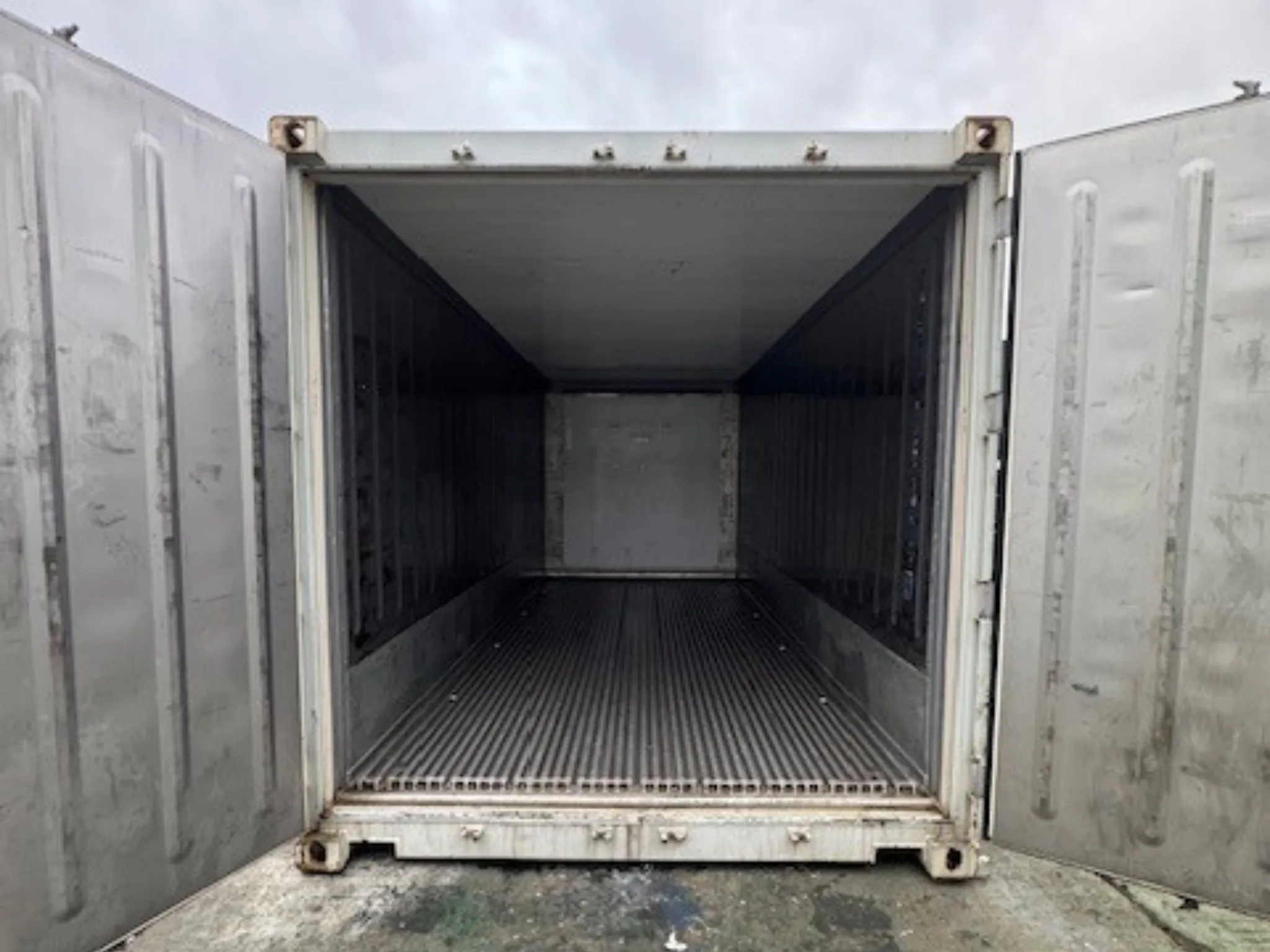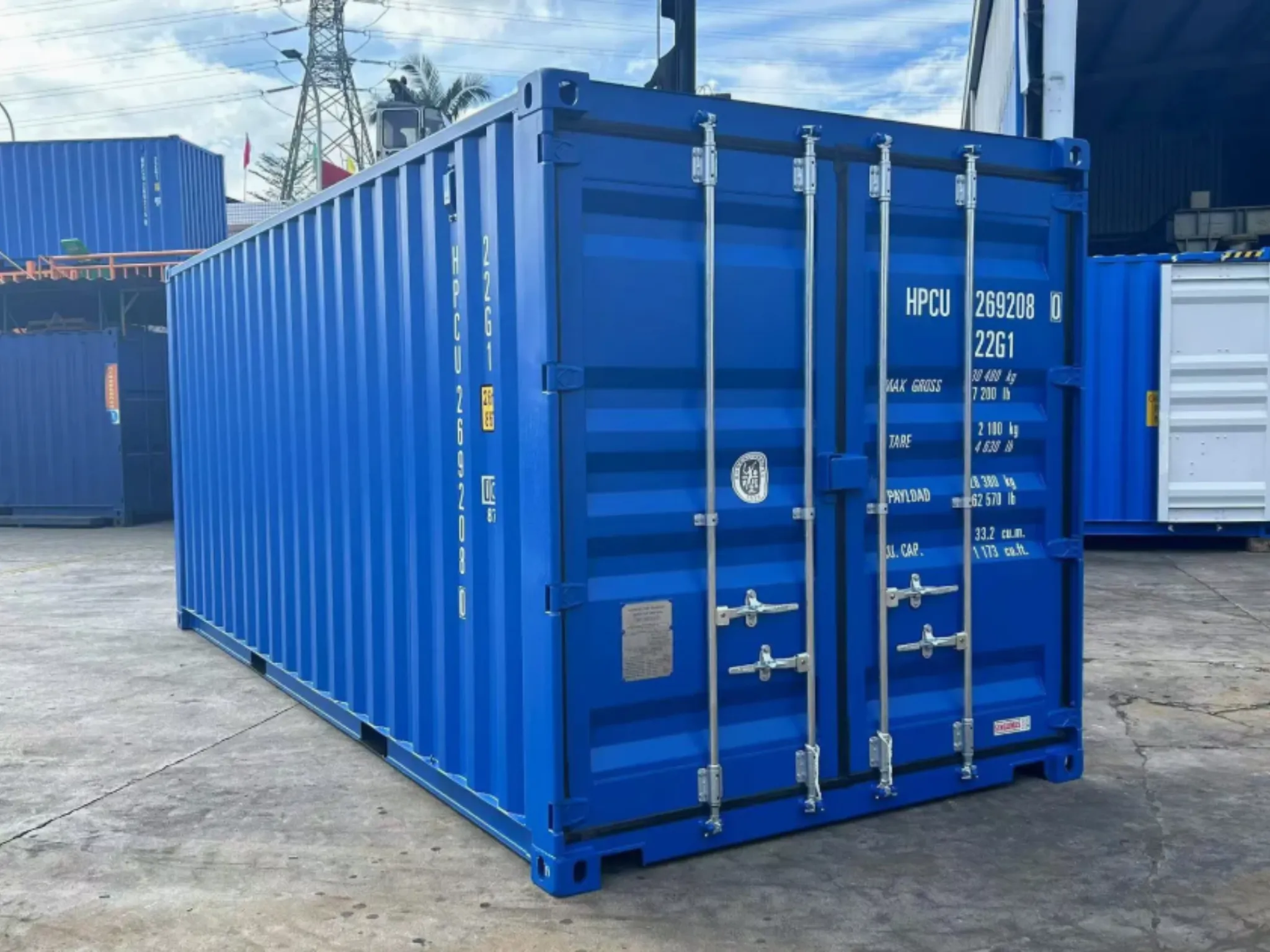
Do you need building regulations for a shipping container conversion in England? In many cases, yes. Building regulations can apply to container conversions used as offices, studios, treatment rooms, or other commercial spaces, even where the unit is movable.
There are exemptions, including small detached buildings under Schedule 2 Class 6, but these exemptions are narrow and do not automatically remove every regulatory requirement.
Planning permission and building regulations are not the same. A container conversion can be movable and still raise building regulations questions if it is used as a workspace or commercial unit.
If you are unsure how planning rules differ, read our guide: Shipping Container Conversions Planning Permission
https://boshboxes.store/shipping-container-conversions-planning-permission/
Why This Question Matters
Many buyers assume that if a container:
- is not fixed to the ground
- has no foundations
- can be craned away
it automatically sits outside building regulations.
That is not a safe assumption.
The answer depends on:
- the exemption being relied on
- the size of the unit
- how it is constructed
- how it is actually used
Building Regulations and Planning Permission Are Separate
A container conversion may require:
- planning permission
- building regulations approval
- both
- or neither
Even if a structure is exempt from building regulations, it may still require planning permission.
For a full breakdown, see: Do You Need Planning Permission for a Shipping Container?
https://boshboxes.store/planning-permission-for-a-shipping-container/
The Main Exemption People Look At: Schedule 2 Class 6
What Class 6 Covers
In England, Schedule 2 Class 6 applies to small detached buildings.
To qualify, the building must:
- be detached
- be single storey
- be under 30m²
- contain no sleeping accommodation
Boundary or Construction Requirement
It must also either:
- be at least 1 metre from the boundary
- or be constructed substantially from non-combustible materials
Smaller Buildings Under 15m²
There is also a separate exemption for detached buildings under 15m² with no sleeping accommodation.
Why the Exemption Is Not a Blanket Free Pass
Energy Efficiency Still Applies
Part L (energy efficiency) may still need to be considered.
Electrical Regulations Still Apply
Part P (electrical safety) is not exempt.
What This Means
Even if a container qualifies for Class 6, it is not automatically fully exempt from all regulations.
Does Commercial Use Remove the Exemption?
What the Law Says
Class 6 does not specifically restrict use to domestic buildings.
What Happens in Practice
Commercial use increases scrutiny because:
- people occupy the space
- electrical systems are used
- heating and insulation may be installed
This can trigger additional compliance checks.

Does Being Movable Keep It Outside Building Regulations?
Common Assumption
Many believe portability equals exemption.
Reality
A container that:
- sits on pads
- can be lifted by crane
- connects via plug-in power
may still fall within building regulations depending on its use.
Movability alone does not determine compliance.
What About Temporary Use?
Class 4 Temporary Buildings
Temporary buildings used for up to two years may be exempt from many requirements.
Key Consideration
The structure must genuinely qualify as a temporary building in regulatory terms.
This often requires confirmation from building control.
Does Caravan Legislation Apply?
Caravan Definition
A caravan is defined as a structure designed for human habitation that can be moved.
Why It Usually Does Not Apply
Most commercial container conversions:
- are not designed as dwellings
- are used for business purposes
Calling a container a caravan does not automatically remove building regulations requirements.
The Electrical Point Matters
Part P Is Not Exempt
Electrical safety regulations still apply even if other exemptions are used.
Typical Setup
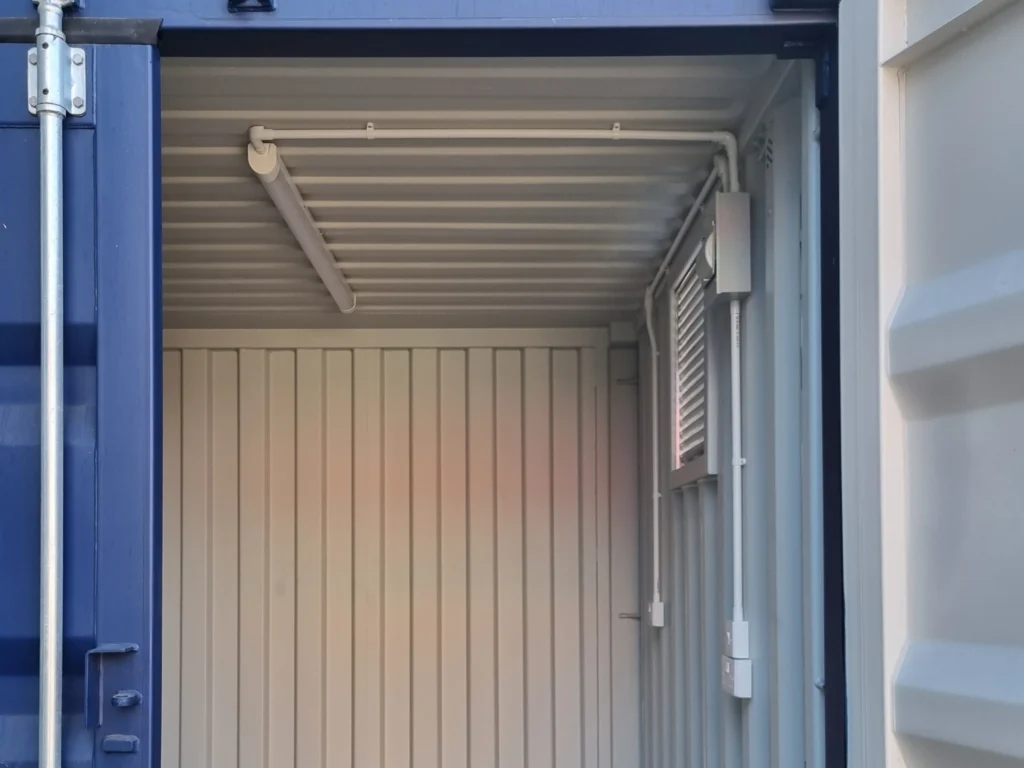
This includes:
- 32A plug-in supplies
- internal wiring
- lighting systems
Electrical compliance must still be considered properly.
What This Means in Practice
Typical Scenario
For a small commercial container conversion in England:
- building regulations may not fully apply
- Class 6 is the most common exemption
- temporary use may support an exemption
- portability helps but does not decide the outcome
- electrical compliance still applies
- planning permission may still be required
Market Reality
This is why you see:
- compliant installations
- grey-area setups
- non-compliant units
Common Buyer Questions
If it is under 30m², is it automatically exempt?
No. It must also meet all Class 6 conditions, and electrical rules may still apply.
If it plugs in and can be removed, is it not a building?
Not necessarily. These factors help but do not guarantee exemption.
Does commercial use always trigger building regulations?
Not always, but it increases the likelihood of scrutiny.
Best Next Step
The safest approach is to speak with:
- local authority building control
- or a qualified building control approver
before installing the unit.
To understand full project costs alongside compliance, see:
Shipping Container Conversion Cost UK Guide
https://boshboxes.store/shipping-container-conversion-cost-uk-guide/
Shipping Container Offices Costs Setup and Delivery
https://boshboxes.store/shipping-container-offices-costs-setup-delivery/
Final Word
Do you need building regulations for a shipping container conversion in England?
Often yes, or at least partially.
Schedule 2 Class 6 provides a potential exemption route, but it is limited. Portability alone is not enough, and electrical safety must always be considered.
If in doubt, check before delivery and follow The Bosh Boxes Way..