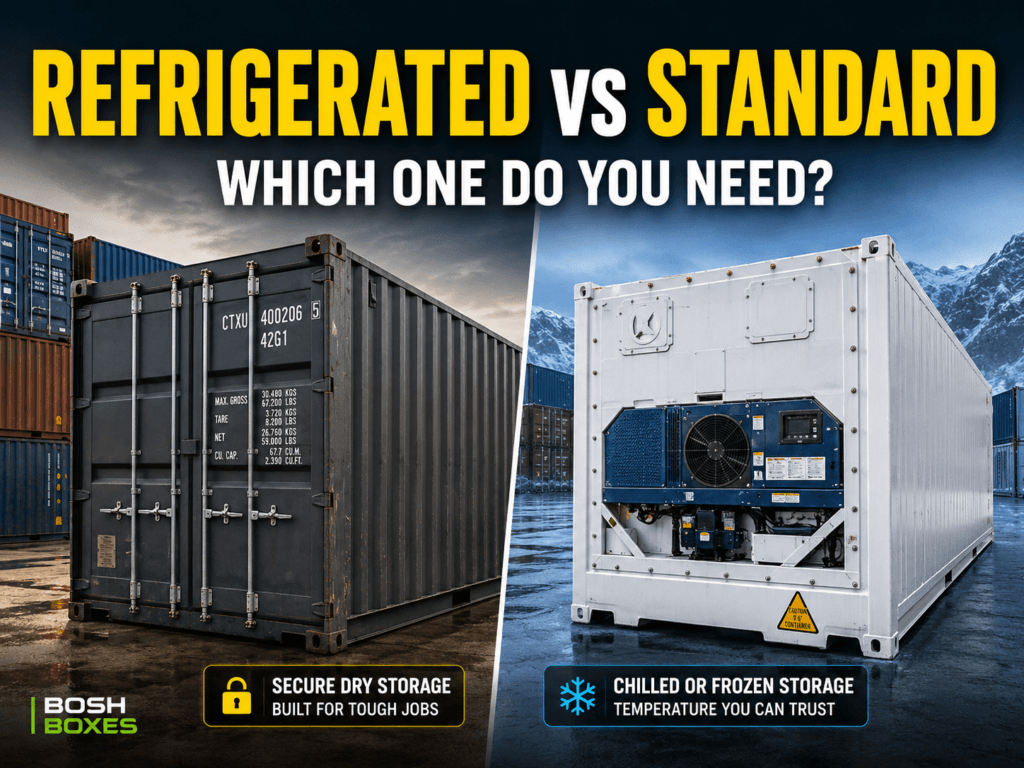
A refrigerated container vs standard shipping container decision comes down to temperature control. Choose a standard shipping container for secure dry storage. Choose a refrigerated container when goods need to stay chilled, frozen, or protected from temperature changes. The right choice depends on what you store, site power, budget, delivery access, and risk of stock damage.
Quick Decision Guide
Choose a standard shipping container if you need secure dry storage for tools, stock, furniture, machinery, site materials, or equipment.
Choose a refrigerated container if goods need to stay chilled, frozen, or protected from temperature changes.
Choose a standard container when no power is available on site.
Choose a refrigerated container when temperature failure could cause stock loss, waste, or business disruption.
What Is the Difference Between a Refrigerated Container and a Standard Shipping Container?
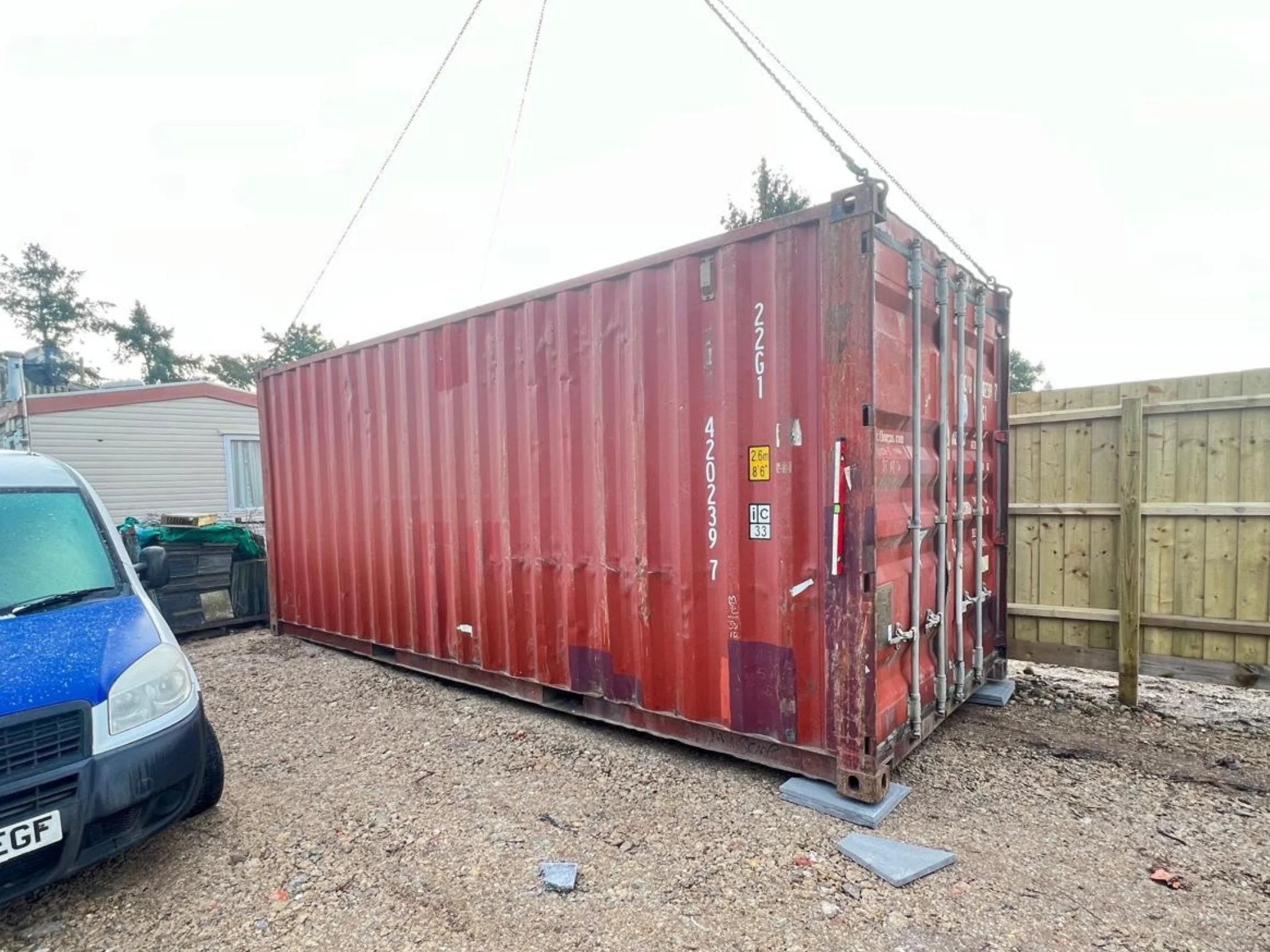
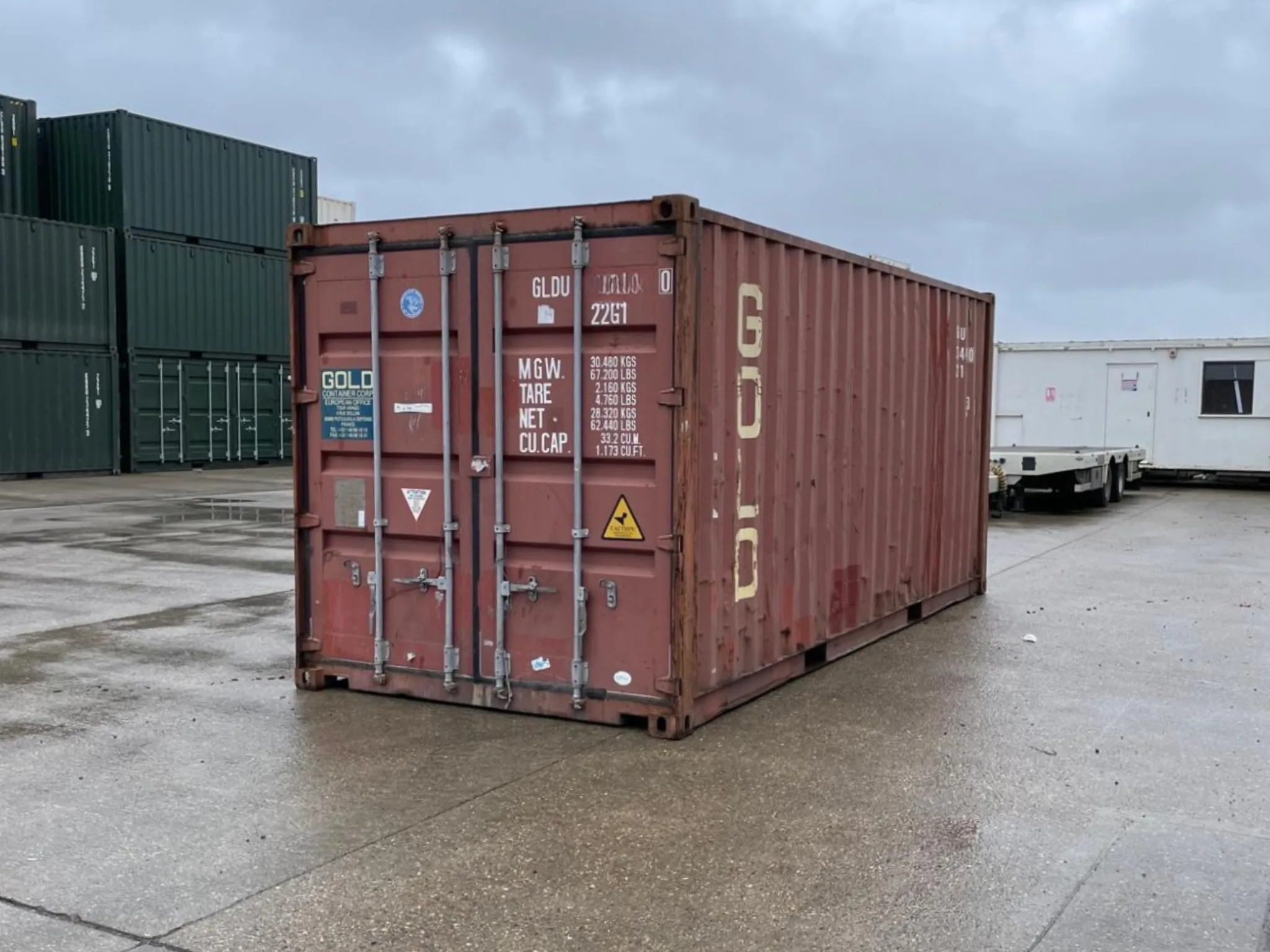
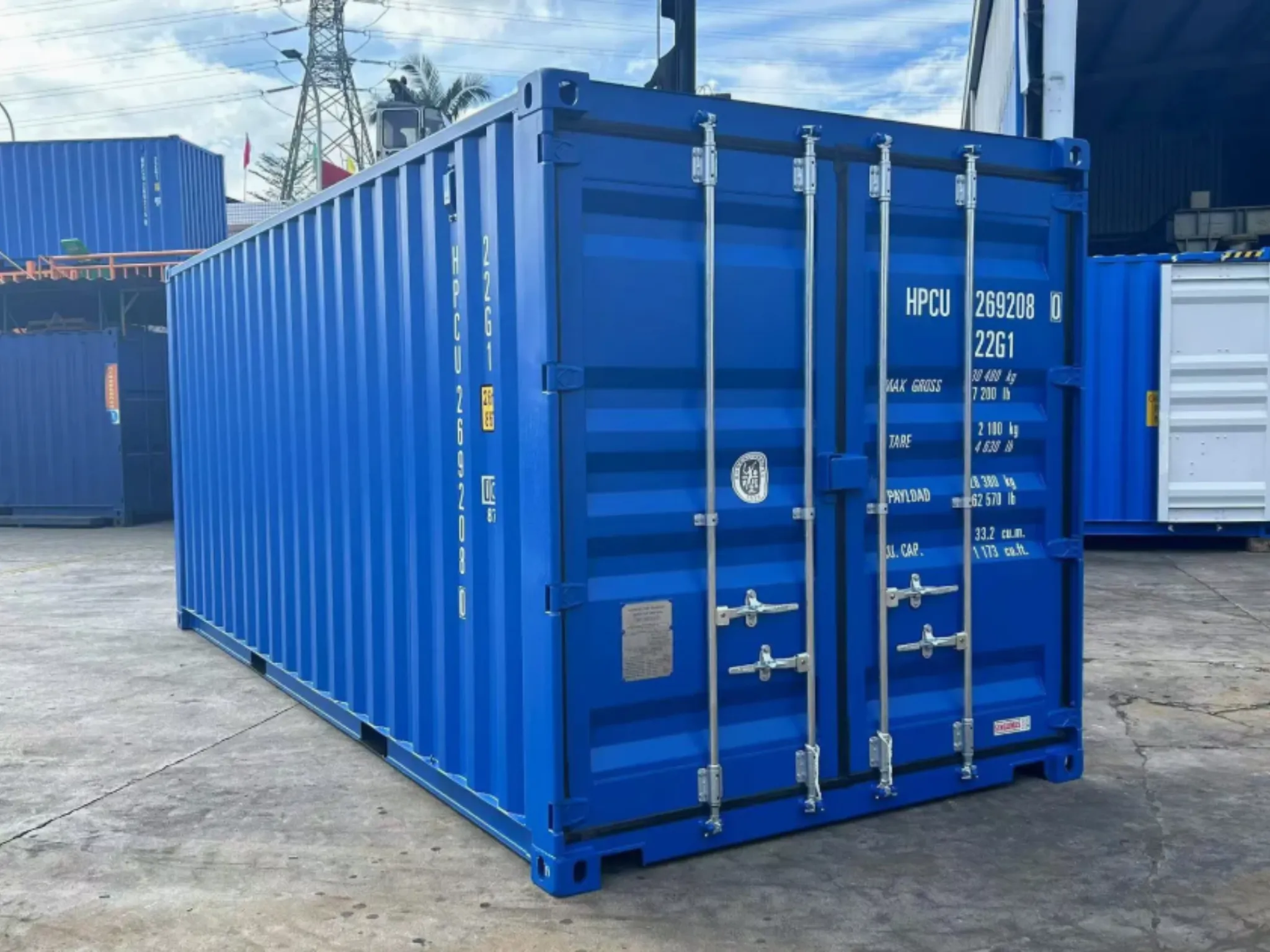
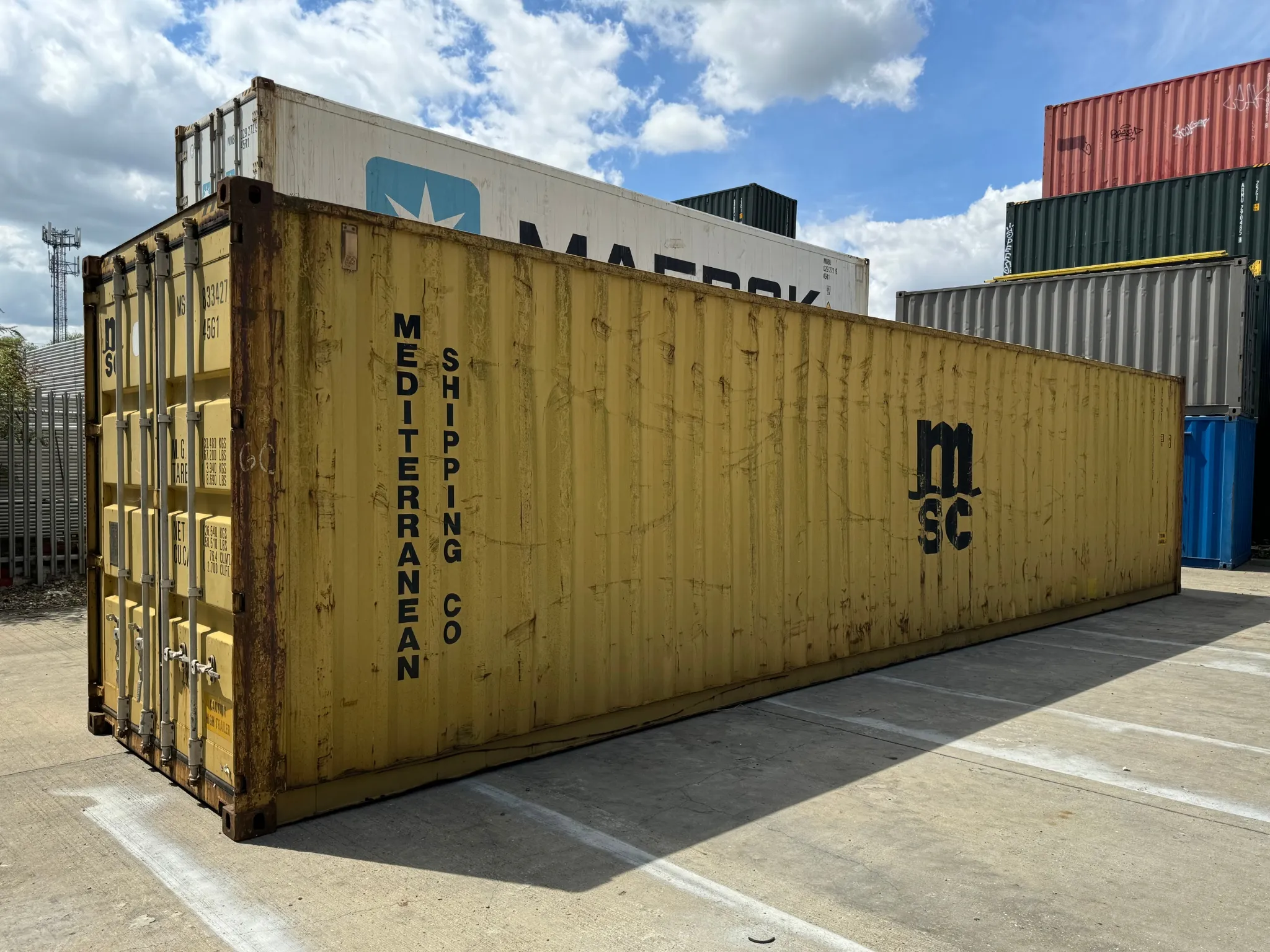
A standard shipping container is a steel storage unit built for secure, wind and watertight storage.
Standard containers are commonly used for tools, stock, machinery, furniture, building materials, event equipment, and general business storage.
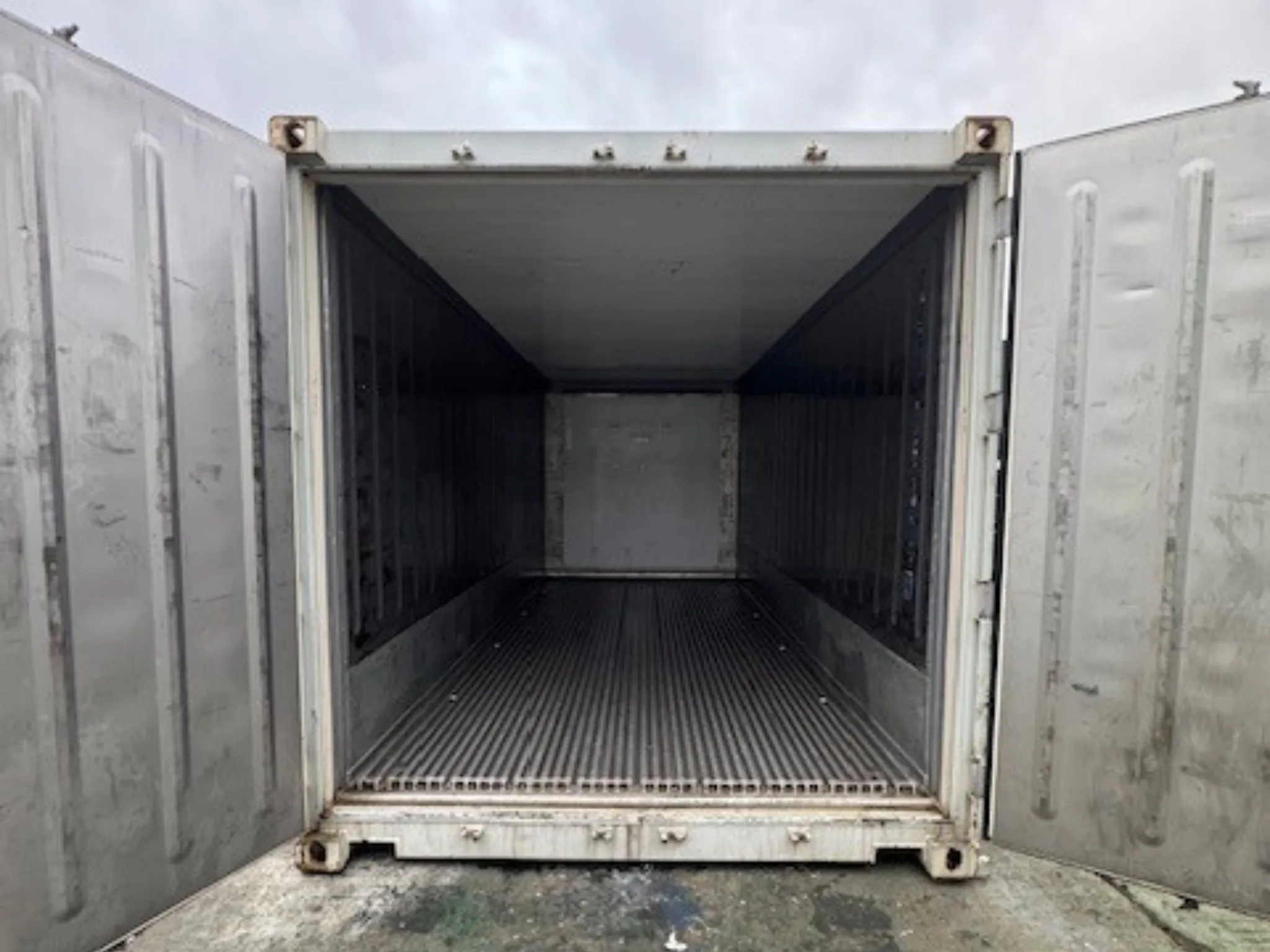
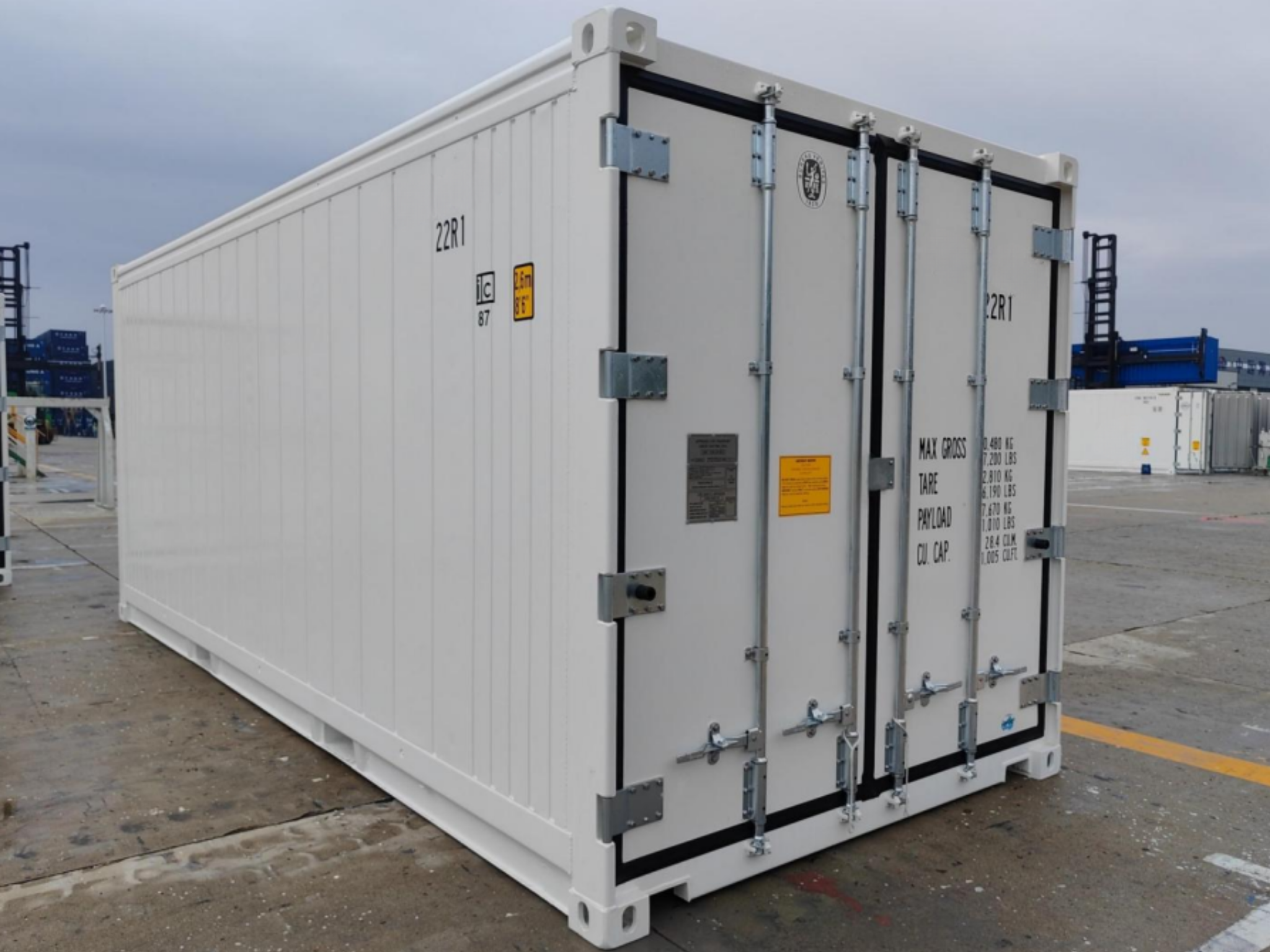
A refrigerated container, also called a reefer container, is an insulated shipping container fitted with refrigeration machinery.
A refrigerated container is designed to hold goods at a set temperature when connected to a suitable power supply.
If you are still deciding what type of container suits your business, read our guide on Choosing the Right Shipping Container for Your Business in the UK.
What Is a Standard Shipping Container?
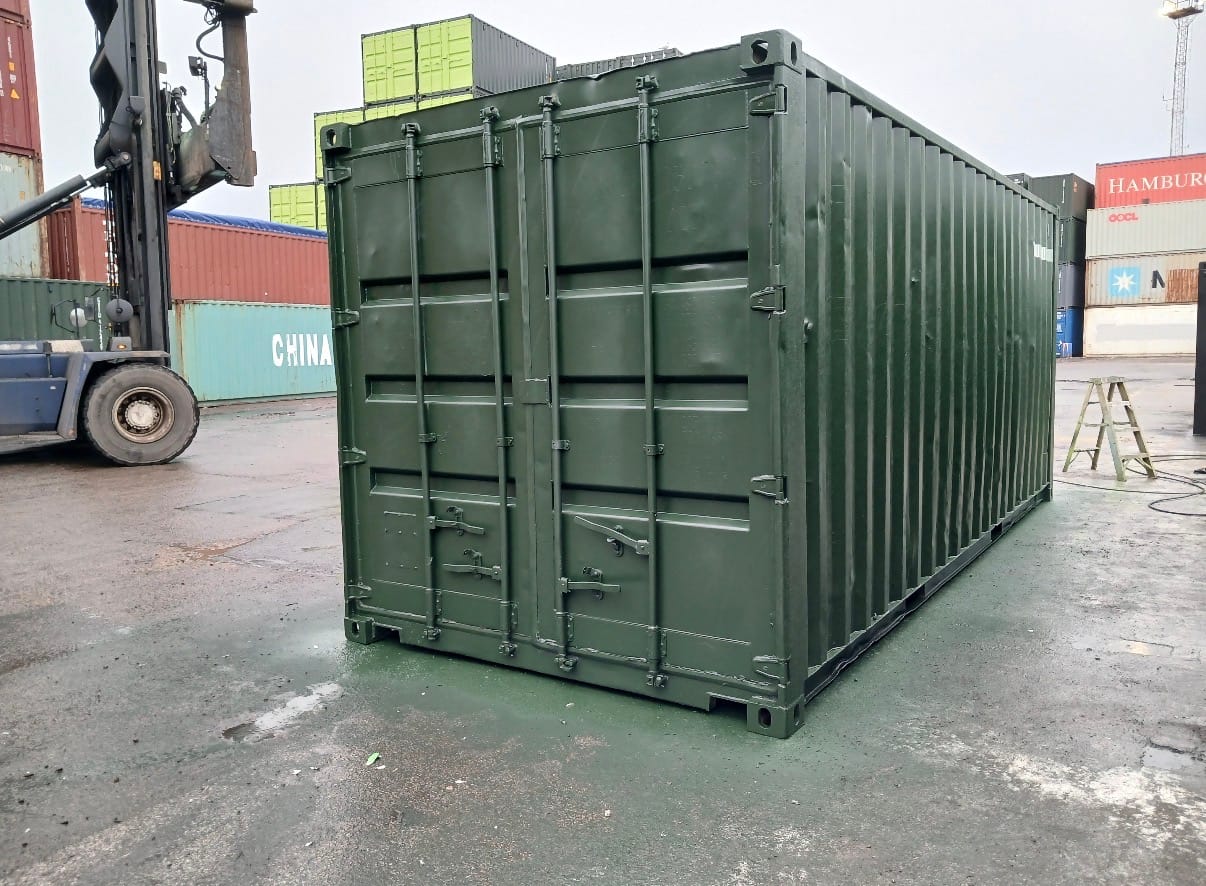
A standard shipping container is best for secure dry storage where active temperature control is not required.
Standard containers are available in different sizes, including 10ft containers, 20ft containers and 40ft containers.
Most UK buyers choose standard containers because they are practical, affordable, and simple to place on site.
Standard containers are suitable for:
- Building tools and materials
- Farm equipment
- Retail stock
- Furniture storage
- School equipment
- Workshop storage
- Site storage
- Machinery and parts
A wind and watertight standard container protects goods from rain, wind, and general outdoor conditions.
For buyers comparing used and new options, a 20ft used shipping container is often the most cost-effective choice.
If condition and appearance matter more, a 20ft new shipping container may be the better option.
What Is a Refrigerated Container?
A refrigerated container is a temperature-controlled storage unit used for chilled or frozen goods.
Refrigerated containers are commonly used for food, drink, flowers, pharmaceuticals, catering stock, events, and cold storage overflow.
A reefer container needs a suitable electrical supply to operate correctly. Most commercial refrigerated containers require a suitable 3-phase power supply, and the site should be checked before delivery.
Refrigerated containers are not the same as standard dry storage containers. They include insulation, refrigeration machinery, electrical systems, airflow design, and temperature controls.
You can view available cold storage options on our Refrigerated Containers page.
For smaller cold storage requirements, a 20ft used refrigerated container may suit businesses that need reliable chilled or frozen storage without buying new.
For buyers wanting newer condition and longer service life, a 20ft new refrigerated container may be the better fit.
Refrigerated Container vs Standard Shipping Container Comparison
A standard container protects goods from weather and theft, while a refrigerated container controls the temperature inside the unit.
| Factor | Standard shipping container | Refrigerated container |
|---|---|---|
| Best for | Dry secure storage | Chilled or frozen storage |
| Temperature control | No | Yes |
| Power required | No | Usually 3-phase power |
| Typical use | Tools, stock, furniture, equipment | Food, drink, flowers, pharmaceuticals |
| Running costs | Very low | Electricity and servicing |
| Upfront cost | Lower | Higher |
| Internal space | More usable internal space | Slightly reduced due to insulation and machinery |
| Delivery | HIAB or flatbed depending on site | Delivery plus power and commissioning checks |
| Buyer risk | Damp-sensitive goods may still need care | Incorrect power or airflow can cause issues |
A refrigerated container usually costs more than a standard container because it includes insulation, machinery, controls, and refrigeration components.
Cost Difference Between Standard and Refrigerated Containers
Standard shipping containers are usually cheaper than refrigerated containers because they do not include insulation, refrigeration machinery, electrical controls or temperature management systems
A refrigerated container costs more than a standard shipping container because it includes insulation, refrigeration machinery, electrical systems and temperature controls.
| Container type | Typical UK price guide |
|---|---|
| 20ft used standard shipping container | £875 to £1,100 + VAT before delivery |
| 20ft new one trip shipping container | £1,900 to £2,100 + VAT before delivery |
| 40ft used standard shipping container | £1,300 to £1,600 + VAT before delivery |
| 20ft used refrigerated container | £4,500 to £7,500 + VAT |
| 40ft used refrigerated container | £5,750 to £7,450 + VAT |
| 40ft new refrigerated container | £20,500 to £22,500 + VAT |
These prices are a guide only. Final costs can change depending on condition, availability, delivery location, access requirements, and any extra work needed before the container reaches site.
A standard shipping container has a lower upfront cost because it is mainly a steel storage unit. A refrigerated container has a higher upfront cost because it is a working temperature-controlled system.
The cheapest option is not always the safest option if stored goods are temperature-sensitive.
When Should You Choose a Standard Shipping Container?
Choose a standard shipping container when goods need secure storage but do not need a controlled temperature.
A standard container is usually the right choice if you are storing:
- Tools
- Building materials
- Furniture
- Machinery
- Plant equipment
- Retail stock
- Event kit
- Documents in sealed boxes
- Farming equipment
A standard container is also better when there is no suitable power supply on site.
If you need more space, compare 20ft vs 40ft shipping containers before deciding.
For larger storage needs, a 40ft used high cube shipping container gives extra capacity and additional internal height.
If you want a cleaner unit with longer expected service life, consider a 40ft new high cube container.
When Should You Choose a Refrigerated Container?
Choose a refrigerated container when stock could spoil, lose value, or become unsafe if the temperature changes.
A refrigerated container is the better choice for:
- Frozen food
- Chilled food
- Drinks
- Floristry stock
- Catering stock
- Pharmaceutical storage
- Temporary cold rooms
- Farm produce
- Event cold storage
- Seasonal overflow storage
A refrigerated container is designed to hold temperature, not rapidly freeze warm stock.
For larger temperature-controlled storage, compare 20ft vs 40ft refrigerated containers.
A 40ft used refrigerated container can be a cost-effective option for larger chilled or frozen storage requirements.
For premium cold storage capacity, a 40ft new refrigerated container offers newer condition and professional-grade performance.
Do You Always Need a Refrigerated Container?
Not every temperature-sensitive product needs a refrigerated container.
Some dry goods may only need a clean, secure and wind and watertight container. Other goods may need insulation, ventilation, racking, or careful packaging instead of active refrigeration.
A refrigerated container is needed when goods must stay within a set temperature range.
This is an important distinction. Some products are sensitive to damp, poor airflow, or packaging damage, but do not need chilled or frozen storage.
For example, tools, boxed stock, furniture, equipment, and machinery usually need secure dry storage rather than refrigeration.
Food, drink, flowers, catering stock, and some pharmaceutical products usually need a refrigerated container if temperature changes could affect quality or safety.
A standard container may be the better choice if goods are dry, sealed, non-perishable, and not affected by normal changes in outdoor temperature.
Delivery and Site Setup: Standard vs Refrigerated Containers
A standard shipping container mainly needs safe delivery access, firm ground, and enough space for the lorry to offload.
A refrigerated container needs those things too, but it also needs suitable power, ventilation around the machinery end, and enough space for servicing access.
Both container types need proper site planning before delivery.
Key site requirements include:
- Firm, level ground
- Safe lorry access
- No overhead obstructions
- Enough space to open container doors
- Power supply for refrigerated units
- Clear airflow around refrigeration machinery
- Access for future servicing
Standard containers are usually simpler to place because they do not need power. Once delivered and levelled, they can normally be used straight away.
Refrigerated containers need more planning because the unit must be connected to the correct power supply before the machinery can operate.
A refrigerated container should also have space around the machinery end so air can move freely and engineers can access the unit if servicing is needed.
Delivery access matters for both options. A failed delivery can happen if the site is too tight, the ground is too soft, or the lorry cannot safely reach the offload area.
Why This Choice Matters
Choosing the wrong container can cost more than choosing the right one at the start.
A standard container may be cheaper, but it will not protect goods that need a set temperature.
A refrigerated container may be more expensive, but it can prevent stock loss, waste, and operational disruption.
The main problems this decision solves are:
- Avoiding wasted money on the wrong unit
- Protecting stock from weather or temperature damage
- Choosing the right container size
- Planning site access properly
- Understanding power requirements
- Comparing new, used, and refrigerated options clearly
For a wider breakdown of container sizes, read Shipping Container Sizes Explained: 10ft vs 20ft vs 40ft.
Common Buyer Concerns Answered
Is a standard shipping container insulated?
Most standard shipping containers are not insulated. A standard container protects against wind and rain, but it does not actively control temperature.
Can I use a standard container for food storage?
A standard container may suit some dry packaged goods, but chilled or frozen food usually needs a refrigerated container.
Does a refrigerated container need power?
A refrigerated container needs a suitable electrical supply to run the refrigeration machinery.
Is a used container good enough?
A used wind and watertight container is often suitable for general secure storage.
For standard storage, read 20ft used shipping containers vs new
For larger units, read New vs Used 40ft Shipping Containers.
Is a refrigerated container expensive to run?
A refrigerated container has running costs because it uses electricity and may need servicing.
Running costs depend on the container size, set temperature, ambient temperature, door openings, stock type, and site power setup.
For more information, read Reefer Container Running Costs: Electricity, Maintenance and Lifespan
Why Bosh Boxes Is the Best Choice
Bosh Boxes helps UK buyers choose the right container before they spend money.
That matters because standard storage and refrigerated storage solve very different problems.
Here is what buyers can expect:
- Clear advice on whether standard or refrigerated storage is suitable
- New and used shipping containers available across key sizes
- Refrigerated container options for chilled and frozen storage
- UK-wide container delivery planning
- Help understanding access, offload, and site requirements
- Practical guidance on power requirements for reefers
- Quality-focused sourcing, not just the cheapest available unit
Bosh Boxes focuses on matching the container to the job, not pushing buyers into the wrong specification.
How to Get Started
The easiest way to choose between a refrigerated container and a standard shipping container is to start with the goods being stored.
Ask yourself:
- Do the goods need a fixed temperature?
- Could heat, cold, or moisture damage the stock?
- Is suitable power available on site?
- How much internal space is needed?
- Does the site have safe delivery access?
- Is appearance important?
- Is new or used condition acceptable?
If the goods are dry, non-perishable, and not temperature-sensitive, a standard shipping container is usually the practical choice.
If the goods need chilled, frozen, or controlled storage, a refrigerated container is usually the safer choice.
Need help choosing between standard storage and cold storage? Send Bosh Boxes the site postcode, what you need to store, how long you need storage for, and whether power is available. We’ll help point you towards the right option.