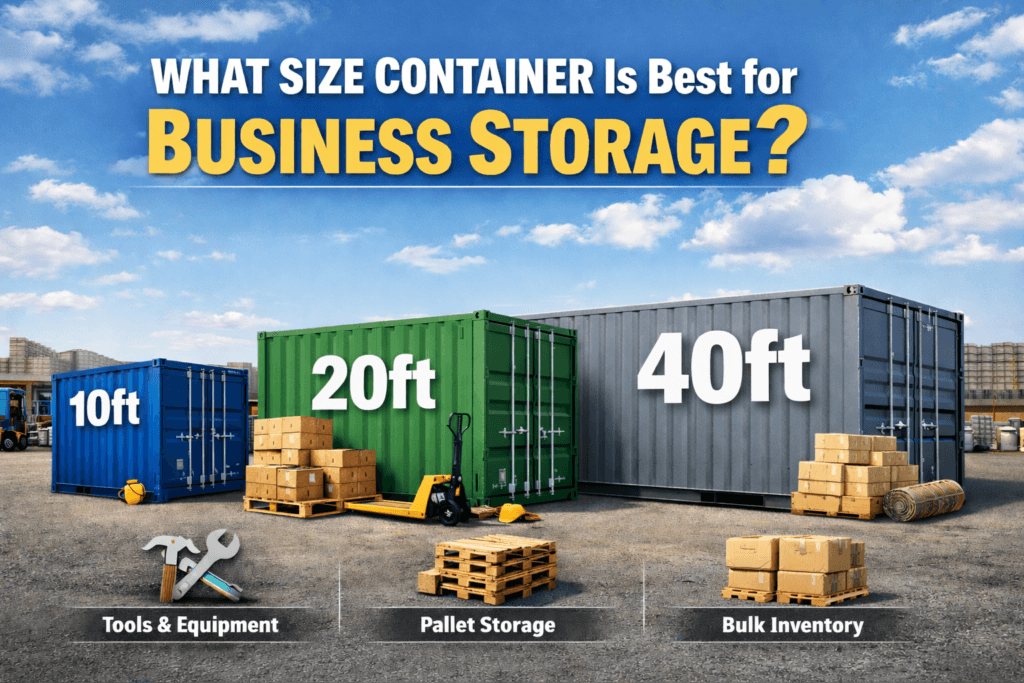
What Size Container Is Best for Business Storage? (UK Guide)
The best size container for business storage depends on what you’re storing, how often you need access, and how much space you have on site. For most UK businesses, 20ft storage containers offer the best balance of capacity, footprint, and cost, while 10ft containers suit smaller storage needs and 40ft containers are ideal for bulk or palletised stock.
Introduction
Choosing the right container size for business storage is not just about square footage. For UK businesses, the wrong size container can create access issues, waste money, or limit future growth.
From tradespeople and construction firms to retailers and manufacturers, selecting the correct container size helps maximise storage efficiency, site safety, and long-term value.
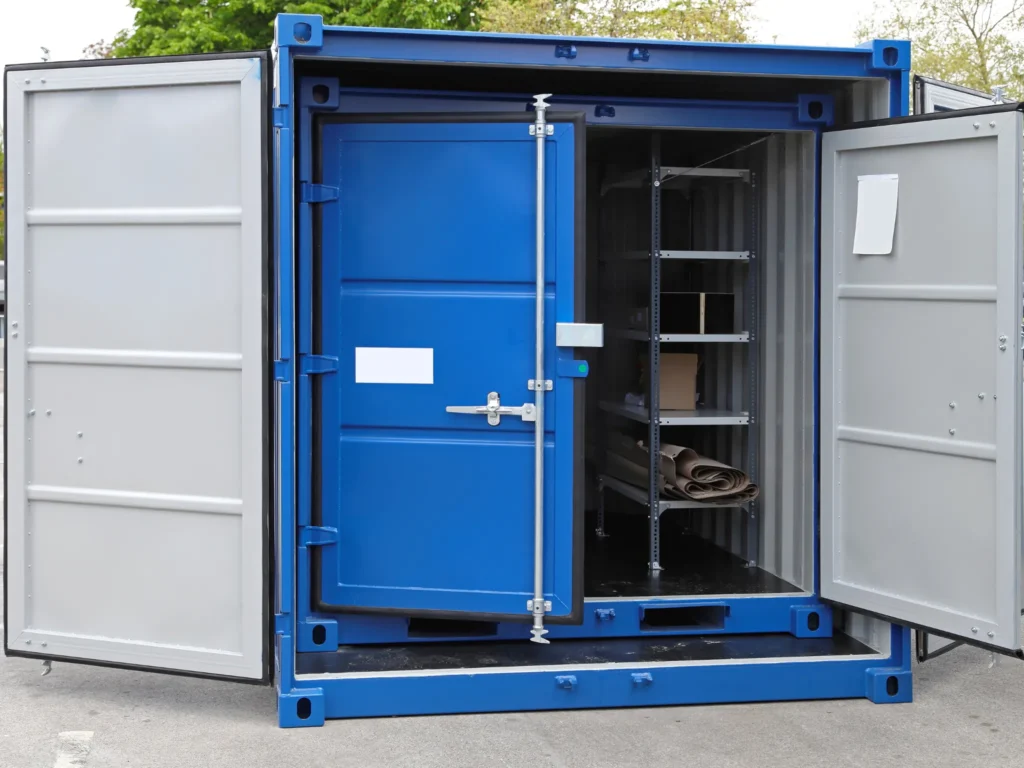
Why Container Size Matters for Business Storage
The size of your storage container directly affects:
- How efficiently stock or equipment can be organised
- Ease of loading, unloading, and access
- On-site space requirements
- Cost efficiency over time
Businesses often underestimate how quickly storage needs grow — choosing the right size upfront prevents costly upgrades later.
Common Shipping Container Sizes for Business Use
10ft Shipping Container – Best for Small Businesses
A 10ft container is ideal where space is limited or storage needs are modest.
Best for:
- Tradespeople tools and equipment
- Small retail overflow stock
- Document or archive storage
- Tight urban sites
Key benefits:
- Compact footprint
- Lower purchase cost
- Easy placement on driveways or yards
To find out more about Shipping Containers for Small Businesses UK view our blog here Shipping Containers for Small Business Storage UK (Costs & Sizes)
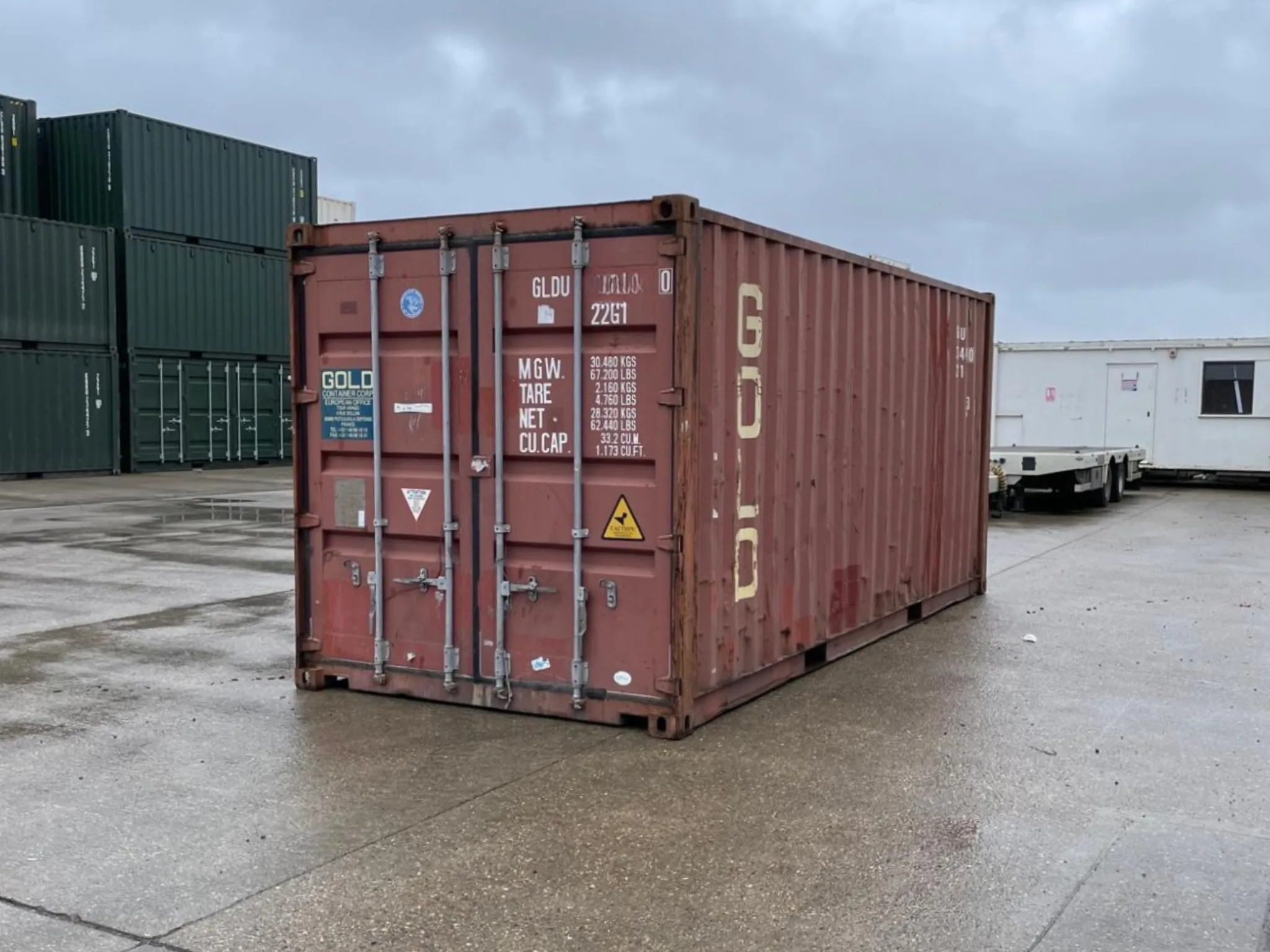
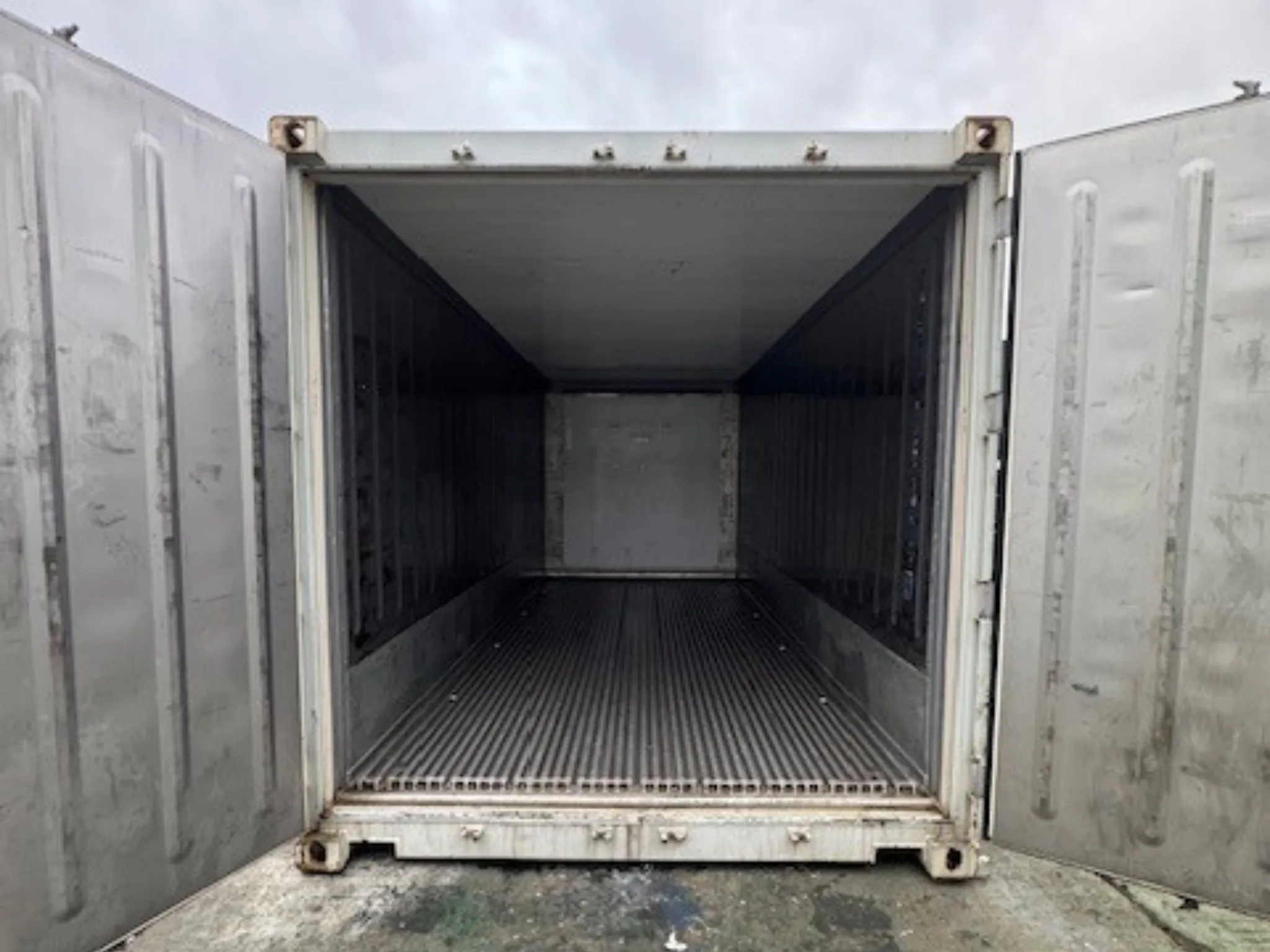
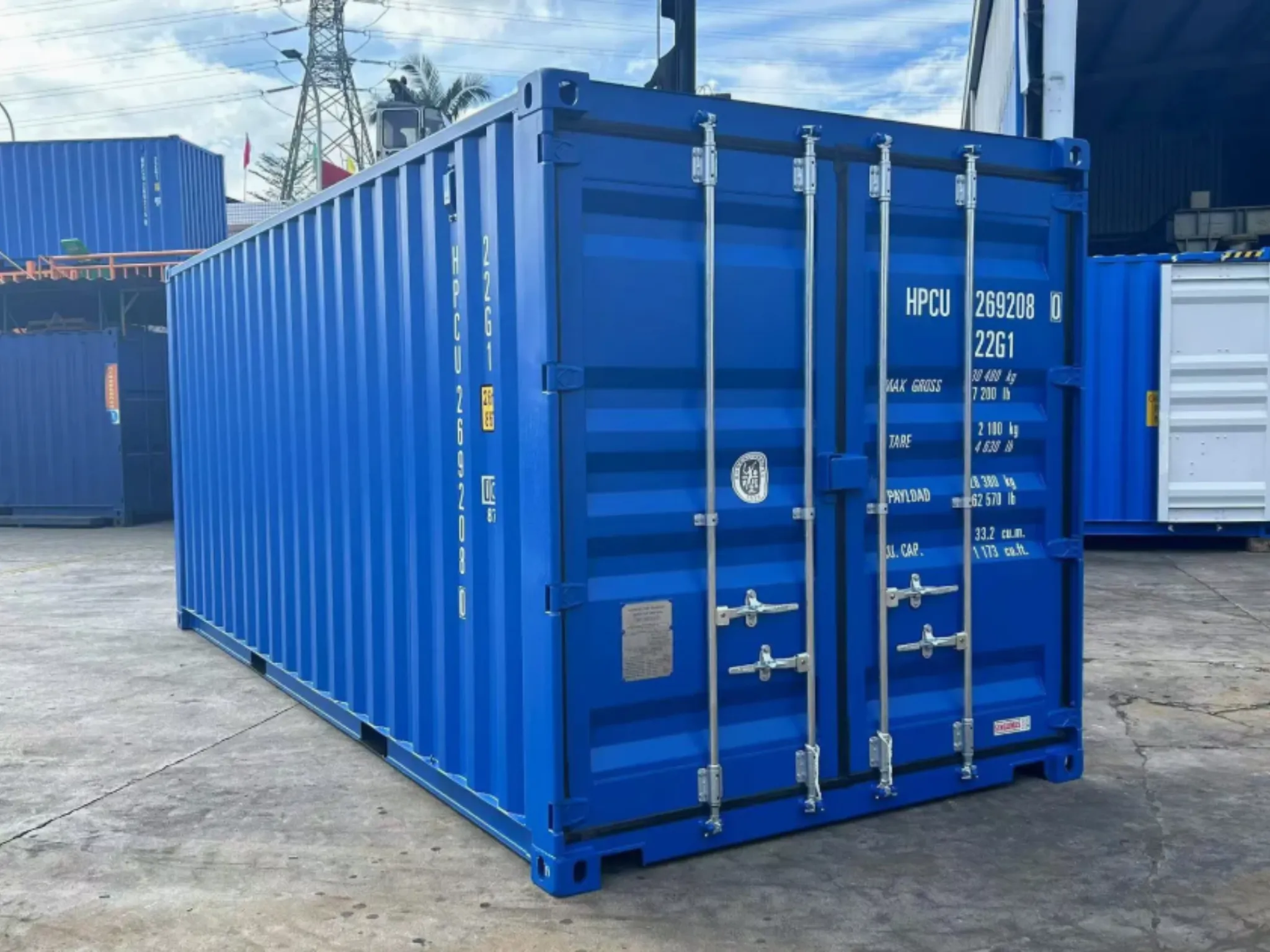
20ft Shipping Container – Best All-Round Business Storage
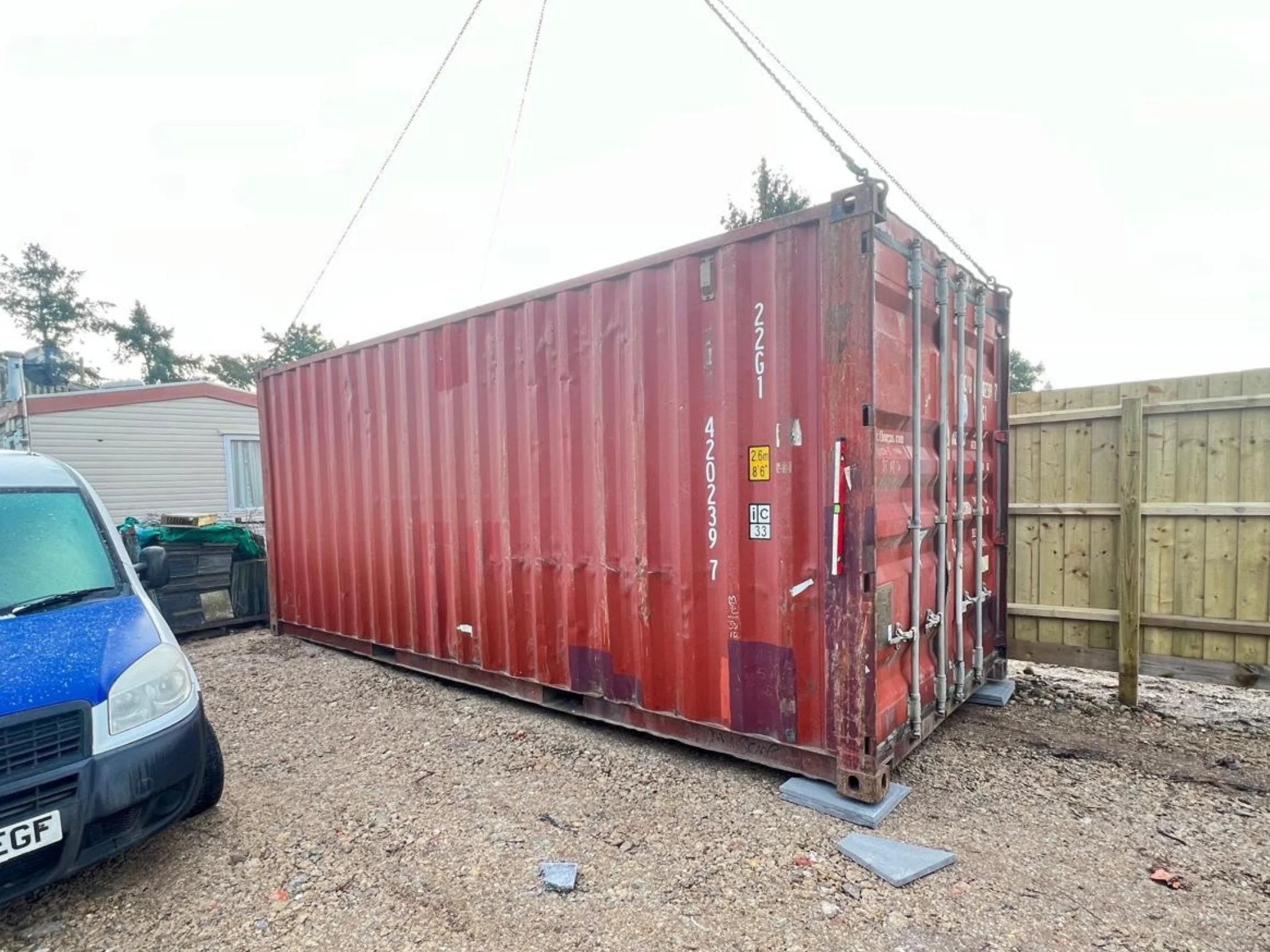
For most UK businesses, a 20ft storage container is the most practical and cost-effective option for on-site storage.
Best for:
- Construction materials
- Palletised goods
- Machinery and equipment
- General commercial storage
Why it’s the most popular choice:
- Strong balance of size and affordability
- Fits up to 10 standard pallets
- Easy access without wasted space
- Suitable for almost all business sectors
Construction and trade businesses are one of the biggest users of 20ft containers. For a detailed breakdown of how builders use containers for tools, materials, site offices and welfare facilities, see our full guide to Shipping Containers for Trades and Builders.
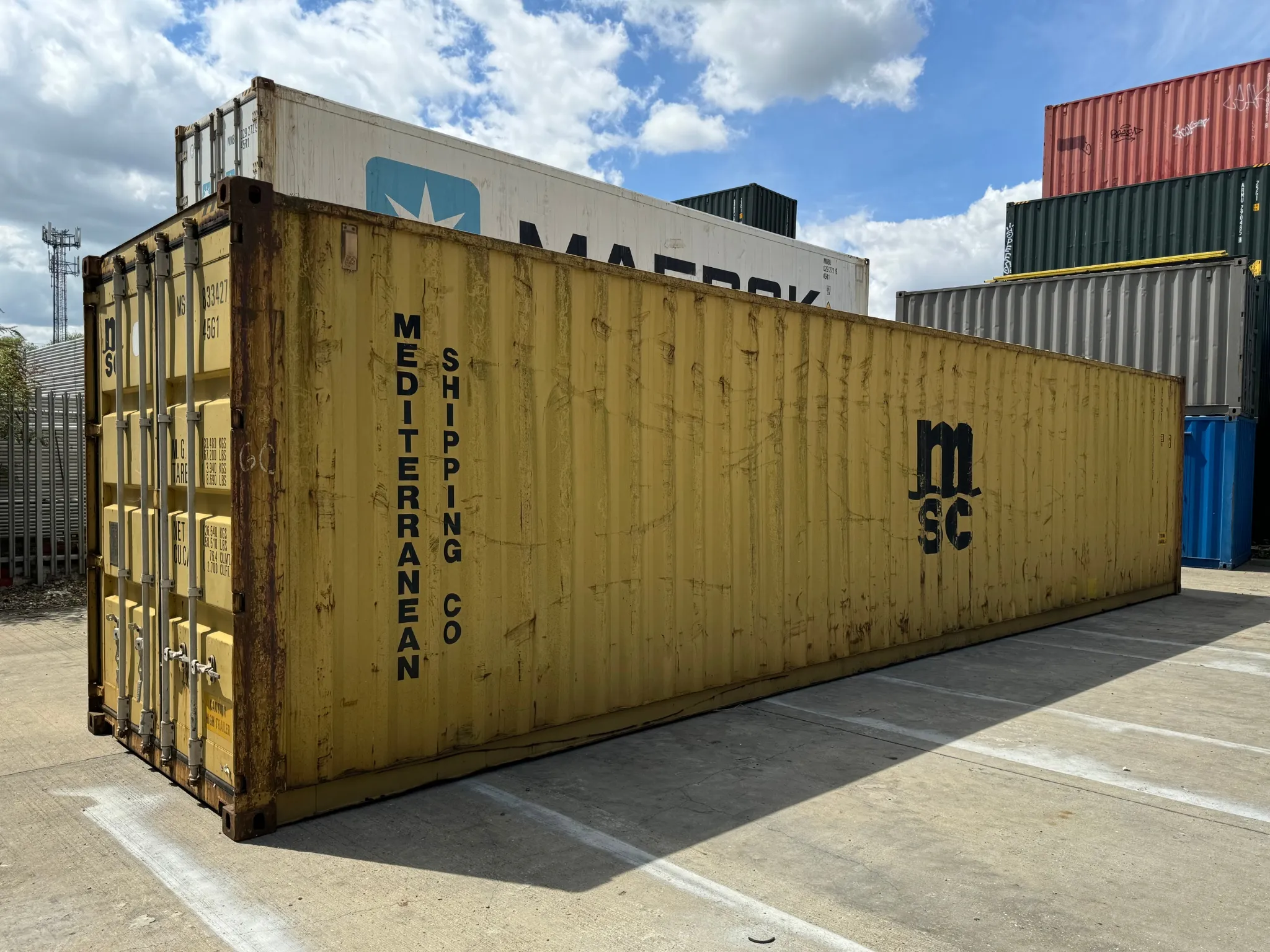
40ft Shipping Container – Best for Large-Scale Storage
A 40ft shipping container is designed for businesses with high-volume or long-term storage needs.
Best for:
- Warehousing overflow
- Manufacturing stock
- Logistics and distribution
- Bulk or lightweight goods
Considerations:
- Best value when fully utilised
- Requires more site space
- Higher upfront cost
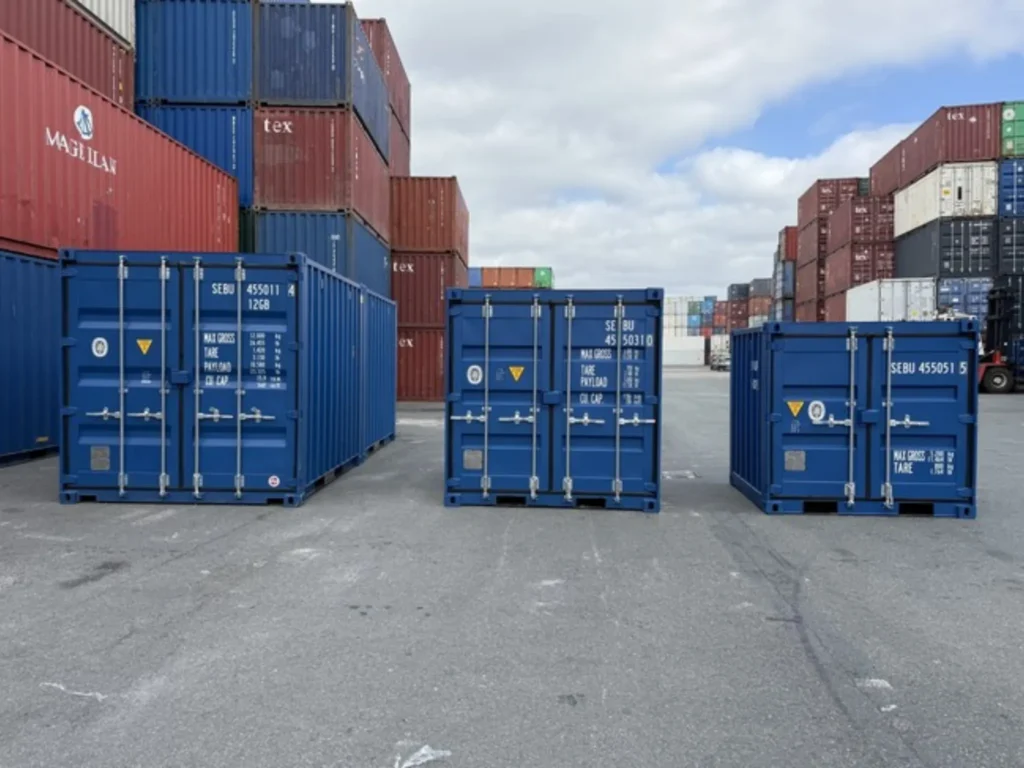
Container Size Comparison Table (Business Storage)
This table compares the most common shipping container sizes used by UK businesses, showing internal length, typical storage capacity, and the types of commercial storage each container size is best suited for. It helps businesses quickly identify whether a 10ft, 20ft, or 40ft container is the most practical option for their storage needs.
| Container Size | Internal Length | Typical Capacity | Best For |
|---|---|---|---|
| 10ft | ~2.8m | Small loads | Tools, small stock |
| 20ft | ~5.9m | ~10 pallets | Most business storage |
| 40ft | ~12m | ~20 pallets | Bulk and warehouse use |
How to Choose the Right Container Size for Your Business
Step 1: Identify What You’re Storing
- Tools and equipment
- Palletised stock
- Loose goods
- Machinery
Step 2: Consider Access Requirements
- Will you need frequent access?
- Do you need clear walkways?
- Forklift access required?
Step 3: Plan for Growth
Most businesses outgrow smaller containers faster than expected. If in doubt, sizing up often provides better long-term value.

Common Mistakes Businesses Make
- Choosing the cheapest size rather than the right size
- Underestimating future storage needs
- Ignoring site access and delivery clearance
- Overpaying for oversized containers they don’t fully use
Using Business Storage Containers for Conversions
Many UK businesses choose a container size not just for storage, but with future container conversion plans in mind. Selecting the right size at the storage stage can save significant time and cost if you later convert the container into a functional workspace or commercial unit.
Which Container Sizes Work Best for Conversions?
10ft containers
- Suitable for compact conversions
- Ideal for kiosks, site offices, or small workshops
- Limited internal space, so layouts must be efficient
20ft containers
- The most popular size for container conversions
- Ideal for offices, workshops, canteens, and retail units
- Easy to insulate, electrify, and modify
- Strong balance between usable space and site footprint
- Best for large-scale conversions
- Used for studios, multi-room offices, training spaces, or storage-plus-workspace setups
- Ideal where businesses want combined storage and operational space
Why Size Matters for Container Conversions
Choosing the right container size early allows businesses to:
- Store equipment now and convert later
- Avoid replacing containers when needs change
- Plan electrics, insulation, and access layouts in advance
- Maximise long-term return on investment
Businesses that anticipate future growth often choose a 20ft or 40ft container, even if current storage needs are smaller.
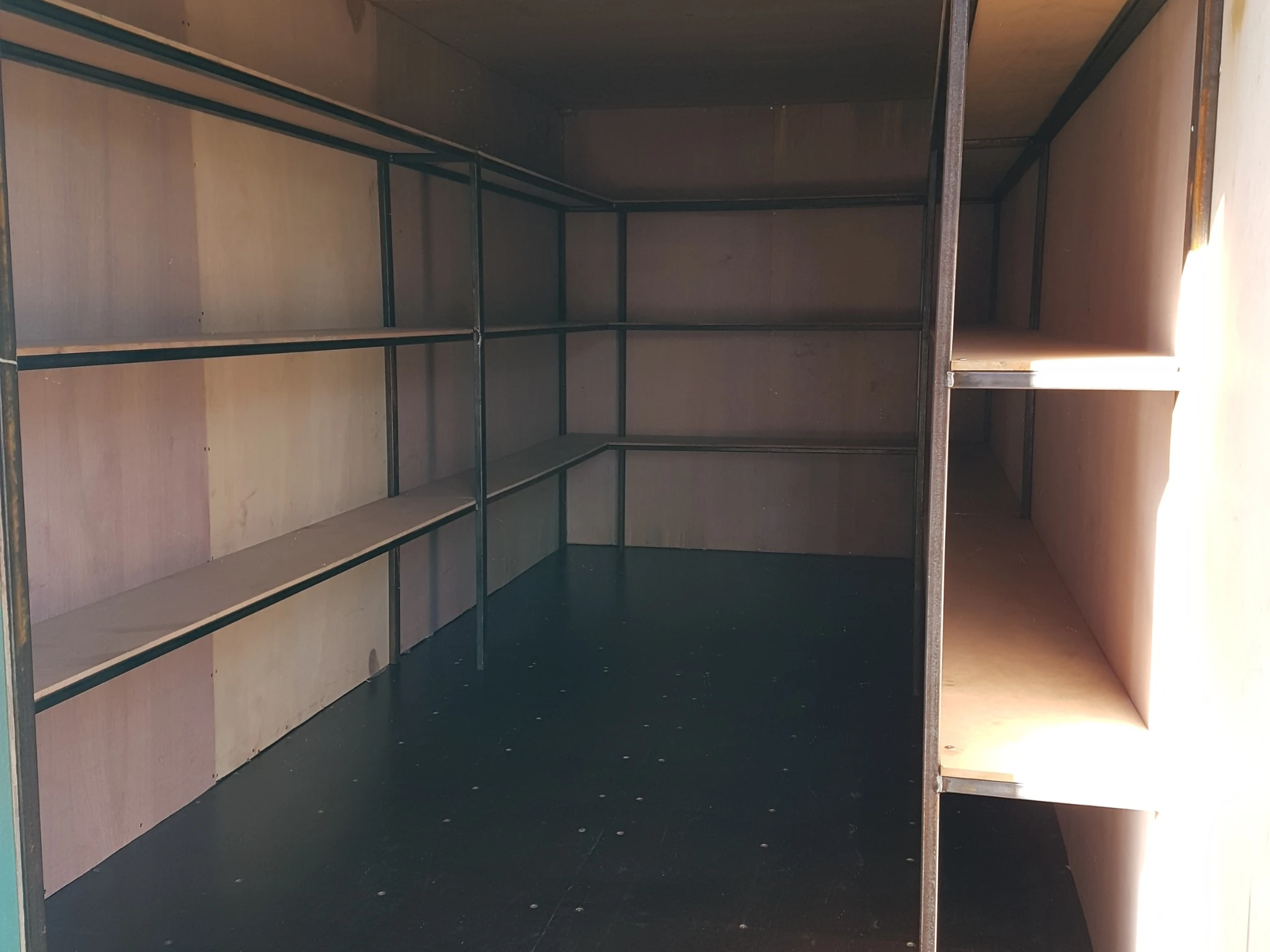
Why Bosh Boxes Is the Best Choice for Business Storage Containers
Bosh Boxes supports UK businesses with practical, compliant, and cost-effective storage container solutions designed specifically for commercial use.
Why businesses choose Bosh Boxes:
- Business-focused solutions, not generic sales
- Wide range of container sizes available
- New and used containers in stock
- Containers suited for storage, not scrap
- Honest, expert sizing advice
- UK-wide delivery
Retail Businesses and Stock Overflow Storage
Retailers often need flexible storage rather than permanent warehouse space. Shipping containers for retail stock storage are commonly used to manage seasonal overflow, bulk deliveries, and promotional stock without increasing commercial rent.
For most independent shops, a 10ft or 20ft shipping container provides enough room for boxed inventory, clothing rails, or packaged goods. Larger retailers may choose 40ft units for centralised overflow storage behind retail parks or distribution points.
Shipping containers for retail stock storage are a cost-effective long-term alternative to commercial warehousing for UK retailers. They keep stock close to the shop floor while maintaining secure storage and controlled access.
Retailers storing boxed goods should also consider ventilation and condensation management to protect packaging and prevent moisture damage.
For a detailed breakdown of how retailers use containers specifically for stock management, see our guide on Shipping Containers for Retail Stock Storage.
Real-World Business Use Case
A UK construction company initially purchased a 10ft container for tool storage. Within six months, access became restricted and equipment overflowed. Upgrading to a 20ft Shipping container for business use improved organisation, reduced loading time, and eliminated the need for off-site storage.
Frequently Asked Questions About Business Storage Containers
What size container do most businesses use for storage?
Most UK businesses use a 20ft container for business storage because it offers the best balance of space, accessibility, and cost without requiring excessive site space.
Is a 10ft container big enough for business storage?
A 10ft container can be suitable for small businesses storing tools, documents, or limited stock. However, many businesses outgrow a 10ft container quickly and later upgrade to a 20ft container for storage.
Is a 40ft container too big for business storage?
A 40ft container is not too big if you have bulk storage needs, warehouse overflow, or palletised stock. It is best suited to businesses with sufficient on-site space and high-volume storage requirements.
How many pallets fit in a business storage container?
- 10ft container: 3–4 pallets
- 20ft container: Up to 10 pallets
- 40ft container: Up to 20 pallets
Actual capacity depends on pallet size and access requirements.
Should I choose a bigger container than I need?
Yes, in many cases. Choosing a slightly larger container allows for:
- Easier access
- Better organisation
- Future business growth
Oversized containers only become inefficient when a large portion of space is never used.
Are shipping containers suitable for long-term business storage?
Yes. Shipping containers are designed for long-term use and provide secure, weather-resistant storage for business equipment, stock, and materials when properly maintained.
Bottom Line
The best container size for business storage depends on use, access, and future growth.
For most UK businesses, a 20ft shipping container delivers the best balance of space, cost, and flexibility — with 10ft containers suited to smaller needs and 40ft storage containers UK ideal for large-scale operations.
If you’re unsure which container size fits your business best, speak to a container specialist who understands real commercial storage needs — not just container dimensions.