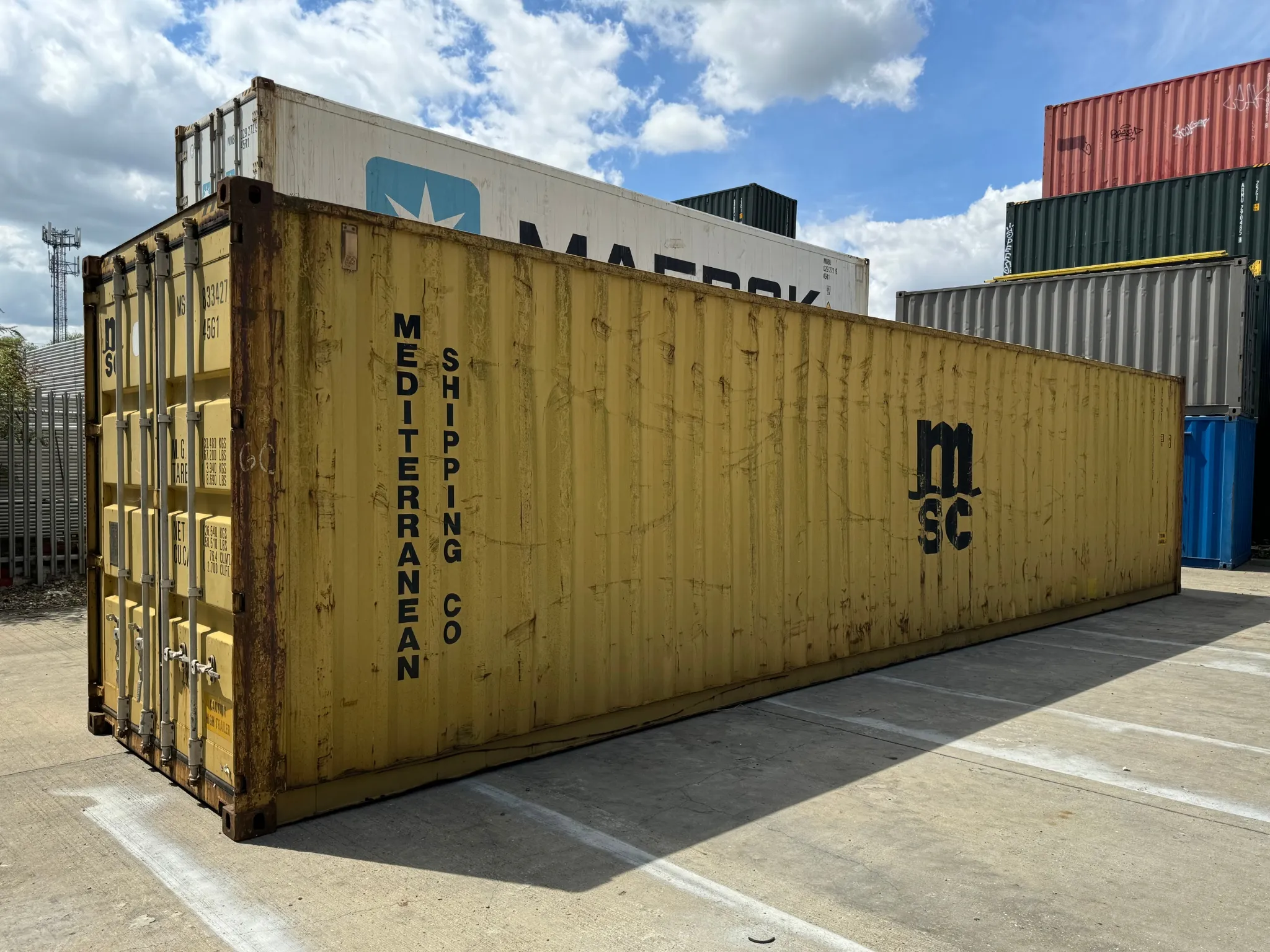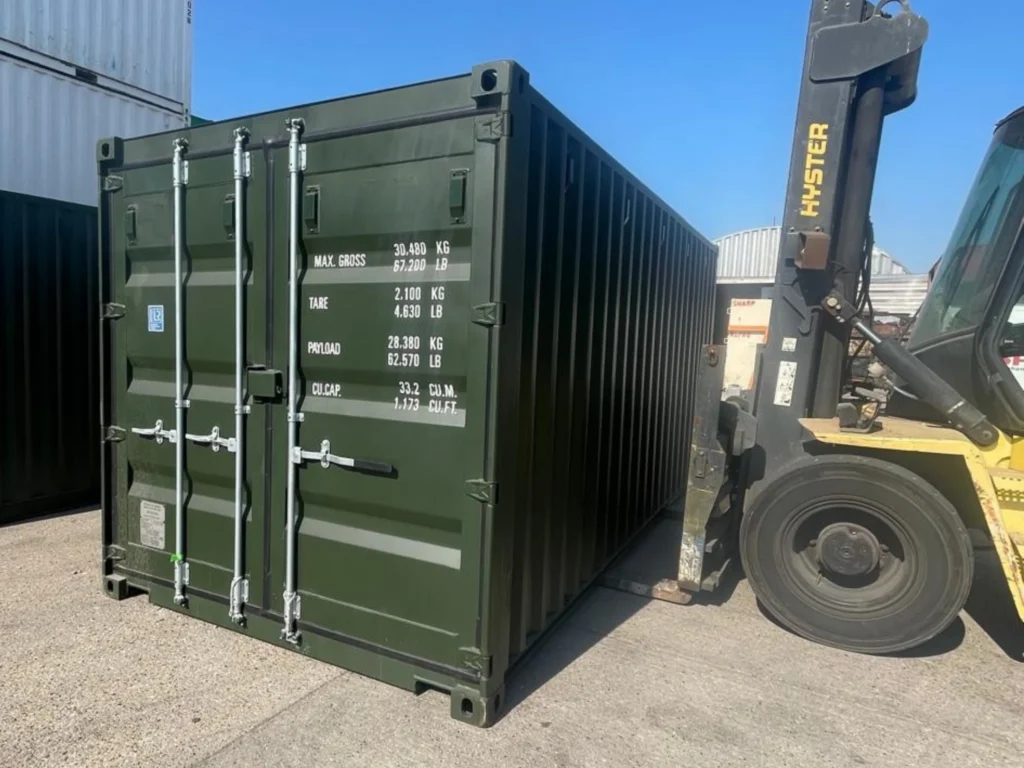
Inside the Steel Walls: What Are Shipping Containers Made Of?
What are shipping containers made from?
Shipping containers are weatherproof and wind and watertight, but they are not fully waterproof or airtight in the strictest sense. Standard containers are designed to keep rain, wind, and spray out under normal conditions, but they include vents for airflow and can allow water ingress if poorly maintained, damaged, or left sitting in flood conditions.
Why Container Materials Matter to UK Buyers
When you’re looking at shipping containers for sale UK, the materials determine everything from lifespan and security to maintenance costs and suitability for storage or conversion. Containers aren’t just steel boxes — they’re engineered structures designed to survive decades of global transport and tough UK weather.
Understanding what a container is made from helps you:
- Choose between new and used shipping containers
- Judge long-term durability and value
- Avoid condensation, rust, and structural issues
- Pick the right base for storage or container conversions
The Main Material: Corten Steel (Weathering Steel)
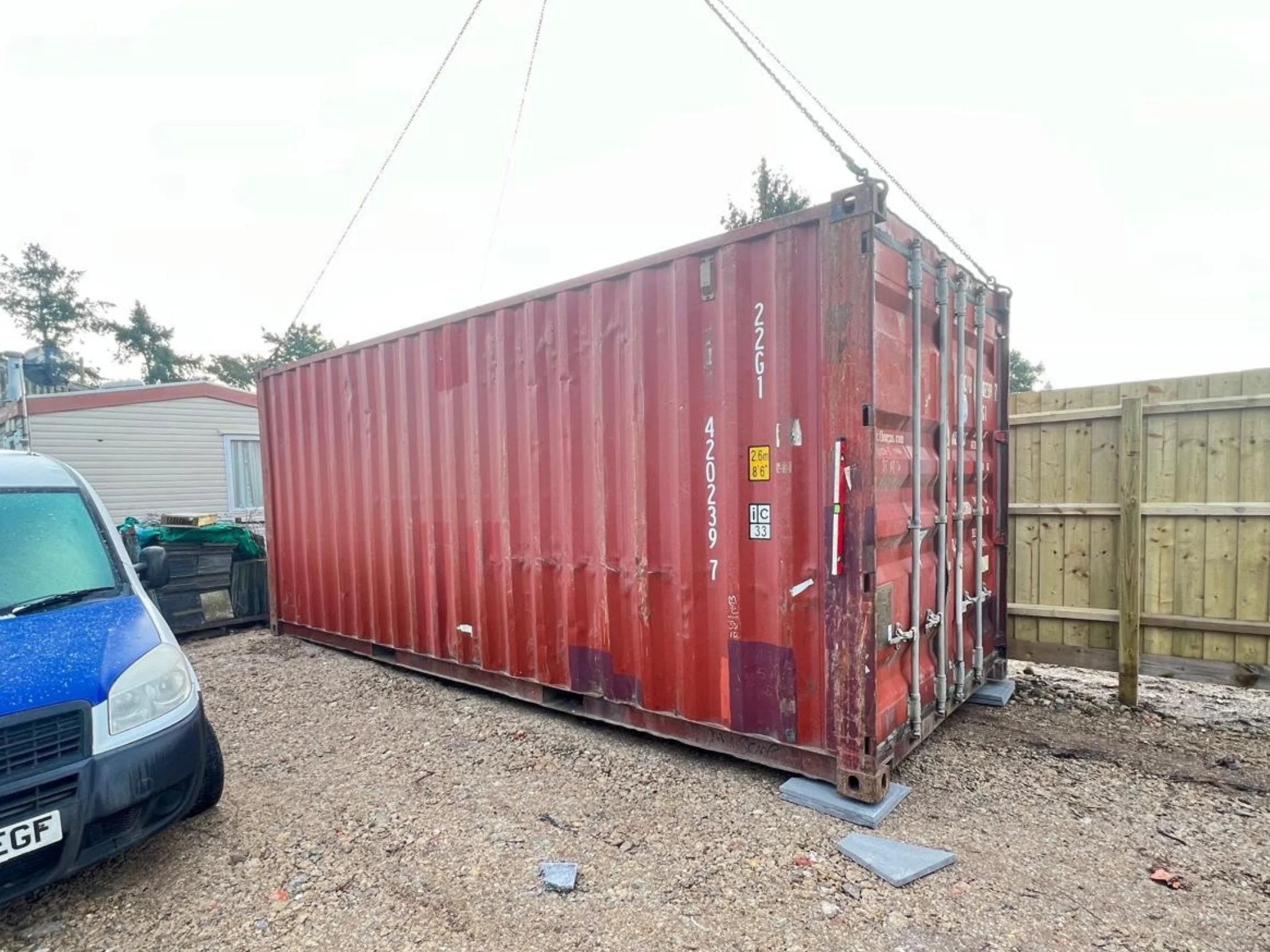
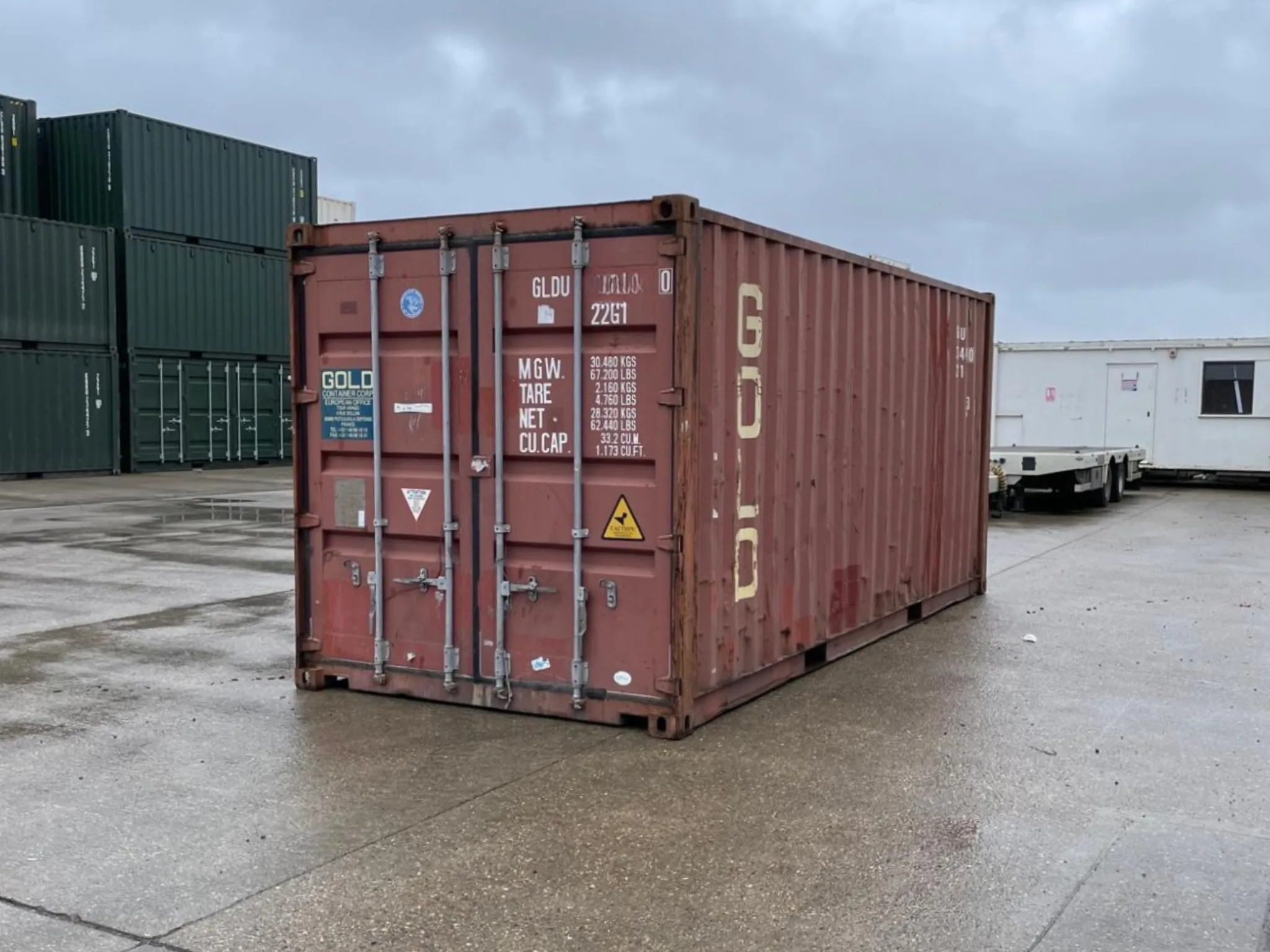
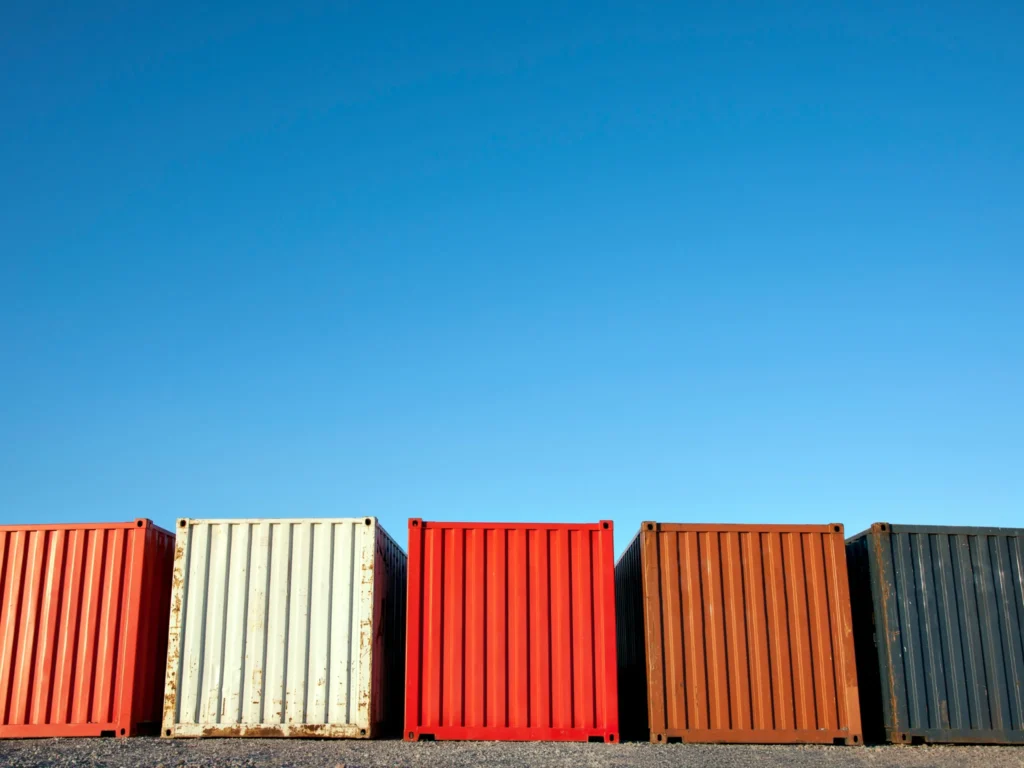
Almost all standard shipping containers are built from maritime-grade Corten steel.
Corten steel is an alloy designed specifically for strength and corrosion resistance. When exposed to the elements, it forms a stable surface oxidation layer that protects the steel beneath, rather than allowing rust to spread.
Why Corten Steel Is Used
- Extremely high tensile strength
- Resistant to salt air and rain
- Ideal for stacking and lifting
- Weldable for repairs and modified shipping containers
- Long service life with minimal maintenance
This is why containers can survive 10–15 years at sea and still go on to provide decades of land-based storage.
Are Aluminium Shipping Containers Different?
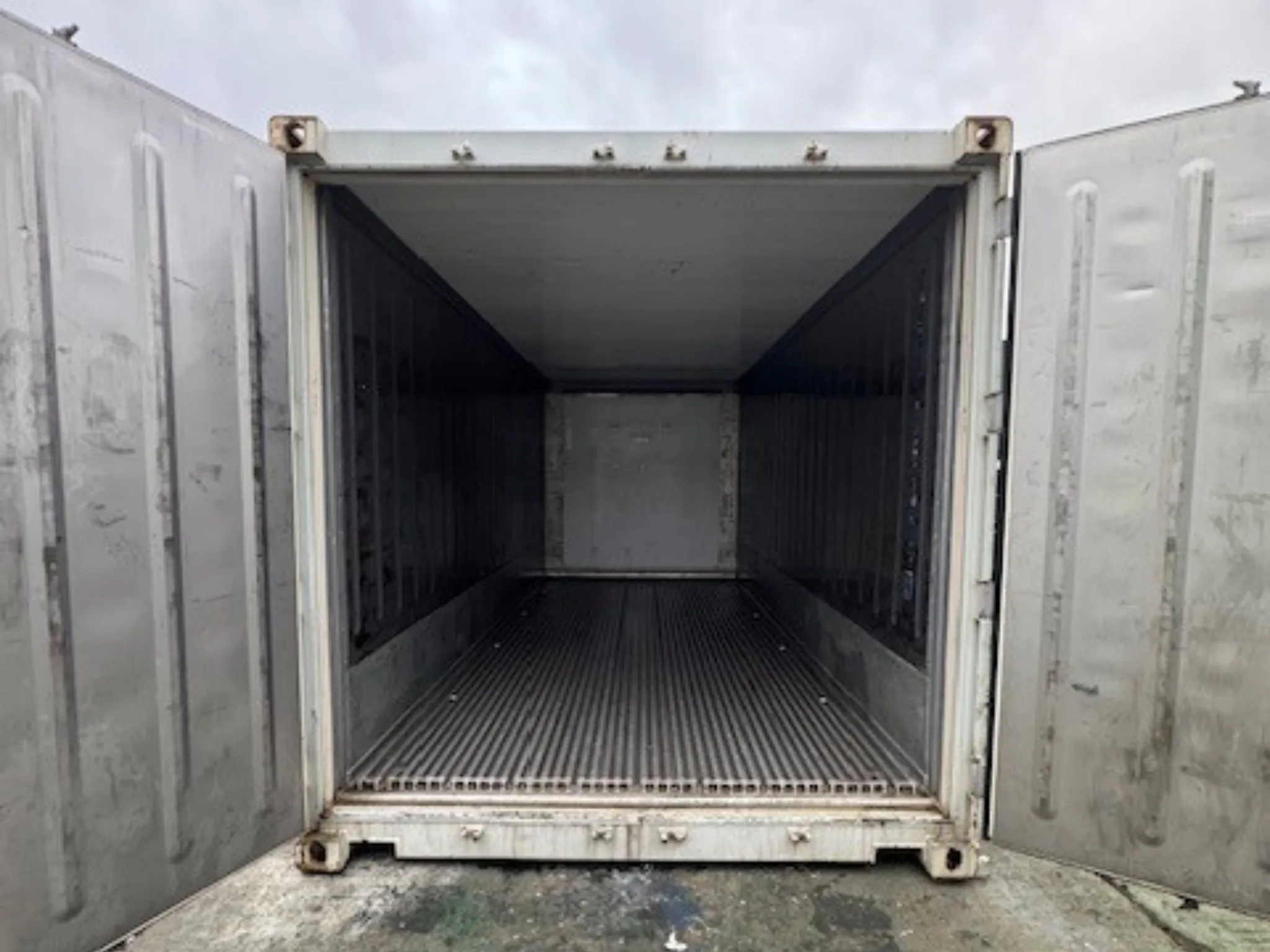
Some containers, especially specialist or domestic units, are made partly or fully from aluminium.
Aluminium Containers Are:
- Lighter than steel
- Naturally corrosion-resistant
- Easier to move and transport
- Common in refrigerated and lightweight cargo use
However, aluminium containers are not suitable for heavy stacking in the same way steel units are. For this reason, steel remains the standard for 20ft shipping containers, 40ft shipping containers, and most UK storage applications.
What Are Shipping Container Floors Made From?
Most container floors are built from 27–28mm marine-grade plywood supported by steel cross members.
Marine-Grade Plywood
- Cross-laminated for strength
- Bonded with waterproof adhesives
- Resistant to rot and insect damage
- Designed to handle heavy, evenly distributed loads
Despite the name, marine plywood is not fully waterproof — which is why containers must be raised off wet ground to protect the floor.
Bamboo Flooring (Newer Containers)
Increasingly common in newer containers
Dense and extremely hard
More sustainable than hardwood
Paint, Coatings, and Corrosion Protection
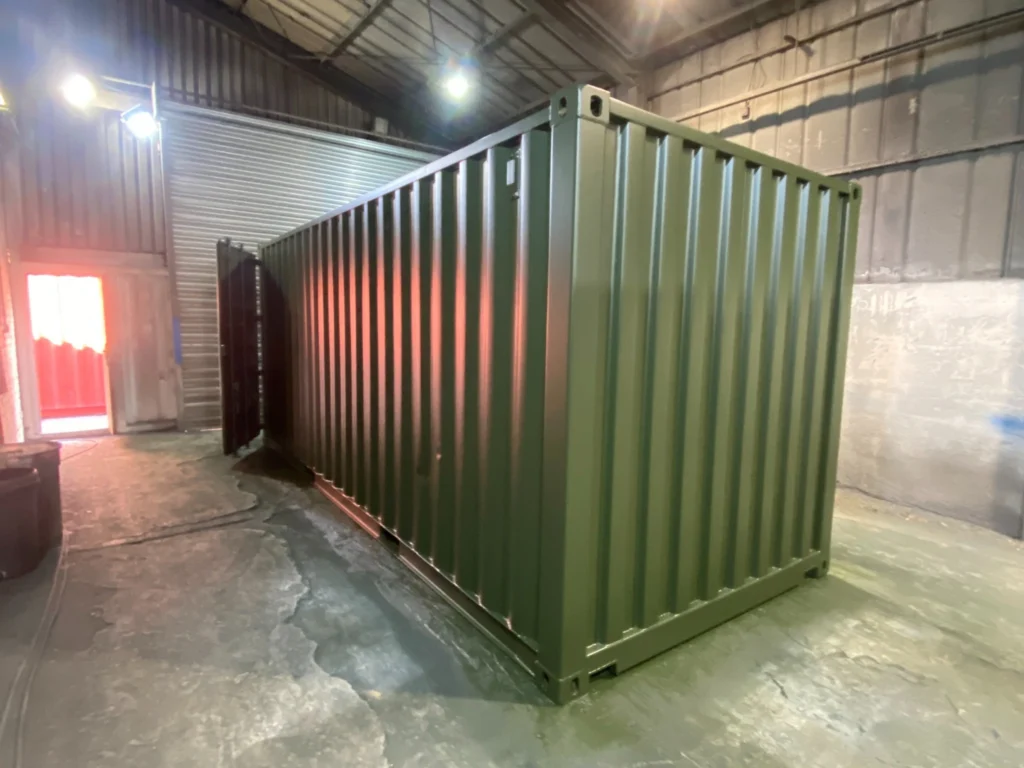
Shipping containers rely heavily on protective coatings to survive harsh environments.
Common coatings include:
- Zinc-rich primers for rust prevention
- Epoxy coatings for water and chemical resistance
- Polyurethane paints for UV protection
- Marine-grade exterior finishes
These coatings are essential in maintaining a container’s wind and watertight condition. – See More Info Here.
Insulation Materials (For Conversions & Storage)
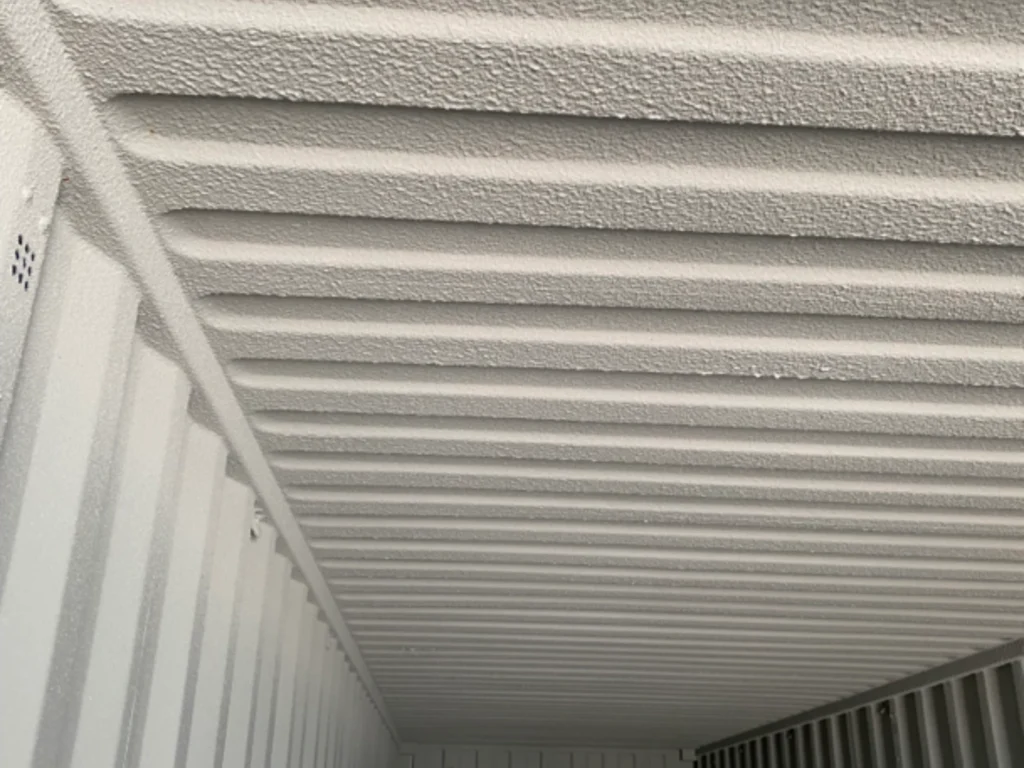
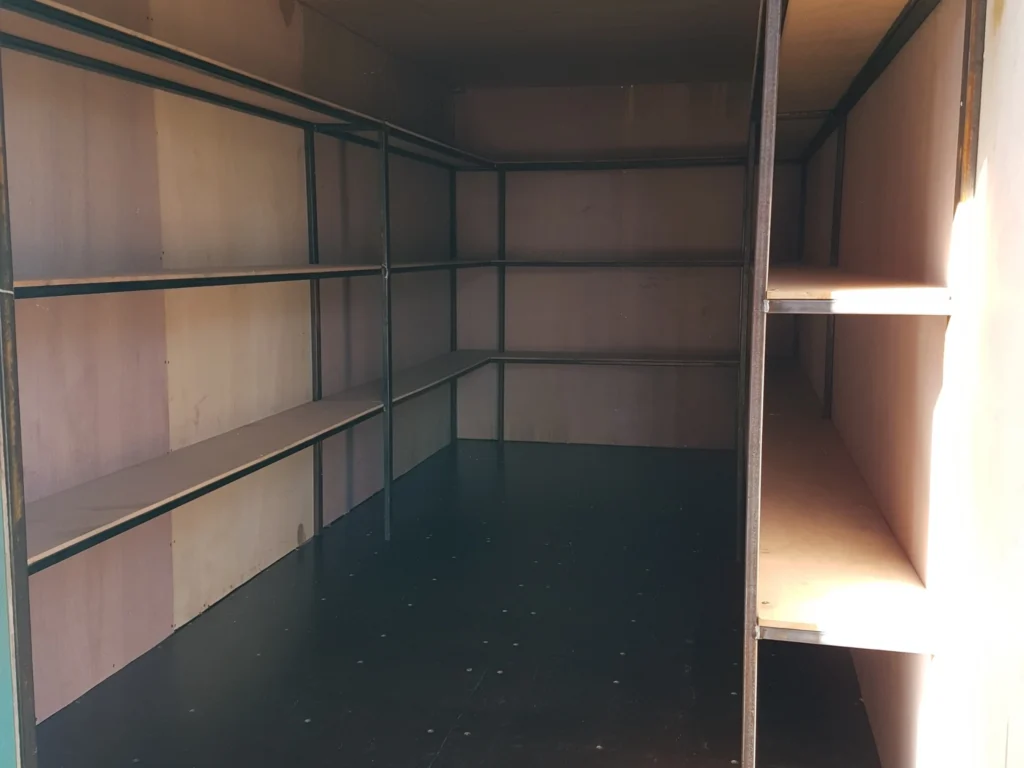
Standard containers are not insulated, but insulation is added for many uses.
Common insulation materials:
- Polyurethane spray foam
- Polystyrene boards
- Fibreglass insulation
- Reflective foil barriers
- Vacuum insulation panels (specialist use)
Insulation is essential for:
- Temperature-sensitive storage
- Container offices
- Living spaces
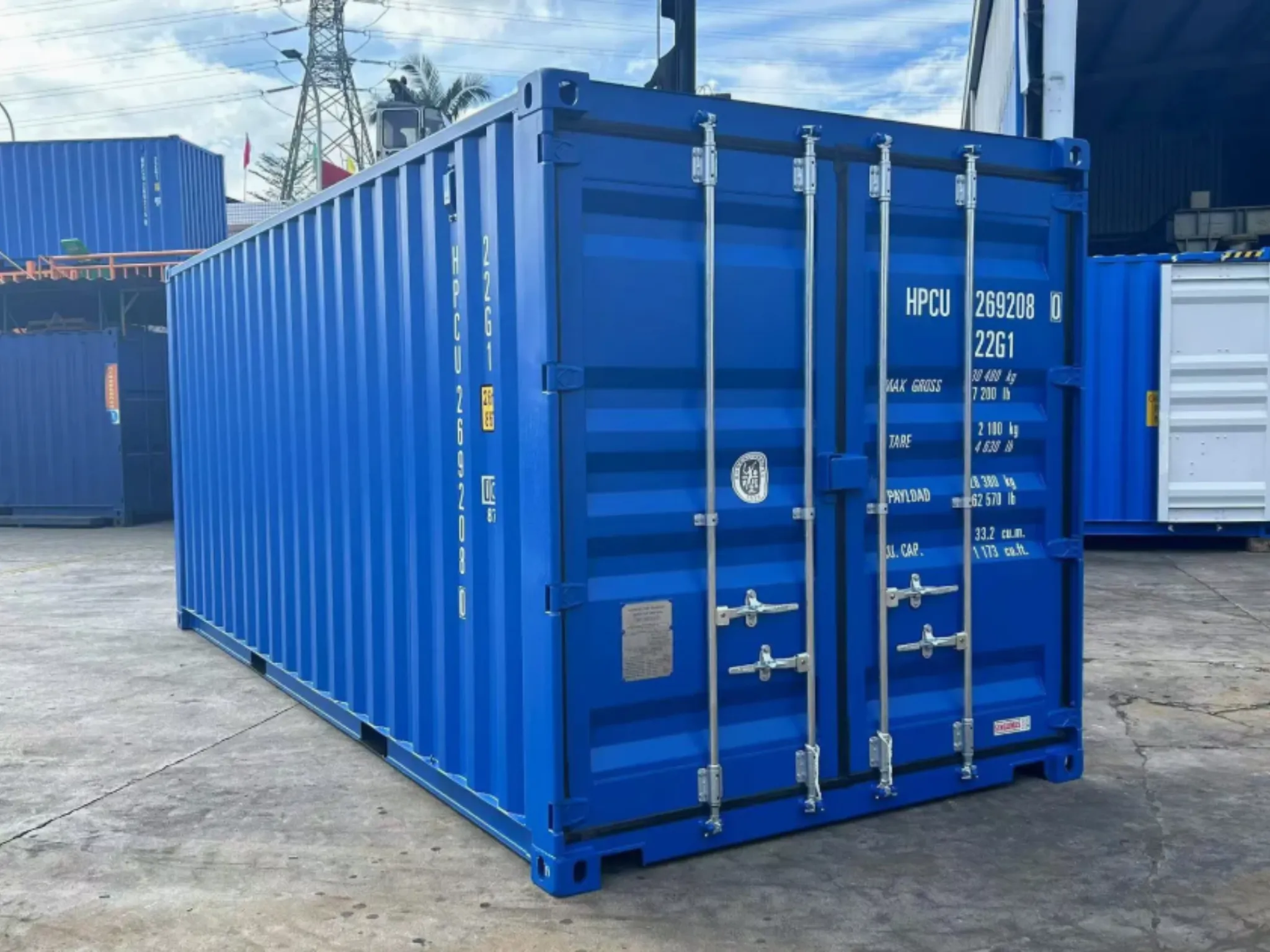
Key Structural Components and Their Materials
Walls and Frames
- Corrugated steel panels (~1.6–2mm thick)
- Tubular steel side rails and end frames
- Designed for stacking up to nine units high
Corner Castings and Posts
- Thick cast steel blocks at each corner
- Allow safe lifting, stacking, and securing
- Critical for structural integrity
Roof Panels
- Steel or aluminium
- Designed to shed water, not bear weight
Doors, Headers, and Sills
- Heavy steel doors with rubber gaskets
- Cast-iron locking gear
- Reinforced headers and sills maintain rigidity
Cross Members
- Steel beams under the floor
- Distribute weight and prevent floor failure
Ventilation Systems
- Designed to block rain ingress
- Passive vents to control airflow
- Prevent condensation build-up
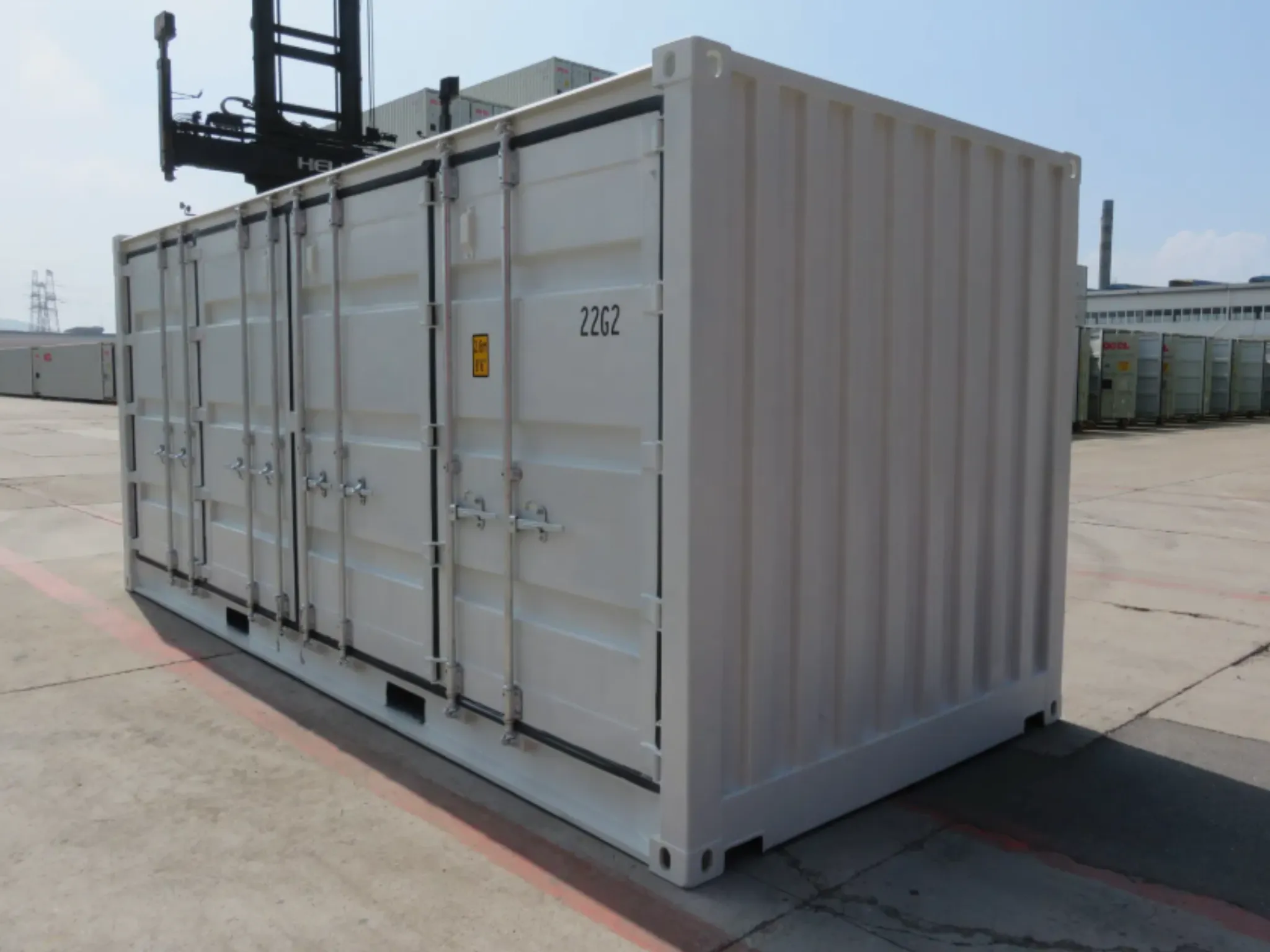
How Shipping Containers Are Manufactured (Simplified)
- Steel panels are fabricated
- Floor frame and cross members are welded
- Walls, roof, and doors are assembled
- Priming and painting applied
- Flooring installed
- CSC plate and markings added
- Load and watertight testing completed
A standard container typically takes around four weeks to manufacture.
Why Bosh Boxes Containers Are Built to Last
At Bosh Boxes, we focus on supplying containers that perform as they should in real UK conditions.
Why customers choose us:
- Clear explanations of materials, not sales fluff
- Honest guidance on new and used shipping containers
- Containers checked for wind and watertight integrity
- Advice on ground prep to protect floors
- Support for container conversions and storage use
- UK-wide container delivery UK
The Bottom Line
Shipping containers are engineered from Corten steel, reinforced steel components, durable flooring, and specialist coatings to survive extreme environments. Understanding what they’re made from helps you choose the right container, avoid costly mistakes, and get long-term value from your investment.
If you’re unsure which container is right for your application, speak to Bosh Boxes today — and order your container the Bosh Boxes Way.