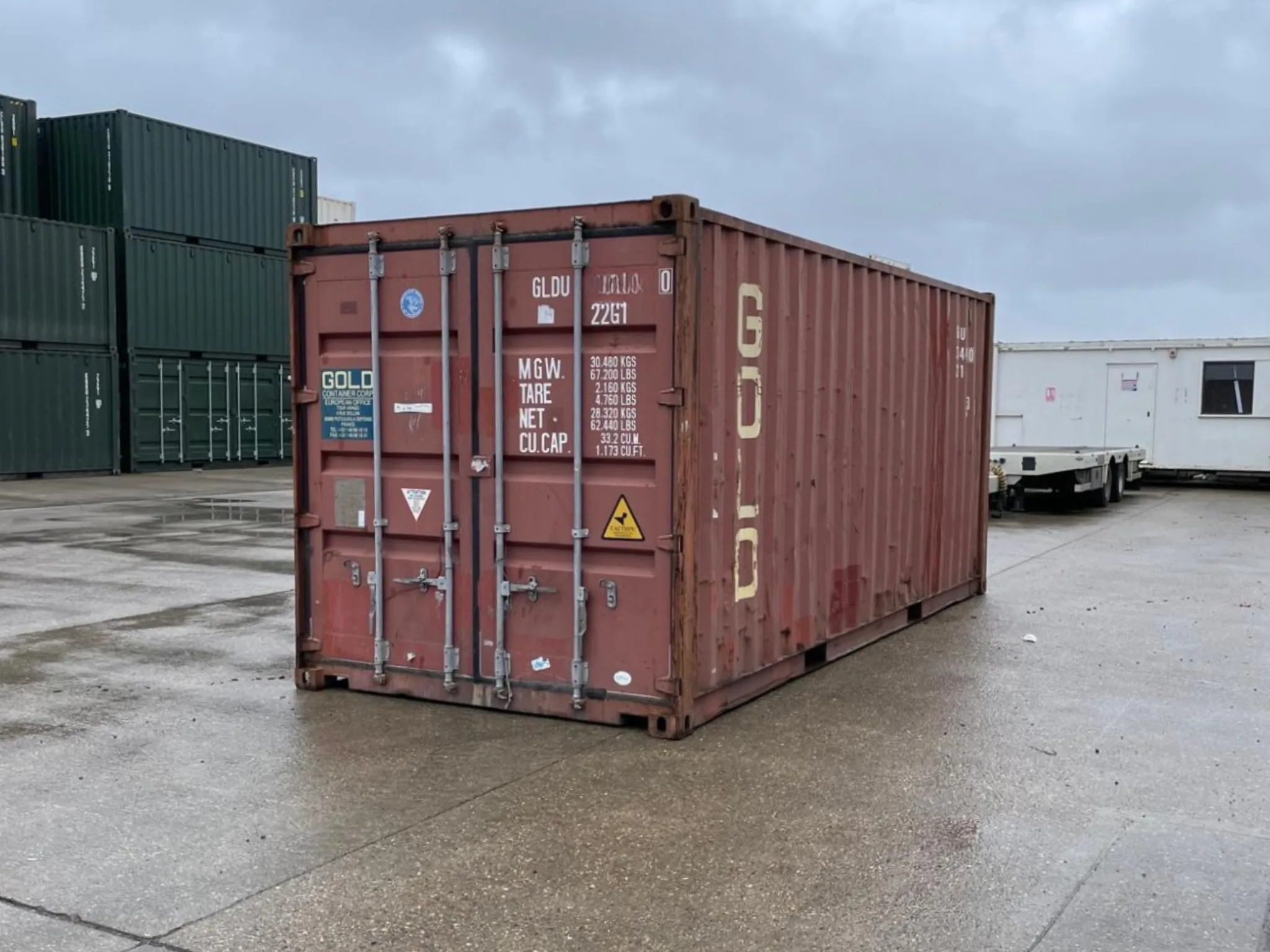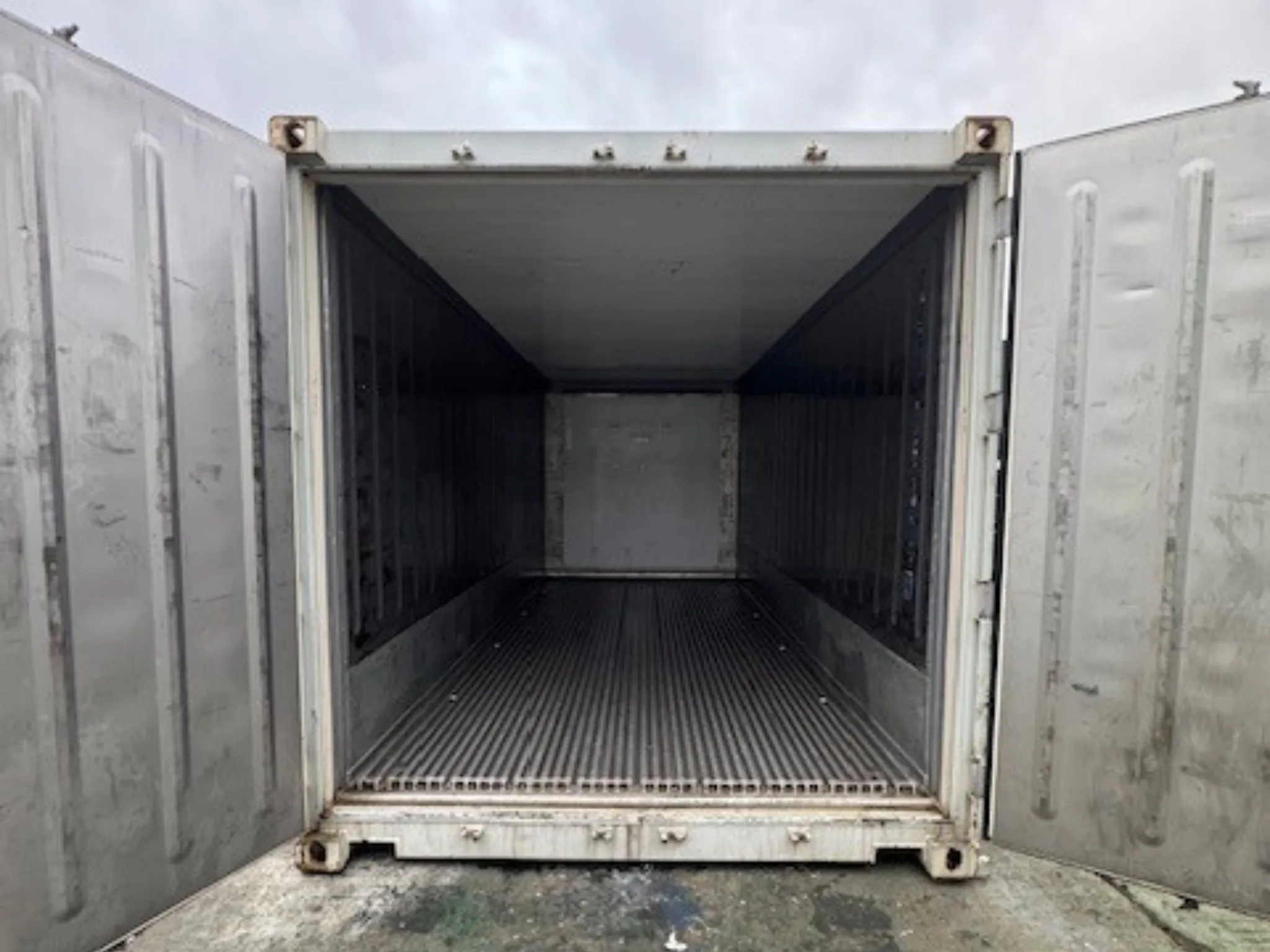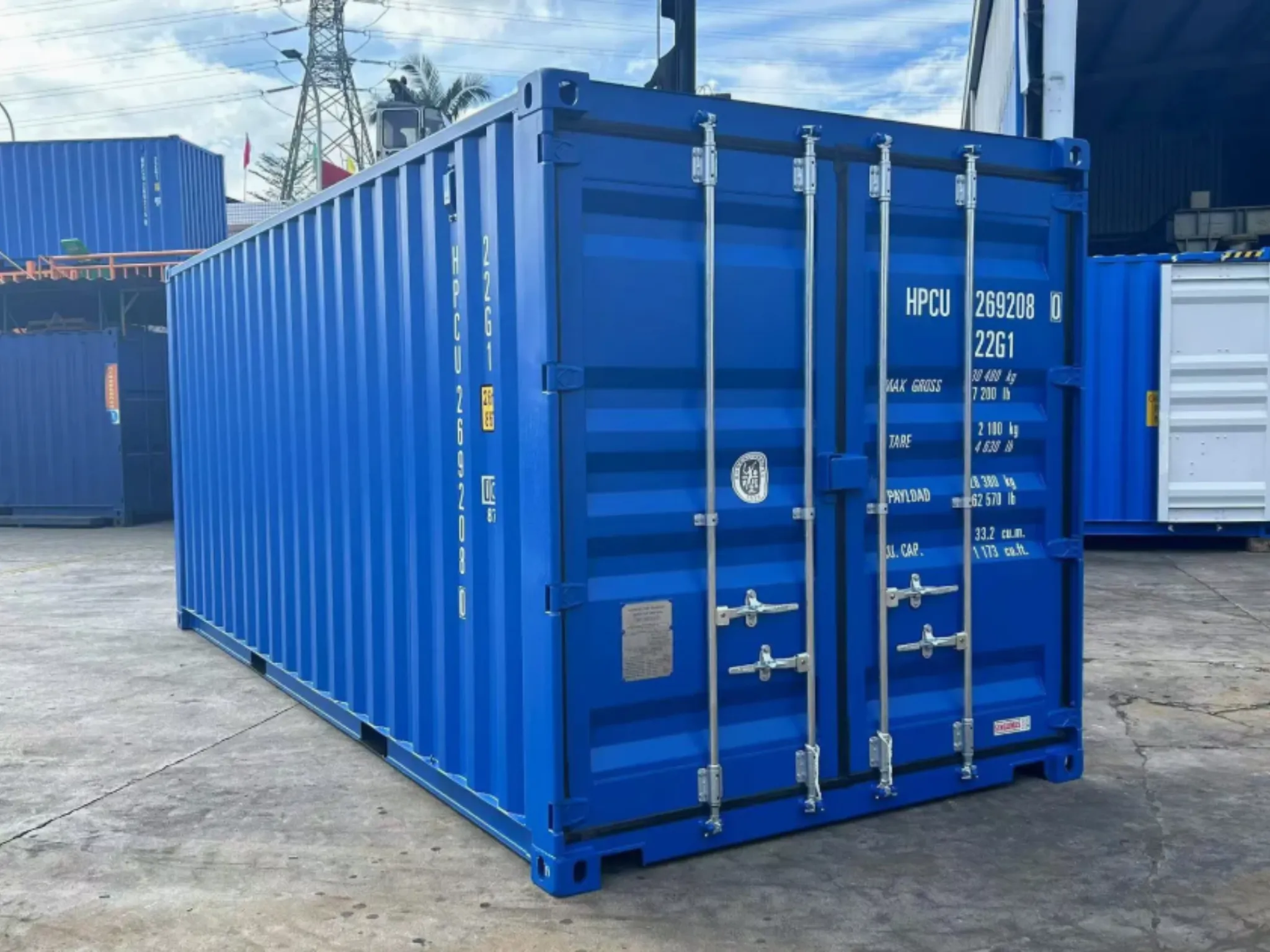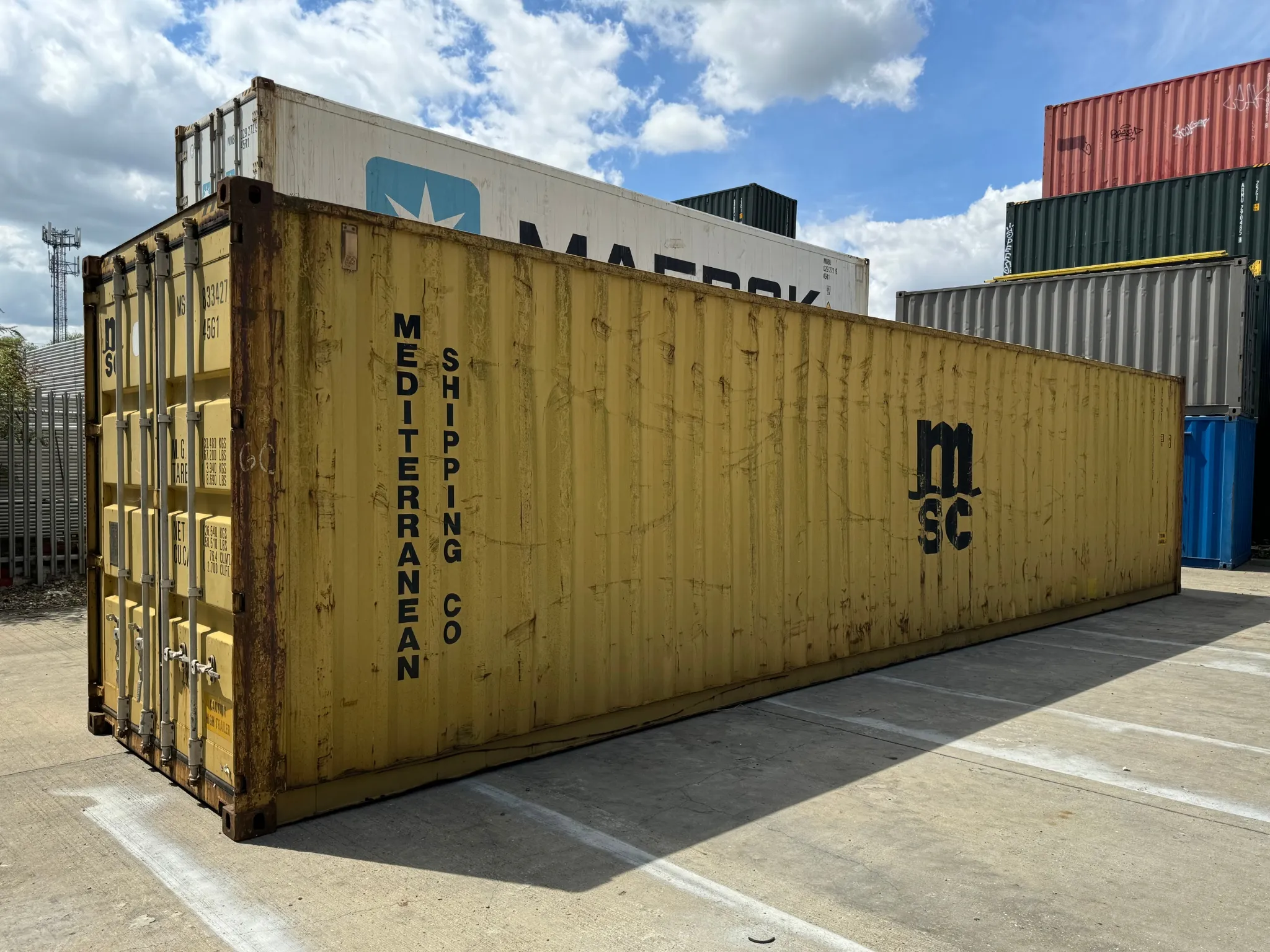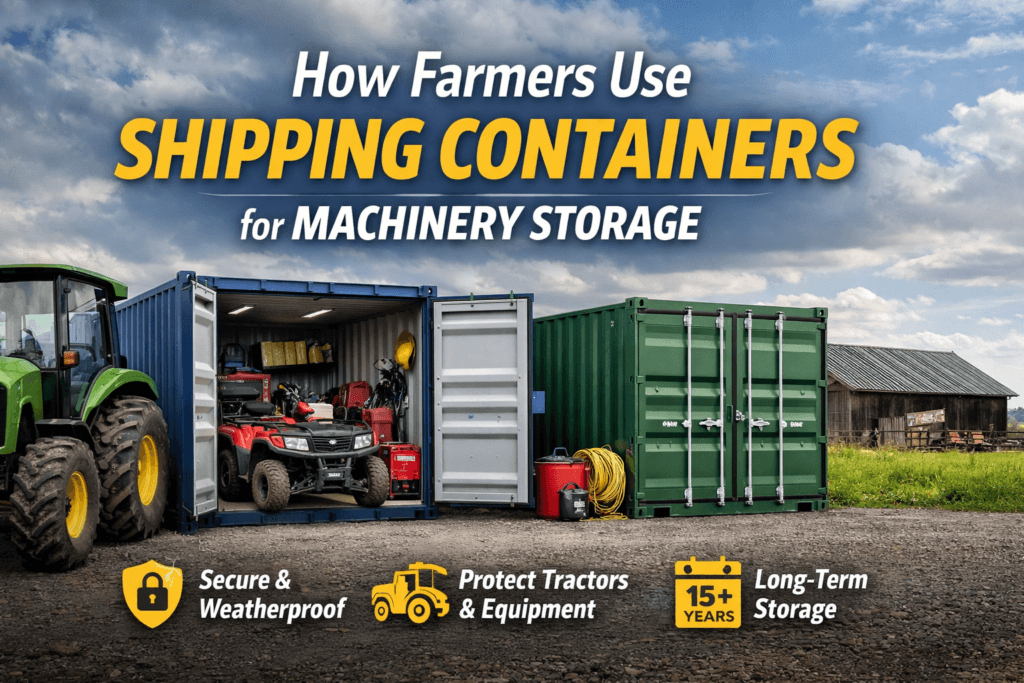
How Farmers Use Shipping Containers For Machinery Storage involves placing tractors, tools, and seasonal equipment inside steel storage containers to protect them from theft, weather damage, and corrosion. Across the UK, farmers use new and used shipping containers because they are wind and watertight, secure, and easy to position on yards or fields.
Farm machinery is expensive. Exposure to rain, frost, and theft increases long-term costs.
For many UK farms, secure storage is not a luxury. It is risk management.
Introduction
Using shipping containers for machinery storage means placing farm tools, quad bikes, small tractors, generators, and attachments inside ISO-certified steel units positioned on-site.
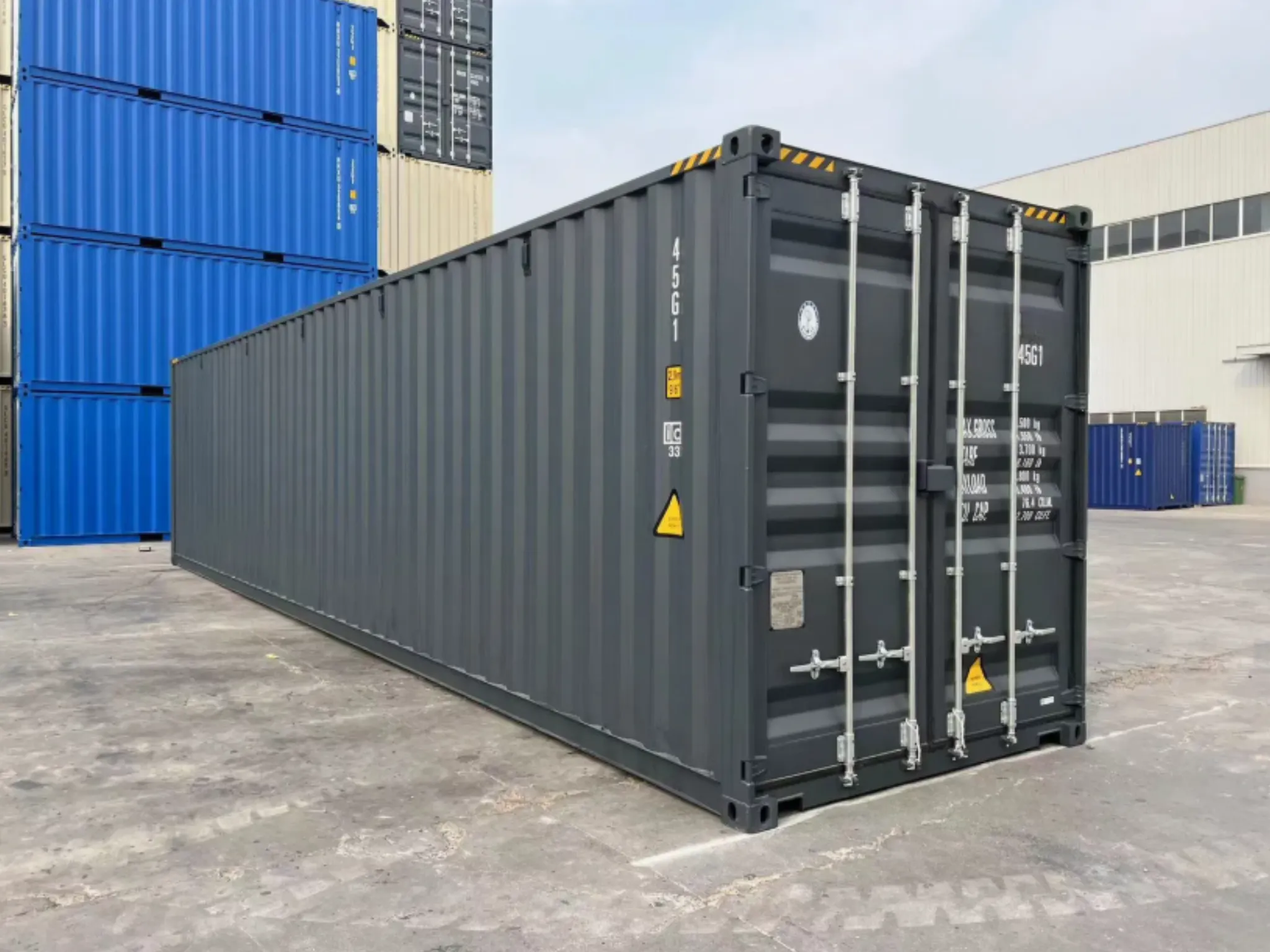
Most farms use 20ft shipping containers for general equipment. Larger operations sometimes choose 40ft shipping containers for bulkier items or multiple machines.
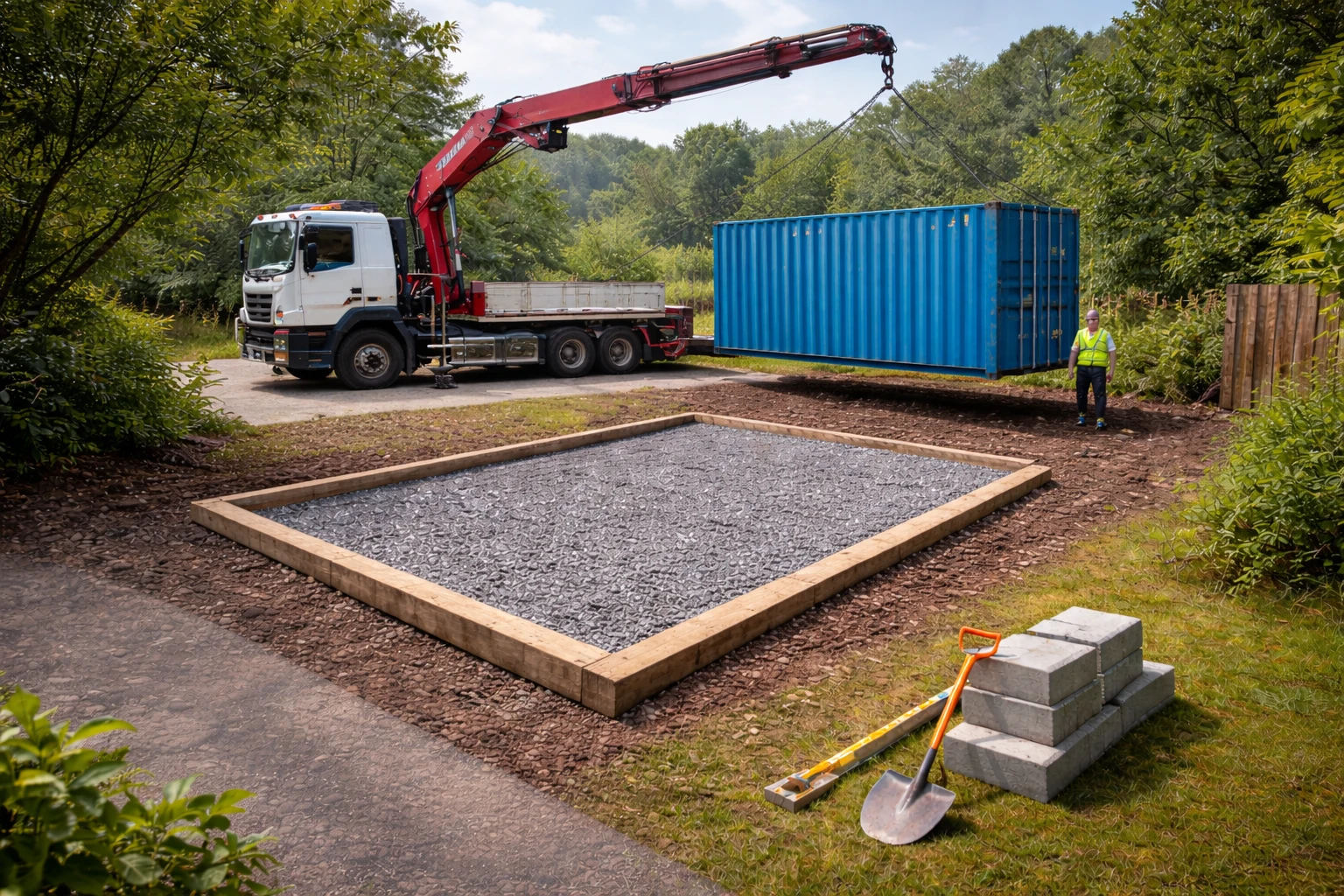
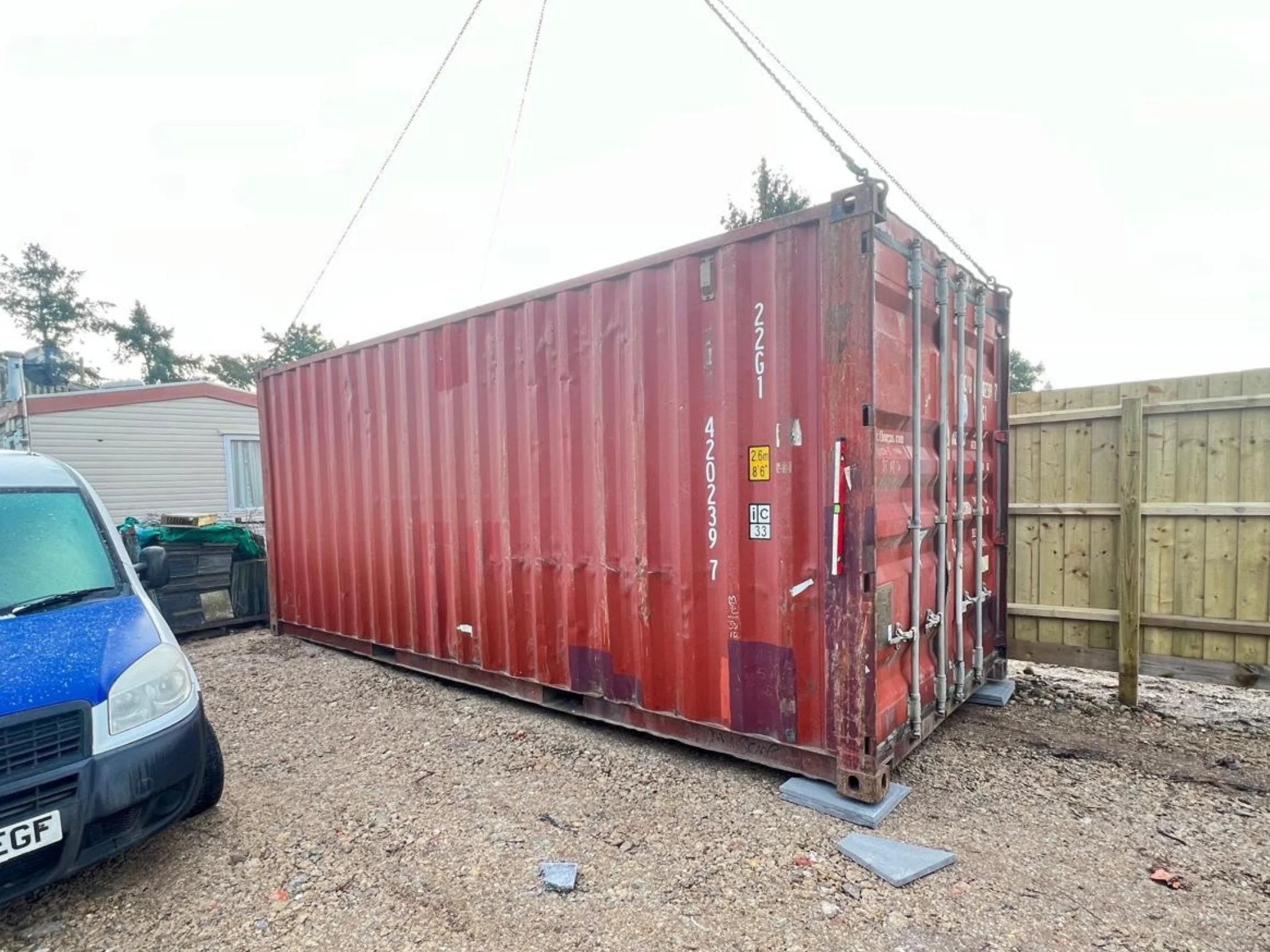
Containers are delivered directly to the yard, field edge, or barn area using HIAB or sidelifter vehicles. Ground preparation is simple, usually concrete pads, railway sleepers, or compacted hardcore.
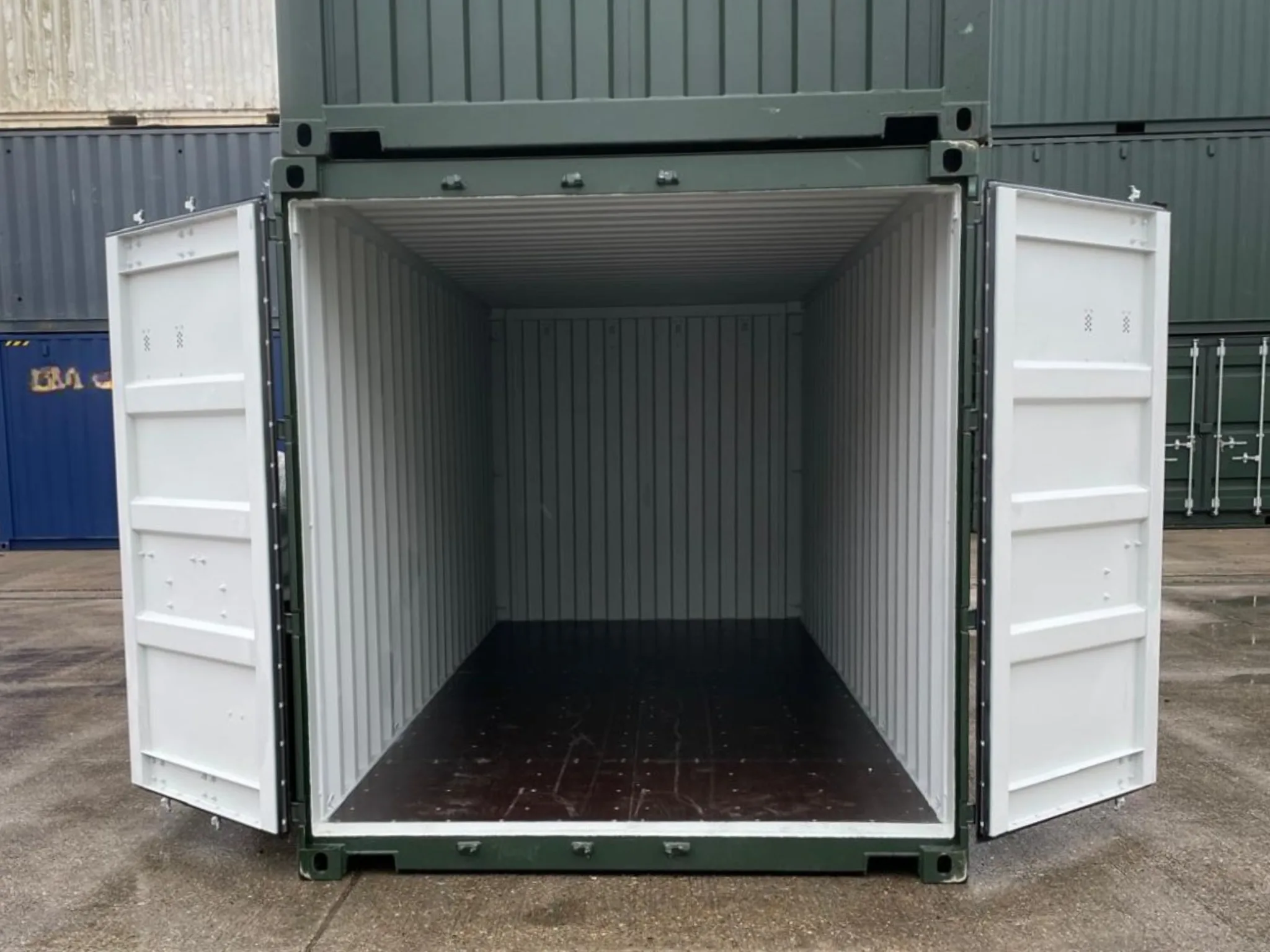
A standard container provides sealed steel walls, double locking doors, and reinforced flooring designed to carry heavy loads.
Shipping containers are manufactured from corrosion-resistant Corten steel designed for marine environments. This material forms a protective surface layer that slows further corrosion, making it well suited to exposed UK farm conditions.
Why It Matters for UK Farmers
British weather is harsh on machinery.
Constant moisture increases corrosion. Repeated freeze and thaw cycles damage electrical systems and moving parts.
Shipping containers for sale UK farmers choose solve several practical problems:
Theft prevention
Rural crime remains a concern. Steel storage containers add a physical barrier that opportunistic thieves cannot easily bypass.
According to UK rural crime reports, agricultural equipment theft costs farmers millions each year, with quad bikes and small machinery among the most commonly targeted items.
For a detailed breakdown of how rural theft occurs, what insurers assess, and what to check before buying, read our guide on Security Risks for Shipping Containers on Farms.
Understanding risk at purchase stage helps farmers choose the right locking systems, placement strategy, and specification from the outset.
Weather protection
A wind and watertight container keeps rain and frost away from engines and hydraulics.
Cost control
Storing machinery properly reduces repair bills and extends working life.
Organisation
Containers create defined storage zones for tools, parts, and seasonal equipment.
Flexibility
Units can be repositioned if yard layouts change or expansion is required.
Farmers who buy shipping container UK stock are often replacing timber sheds or temporary tarpaulin covers that fail after a few seasons.
Farmers looking at broader agricultural storage options often explore dedicated rural solutions, including container setups designed specifically for livestock equipment, feed, and seasonal machinery. Read our blog on Shipping containers for rural and farm storage
What Farmers Typically Store
Machinery storage needs vary by farm type.
Common examples include:
- Quad bikes and ATVs
- Small tractors
- Sprayers and spreaders
- Power tools and welding equipment
- Chainsaws and hedge cutters
- Irrigation pumps
- Fuel bowsers
- Spare tyres and parts
A 20ft shipping container provides approximately 33 cubic metres of internal space. That capacity suits most small to mid-sized farms.
A 40ft container doubles that volume and suits larger estates or contractors running multiple machines.
Many agricultural businesses are already adopting steel storage containers as part of a wider security strategy, combining lockboxes, site positioning, and controlled access points. Read our blog on How farmers are using shipping containers for secure storage to find out more.
Common Buyer Concerns Answered
Will machinery rust inside a container?
Condensation is a valid concern in the UK climate.
Ventilation, moisture absorbers, or simple airflow gaps reduce internal humidity. For high-value machinery, farmers sometimes add louvre vents or basic insulation.
Properly ventilated containers provide far better protection than open sheds.
All containers naturally experience some roof condensation overnight due to temperature changes. Basic ventilation or insulation significantly reduces this effect when storing valuable machinery.
Is planning permission required?
In many cases, containers used for agricultural purposes fall under permitted development. However, local council rules vary.
Permanent foundations or commercial use may change requirements. Farmers should confirm with their local planning authority if unsure.
Can heavy machinery damage the floor?
Container floors are marine plywood over steel cross members. They are designed for heavy loads.
Very heavy tracked equipment may require load-spreading plates. Wheeled tractors and quads are generally well within capacity.
Container Weight Capacity for Machinery Storage
Understanding container weight capacity helps farmers avoid overloading floors and ensures safe long-term use. Every ISO-certified container has three key weight figures: tare weight, maximum gross weight, and payload. These figures are stamped on the CSC plate fitted to the door.
20ft Container Weight Capacity
A 20ft shipping container provides strong load-bearing performance for most farm machinery and equipment.
- Tare Weight (Empty Container): Approx 2,200 kg
- Maximum Gross Weight (Container + Cargo): Approx 24,000 kg
- Payload (Maximum Cargo Weight): Approx 22,000 kg
A 20ft container can comfortably store quad bikes, compact tractors, attachments, engines, and heavy tool chests without approaching structural limits.
40ft Container Weight Capacity
A 40ft shipping container offers increased volume and higher overall load capacity.
- Tare Weight (Empty Container): Approx 4,150 kg
- Maximum Gross Weight (Container + Cargo): Approx 30,480 kg
- Payload (Maximum Cargo Weight): Approx 26,300 kg
The official weight limits for a shipping container are shown on the CSC approval plate attached to the door frame. The tare weight, maximum gross weight, and permitted payload are also marked on the container doors. These figures apply to that specific unit and should be checked before storing heavy agricultural machinery.
A 40ft container suits larger estates storing multiple machines, bulk equipment, or heavier agricultural components.
Load weight should always be distributed evenly across the floor. Extremely heavy tracked machinery may require steel spreader plates to protect the plywood flooring.
For guidance on the right size and safe load planning, Bosh Boxes can advise before delivery to ensure machinery storage remains secure, compliant, and long-lasting.
Comparison Table: Machinery Storage Options
This table compares machinery storage options for UK farms, including steel shipping containers from Bosh Boxes, generic container dealers, timber sheds, and open barn storage. It outlines differences in security, weather protection, lifespan, delivery planning, modification options, and long-term durability to help farmers choose the most practical storage solution.
| Feature | Bosh Boxes Containers | Generic Container Dealer | Timber Shed Supplier | Open Barn Storage |
|---|---|---|---|---|
| Security | Steel doors with lockbox | Basic doors | Padlock only | Minimal |
| Weather Protection | Wind and watertight | Varies by condition | Susceptible to rot | Open exposure |
| Lifespan | 10–25+ years | Unknown grading | 5–10 years | Structure dependent |
| Delivery Planning | Access assessed in advance | Limited guidance | Self-arranged | N/A |
| Modification Options | Venting, custom container builds | Rarely offered | Limited | None |
| Relocatable | Yes | Yes | No | No |
Steel storage containers provide stronger physical protection than timber sheds or lightweight structures.
Some insurers view secure steel storage more favourably than open barns when assessing machinery risk.
Practical Site Considerations
Access planning is critical.
Delivery vehicles require adequate width and turning space. Soft ground conditions in winter may require hardcore preparation.
Level placement prevents door misalignment and pooling water.
Farmers buying cheap shipping containers UK wide should always confirm:
- Ground conditions
- Gate width
- Overhead clearance
- Distance from public road
A brief site discussion prevents delivery issues.
Rural deliveries require planning around lane width, turning circles, and ground firmness, especially during wet seasons. Find out more by reading our blog on Can shipping containers be delivered to farms and rural locations?
Long-Term Value
Shipping containers for sale UK farmers purchase are not short-term fixes. Built from marine-grade Corten steel and designed for global transport, they are engineered for long service life in exposed environments. Even used containers commonly remain structurally sound after 15–20 years of service, particularly when positioned on level ground with adequate drainage.
A properly maintained container lasts decades. Occasional repainting and hinge lubrication are usually sufficient.
Compared to repeated shed repairs or tool replacement after theft, the long-term cost per year is low.
Secure storage directly protects farm productivity.
Frequently Asked Questions
How long does a shipping container last on a farm?
A well-maintained steel container can last 20–25 years or more in UK agricultural conditions, especially if repainted periodically.
Are shipping containers suitable for exposed fields?
Yes. Wind and watertight containers are designed for marine environments and perform well in exposed rural locations when placed on level ground.
Can containers be insulated for sensitive equipment?
Yes. Basic insulation, vents, or custom container builds can be added if storing moisture-sensitive machinery.
Why Bosh Boxes Is the Best Choice
When farmers look at new and used shipping containers, supplier reliability matters.
Bosh Boxes supports agricultural buyers with:
- Fast container delivery UK wide
- Quality checked wind and watertight units
- Clear condition grading on used stock
- ISO-certified new one-trip containers
- Honest guidance on size and access
- Flexible placement using HIAB or sidelifter
- Competitive pricing without hidden extras
Delivery access is always assessed in advance. Rural lanes, gateways, and field entrances require proper planning.
Limited availability during peak seasons means farmers often book ahead before harvest.
Most new and used shipping containers are available for delivery within days, subject to regional stock and access planning.
Bottom Line
Shipping containers provide UK farmers with secure, weather-resistant, and long-lasting machinery storage that reduces theft risk and protects equipment from corrosion. When correctly sized and positioned, they offer a practical and cost-effective alternative to timber sheds or open barns.
How to Get Started
Start by identifying the machinery that needs protection.
Measure the largest item and allow clearance space. Decide whether a 20ft or 40ft container suits the yard layout.
Speak to a trusted UK supplier who understands rural delivery conditions. Confirm access, ground type, and positioning before booking.
For a fast quote and delivery date, contact Bosh Boxes today — your trusted UK shipping container supplier.