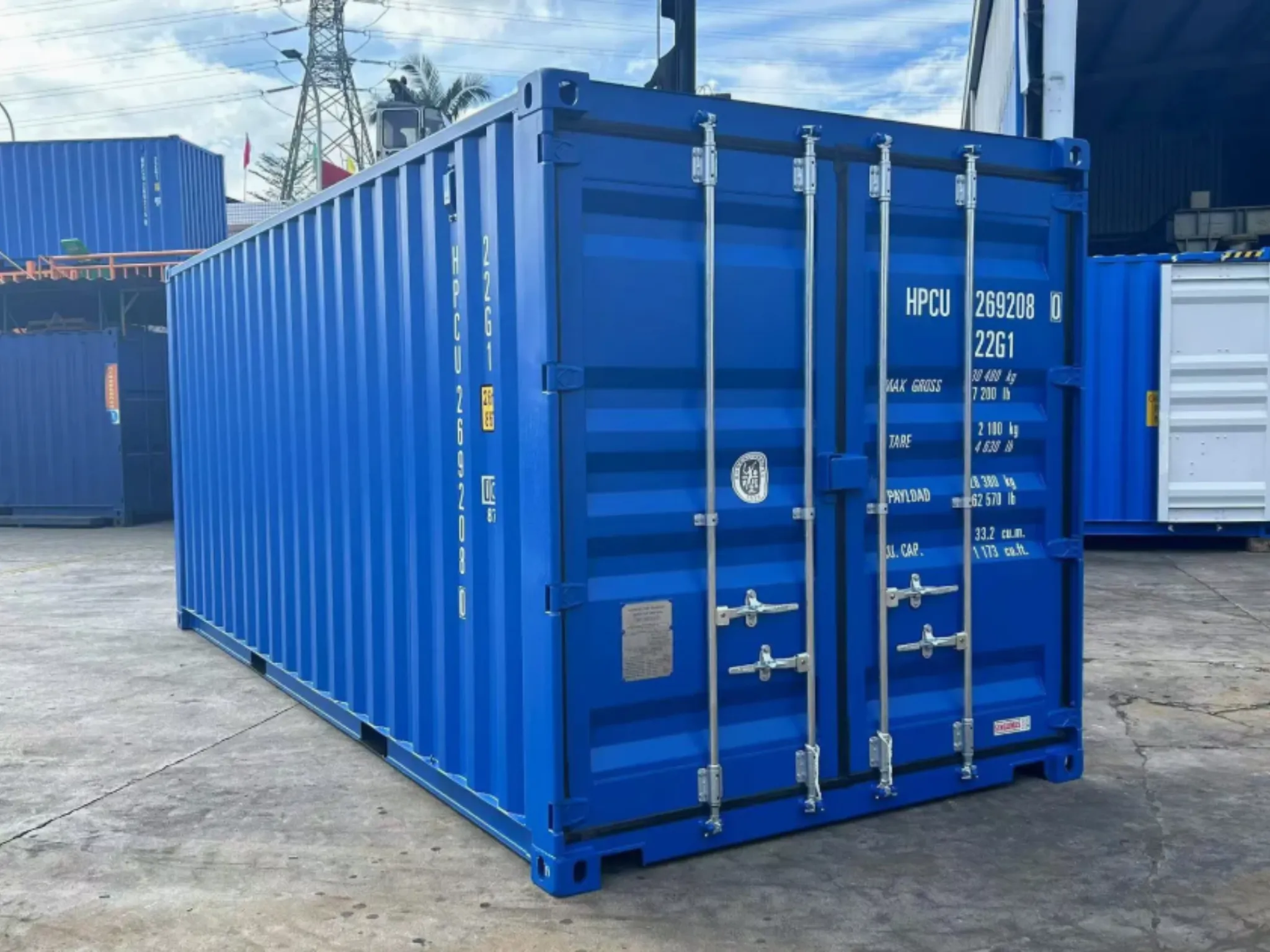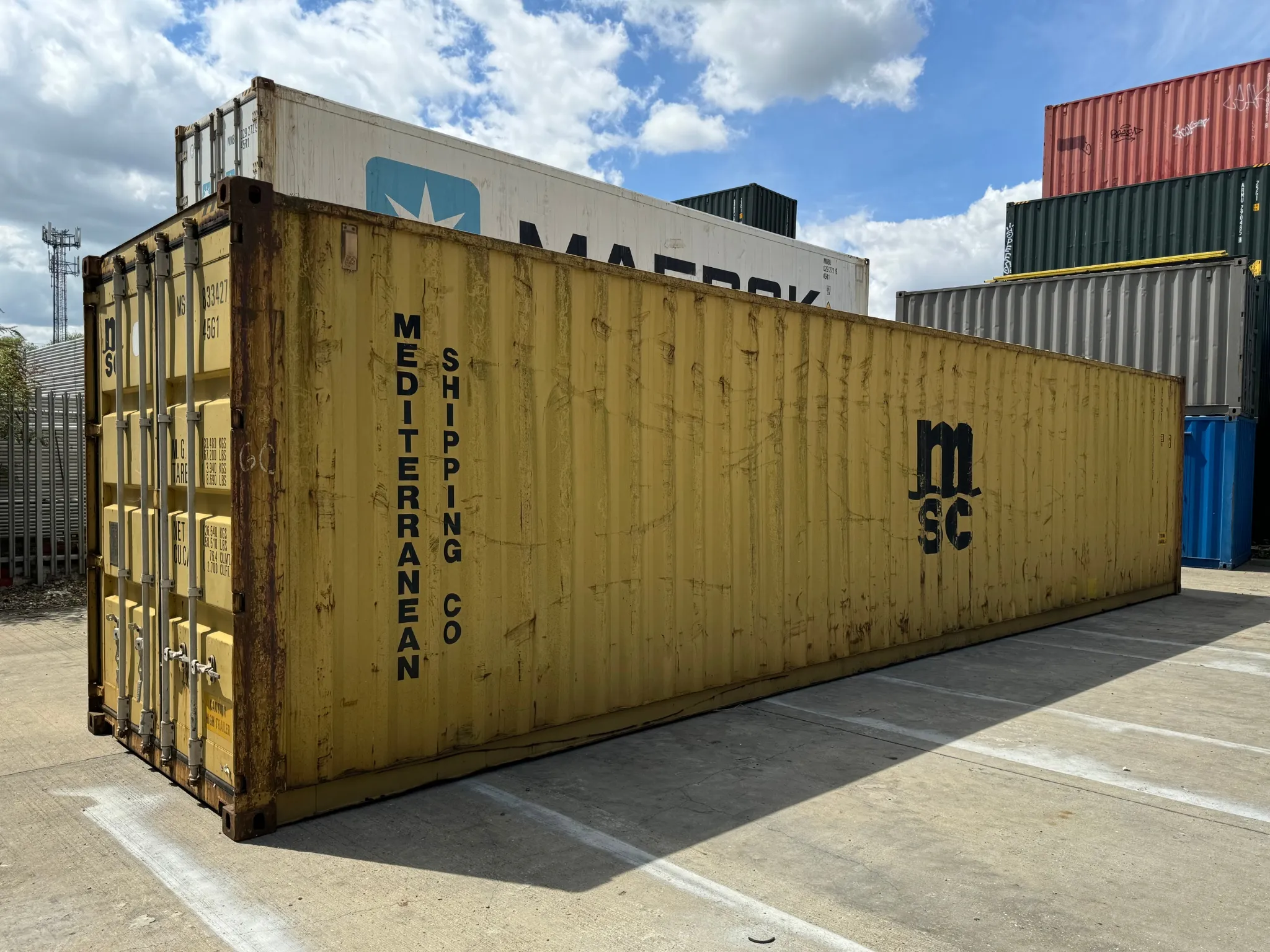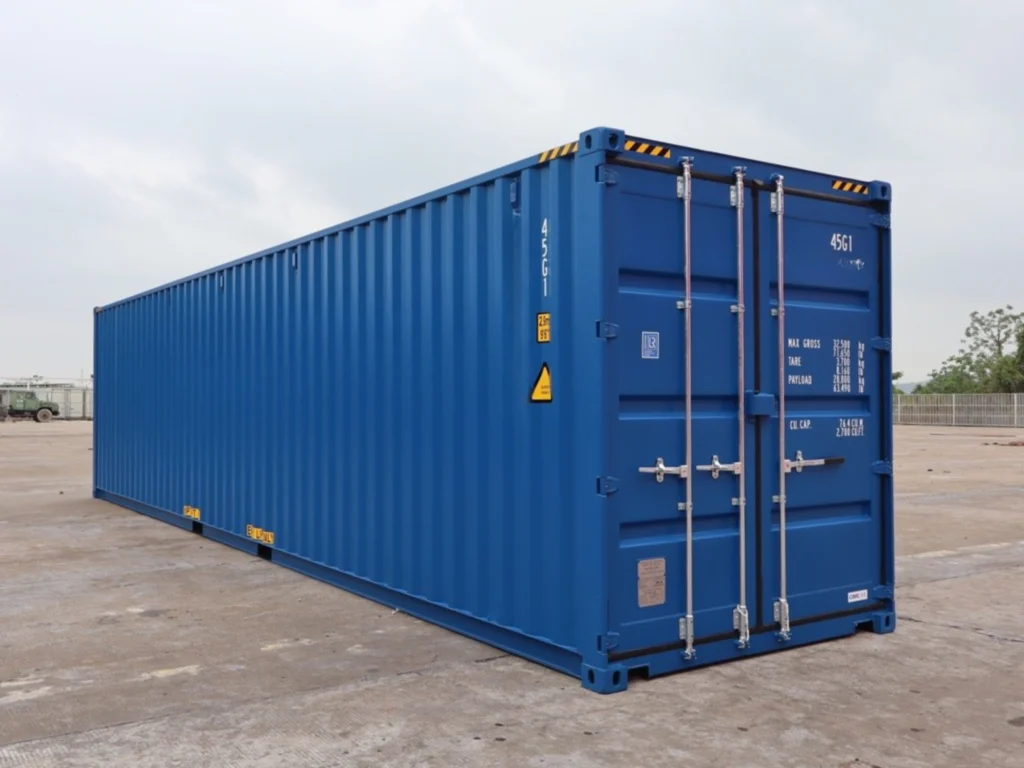
Shipping container conversions and portable cabins are two popular options for creating offices, site units, shops, and temporary buildings in the UK. While both offer fast deployment compared to traditional construction, shipping containers are generally stronger, more durable, and more adaptable for long-term use.
Portable cabins are designed primarily for short-term occupancy, whereas container conversions start as heavy-duty steel structures built for global transport. This structural difference often makes converted shipping containers the better long-term investment.
Strength and Durability
One of the biggest advantages of a shipping container conversion is structural strength.
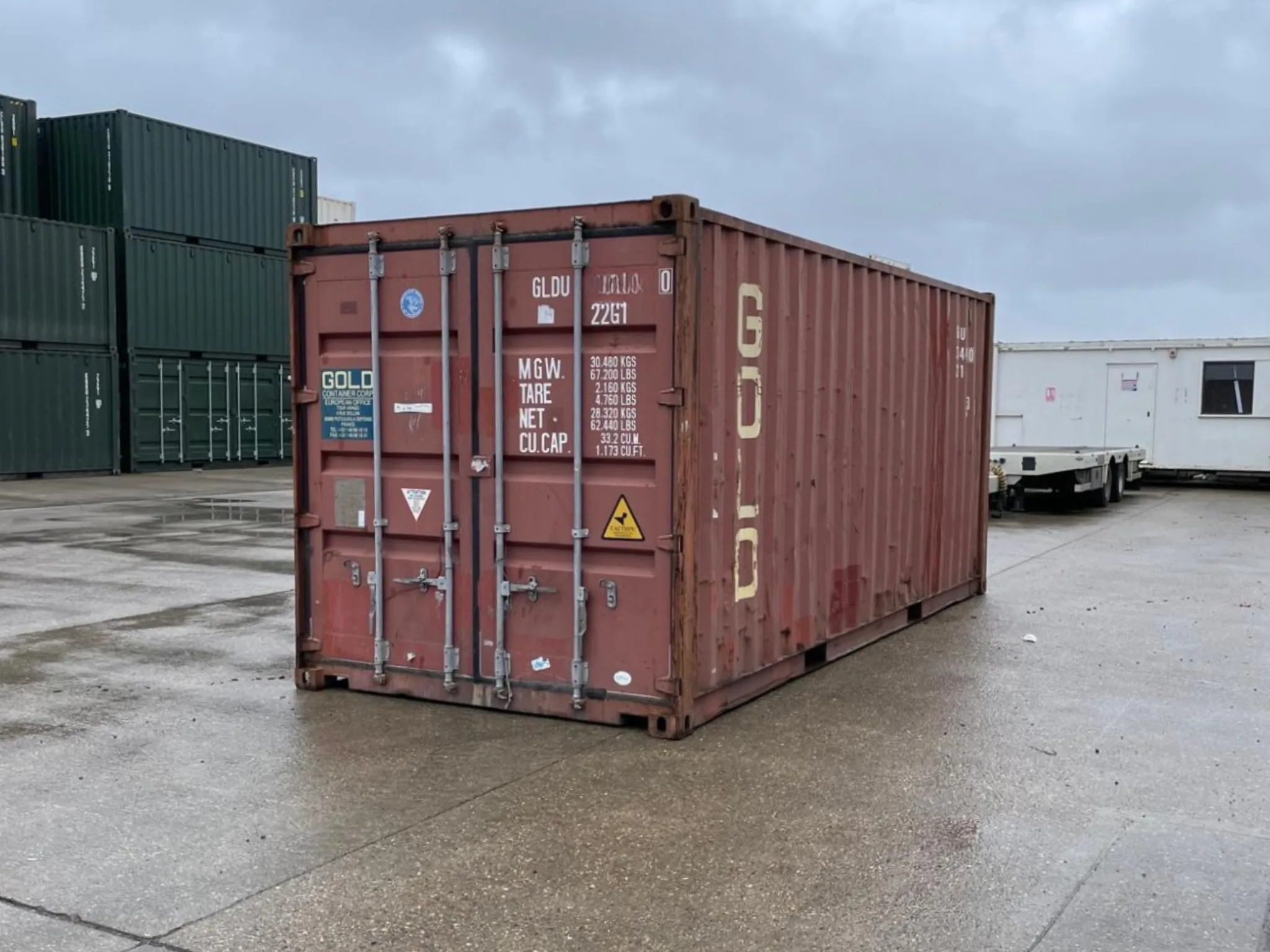
Shipping containers are built to ISO international standards and designed to carry heavy loads across oceans and rail networks. Their steel frame allows them to withstand harsh weather conditions including strong winds, heavy rain, and repeated transport.
Portable cabins are usually constructed using lighter materials such as steel panels, timber framing, or composite boards. While suitable for site offices and temporary use, they generally do not offer the same level of structural durability as a container.
Corrosion Resistance
Shipping containers are typically manufactured from CorTen weathering steel, which forms a protective surface layer when exposed to the elements. This coating helps slow corrosion and increases the lifespan of the container structure.
Portable cabins can deteriorate faster in outdoor environments, particularly when exposed to constant moisture, temperature changes, and physical wear.
For long-term outdoor use, container conversions often require less structural maintenance.
Stacking Capability
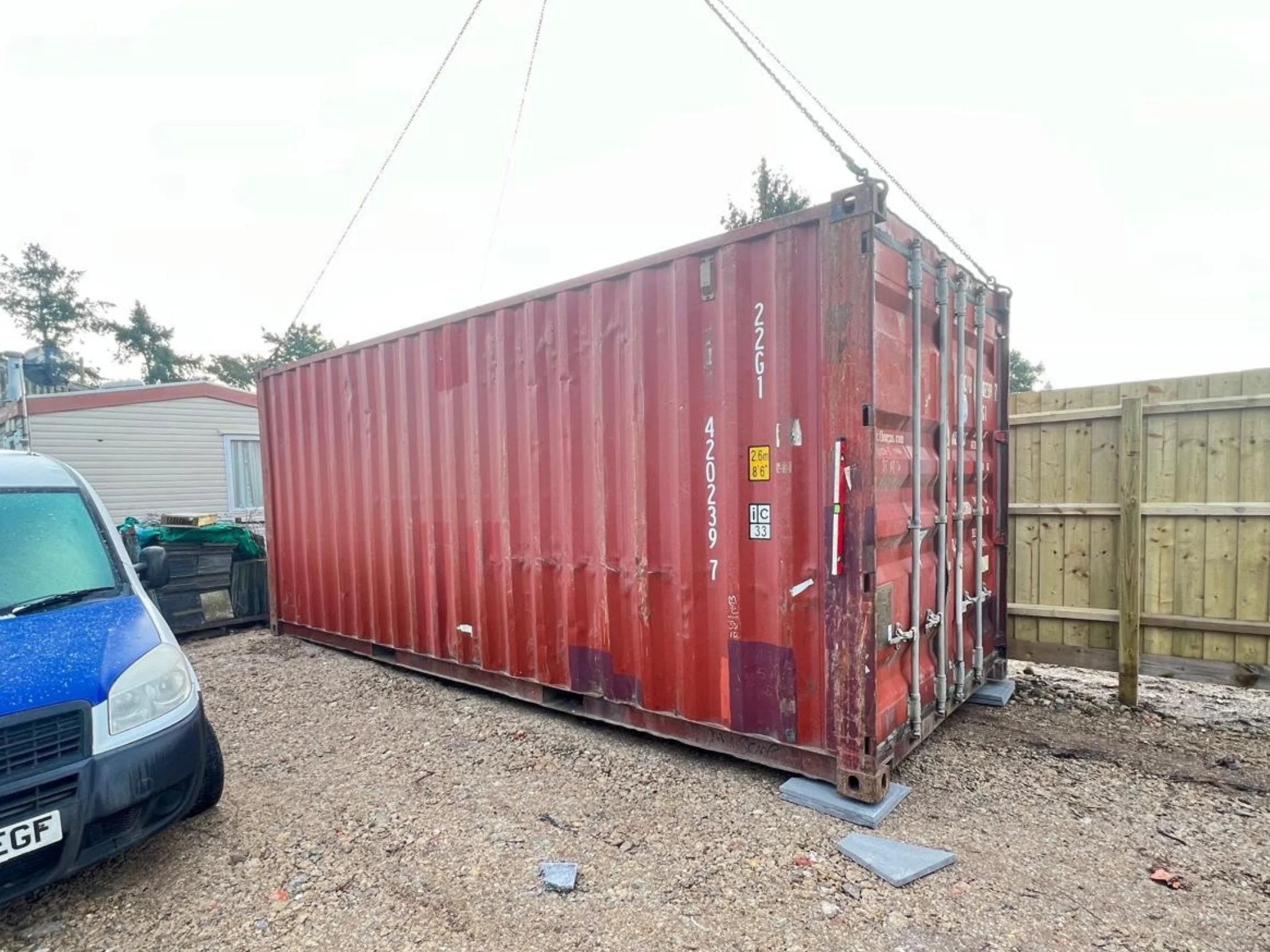
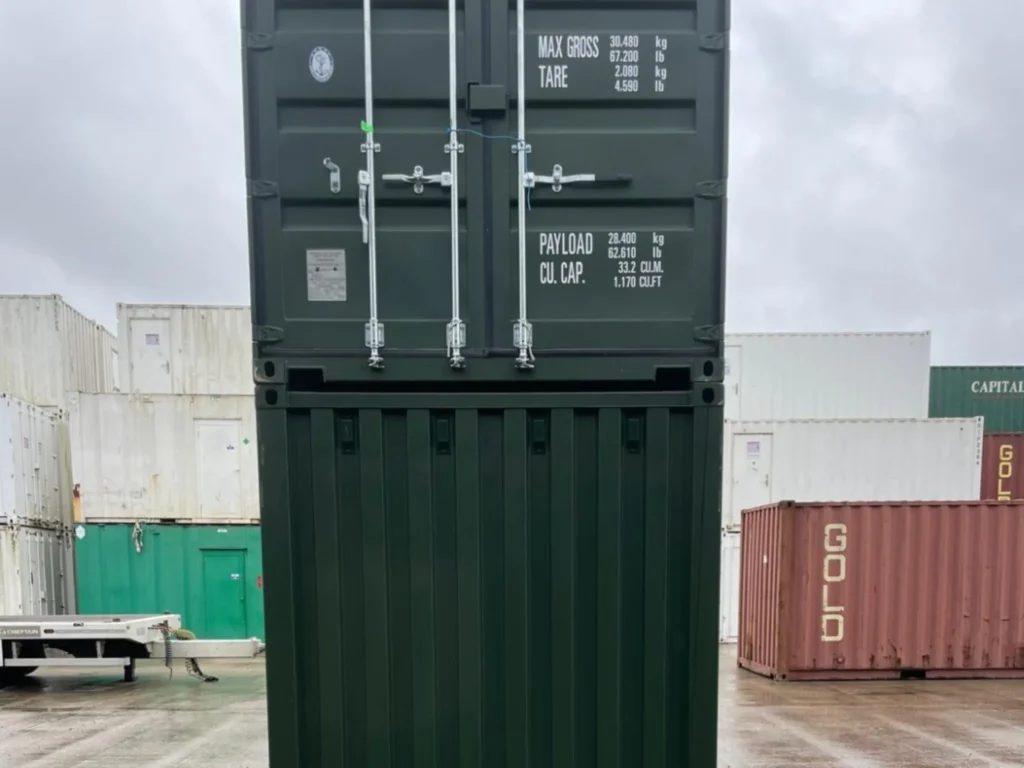
Shipping containers are designed to be stacked safely in shipping yards and on cargo vessels.
A single container corner casting can support significant loads, allowing containers to be stacked several units high. This makes them suitable for multi-storey structures, stacked offices, or modular buildings.
Portable cabins are usually limited to single-storey installations and are not designed to support vertical stacking in the same way.
Both 20ft and 40ft Containers Can Be Stacked, See our pages here for more infomation:
20ft Containers – 40ft Containers
Fire Resistance
Steel container walls combined with fire-rated insulation systems can provide strong fire resistance when properly converted.
Portable cabins often rely on lightweight wall panels and insulation systems that may not provide the same level of fire protection without additional upgrades.
For industries where fire safety and security are important considerations, container conversions can offer an advantage.

Environmental Impact
Repurposing used shipping containers can reduce construction waste and support more sustainable building practices.
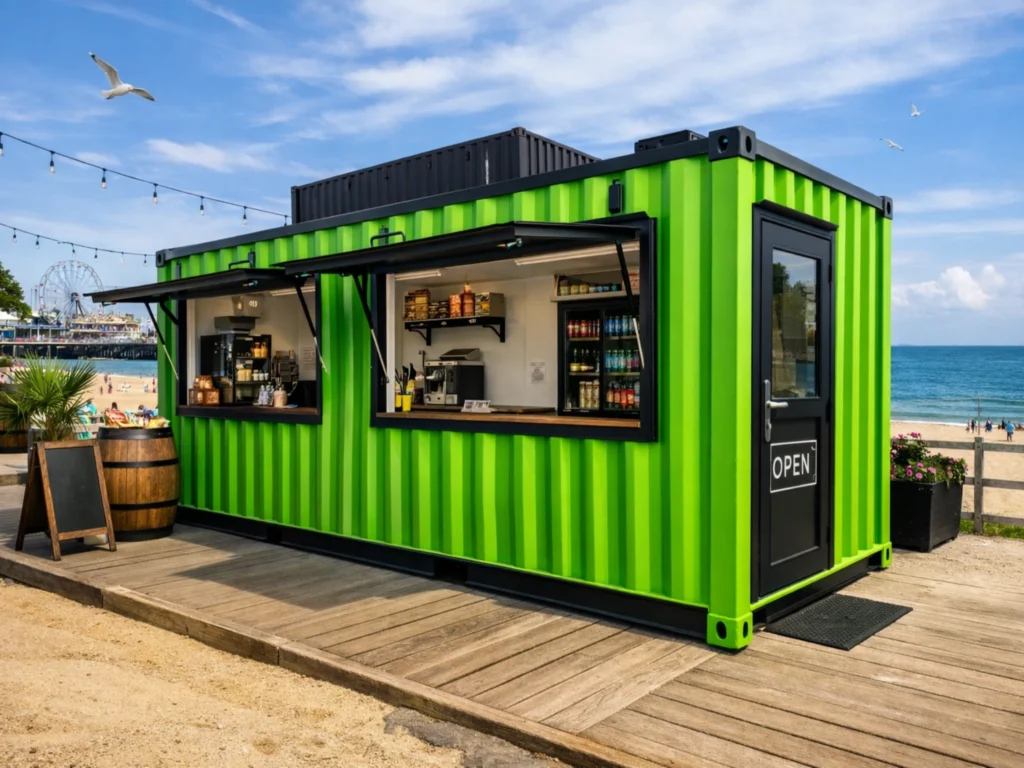
Instead of manufacturing an entirely new structure, container conversions reuse existing steel units and transform them into offices, cafés, workshops, storage spaces, or accommodation.
Portable cabins require the production of new structural components, which can increase the overall environmental footprint.omised but are usually supplied as pre-configured units with more limited modification potential.
Cost and Customisation
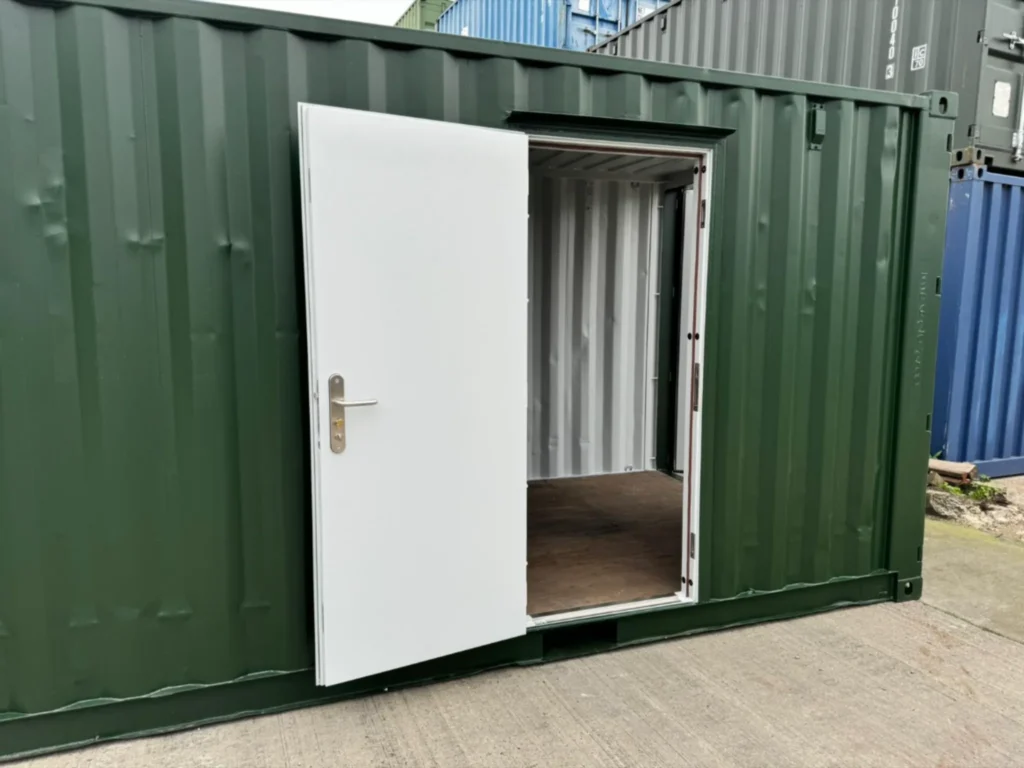
Shipping container conversions are highly customisable. They can be modified with:
- insulation systems
- electrical installations
- doors and windows
- air conditioning
- solar panels
- internal partition walls
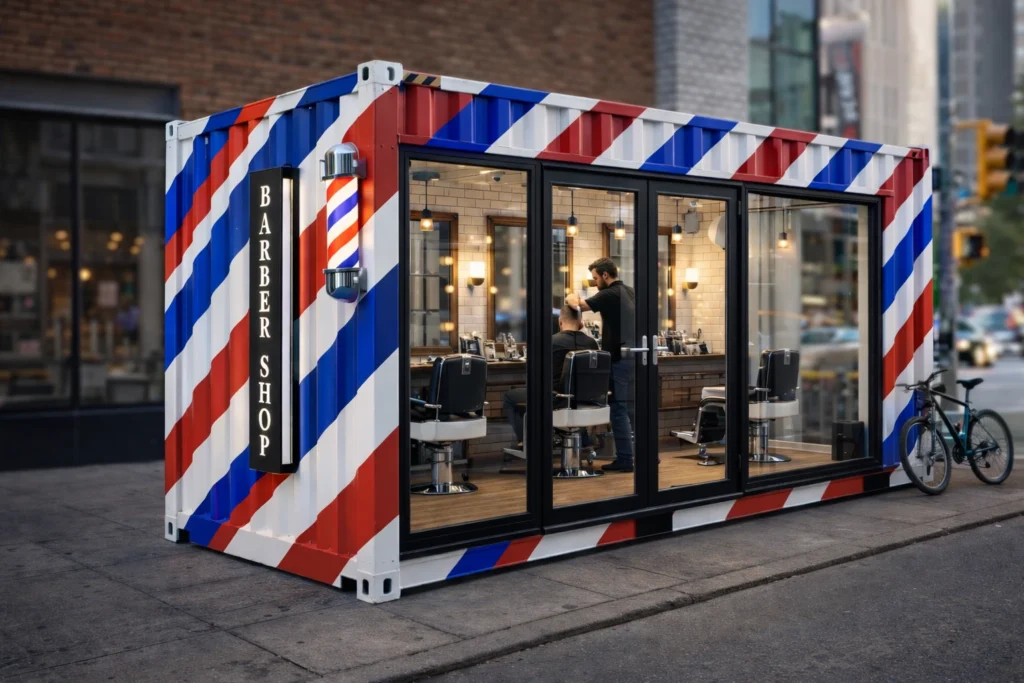
This flexibility allows containers to be adapted for many uses, including:
- garden offices
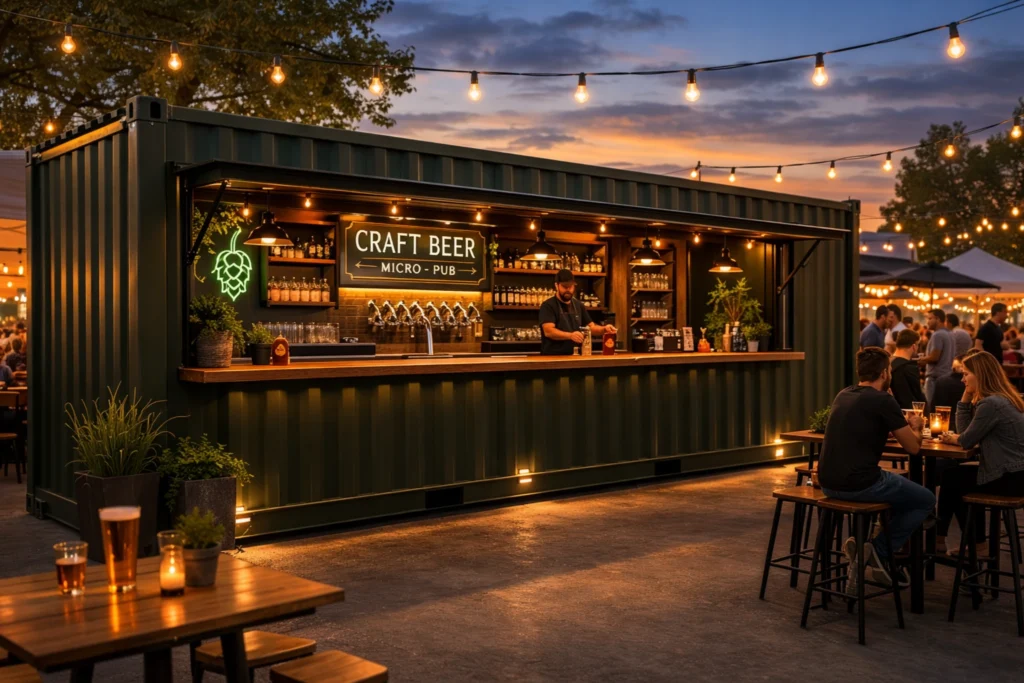
- cafés and retail units
- site offices
- workshops
- storage facilities
Portable cabins can also be customised but are usually supplied as pre-configured units with more limited modification potential.
What Is a Portable Cabin?
A portable cabin is a prefabricated building designed primarily for temporary occupancy.
These units are often delivered fully assembled and ready for immediate use once connected to utilities. Portable cabins are commonly used for:
- construction site offices
- school classrooms
- welfare units
- security cabins
Many portable cabins include internal finishes, insulation, and electrical systems from the factory.
What Is a Shipping Container Conversion?
A shipping container conversion starts as a standard steel shipping container designed for transporting goods internationally.
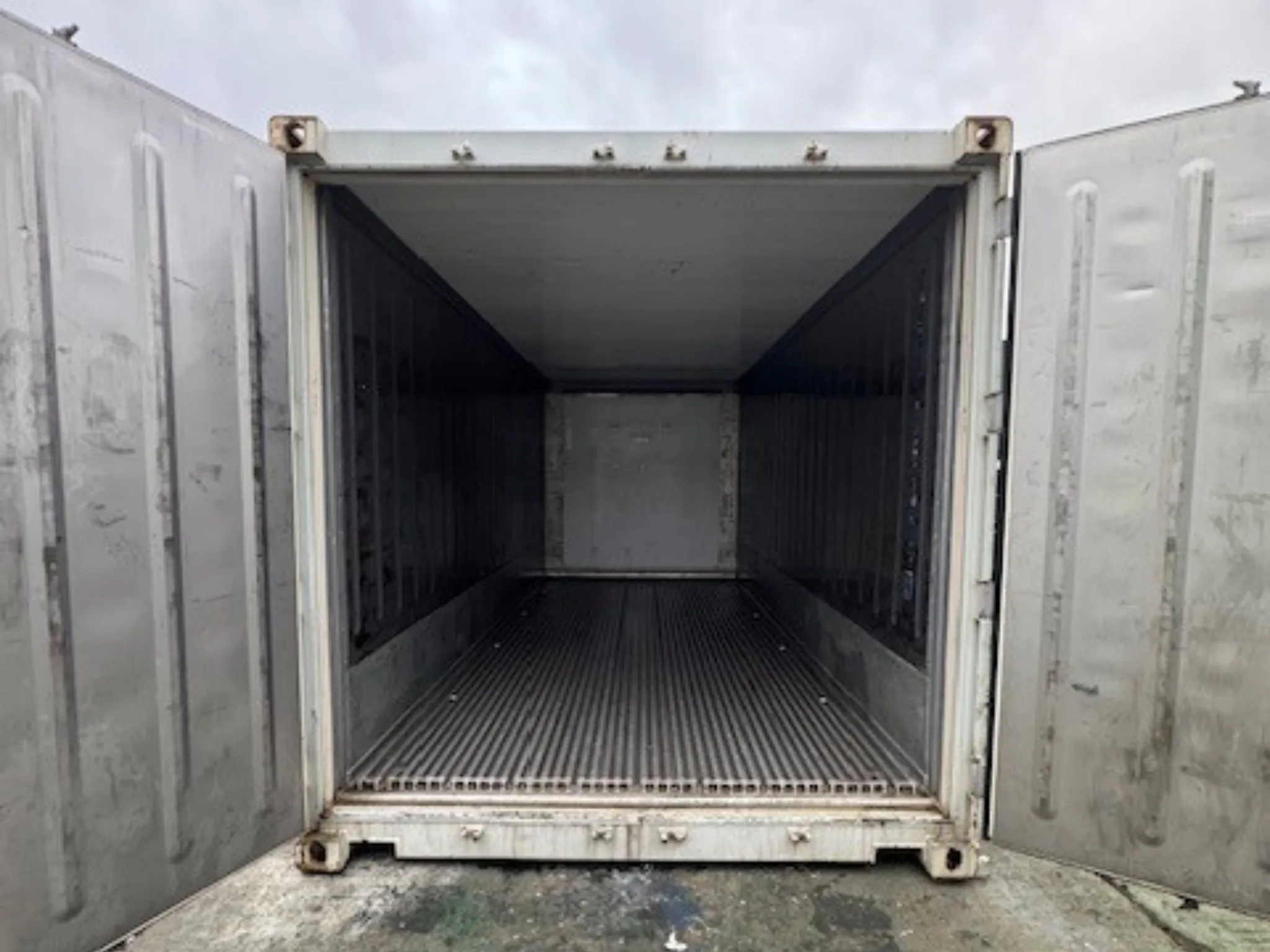
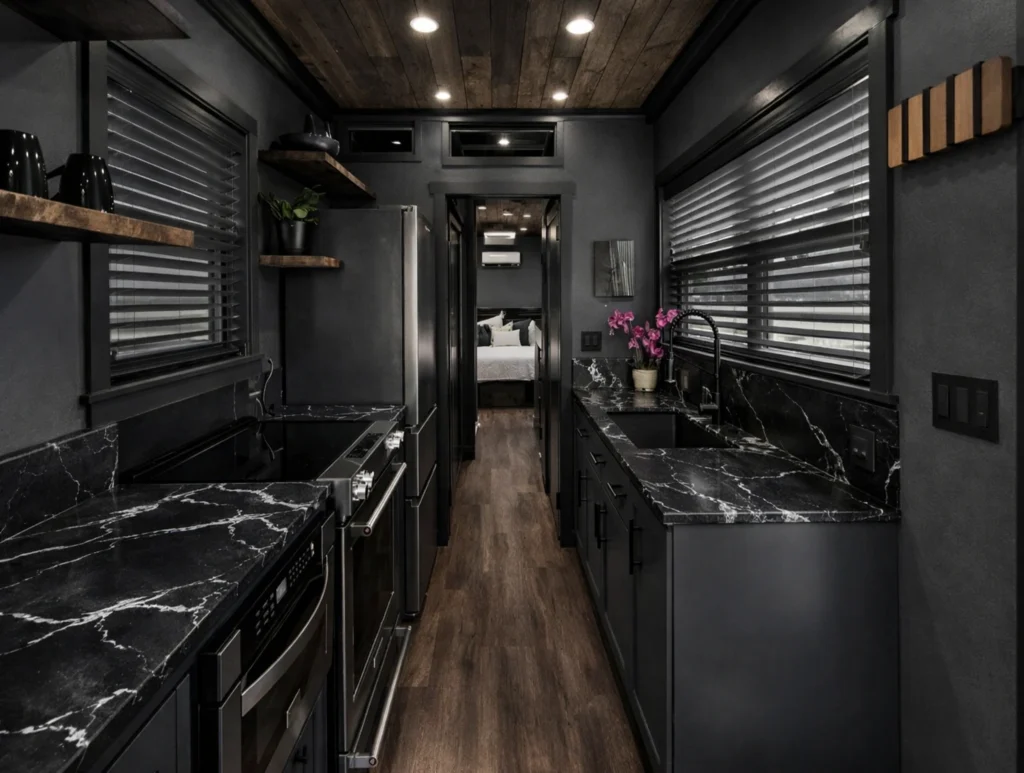
Through structural modifications such as insulation, internal framing, electrical installation, and windows or doors, containers can be transformed into usable buildings.
Container conversions are increasingly used for:
- retail units
- coffee shops
- offices
- workshops
- garden rooms
- accommodation pods
Key Differences Between Portable Cabins and Container Conversions
| Feature | Shipping Container Conversion | Portable Cabin |
|---|---|---|
| Structural strength | Very high (steel ISO container) | Moderate |
| Weather resistance | Excellent | Moderate |
| Stacking capability | Yes | Rare |
| Customisation | Very flexible | Limited |
| Typical lifespan | Long-term | Often temporary |
| Sustainability | Can reuse existing container | Built from new materials |
Which Option Is Better?
The best choice depends on the intended use.
Portable cabins are often ideal for temporary site accommodation or fast plug-and-play buildings.
Shipping container conversions are usually the better option for long-term durability, structural strength, and custom projects.
For businesses looking to create cafés, workshops, offices, or unique commercial spaces, container conversions provide a stronger and more adaptable foundation.
Frequently Asked Questions
Are shipping container conversions better than portable cabins?
Shipping container conversions are usually stronger and more durable than portable cabins because they are built from heavy-duty steel designed for global transport. This structural strength makes them better suited for long-term use, stacking, and harsh weather conditions. Portable cabins are often designed for temporary occupancy, whereas container conversions can be adapted for permanent offices, shops, or workshops.
Are shipping containers cheaper than portable cabins?
The cost depends on the specification and modifications required. A basic portable cabin may initially be cheaper because it arrives pre-finished, but a shipping container can often provide better long-term value due to its durability and lower structural maintenance. Container conversions can also be customised gradually, allowing businesses to upgrade the unit over time.
Can shipping containers be stacked for buildings?
Yes. Shipping containers are designed to be stacked safely during international transport. Their reinforced corner castings allow them to support heavy loads, which makes them suitable for multi-storey structures such as stacked offices, retail units, or accommodation blocks. Portable cabins are usually designed for single-level use and do not offer the same stacking capability.
Do shipping container conversions require insulation?
Yes. Because containers are made from steel, insulation is essential to control temperature and prevent condensation. Most container conversions include insulation systems such as spray foam, rigid foam boards, or mineral wool combined with internal framing. Proper insulation ensures the converted space remains comfortable throughout the year.
How long do container conversions last?
A properly maintained shipping container conversion can last 25 years or more. Containers are designed for harsh environments and heavy loads, which gives them a longer structural lifespan than many temporary portable buildings. With good insulation, weatherproofing, and maintenance, they can remain functional for decades.
What are shipping container conversions commonly used for?
Shipping container conversions are widely used across the UK for many purposes, including site offices, coffee shops and retail units, garden offices, workshops, storage facilities, and accommodation units. Their strength and modular design make them suitable for both temporary and permanent projects.
Related Shipping Container Guides
Shipping Container Conversion Cost UK Guide
Learn what affects the cost of converting a shipping container in the UK, including insulation, structural modifications, electrical installation, windows, doors, and interior fit-out. Read the full guide
Do Shipping Container Conversions Need Planning Permission?
Understand when planning permission may be required for shipping container conversions in the UK and how site location, land use, and building purpose affect approval. Read the full guide
How to Insulate a Shipping Container Conversion Properly
A complete guide to insulating container conversions using spray foam, rigid insulation boards, and mineral wool to prevent condensation and maintain comfortable temperatures. Read the full guide
Best Shipping Container Conversion Ideas
Explore some of the most popular container conversion ideas including cafés, pop-up shops, workshops, offices, and modular business spaces. Read the full guide
Shipping Container Conversions UK
Discover how container conversions work in the UK, the structural advantages of shipping containers, and the different types of custom modifications available. Read the full guide