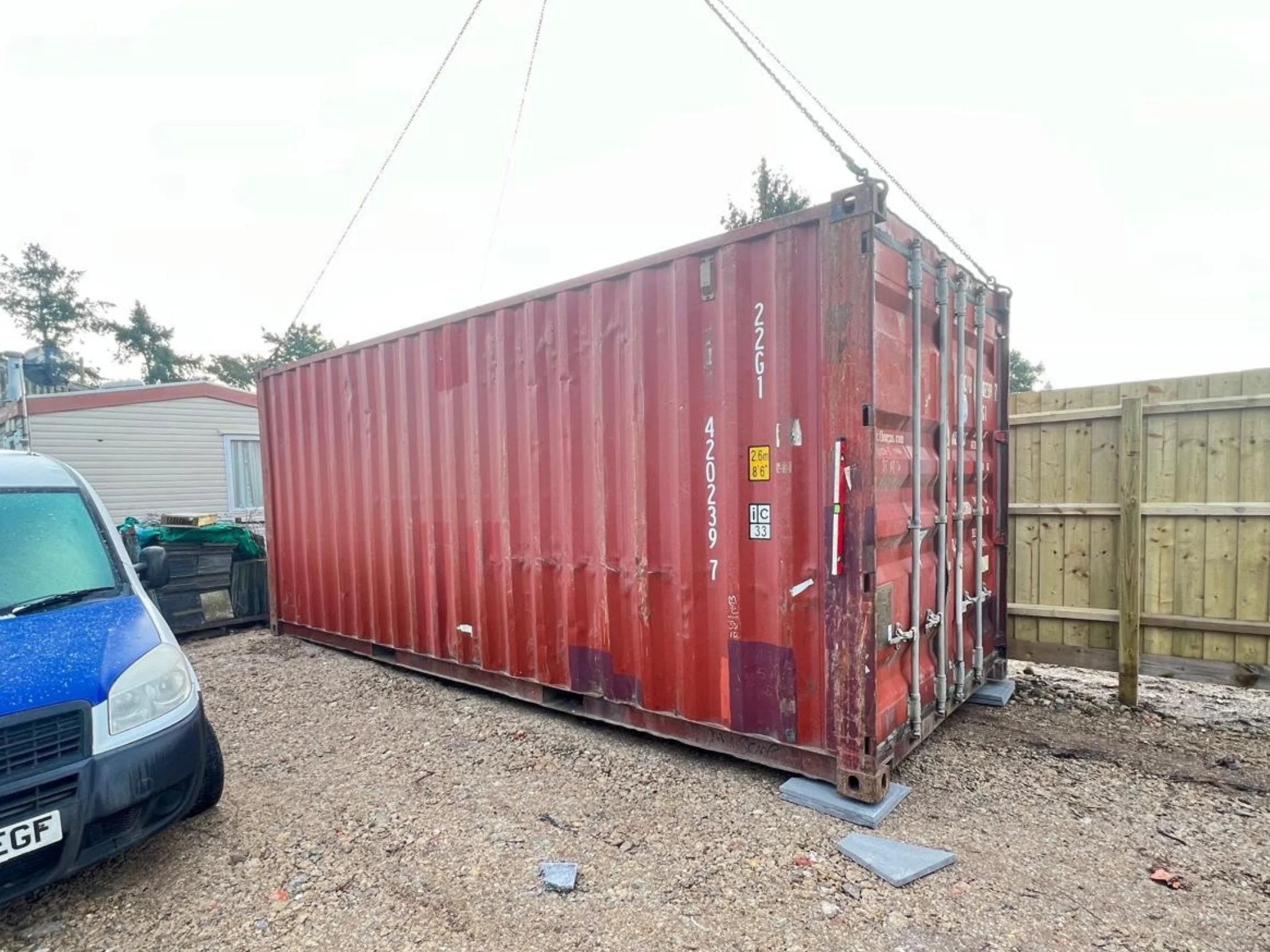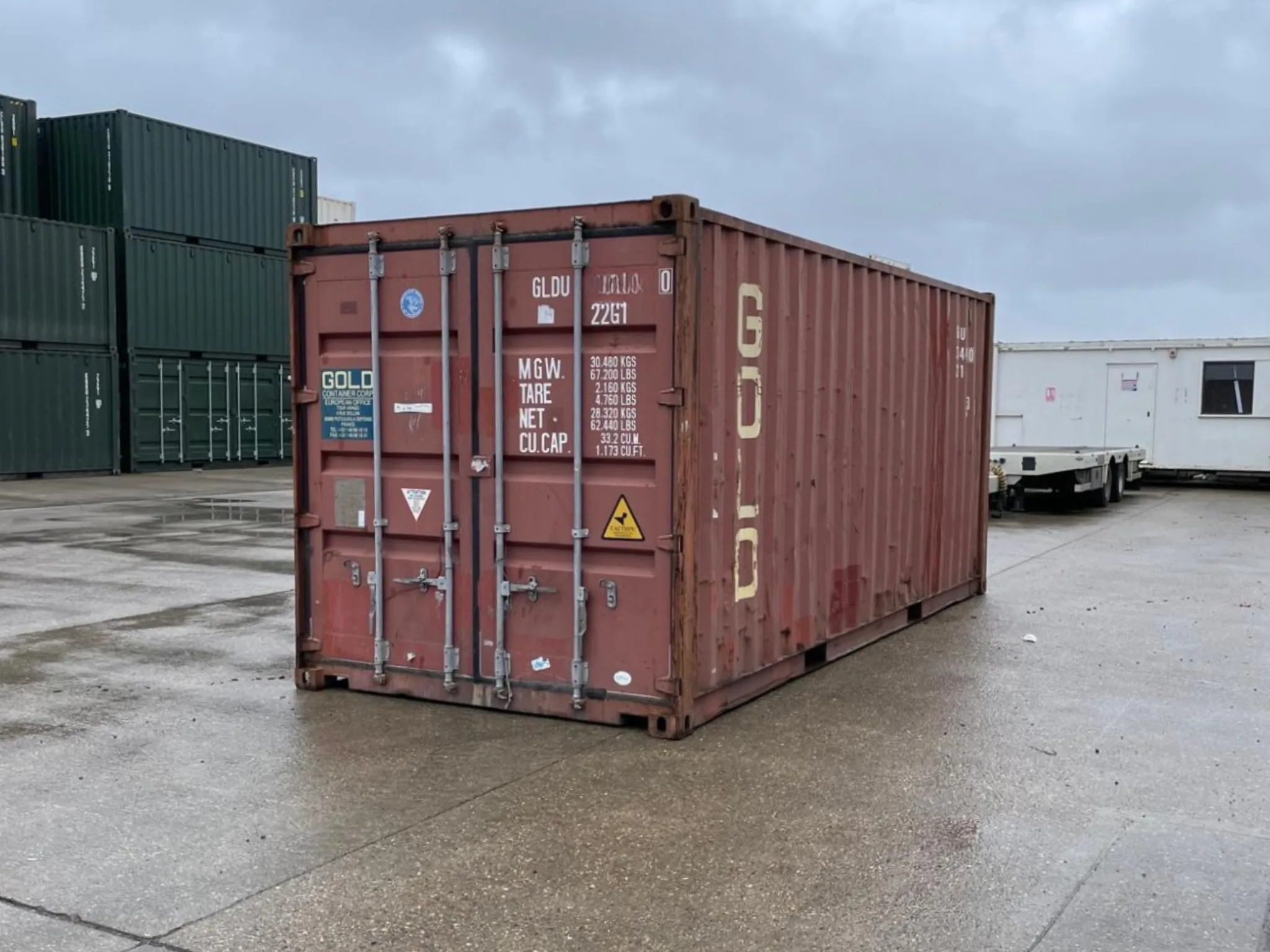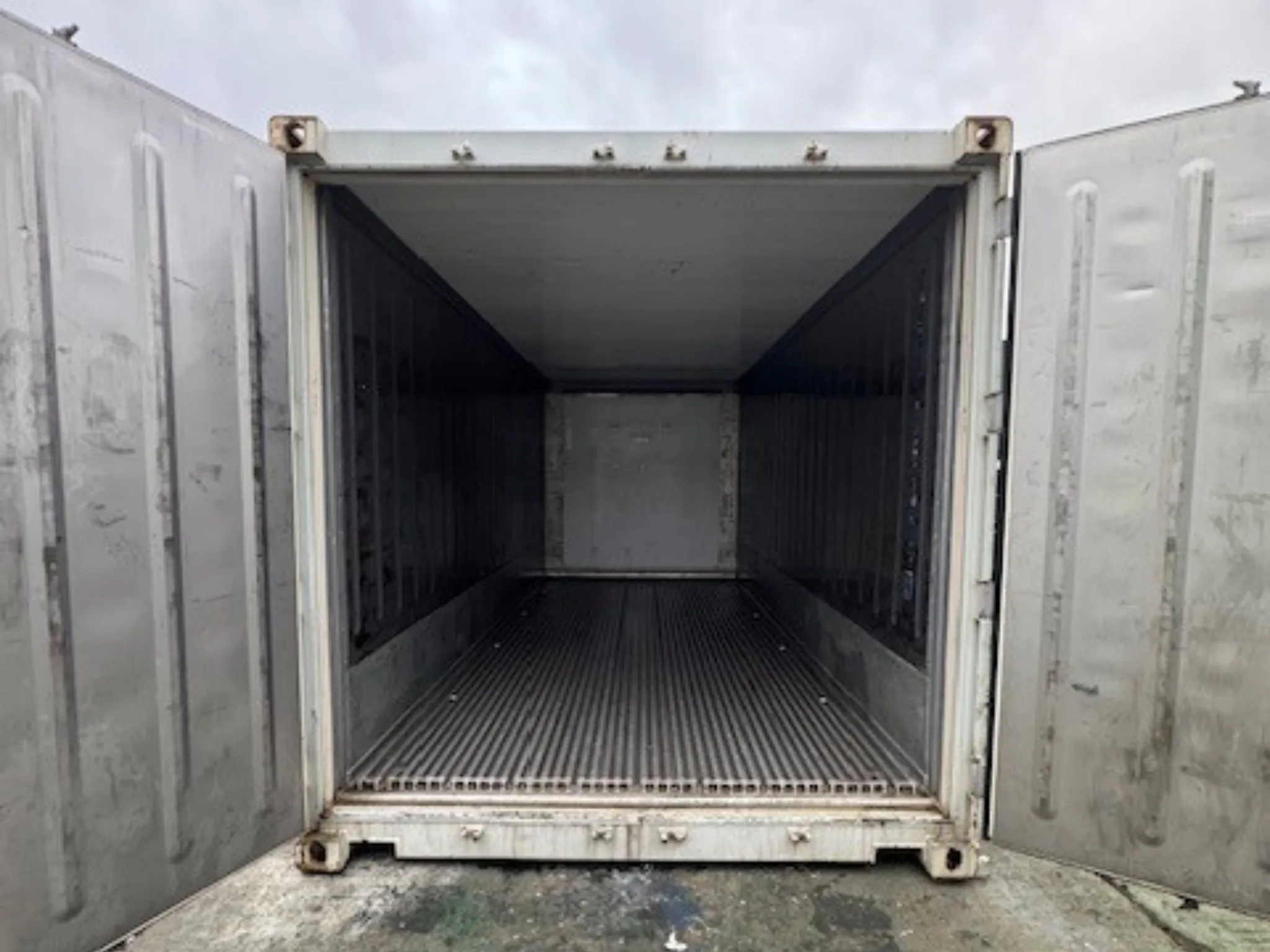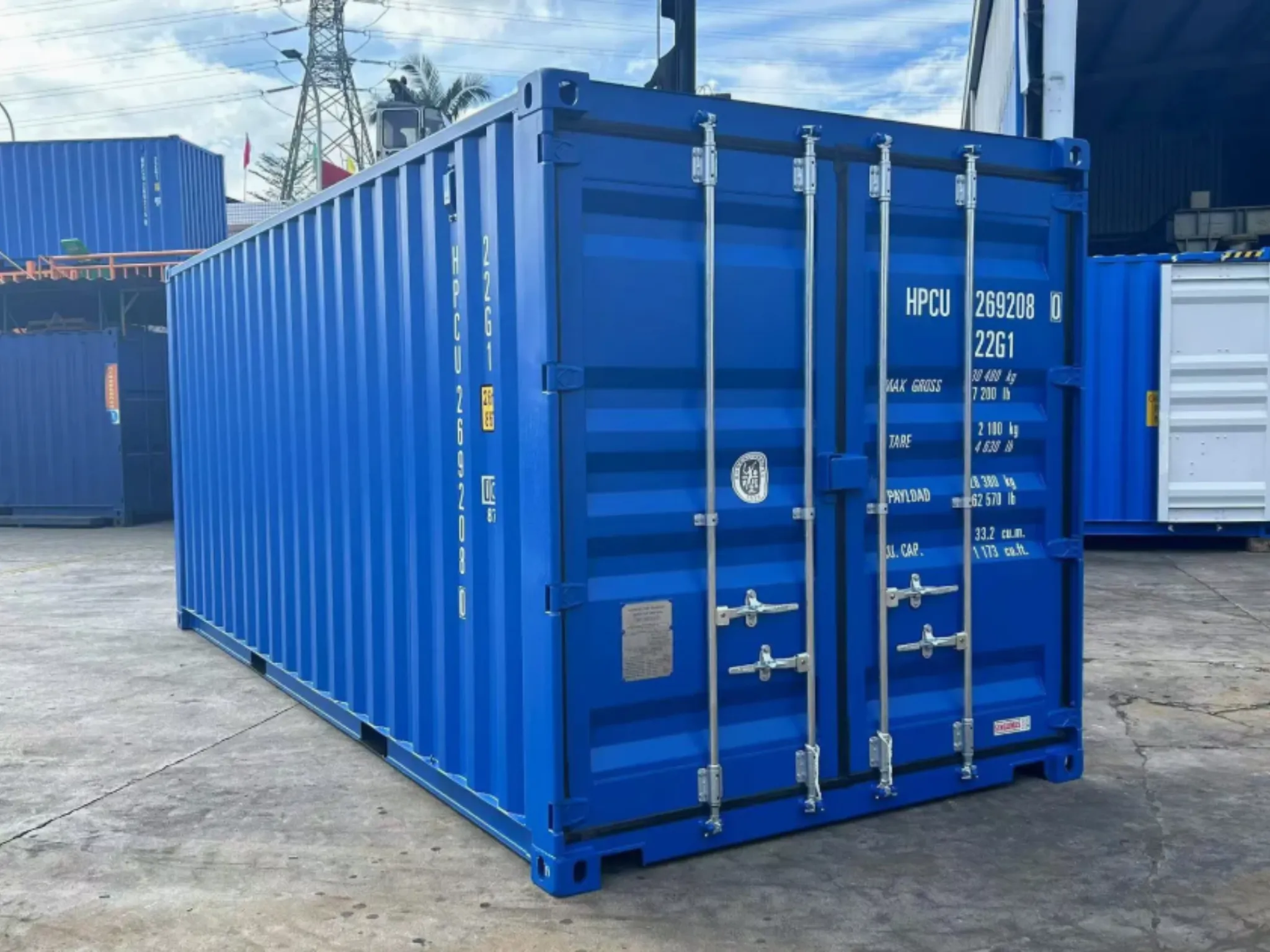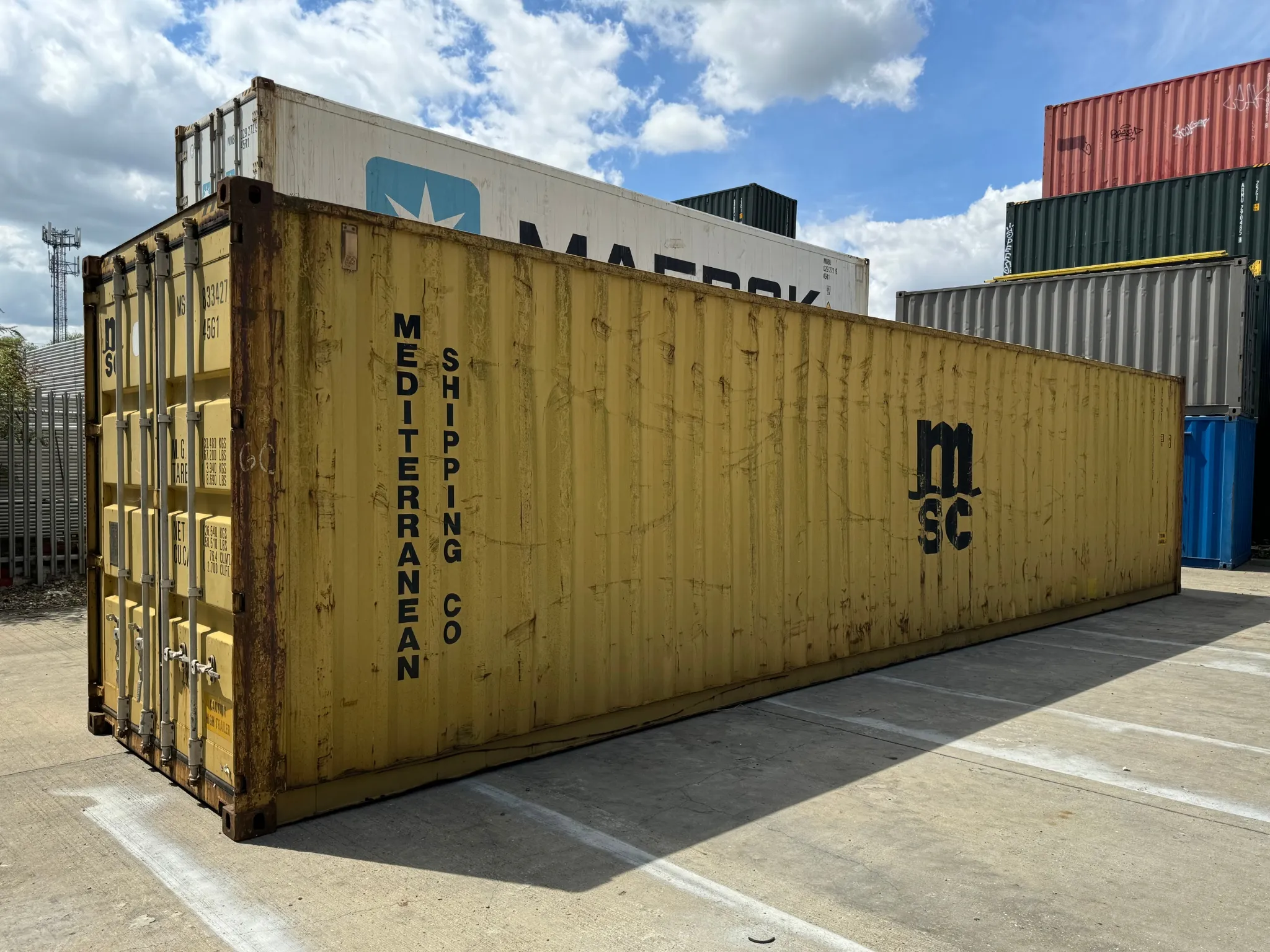
In most cases, yes. Shipping container conversions usually require planning permission in the UK if they are used permanently, connected to utilities, or used as living space, offices, retail units, or other commercial buildings. Unlike standard storage containers, conversions are often treated by councils as buildings rather than temporary structures. Always check with your local planning authority before installation.
Converted shipping containers often include insulation, electrics, plumbing, windows, and structural modifications. These changes increase the likelihood that the unit will be considered permanent development under UK planning rules.
Quick Answer: When Planning Permission Is Required
| Situation | Planning Permission Required? |
|---|---|
| Temporary container storage | Usually no |
| Temporary construction site office | Often no |
| Converted container used as office | Usually yes |
| Container home or accommodation | Yes |
| Retail unit, café, or bar | Yes |
| Long-term placement | Often yes |
| Change of land use | Yes |
| Conservation area, AONB, Green Belt | Likely yes |
Shipping container conversions are treated very differently from simple storage containers.
For a full overview of standard container planning rules, see our guide Planning Permission for a Shipping Container.
See More On Planning Permission for a Shipping Container.
Why Container Conversions Trigger Planning Permission
A standard shipping container is often considered a temporary structure because it can be moved easily and usually sits on the ground without foundations.
However, once a container is converted, councils often view it as a building or development rather than temporary storage.
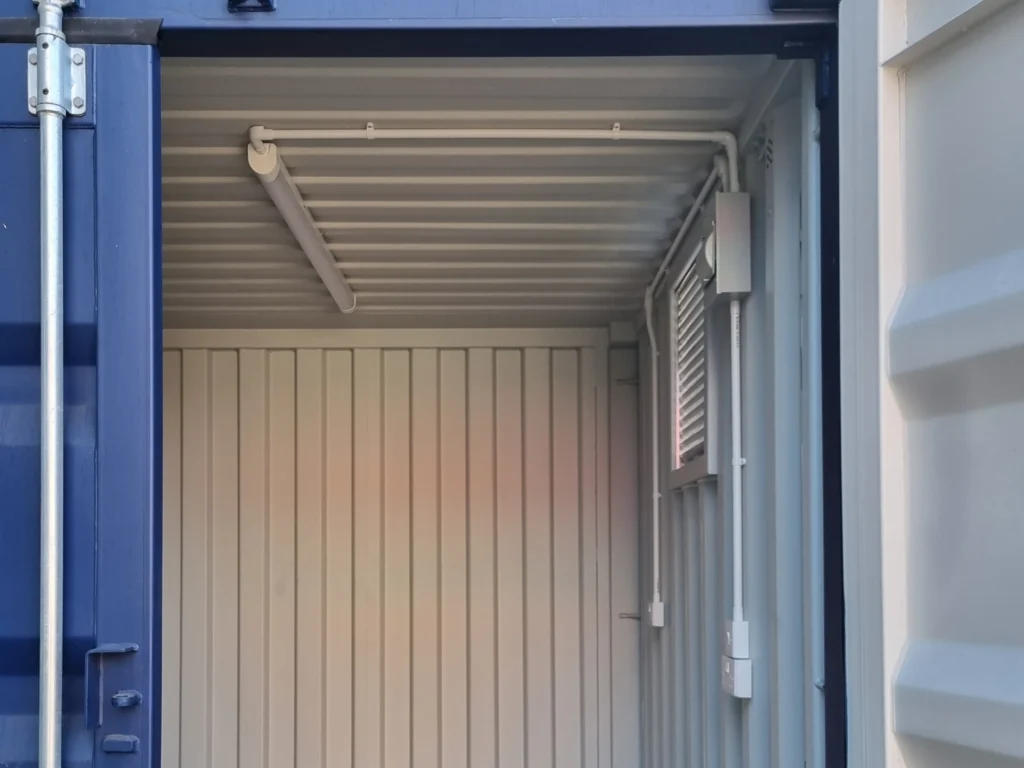
Typical conversion features that trigger planning review include:
- insulation and internal walls
- electrics and lighting
- plumbing or toilets
- fixed glazing or doors
- heating or air conditioning
- permanent foundations
- cladding or roofing structures
The more permanent the structure becomes, the more likely planning permission will be required.
Container Homes and Residential Conversions
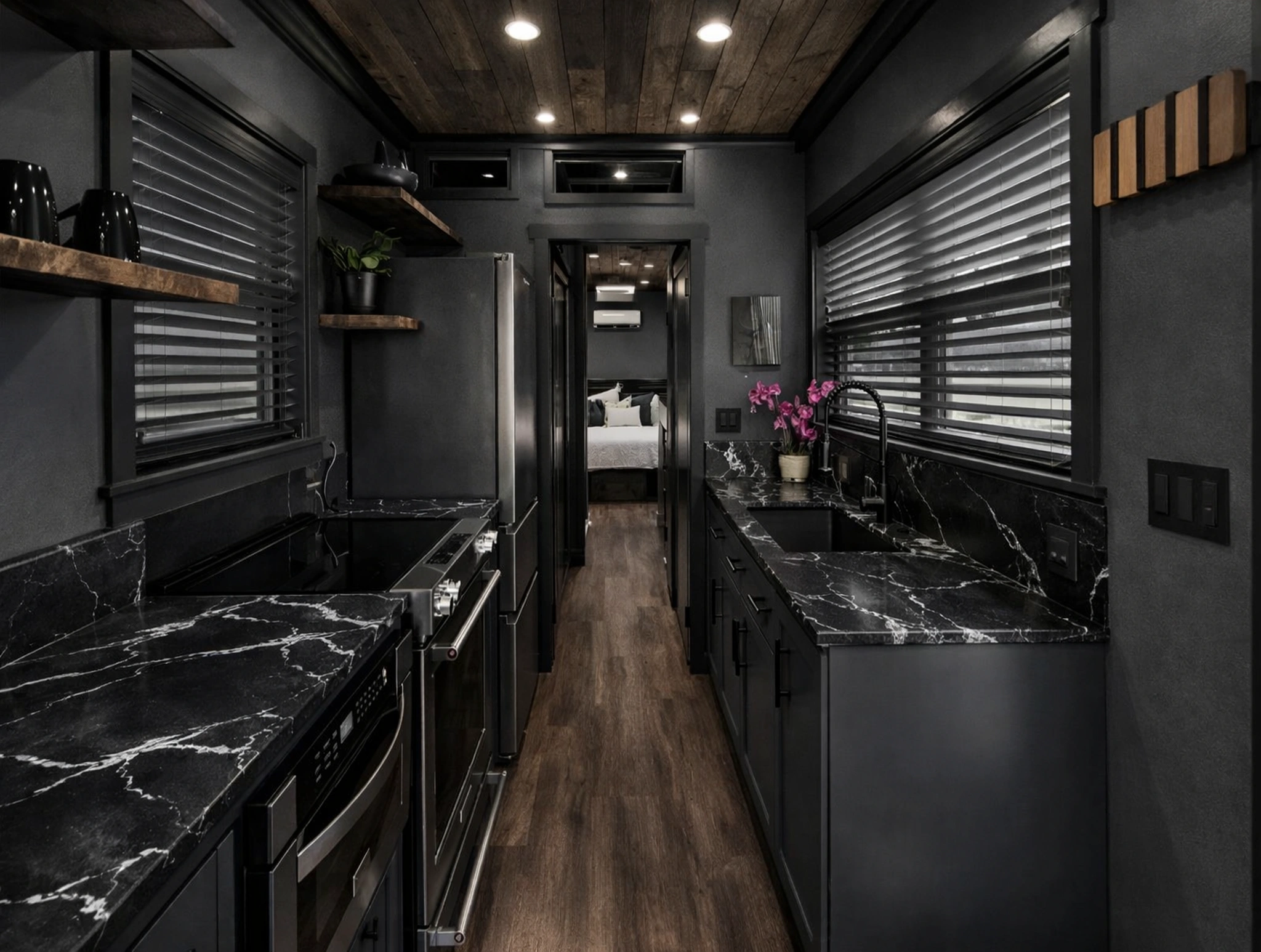
Container homes almost always require planning permission in the UK.
This is because placing a container home typically involves:
- creating a new dwelling
- installing utilities
- altering land use
- complying with building regulations
Even if the container structure itself is technically movable, councils focus on the use of the building and the change of land classification rather than whether the structure can be transported.
Many container home projects also require:
- planning approval
- building regulations compliance
- drainage approval
- energy performance standards
Without these approvals, the project is unlikely to be legally occupied.
Offices, Retail Units and Business Conversions
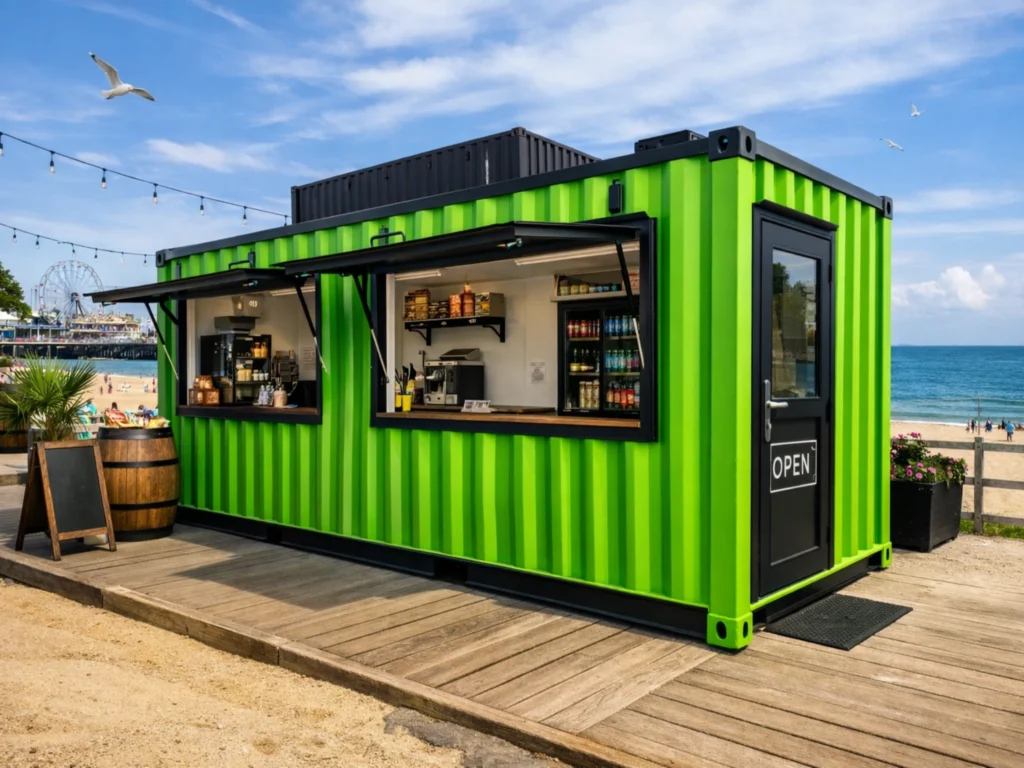
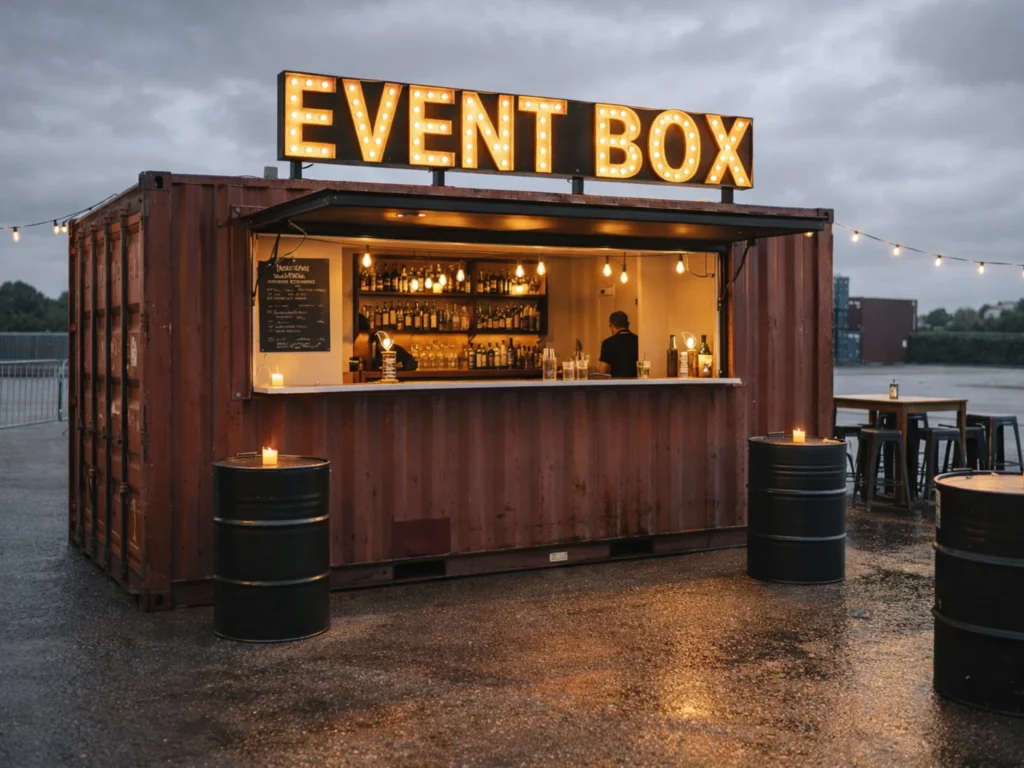
Commercial container conversions almost always require planning permission.
Examples include:
- container offices
- pop-up shops
- container cafés or bars
- gyms or studios
- workshops used by staff
- self-storage container yards
Councils typically consider these developments because they:
- increase vehicle traffic
- introduce staff or customers
- change how the land is used
- create permanent structures
Even if the container itself is technically movable, the business activity usually triggers planning control.
Temporary vs Permanent Use
The biggest factor in planning decisions is whether the container conversion is temporary or permanent.
Temporary Use (Permission Sometimes Not Required)
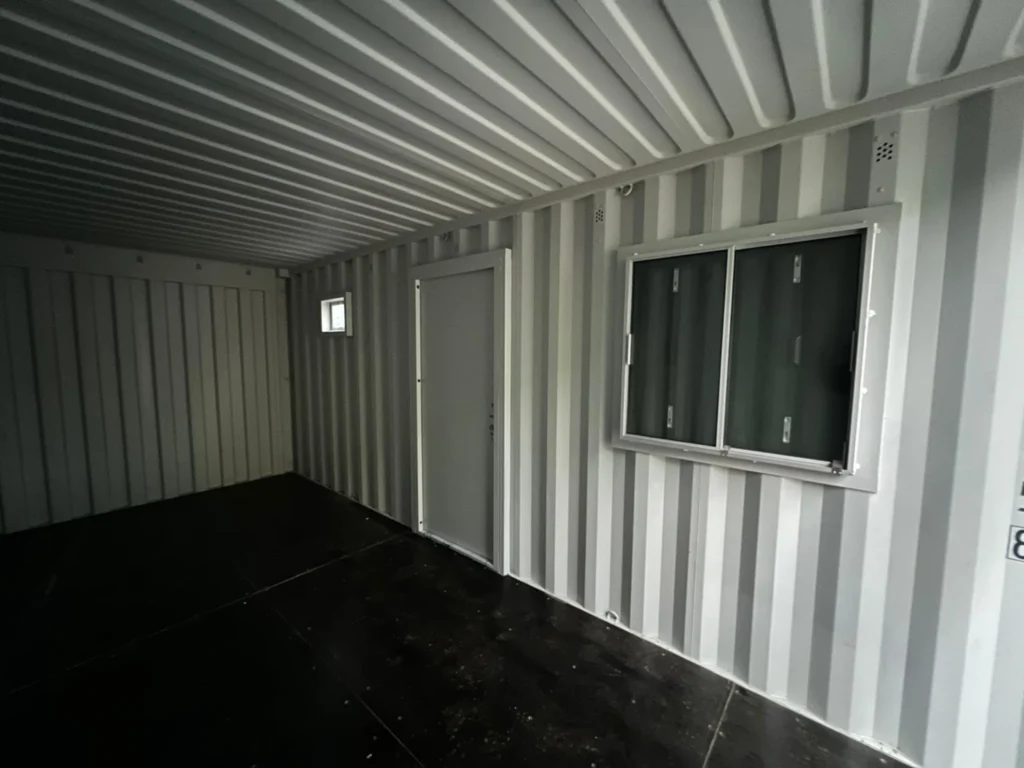
Planning permission may not be required if the container conversion:
- remains genuinely temporary
- is not fixed to foundations
- is not connected permanently to utilities
- does not change land use
- is removed after a short period
Examples include:
- construction site welfare units
- temporary offices during building work
- event bars or catering units
However, councils increasingly monitor these situations.
Permanent Use (Permission Likely Required)
Planning permission is much more likely if the container:
- remains in place long-term
- connects to permanent power or plumbing
- contains insulation and internal rooms
- is used by staff or the public
- becomes part of a commercial site
At this point the container is typically treated as a building rather than temporary equipment.
The 28-Day Rule Explained
UK planning law allows certain temporary land uses for up to 28 days per calendar year.
However, this rule is often misunderstood.
Important points include:
- the use must be genuinely temporary
- containers cannot be rotated to reset the clock
- councils monitor repeated use closely
For container conversions, the 28-day rule rarely applies because conversions are usually intended for long-term use.
Special Locations Where Planning Rules Are Stricter
TPlanning permission is far more likely if a container conversion is located in:
- Conservation areas
- Areas of Outstanding Natural Beauty (AONB)
- Green Belt land
- National Parks
- Near listed buildings
In these locations, permitted development rights may be restricted or removed completely.
This means planning permission may be required even for small container projec
Planning Permission vs Building Regulations
Planning permission is far more likely if the container is located in or near:
- Conservation areas
- Areas of Outstanding Natural Beauty (AONB)
- National Parks
- Listed buildings
- Green Belt land
- World Heritage Sites
Permitted development rights may be restricted or removed entirely in these areas.
Building Regulations vs Planning Permission
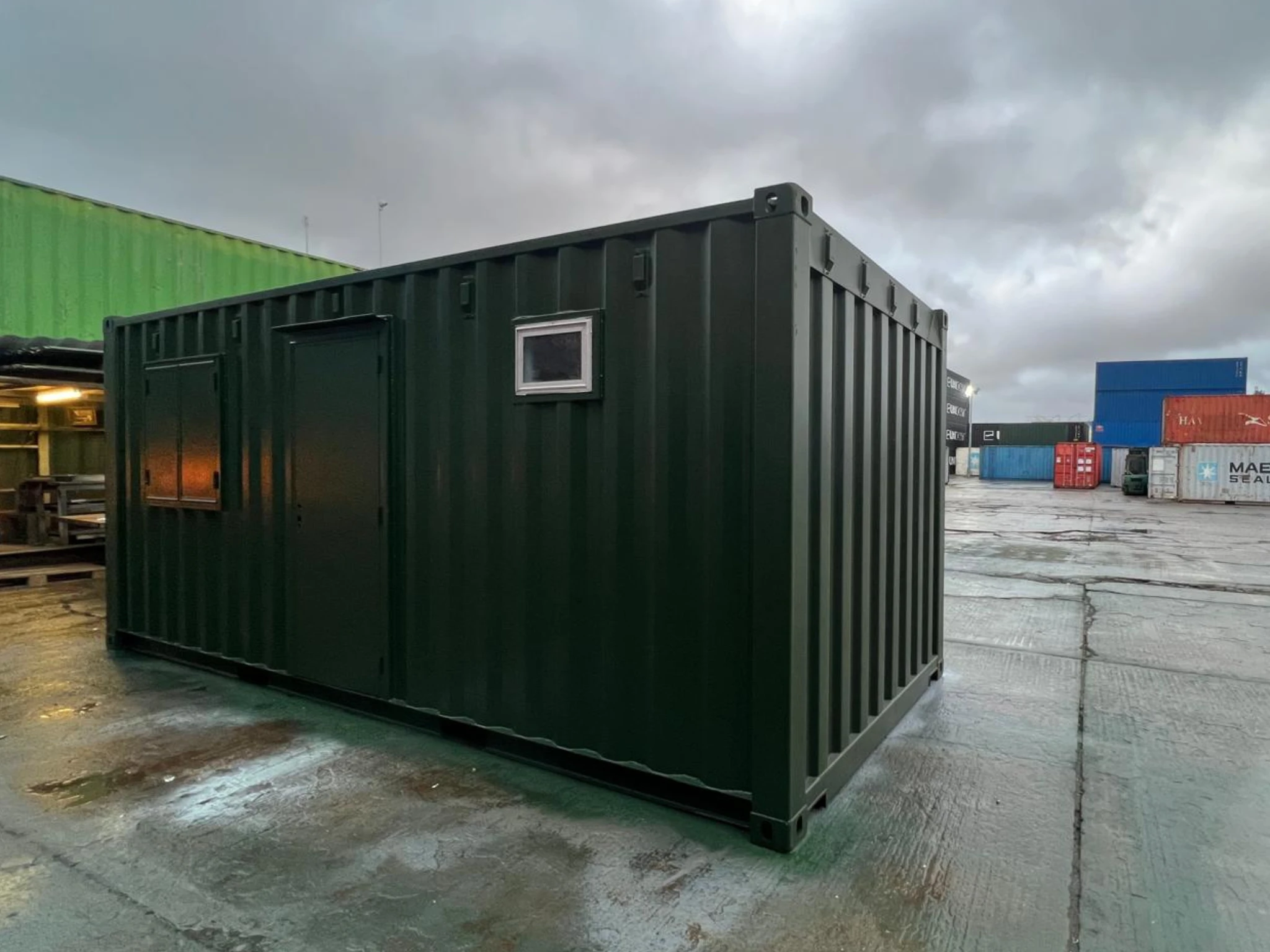
Planning permission and building regulations are separate approvals.
Even if planning permission is granted, building regulations will still apply if the container conversion:
- is insulated
- contains electrics or plumbing
- is used as a workspace or dwelling
- is accessible to the public
Building Control ensures the structure meets safety standards for:
- fire safety
- structural stability
- insulation and ventilation
- electrical systems
Container homes and offices almost always require both approvals.
How to Check Before Ordering a Container Conversion
Before ordering a shipping container conversion, always:
- identify the land designation
- confirm how the container will be used
- decide how long it will remain in place
- check your local council planning guidance
- speak with a planning officer if unsure
Checking early prevents enforcement notices, removal orders, and expensive mistakes.
How Bosh Boxes Helps
At Bosh Boxes, we help customers across the UK understand:
- when container conversions require planning permission
- how land use affects approval chances
- what type of container suits the project
- how container delivery works safely on site
We do not replace planning authorities, but we help customers avoid common mistakes before ordering.

Final Word
Shipping container conversions offer huge flexibility for offices, retail spaces, studios, and even homes. However, unlike simple storage containers, most conversions require planning permission because they become permanent structures.
The safest approach is always to check with your local council before installation.
For advice on container conversions, delivery planning, and container options across the UK, contact Bosh Boxes and follow The Bosh Boxes Way.