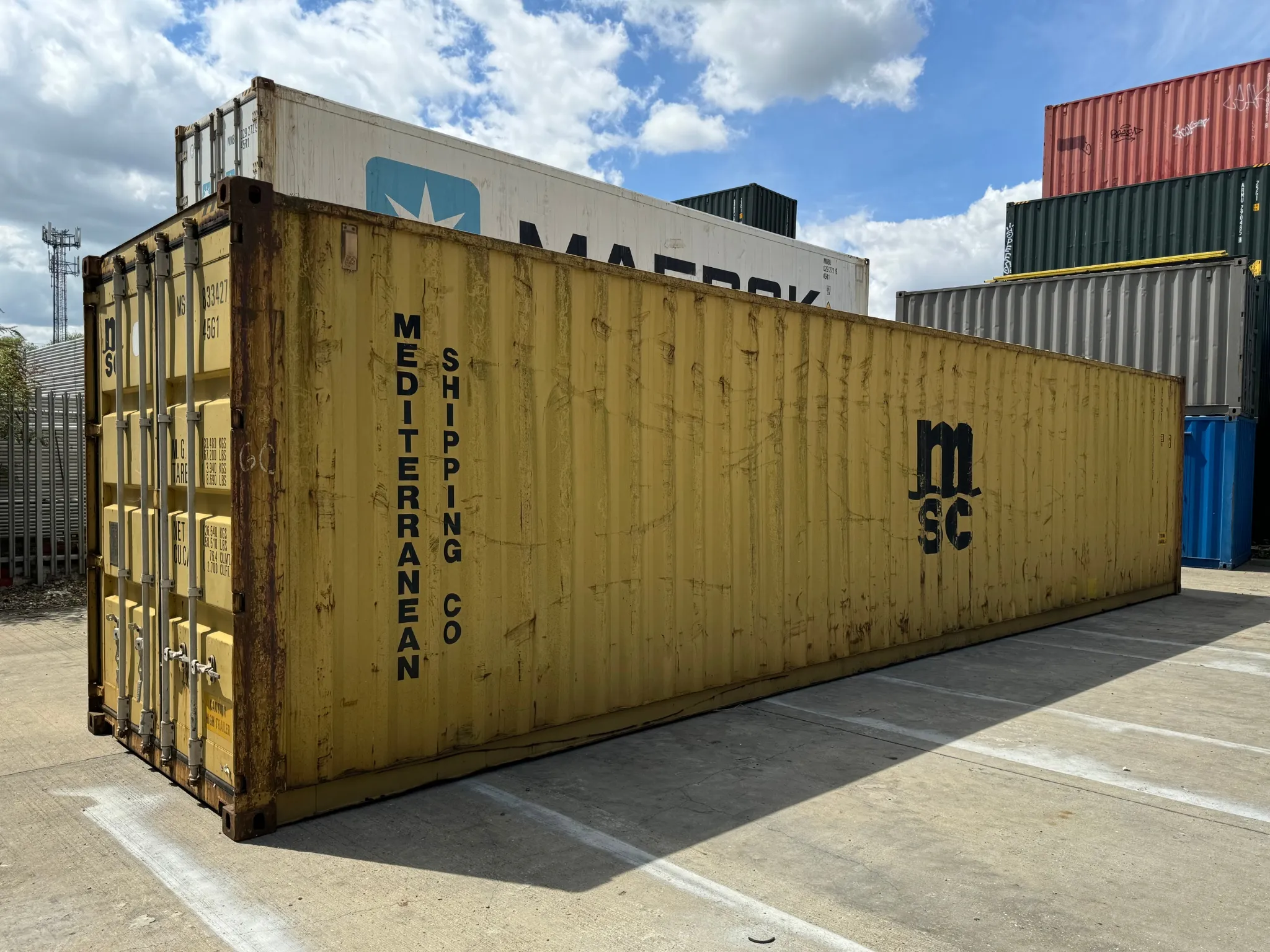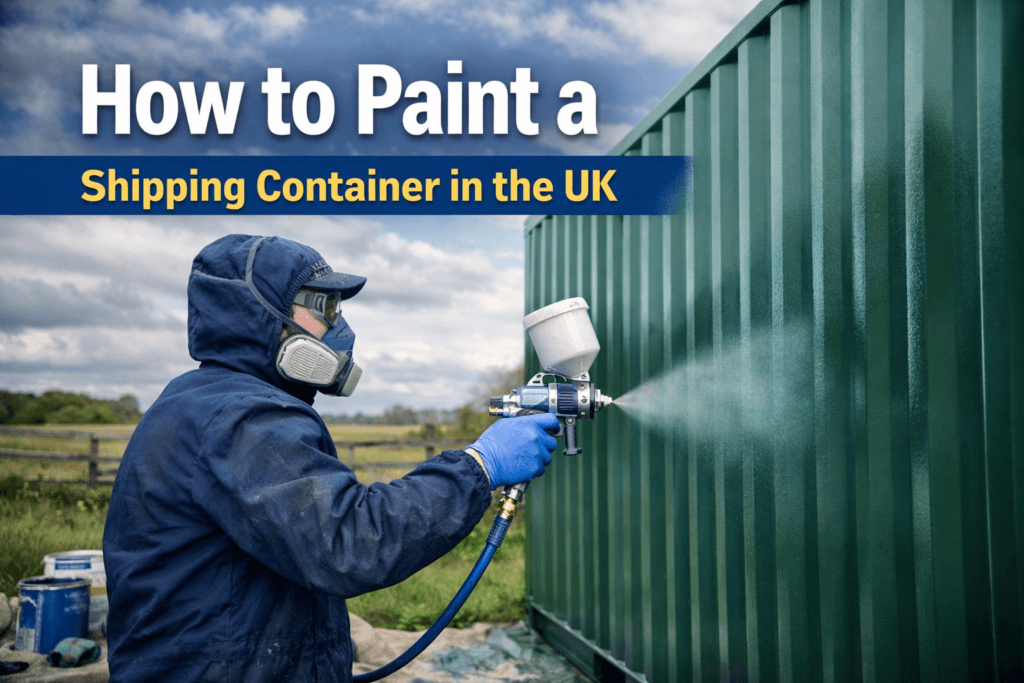
Painting a shipping container in the UK involves cleaning the steel surface, removing rust, applying a primer, and finishing with a durable coating such as marine-grade paint. This process protects against corrosion, improves appearance, and extends container lifespan in UK weather conditions.
Painting is not always required because shipping containers are made from corrosion-resistant Corten steel, but most used shipping containers benefit from repainting to maintain long-term condition.
What Painting a Shipping Container Means
Shipping containers are manufactured from Corten steel, a weathering steel designed to form a protective outer layer when exposed to the elements.
That outer layer slows corrosion but does not prevent surface wear or visual deterioration.
Painting a shipping container adds an additional protective layer and improves long-term durability in UK conditions.
Why Painting Matters in the UK Climate
The UK climate creates constant exposure to moisture and temperature changes.
Even corrosion-resistant steel will degrade over time without maintenance.
Painting helps:
- Reduce ongoing exposure to rain and damp
- Slow down visible rust development
- Extend the lifespan of used containers
- Improve appearance for business or site use
- Protect steel in high-use environments
Corten steel is durable, but additional protection improves long-term performance.
Do Shipping Containers Actually Need Painting?
Shipping containers do not require paint to remain structurally sound.
Corten steel naturally forms a protective oxidised layer that resists deeper corrosion.
However, most used containers benefit from repainting due to age and surface wear.
Painting is not essential, but it is often the better long-term decision for maintenance and appearance.
When Should You Repaint a Shipping Container?
Most shipping containers in the UK require repainting every 5 to 10 years depending on use and exposure.
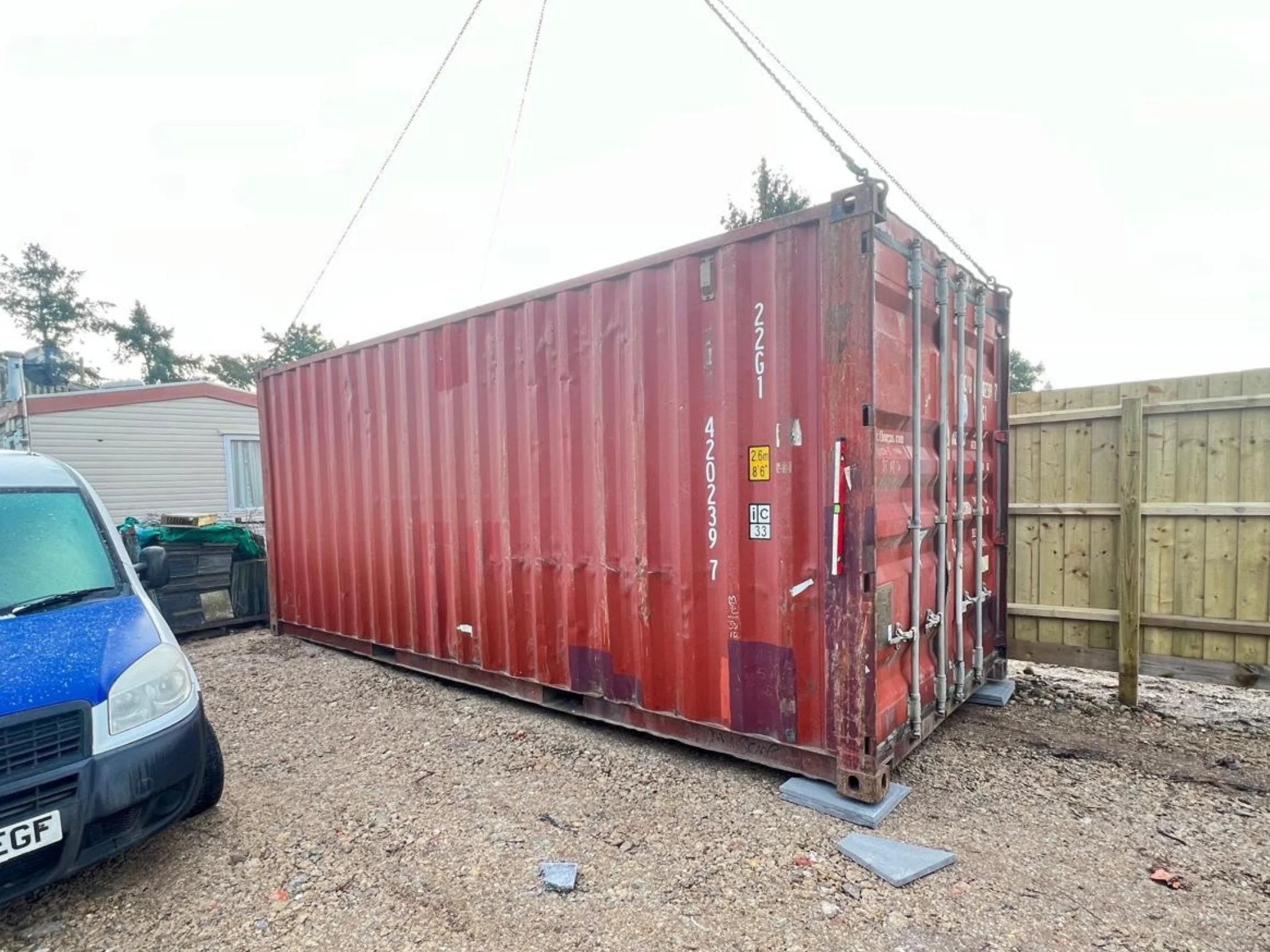
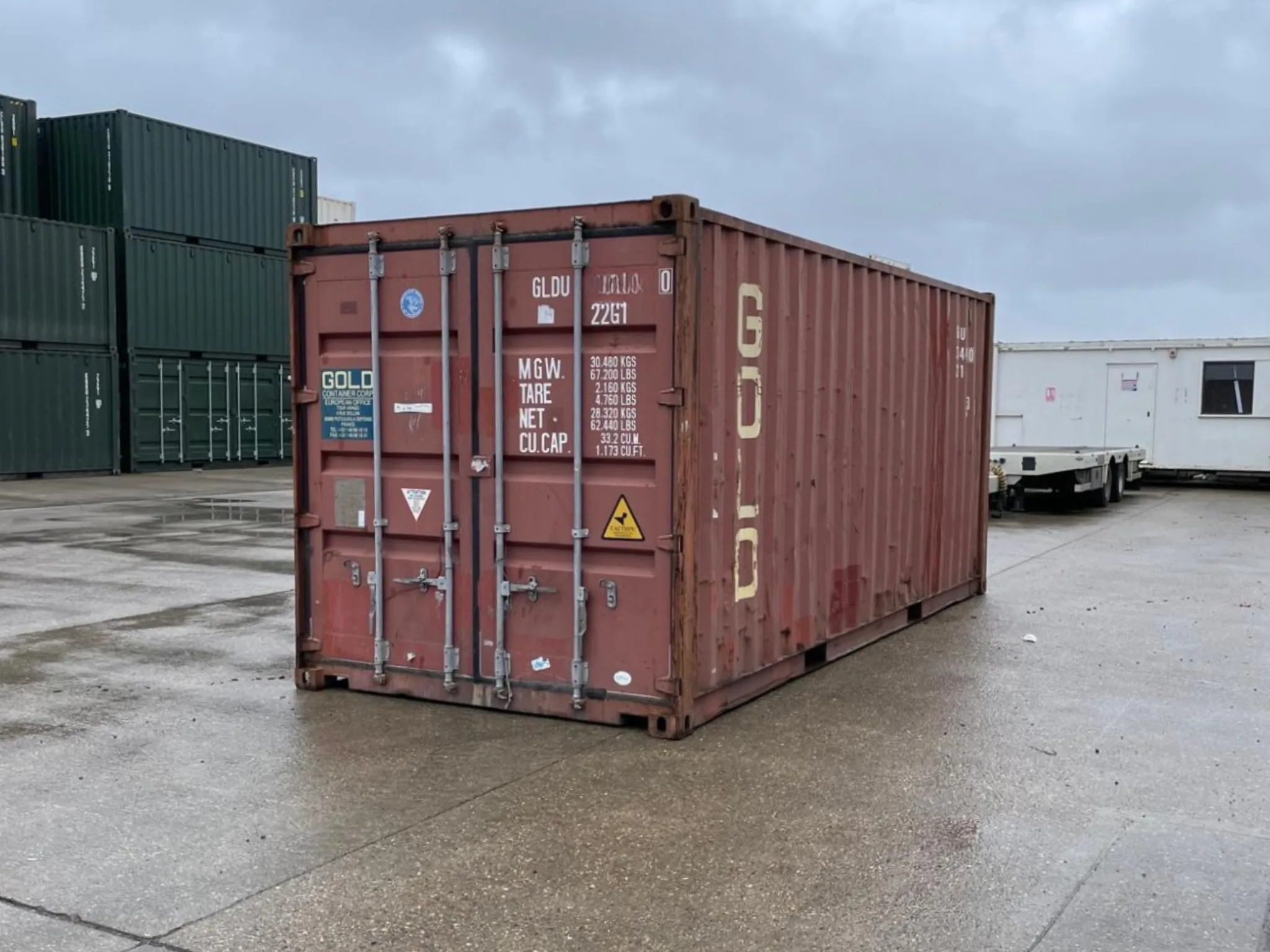
A shipping container should be repainted when visible rust begins to spread, paint starts flaking, or the surface becomes exposed to moisture.
Common signs include:
- Surface rust patches
- Faded or chalky paint
- Scratches exposing bare steel
- Increased condensation or moisture exposure
Repainting at the right time prevents deeper corrosion and extends container lifespan.
Why Some Buyers Choose Painted Shipping Containers
Not all containers are painted because they need repair.
Many buyers choose to repaint a shipping container for appearance, branding, or site requirements.
A painted shipping container often looks cleaner and more professional, especially in visible or customer-facing environments.
Common reasons include:
- Improving appearance on business premises or building sites
- Matching company branding or colours
- Planning or location requirements in residential or public areas
- Creating a more uniform look across multiple containers
- Preparing a container for resale or long-term use
Painting is often a visual and practical decision, not just a maintenance requirement.
Repainting a used shipping container is also significantly cheaper than buying a new container.
Painting can improve appearance by covering surface rust, scratches, and faded areas, but it does not remove age-related dents or structural wear.
Popular Shipping Container Colours in the UK
Shipping containers can be repainted in a wide range of colours depending on use, branding, and location requirements.
Certain colours are more commonly chosen because they suit practical or commercial environments.
Popular choices include:
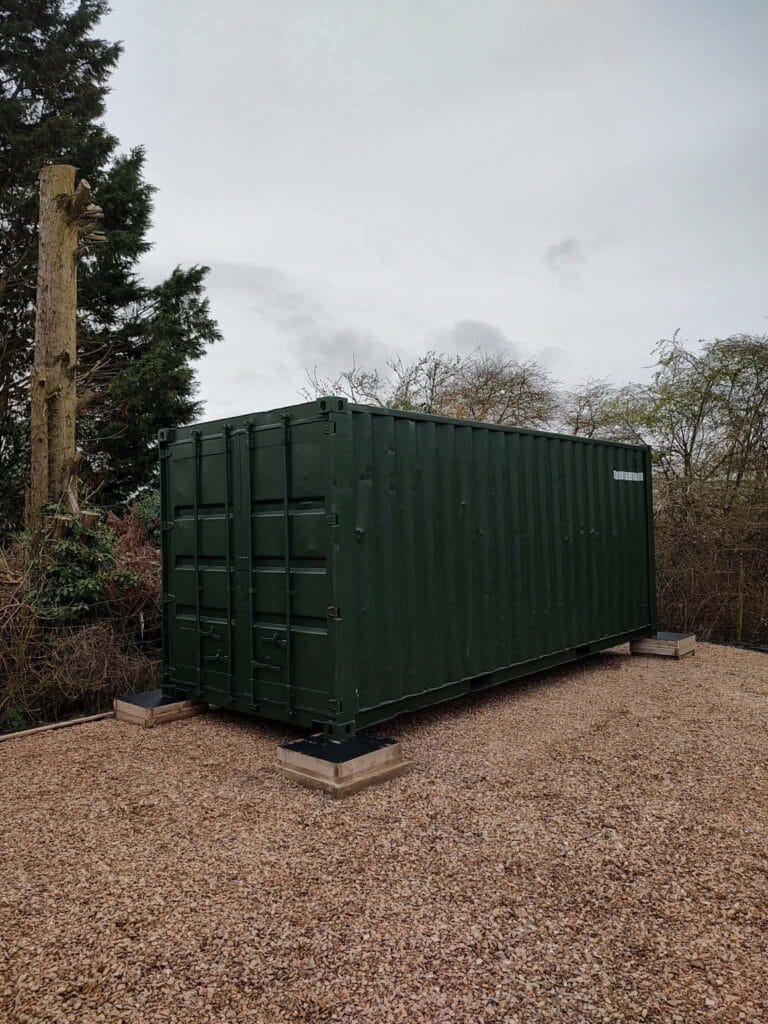
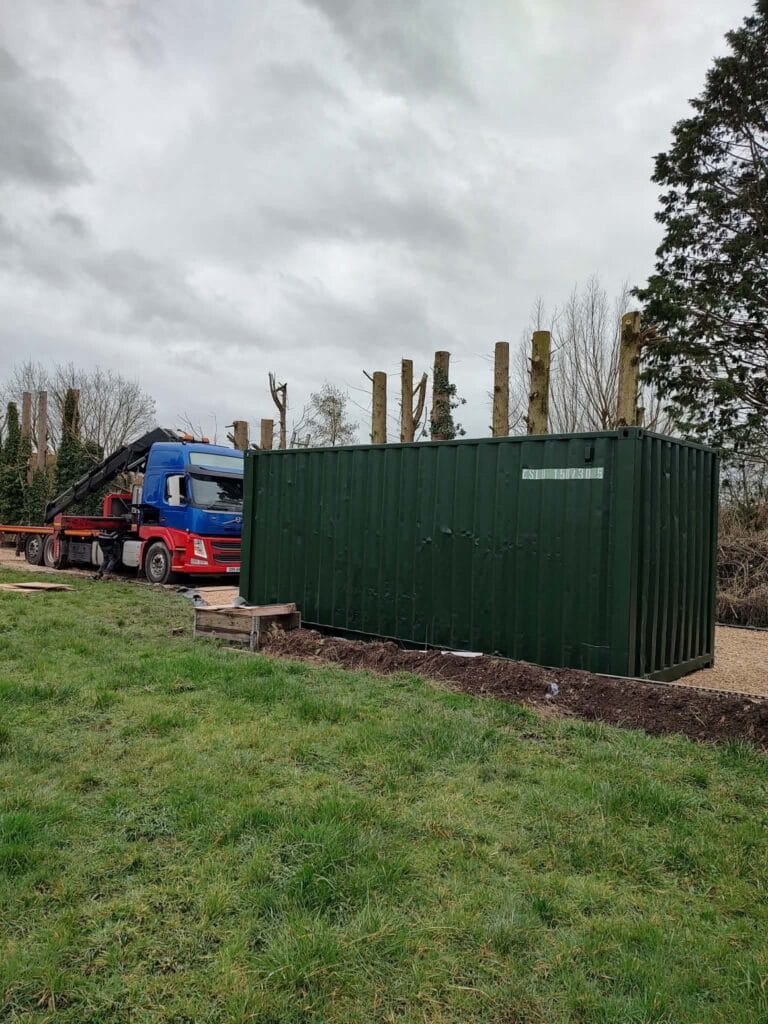
- Dark green and olive tones for agricultural and rural settings
- Grey and anthracite for modern commercial or industrial sites
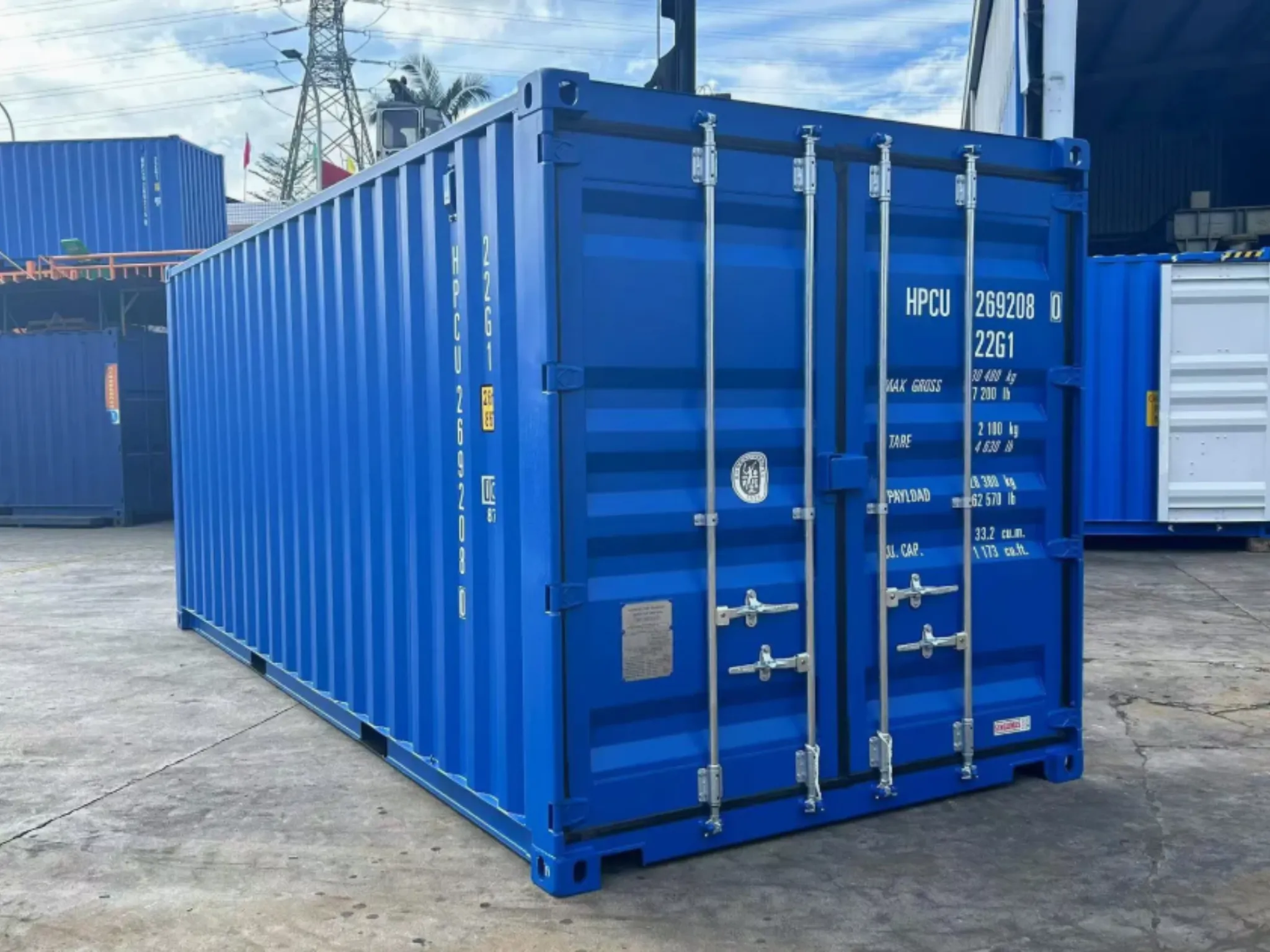
- Blue and red for standard container appearance
- Black for a clean, uniform look on business premises
- White or light colours for heat reflection and visibility
Colour choice often depends on where the container will be placed and how visible it is.
Lighter colours can help reduce internal heat, while darker colours are often chosen for durability and appearance.
What Is the Best Paint for Shipping Containers?
Marine-grade paint is the most commonly used coating for shipping containers because it is designed to withstand moisture and outdoor conditions.
The best paint for shipping containers in the UK is typically marine-grade or direct-to-metal (DTM) paint designed for steel surfaces.
These paints are designed to handle outdoor exposure, moisture, and temperature changes.
Common options include:
- Marine-grade coatings for maximum durability
- Oil-based metal paint for long-term protection
- Acrylic high-build coatings for easier application
Using the correct paint is critical to achieving a long-lasting finish on a steel container.
Marine-grade coatings are widely used because they are designed to withstand moisture, salt, and harsh conditions.
Can You Repaint a Shipping Container Without Sanding?
Some modern coatings allow direct application onto steel.
These are often referred to as self-priming or direct-to-metal paints.
However, surface condition still matters.
Rust, flaking paint, and contamination must always be removed before painting.
Surface preparation determines how long the coating will last.
Do You Need to Remove Container Markings Before Painting?
Shipping containers include identification markings and a CSC plate used for transport.
If the container is being used for storage only, markings can be painted over or removed.
If the container is intended for shipping, identification markings and the CSC plate must remain visible.
What Do You Need to Paint a Shipping Container?
Before painting a shipping container, it is important to have the correct tools and materials ready.
You will typically need:
- Wire brush or grinder for rust removal
- Sandpaper or sanding discs
- Degreaser or cleaning solution
- Rust treatment or converter (if required)
- Metal primer suitable for steel
- Marine-grade or exterior metal paint
- Brushes, rollers, or a paint sprayer
- Masking tape for seals and fittings
- Protective equipment such as gloves and masks
Having the correct equipment ensures a smoother process and a longer-lasting finish.
How to Paint a Shipping Container
Painting a shipping container yourself is possible, but the finish depends heavily on preparation and application method.
A properly prepared container surface determines how long the paint will last.
Painting a shipping container can usually be completed over a weekend with the right preparation and conditions.
Step-by-step process:
Apply additional coats if required
Lighter colours applied over darker surfaces often require two or more coats for full coverage.
Clean the container thoroughly
Remove dirt, grease, salt, and any loose material. Pressure washing is the most effective method for preparing the surface.
Prepare and treat rusted areas
Sand back affected areas and apply a rust treatment or inhibitor where needed. All loose rust must be removed before painting.
Apply a suitable primer
Use a metal primer designed for steel surfaces. Primer improves adhesion and extends the lifespan of the top coat.
Apply the paint correctly
Paint can be applied using spraying, brushing, or rolling depending on equipment and finish required.
How Much Paint Do You Need for a Shipping Container?
A 20ft shipping container typically requires around 20 litres of paint per coat, while a 40ft container requires approximately 35 litres per coat.
Spray application can reduce paint usage by up to 25% compared to brush or roller application.
Paint coverage depends on surface condition and colour change.
Spray vs Brush Application
The method used to apply paint affects both finish quality and material usage.
- Spray application provides a smoother, more even finish and typically uses less paint
- Brush or roller application is more accessible but can leave visible marks and uneven coverage
Spraying is generally preferred for a professional finish, especially on larger containers.
Spray application is commonly used when repainting a shipping container to achieve a consistent finish across large steel surfaces.
Spray painting is typically used for full container repaints, while brush and roller methods are more suited to repairs and smaller areas
Benefits of Spray Painting
- Even, consistent finish across large steel panels
- Faster application on full container exteriors
- Better coverage in corrugations and hard-to-reach areas
- Reduced paint usage when applied correctly
- More professional appearance overall
Spray painting is commonly used for refurbished shipping containers due to the finish quality it provides.
Benefits of Brush or Roller Application
- Lower setup cost with minimal equipment required
- Suitable for small areas, touch-ups, or repairs
- Better control in tight or detailed sections
- No need for specialist spraying equipment
- Easier for first-time DIY users
Brush and roller methods are often used for maintenance work rather than full repaints.
Application Conditions (UK Practical Reality)
Temperature and weather conditions affect how well paint performs.
Some industrial coatings can be applied in low temperatures, but results vary.
Typical guidance:
- Application possible from around -5°C depending on product
- Drying time increases in colder conditions
- Warmer temperatures reduce curing time
For example, drying time may be around 20 hours in colder conditions and closer to 10 hours in warmer environments.
Weather conditions directly impact finish quality and durability.
Cost of Painting a Shipping Container UK
The table below shows typical UK professional costs for painting a shipping container, based on common container sizes and standard preparation levels.
| Container Size | Professional Cost |
|---|---|
| 10ft container | £150–£350 |
| 20ft container | £300–£600 |
| 40ft container | £700–£1,200 |
Preparation level has the biggest impact on total cost.
Heavily worn containers require more labour, rust treatment, and materials.
The cost to repaint a shipping container in the UK depends on size, condition, and preparation required.
What Is a Refurbished Shipping Container?
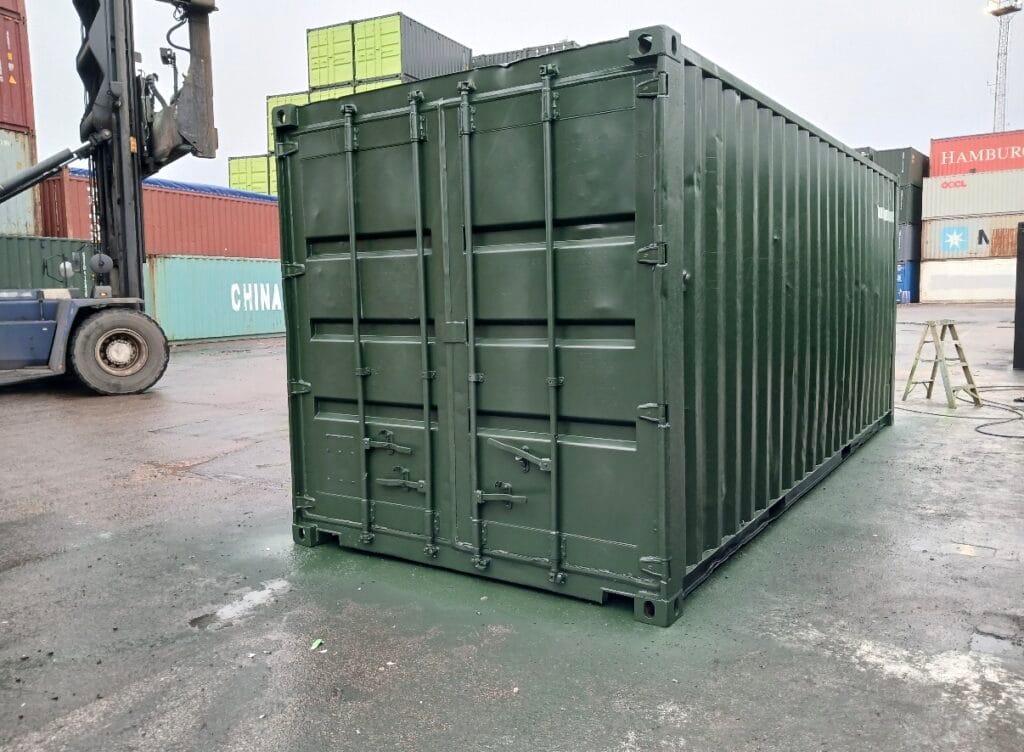
A refurbished shipping container is a used container that has been cleaned, repaired, and repainted to improve condition and extend lifespan.
Refurbished units are often created by repainting a shipping container using industrial coatings to restore appearance and extend usability.
Externally repainting a container is one of the most common refurbishment steps.
Refurbished containers typically include:
- Rust treatment and surface preparation
- Full external repaint using marine-grade coatings
- Minor repairs to doors, seals, or flooring if needed
A refurbished shipping container offers a balance between cost and condition.
Many buyers choose refurbished units instead of new containers to achieve a cleaner appearance at a lower price point.
Many refurbished shipping containers are repainted primarily to improve appearance rather than to address structural issues.
Common Mistakes Buyers Make
- Assuming all containers need repainting immediately
- Painting over rust without preparation
- Using low-quality paint
- Ignoring weather conditions during application
- Not understanding how Corten steel behaves
Most paint failures are caused by poor preparation rather than the paint itself.
Why Bosh Boxes Is the Better Starting Point
Painting should be a choice, not a correction for poor quality stock.
Bosh Boxes focuses on supplying containers that are already structurally sound and suitable for use.
The Bosh Boxes Way:
- All containers supplied wind and watertight
- Honest grading of used containers
- Clear expectations before purchase
- UK-wide container delivery
- Guidance on whether repainting is necessary
- Support choosing new vs used containers
- Practical advice based on real use cases
A better starting container reduces repainting costs and long-term maintenance.
FAQs: Painting a Shipping Container in the UK
How long does shipping container paint last?
Shipping container paint typically lasts between 5 and 10 years in UK conditions, depending on preparation, paint quality, and exposure to weather.
What is the best paint for a shipping container?
Marine-grade or direct-to-metal paint is the best option for shipping containers because it is designed for steel surfaces and outdoor exposure.
Can you paint a shipping container without sanding?
Some paints can be applied directly to steel, but rust, dirt, and loose paint must always be removed before painting to ensure proper adhesion.
How much paint do you need for a shipping container?
A 20ft container typically requires around 20 litres of paint per coat, while a 40ft container requires around 35 litres per coat.
Is it cheaper to repaint a container or buy a new one?
Repainting a used shipping container is significantly cheaper than buying a new container, especially when the structure is still sound.
How to Get Started
Start by choosing the right container condition for your use.
Not every container needs repainting straight away.
Understanding condition upfront saves time, cost, and unnecessary work.
Get a quote and we will advise whether repainting is needed based on your requirements.