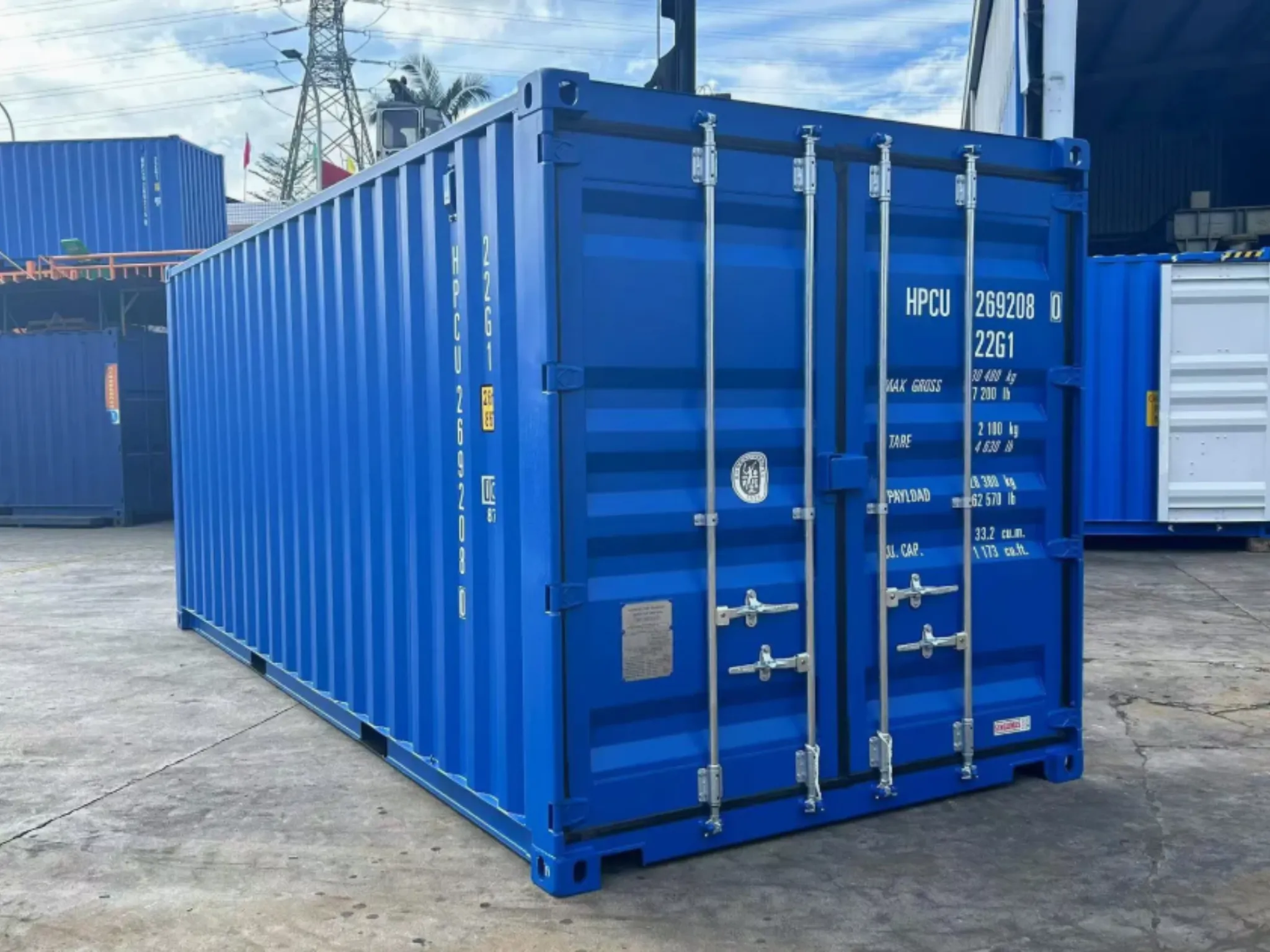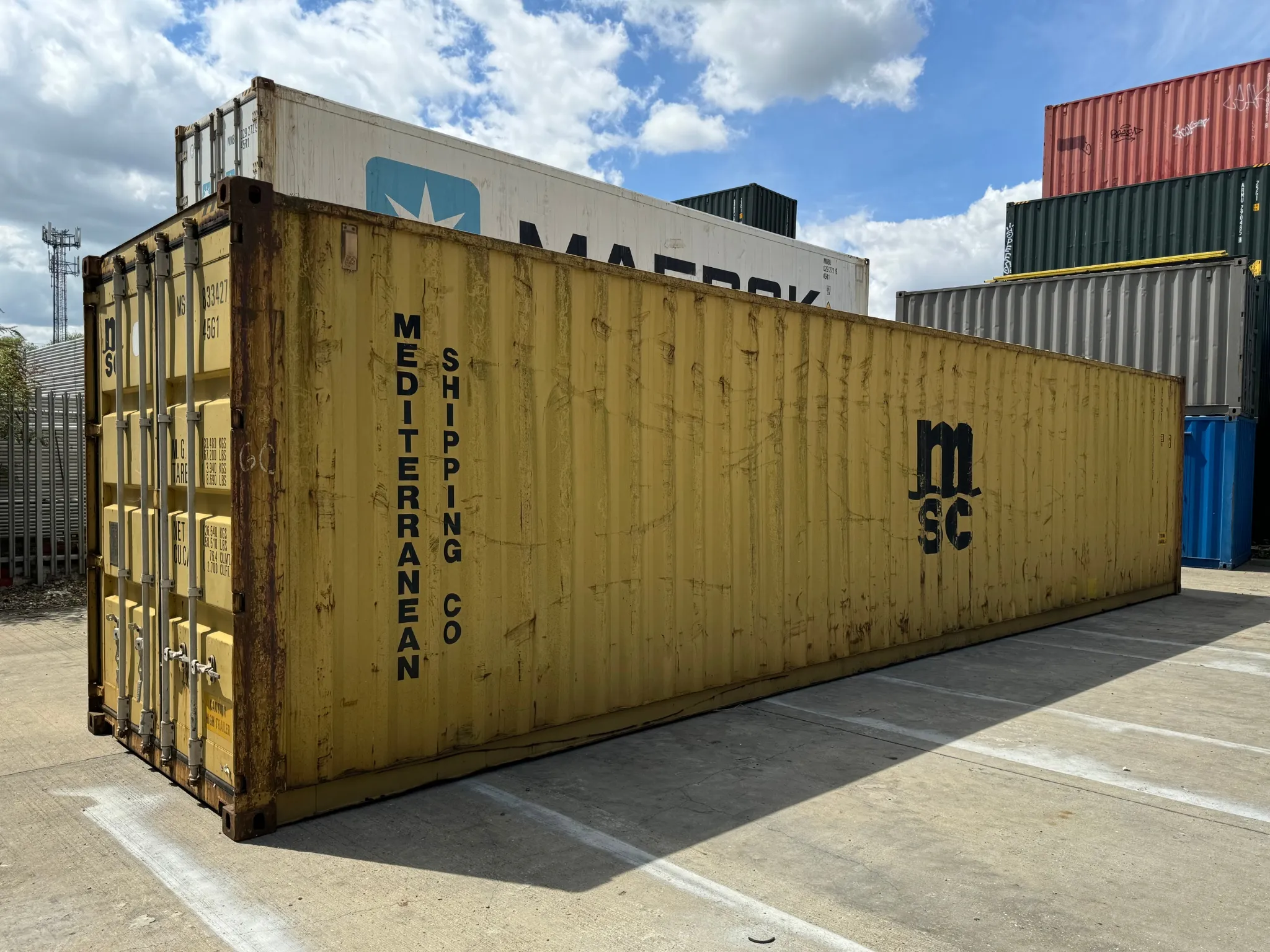
Buying a 40ft shipping container involves choosing the right condition, confirming the container dimensions suit your site, understanding realistic UK pricing, and planning delivery access before purchase. This step-by-step guide explains how to buy a 40ft shipping container safely so buyers choose the right 40ft container for storage, business use, or container conversions.
Many buyers searching for a 40ft container for sale are upgrading from smaller containers once storage space becomes limited.
Step-by-Step: How to Buy a 40ft Shipping Container
- Decide what the container will be used for
- Choose between a new or used 40ft container
- Confirm the container dimensions and weight
- Understand realistic UK pricing
- Check delivery access and ground preparation
- Choose a reliable supplier
- Arrange delivery and offloading
Following these steps prevents common buyer mistakes such as ordering the wrong container type, underestimating delivery access, or paying unexpected costs.
Quick Answer: How to Buy a 40ft Shipping Container
Buying a 40ft shipping container in the UK involves choosing the correct container condition, confirming the dimensions and weight, understanding the typical market price, checking delivery access for large vehicles, preparing stable ground for installation, and purchasing from a reliable supplier who provides wind and watertight containers and nationwide delivery.
What Is a 40ft Shipping Container?
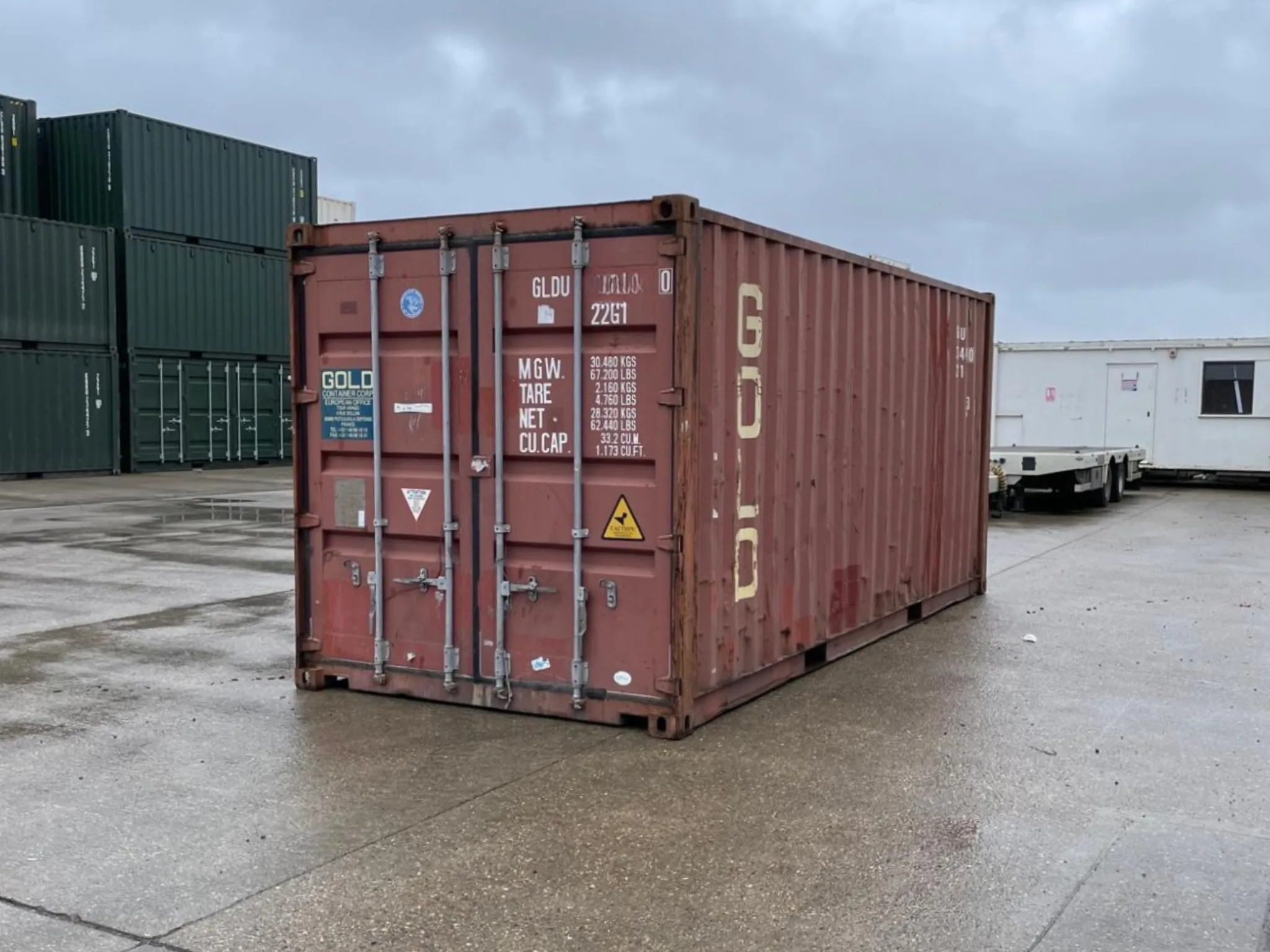
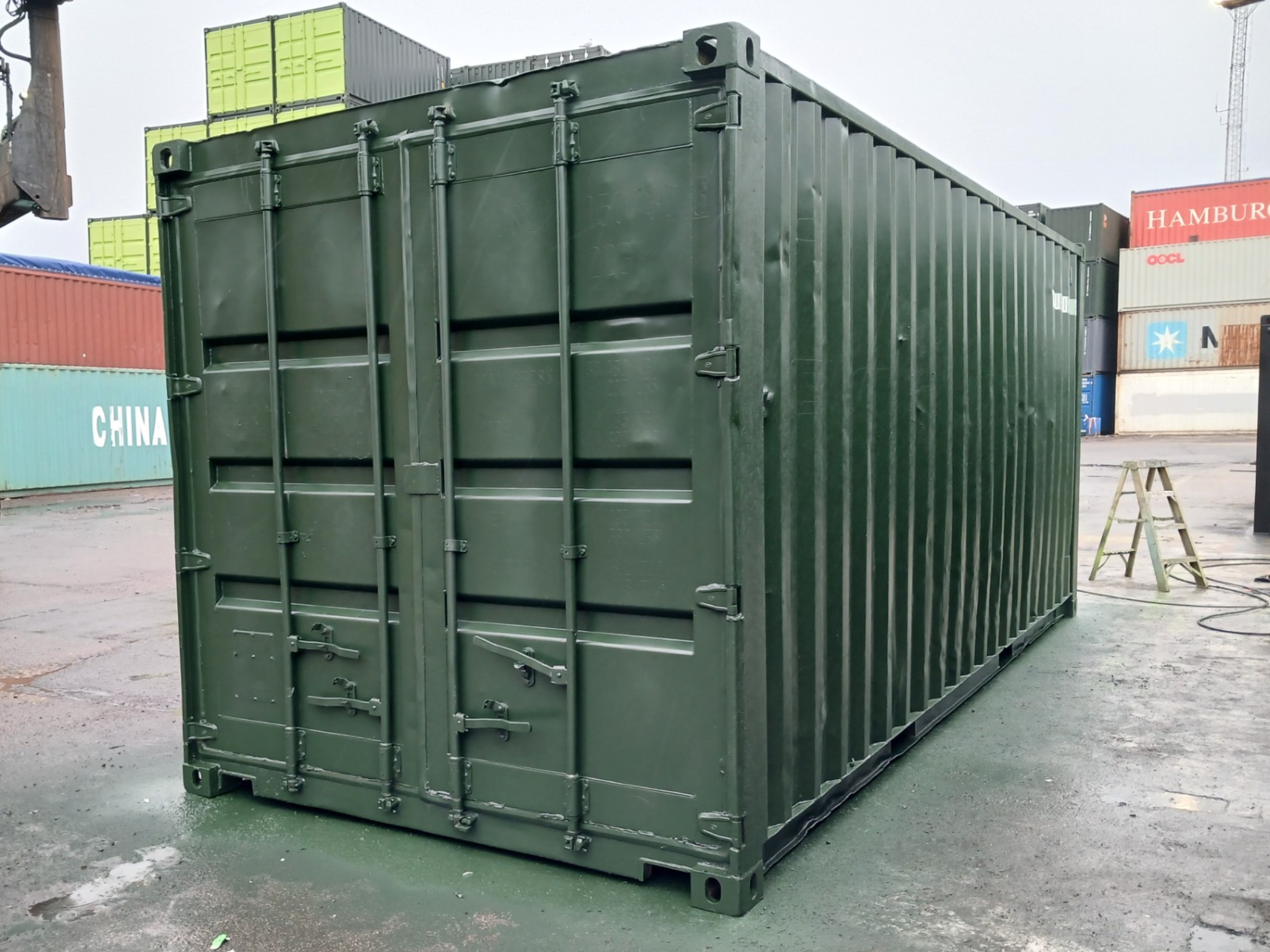
A 40ft shipping container is a large ISO-certified steel storage unit designed for international transport and long-term storage. In the UK, 40ft containers are commonly used for commercial storage, construction sites, farms, logistics yards, and container conversions.
Typical external dimensions:
Length: 40ft
Width: 8ft
Height: 8ft 6in (standard) or 9ft 6in (high cube)
A standard 40ft container provides around 67 cubic metres of internal storage capacity, making it ideal when large amounts of stock, equipment, or palletised goods need secure storage.
For a full technical breakdown of measurements, see 40ft Shipping Container Dimensions UK.

Step 1: Decide What the Container Will Be Used For
Understanding the intended use helps determine which 40ft container specification is required.
Common UK use cases include:
• Bulk commercial storage
• Construction site equipment storage
• Farm machinery or feed storage
• Self-storage site expansion
• Retail or container conversion projects
A 40ft container is often chosen when smaller units such as 10ft or 20ft containers do not provide enough storage capacity.
Large businesses often choose 40ft containers for warehouse overflow. See 40ft Shipping Containers for Storage: When Size Matters for more information.
Step 2: Choose Between New or Used Containers
One of the first buying decisions is whether to purchase a new one-trip container or a used 40ft container.
Used containers are more affordable and widely used for general storage.
New one-trip containers cost more but provide a longer lifespan and better cosmetic condition.
Typical differences include:
Used container
• Lower purchase price
• Cosmetic wear from shipping use
• Fully wind and watertight when inspected
New one-trip container
• Only used for a single shipping journey
• Minimal wear and better appearance
• Longer expected lifespan
Buyers comparing these options should review condition differences before purchasing. See New vs Used 40ft Shipping Containers: Price, Lifespan & Which Is Better.
Step 3: Confirm Dimensions and Weight
Before buying a 40ft container, it is important to confirm both the dimensions and weight.
A standard 40ft container typically weighs around 3,700kg to 4,000kg empty, depending on specification.
Understanding the container weight matters because it affects:
• Delivery vehicle choice
• Ground preparation
• Crane lifting requirements
• Site positioning
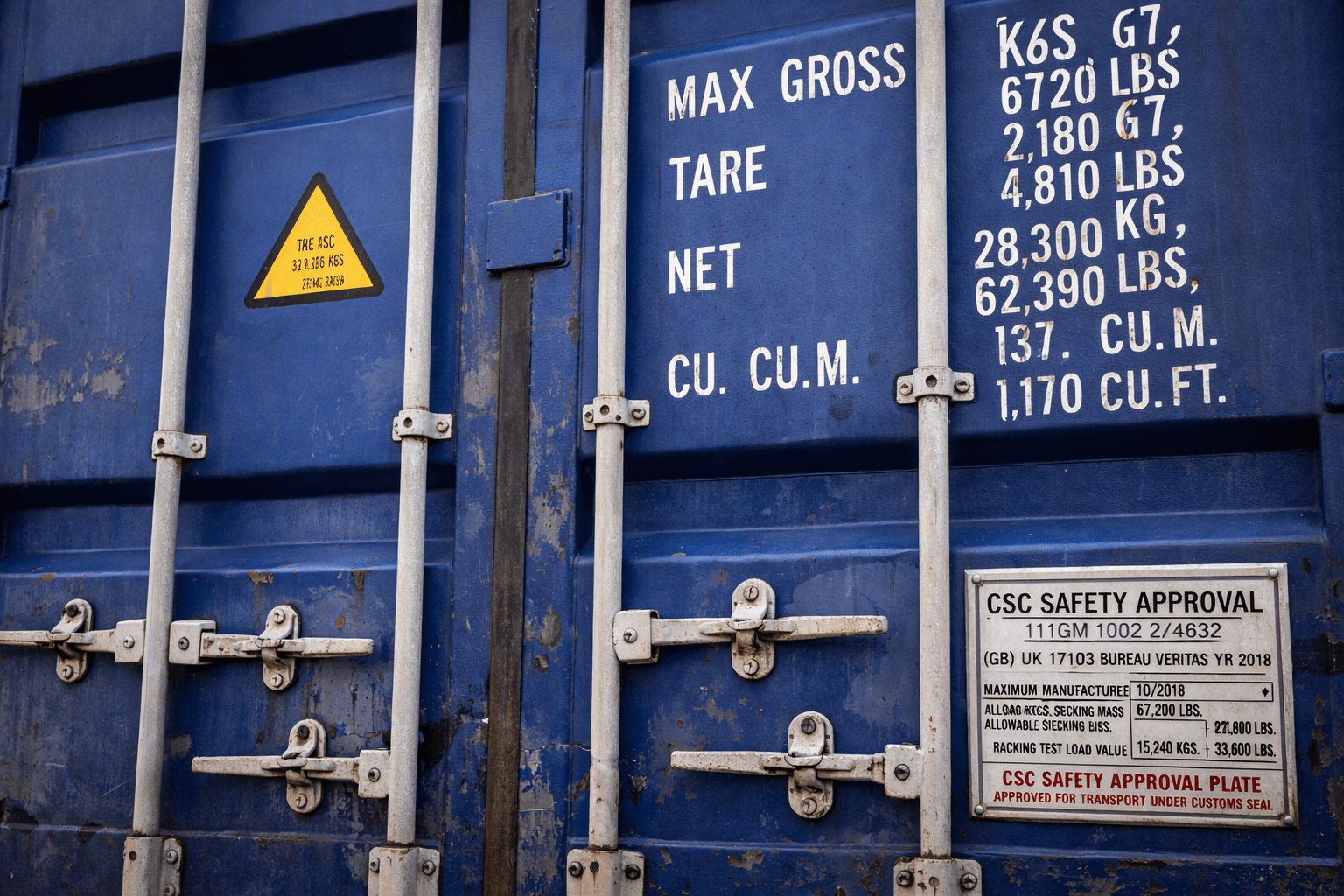
These specifications are officially recorded on the CSC plate (Container Safety Convention plate) fitted to every ISO-certified shipping container. The CSC plate lists important information including the tare weight, maximum gross weight, payload capacity, and manufacturing details.
Checking the CSC plate ensures the container meets international safety standards and confirms the correct weight specifications before transport or installation.
For a full breakdown of container mass and payload limits, see 40ft Shipping Container Weight: Tare, Payload & Gross Explained
Step 4: Understand Realistic UK Pricing
Many buyers start by searching “40ft container for sale” but pricing varies depending on condition, specification, and delivery location.
Typical UK ranges include:
| Container Type | Typical UK Price |
|---|---|
| Used 40ft container | £1,300 – £1,500 + VAT |
| New one-trip 40ft container | £2,800 – £3,500 + VAT |
| 40ft High Cube container | Slightly higher depending on availability |
These figures reflect container supply levels, depot location, and delivery requirements.
For a full market breakdown, see How Much Does a 40ft Shipping Container Cost in the UK?
Buyers wanting to understand price variation in more detail should also review What affects the price of a 40ft shipping container in the UK?.
Step 5: Check Delivery Access and Site Preparation
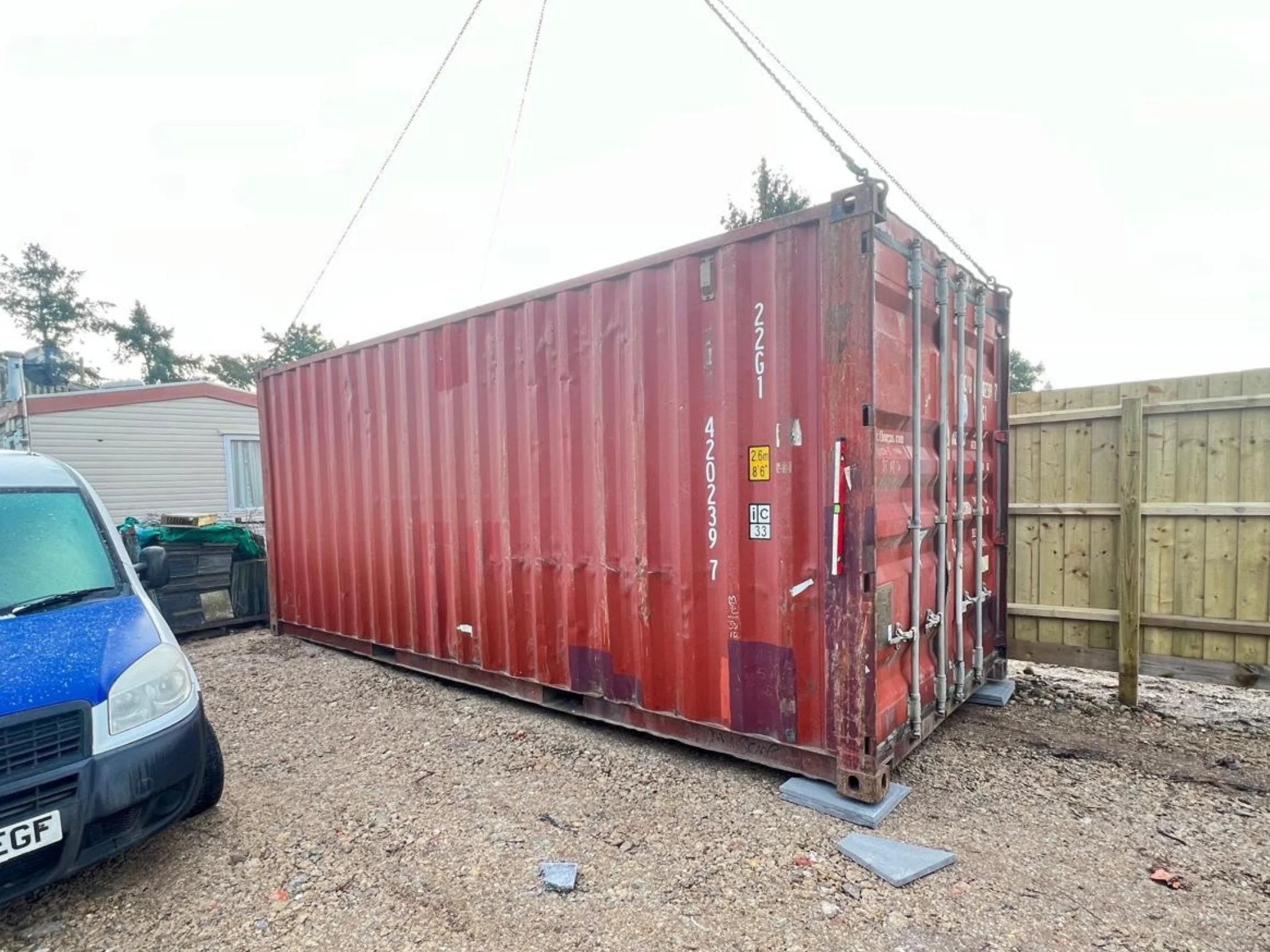
A 40ft container delivery requires planning because the vehicle delivering it can be large.
A typical HIAB crane lorry delivering a 40ft container may be approximately:
• 68ft long including the cab and container
• 10–12ft wide when stabilisers are deployed
• Requires clear space beside the vehicle for safe offloading
The site must also have:
• Sufficient access width
• Turning space for the vehicle
• Level ground for container placement
Long vehicles carrying 40ft shipping containers need enough space to safely position and offload the container without obstruction.
Without proper access, delivery may not be possible.
Buyers should review delivery requirements before ordering. See How Much Space Is Needed to Deliver a 40ft Shipping Container.
Step 6: Prepare the Ground for the Container
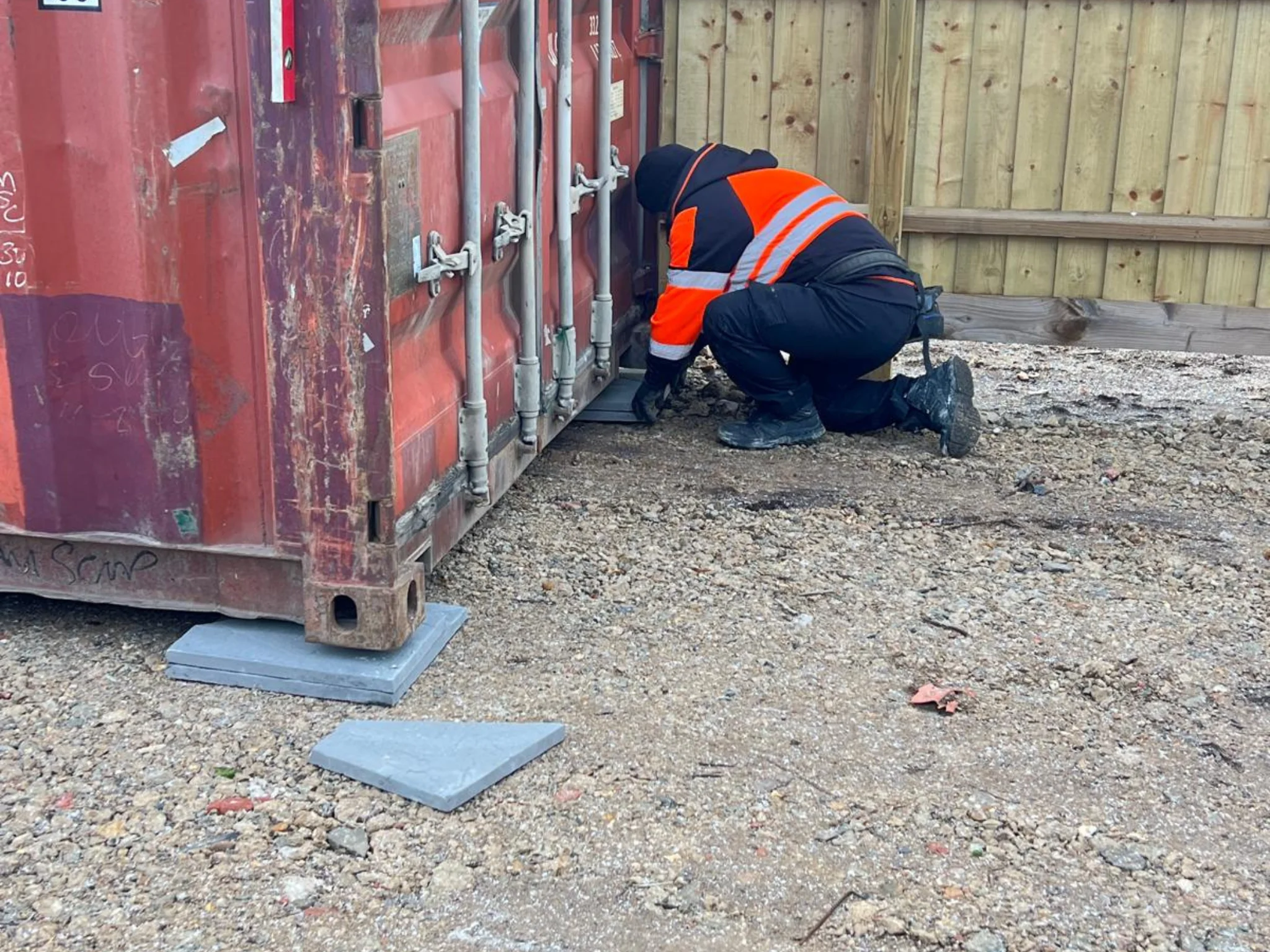
The ground where a 40ft shipping container will sit must be stable and level to support the weight of the container and its contents.
A fully loaded 40ft container can weigh over 30 tonnes, so ground preparation should never be overlooked.
Common ground preparation options include:
• Concrete pads or strip foundations
• Railway sleepers placed under the corner castings
• Compacted hardcore or gravel base
• Concrete slabs or paving blocks
Containers are designed to carry weight on the four corner castings, so support should always be positioned under these points.
The ground must also remain level to prevent door alignment issues or structural stress over time.
Proper ground preparation protects both the container and the items stored inside.
See our detailed breakdown of the Best Foundations For Shipping Containers.
Step 7: Consider High Cube Containers
Some buyers benefit from choosing a 40ft high cube container, which provides extra internal height.
High cube containers are 9ft 6in tall, giving approximately 30cm of additional internal space compared to a standard container.
That extra height is useful for:
• Tall machinery
• Racked pallet storage
• Container conversions
• Bulk stock storage
Many commercial buyers prefer high cube units for improved vertical capacity.
See 40ft High Cube Containers: Best Business Use Cases for examples.
View our current availability of 40ft used high cube shipping containers and 40ft New High Cube Shipping Containers.
Step 8: Choose a Reliable Supplier
Choosing the right supplier is one of the most important steps when buying a 40ft shipping container.
A reputable UK container supplier should provide:
• Containers inspected for wind and watertight condition
• Honest grading of used containers
• Nationwide container delivery options
• Clear pricing before delivery
• Reliable offloading equipment such as HIAB crane lorries
Transparent inspection standards help buyers avoid common issues such as damaged floors or leaking roofs.
Why Bosh Boxes Is a Trusted UK Supplier
Bosh Boxes focuses on straightforward container supply across the UK.
Key buyer benefits include:
• Containers inspected before delivery
• Wind and watertight guarantee on used units
• New one-trip containers available from UK depots
• Nationwide delivery using HIAB crane vehicles
• Honest pricing without hidden costs
• Support choosing the correct container size
• Advice on delivery access and placement
These factors help buyers purchase the correct container the first time.
Should You Buy a 20ft or 40ft Shipping Container?
Choosing between a 20ft and 40ft shipping container usually depends on available space and storage volume.
A 20ft container is often chosen for residential storage, smaller sites, or locations with limited delivery access.
A 40ft shipping container provides roughly double the internal storage capacity, making it better suited for commercial storage, palletised goods, or large equipment.
Buyers unsure which size suits their site should compare both options before purchasing.
See our full guide: How to Buy a 20ft Shipping Container (Step-by-Step Guide)
Frequently Asked Questions About Buying a 40ft Shipping Container
How do you buy a 40ft shipping container in the UK?
Buying a 40ft shipping container in the UK involves choosing the correct container condition, confirming the container dimensions and weight, understanding typical market pricing, checking delivery access for large HIAB crane vehicles, preparing suitable ground foundations, and purchasing from a reliable supplier that provides inspected, wind and watertight containers.
How much does a 40ft shipping container cost in the UK?
A 40ft shipping container in the UK typically costs between £1,300 and £3,500 + VAT depending on condition, height specification, and depot availability. Used containers sit at the lower end of the range, while new one-trip units and high cube containers cost more due to lifespan and capacity.
What size is a 40ft shipping container?
A standard 40ft shipping container measures 40ft long, 8ft wide, and 8ft 6in high externally. A 40ft high cube container measures 9ft 6in high, providing additional internal storage space.
How heavy is a 40ft shipping container?
A standard empty 40ft shipping container weighs around 3,700kg to 4,000kg, depending on specification. The maximum loaded weight can exceed 30,000kg, which is why proper ground preparation and delivery planning are important.
Do I need planning permission for a 40ft container in the UK?
Planning permission for a 40ft container depends on how the container will be used and where it is located. Containers used for temporary storage on private land often do not require permission, but permanent commercial installations or residential conversions may require approval from the local council.
Local regulations should always be checked before installation.
What is the difference between a 40ft standard container and a high cube?
The main difference is height.
A standard 40ft container is 8ft 6in tall, while a 40ft high cube container is 9ft 6in tall. The extra 30cm of internal space makes high cube containers better for pallet stacking, tall equipment, and container conversions.
How long do 40ft shipping containers last?
A well-maintained 40ft shipping container can last 20 to 30 years or more depending on condition and environment. New one-trip containers typically last longer because they have experienced minimal structural wear.
Used containers remain suitable for secure storage when inspected and confirmed as wind and watertight.
How to Get Started
Buying a 40ft shipping container becomes straightforward once the key decisions are made.
The main steps are:
- Choose container condition (new or used)
- Confirm container size and specification
- Check delivery access and site space
- Prepare suitable ground support
- Request a quote including delivery
For buyers ready to secure a 40ft container for sale, speaking with an experienced supplier helps avoid delays and ensures the correct container is delivered the first time.
For a fast quote and delivery date, contact Bosh Boxes today and follow The Bosh Boxes Way of buying shipping containers.