How long do shipping containers last?
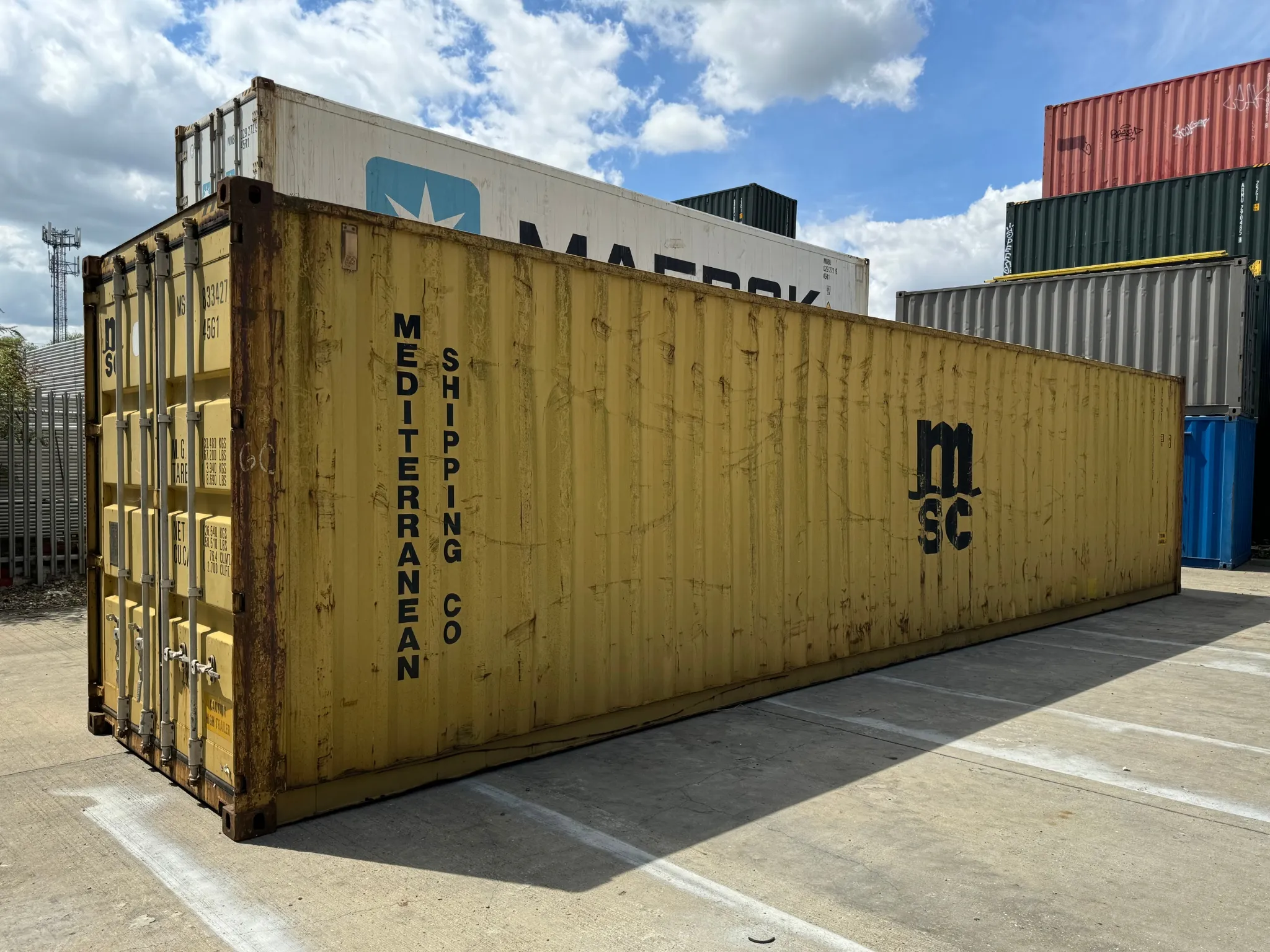
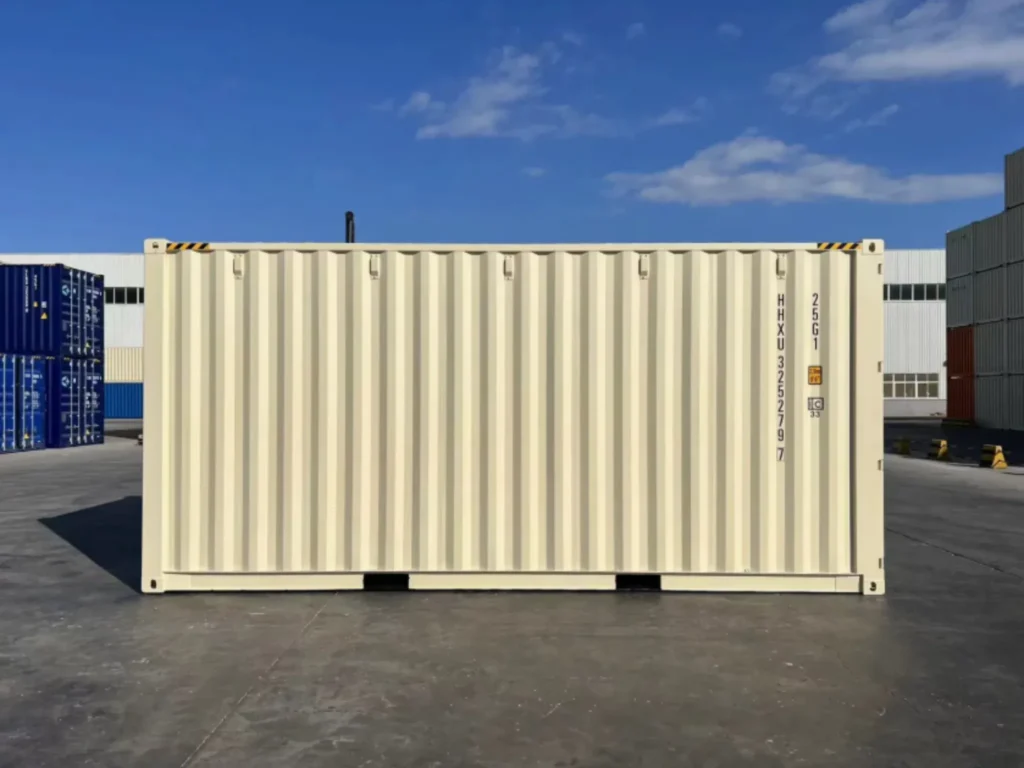
A shipping container can last anywhere from 10 to 40+ years depending on its condition, how it is used, and how well it is maintained. New one-trip shipping containers can last around 40 years in static storage, while used shipping containers typically last a further 10–15 years once retired from shipping, with regular maintenance.
The Average Lifespan of a Shipping Container
Shipping containers are built from Corten steel, also known as weathering steel. This material is designed to withstand salt air, heavy loads, and constant handling during global transport.
That strength is why containers last far longer than most people expect.
Typical lifespan ranges are:
- New (one-trip) shipping containers: up to 40 years in storage use
- Used shipping containers: 10–15 years in shipping, then another 10–15 years as site storage
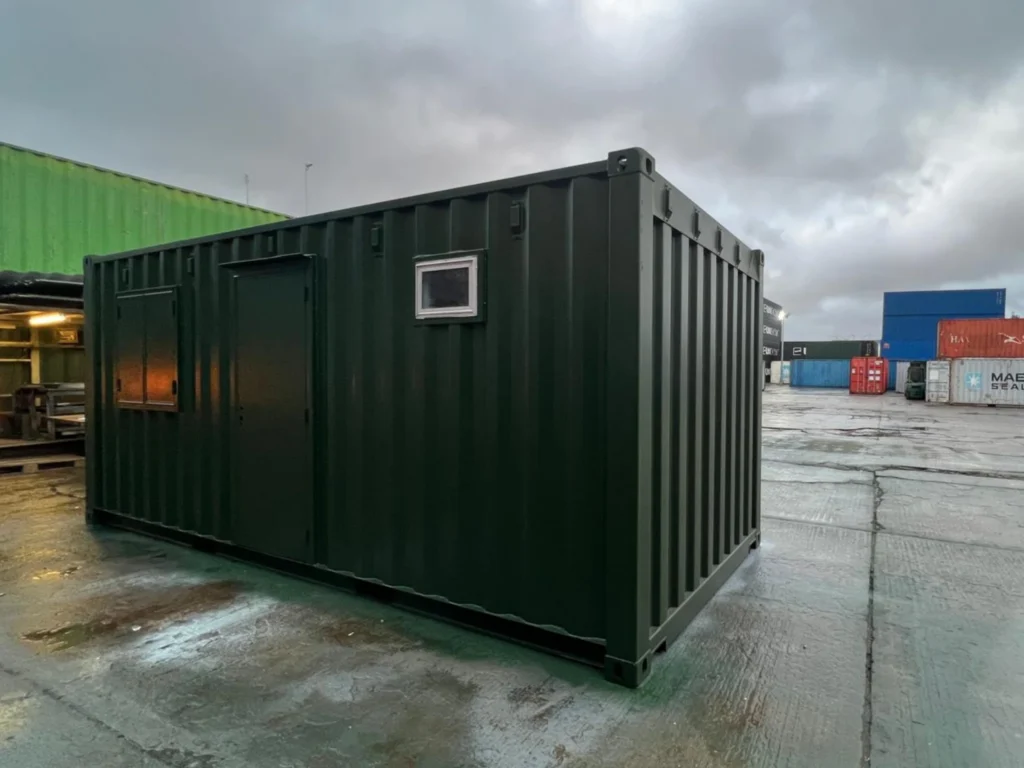
- Converted containers: often 35–50 years when properly maintained
Once a container is removed from active shipping and used as secure storage, its rate of wear slows dramatically.
New vs Used Containers: How Lifespan Differs
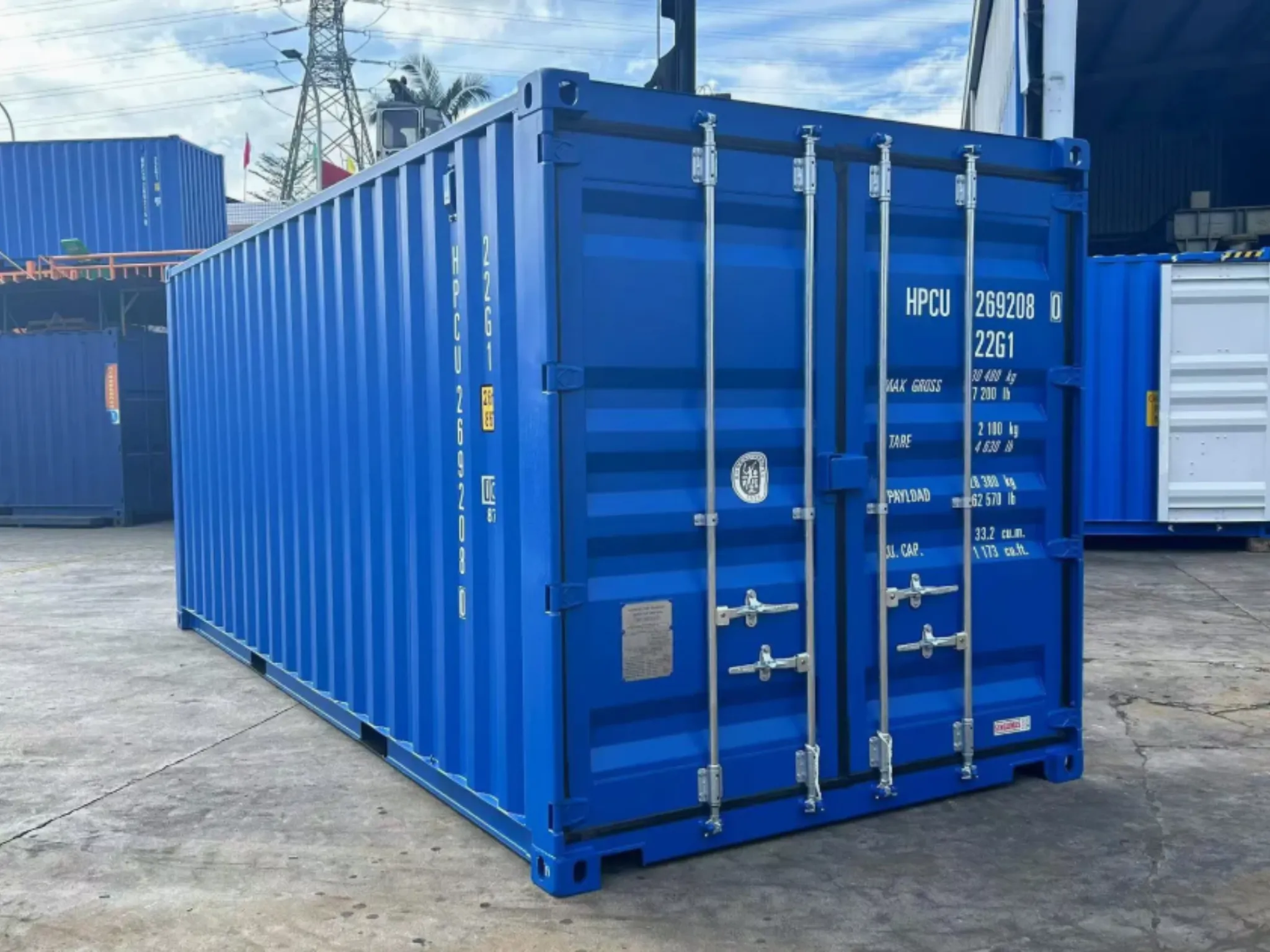
New (One-Trip) Shipping Containers
A one-trip container has made a single journey from the factory, usually in China, to the UK with cargo inside. It has avoided years of harsh sea conditions and repeated handling.
Because of this:
- Structural wear is minimal
- Doors and seals last much longer
- Corrosion risk is significantly lower
With basic care, a one-trip container is the longest-lasting option for buyers planning long-term use.
Used Shipping Containers
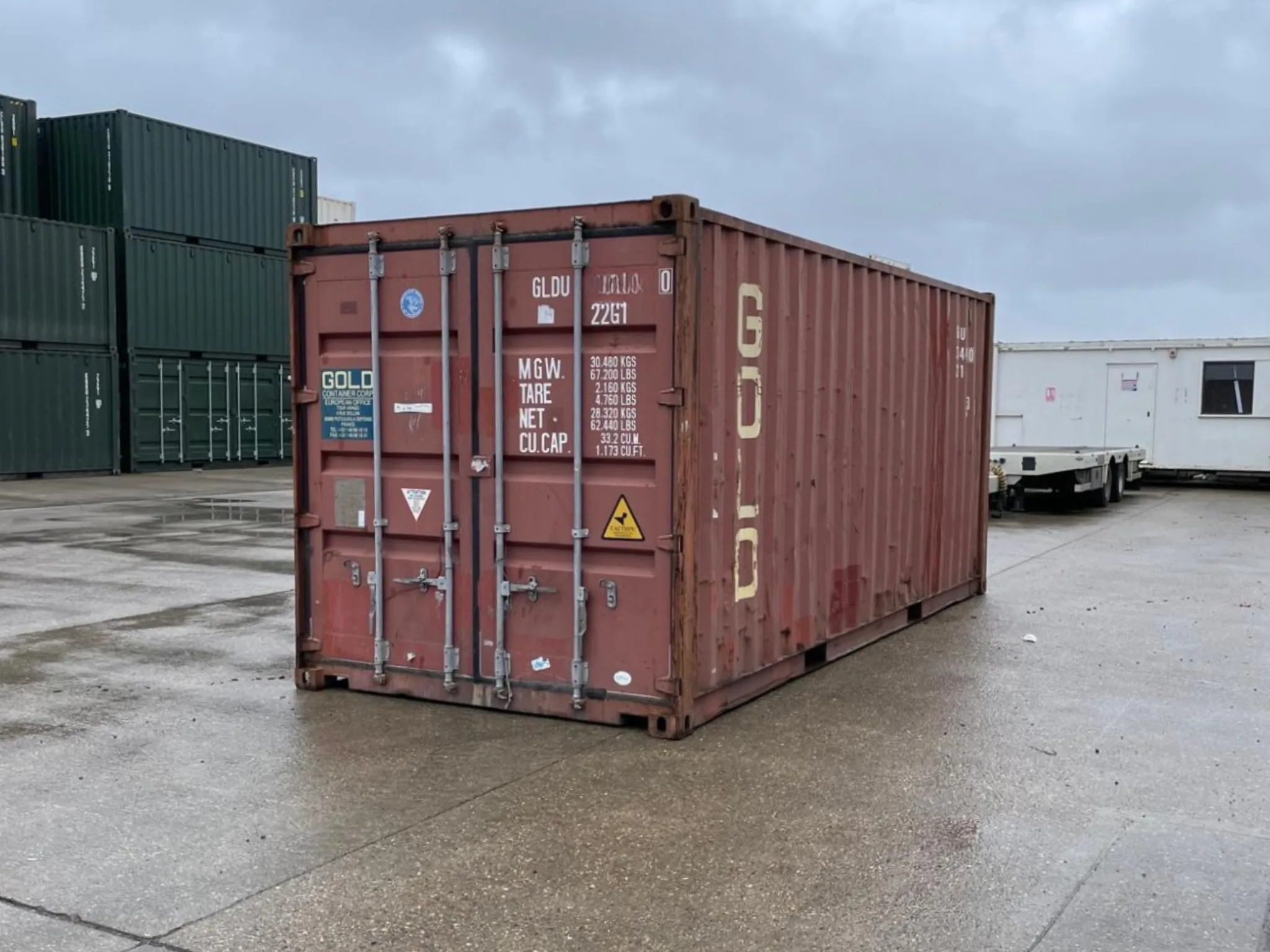
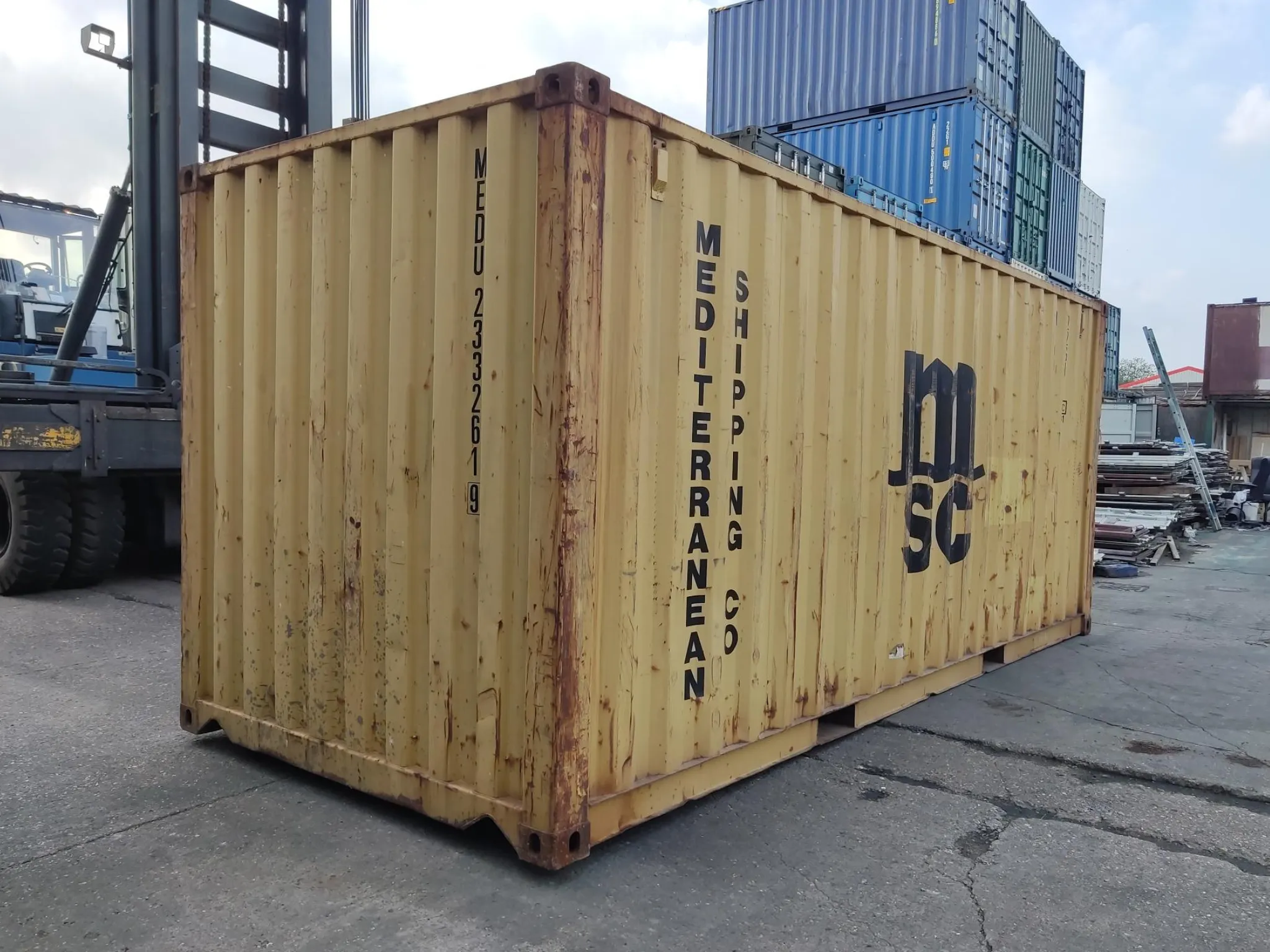
Used containers have typically spent 10–15 years in active shipping service before being sold for storage.
They will show:
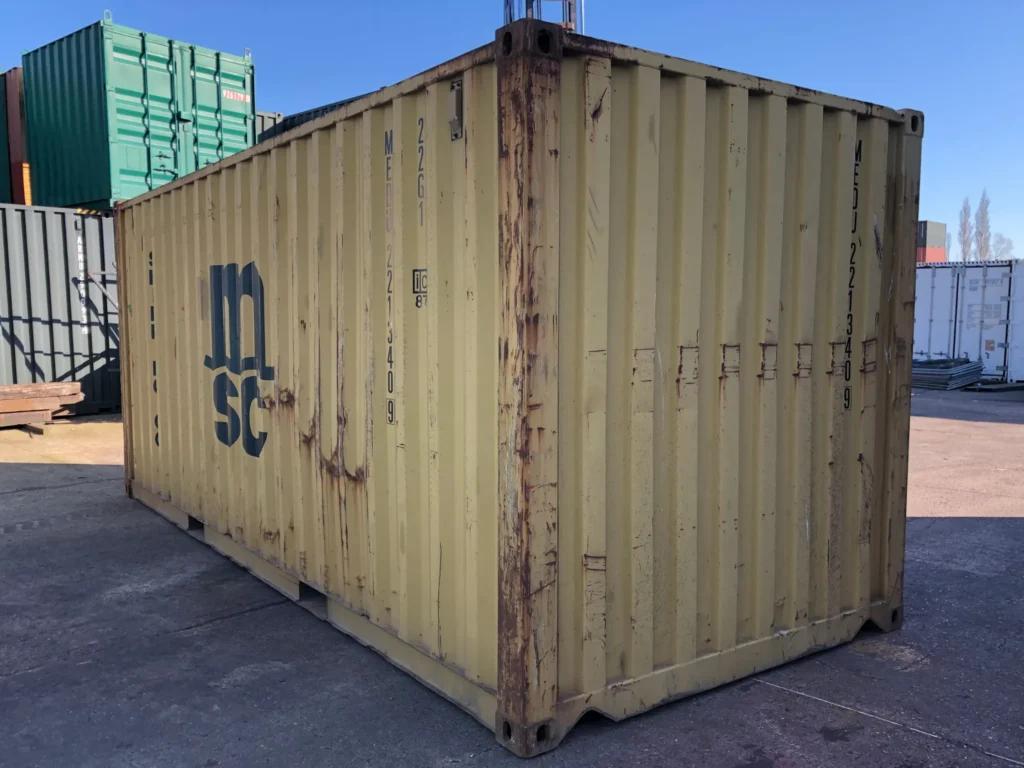
- Dents and scrapes
- Surface rust
- Cosmetic wear
However, if sold as wind and watertight, they are still structurally sound and capable of lasting another decade or more in static storage.
This makes them a popular option when buyers want affordable shipping containers UK-wide.
What Shortens the Life of a Shipping Container?
Several factors have a major impact on how long a container lasts.
How the Container Is Used
Containers used for shipping are constantly lifted, stacked, and moved. Containers used for storage usually remain static, which dramatically extends their lifespan.
Ground Conditions
Poor foundations are one of the fastest ways to damage a container. Uneven or soft ground can cause twisting, which leads to door problems and structural stress.
Environment
Exposure to:
- Salt air
- Standing water
- Extreme heat or cold
- Direct sunlight
will accelerate corrosion and paint breakdown.
Damage and Neglect
Small dents, chipped paint, and untreated rust can quickly become serious problems if ignored.
How to Make a Shipping Container Last Longer
Good maintenance makes a huge difference.
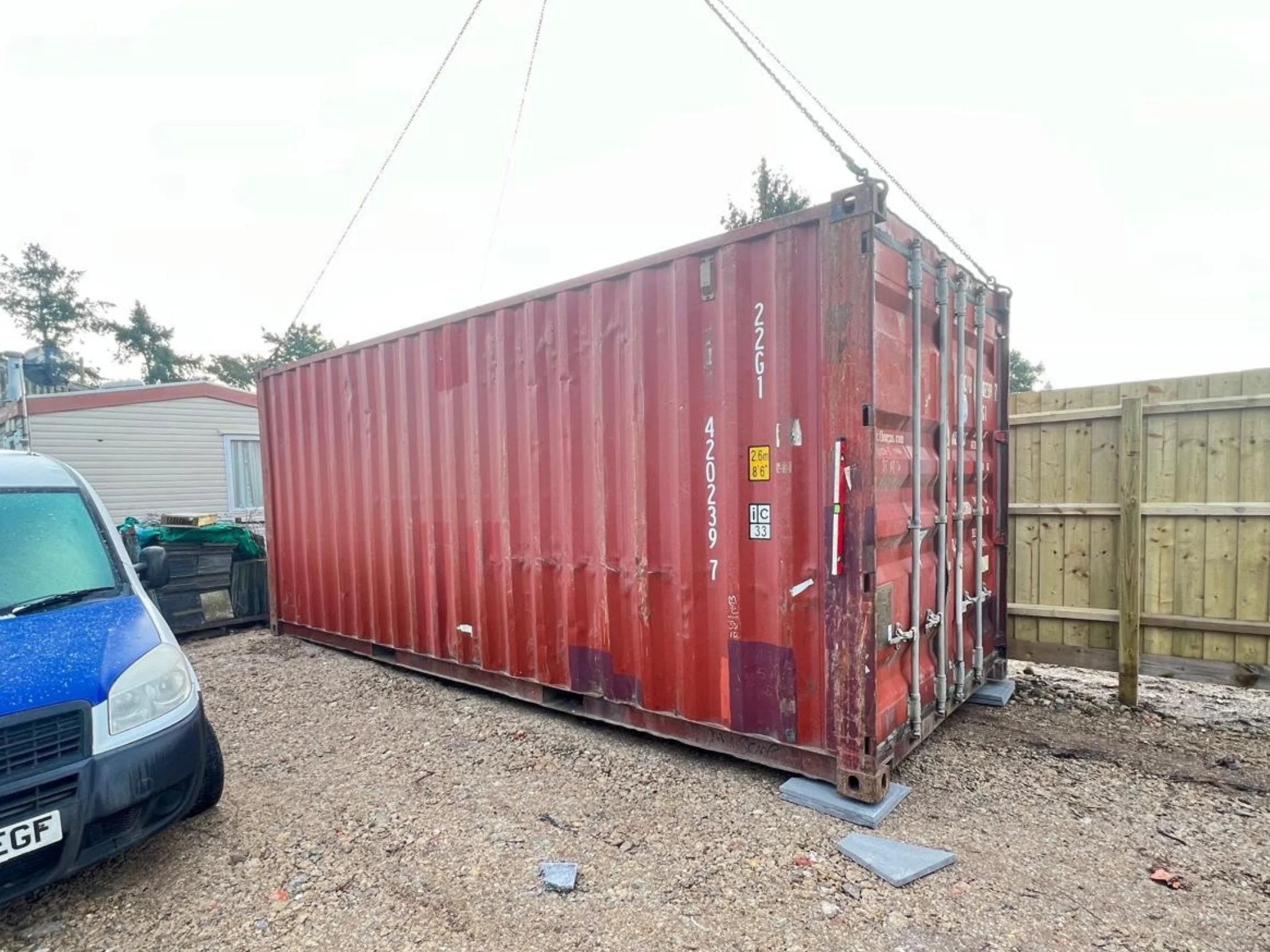
Raise the Container Off the Ground
Place containers on concrete pads, sleepers, or steel feet to prevent moisture from attacking the base.
Control Moisture and Condensation
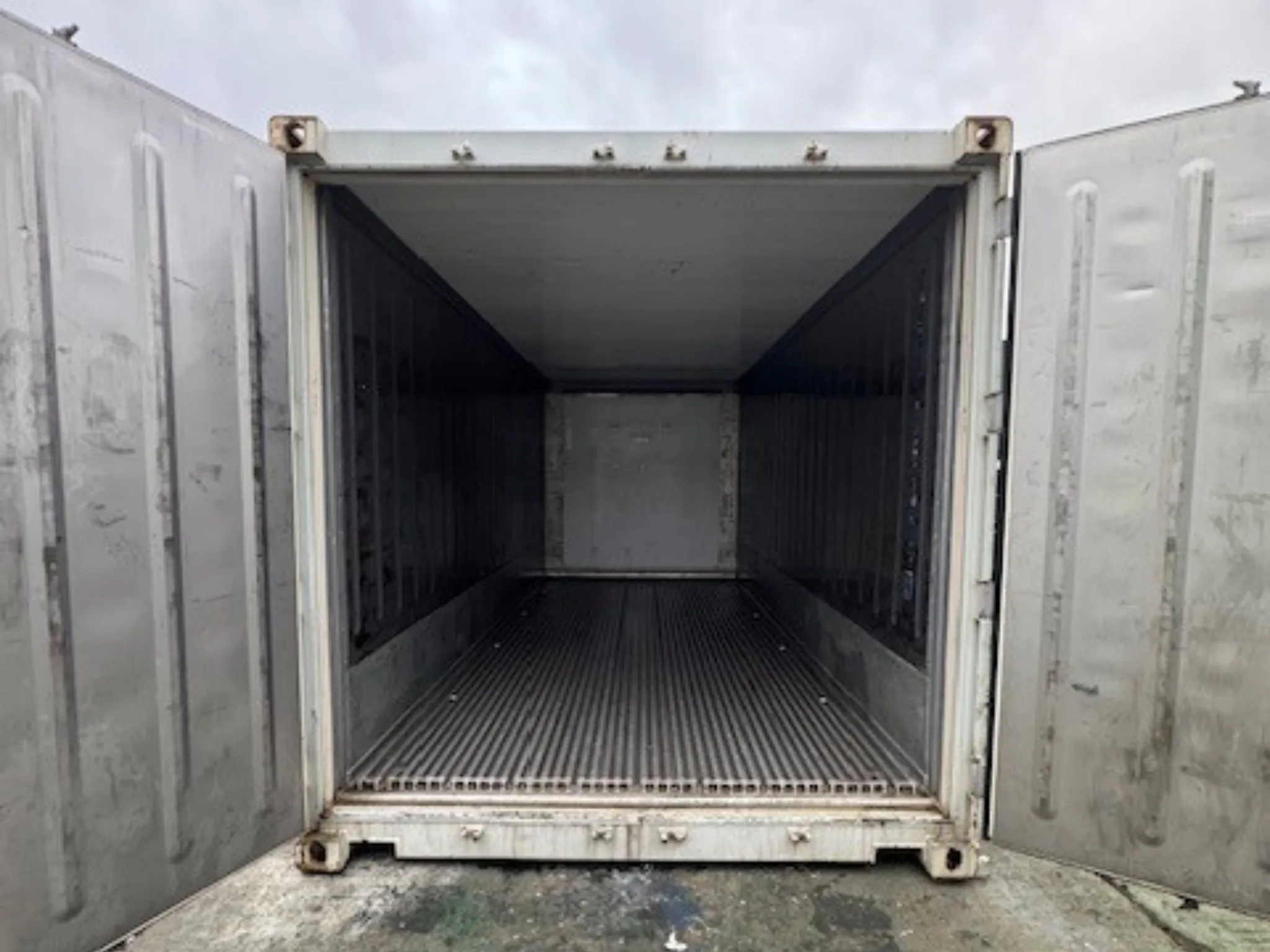
Ventilation is essential. Containers naturally trap moisture, which can cause internal condensation known as “container rain”.
Inspect and Treat Rust Early
Surface rust is normal and easy to manage. Remove it early with a wire brush or sanding, then repaint with suitable container paint.
Keep Doors and Seals Maintained
Lubricate hinges and locking bars regularly. Replace worn door seals to maintain wind and watertight integrity.
Keep the Roof Clear
Container roofs are not designed for weight. Remove debris and standing water to prevent leaks.
Do Converted Containers Last Longer?
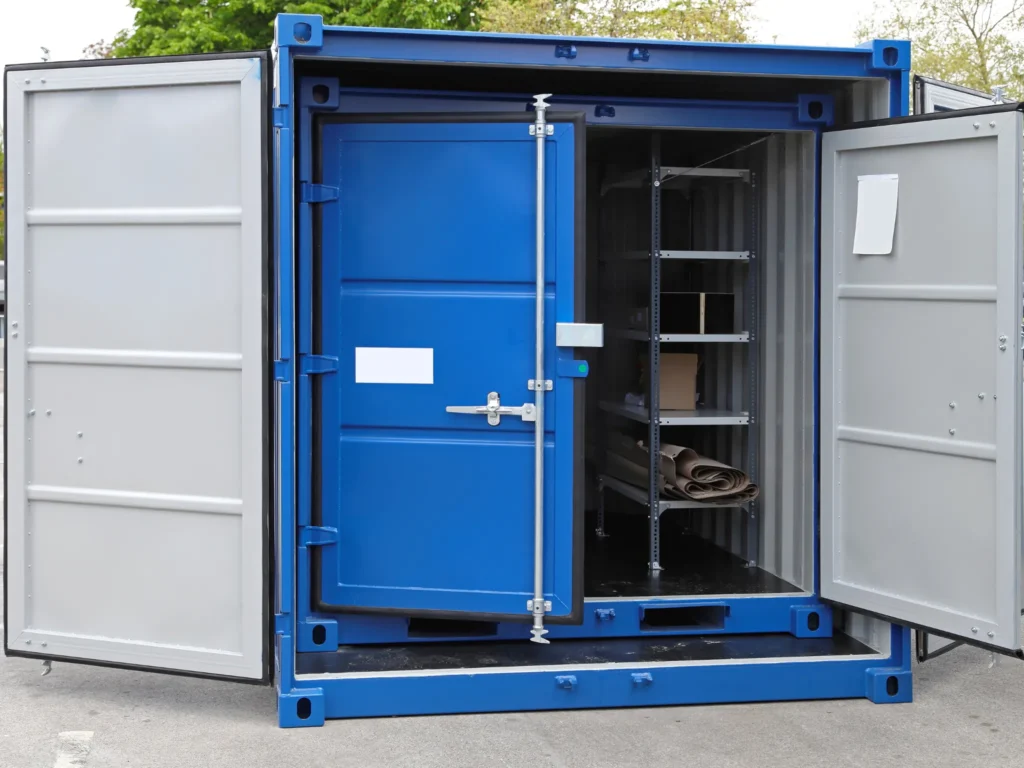
Converted containers can last just as long, or longer, than standard storage containers.
When insulation, cladding, electrics, and ventilation are added correctly, the steel shell is better protected from the elements. This is why containers used as offices, workshops, or accommodation can last 40–50 years with proper upkeep.
For this reason, high-quality donor containers are always recommended for container conversions.
When Is a Container at the End of Its Life?
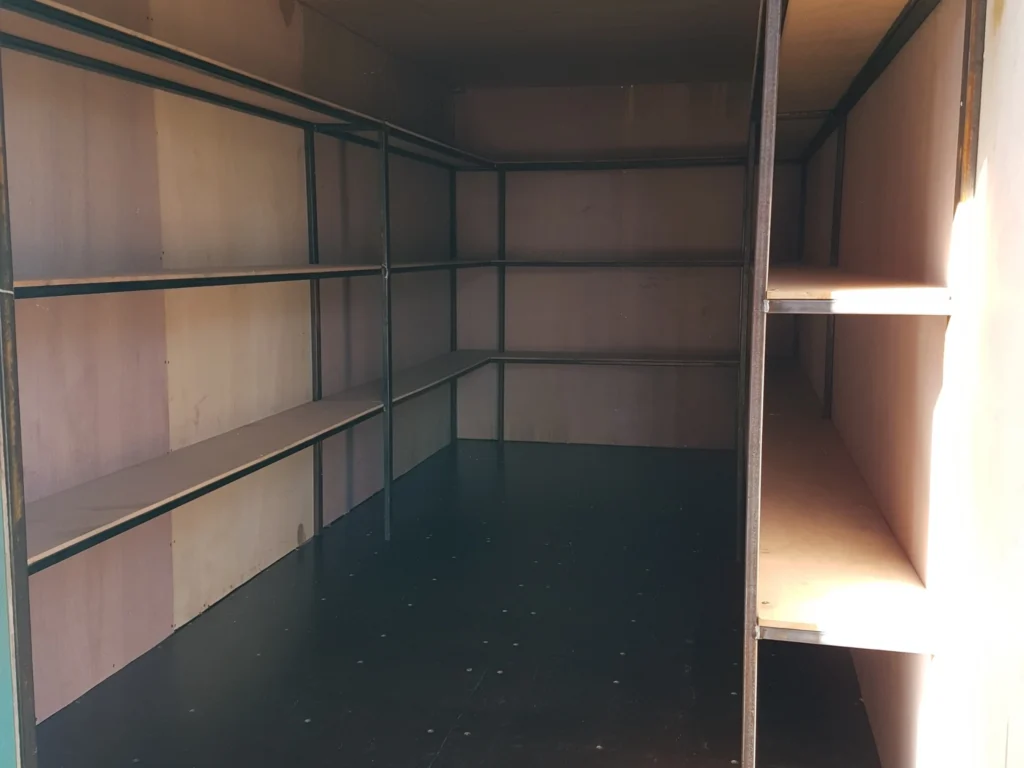
A container is usually beyond economical repair when you see:
- Deep corrosion or holes in the steel
- Severe twisting or bowing
- Roof collapse or structural failure
- Doors that no longer align even after re-levelling
At this stage, recycling is often the best option, as containers are almost entirely steel.
Why Buying the Right Container Matters
The lifespan of a shipping container is heavily influenced by its starting condition.
At Bosh Boxes, containers are supplied with honest grading and clear advice, helping buyers choose between new and used shipping containers based on how long they need the container to last.
Buyers benefit from:
- Quality-checked containers
- Clear expectations on lifespan
- Advice on foundations and maintenance
- Nationwide container delivery UK-wide
- Containers suitable for storage or custom container builds
Choosing the right container upfront saves money long term.

The Bottom Line
Shipping containers are designed to last decades. A new one-trip shipping container can last up to 40 years in storage use, while a used container can still provide 10–15 years of reliable service with proper care.
With correct siting, ventilation, and maintenance, shipping containers remain one of the most durable and cost-effective storage solutions available.
For expert advice on choosing the right container for your needs, contact Bosh Boxes today — your trusted UK supplier of new and used shipping containers, delivered the Bosh Boxes Way.