Flat pack containers and standard shipping containers both provide secure steel storage, but they are designed for very different situations. Choosing the wrong option can lead to delivery issues, unnecessary costs, or a container that simply does not suit the site.
This guide breaks down the real differences between flat pack containers and standard shipping containers, covering delivery, access, security, storage, conversions, sizes, and cost, so you can make the right decision first time.
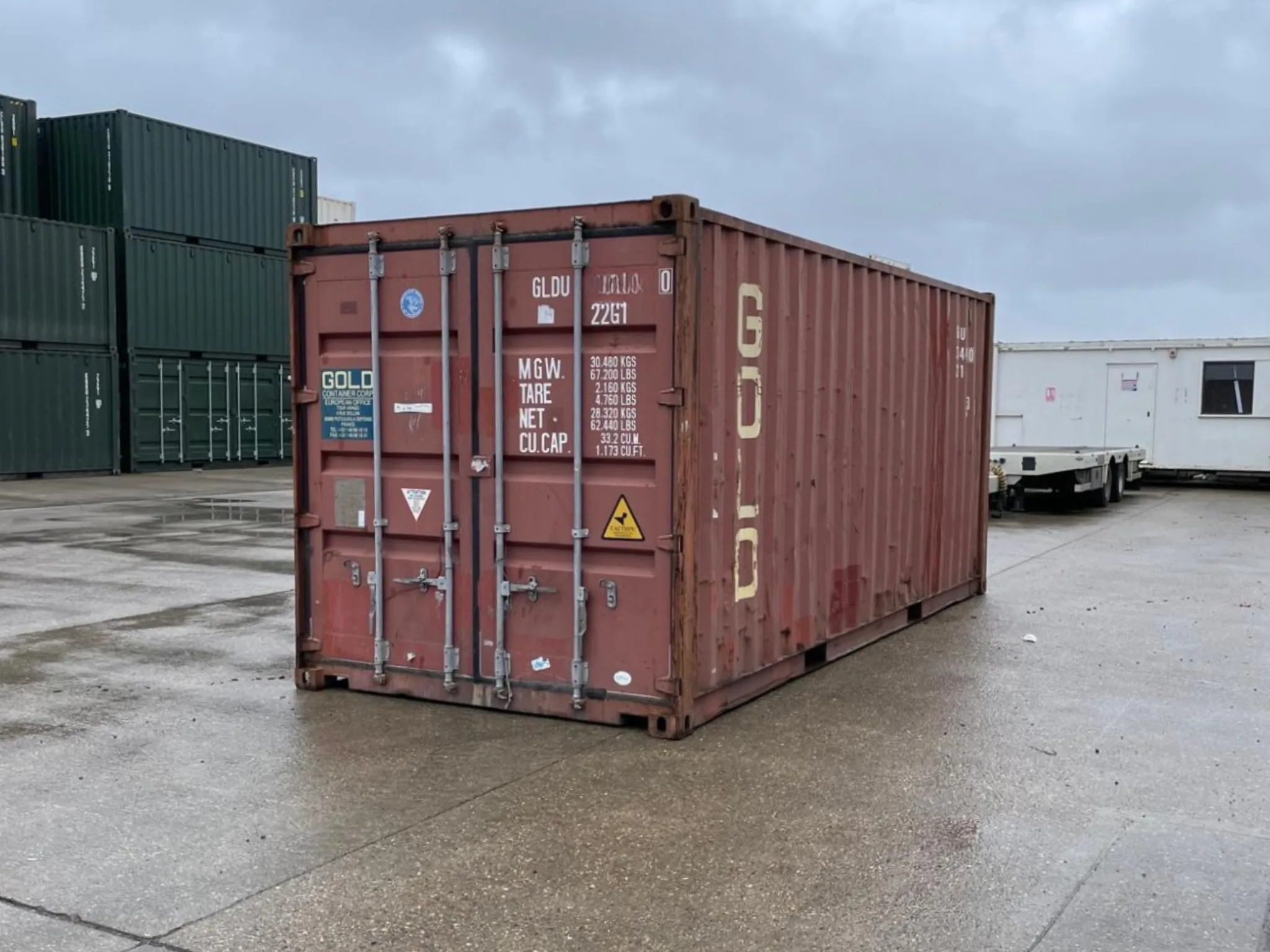
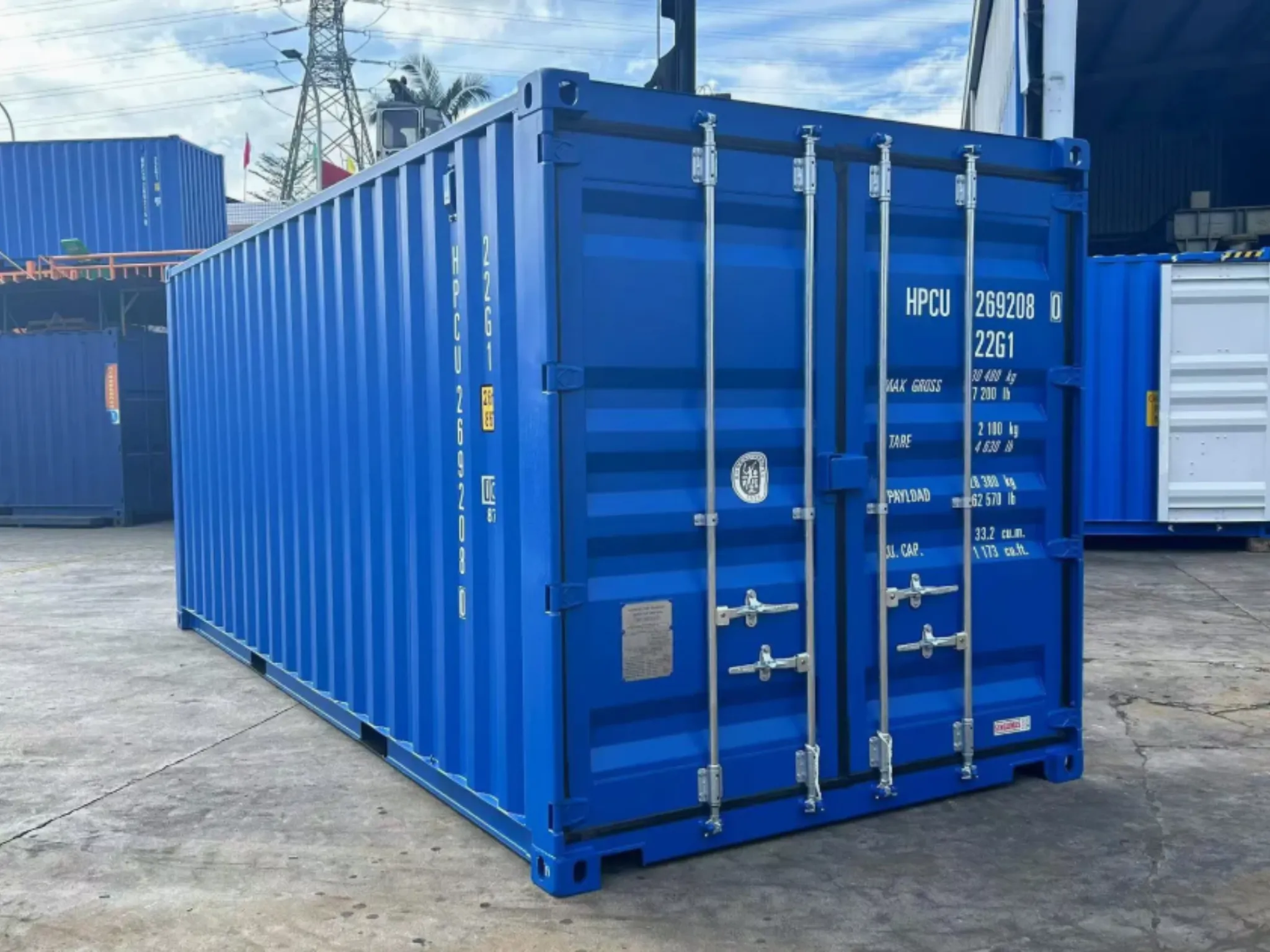
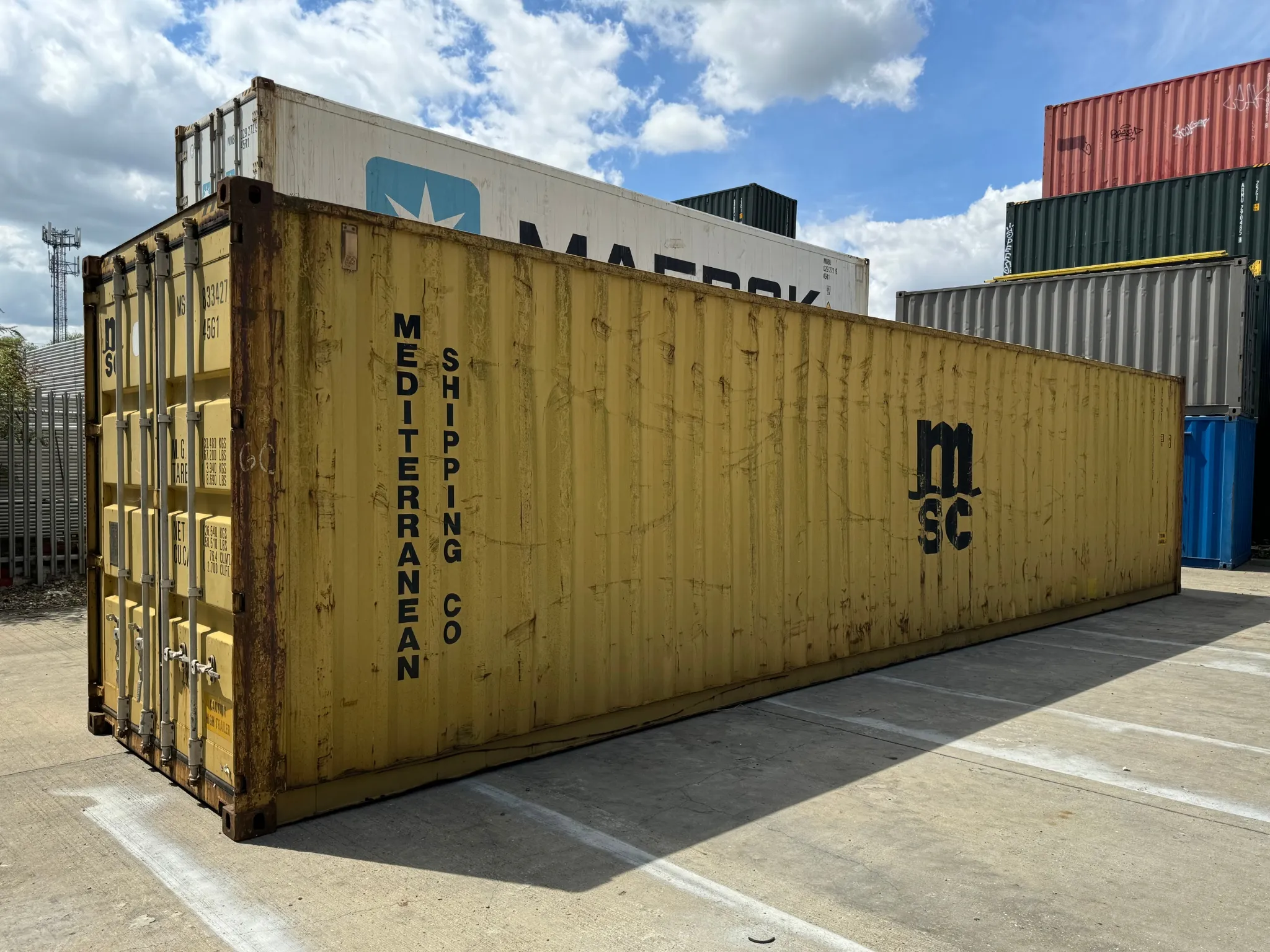
What Is a Standard Shipping Container?
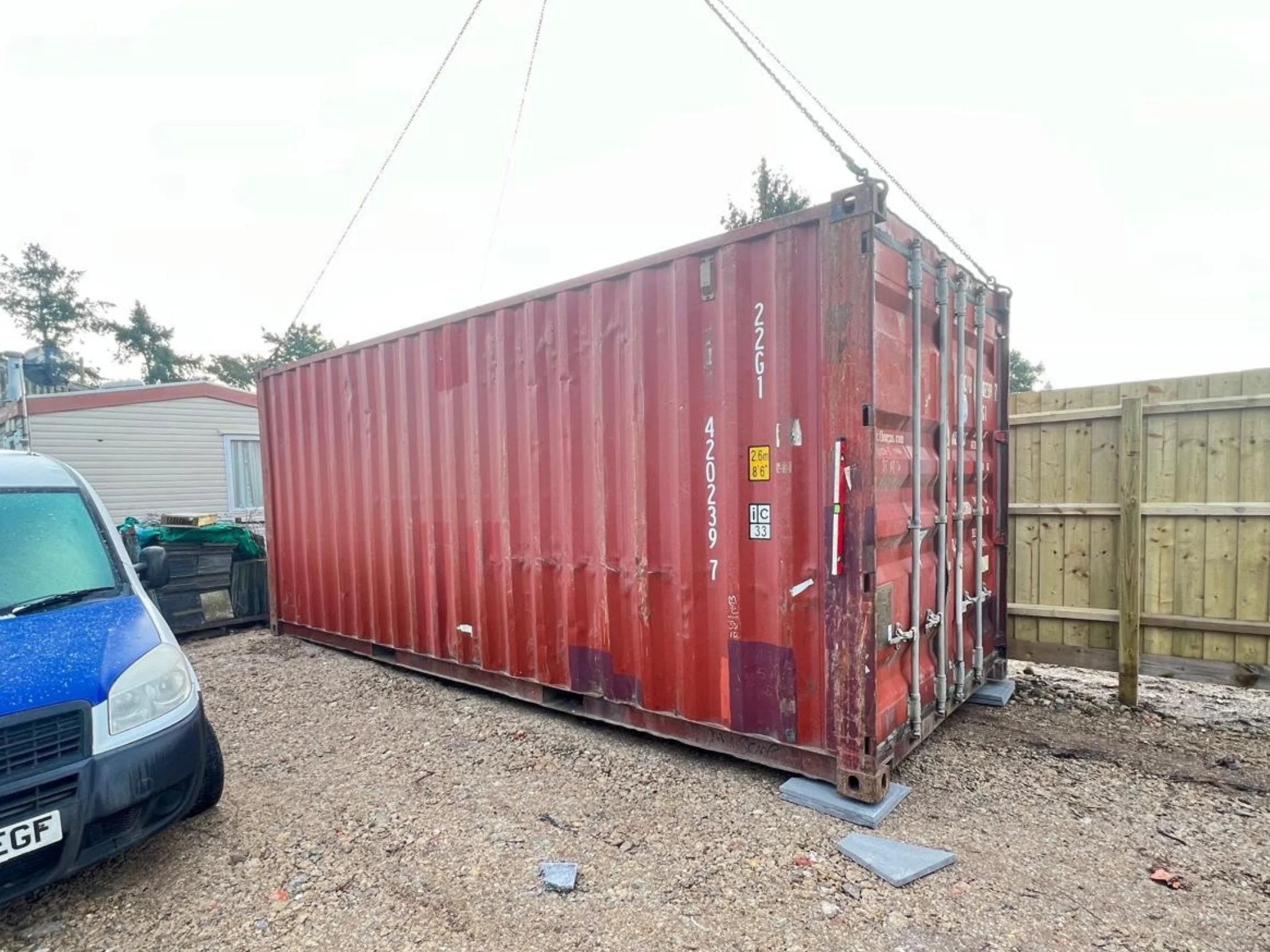
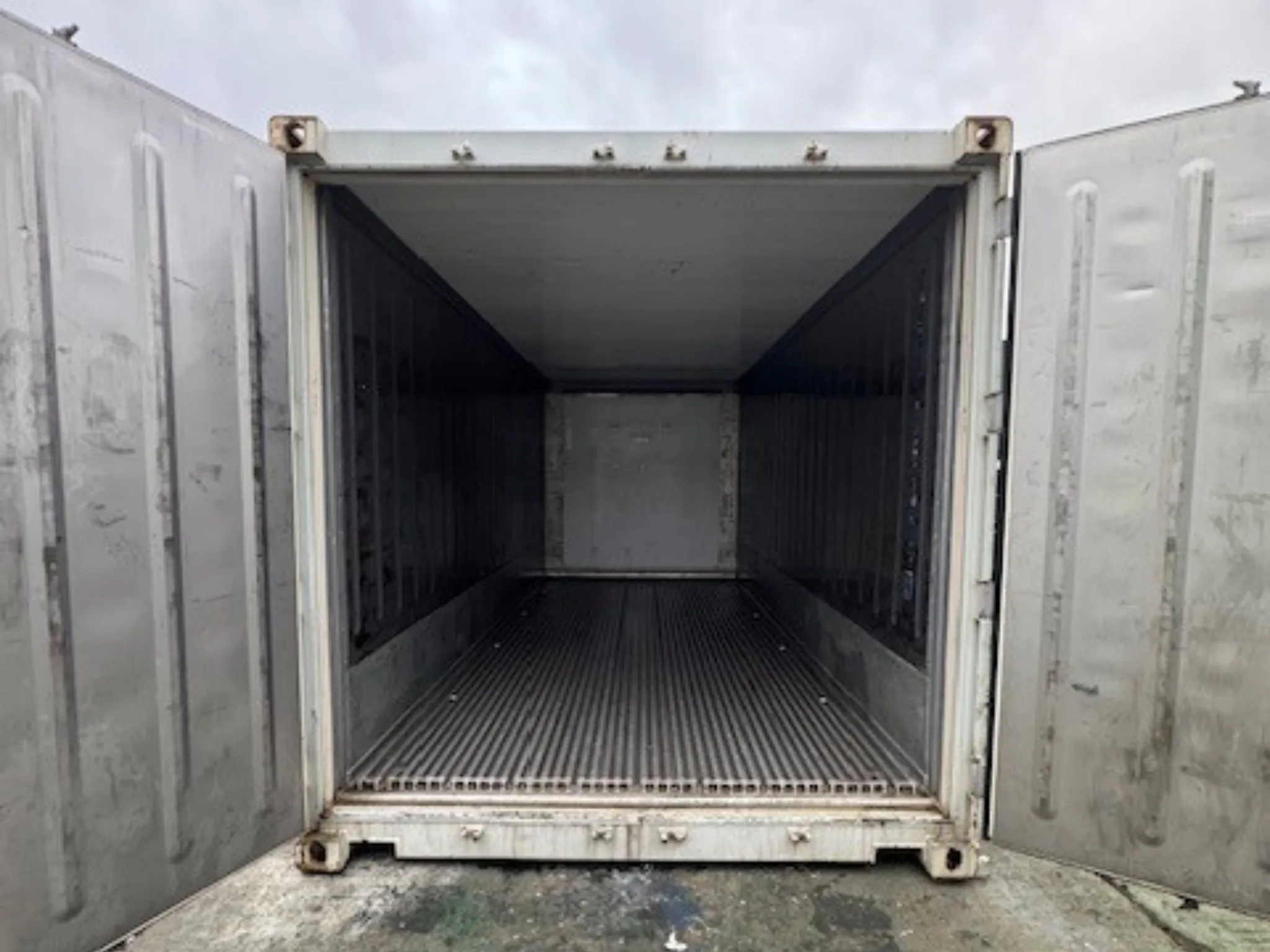
A flat pack container is a modular storage unit delivered in individual panels rather than as a fully assembled coA standard shipping container is a fully welded steel unit, typically 20ft or 40ft long, manufactured from corten steel and designed for global freight transport.
Key characteristics:
- Delivered fully assembled
- Extremely strong and durable
- Wind and watertight
- Designed to be lifted by cranes or HIABs
- Commonly used for storage, conversions, and transport
Shipping containers are the most recognised container type in the UK and are widely used for both domestic and commercial purposes.

What Is a Flat Pack Container?
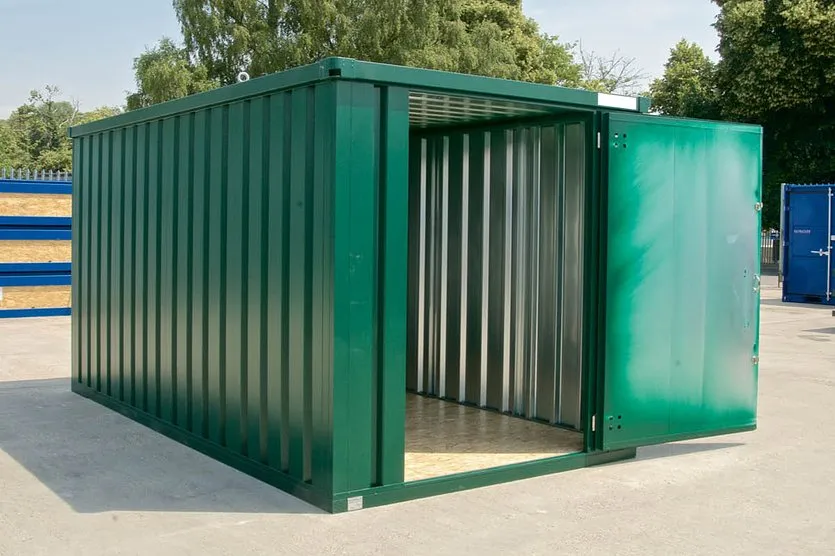
Flat A flat pack container is a modular container delivered in individual panels and assembled on site. These units are designed for locations where access is restricted or where a full shipping container delivery is impractical.
Key characteristics:
- Delivered flat in sections
- Assembled on site with hand tools
- Made from galvanised steel
- Can be dismantled and relocated
- Ideal for tight or awkward locations
Flat pack containers are a practical alternative where traditional containers cannot be delivered.
Delivery and Access: The Biggest Difference
Standard Container Delivery
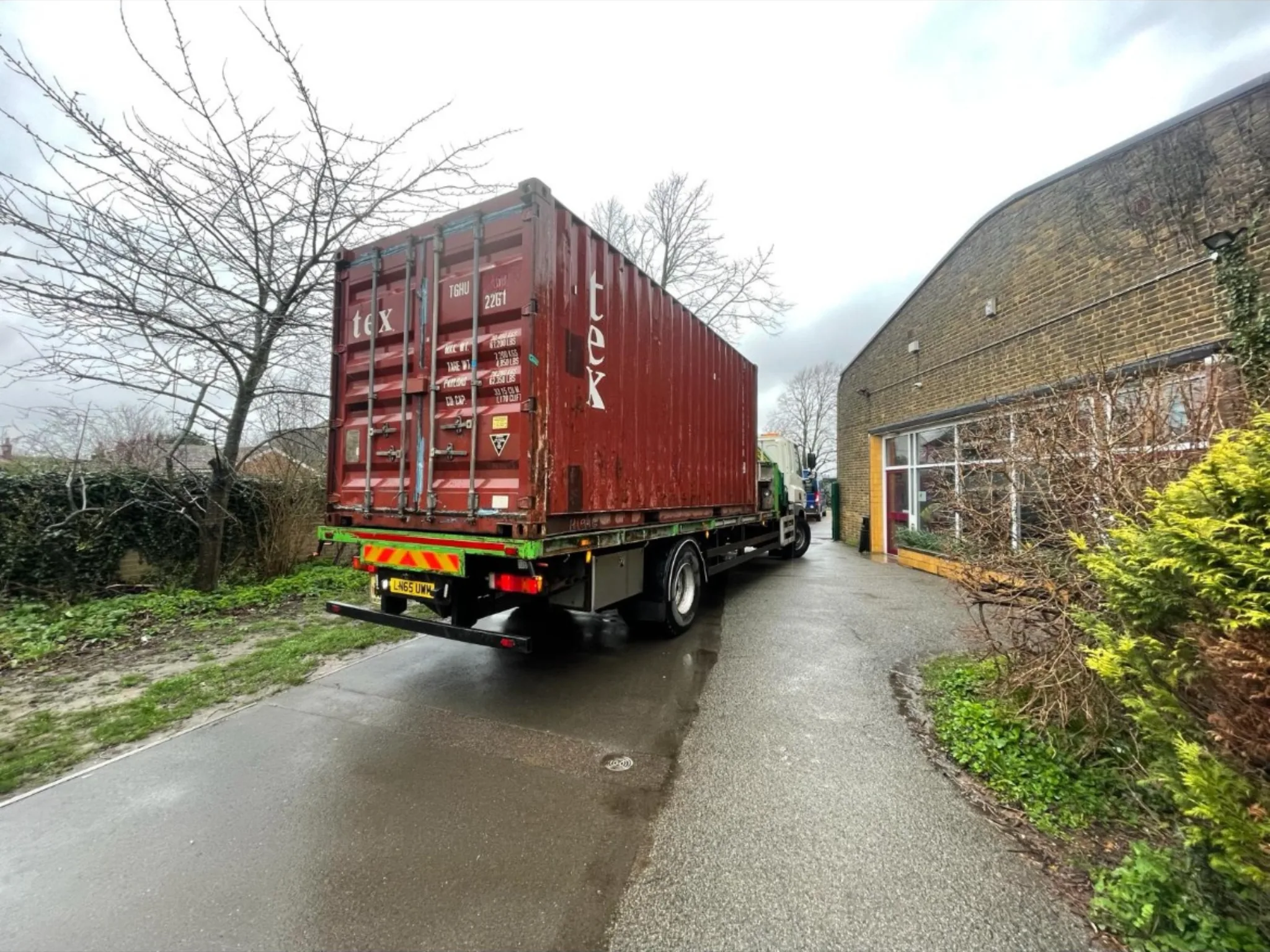
Standard shipping containers are delivered using HIAB trucks.
Delivery requirements include:
- Clear vehicle access
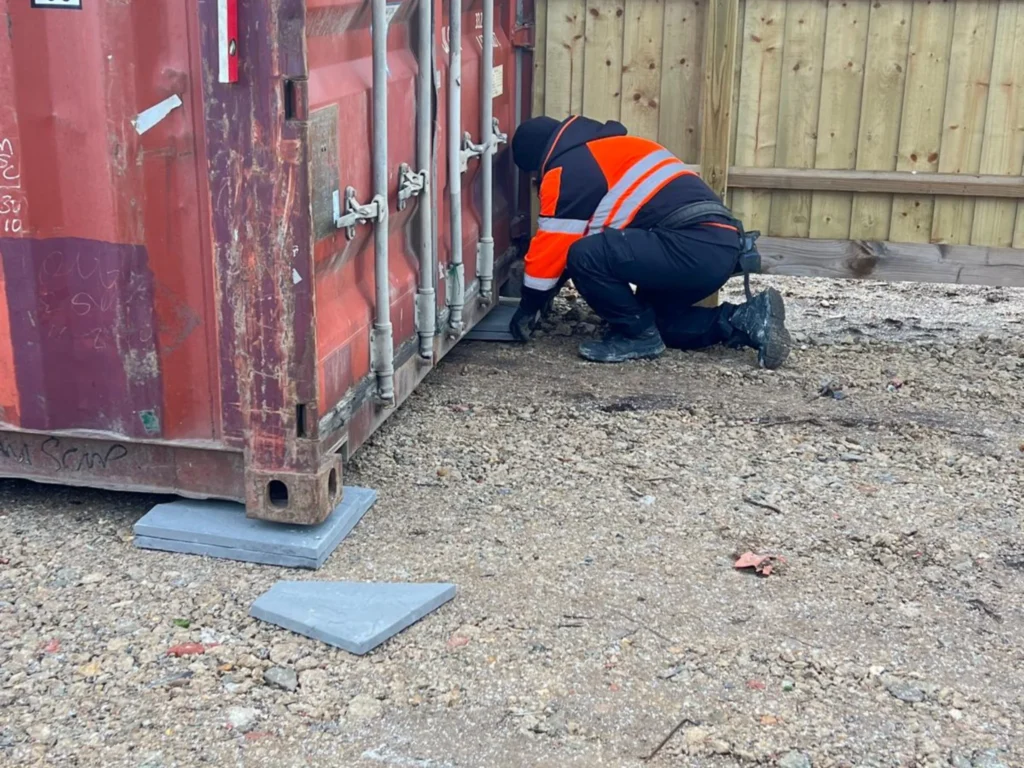
- Solid, level ground
- Space beside the vehicle to offload
- Sufficient overhead clearance
This works well for:
- Industrial estates
- Yards
- Farms
- Construction sites
- Car parks
However, delivery can be difficult or impossible for:
- Residential gardens
- Narrow access roads
- Soft ground
- Confined urban sites
Flat Pack Container Delivery
Flat pack containers are far more flexible.
They can be:
- Delivered kerbside
- Transported on flatbeds or trailers
- Carried by hand to final position
- Assembled exactly where needed
This makes flat pack containers ideal for:
- Gardens
- Courtyards
- Schools
- Sites with restricted access
- Areas where cranes or HIABs cannot operate
If access is tight, flat pack containers usually win.
Storage Use Comparison
Shipping Containers for Storage
Shipping containers offer:
- Maximum security
- High load capacity
- Full wind and watertight protection
- Excellent long-term durability
They are often over-engineered for domestic storage but ideal for:
- Tools and machinery
- Long-term outdoor storage
- High-value items
- Commercial and industrial use
Flat Pack Containers for Storage
Flat pack containers provide:
- Strong galvanised steel construction
- Secure locking systems
- Practical storage for tools and equipment
They are particularly well suited for:
- Garden storage
- Site tool storage
- Bike and equipment storage
- Temporary or relocatable use
While secure, flat pack containers are not designed for the same heavy-duty abuse as shipping containers.

Security and Strength
Standard Containers
- Made from thick corten steel
- Fully welded construction
- Designed to withstand global shipping conditions
- Extremely resistant to forced entry
Flat Pack Containers
- Made from galvanised steel panels
- Bolted construction
- Strong for their intended use
- Suitable for domestic and light commercial storage
For maximum security and heavy-duty use, standard containers are superior.
For practical, everyday storage, flat packs are more than sufficient.
Conversion Potential
Shipping Container Conversions
Shipping containers are the clear winner for conversions.
They can be converted into:
- Offices
- Cafés and kiosks
- Workshops
- Gyms
- Studios
- Retail units
They allow:
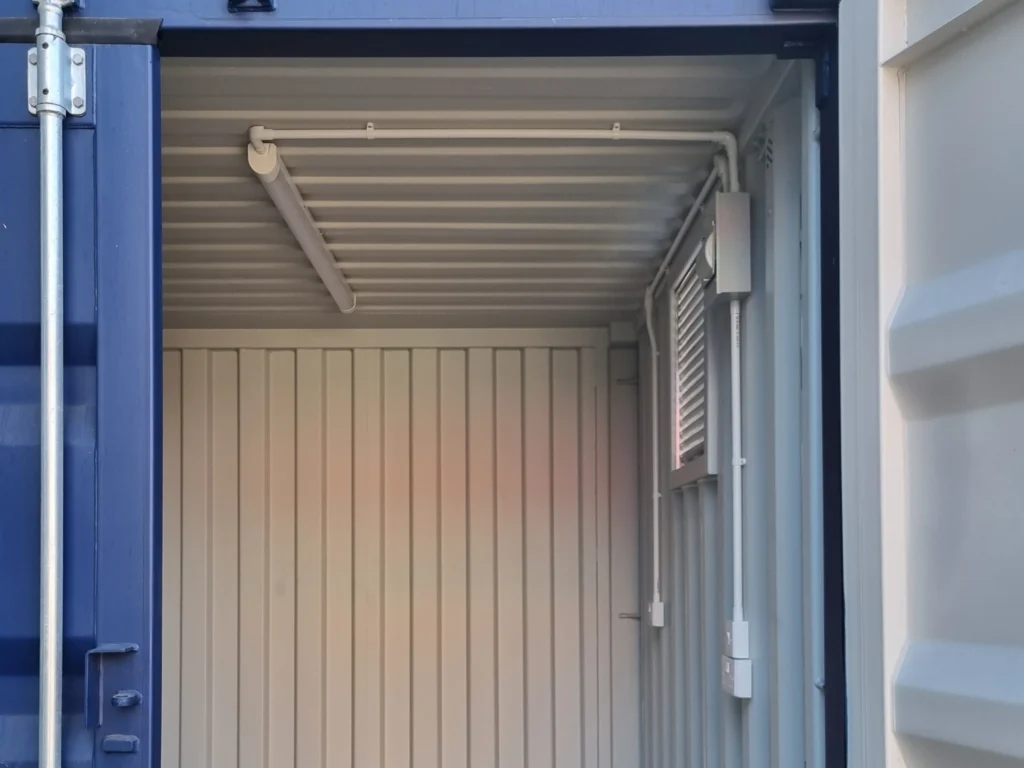
- Cutting doors and windows
- Electrical and plumbing installations
- Insulation and lining
- Full bespoke designs
More info on shipping container conversions can be found here
Flat Pack Containers and Conversions
Flat pack containers are not designed for major structural modification.
However, purpose-built options are available, such as:
- Flat pack offices
- Flat pack kiosks
- Flat pack chemical stores
These are best suited to:
- Budget-conscious projects
- Temporary setups
- Events and festivals
If you want full customisation, shipping containers are the better choice.heaper than full-size shipping containers and often more affordable than sheds with similar security.ents.
Sizes and Scalability
Standard Shipping Containers
- Typically 20ft and 40ft
- Smaller sizes often require cutting down
- Joining containers is possible but complex and costly
Flat Pack Containers
- Commonly available in 2m, 3m, 4m and 6m lengths
- Cost-effective for smaller storage needs
- Units can be linked together easily
- Ideal where modular expansion is needed
For small or modular spaces, flat packs offer better flexibility.
Cost Comparison
In general:
- Flat pack containers are cheaper for small storage solutions
- Shipping containers offer better value for larger, long-term use
Additional costs to consider:
- HIAB delivery for standard containers
- Crane access limitations
- Ground preparation
- Installation or assembly services
Flat packs often reduce total project cost simply by avoiding complex delivery requirements.
Which Should You Choose?
Choose a standard shipping container if you need:
- Maximum security
- Long-term storage
- Heavy-duty use
- Full conversion capability
- Industrial or commercial durability
Choose a flat pack container if you need:
- Restricted access delivery
- Garden or tight-space storage
- Lower upfront cost
- Portability
- Modular or temporary storage
Neither option is universally “better”, the right choice depends entirely on site access, budget, and intended use.
How Bosh Boxes Helps
At Bosh Boxes, we help customers choose the right container for the real-world conditions on their site.
We advise on:
- Access and delivery feasibility
- Flat pack vs standard container suitability
- Storage vs conversion requirements
- Cost-effective container solutions across the UK
Getting the right advice upfront avoids expensive mistakes later.