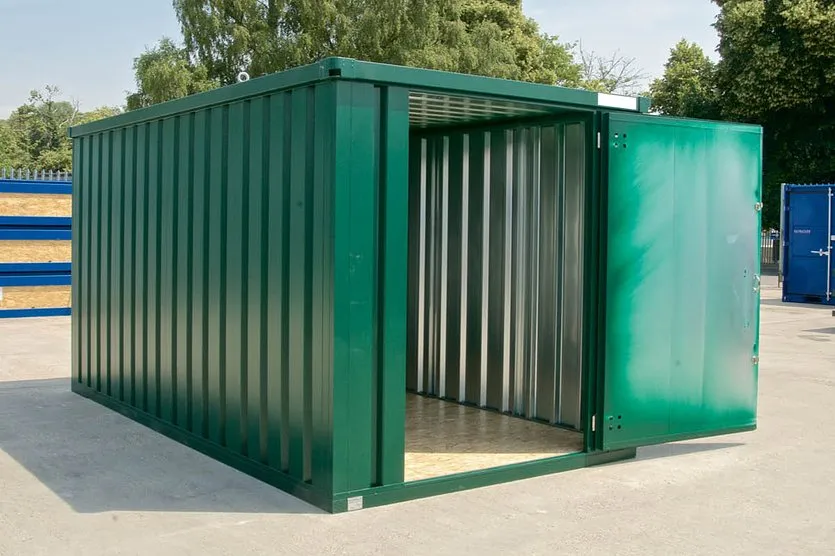
Flat pack containers have become a popular alternative to traditional shipping containers where access is restricted, space is limited, or heavy lifting equipment simply is not practical. They offer strong, secure storage while being easier to deliver, assemble, and relocate than full-size ISO containers.
This guide explains what flat pack containers are, how they work, their advantages and limitations, and whether they are the right choice for your site or project.
What Is a Flat Pack Container?
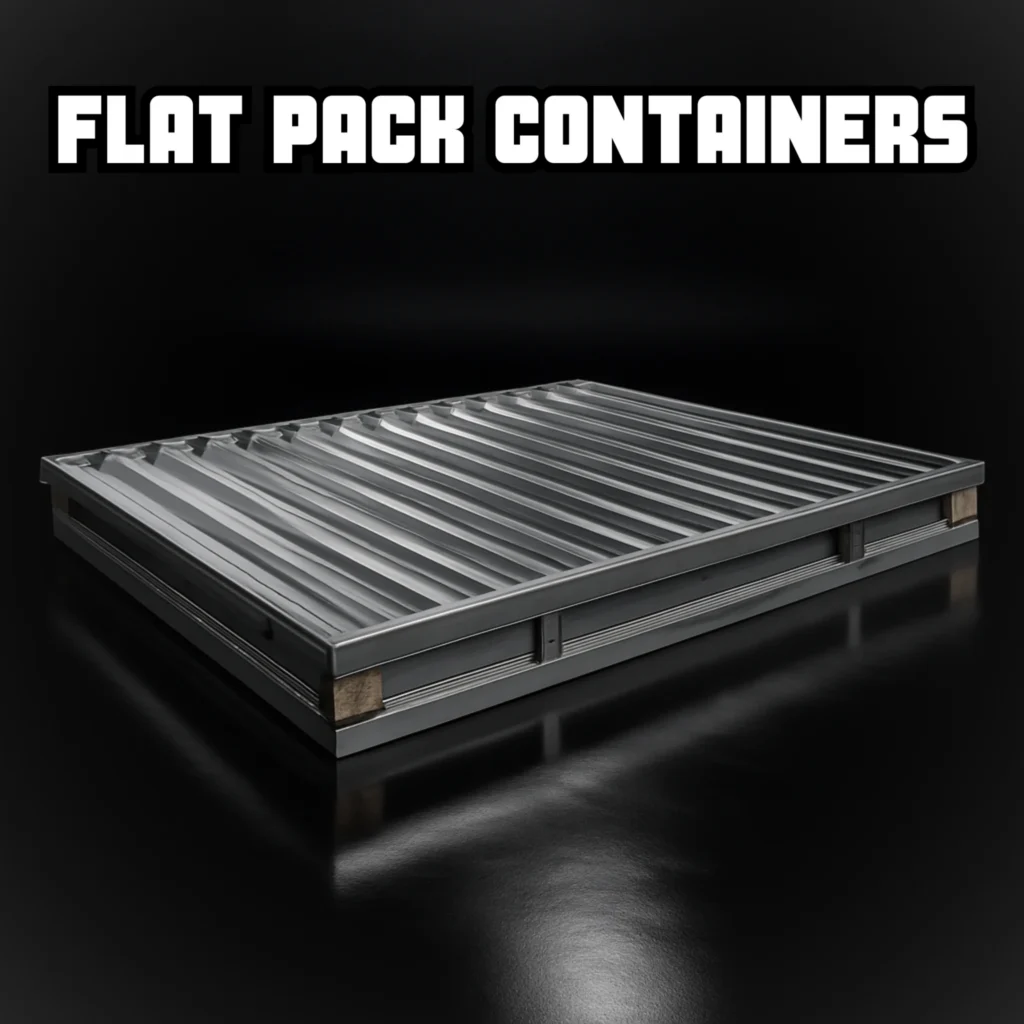
A flat pack container is a modular storage unit delivered in individual panels rather than as a fully assembled container. These panels are bolted together on site to form a secure, enclosed storage space.
Unlike standard shipping containers, flat pack units can be:
- Carried through restricted access routes
- Assembled by hand without cranes or HIABs
- Dismantled and relocated when required
Once erected, a flat pack container provides robust, anti-vandal storage suitable for tools, equipment, stock, or site materials.
Common Types of Flat Pack Containers
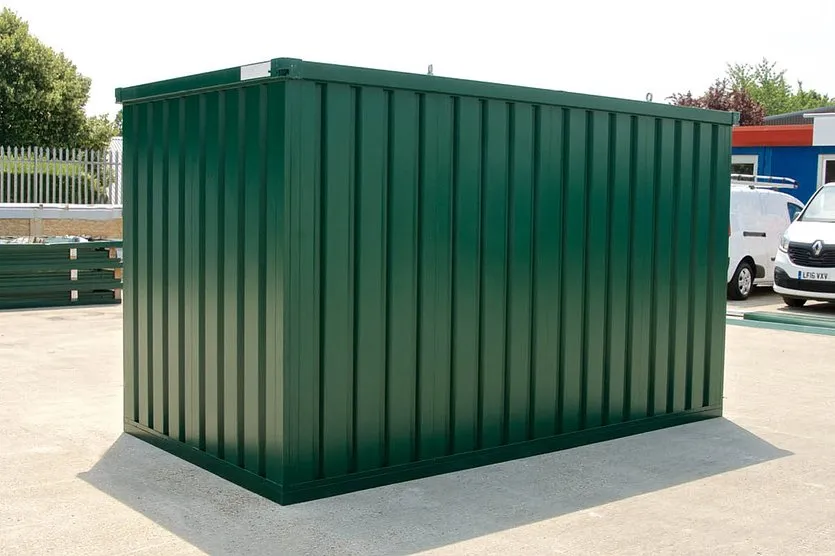
Flat pack containers are available in several configurations to suit different uses, including:
- Flat pack storage containers
- Flat pack site offices
- Flat pack chemical stores (COSHH compliant)
- Flat pack bike stores
- Flat pack insulated stores
- Flat pack pop-up shops
Their modular design means units can also be linked together side by side or end to end to create larger storage spaces as requirements grow.
Typical Flat Pack Container Sizes
Most flat pack containers are supplied in compact, space-efficient sizes:
| Length | Width | Height |
|---|---|---|
| 2m | approx. 2.1m | approx. 2.1m |
| 3m | approx. 2.1m | approx. 2.1m |
| 4m | approx. 2.1m | approx. 2.1m |
Because they are modular, additional units can be added later without replacing the original container.
How Flat Pack Containers Are Assembled
Flat pack containers are designed for fast, simple assembly.
- Panels slot together and are secured with bolts
- Typically assembled by 2 to 4 people
- Basic hand tools only (socket set and screwdriver)
- Assembly time can be as little as 1–2 hours
Despite being lightweight in individual sections, once assembled they form a rigid and secure structure.

Build Quality and Design Features
Modern flat pack containers are far more robust than many people expect.
Common construction features include:
- Heavy-duty galvanised steel wall and roof panels
- OSB or steel internal flooring
- Industrial-grade hinges and locking systems
- Dual locking points on doors
- Designed ventilation gaps to reduce condensation
- Roof drainage points to manage rainwater
- Optional shelving slots and lifting eyes
These details make flat pack containers suitable for real-world site use, not just light domestic storage.
Pros of Flat Pack Containers
Flat pack containers offer several clear advantages over traditional containers and sheds.
Easy Access and Delivery
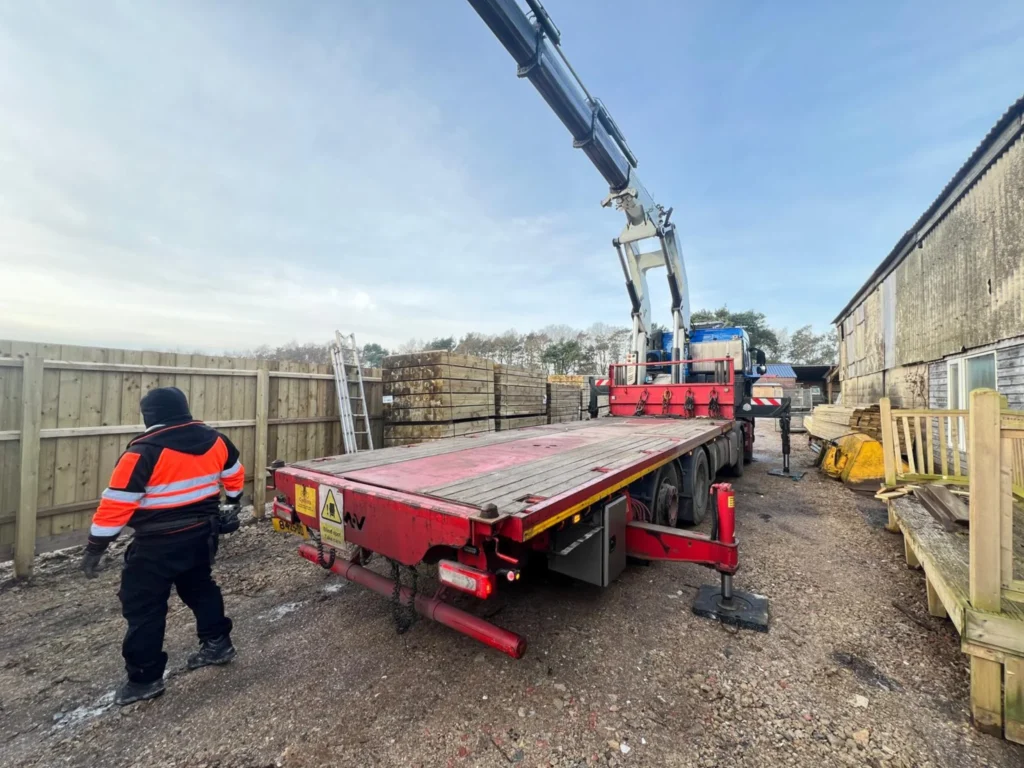
Because they are delivered flat, these containers can reach locations that standard shipping containers cannot, such as:
- Rear gardens
- Narrow access paths
- Courtyards
- Confined construction sites
No crane or heavy lifting vehicle is required.
Fast Assembly
They can be assembled quickly on site, reducing downtime and disruption.
Portable and Relocatable
Units can be dismantled and rebuilt elsewhere, making them ideal for temporary or changing sites.
Modular and Expandable
Additional units can be added later as storage needs increase.
Lower Cost
Flat pack containers are typically cheaper than full-size shipping containers and often more affordable than sheds with similar security.
Cons of Flat Pack Containers
Flat pack containers are not a direct replacement for shipping containers in every situation.
Not Fully Wind and Watertight
To allow ventilation, small gaps are designed into the structure. This means they are weather-resistant rather than fully wind and watertight like ISO containers.
Lower Load Capacity
Most flat pack units have a maximum floor load, commonly around 1,000kg evenly distributed.
Lighter Construction
While secure, they are lighter than shipping containers and rely on bolted assembly rather than welded steel.
Security Limitations
Although fitted with strong locks, they are not as resistant to sustained attack as a full corten steel shipping container.
Flat Pack Containers vs Shipping Containers
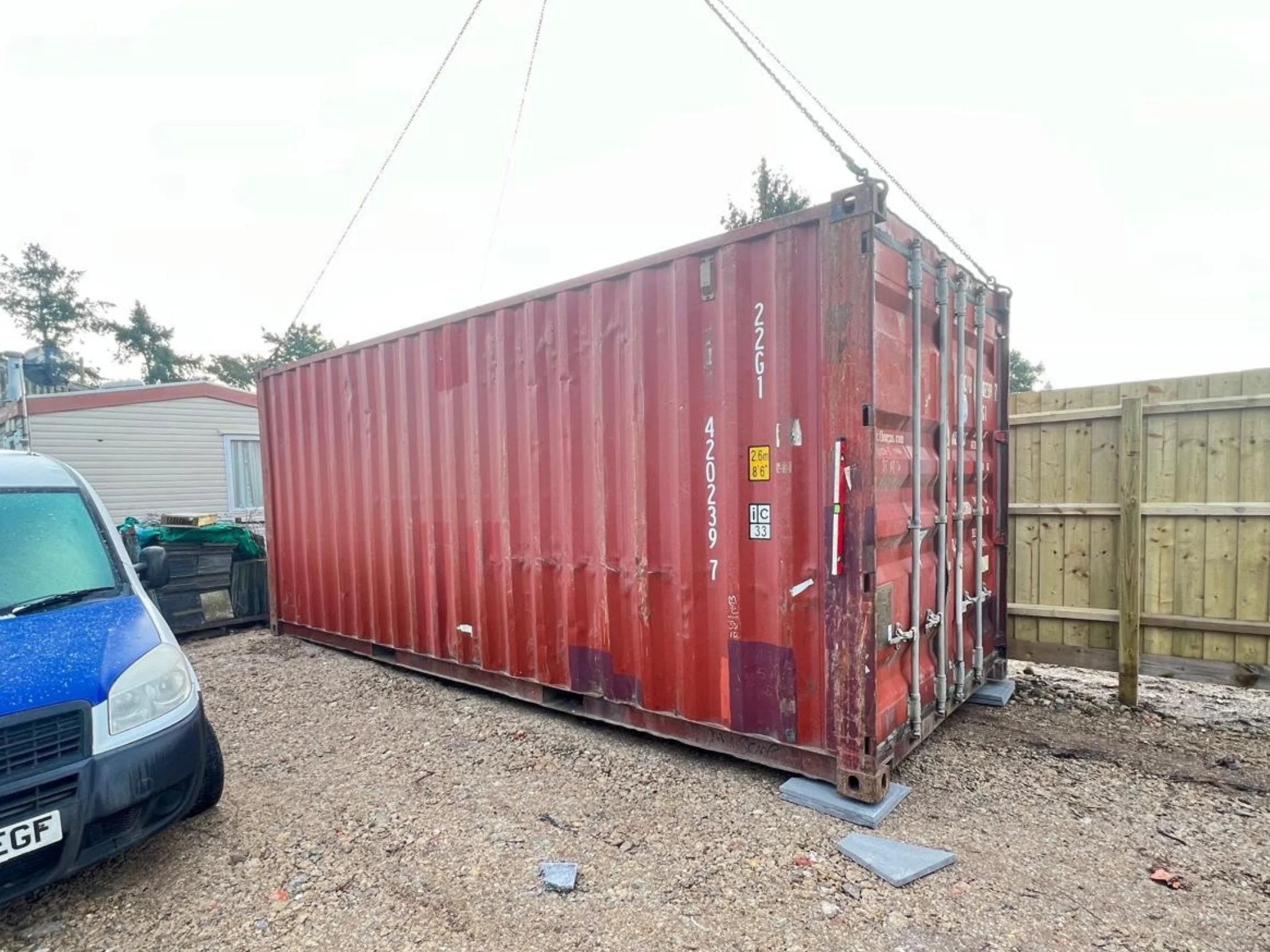
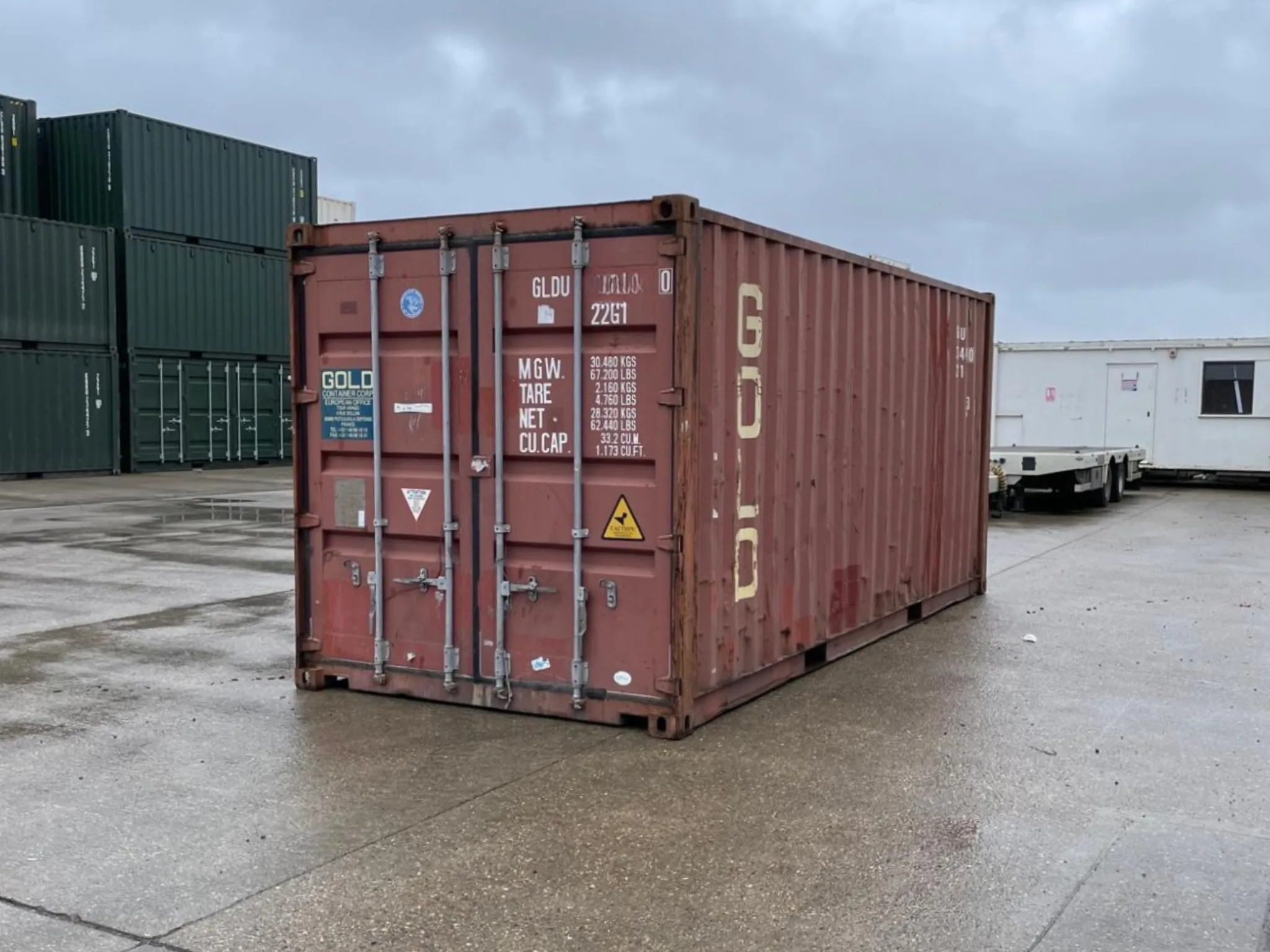
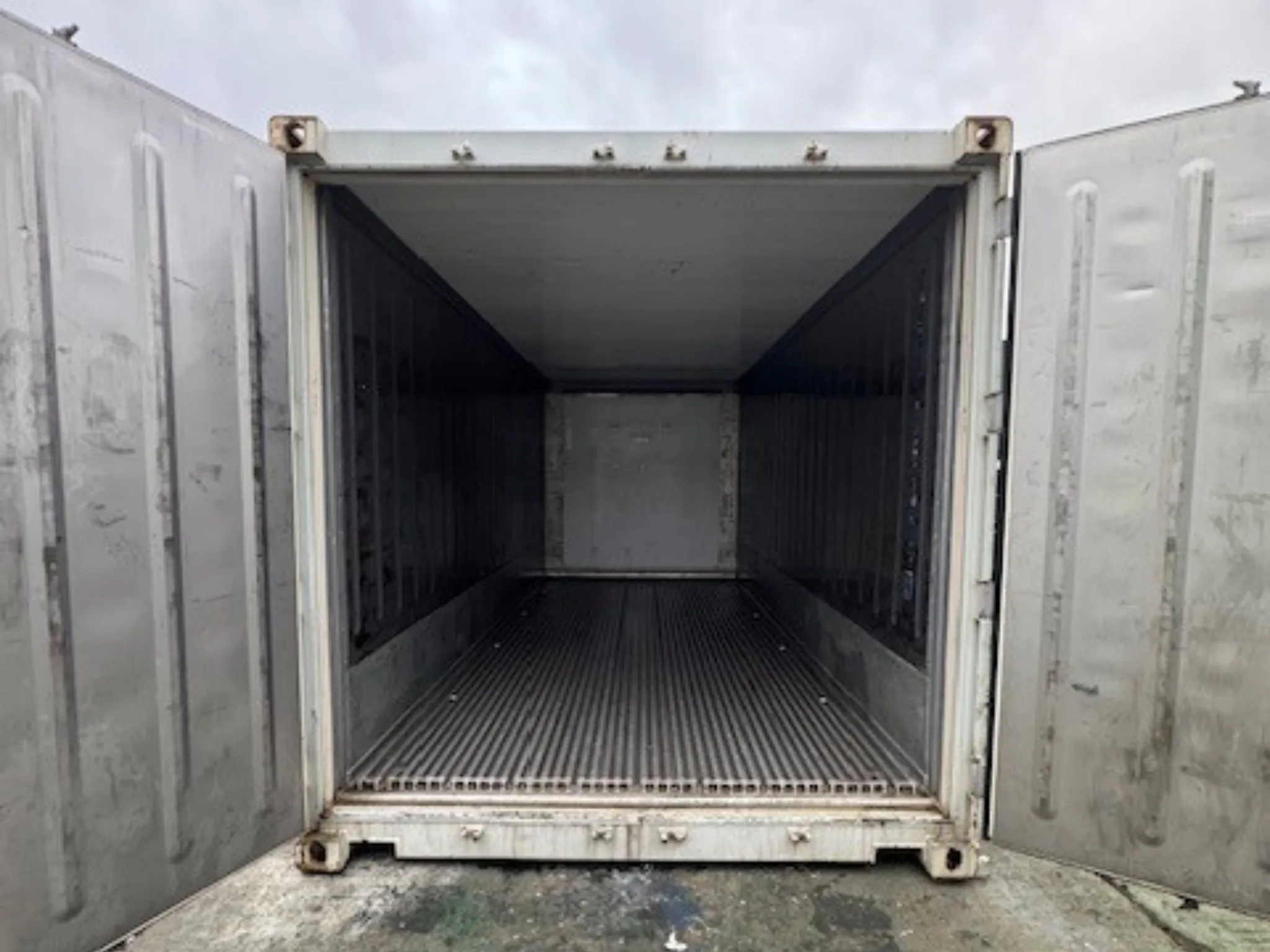
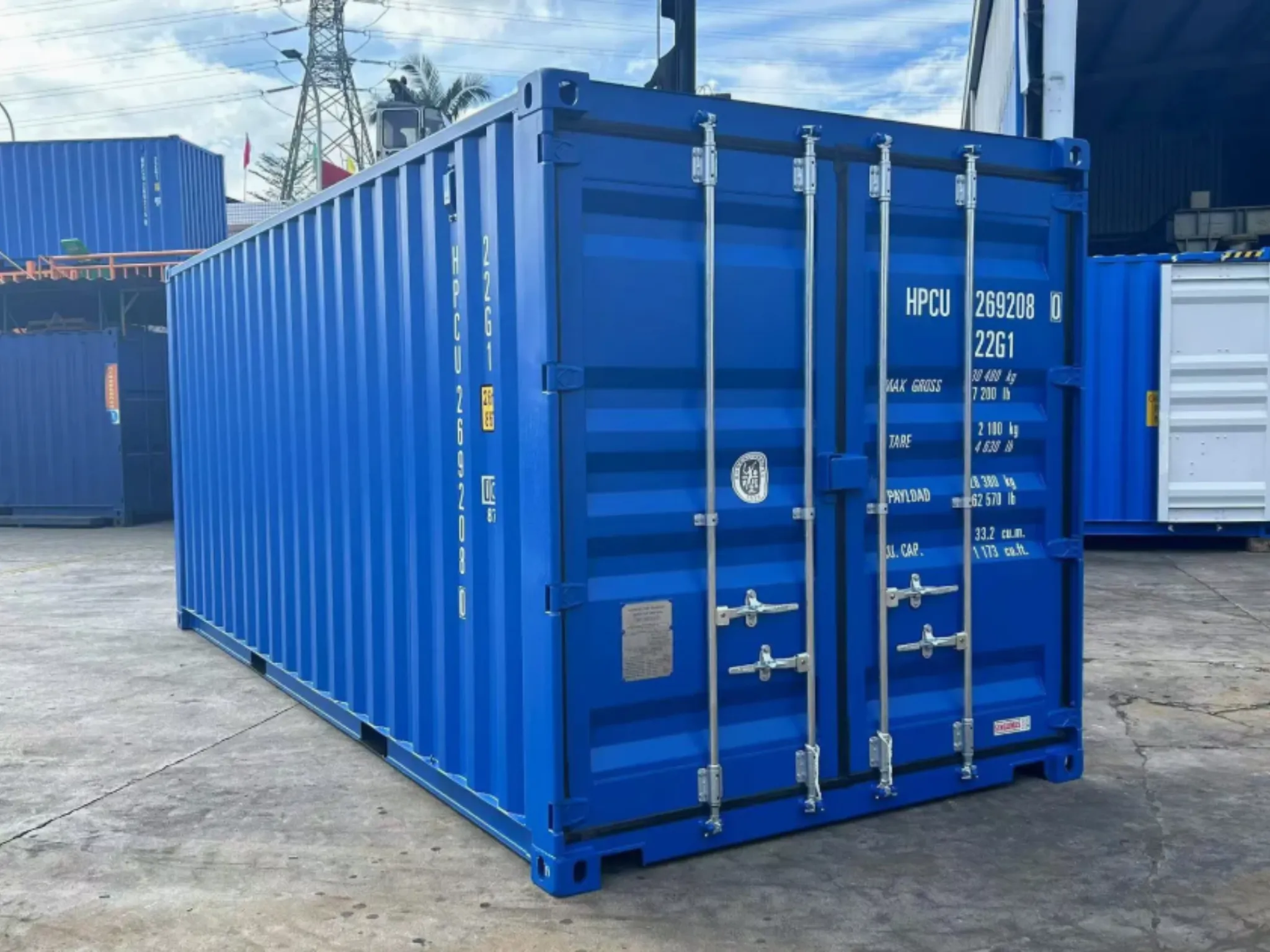
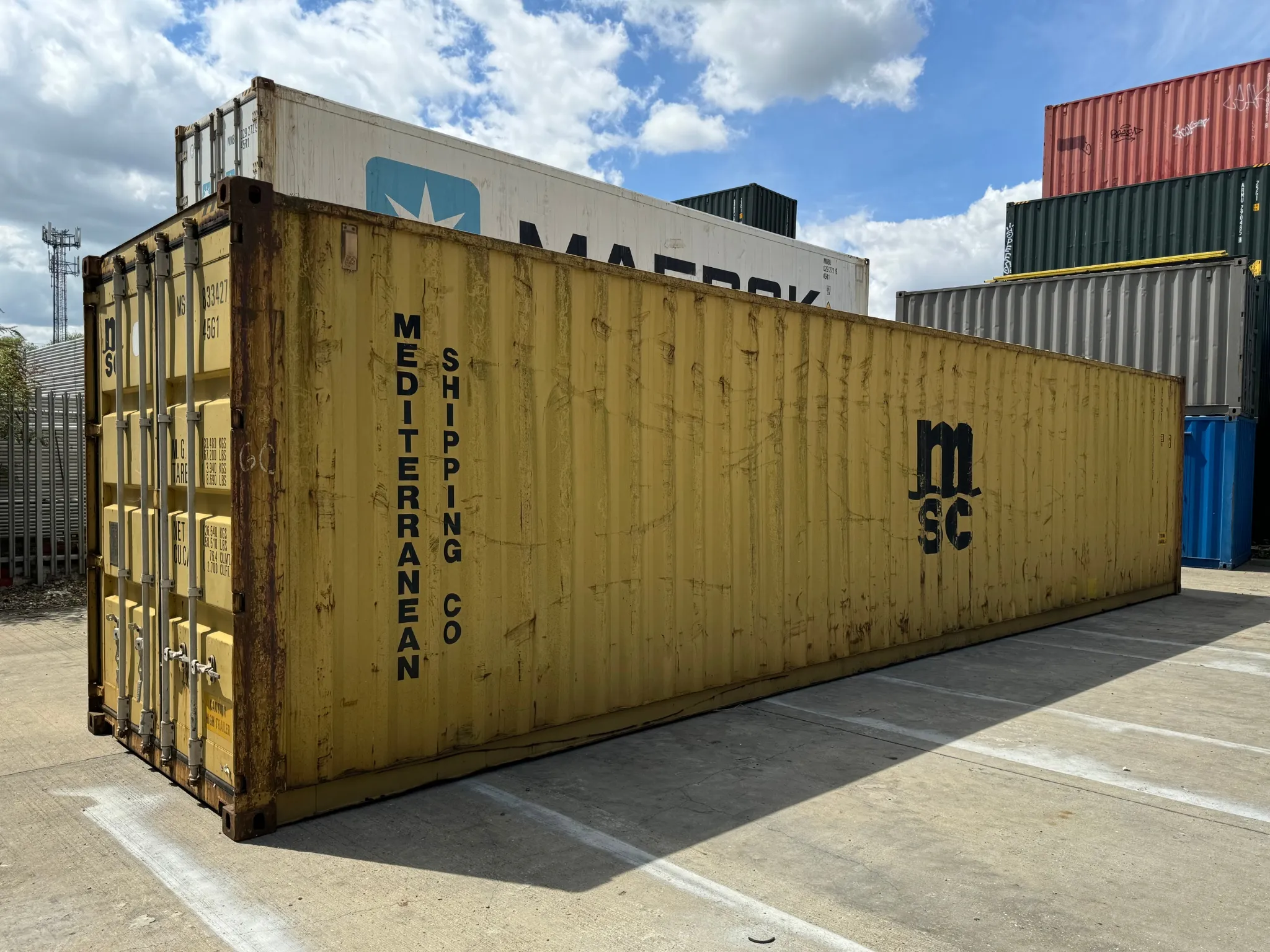
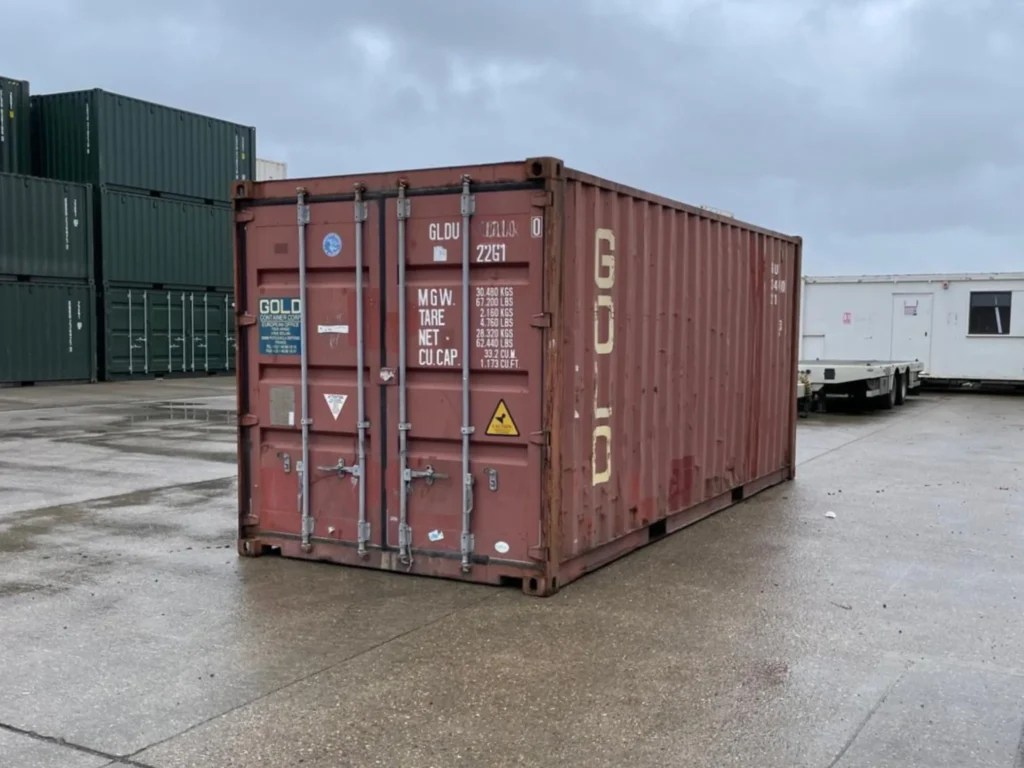
If you have unrestricted access and need maximum security, a traditional shipping container remains the strongest option.
Flat pack containers are best suited where:
- Crane access is not possible
- Space is tight
- Storage is temporary or relocatable
- Budget is a key consideration
In many cases, flat pack containers fill the gap between a basic shed and a full ISO container.ustrial premises for storing fuels, oils, pesticides, and hazardous materials.
Typical Uses for Flat Pack Containers
Flat pack containers are commonly used for:
- Construction site tool storage
- Garden storage and sheds
- Bike storage
- Temporary site offices
- Secure equipment storage
- Chemical and COSHH storage
- Event and pop-up storage
They are particularly popular where access or planning constraints make standard containers impractical.
How Much Do Flat Pack Containers Cost?
Costs vary depending on size, specification, and accessories, but flat pack containers generally cost less than shipping containers.
Pricing is influenced by:
- Container length (2m, 3m, or 4m)
- Insulation requirements
- Security upgrades
- COSHH compliance
- Delivery location
They also save money by removing the need for crane hire or specialist lifting vehicles.
Are Flat Pack Containers Right for You?
Flat pack containers are a strong choice if you need:
- Secure storage in a restricted-access location
- A portable, modular solution
- Lower upfront cost
- Fast installation
- Flexibility to expand or relocate later
If long-term, maximum-security storage is required and access allows, a shipping container may still be the better option.
How Bosh Boxes Can Help
At Bosh Boxes, we help customers choose the right container for the job, whether that’s a flat pack unit or a traditional shipping container.
We advise on:
- Site access and delivery constraints
- Security requirements
- Cost-effective storage solutions
- Short-term vs long-term use
Our goal is to make sure you choose a solution that actually works in the real world.
More Information on Flat Pack Containers Can Be Found Here: Flat Pack Containers
Or if you would like to explore Storage Containers Click Here: Storage Containers