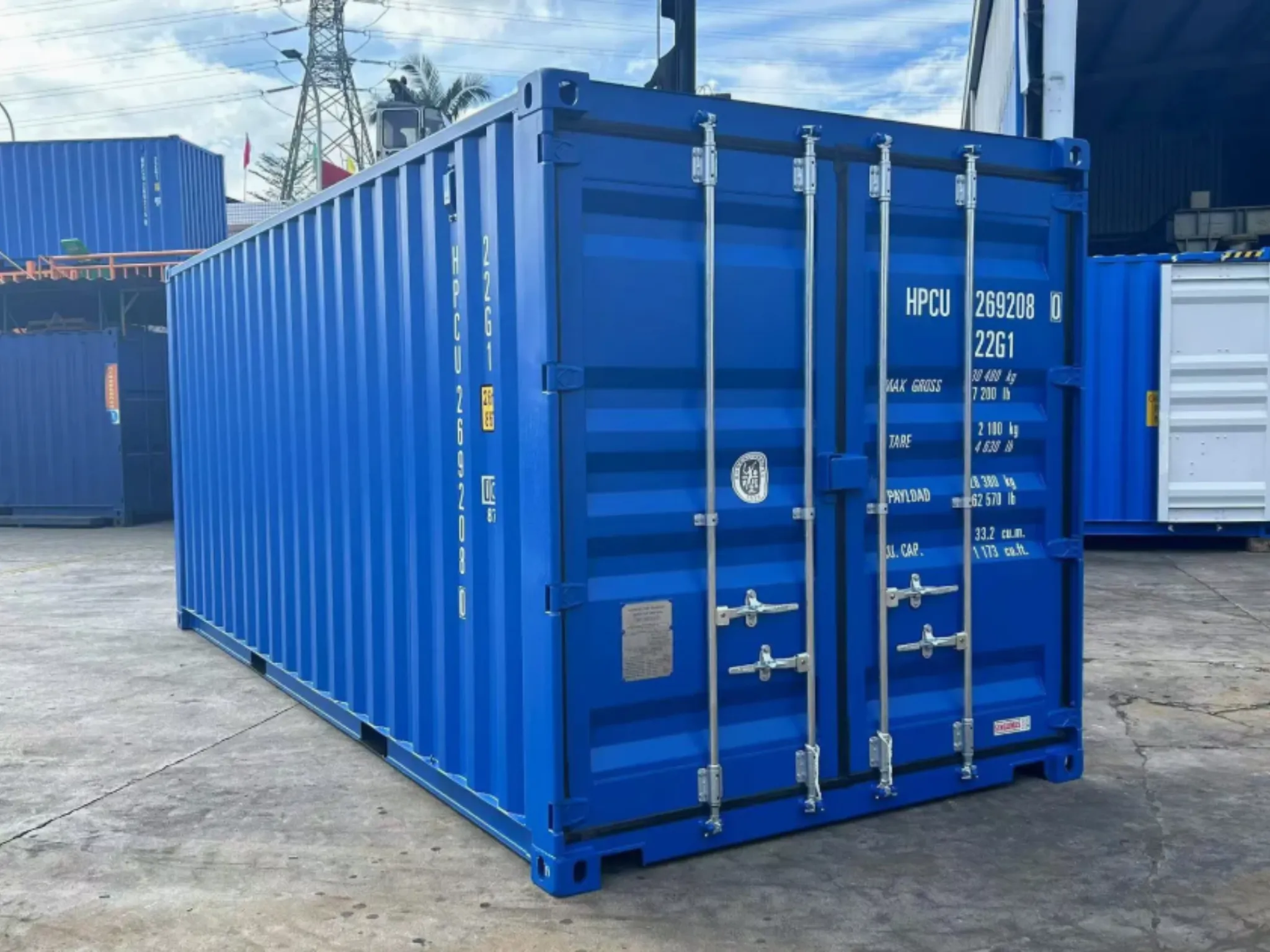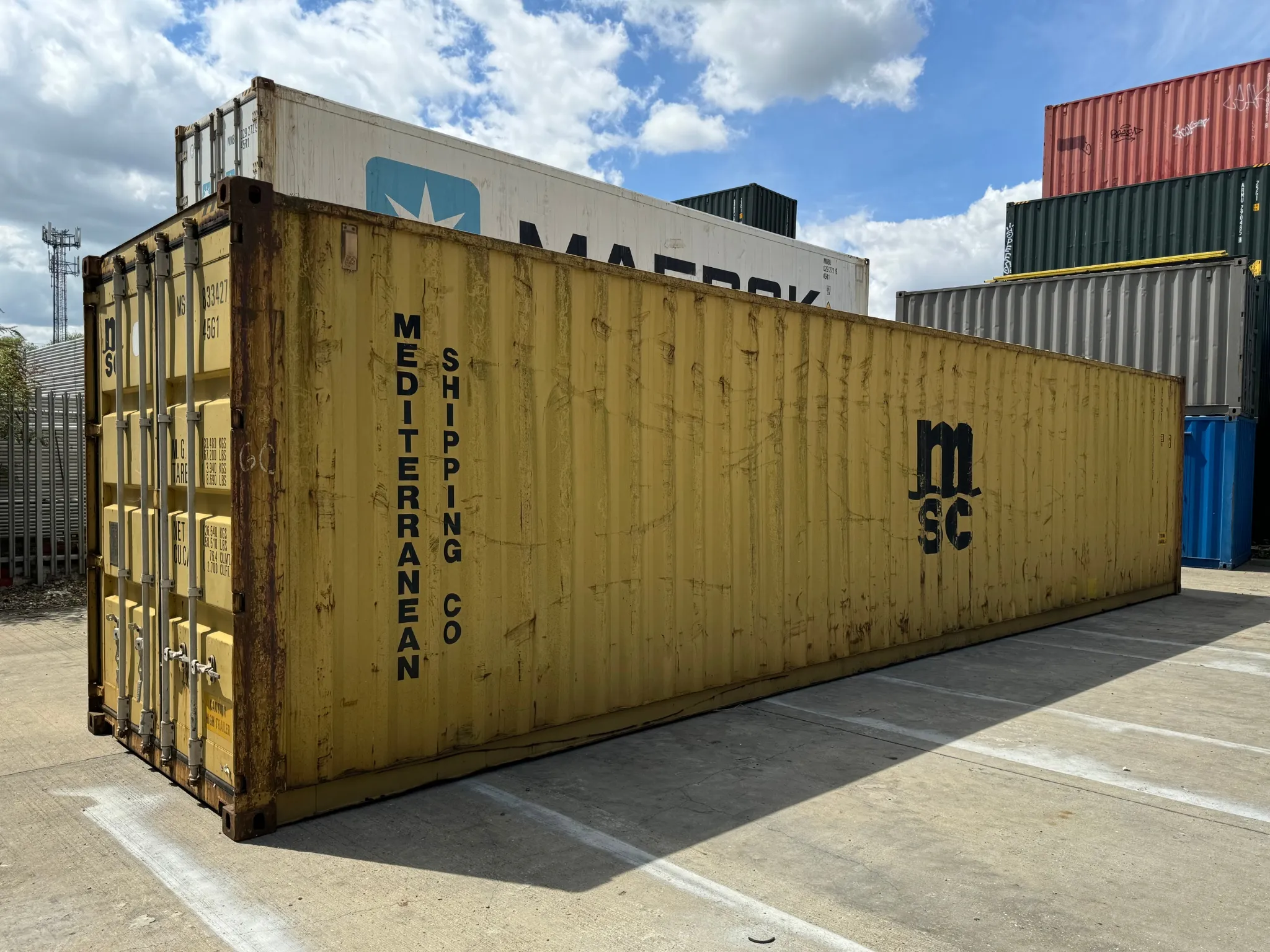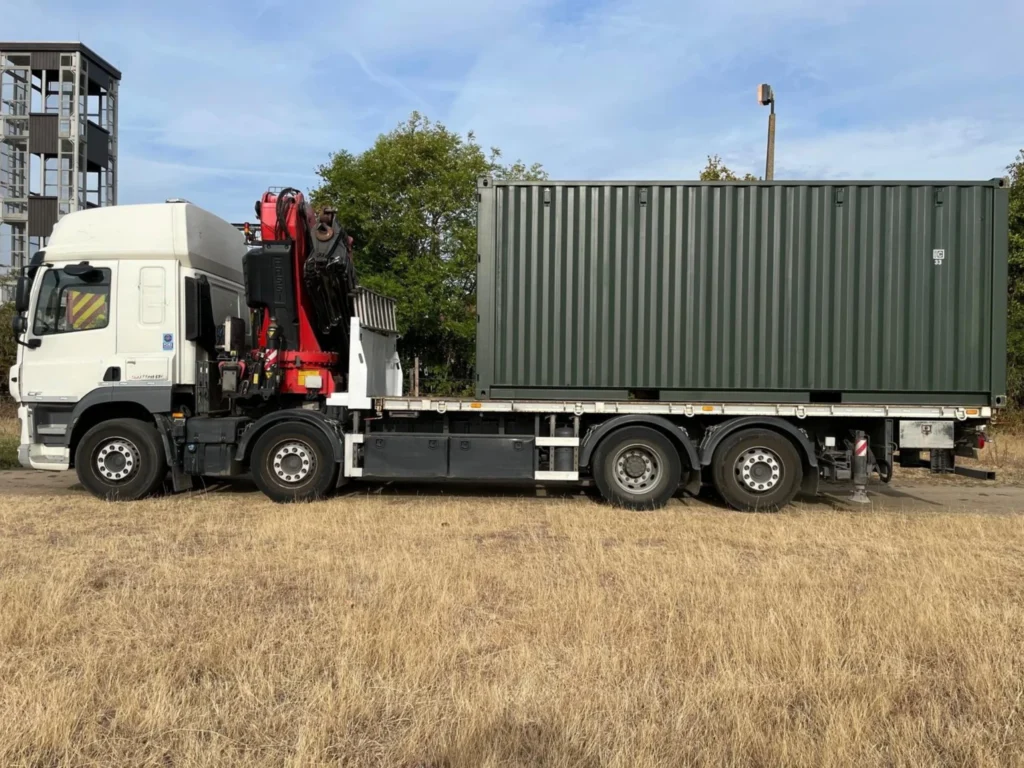
What are the most common container delivery problems?
The most common container delivery problems in the UK include poor site access, inadequate ground preparation, overhead obstructions, incorrect delivery vehicle selection, and unclear positioning instructions. These issues can cause delays, failed deliveries, or extra costs. With proper planning and the right supplier, most container delivery problems are completely avoidable.
Why Container Delivery Problems Happen
Container delivery is not just about transporting a unit from A to B. Every delivery depends on vehicle access, site conditions, space, and preparation. Many issues arise when these factors are overlooked or misunderstood.
The good news? Nearly all delivery problems can be identified before the container leaves the depot.
1. Poor Site Access
The problem:
Delivery vehicles cannot reach the drop location due to narrow roads, tight entrances, parked cars, or insufficient turning space.
This is the number one cause of failed container deliveries.
How to avoid it:
- Measure access routes, not just the final placement area
- Consider road width, gate openings, and turning circles
- Flag tight access early so the correct vehicle can be booked
Pro tip:
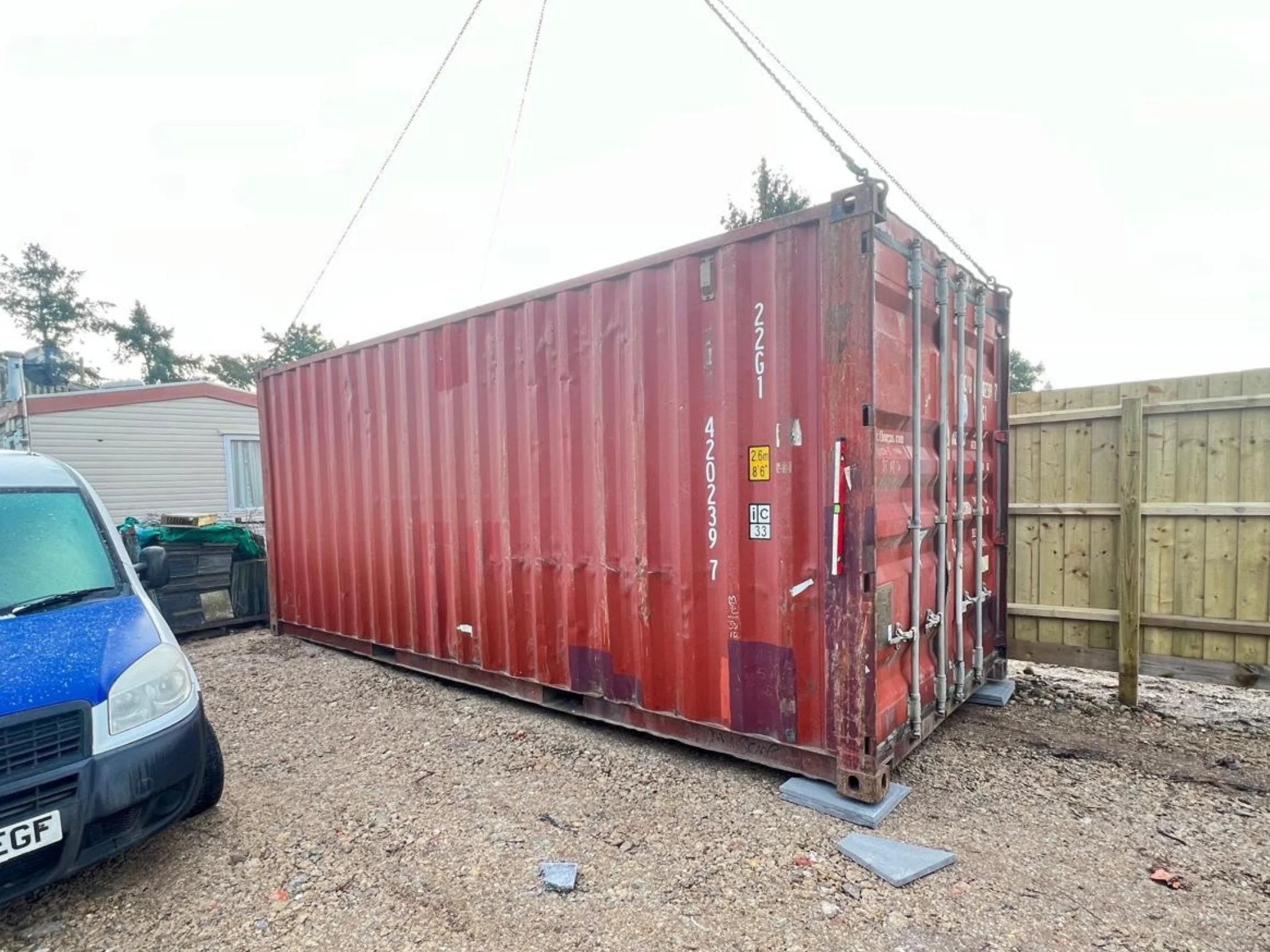
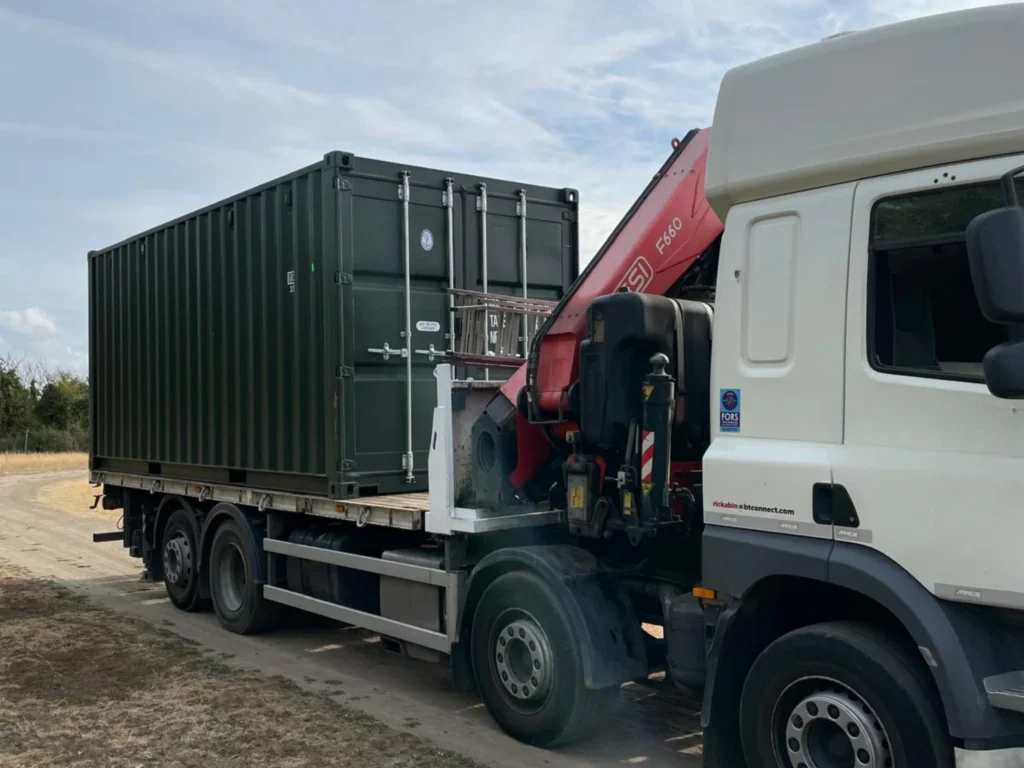
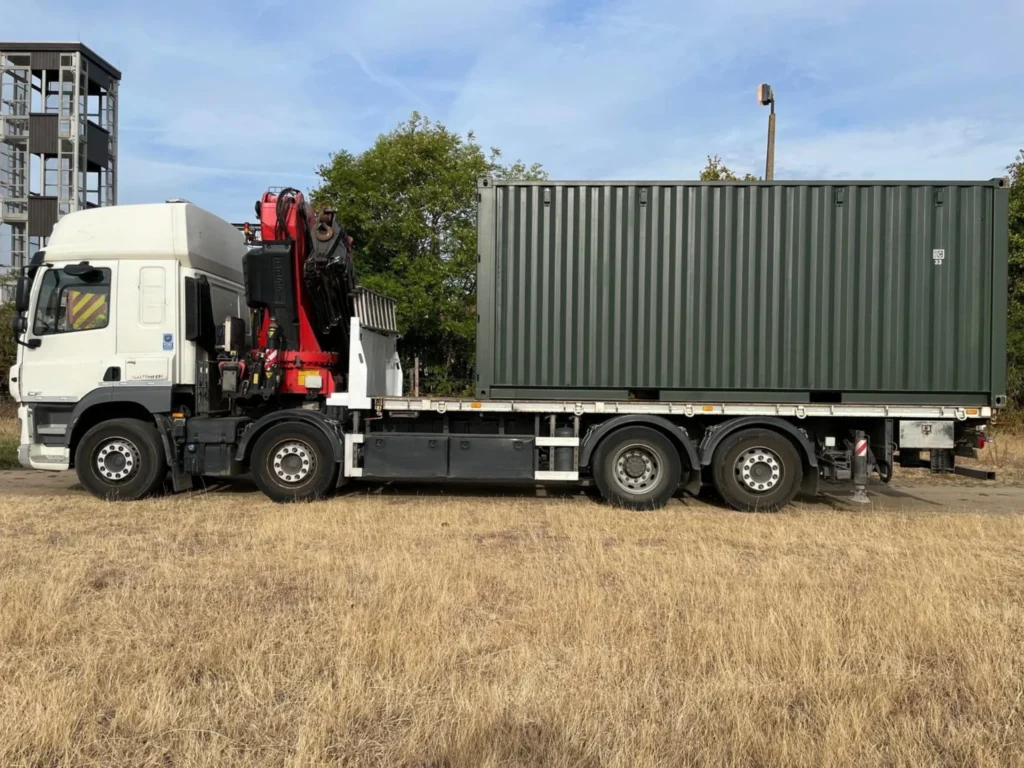
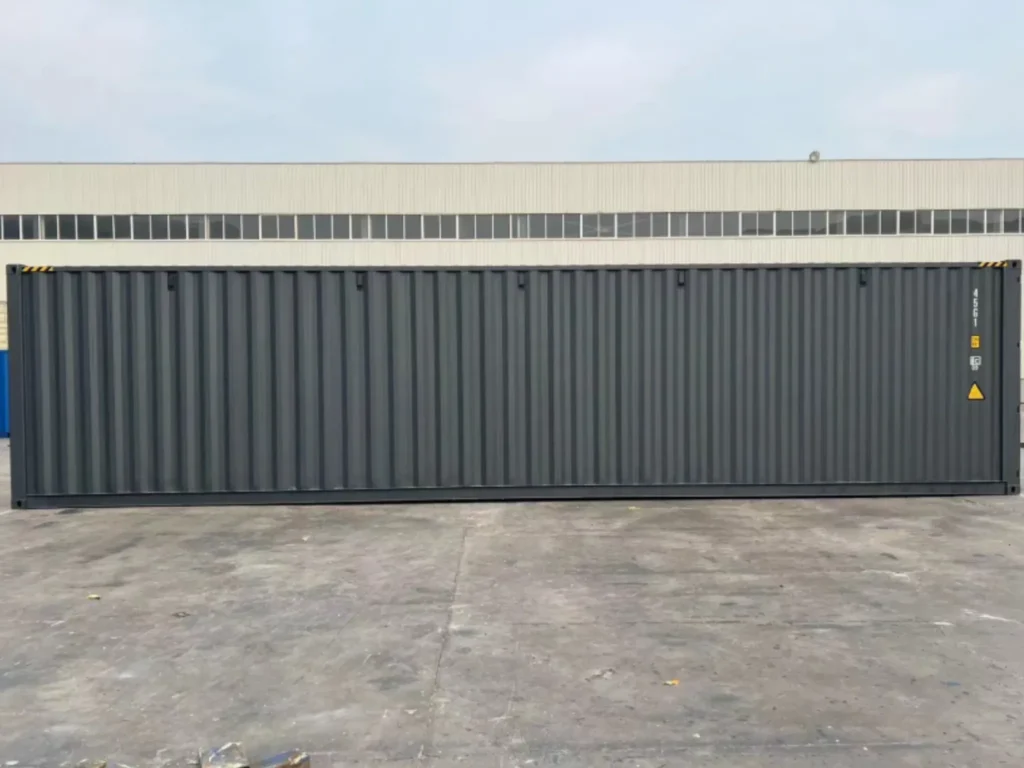
10ft and 20ft shipping containers can usually be delivered using rigid HIAB vehicles, while 40ft containers require arctic vehicles or side loaders.
2. Incorrect Delivery Vehicle Chosen
The problem:
The wrong vehicle is booked for the site, making it impossible to safely unload the container.
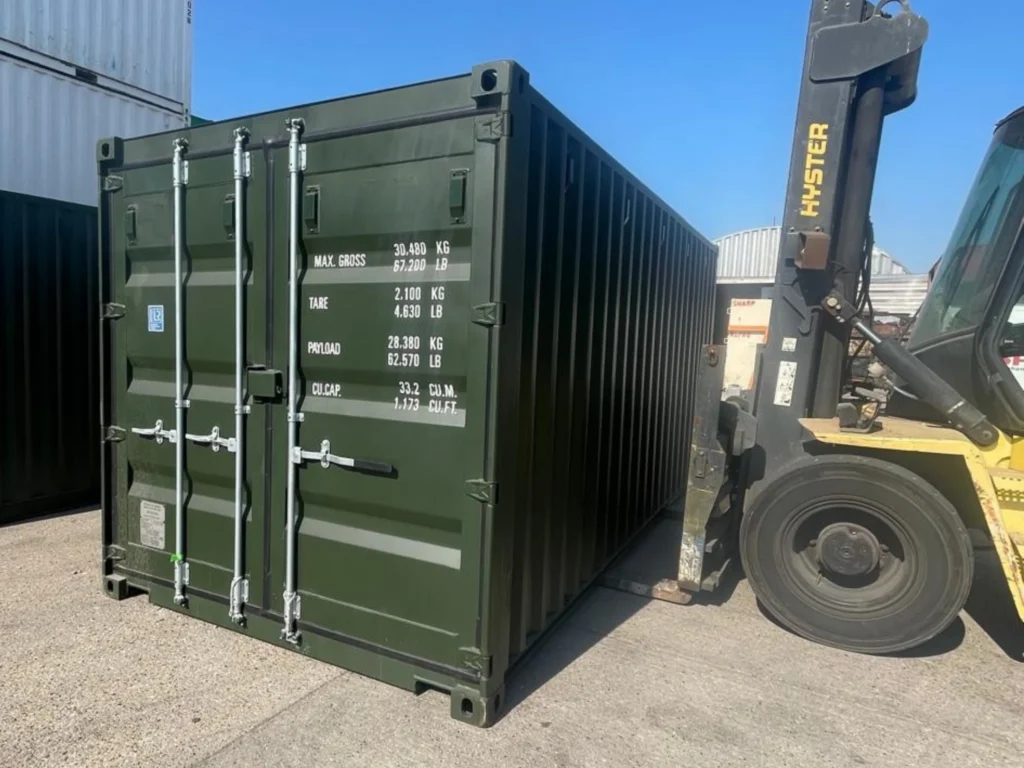
Different container sizes require different delivery methods.
How to avoid it:
- Confirm container size and weight in advance
- Tell your supplier about site restrictions
- Let professionals select the correct vehicle
A trusted supplier will advise whether you need:
- Rigid HIAB
- Arctic HIAB
- Side loader
- Flatbed or skeletal trailer
3. Overhead Obstructions
The problem:
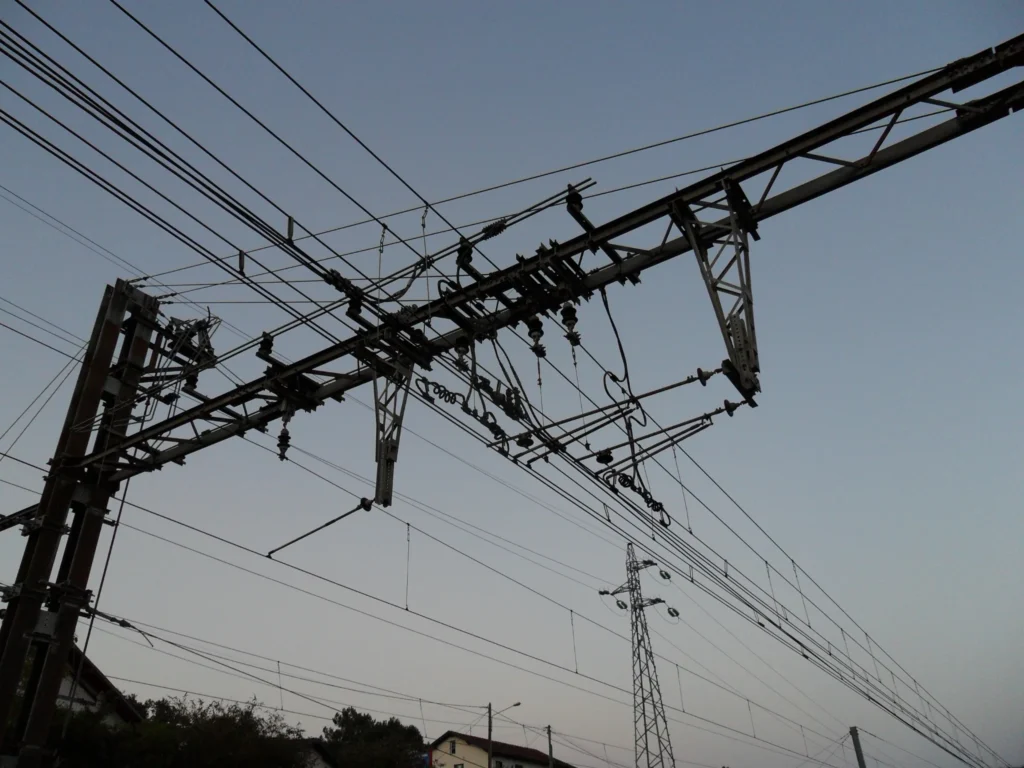
Trees, cables, roofs, or buildings prevent the crane from lifting or positioning the container.
This often results in aborted deliveries or repositioning fees.
How to avoid it:
- Check for overhead power lines and branches
- Ensure sufficient vertical clearance for crane operation
- Provide photos or videos of the delivery area in advance
If clearance is limited, alternative unloading methods may be required.
4. Poor Ground Preparation
The problem:
The container is delivered onto uneven, soft, or unstable ground, leading to:
- Doors not opening correctly
- Structural twisting
- Long-term settlement issues
How to avoid it:
- Prepare a level base before delivery
- Use concrete pads, railway sleepers, or a concrete slab
- Ensure the ground can support the container’s weight
A properly prepared base protects both the container and its contents.
5. Unclear Placement Instructions
The problem:
The driver arrives without clear guidance on where the container should be placed.
This can cause delays, repositioning issues, or unsafe lifting attempts.
How to avoid it:
- Mark the exact placement location
- Communicate door orientation clearly
- Be present on-site during delivery whenever possible
Even a few inches can make a big difference to access and usability.
6. Last-Minute Changes on Delivery Day
The problem:
Changes to access, ground conditions, or placement on the day of delivery.
This often results in extra charges or failed drops.
How to avoid it:
- Finalise all plans before booking delivery
- Do a final site walk-through 24 hours prior
- Inform your supplier immediately if anything changes
Good communication prevents unnecessary costs.

7. Not Allowing Enough Space for Crane Operation
The problem:
There is enough room for the container, but not enough space for the crane to operate safely.
How to avoid it:
- Allow additional space beyond the container footprint
- Consider crane reach and swing area
- Ask your supplier for minimum space requirements
This is especially important for 40ft shipping container deliveries.
Container Delivery Problems by Size (Quick Guide)
| Container Size | Common Delivery Risk | How to Avoid It |
|---|---|---|
| 10ft | Restricted access or soft ground | Use rigid HIAB, prepare a level base |
| 20ft | Tight entrances or overhead obstructions | Measure access and clearance |
| 40ft | Insufficient turning space | Confirm arctic access in advance |
Why Choosing the Right Supplier Matters
Many container delivery problems are caused by poor advice or lack of planning. A knowledgeable supplier will:
- Ask the right access questions
- Check site suitability before booking transport
- Recommend the correct container and delivery method
- Prevent failed or aborted deliveries
This saves time, money, and frustration.
How Bosh Boxes Helps You Avoid Delivery Issues
At Bosh Boxes, container delivery is planned properly from the start.
- Nationwide container delivery UK-wide
- Advice on access, ground prep, and positioning
- Correct vehicle selection for every site
- Clear communication before delivery day
- Fast, reliable service from a trusted supplier
How to Get Started
If you’re planning to buy a shipping container in the UK, getting delivery right is just as important as choosing the container itself.
Contact Bosh Boxes today for expert advice and fast delivery — and avoid costly container delivery problems the Bosh Boxes Way.