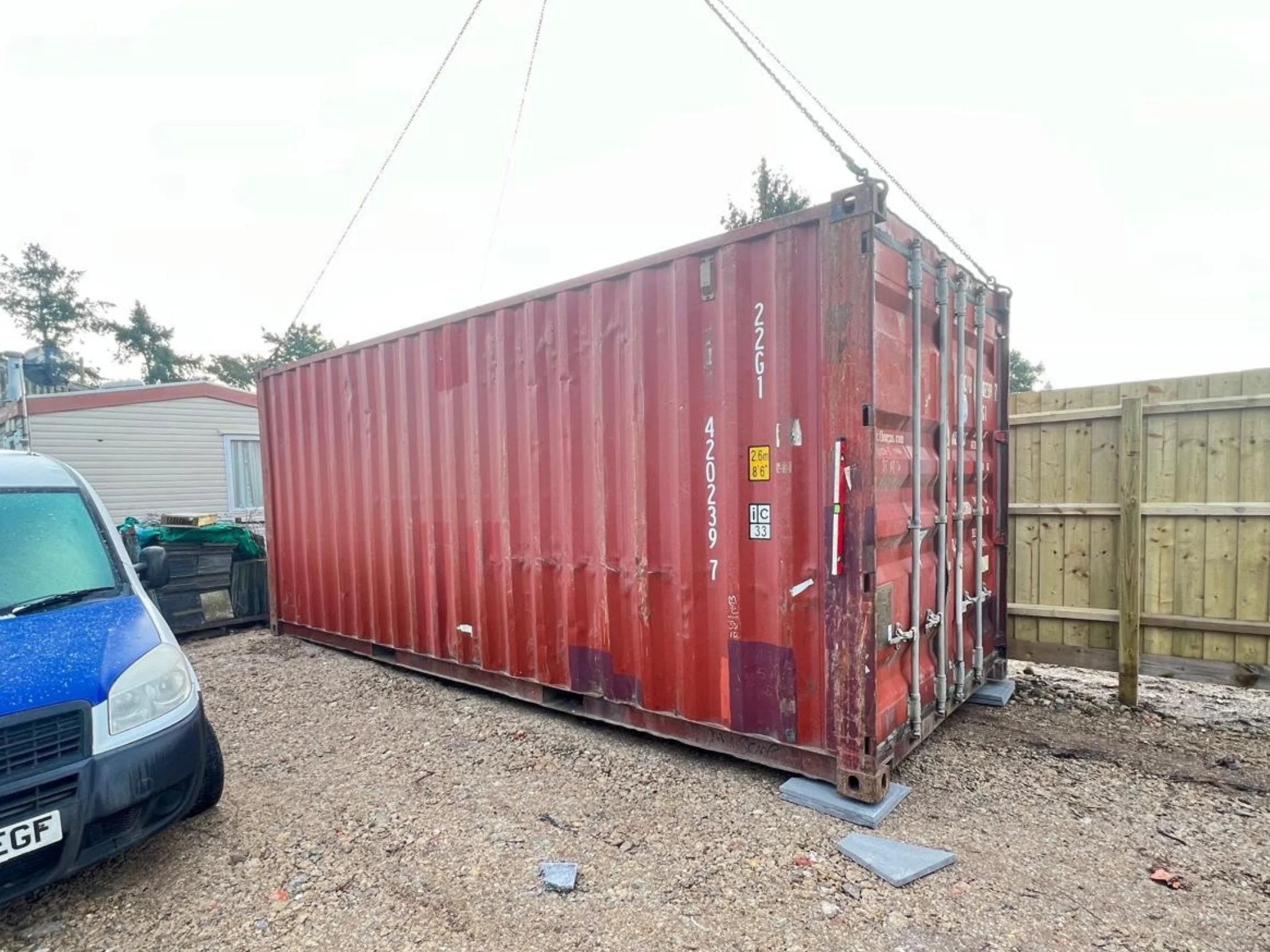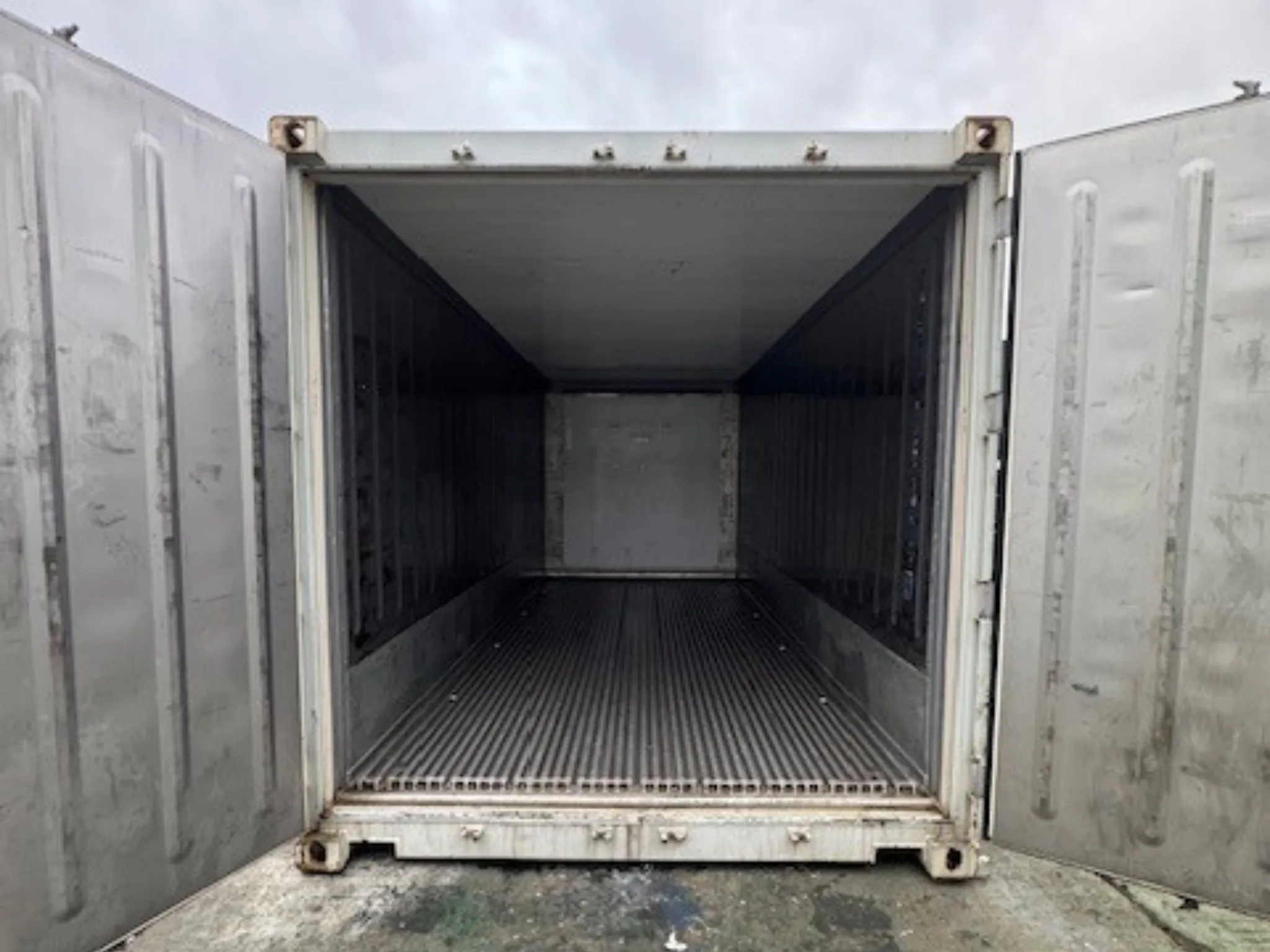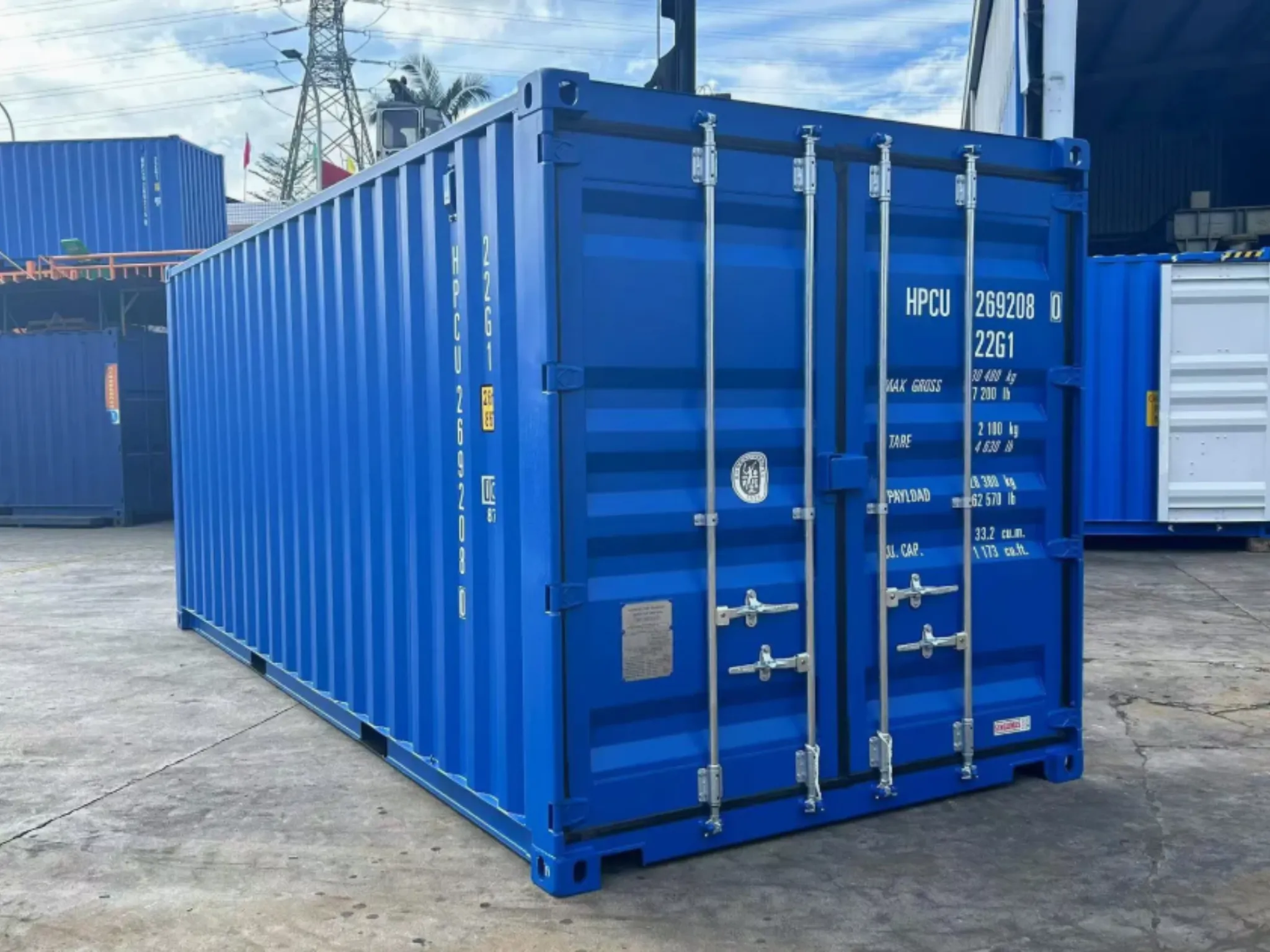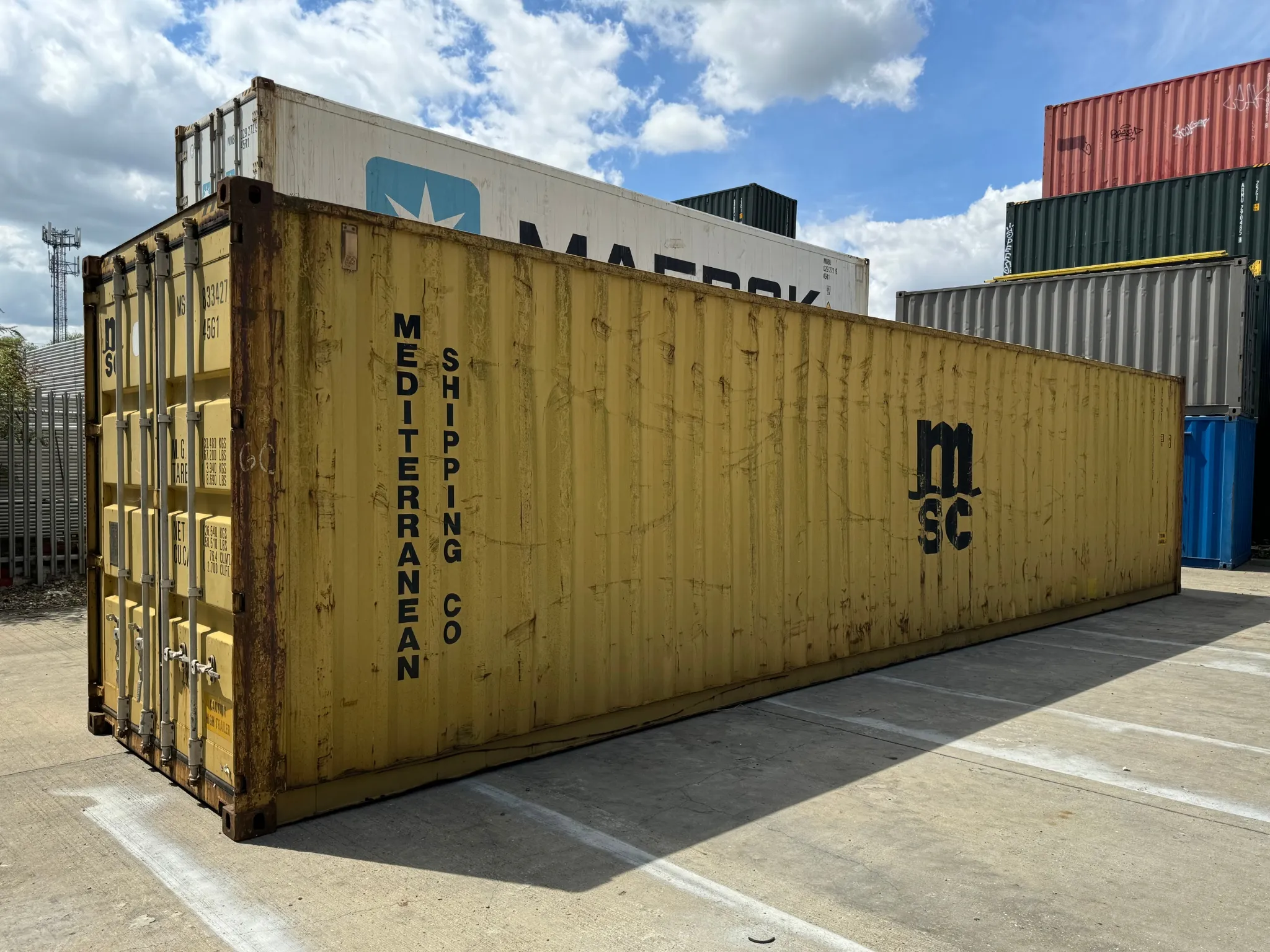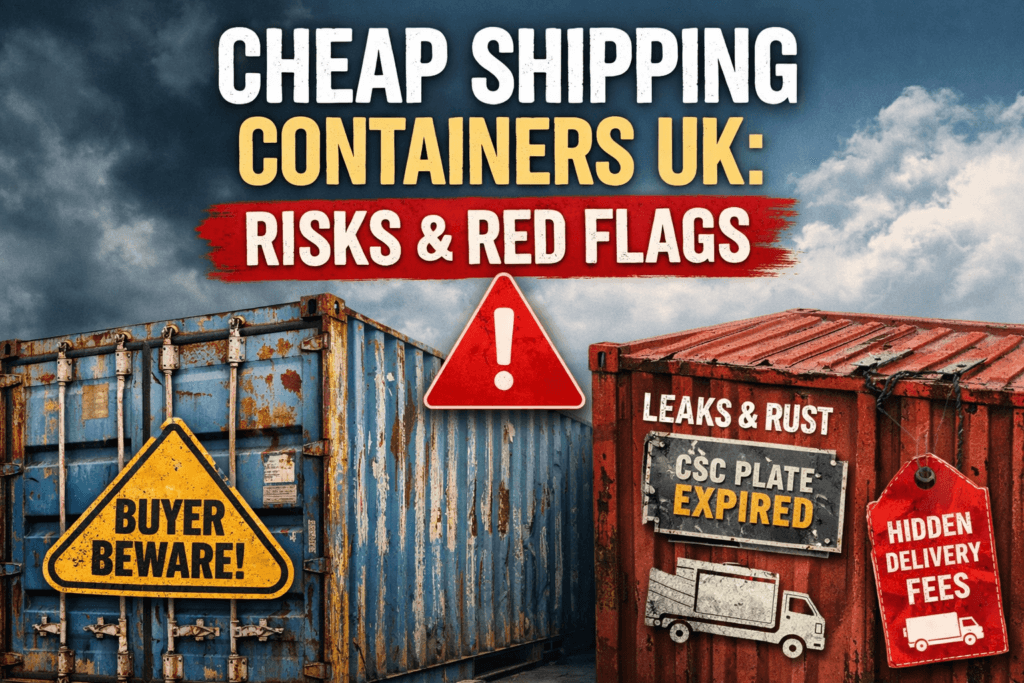
Cheap shipping containers UK can look like a bargain, but very low prices often hide condition issues or missing costs that only appear after delivery. The most common problems include leaks, structural damage, excessive stiff doors, invalid certification, and extra delivery charges. This guide explains the key red flags and how to avoid buying a container that costs more to fix than it was worth.
Introduction
Searching for cheap shipping containers UK is common for buyers looking to reduce upfront costs. Containers are widely used for storage, workshops, offices, and conversions, so price naturally becomes a key factor.
However, extremely low prices are rarely accidental. Containers are heavy steel assets with transport, inspection, and handling costs built in. When a container is advertised well below the market average, it often signals a compromise somewhere else.
This guide explains the main risks of cheap shipping containers, the most common red flags to watch for, and how to tell the difference between good value and a costly mistake.
Why Cheap Shipping Containers Exist
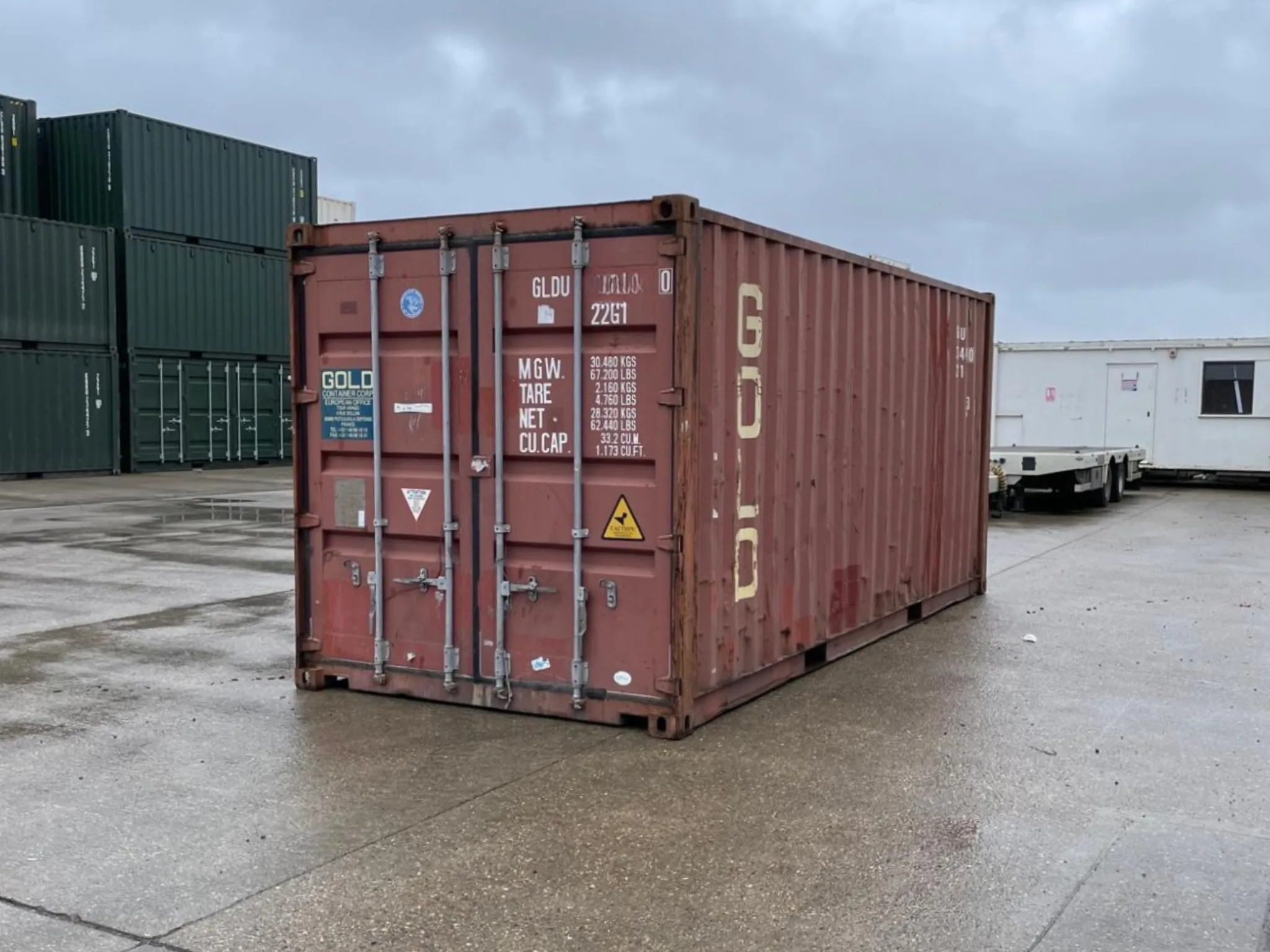
Not all cheap containers are bad, but understanding why a container is priced low is essential.
Common reasons include:
- End-of-life containers being cleared from depots
- Units rejected by self storage operators
- Containers with structural or water ingress issues
- Units sold without delivery or inspection included
- Private sellers avoiding warranty or responsibility
A fair price usually reflects condition, certification, location, and delivery costs. When one of these is missing, the price drops.
What Affects Shipping Container Prices in the UK
Shipping container prices can rise or fall due to market conditions, not just container quality. Factors such as global shipping demand, container availability at UK ports, fuel and haulage costs, and seasonal demand all influence pricing. Periods of high container availability can lead to temporary price reductions without a drop in condition. However, when prices fall significantly below the typical market range, this often reflects condition issues, missing certification, or excluded delivery rather than genuine market shifts.
The Biggest Risks of Cheap Shipping Containers
While market conditions can influence pricing, the biggest risks of cheap shipping containers usually come from condition and compliance issues rather than genuine market changes.
Structural Damage
One of the most serious risks is hidden structural damage.
This can include:
- Bent or twisted corner posts
- Roof panel weakness from impact
- Severe corrosion around the base rails
- Damaged door frames affecting alignment
Structural issues are not always obvious in photos. Once delivered, repairs are expensive and sometimes not viable.
Water Ingress and Leaks
Cheap containers are often sold without a proper wind and watertight guarantee.
Warning signs include:
- Light visible through roof panels
- Rust holes disguised with sealant
- Soft or delaminated plywood flooring
- Previous patch repairs without welding
A container that leaks defeats the purpose of storage and can damage tools, stock, or equipment quickly.
Invalid or Missing CSC Certification
Many cheap containers are no longer cargo worthy.
This matters if:
- The container may be moved again
- The container is resold later
- Insurance or site compliance is required
A valid CSC plate indicates the container has passed structural checks. Containers without it are cheaper because they cannot legally be shipped.
Door Problems and Stiff Operation
Stiff doors are common on used containers, even mid-grade units, but excessive issues are a red flag.
Watch for:
- Doors that require excessive force to open
- Misaligned locking bars
- Warped door frames
- Broken cam keepers or handles
Poor door operation usually indicates structural movement or base rail damage.
Hidden Delivery Costs
Some sellers advertise a low container price but exclude delivery.
This can result in:
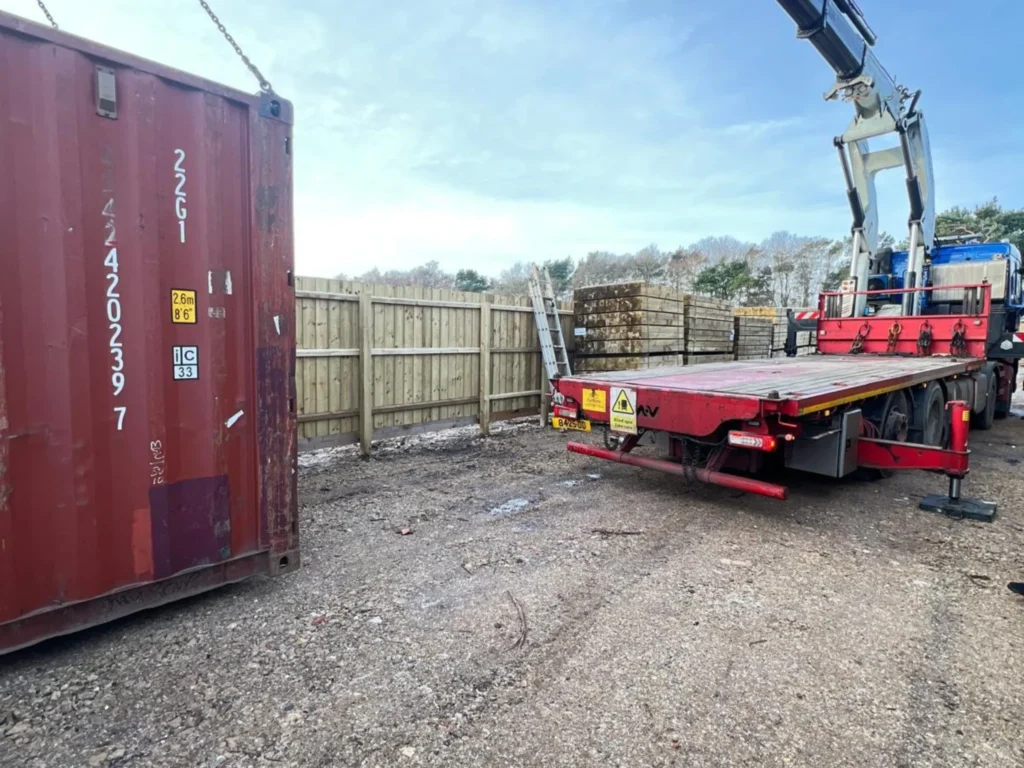
- Unexpected crane charges
- Failed delivery fees
- Long-distance haulage costs
- Access refusals with no refund
A cheap container can quickly become expensive once transport is added.
Common Red Flags to Watch For
Prices Well Below Market Average
If the price looks too good to be true, it usually is.
As a rough guide:
- Extremely cheap containers often require repairs
- Prices far below local suppliers usually exclude delivery
- Unusually low pricing often means no warranty
Always compare like-for-like including condition and delivery.
No Written Condition Description
Vague listings are a warning sign.
Be cautious if descriptions avoid:
- Structural condition
- Water tightness
- Floor condition
- Door operation
Clear condition grading protects both buyer and seller.
No Warranty or After-Sales Support
Cheap containers are often sold strictly as seen.
This means:
- No responsibility once delivered
- No support if the container leaks
- No recourse if access fails
Even a short warranty shows confidence in the product.
When Cheap Containers Might Still Make Sense
There are situations where a lower-priced container is acceptable.
These include:
- Temporary storage with limited lifespan
- Non-sensitive contents
- Projects where appearance is irrelevant
- Buyers prepared to carry out repairs
The key is understanding the compromise before buying.
How to Buy Safely Without Overpaying
Good value does not mean buying the cheapest option.
Safer buying steps include:
- Buying from a UK-based supplier with a physical yard
- Confirming wind and watertight condition
- Checking delivery access before payment
- Understanding exactly what is included in the price
A slightly higher upfront cost often saves money long term.
Cheap Containers vs Value Containers
There is a difference between cheap and good value.
- Cheap containers cut corners.
- Value containers balance price, condition, and reliability.
Buyers focused purely on price often end up paying twice.
How New Shipping Containers Compare
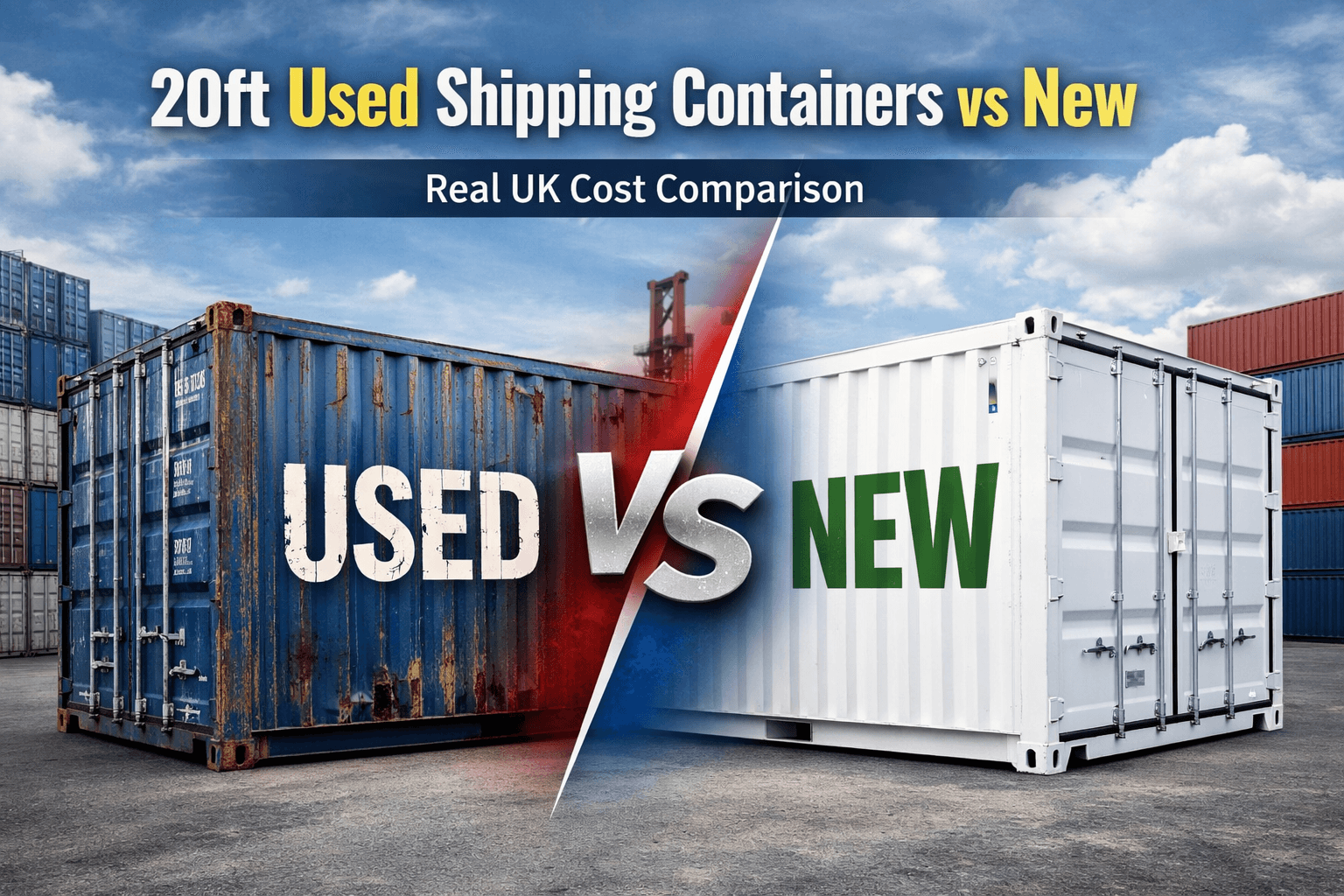
New shipping containers offer a different proposition to cheap used units. One trip containers have completed a single cargo journey, meaning they offer maximum structural integrity, clean interiors, smooth door operation, and a significantly longer remaining lifespan. For buyers storing valuable stock, planning long-term use, or avoiding maintenance and repair costs, a new container can provide better overall value despite the higher upfront price.
See our New Vs Used shipping containers page for more information
FAQs
Is it safe to buy cheap shipping containers in the UK?
It can be safe if the container is genuinely wind and watertight, doors operate correctly, and the price includes what you expect. Very low prices often indicate condition problems, missing certification, or delivery costs not included.
Why are some shipping containers so cheap?
Cheap containers are often priced lower due to age, corrosion, repairs, missing CSC certification, or because the seller has excluded delivery and inspection. Some prices drop due to market availability, but extreme discounts usually reflect compromises.
What should be checked before buying a low-cost container?
Check for leaks, structural rust, floor condition, door alignment, and whether the unit is wind and watertight. Confirm what is included in the price, and make sure delivery access has been assessed to avoid failed delivery fees.
Final Thoughts
Cheap shipping containers UK come with real risks. Structural damage, leaks, delivery issues, and missing certification are common red flags that buyers overlook when focused on price alone.
Understanding these risks helps buyers make informed decisions and avoid costly mistakes. In many cases, spending slightly more upfront delivers far better long-term value, reliability, and peace of mind.