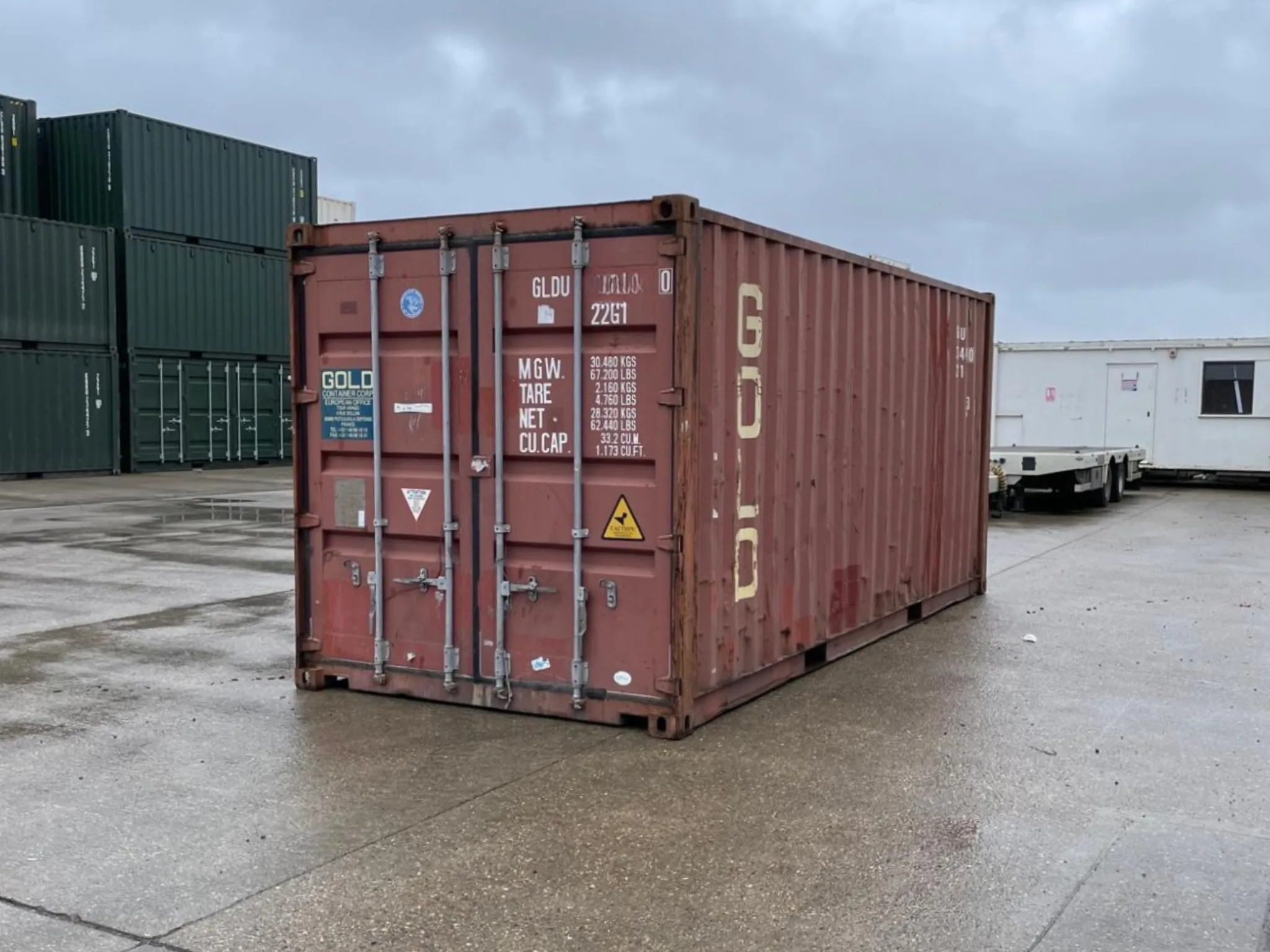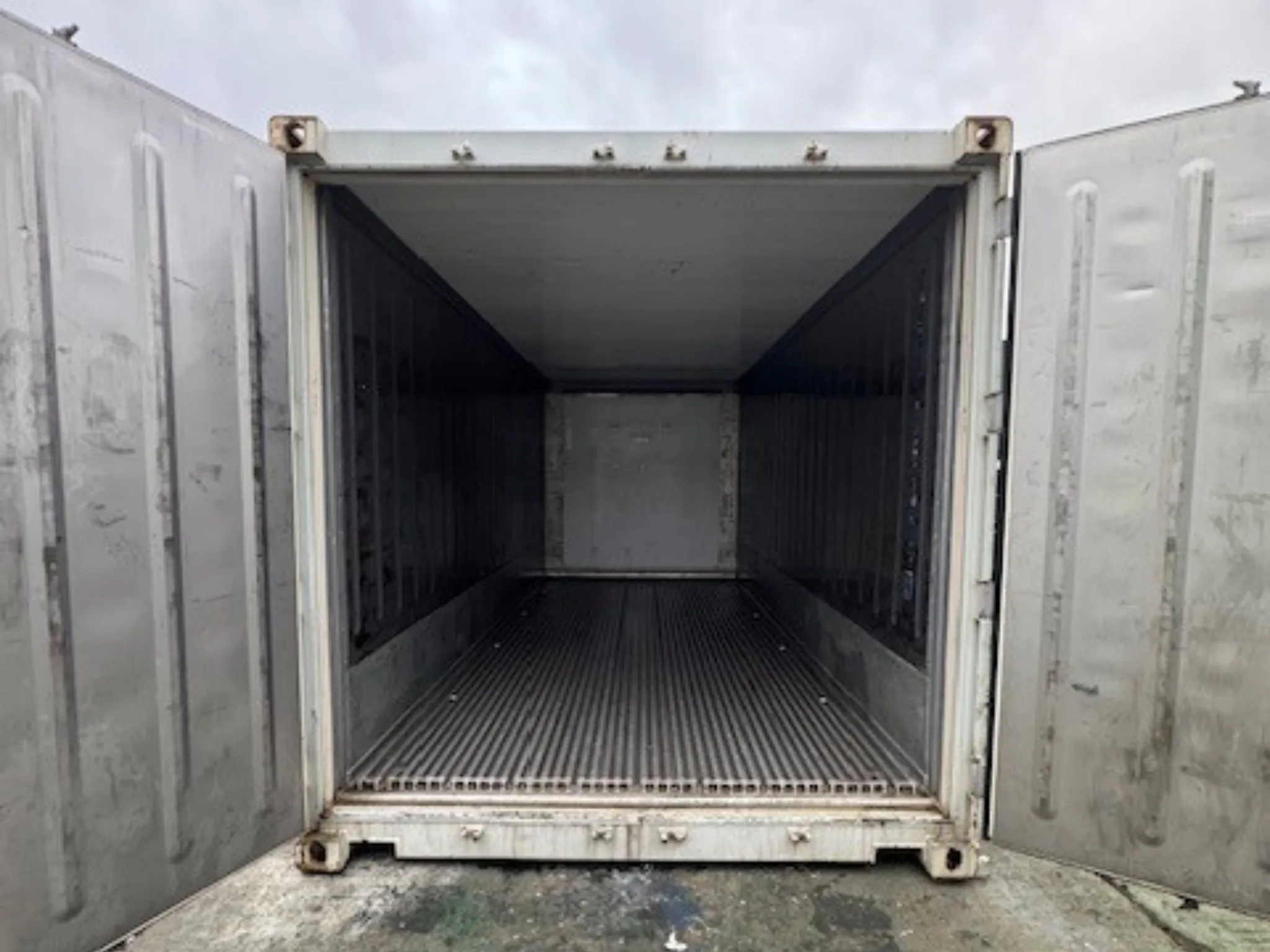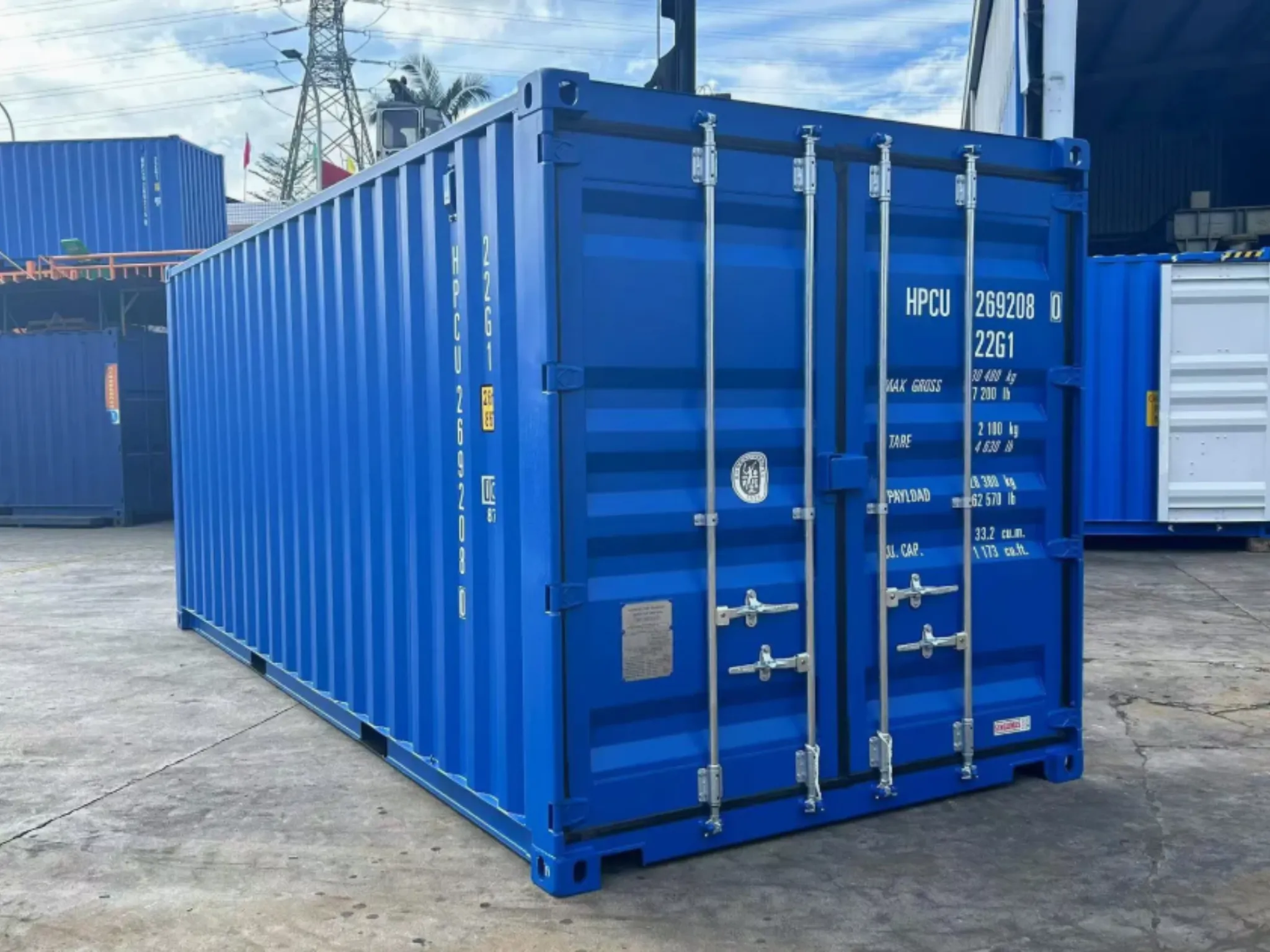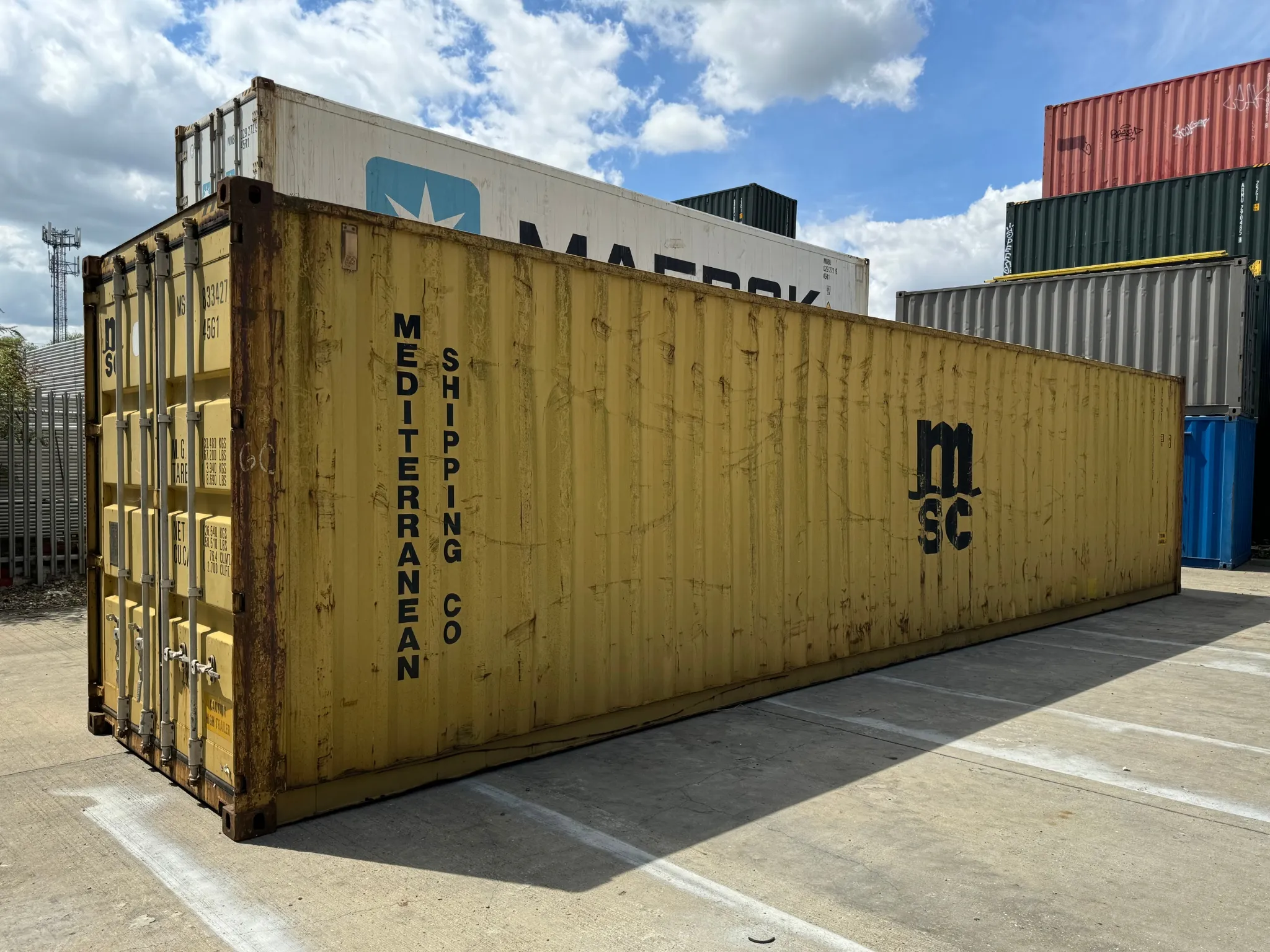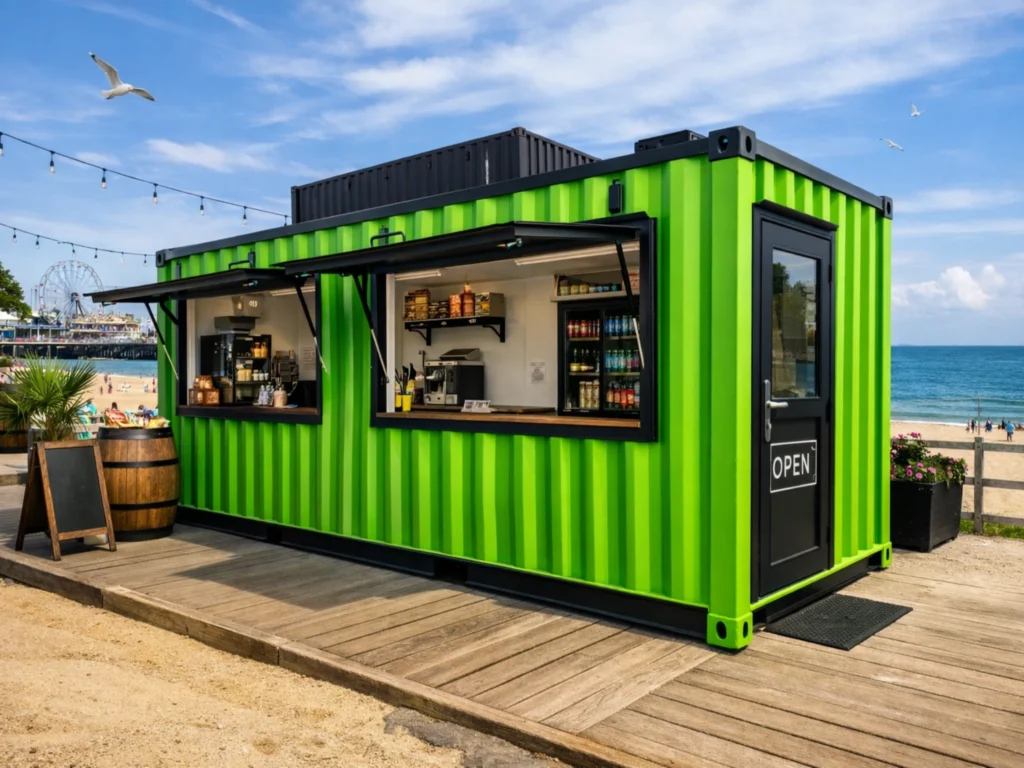
Yes, you can turn a shipping container into a shop in the UK, provided you obtain the correct planning permission, meet building regulations where required, and ensure the container is safely converted with electrics, ventilation and fire compliance. Container shops are widely used for cafés, kiosks, retail parks and seasonal businesses across the UK.
Shipping container shops are no longer unusual.
From beach cafés to town centre pop-ups, container retail units are becoming a practical alternative to traditional brick buildings. But converting a container into a commercial premises involves more than cutting a serving hatch.
This guide explains what you actually need to consider.
Do You Need Planning Permission for a Container Shop?
In most cases, yes.
If the container is placed on land for commercial use, planning permission is usually required.
This is especially true if:
- The container will remain on site long term
- You are changing the use of the land
- You are connecting utilities
- You are trading regularly
Local authorities vary, so always check with your council before purchasing or converting a unit.
If you’re unsure how planning applies to containers, read our full guide here:
Do You Need Planning Permission for a Shipping Container?
Temporary use on private land may be treated differently, but do not assume exemption.
What Size Container Works Best for a Shop?
The most common sizes for container shops are:
- 10ft – small kiosks or coffee booths
- 20ft – standard pop-up retail units
- 40ft – larger cafés, retail spaces or dual-unit layouts
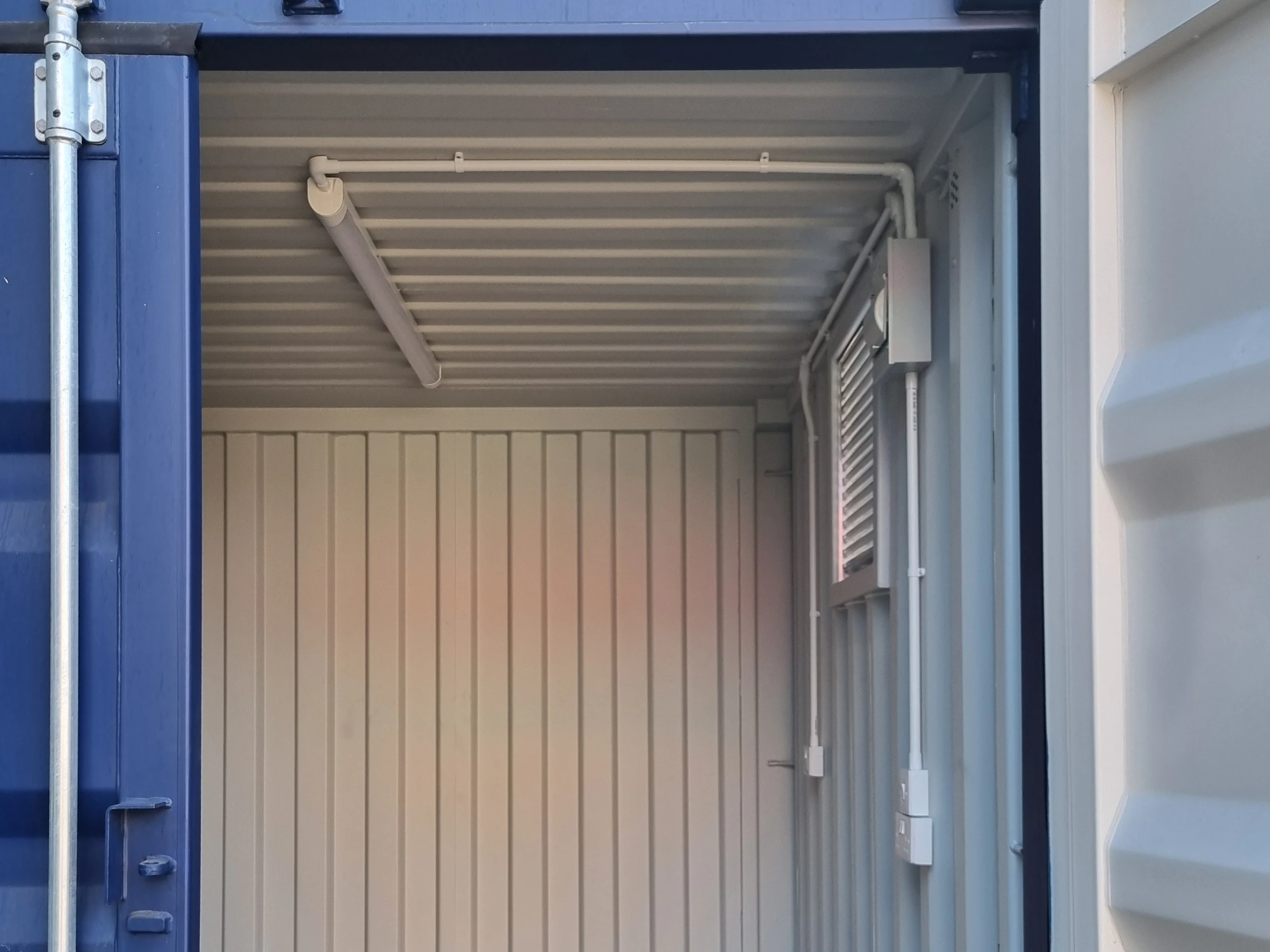
A 20ft container is typically the most versatile starting point. It provides enough internal space for:
- Counter area
- Storage
- Customer service window
- Equipment installation
If you are unsure which size works best for your layout, this guide explains container dimensions in detail:
Shipping Container Sizes Explained: 10ft vs 20ft vs 40ft
Remember that internal space reduces once insulation and lining are installed.
What Needs to Be Added to Convert a Container into a Shop?
A container shell is only the starting point.
To make it suitable for retail use, you will usually need:
Structural modifications
- Cutting openings for doors or serving hatches
- Reinforcing steel framing
- Installing lintels where required
Insulation
- Steel conducts heat quickly
- Internal insulation and vapour barriers are essential
- Especially important for food businesses
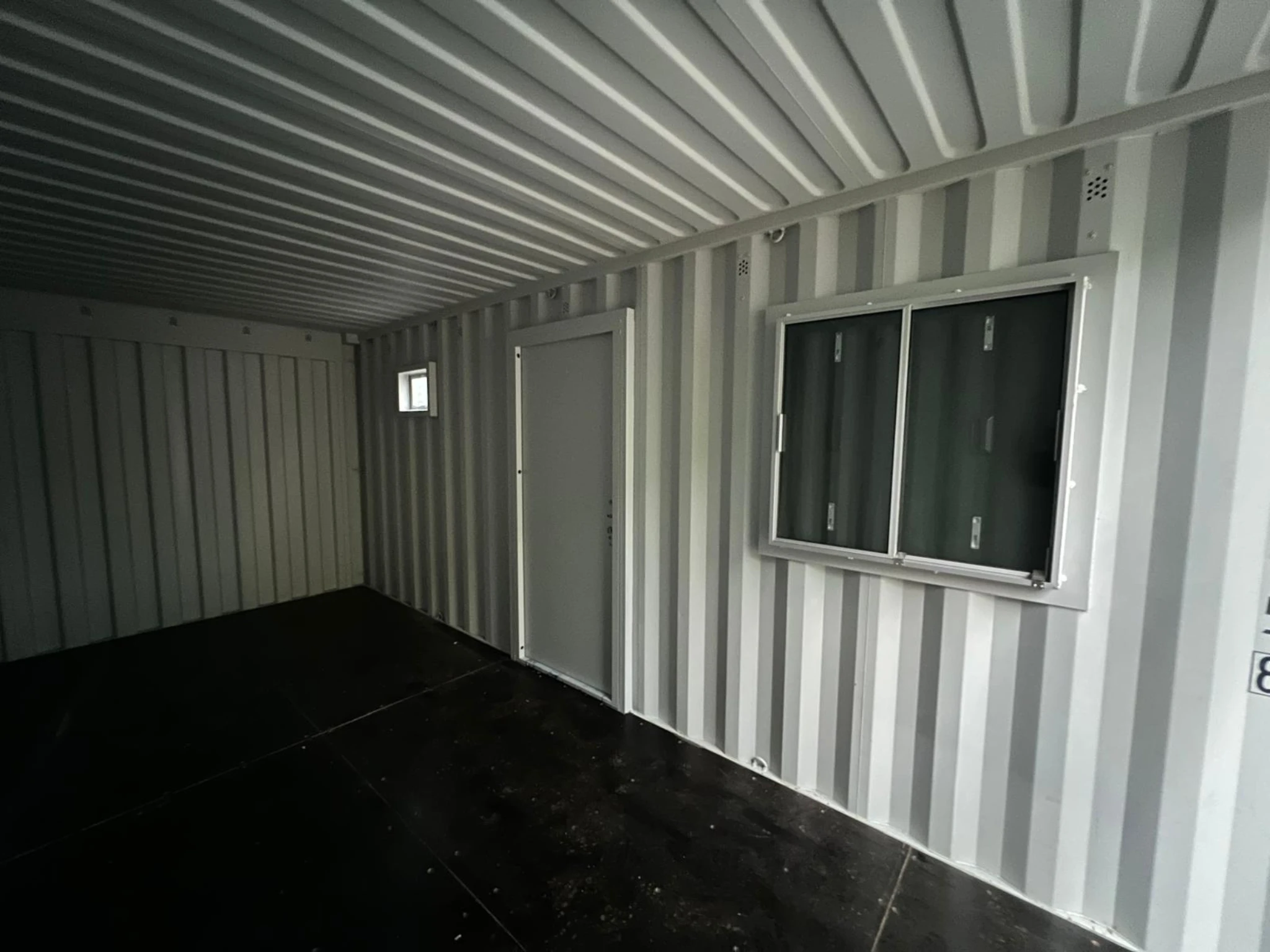
Electrical installation
- Consumer unit
- Surface-mounted trunking
- Lighting
- Sockets for equipment
Plumbing
- If serving food or drinks
- Waste water drainage
- Hot water supply
Ventilation
- Required for food hygiene compliance
- Extraction fans for cooking units
Flooring
- Vinyl or wipe-clean surfaces for food prep
- Waterproof systems if required
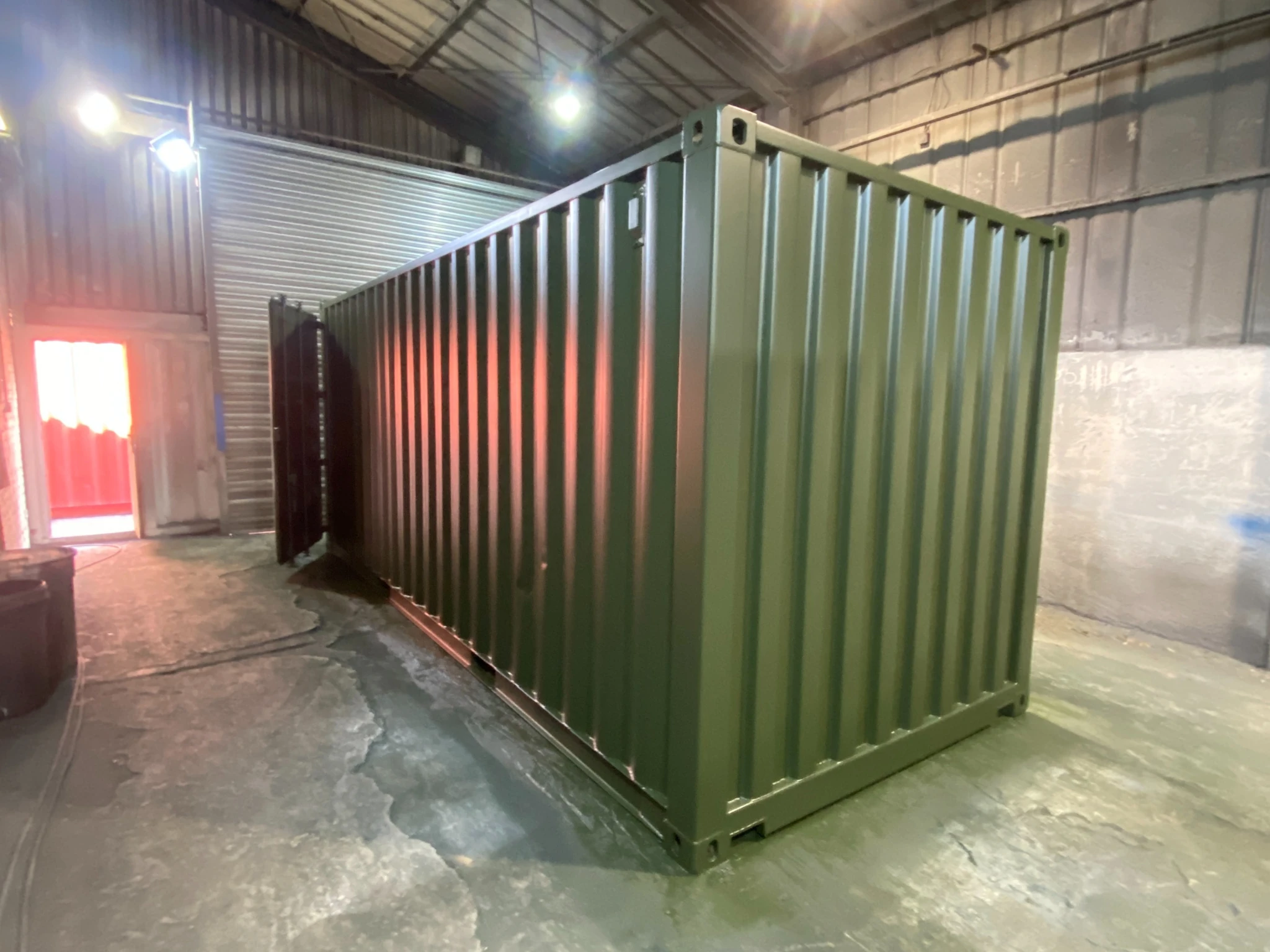
All conversion work is typically completed off-site before delivery.
Are Container Shops Cheaper Than Traditional Shops?
They are usually cheaper to build.
But they are not “cheap”.
Costs depend on:
- Level of conversion
- Internal fit-out
- Equipment installation
- Delivery access
- Planning requirements
Where container shops save money is:
- Speed of installation
- Reduced groundworks
- Lower structural costs
- Relocation flexibility
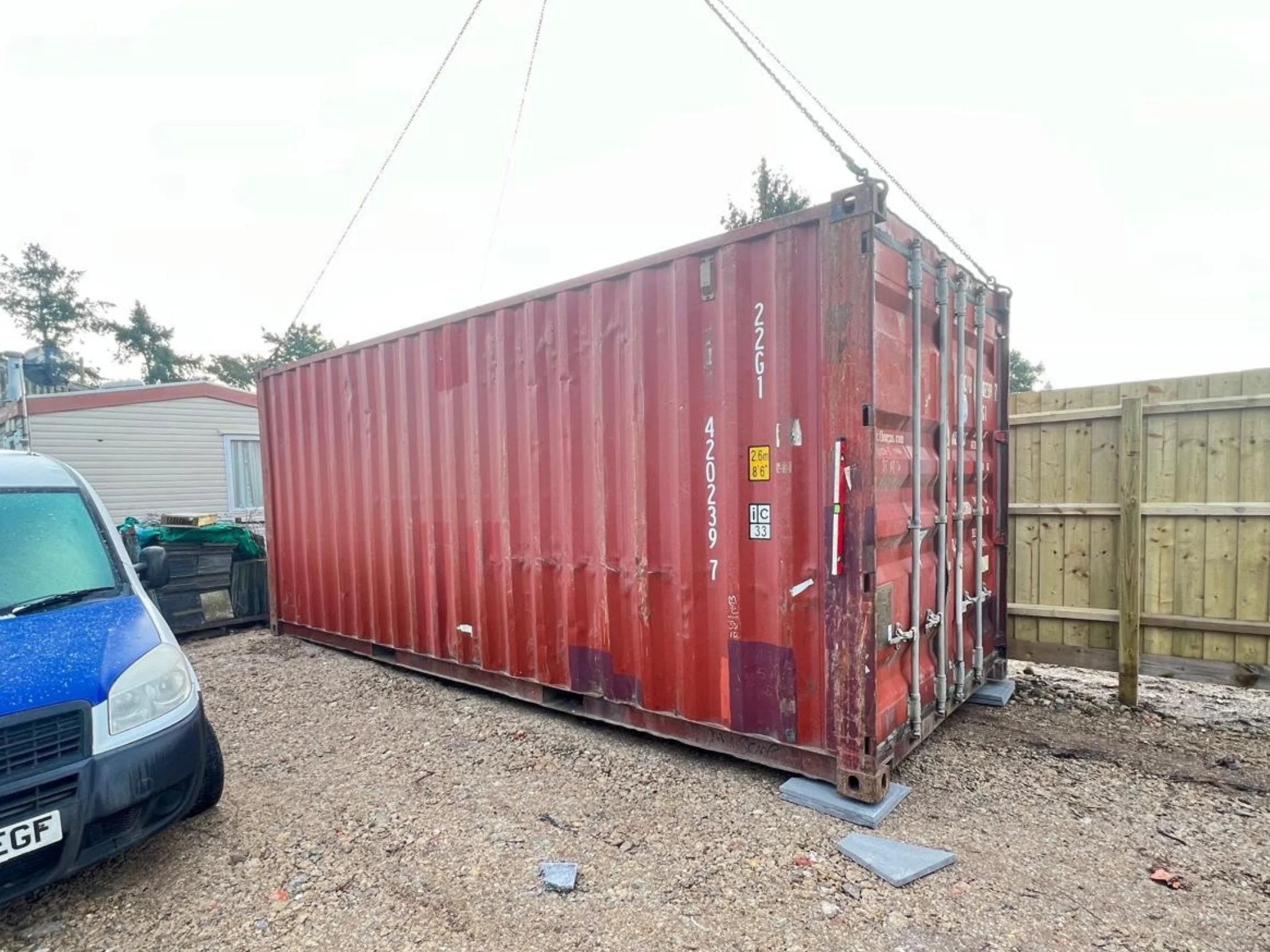
Unlike brick builds, a container shop can often be delivered and positioned in a single day.
Delivery method matters. For positioning and lifting, read:
HIAB vs Sidelifter Delivery: Which Do You Need
Are Container Shops Secure?
Yes.
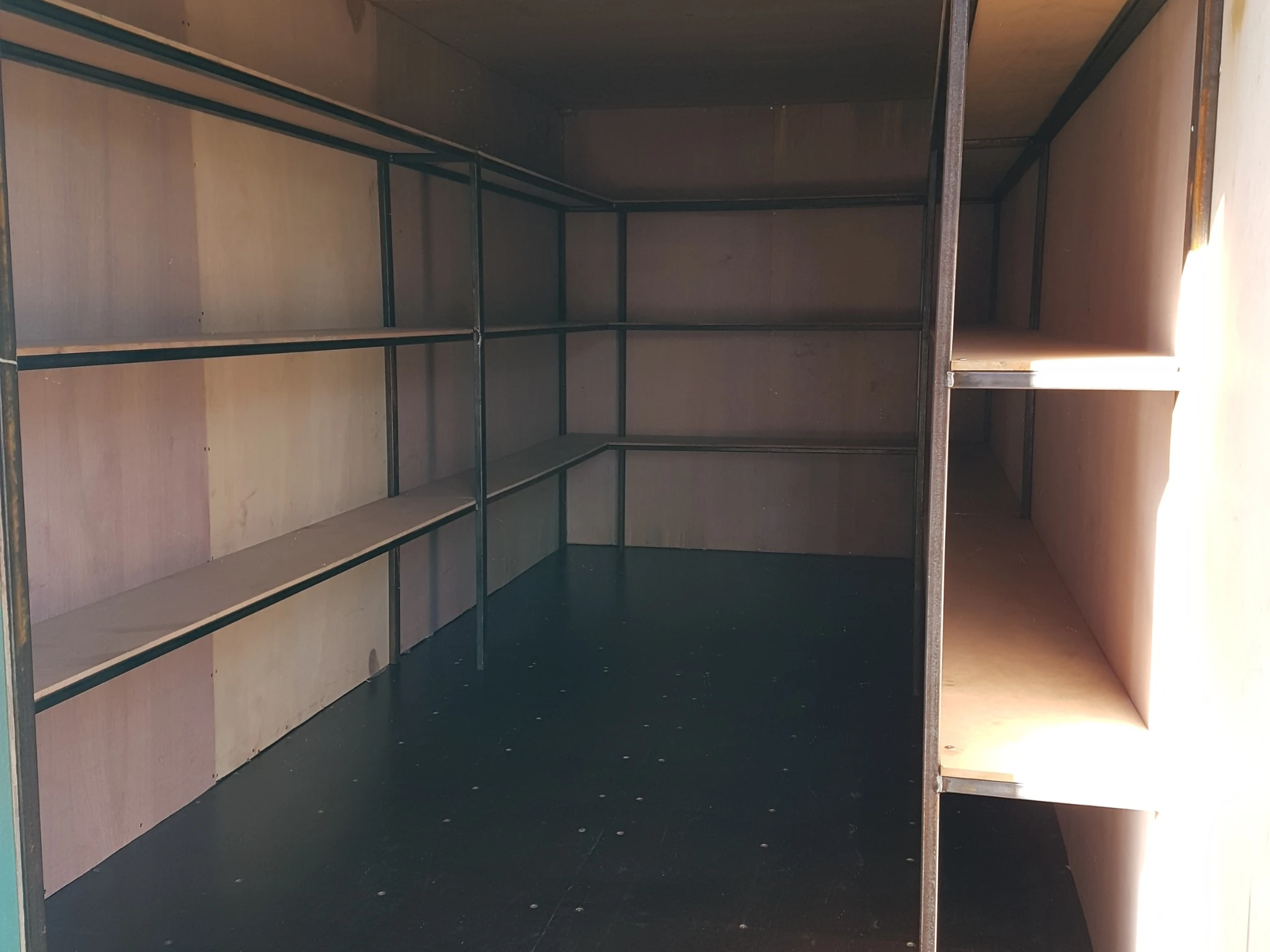
Shipping containers are built from corten steel and designed for global cargo transport. Once fitted with:
- Lockboxes
- Steel doors
- Roller shutters
They are often more secure than temporary timber structures.
If security is a concern, this guide explains container security in more detail:
How Secure Are Shipping Containers for Storage?
Real UK Examples of Container Retail
Container retail is already established in the UK.
Examples include:
- Beach Street in Felixstowe
- Pop Brixton in London
- Seasonal Christmas markets
- Festival food units
Container cafés are especially popular because they:
- Offer fast setup
- Can relocate between events
- Require lower upfront investment than fixed premises
For farm shops, surf shops, ticket kiosks or ice cream stands, containers offer practical durability in rural or seasonal locations.
Do Container Shops Need Building Regulations Approval?
It depends.
If the container is:
- Permanently connected to utilities
- Open to the public
- Used as a workplace
Building regulations may apply.
Food businesses must also comply with:
- Environmental health standards
- Fire safety regulations
- Electrical certification
Consult your local authority early in the process.ied, structural calculations are important.

Is a Shipping Container Shop Right for You?
Container retail units work best for:
- Start-ups
- Event traders
- Seasonal businesses
- Businesses testing a new location
- Rural or off-grid sites
They are less suitable for high-footfall prime city retail where aesthetics and long-term permanence are priorities.
Container shops are not a workaround to bypass regulation.
They are a flexible, durable retail solution when properly designed and approved.