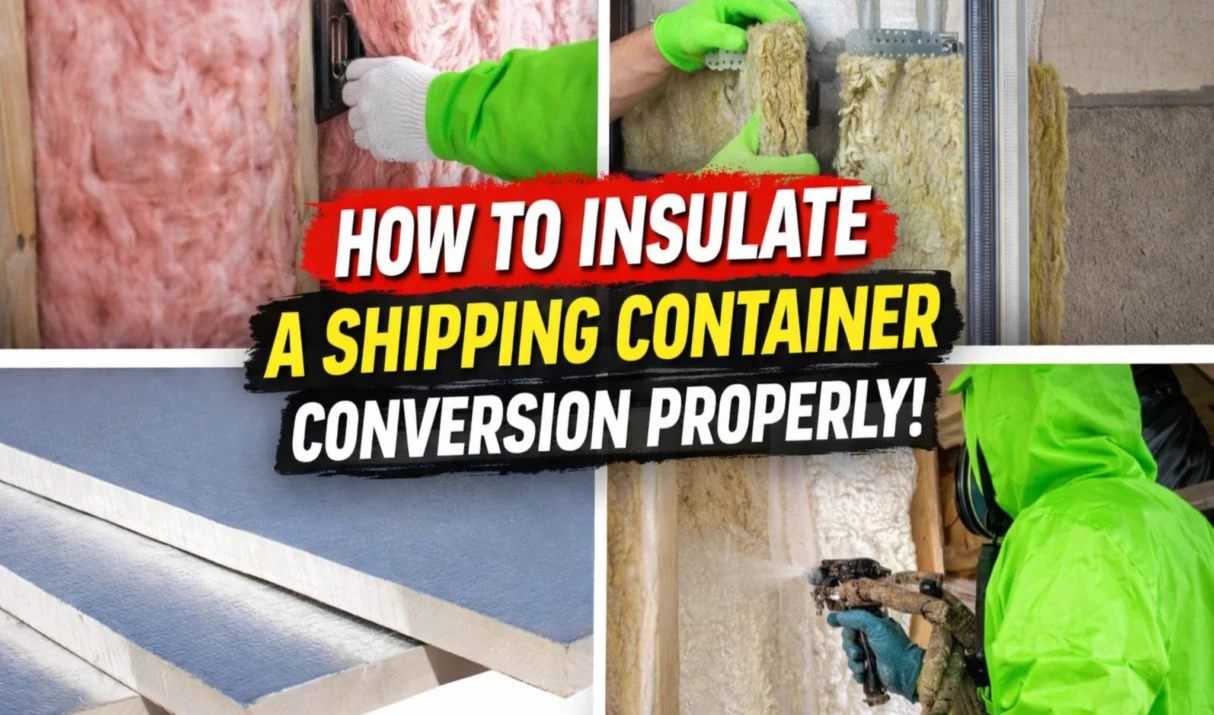
How to insulate a shipping container conversion properly depends on controlling condensation as well as temperature. In the UK, the best approach is usually closed-cell spray foam or a flash-and-batt system, because steel containers trap moisture and create thermal bridging. Poor insulation choices can leave wall cavities damp, reduce usable lifespan, and make a conversion
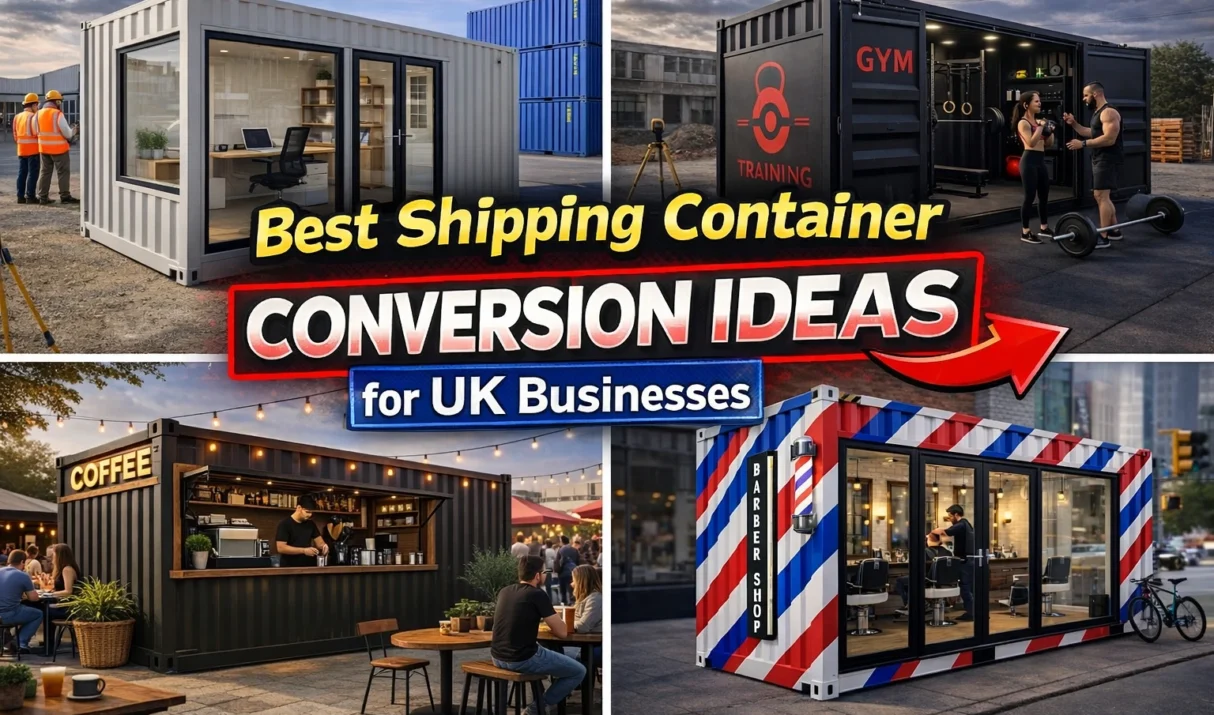
Shipping container conversion ideas for UK businesses include coffee shops, pop-up retail stores, offices, gyms, bars, workshops, and self-storage facilities. These businesses use converted shipping containers because they are cheaper than traditional premises, faster to set up, and flexible enough to relocate. Many UK startups now launch from container conversions before committing to permanent buildings.
In most cases, yes. Shipping container conversions usually require planning permission in the UK if they are used permanently, connected to utilities, or used as living space, offices, retail units, or other commercial buildings. Unlike standard storage containers, conversions are often treated by councils as buildings rather than temporary structures. Always check with your local
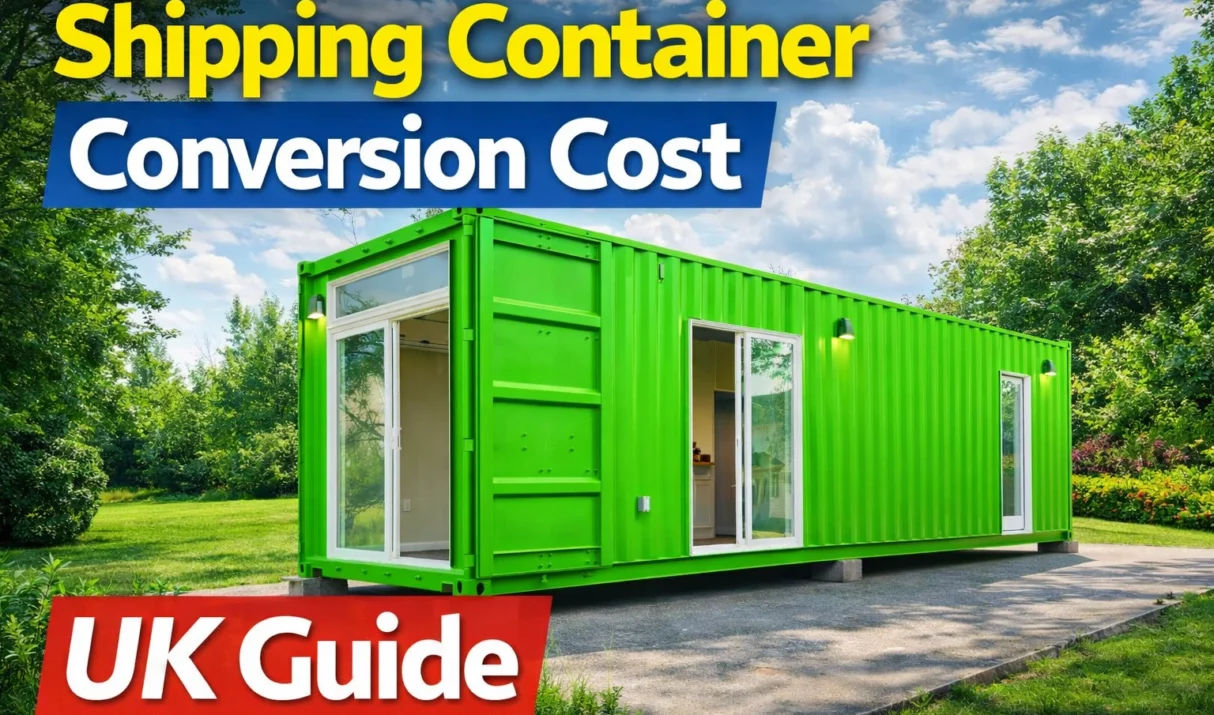
How much does a shipping container conversion cost in the UK? A shipping container conversion can cost anywhere from a few hundred pounds for basic upgrades to tens of thousands for a fully bespoke build. Final cost depends on the base container, size, condition, insulation, doors, windows, electrics, plumbing, interior finish, and how complex the