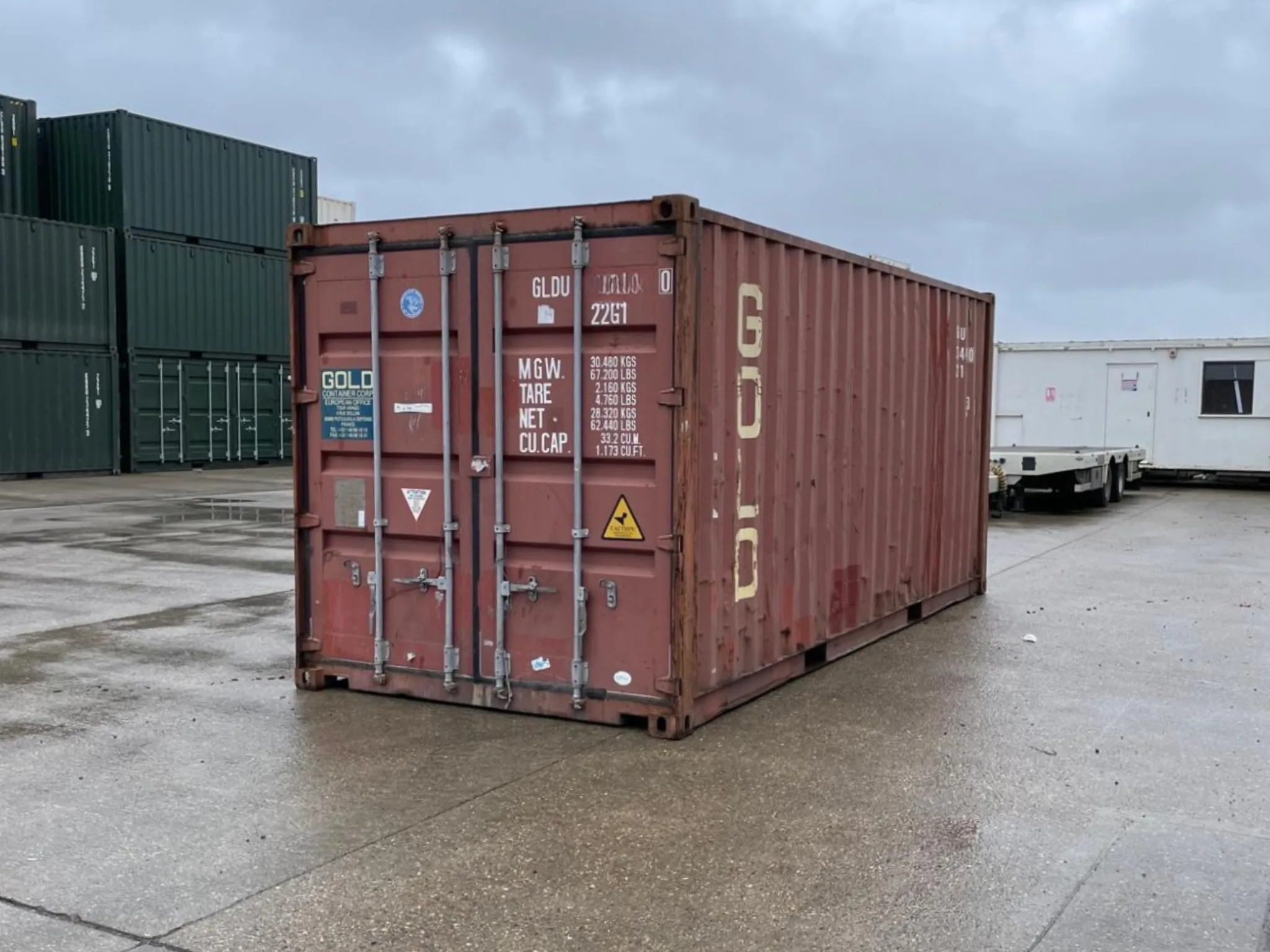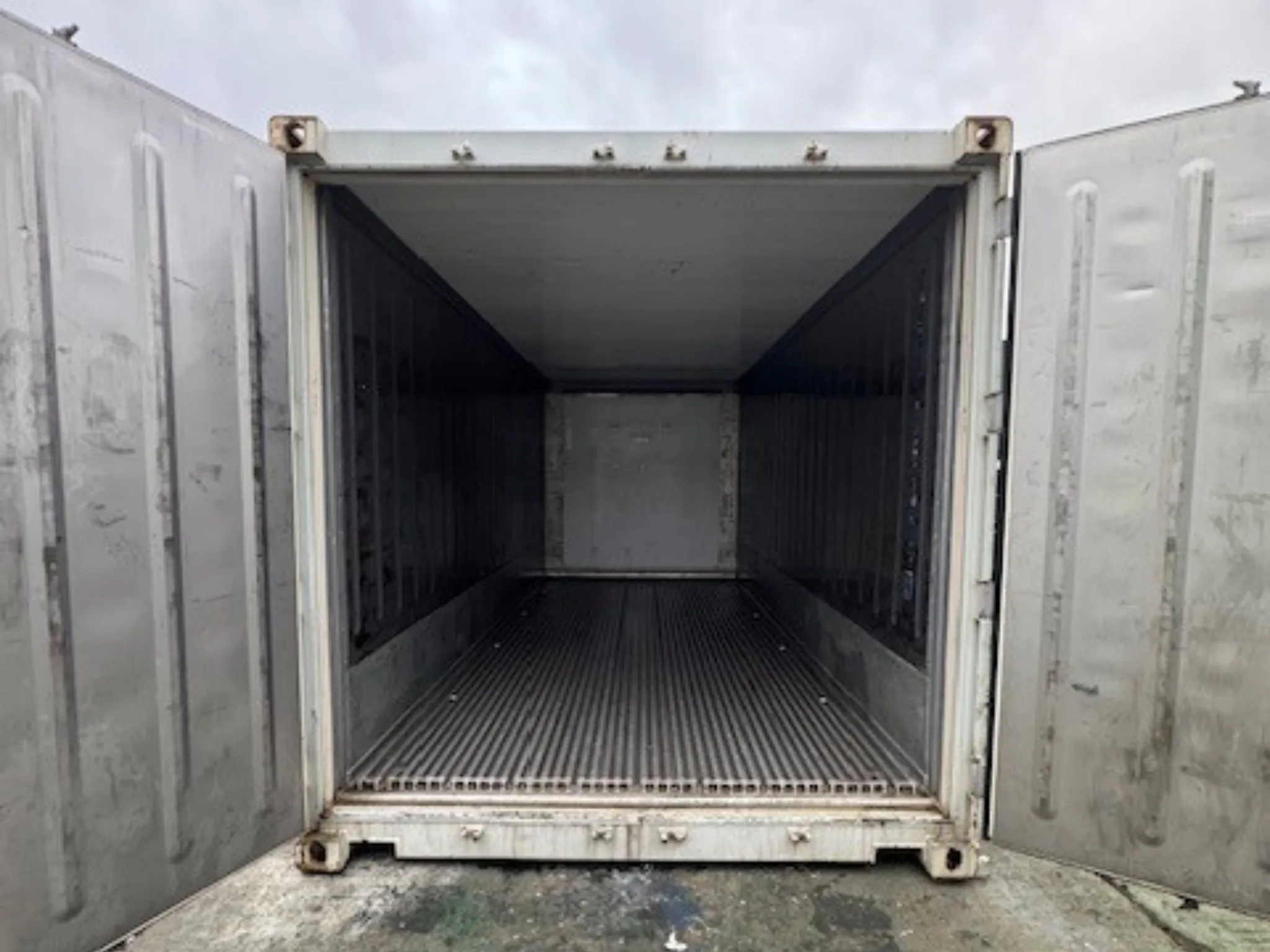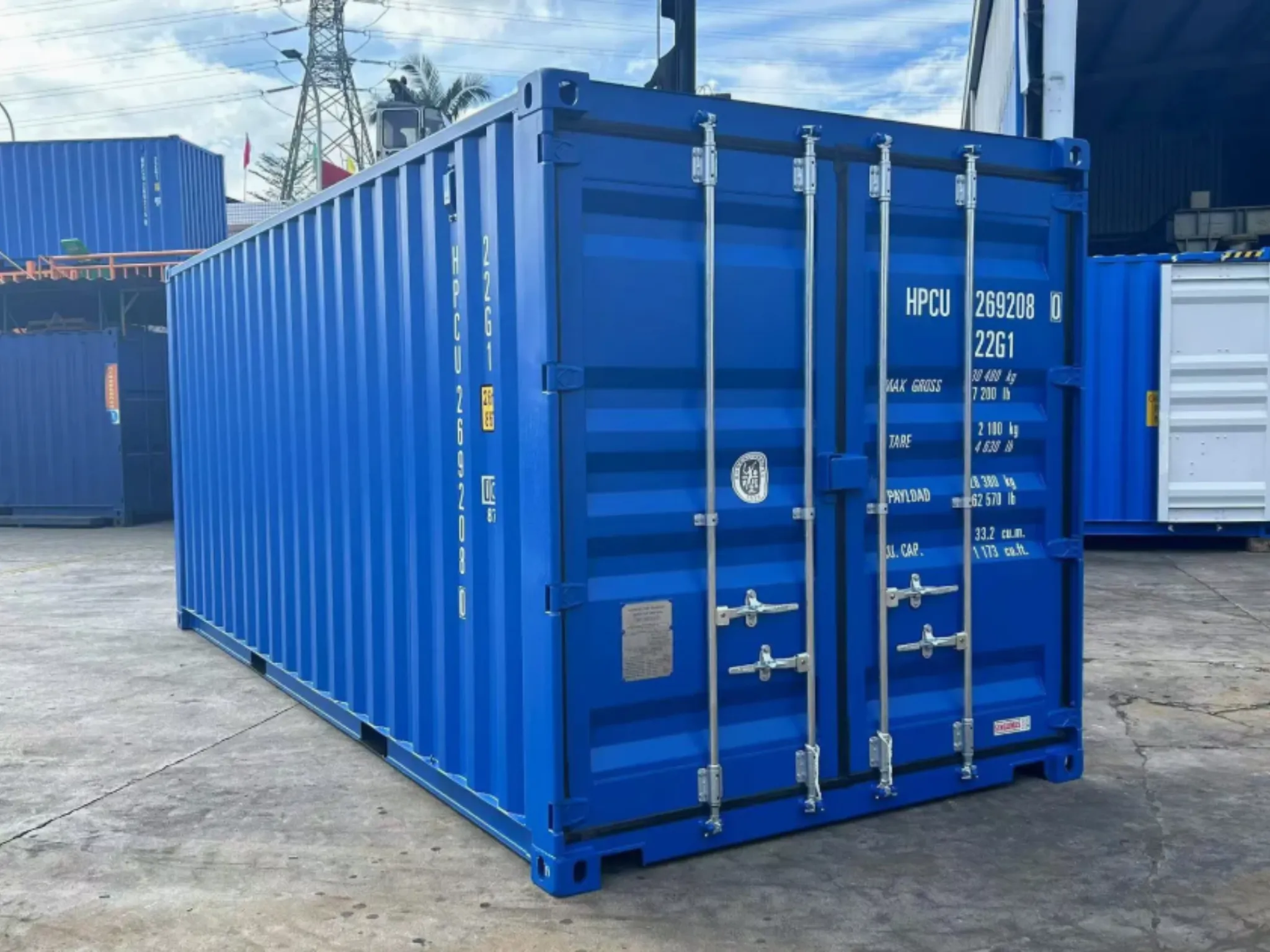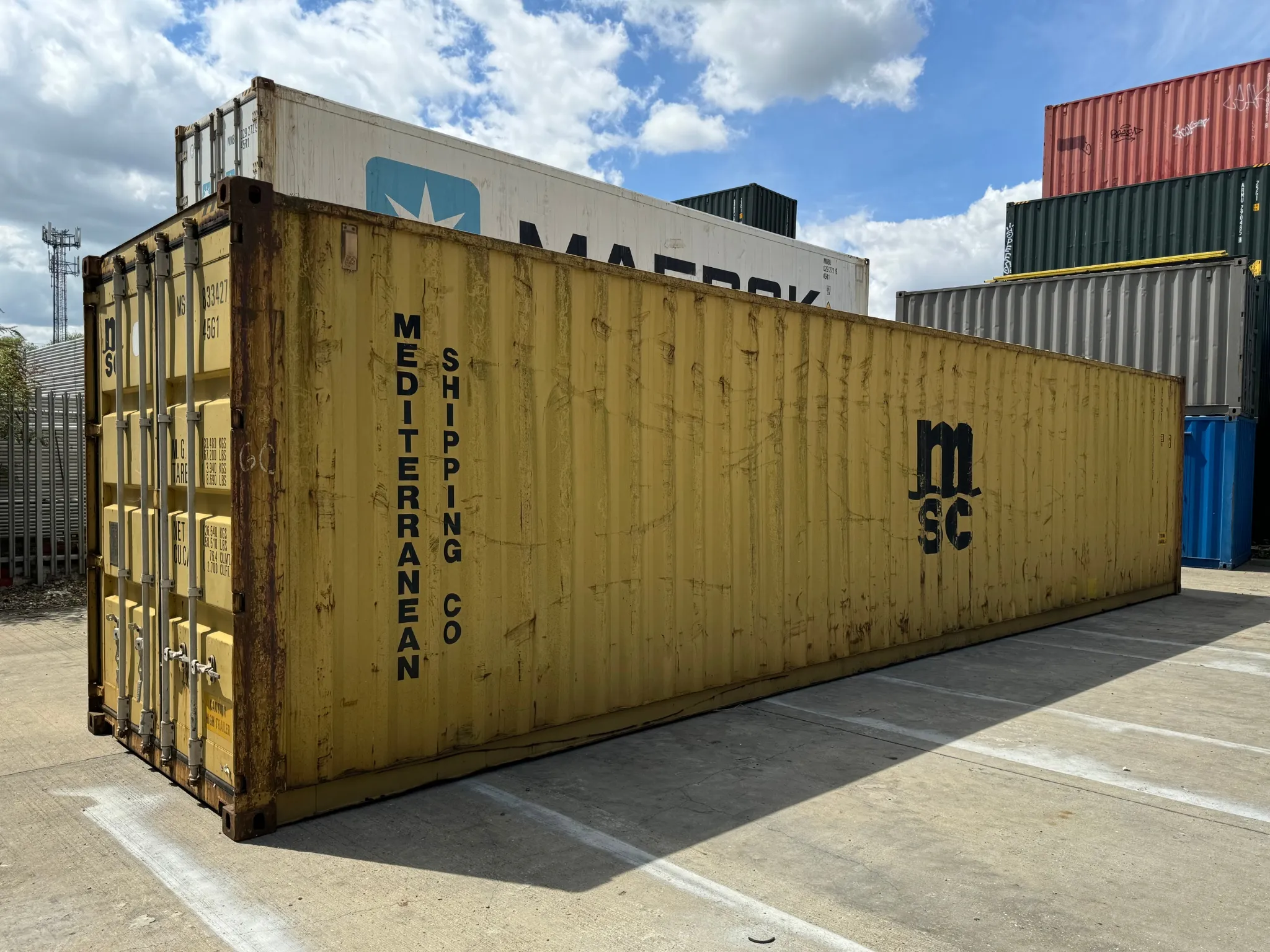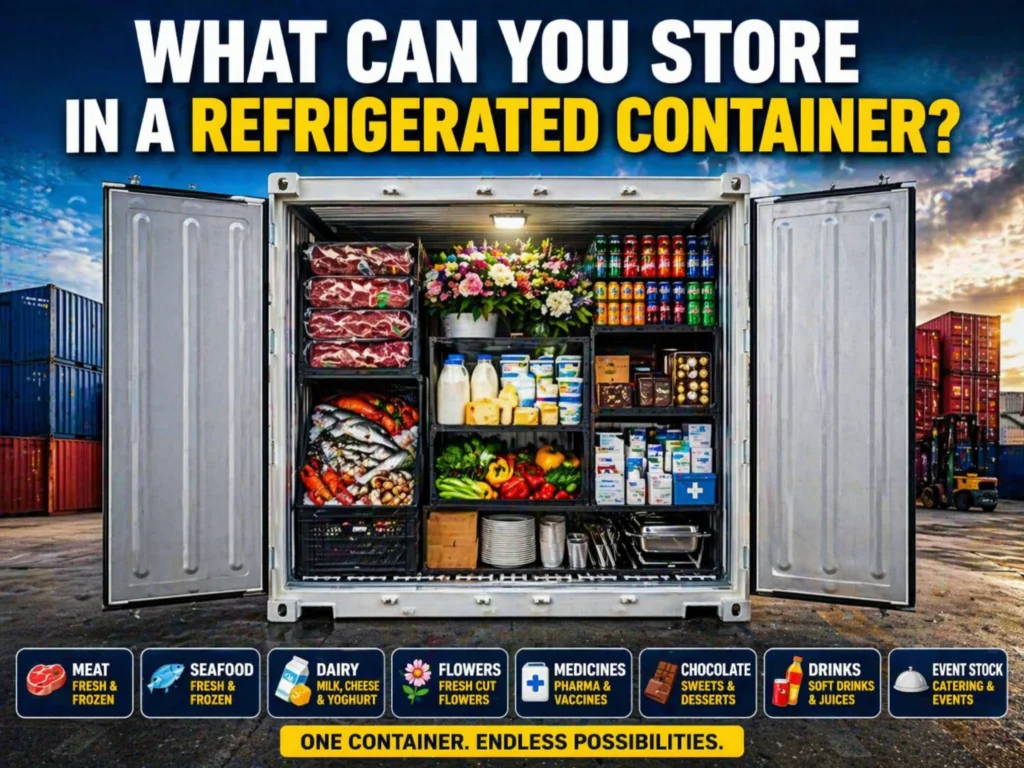
What can you store in a refrigerated container? A refrigerated shipping container can store far more than frozen food. In the UK, reefer containers are used for meat, dairy, flowers, pharmaceuticals, event stock, seasonal retail overflow, chocolate, drinks, and other temperature-sensitive goods that need stable cold storage during storage or transport.
What Is a Refrigerated Container?
A refrigerated container, often called a reefer, is an insulated shipping container fitted with an integrated refrigeration unit that maintains a controlled internal temperature.
Reefer containers are designed to hold temperature-sensitive goods in stable conditions.
Most standard units operate within a temperature range of around -25°C to +25°C, depending on the model and refrigeration unit. That makes them suitable for chilled storage, frozen storage, or controlled cool storage across many industries.
If you are still comparing the basics, our guide to refrigerated shipping containers explained breaks down how reefers work, what marine spec means, and what UK buyers should check before ordering.
Why refrigerated containers are more versatile than most buyers think
Many buyers assume reefers are only for frozen food.
That is too narrow.
A refrigerated shipping container can be used anywhere product quality, compliance, shelf life, or temperature stability matters. In many cases, the reefer is protecting the value of the stock rather than simply keeping it cold.
What Can You Store in a Refrigerated Container?
A refrigerated container can store a wide range of chilled, frozen, cool, or temperature-sensitive goods.
The exact suitability depends on the required temperature, how often the doors are opened, the loading pattern, and whether the goods need chilled storage, frozen storage, or a stable protected environment.
Food and drink
Food and drink are the most common reefer applications.
Refrigerated containers are widely used for:
- fresh produce
- meat
- seafood
- dairy products
- frozen food
- prepared meals
- bakery ingredients
- soft drinks
- alcoholic drinks
- fresh juices
A refrigerated container helps maintain food safety, reduce spoilage risk, and protect stock quality during peak demand.
This is why they are widely used by wholesalers, caterers, food producers, festivals, retailers, and event operators.
Pharmaceuticals and medical supplies
Pharmaceuticals often require tight temperature control.
Reefer containers are commonly used for:
- vaccines
- medicines
- biologics
- medical supplies
- laboratory materials
- certain healthcare stock
Temperature consistency is critical for medical storage. A controlled container helps reduce the risk of temperature excursions that could affect product integrity.
Flowers, plants, and agricultural goods
Fresh flowers and some horticultural products benefit heavily from refrigerated storage.
Common reefer uses include:
- cut flowers
- plants
- seedlings
- seeds
- harvested produce
- agricultural stock awaiting dispatch
A refrigerated environment slows deterioration and helps preserve presentation, freshness, and viability.
Chocolate, confectionery, and specialist food products
Chocolate is one of the most overlooked reefer use cases.
Premium chocolate, confectionery, and specialist products can be damaged by warm weather, fluctuating temperatures, or poor storage conditions.
A reefer can help protect:
- artisan chocolate
- confectionery
- speciality cheeses
- smoked fish
- pâtés
- temperature-sensitive ingredients
Cosmetics, beauty products, and perfumes
Some beauty products are heat-sensitive.
Products such as creams, lotions, balms, serums, and perfumes can lose texture, consistency, or quality if exposed to excessive heat.
A refrigerated container can help preserve condition during storage, summer overflow, or transport staging.
Event and hospitality stock
Events create short-term cold storage demand fast.
Reefer containers are often used for:
- weddings
- festivals
- music events
- outdoor catering
- corporate hospitality
- temporary bars
- mobile food operations
A reefer gives event operators on-site cold storage without needing permanent cold room infrastructure.
If your customer only needs temporary capacity during busy periods, our guide on shipping containers for seasonal businesses explains how refrigerated and standard containers can work together during peak trading.
Retail and supermarket overflow
Retailers often need extra short-term chilled or frozen capacity.
This is especially common during:
- Christmas peaks
- summer trading spikes
- promotional campaigns
- stock moves
- refits
- temporary storage shortages
A refrigerated shipping container gives flexible overflow space without committing to permanent building works.
Live seafood and specialist supply chains
Some products are highly sensitive to both temperature and timing.
Reefers are often used in supply chains involving:
- live seafood
- shellfish
- premium meat
- specialist ingredients
- export-sensitive chilled products
A stable cold environment helps protect product quality before onward dispatch.
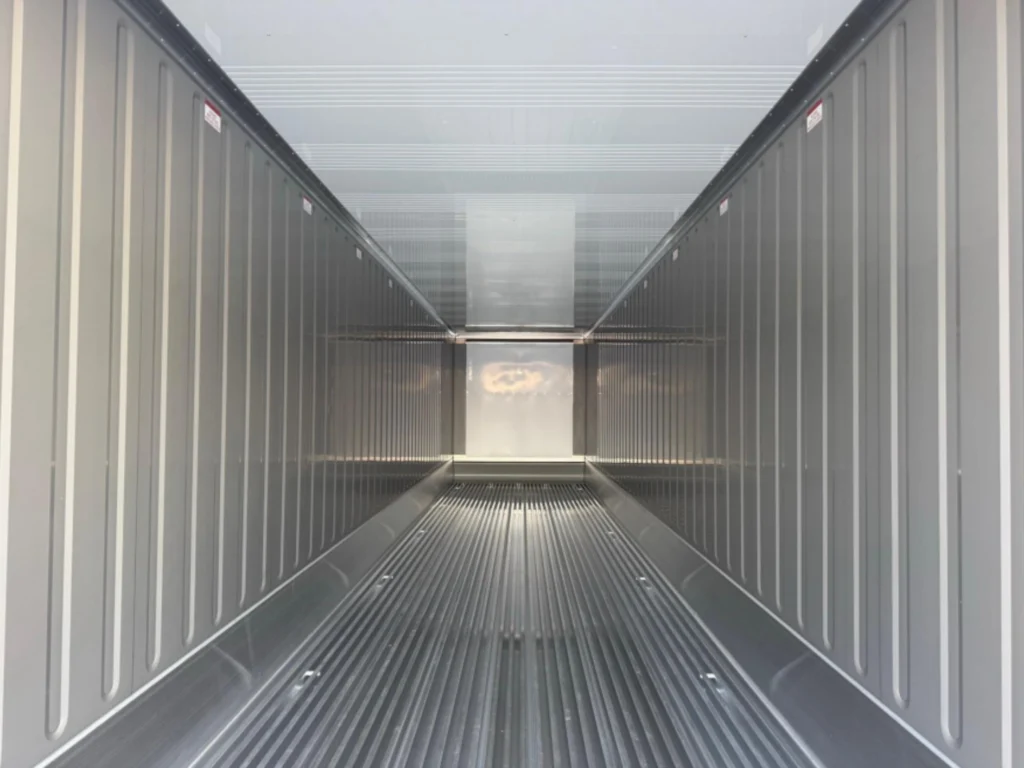
Why Reefer Containers Matter for More Than Frozen Food
A refrigerated container protects far more than perishables.
Many goods stored in reefers are not simply at risk of spoiling. They are at risk of losing value, compliance, shelf life, presentation, or performance.
That is why reefer storage matters across food, healthcare, events, agriculture, retail, and specialist product sectors.
The biggest benefit is controlled consistency.
A refrigerated container gives businesses extra cold storage capacity exactly where it is needed, whether that is on a permanent site, temporary event location, farm, depot, or retail yard.
Common Buyer Concerns
Can you store dry goods in a refrigerated container?
Yes, but only if the storage conditions suit the product.
Some dry goods or packaged products benefit from stable cool storage, especially if they are heat-sensitive. The key question is not whether the goods are dry. The key question is whether the goods need temperature protection.
Can you use a reefer for drinks and not just food?
Yes.
Drinks are a common use case for refrigerated containers, especially for events, hospitality, retail peaks, and wholesalers needing chilled stock on-site.
Are reefers only for commercial food businesses?
No.
Reefers are used by event firms, farms, florists, pharmaceutical operators, retailers, medical supply chains, and businesses with seasonal cold storage demand.
Can a refrigerated container be used as a freezer?
Yes, if the unit specification and temperature range allow it.
Most standard reefers can operate in both chilled and frozen ranges, depending on the model and refrigeration system fitted.
Can a refrigerated container safely store valuable stock?
Yes, where the product is suitable and the unit is set up correctly.
A refrigerated container can protect high-value stock from heat, spoilage, and unstable storage conditions.
What Should You Not Store in a Refrigerated Container?
Not every product belongs in a reefer.
A refrigerated container is designed to maintain a set temperature, not solve every storage problem.
You should avoid storing goods that:
- do not benefit from temperature control
- are likely to be damaged by condensation if managed poorly
- require specialist humidity control beyond standard reefer capability
- need hazardous storage handling outside normal reefer use
- are loaded warm when the product should have been pre-cooled first
A reefer is not a shortcut for poor stock preparation.
Products should match the storage conditions, and temperature-sensitive stock should be loaded correctly from the start.
Choosing the Right Reefer for the Goods You Need to Store
The right refrigerated container depends on the stock, not just the size.
Buyers should think about:
- required temperature range
- chilled or frozen use
- frequency of door opening
- product volume
- loading method
- site power supply
- daily access needs
- whether the use is short-term or long-term
A 20ft reefer is often enough for smaller operations, event use, local food businesses, and tighter sites.
A 40ft reefer suits higher stock volumes, large-scale catering, wholesalers, and businesses needing greater internal capacity.
If you are deciding between sizes, read 20ft vs 40ft refrigerated containers: which is right for you before choosing.
New vs Used Reefer Storage for Different Use Cases
A new refrigerated container is usually the better choice for buyers who want maximum remaining lifespan, cleaner presentation, or long-term use with a near-new unit.
A used ex-marine reefer is often the better value choice for buyers who want practical cold storage without paying for new.
| Use case | New reefer | Used reefer |
|---|---|---|
| Long-term branded business use | Strong option | Possible depending on condition |
| Seasonal overflow storage | Often unnecessary | Strong option |
| Event and hospitality cold storage | Good option | Strong option |
| Farms and produce storage | Good option | Strong option |
| High-volume retail overflow | Good option | Strong option |
| Budget-conscious cold storage | Less suitable | Usually better value |
A used reefer is often the most sensible route when appearance matters less than performance and cost control.
If you are weighing up condition and value, read new vs used refrigerated containers: which is better and used refrigerated containers for sale UK: what you need to know.
Why Bosh Boxes Is the Best Choice
Bosh Boxes helps buyers match the reefer to the real use case instead of guessing based on price alone.
- Practical advice on what goods suit reefer storage
- Clear guidance on new versus used options
- UK-wide refrigerated container delivery
- Help with matching size to stock volume and site space
- Honest advice on power requirements before delivery
- Guidance based on real buyer use cases, not generic claims
- Focus on long-term value and operational fit
A refrigerated container should match the product, site, and usage pattern from day one.
Buyers who need dependable cold storage can browse our refrigerated shipping containers for sale in the UK to compare available options.
How to Get Started
Start with the stock list first.
Work out what you actually need to store, the target temperature, the stock volume, how often access is needed, and whether the unit will be used seasonally or all year round.
Then choose the reefer size and condition that best fits the operation.
If you need practical advice on what a refrigerated container can store and which unit is right for your site, browse our refrigerated shipping containers for sale in the UK or speak to Bosh Boxes for straightforward guidance.