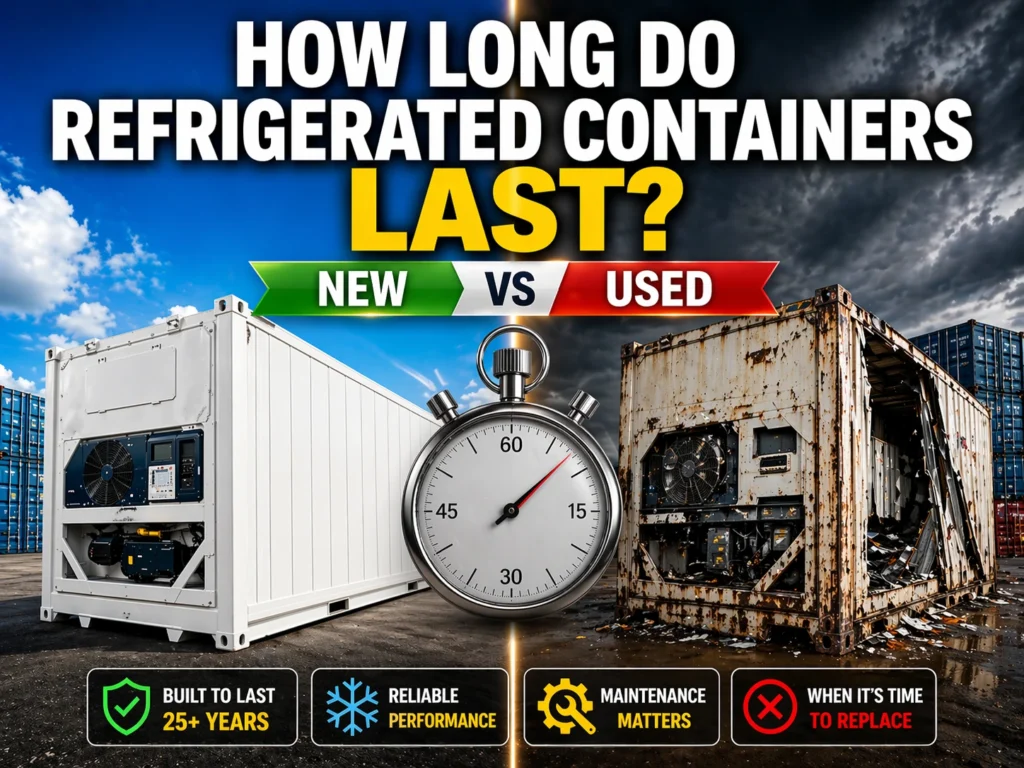
How long do refrigerated containers last? A refrigerated shipping container will often last 10 to 15 years in active marine service and can continue working for years beyond that in static UK storage if it is maintained properly. For most buyers, reefer lifespan depends on machinery condition, servicing history, power setup, and how the unit is used day to day.
What Is the Typical Lifespan of a Refrigerated Container?
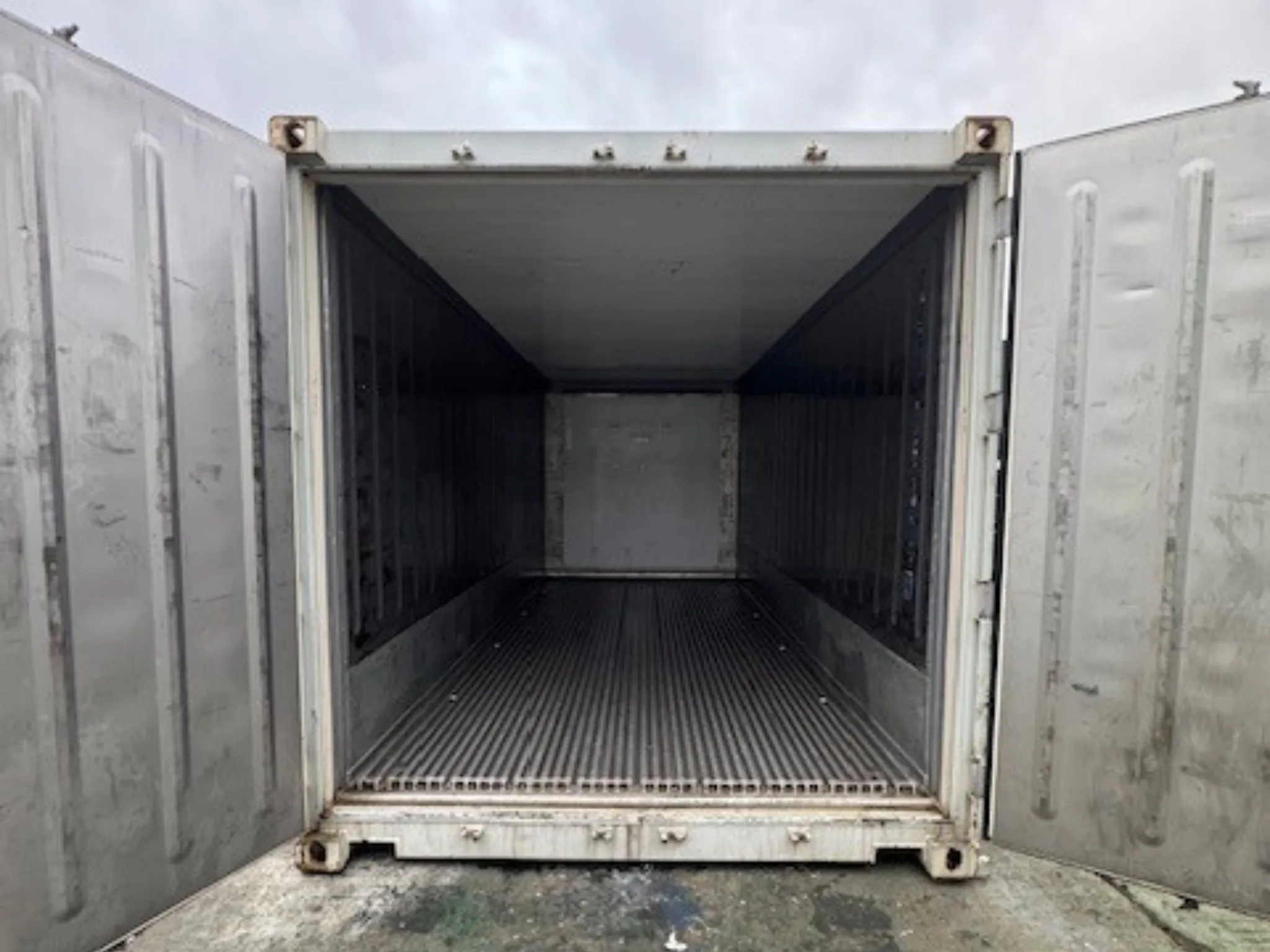
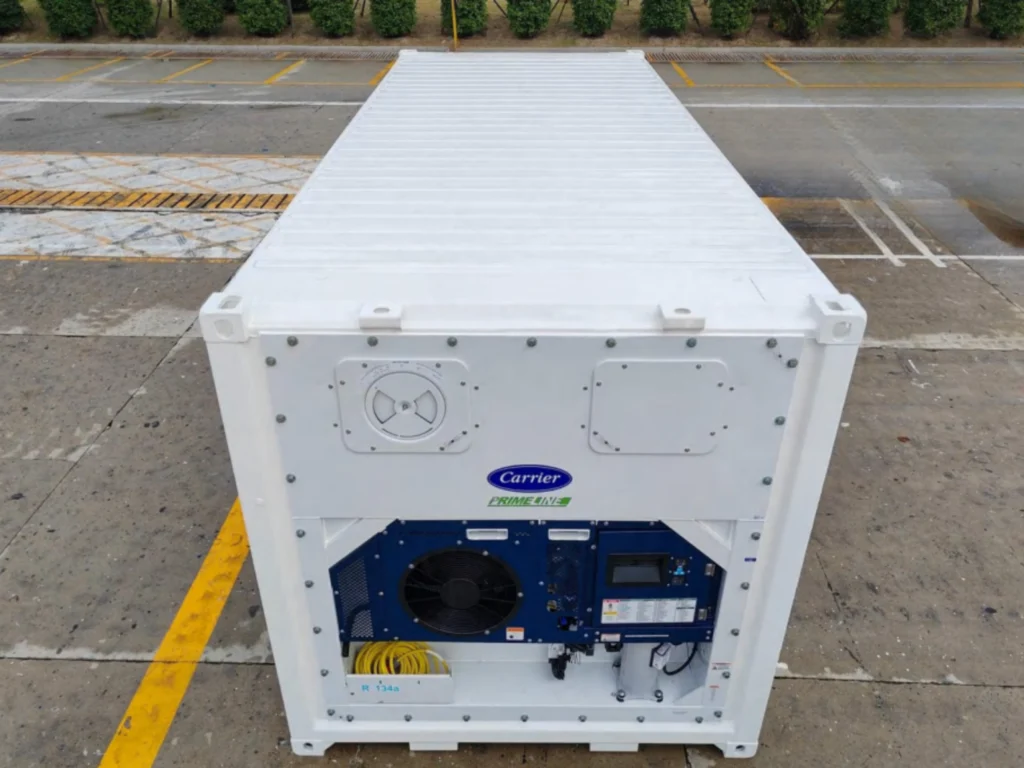
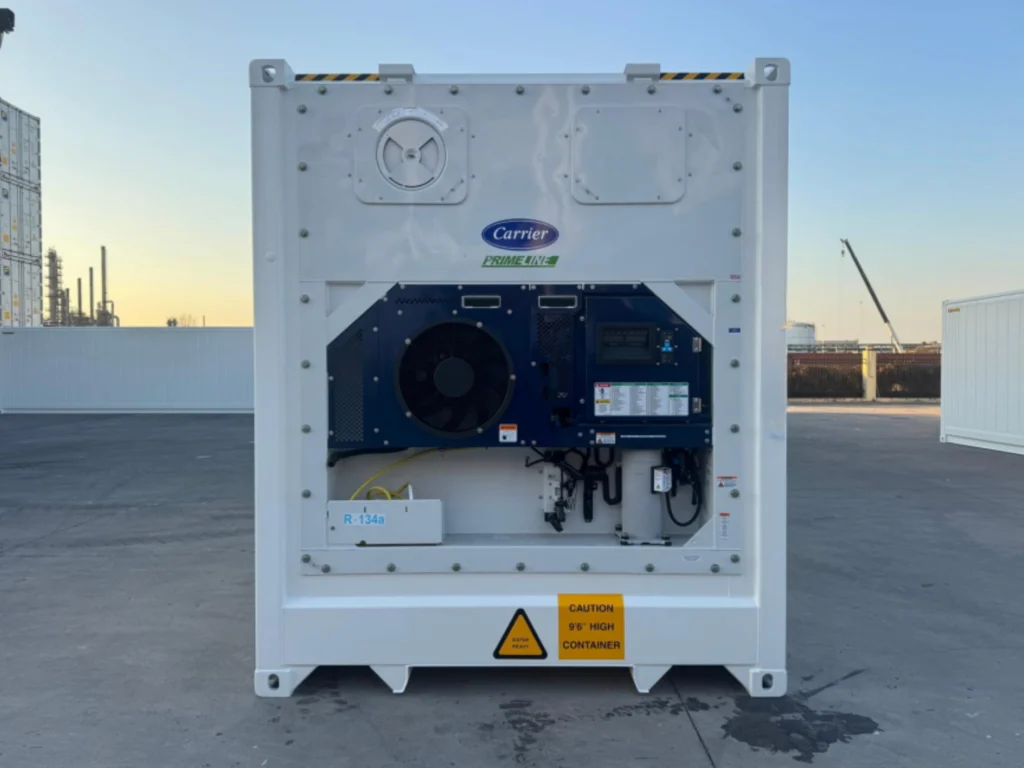
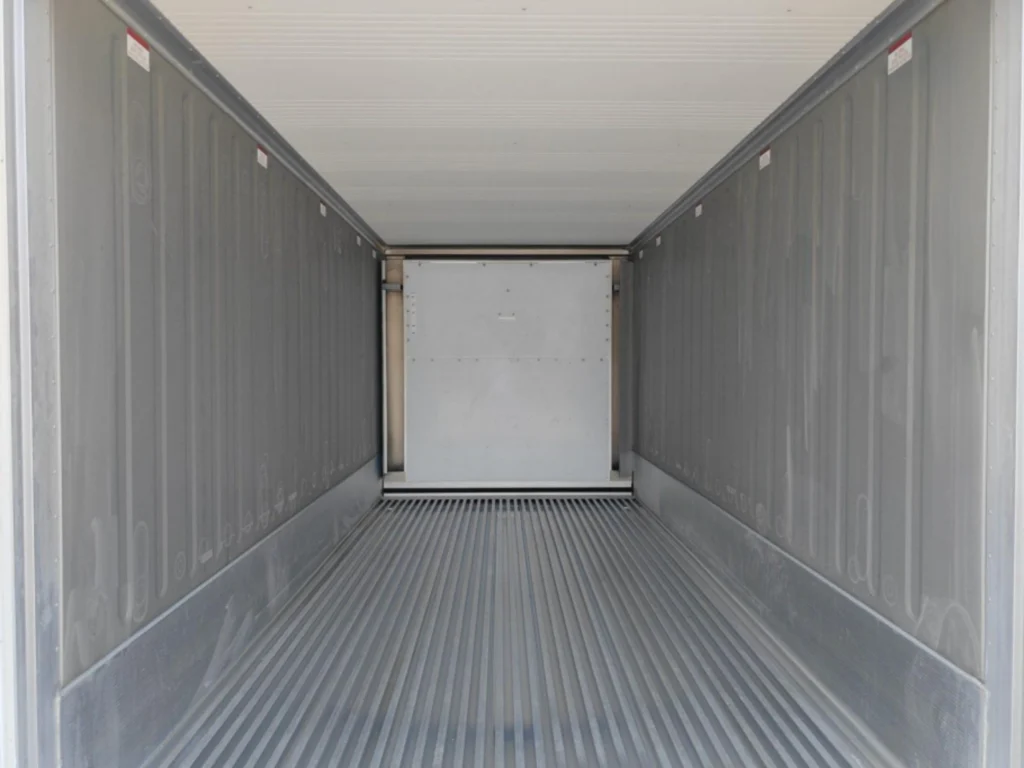
A refrigerated container, also known as a reefer, is a steel ISO container fitted with insulated panels and an integrated refrigeration unit.
Most used ex-marine reefers sold in the UK are already around 10 to 15 years old when they leave shipping-line service. That does not automatically mean they are near the end of their useful life.
A refrigerated container used for static storage in the UK is usually working in easier conditions than it did in global shipping service.
If you are comparing available units, our range of refrigerated shipping containers for sale in the UK includes both new and used options for different operating needs.
Marine service life vs static storage life
Marine service is hard on a reefer.
Containers are moved between depots, ports, vessels, and trucks. They are exposed to heavy handling, harsh weather, and continuous operational demand.
Static storage is different.
A reefer placed on one site for food, retail, events, or pharmaceutical storage is usually under far less physical strain. Static storage often extends practical service life beyond active freight use.
What usually wears out first
The refrigeration machinery usually becomes the deciding factor before the shell does.
The main areas that affect reefer lifespan are:
- compressor and refrigeration unit condition
- electrical components and control systems
- door seals and gaskets
- insulation panel condition
- corrosion around the frame and floor
- servicing history
A refrigerated container can remain structurally sound even when machinery parts start needing attention.
Why Reefer Lifespan Matters to UK Buyers
Reefer lifespan affects total ownership cost, stock protection, and buying confidence.
A low purchase price is not good value if the unit is unreliable, inefficient, or likely to fail under regular use.
Most buyers care about lifespan for three practical reasons:
- whether buying used still makes financial sense
- whether the container will maintain temperature reliably
- whether ongoing maintenance costs will stay manageable
A refrigerated container can offer better long-term value than a fixed cold room when the application suits mobile or modular storage.
If you are still comparing the basics, read our guide to refrigerated shipping containers explained before choosing between new and used.
What Shortens the Life of a Refrigerated Container?
Poor maintenance shortens reefer life faster than age alone.
A well-maintained used reefer is often a better buy than a newer unit with weak service history.
Lack of servicing
Refrigeration systems need regular checks.
Neglected servicing can lead to compressor wear, fan motor issues, blocked condensers, faulty sensors, and unstable temperature performance.
Incorrect power setup
A refrigerated container needs the correct electrical supply to operate properly.
An incorrect power setup can lead to nuisance tripping, poor performance, component stress, and avoidable faults over time.
Heavy door usage
Frequent door opening forces the reefer to work harder.
A unit used constantly throughout the day will usually see more wear than a unit used for bulk cold storage with limited access periods.
Poor siting and ventilation
A reefer needs proper airflow around the machinery end.
Restricted ventilation, dirt build-up, standing water, and poor placement can all reduce efficiency and shorten service life.
How to Make a Refrigerated Container Last Longer
A refrigerated container lasts longer when the shell, insulation, and machinery are all looked after properly.
Best practice for longer reefer life
- service the refrigeration unit regularly
- inspect seals and gaskets
- keep condenser areas clean
- use the correct power supply
- position the container on a level base
- leave ventilation space around the unit
- fix small faults before they become major repairs
- avoid loading warm stock into the container
A reefer is designed to maintain temperature, not rapidly cool warm products from scratch.
Pre-cooled goods reduce system strain and help the unit operate more efficiently over time.
To understand how running conditions affect long-term value, read our guide on reefer container running costs, electricity, maintenance and lifespan.
Common Buyer Concerns
Do used refrigerated containers still have plenty of life left?
Yes, many do.
A used ex-marine refrigerated container can still provide years of reliable service if the machinery is operating properly, the insulation is sound, and the unit has been maintained well.
Is the shell or the cooling unit the bigger concern?
The cooling unit is usually the bigger concern.
The steel shell often lasts longer than the refrigeration machinery, especially in static use.
Does age automatically mean the unit is near the end?
No.
Condition matters more than age on its own. A reefer with good service history and proper setup can outperform a neglected unit that is technically newer.
Is a static reefer easier to justify than a permanent cold room?
In many cases, yes.
A refrigerated container can be more flexible and more cost-effective than a fixed cold room, especially for overflow, seasonal use, or sites with limited construction options.
If you are considering second-hand cold storage, our guide on used refrigerated containers for sale UK: what you need to know explains what to expect from ex-marine units.
New vs Used Reefer Lifespan
A new refrigerated container offers the longest remaining service life.
A used ex-marine refrigerated container often offers the best balance between price and performance for buyers who do not need a near-new unit.
| Option | Typical starting point | Main advantage | Main trade-off |
|---|---|---|---|
| New reefer | Near-new condition | Longest remaining working life | Higher upfront cost |
| Used ex-marine reefer | Often 10 to 15 years old | Lower purchase cost | Less remaining machinery life |
| Poorly maintained used reefer | Varies | Lower entry price | Higher repair and reliability risk |
A used reefer can still be the smarter commercial decision if the application is right and the condition is right.
If you are weighing up both routes, read new vs used refrigerated containers: which is better before making a final decision.
Why Bosh Boxes Is the Best Choice
Bosh Boxes helps buyers look past headline age and focus on what actually affects reefer value.
- Honest advice on new versus used suitability
- UK-wide delivery support
- Practical guidance on electrical requirements
- Clear explanation of ex-marine condition
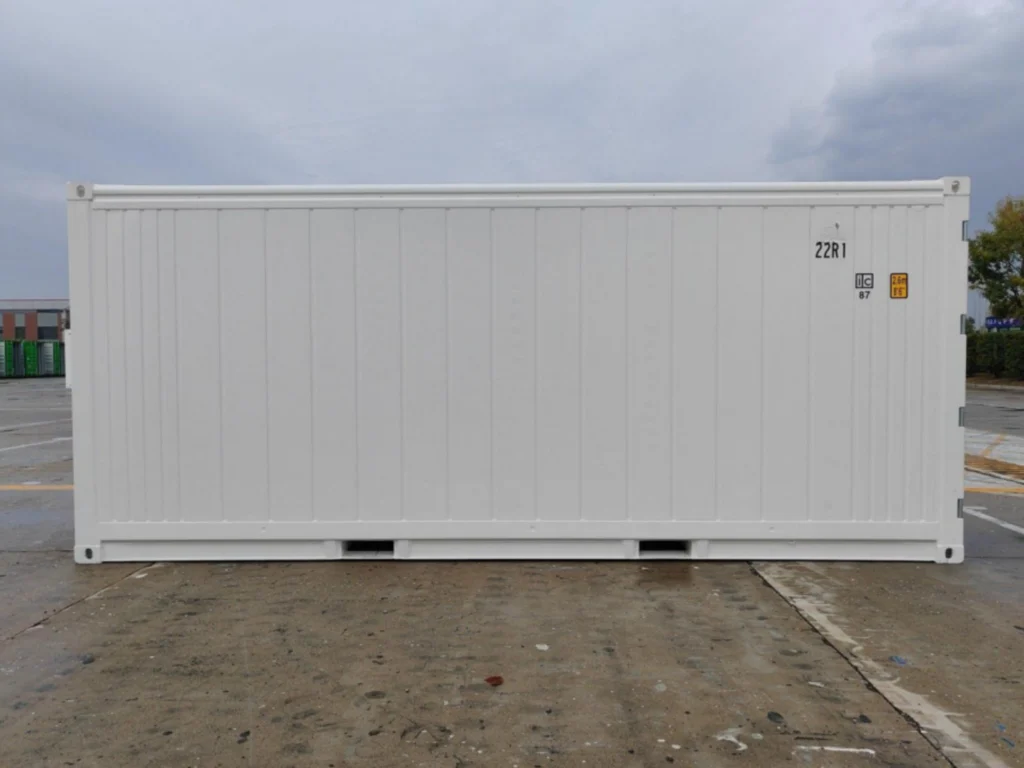
- Access to 20ft and 40ft refrigerated units
- Support on matching size, budget, and usage
- Focus on long-term value rather than lowest headline price
A refrigerated container should match the buyer’s real operating conditions, not just the initial budget.
Buyers looking for a cost-effective option often start with our 20ft used ex-marine refrigerated containers because they balance capacity, footprint, and running cost well.
How to Get Started
Start with the application first.
Think about whether you need chilled or frozen storage, how often the doors will be opened, whether your site has the right power supply, and whether a 20ft or 40ft container suits the available space.
Then compare units based on condition, serviceability, and total value rather than headline price alone.
If you need a reefer that fits the job properly, browse our refrigerated shipping containers for sale in the UK or speak to Bosh Boxes for practical advice on the right unit for your site, power setup, and budget.