How much does a shipping container conversion cost in the UK? A shipping container conversion can cost anywhere from a few hundred pounds for basic upgrades to tens of thousands for a fully bespoke build. Final cost depends on the base container, size, condition, insulation, doors, windows, electrics, plumbing, interior finish, and how complex the conversion needs to be.
Shipping container conversions are one of the hardest container products to price with a single figure. That is because a conversion is not one product.
A basic lockbox, personnel door, repaint, or ply lining job is completely different from a fitted office, retail kiosk, workshop, bar, studio, or toilet block. Buyers need to understand what drives cost before comparing quotes.
What counts as a shipping container conversion?
A shipping container conversion is any modification that changes a standard steel storage container into something more specialised.
That can include minor changes such as:
- lockboxes
- extra vents
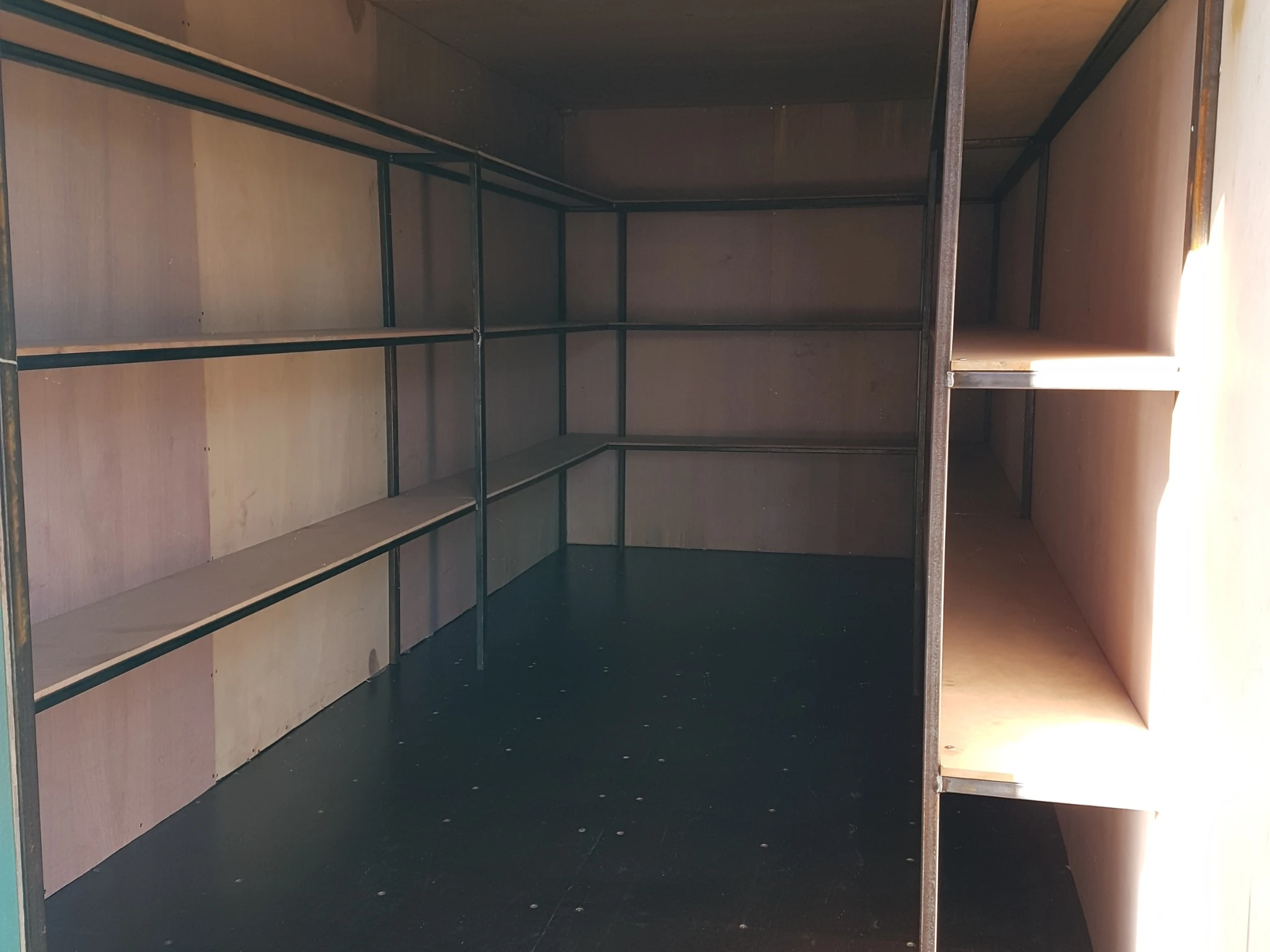
- shelving
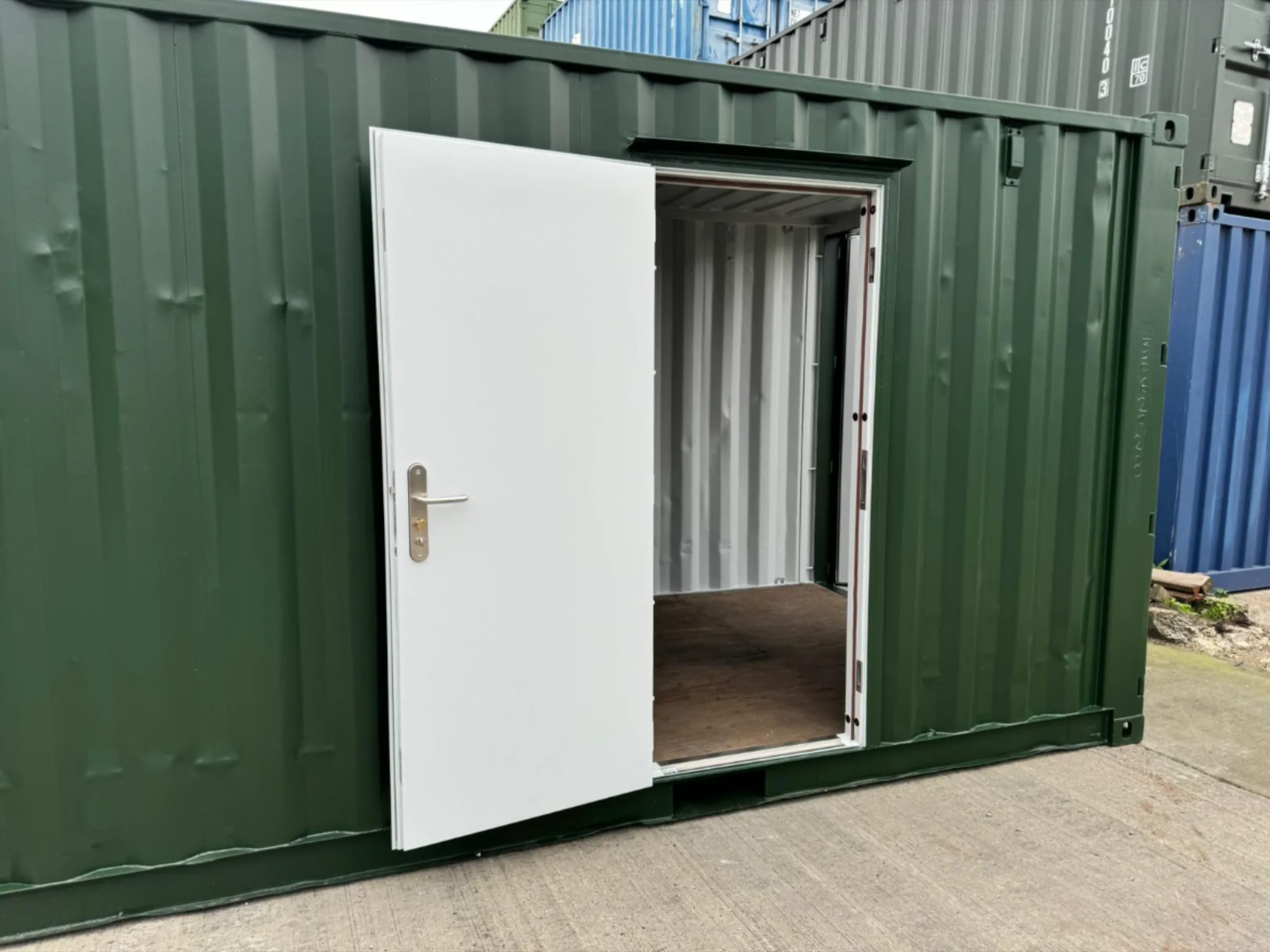
- personnel doors
- repainting
- ply lining
It can also include full bespoke conversions such as:
- container offices
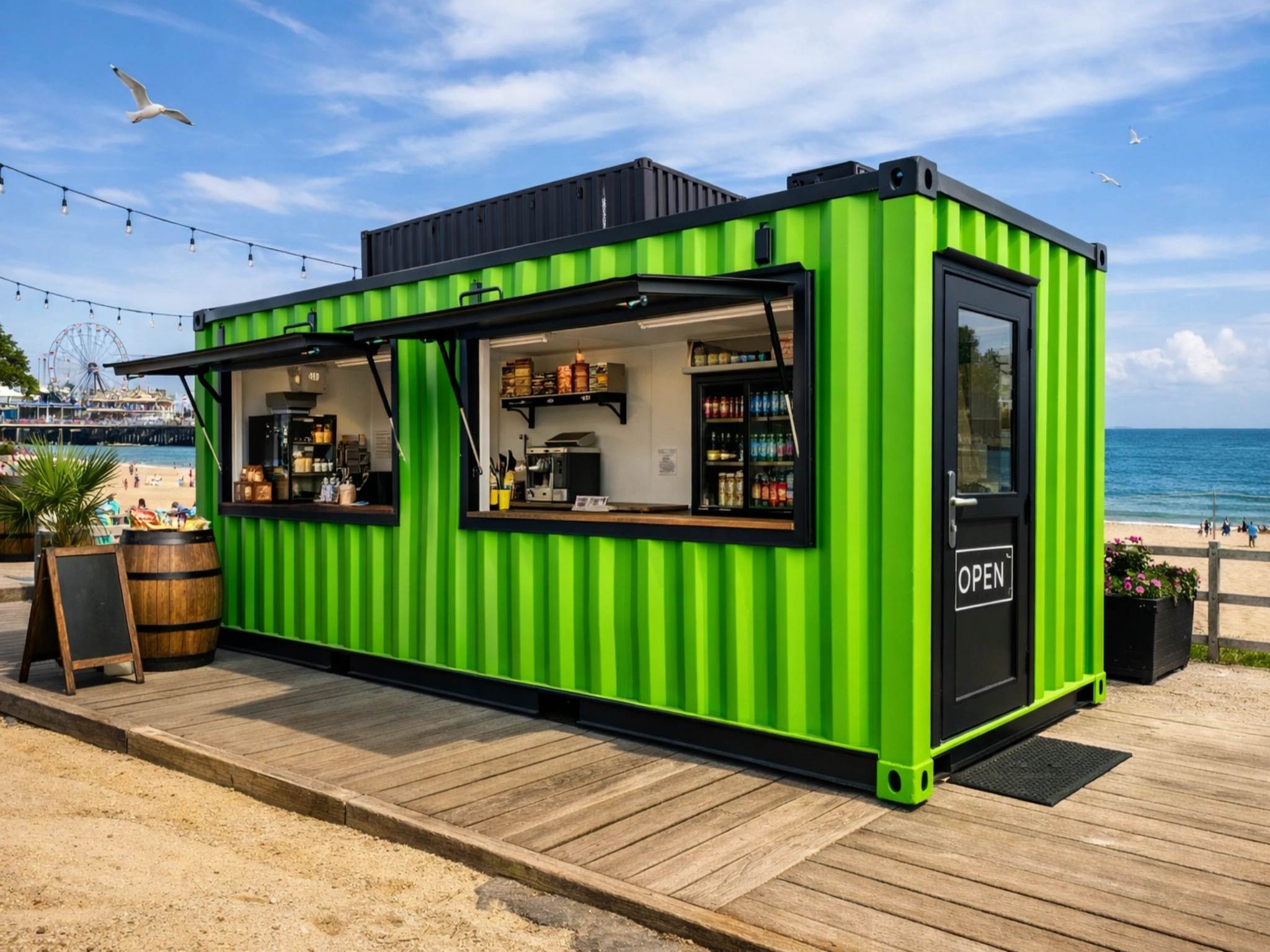
- pop-up shops
- cafes and bars
- workshops
- studios
- garden rooms
- site welfare units
- kitchens
- toilet blocks
- storage compounds
- modular buildings
This is why conversion pricing has such a wide range. The more the container stops being a standard container and starts becoming a finished building or workspace, the more cost rises.
More On Container Conversions Here: Container Conversions

The short answer on conversion pricing
The cheapest conversions are usually basic security or usability upgrades.
The most expensive conversions are fully bespoke units with insulation, electrics, internal lining, doors, windows, flooring, branding, plumbing, heating, and fitted furniture.
As a practical guide, buyers can think in these bands:
| Conversion level | Typical UK cost range |
|---|---|
| Basic modifications | £50 to £1,500+ |
| Light conversion | £1,500 to £5,000+ |
| Mid-range fitted conversion | £5,000 to £12,000+ |
| Fully bespoke conversion | £12,000 to £30,000+ and beyond |
The key point is simple. A shipping container conversion can cost almost any amount depending on the level of conversion.
What affects the cost of a shipping container conversion?
1. The base container
Every conversion starts with the container itself.
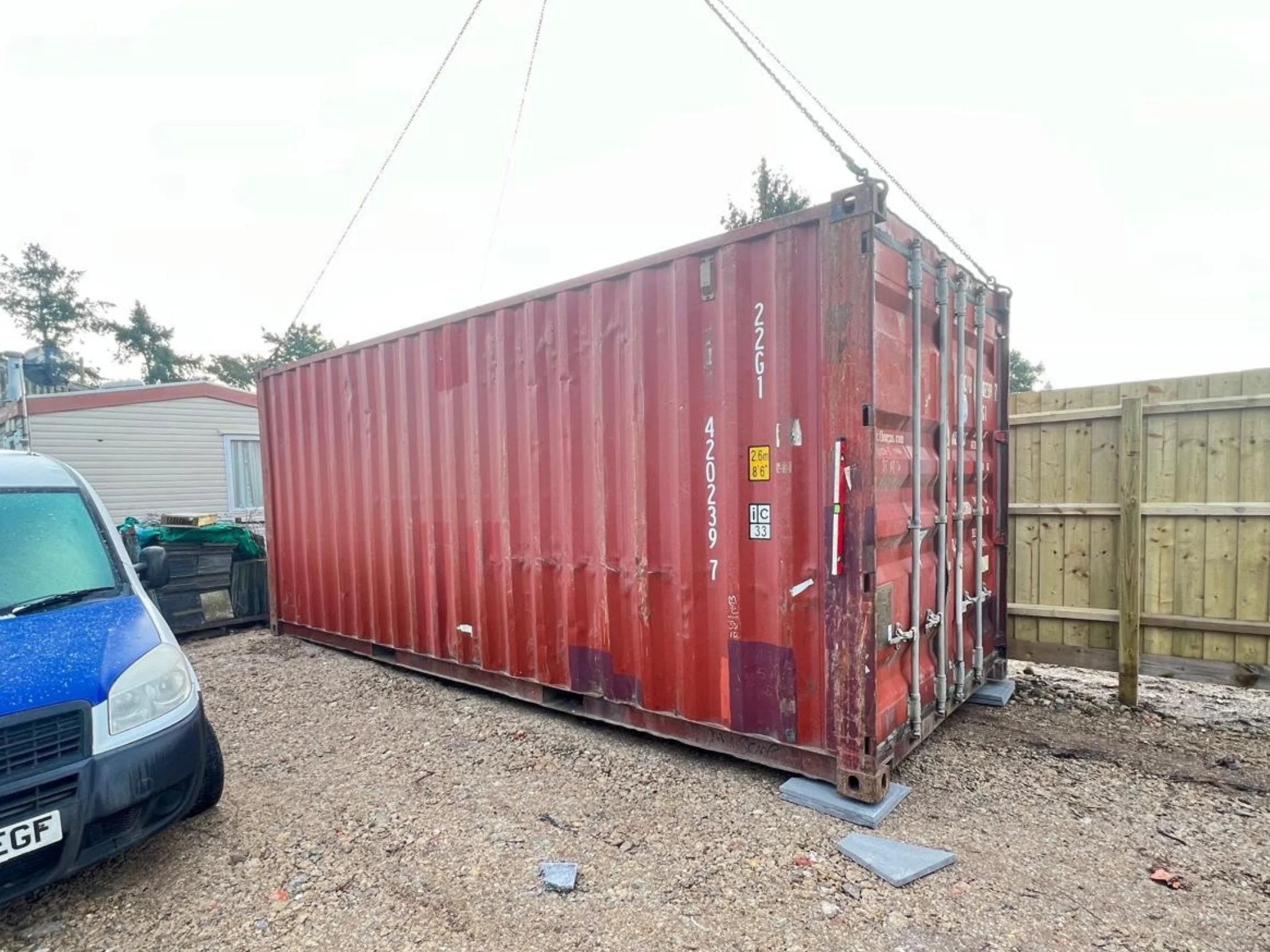
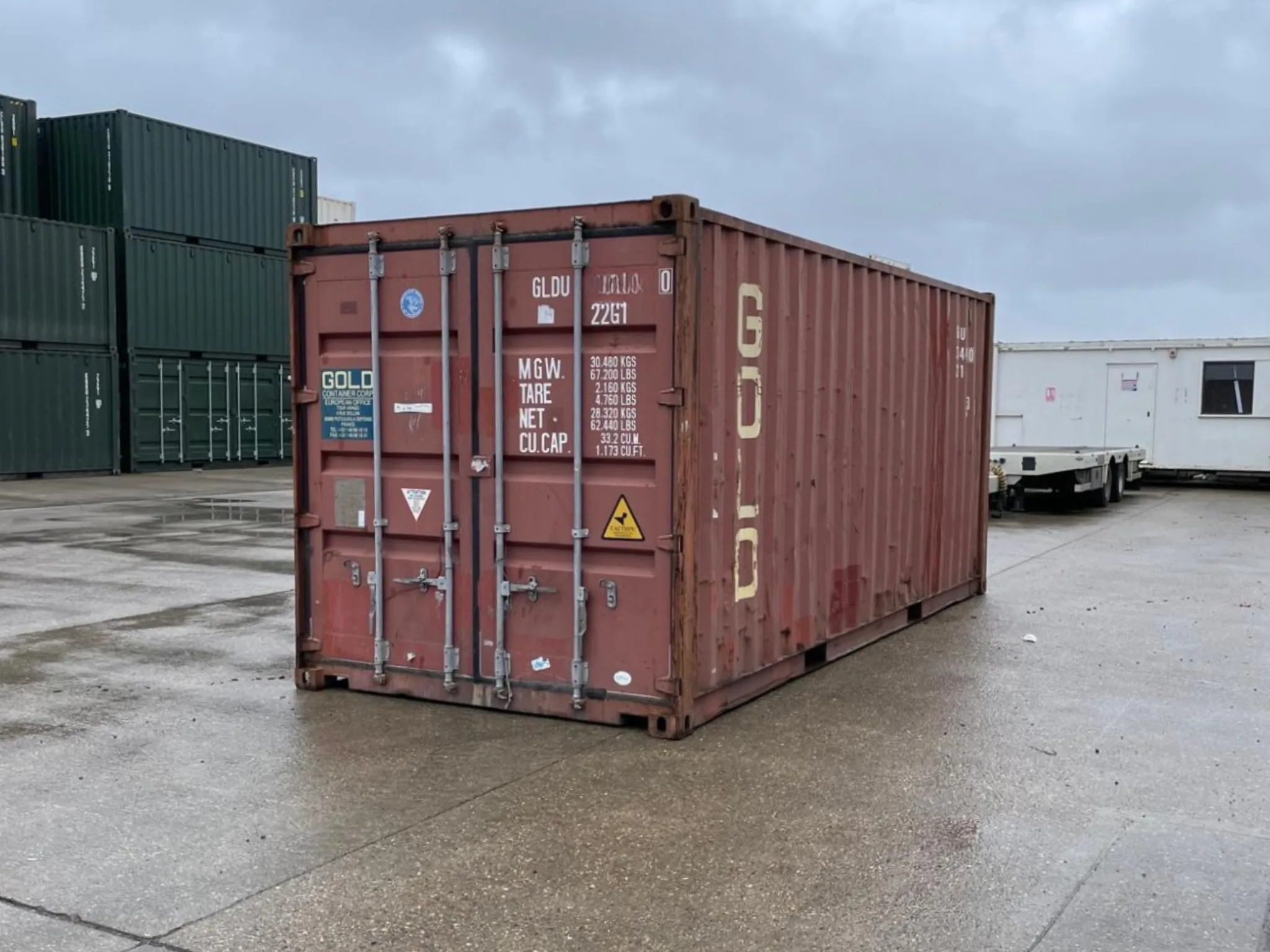
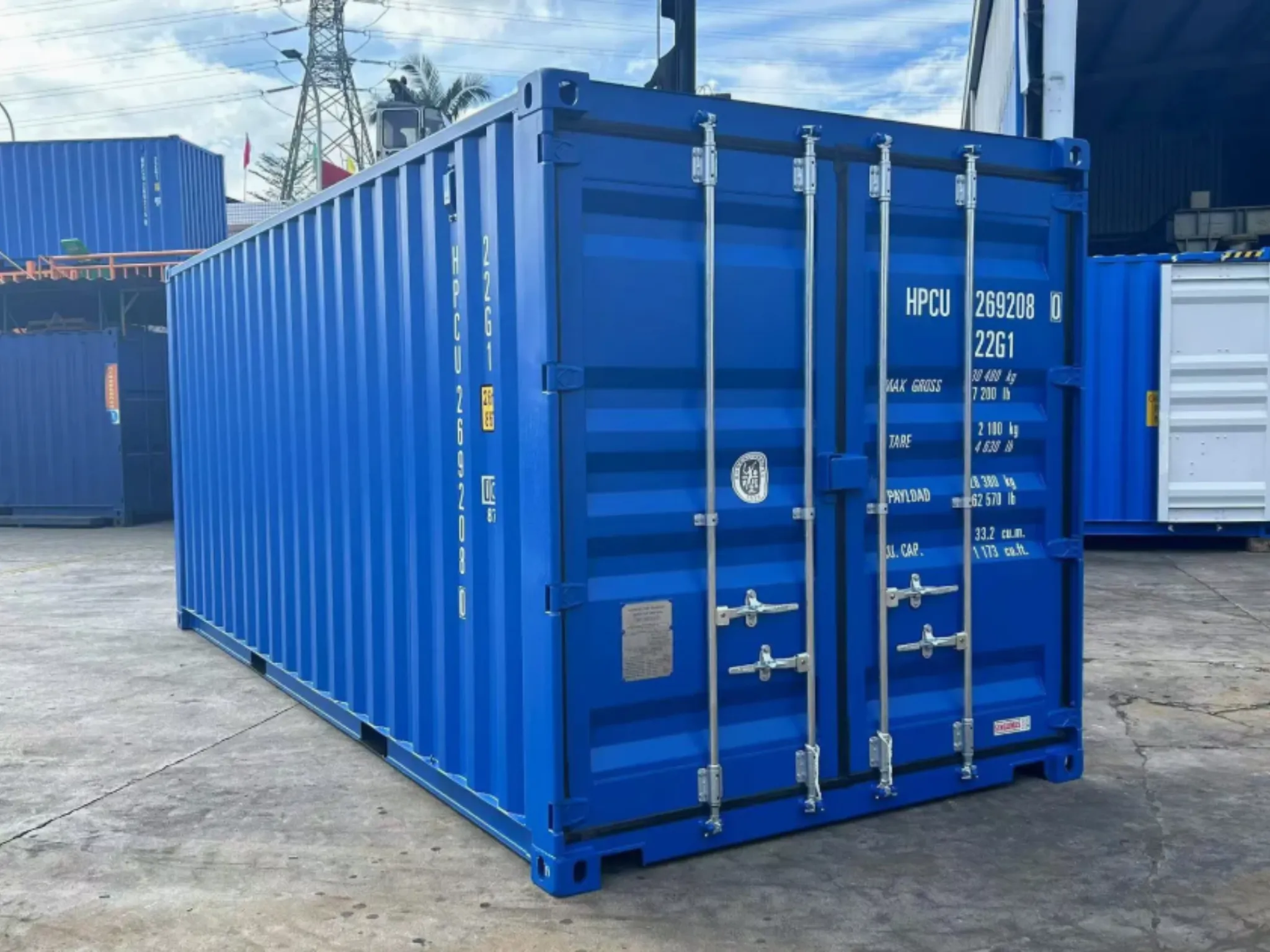
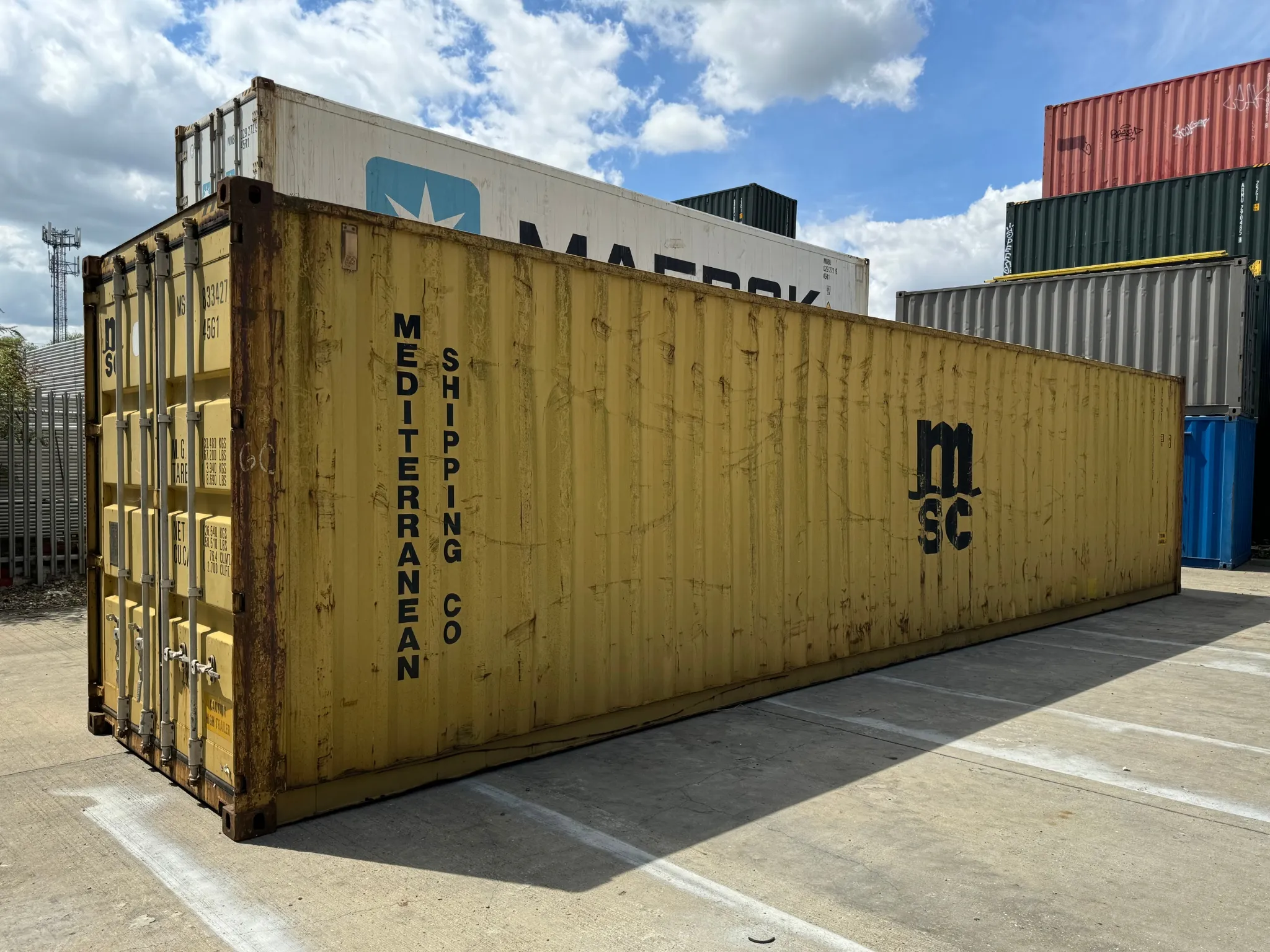
If the base unit is a used 20ft container, the starting point is much lower than if the project begins with a new one-trip 20ft or 40ft high cube. Condition matters because older containers may need more prep work before conversion begins.
A used unit can reduce upfront cost, but if the finish needs to be clean and customer-facing, many buyers choose one-trip containers for better presentation and longer life.
How Much Does a Shipping Container Cost
2. Container size
Size has a direct effect on price because a larger container needs more materials, more labour, and often more transport planning.
A 10ft office conversion and a 40ft bar conversion are completely different jobs. More floor area means more insulation, more lining, more flooring, more electrics, and more finishing work.
In many cases, 20ft shipping containers remain the sweet spot for value because they give useful space without the larger conversion costs of a 40ft unit.
3. New vs used
New one-trip containers cost more to buy, but they often reduce cosmetic prep work and give a better end result for visible commercial projects.
Used containers are popular where function matters more than appearance. For workshops, storage-based conversions, and certain site applications, a used container can still make strong commercial sense.
If the finished unit needs to look premium, the saving on the base box may disappear once preparation, repairs, and finishing are added.
4. Structural modifications
This is where costs rise quickly.
The more steelwork involved, the higher the price. Cutting openings for windows, roller shutters, side openings, French doors, or servery hatches adds labour and fabrication complexity.
Structural work can include:
- cutting out wall sections
- reinforcing openings
- welding frames
- installing steel support
- changing door layouts
- joining multiple containers together
A simple storage conversion is much cheaper than a conversion with multiple openings and structural alterations.
5. Insulation and internal lining
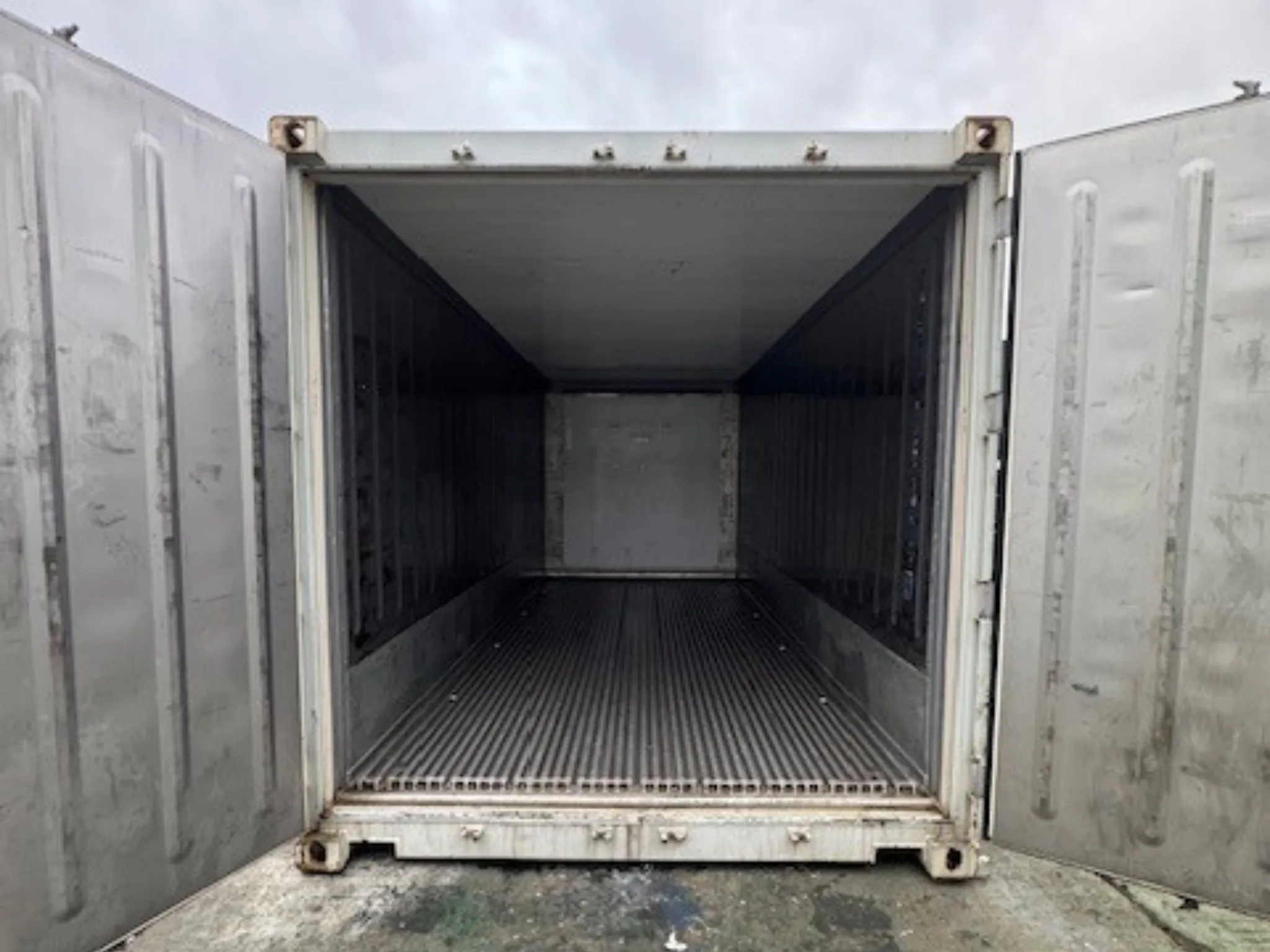
Insulation is one of the biggest steps between a basic container and a usable internal space.
If the unit is going to be used as an office, studio, garden room, canteen, or retail unit, insulation is usually essential. Without it, condensation and temperature swings will make the space uncomfortable.
Costs can rise depending on the chosen system:
- spray foam
- celotex type rigid insulation
- stud walls
- vapour barriers
- finished wall lining
- decorative cladding
A basic steel box is cheap. A comfortable insulated room inside that steel box is not.
6. Electrics, plumbing, and fit-out
Electrics can range from a single light and socket setup to a full commercial specification.
Plumbing pushes cost even higher. Once a conversion includes sinks, toilets, drainage, water heaters, or kitchen fit-outs, pricing increases sharply.
Typical extras include:
- LED lighting
- sockets and consumer units
- heaters or air conditioning
- extraction
- kitchen equipment
- toilets and wash basins
- data cabling
- alarms and security systems
This is one reason offices, kitchens, toilet blocks, and welfare units cost much more than storage conversions.
7. Finish level
Not all conversions are built to the same finish.
A basic site office may focus on durability and function. A customer-facing retail pod or container café may need better cladding, glazing, signage, flooring, branding, and internal presentation.
The finish level is often where bespoke projects become expensive. Buyers are not just paying for a container. They are paying for appearance, usability, and a purpose-built end product.
Realistic UK examples
The market shows how wide pricing can be.
Basic office or site cabin style units often appear in the low thousands. Refurbished office containers can sit around the £3,000 to £5,000 region before delivery, depending on condition and specification. More polished converted offices, garden rooms, and premium bespoke spaces can move into the £8,000 to £15,000 range and beyond.
Retail pods, fitted bars, and highly customised commercial units can go much higher, especially when glazing, shutters, branding, plumbing, and premium internal finishes are involved.
That is why there is no honest fixed answer to this question. Two conversions can use the same size container and still differ in price by many thousands of pounds.
Why bespoke conversions can cost any amount
This is the point many buyers miss.
Bespoke shipping container conversions are not standard shelf products. They are closer to custom fabrication and fit-out projects. Once a buyer starts adding one-off features, the price stops following a simple formula.
Examples of bespoke features include:
- unique layouts
- custom glazing
- heavy-duty workbenches
- branded finishes
- specialist storage systems
- mezzanine features
- catering fit-outs
- unusual door arrangements
- linked multi-container layouts
A bespoke conversion can cost almost any amount depending on what the client wants the finished container to do.

Delivery and installation costs
Many buyers focus only on build price and forget delivery.
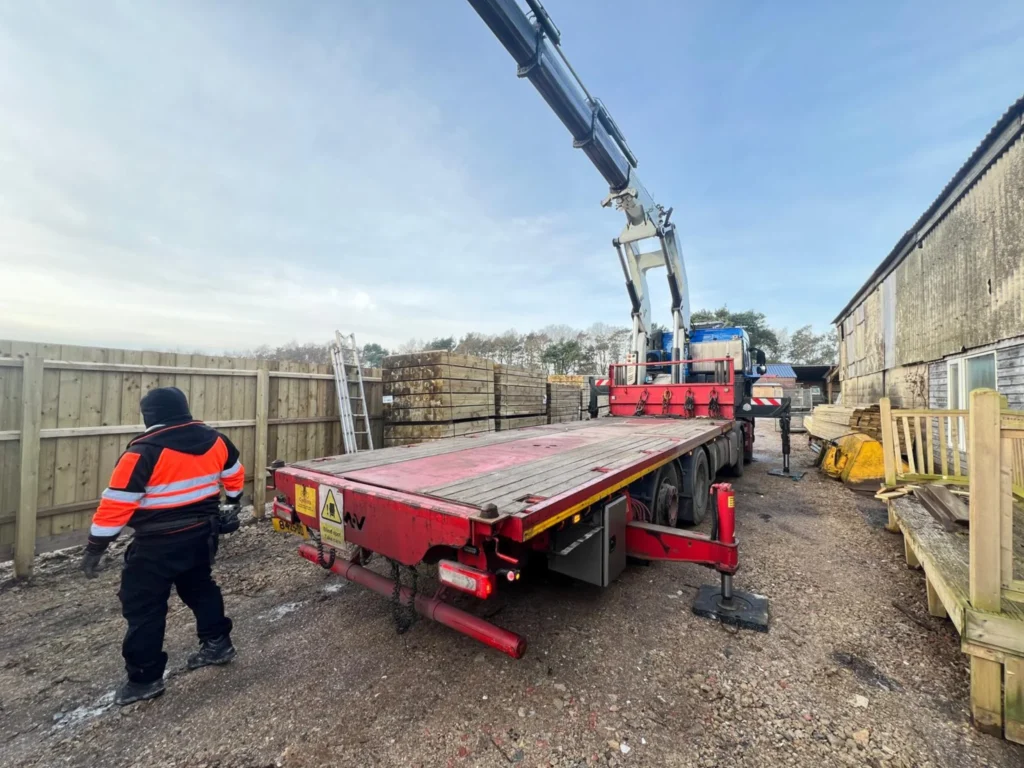
A conversion may cost more to transport than a standard container because of added weight, external features, or installation complexity. Site access, crane requirements, ground conditions, and final positioning all affect the quote.
A fitted office container with glazing and finished interiors is not something buyers want mishandled on delivery day. Delivery planning matters just as much as build quality.
See our Container Delivery Page For More Details.
Common buyer concerns
Is it cheaper to convert a used container?
Sometimes, yes. But not always. If the unit needs to look clean and customer-facing, the prep and finish costs can narrow the saving.
What is the cheapest useful conversion?
A basic storage upgrade with a lockbox, lining, vents, and a personnel door is usually one of the most affordable practical options.
What makes conversions expensive?
Insulation, steelwork, electrics, plumbing, glazing, and bespoke layouts are the biggest cost drivers.
Are converted containers worth it?
They can be, especially when buyers need something portable, secure, and faster to deploy than a traditional building. The right conversion depends on the intended use, finish level, and lifespan expected.
Why Bosh Boxes is a practical choice
Bosh Boxes helps buyers understand the difference between a simple modification and a full bespoke conversion before costs start rising.
- honest guidance on new vs used base containers
- practical advice on what is essential and what is optional
- clear understanding of delivery and site access
- support for storage, office, workshop, and commercial projects
- UK-wide service and container experience
- focus on function, not just headline price
Bottom line
How much does a shipping container conversion cost in the UK? It can be anything from a few hundred pounds for basic upgrades to tens of thousands for a fully bespoke build.
The final cost depends on the base container, size, structural work, insulation, fit-out, and how far the project moves from simple storage into a fully finished space. For practical advice and a tailored quote, contact Bosh Boxes today and follow The Bosh Boxes Way.