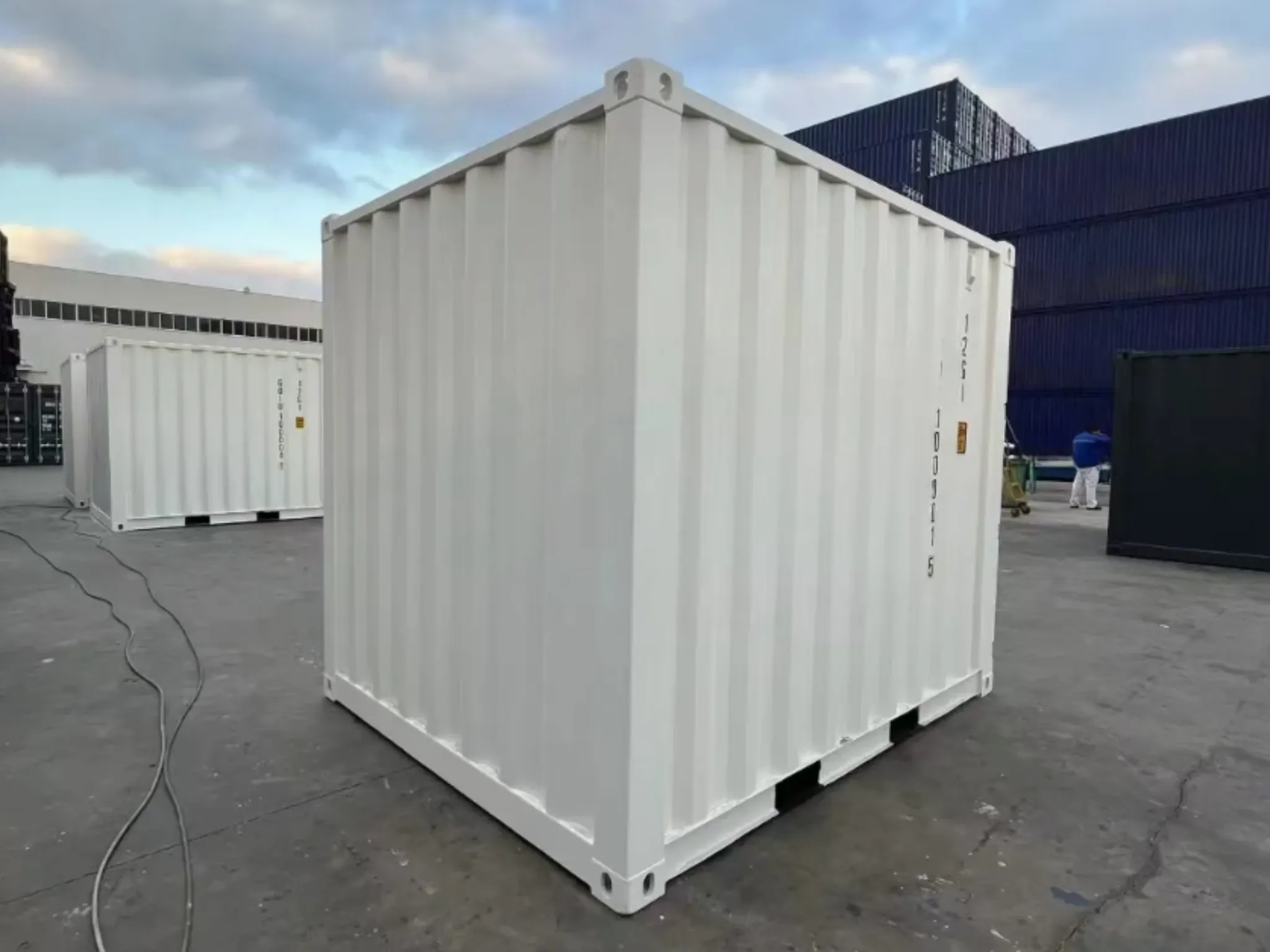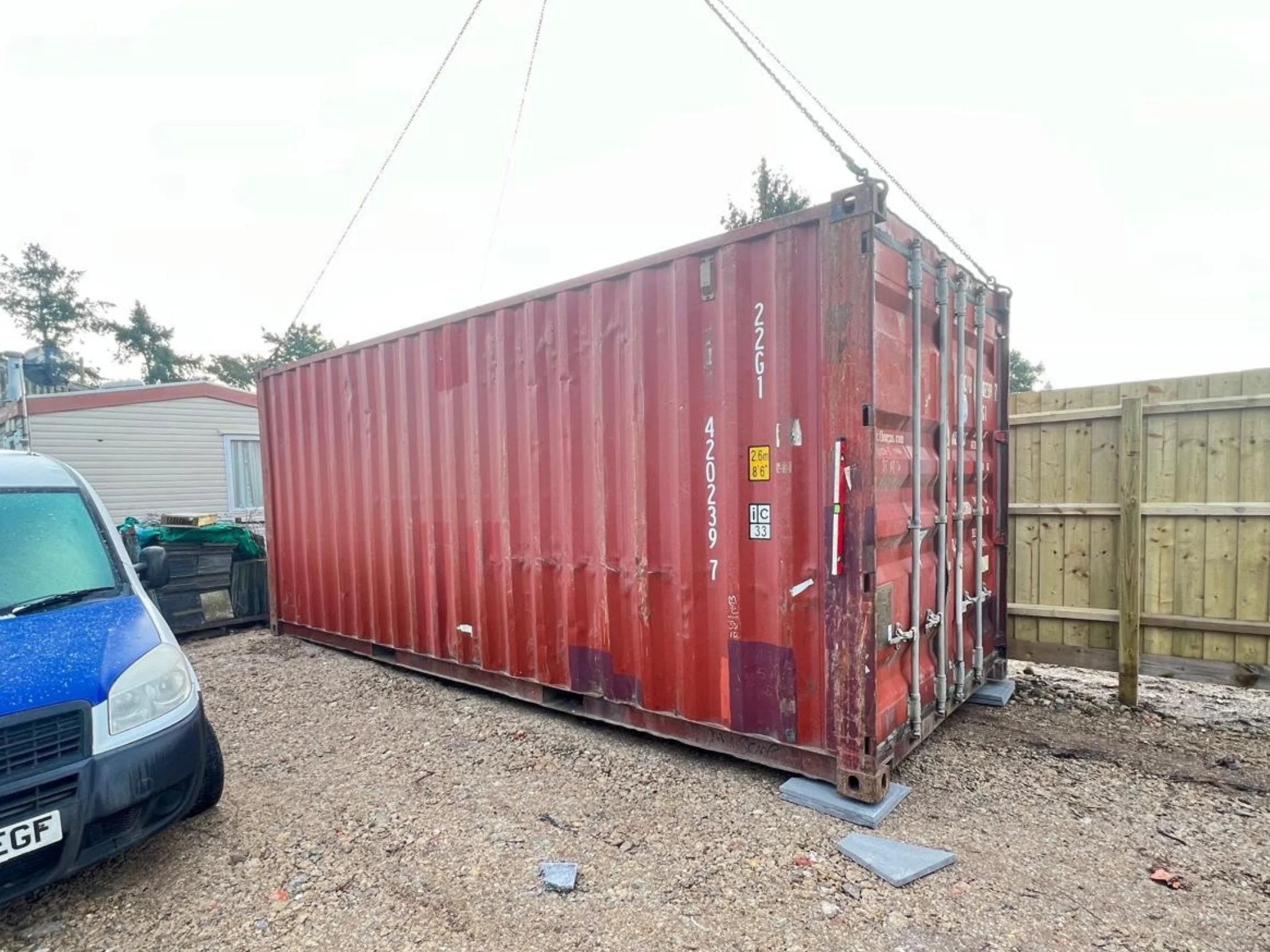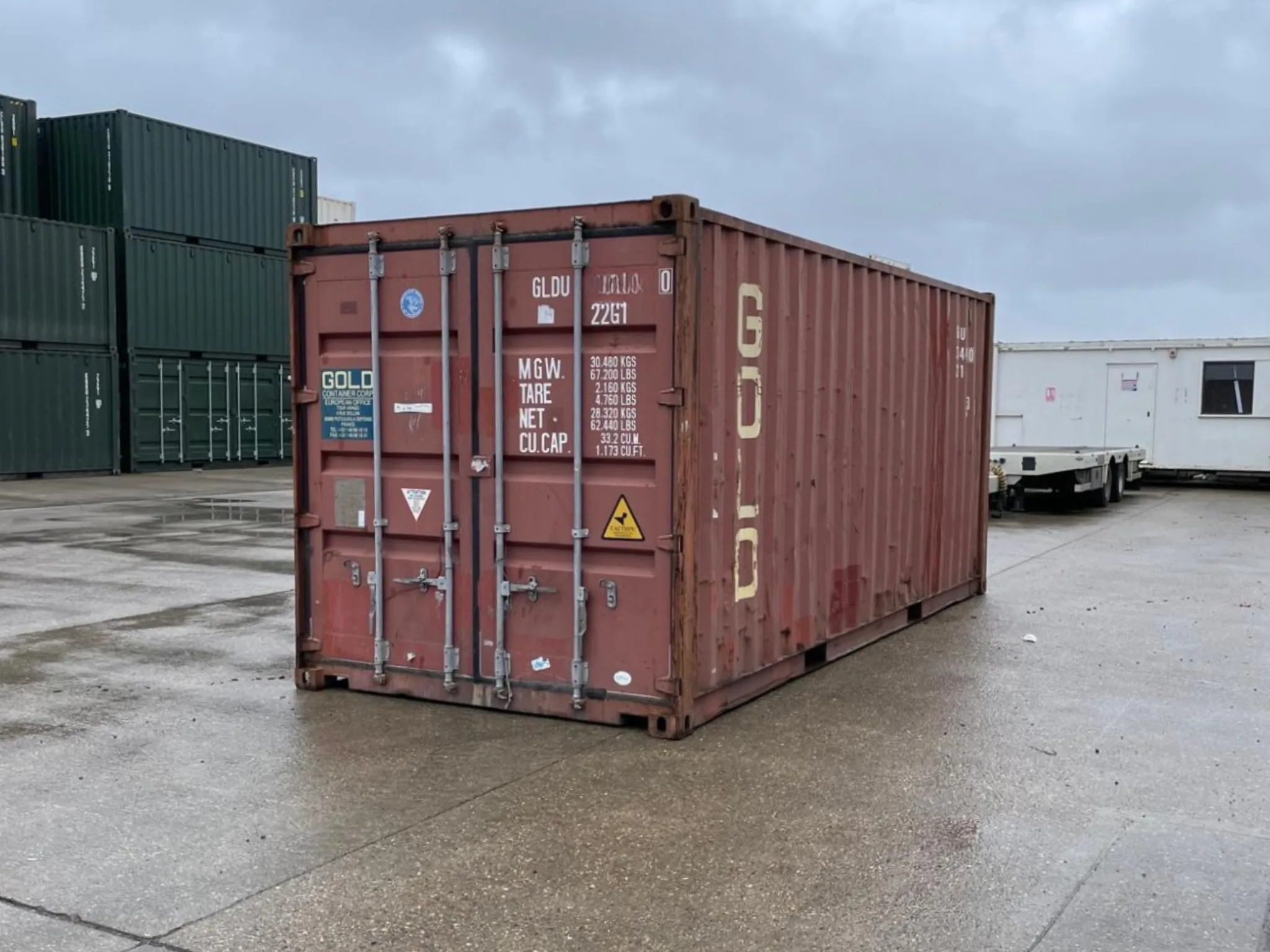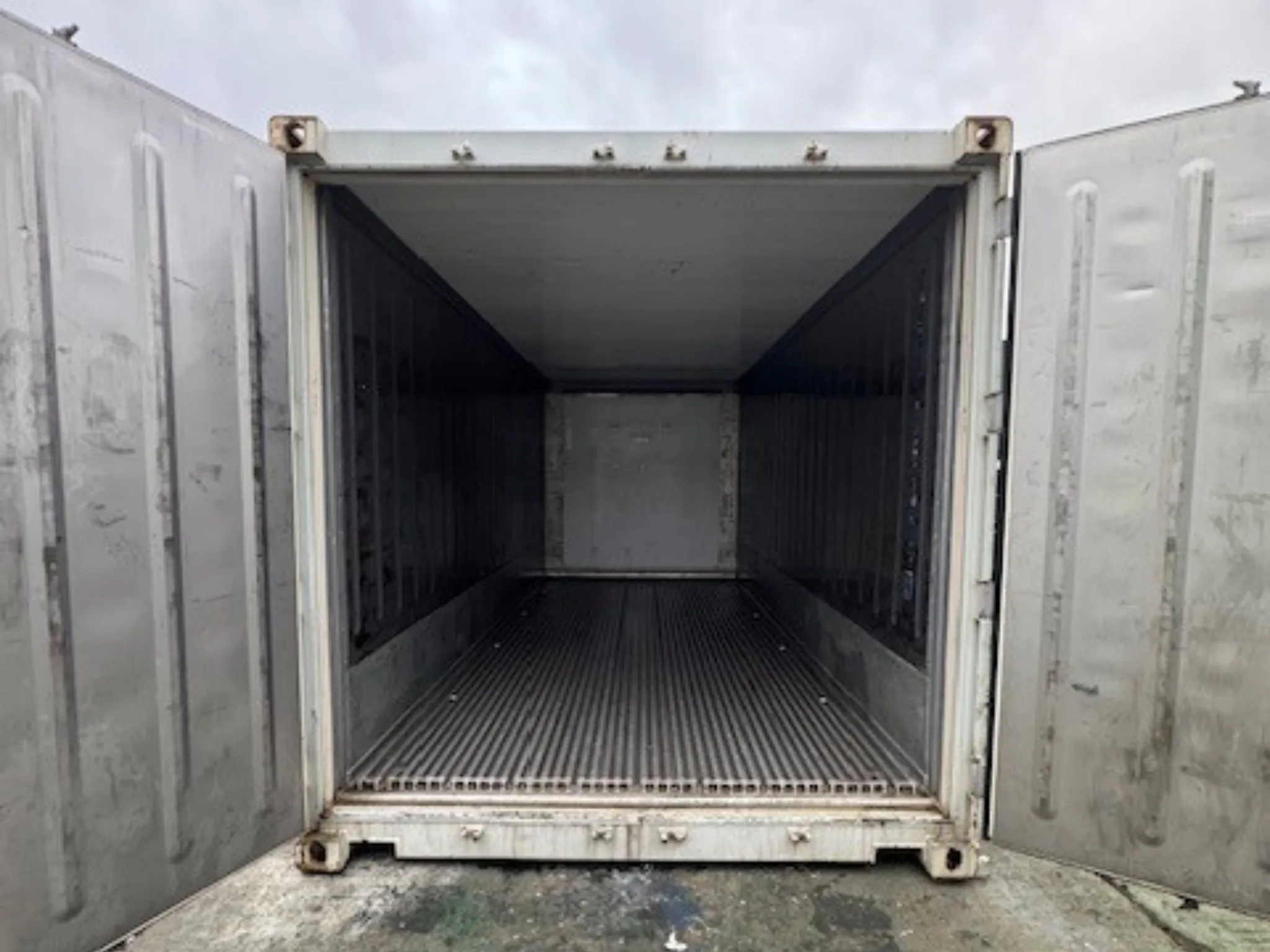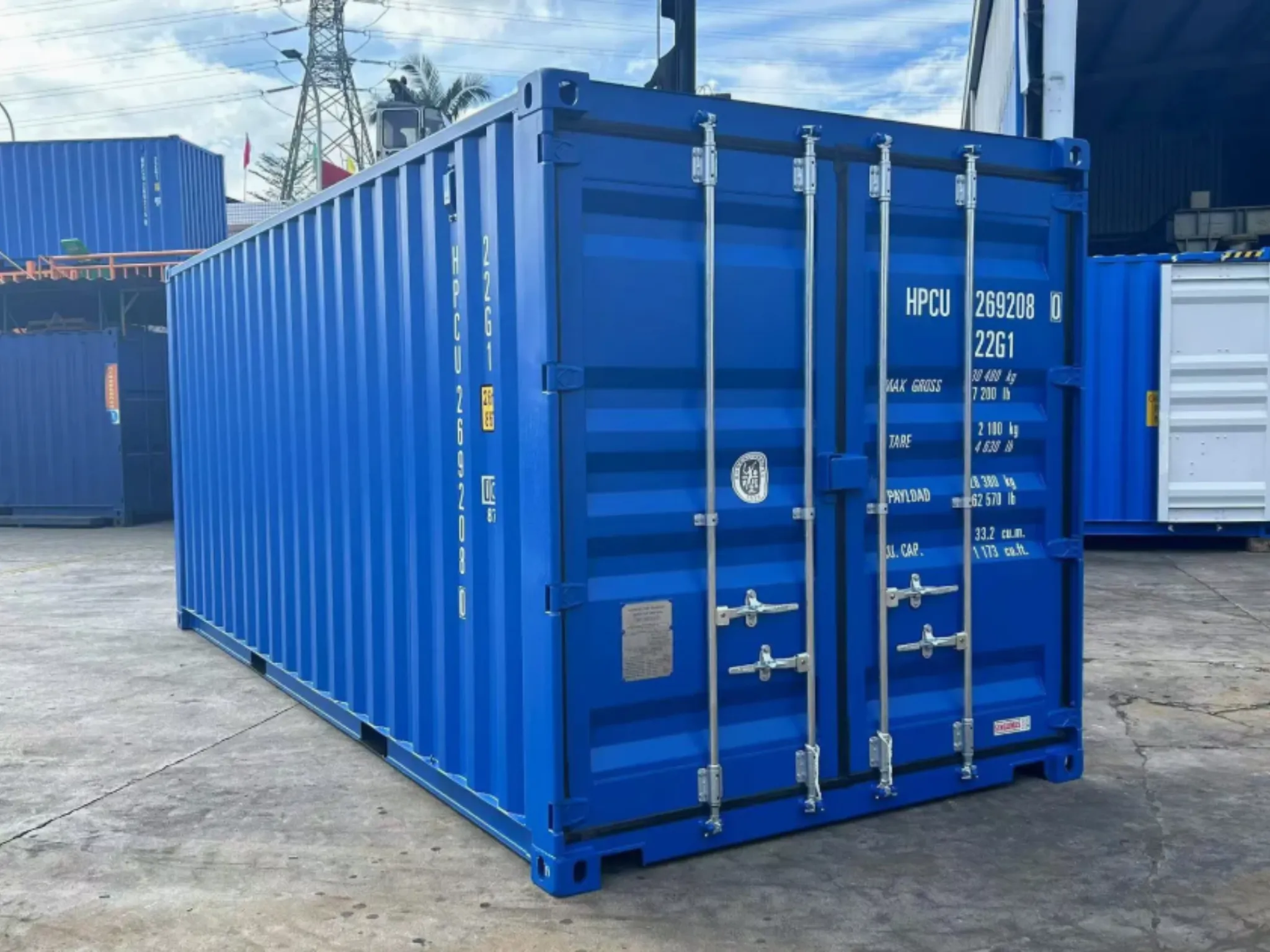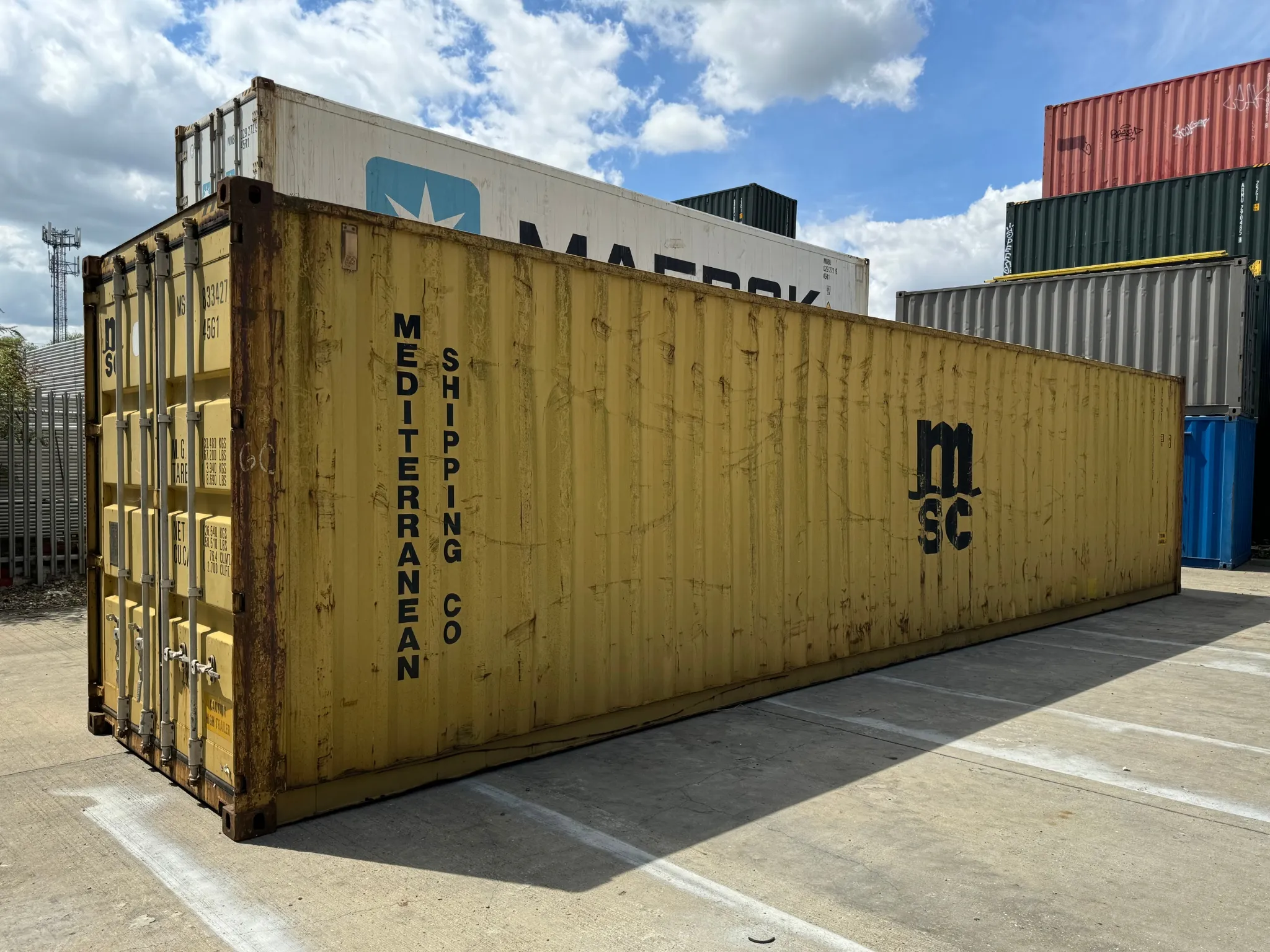
The reason why 10ft containers are more expensive than 20ft units comes down to scale and logistics. The global container industry is built around 20ft and 40ft units, so 10ft containers are produced in smaller volumes, cost more per unit to manufacture, and are inefficient to ship through networks designed for standard sizes. In the UK, delivery and offload costs are often similar to a 20ft, which keeps 10ft pricing higher.
What it is
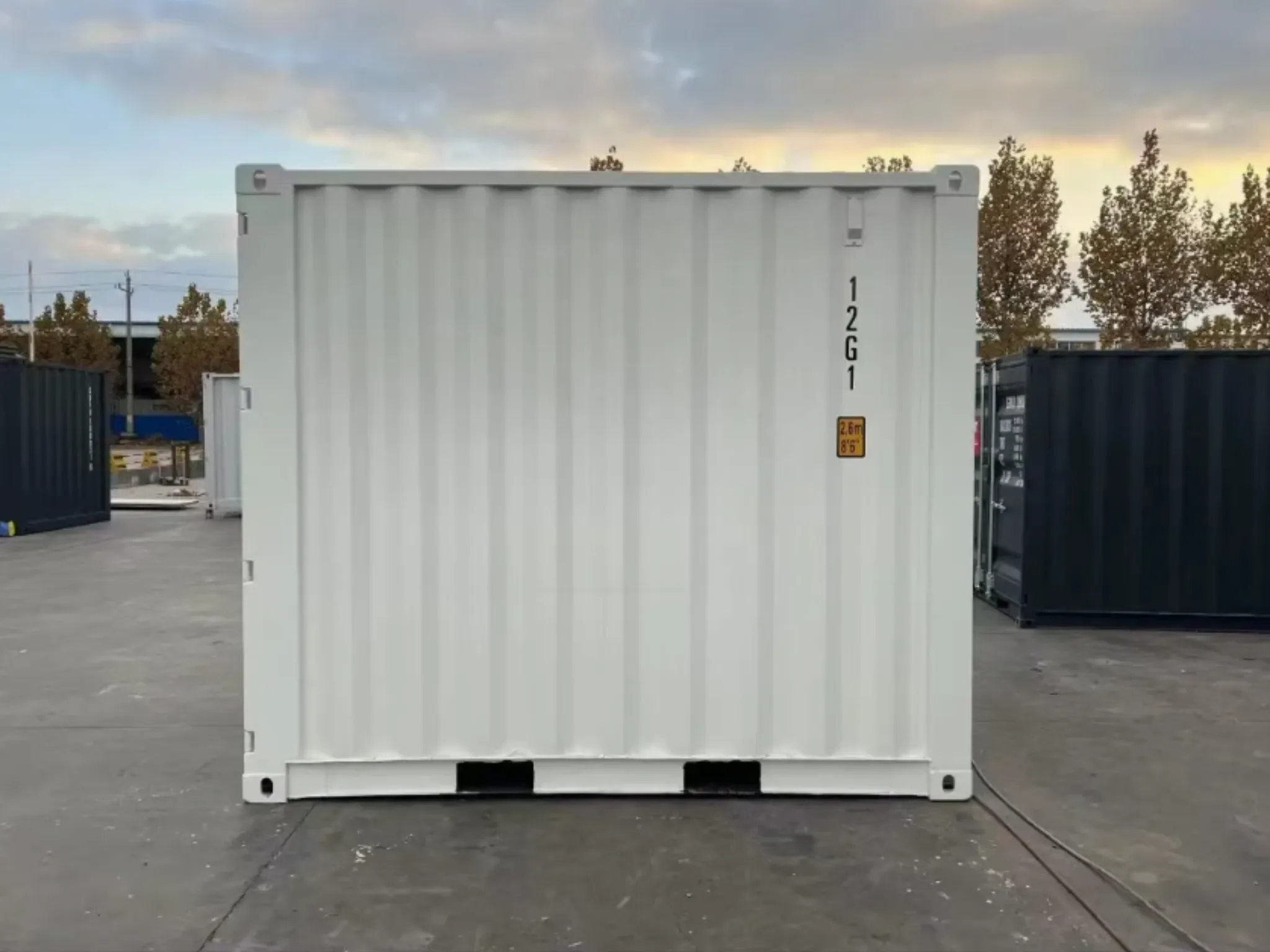
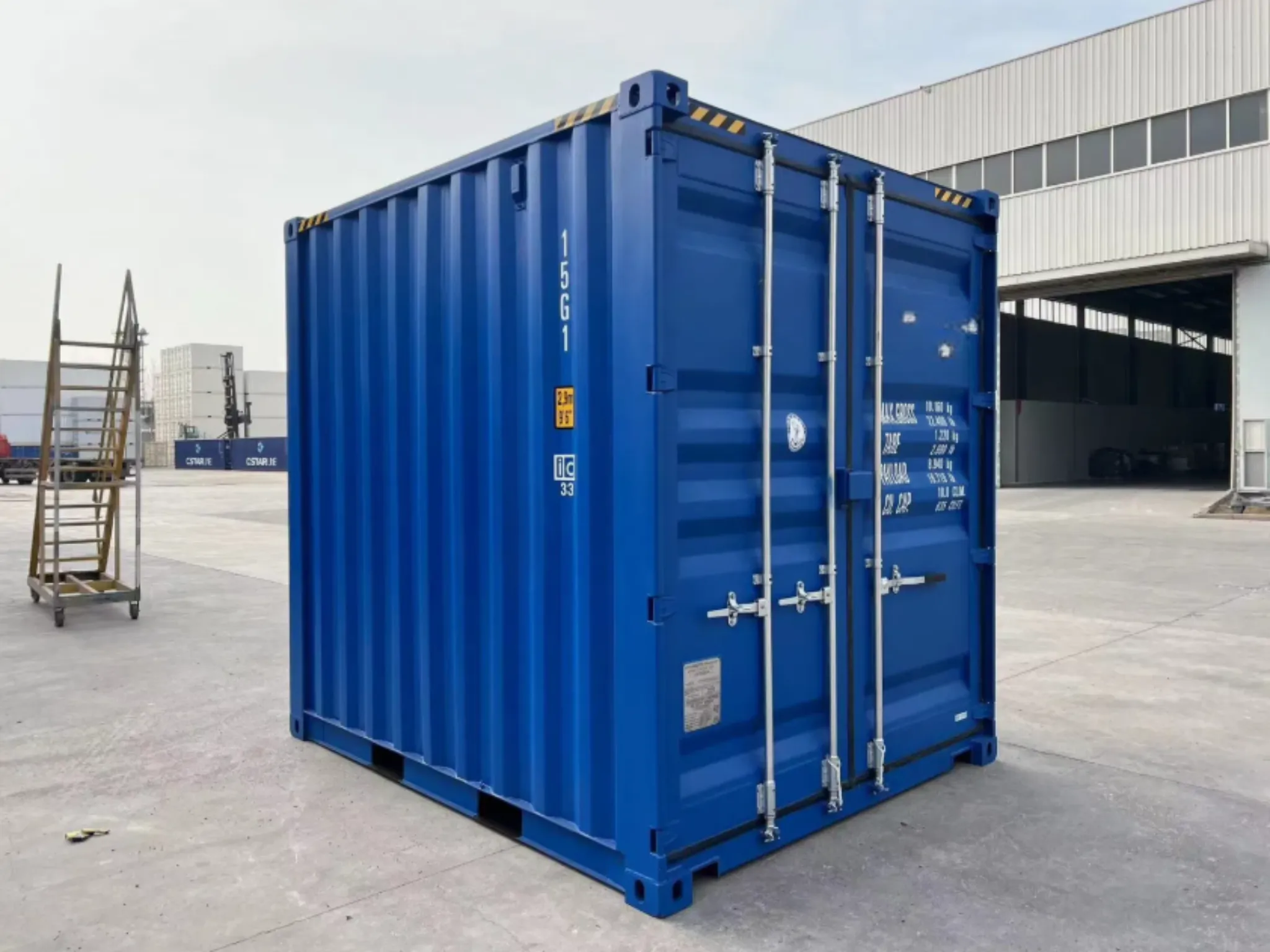
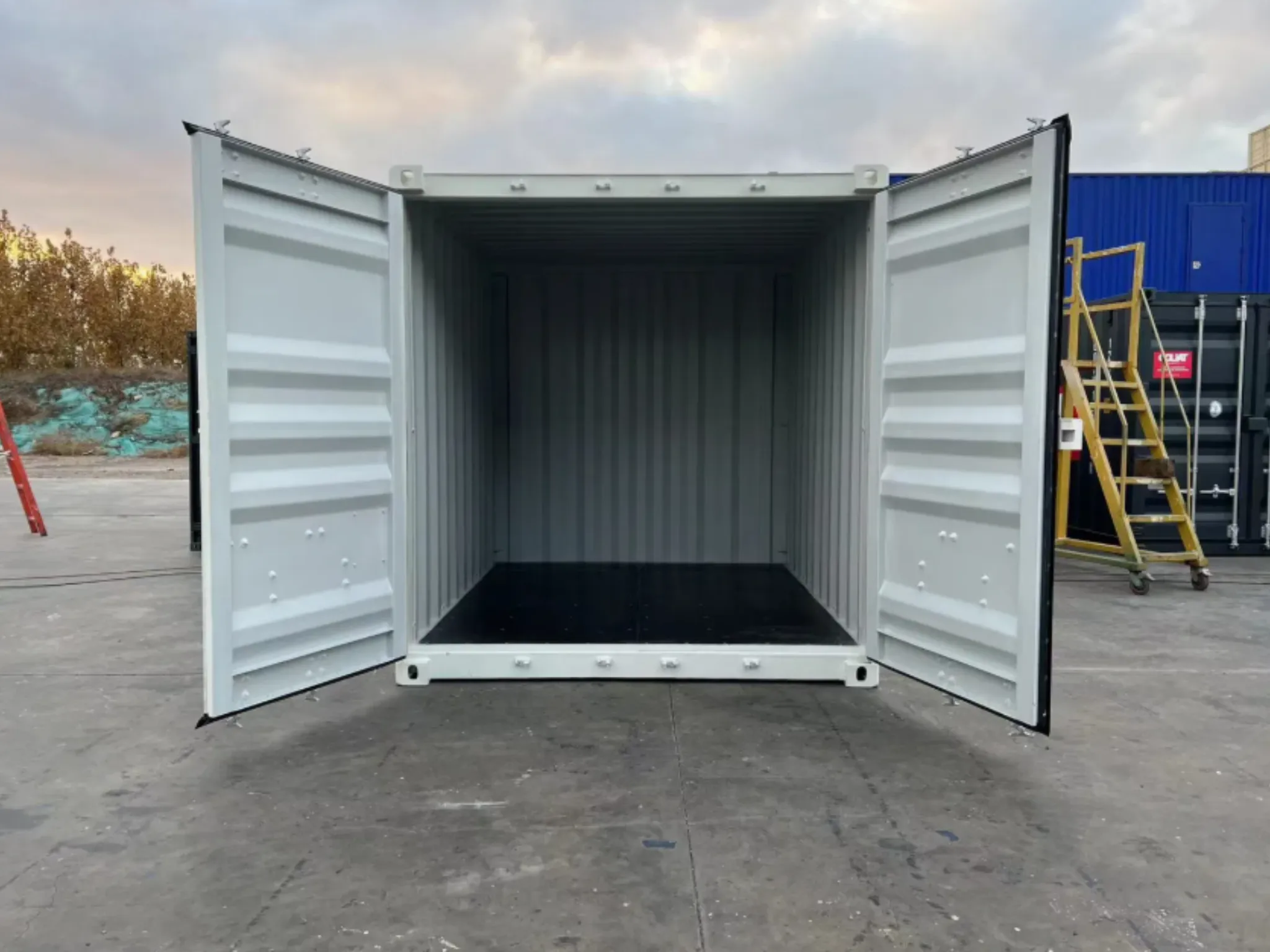
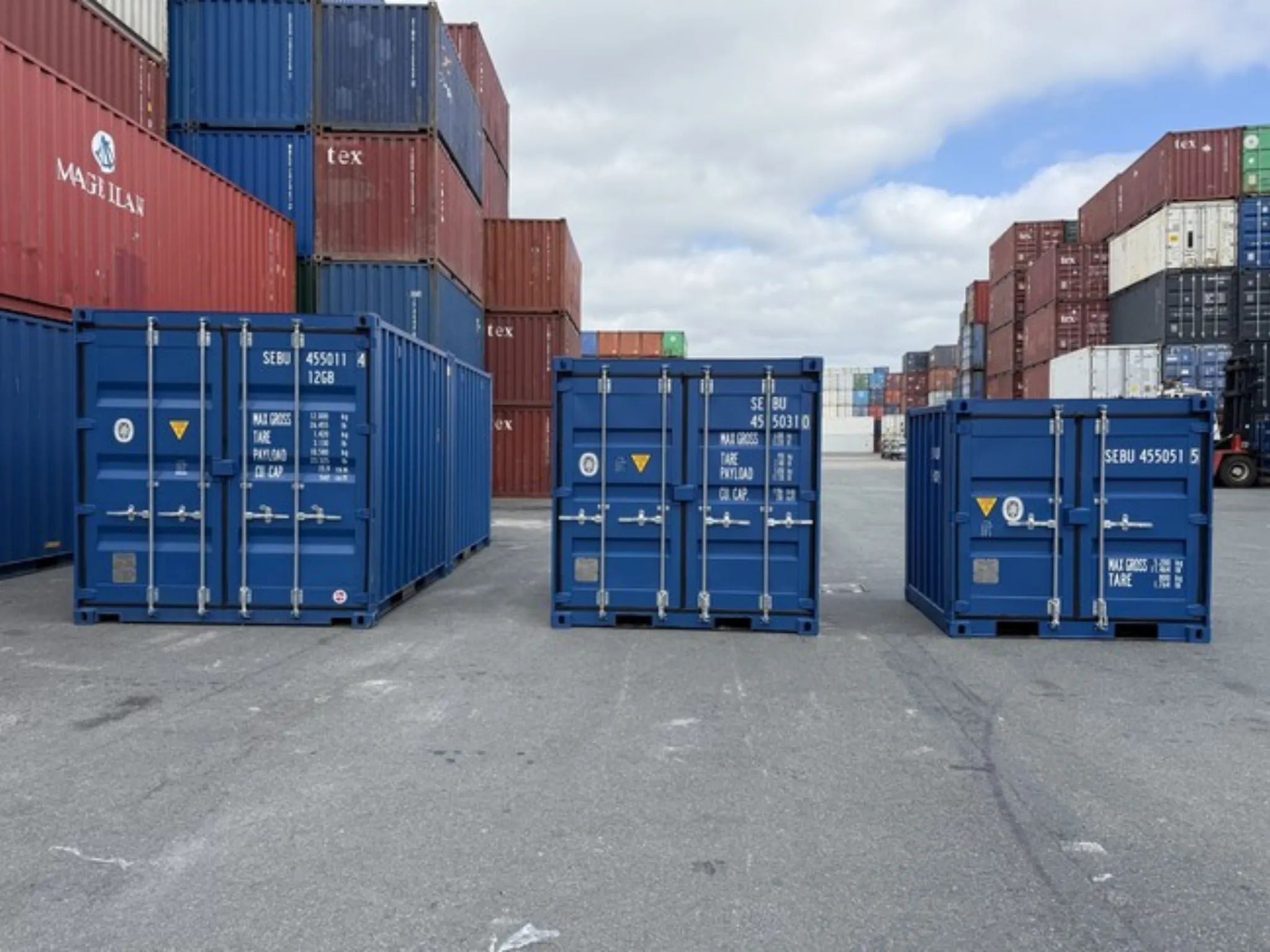
A 10ft shipping container is a compact steel storage container designed mainly for static storage rather than international freight. A standard 20ft shipping container is a global ISO size designed for shipping, stacking, and efficient transport.
A 10ft unit can be a great solution when space is tight. But smaller does not always mean cheaper.
See Our 10ft Shipping Container Page Here: 10ft Shipping Containers
Why it matters for buyers
Most buyers choose 10ft containers for one reason. Space.
A 10ft container often lands on domestic driveways, small yards, schools, councils, and tight-access sites where a 20ft would not work.
The price difference matters because it affects value per square foot and total delivered cost.
The main reasons 10ft containers cost more
Demand for small containers can outstrip supply in certain areas and seasons
- 10ft containers are not made in the same volumes as 20ft and 40ft units
- Many 10ft containers are created by cutting down a 20ft container, which adds labour
- Shipping is optimised for 20ft and 40ft, making 10ft inefficient to move internationally
- UK delivery and offload costs are often similar to a 20ft container
Why 10ft containers are rare in global shipping
Shipping lines, container ships, ports, and depots are set up for standard ISO container sizes.
A sentence that stands alone: Container ships and depots are optimised for 20ft and 40ft units, so non-standard sizes like 10ft are less efficient to ship and handle.
In practice, 10ft containers are typically:
- built specifically for storage markets
- shipped as paired units locked together to travel like a 20ft footprint
- supplied in smaller batches than 20ft stock
This extra friction pushes up the unit cost.
The production problem: economies of scale
20ft containers are mass-produced globally. That volume drives unit cost down.
A 10ft container does not benefit from the same manufacturing efficiency because:
- fewer factories run continuous 10ft production lines
- fewer orders means higher cost per container
- suppliers carry less 10ft stock, so availability is tighter
A 20ft container is cheaper to produce per unit because global demand keeps factories running at scale.
Why cut-down 10ft containers can cost more than expected
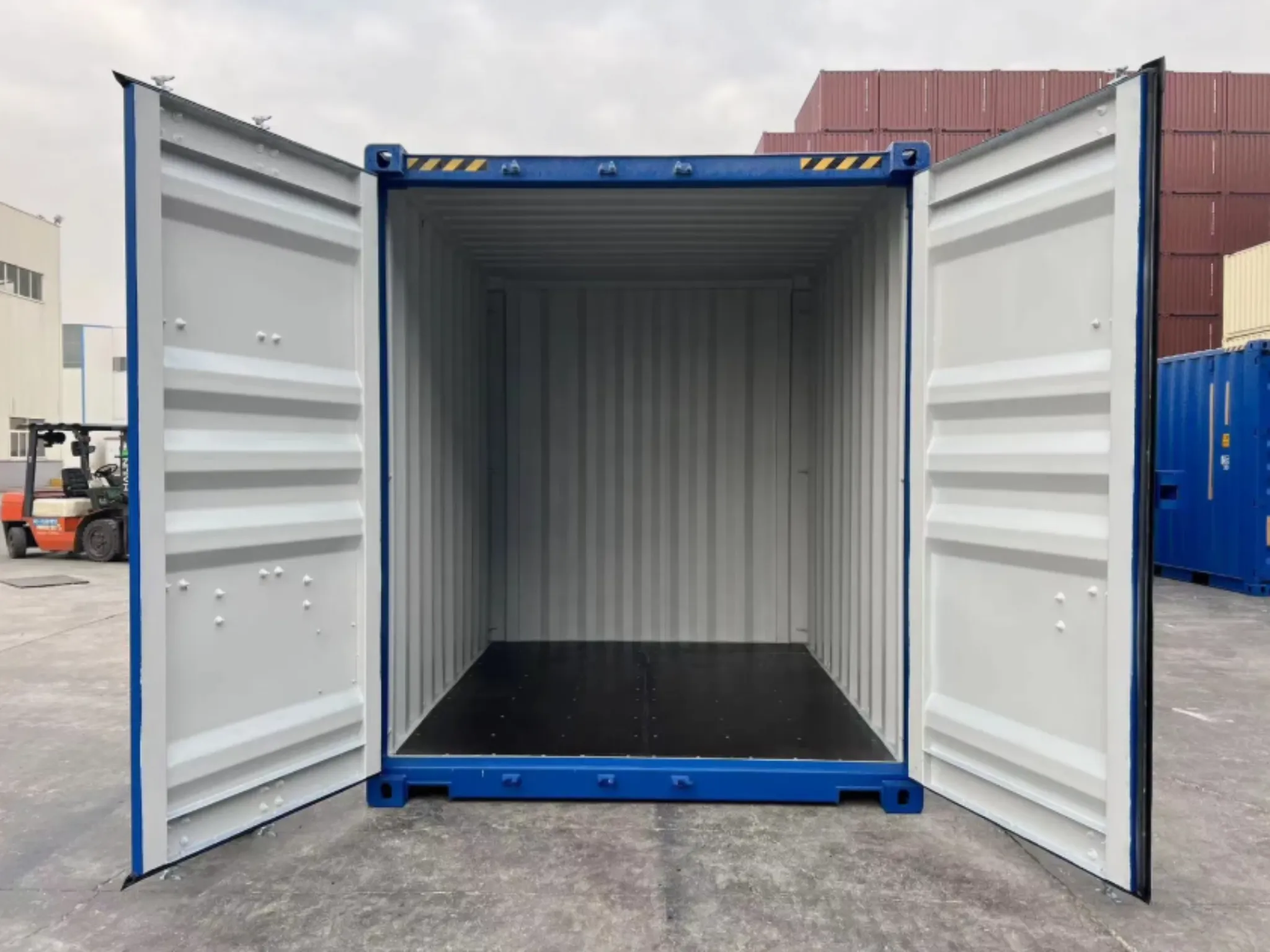
A common supply method is to cut a 20ft used container into two 10ft units.
That process can include:
- cutting and reinforcing the steel structure
- welding in a new end wall
- resealing to keep it wind and watertight
- repainting the exterior
- fitting lockboxes or lock protection as an upgrade
That labour is expensive, and it sits on top of the base container cost.
Cutting down a 20ft container into 10ft units adds fabrication labour, reinforcement, and finishing costs that do not exist with standard sizes.
Buyer caution on cut-down units
Not every cut-down 10ft container is suitable for stacking or lifting in the same way as a standard ISO unit. If stacking matters, buyers should ask whether the container retains full corner castings and structural stacking capability.
If stacking is required, buyers should confirm the 10ft container is built and specified for stacking, not just storage.
UK delivery costs are often similar to a 20ft
This is the bit that catches people out.
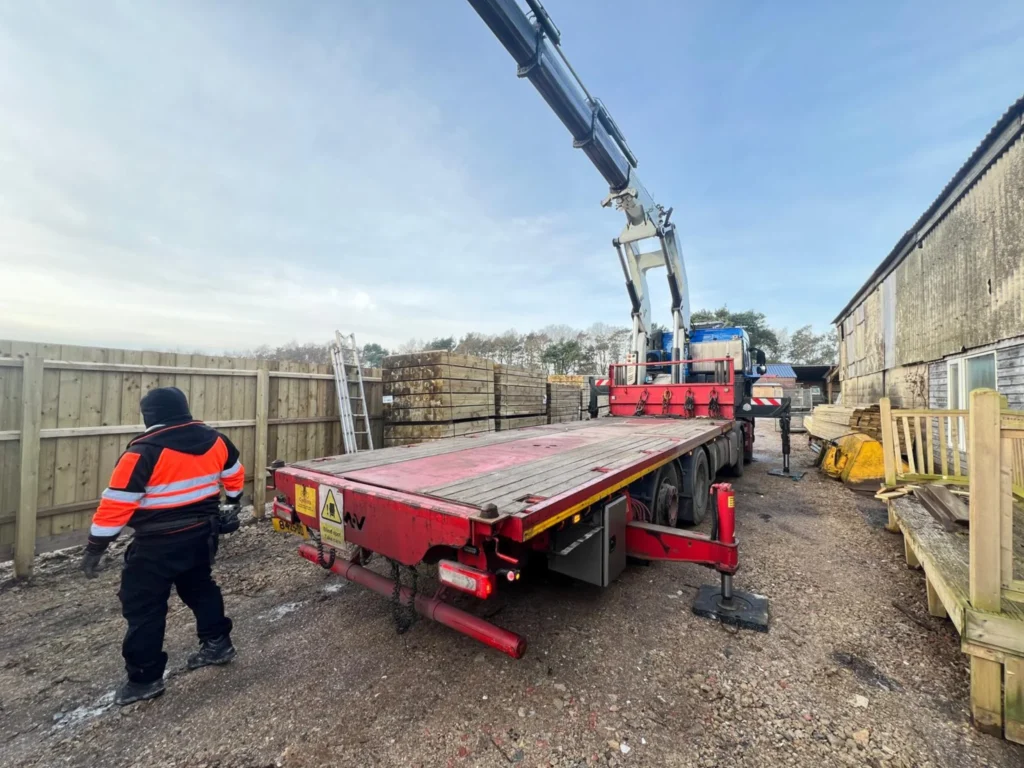
Even though the container is shorter, delivery and offload often still requires:
- a HIAB crane lorry or equivalent lifting vehicle
- the same driver time and route planning
- similar yard handling equipment for loading
- the same access and overhead clearance checks
In the UK, a 10ft container can cost similar to a 20ft to deliver because it still needs the same vehicle type and lifting equipment.
See our Container Delivery Page For More Details.
Quick comparison table: 10ft vs 20ft in the UK
| Factor | 10ft container | 20ft container |
|---|---|---|
| Industry standard size | No | Yes |
| Typical availability | Lower | Higher |
| Manufacturing volume | Lower | High |
| Shipping efficiency | Less efficient | Most efficient |
| Delivery and offload cost | Often similar to 20ft | Baseline cost |
| Value per square foot | Usually worse | Usually better |
A 20ft container usually offers better value per square foot than a 10ft container in the UK.
Common buyer concerns (answered)
Is a 10ft container ever worth it?
Yes, when space or layout is the limiting factor. A 10ft container makes sense when a 20ft will not fit, or when a shorter unit keeps access open on a working site.
Will a 10ft container be easier to deliver?
Sometimes, but not always. The footprint is smaller, but the truck and crane requirements can be the same. Buyers should measure access width, turning space, and overhead clearance.
Can a 10ft container be wind and watertight?
Yes. A correctly built unit should be supplied wind and watertight for secure storage, whether new or used. Condition and workmanship matter most on cut-down units.
Should buyers stack 10ft containers?
Only if the unit is designed and specified for stacking. Some 10ft units are storage-only and are not intended for stacking.
Alternatives that can save money
If space allows, a standard 20ft container is usually the most cost-effective storage container size in the UK.
If the goal is storage rather than footprint, these options can be better value:
- a high cube unit where the issue is volume, not length
- 6ft or 8ft containers for truly tight sites
- flat pack containers where access prevents a standard HIAB offload
- a 20ft container with shelving to increase usable storage without paying the 10ft premium