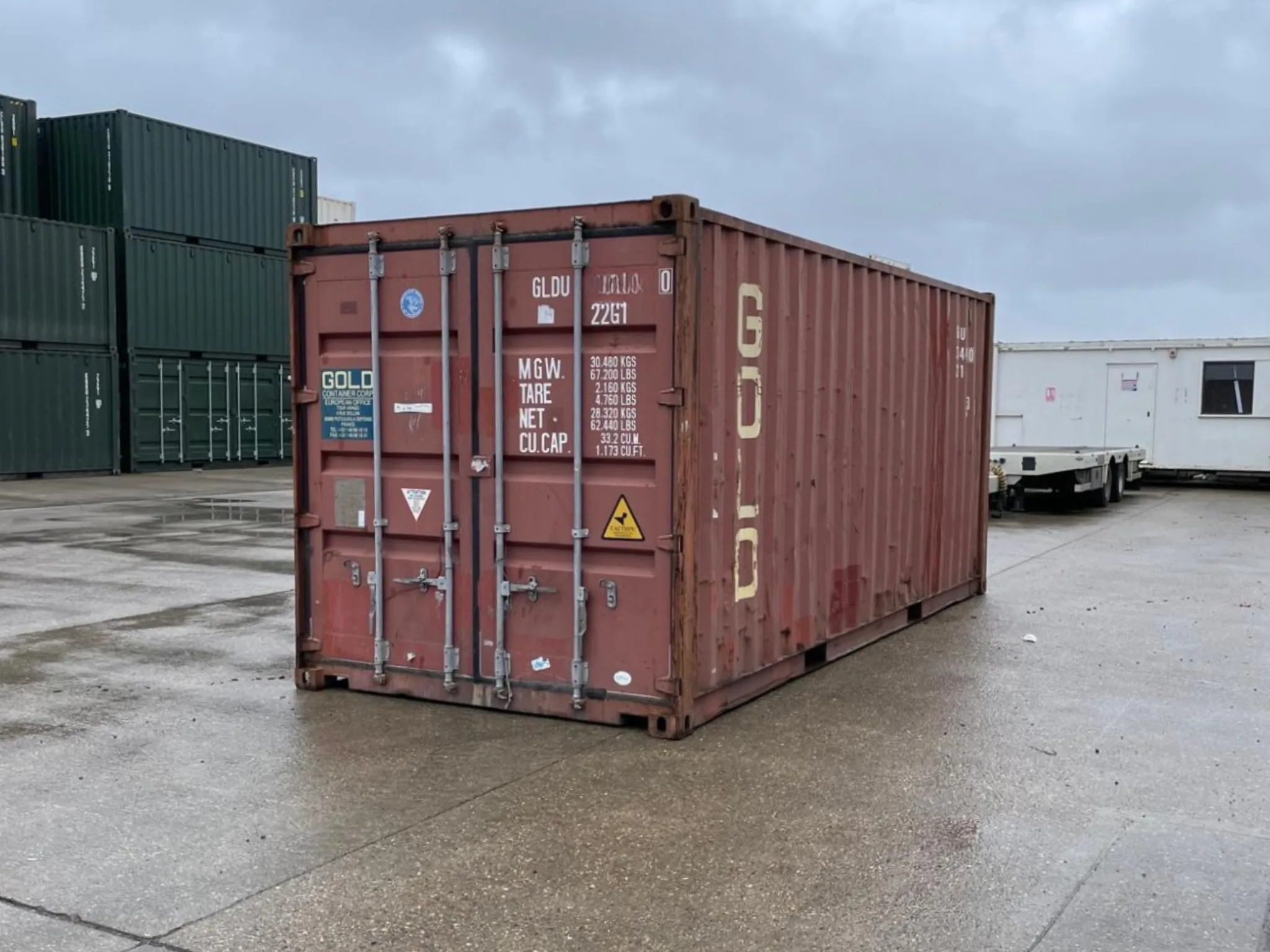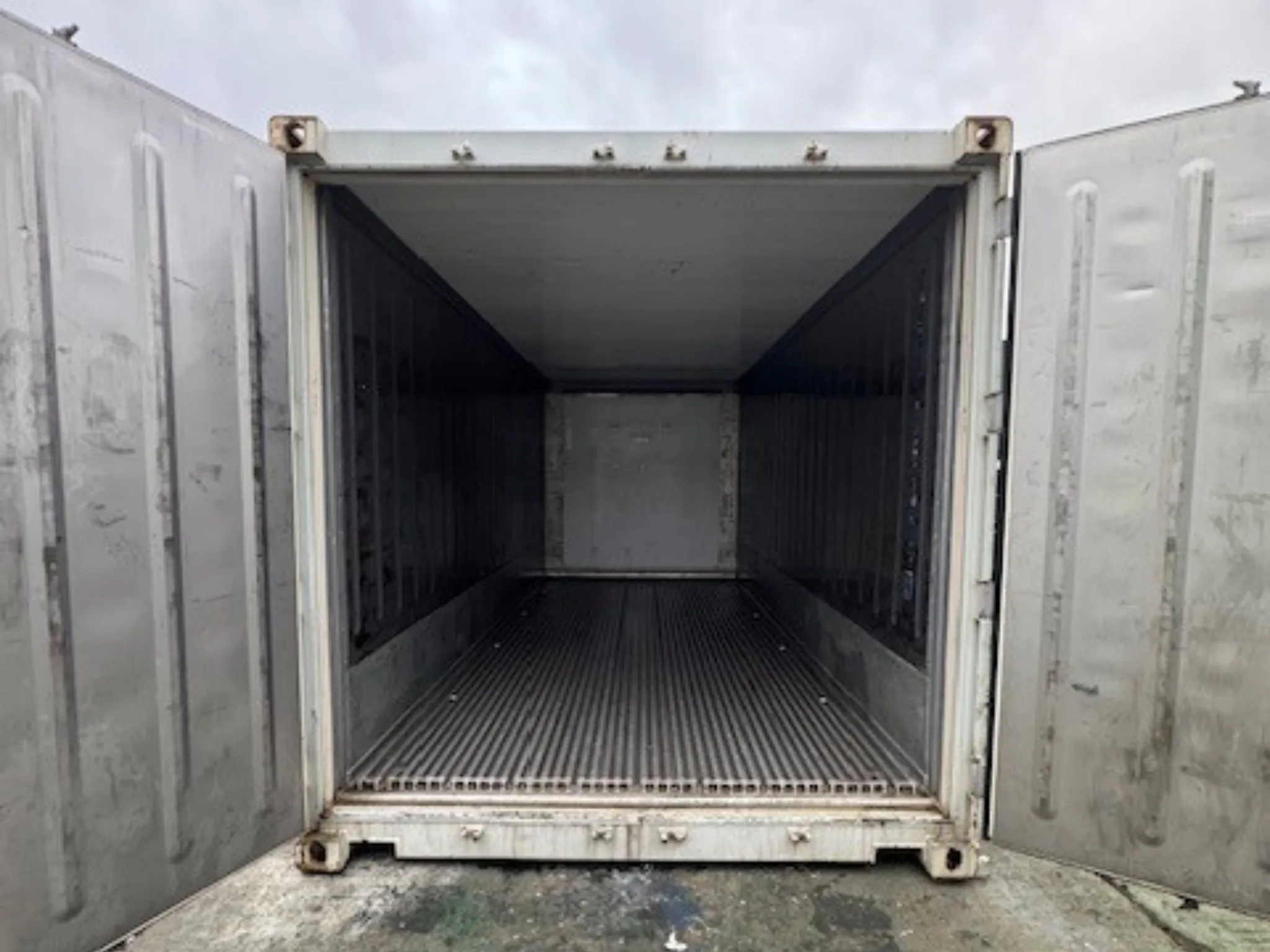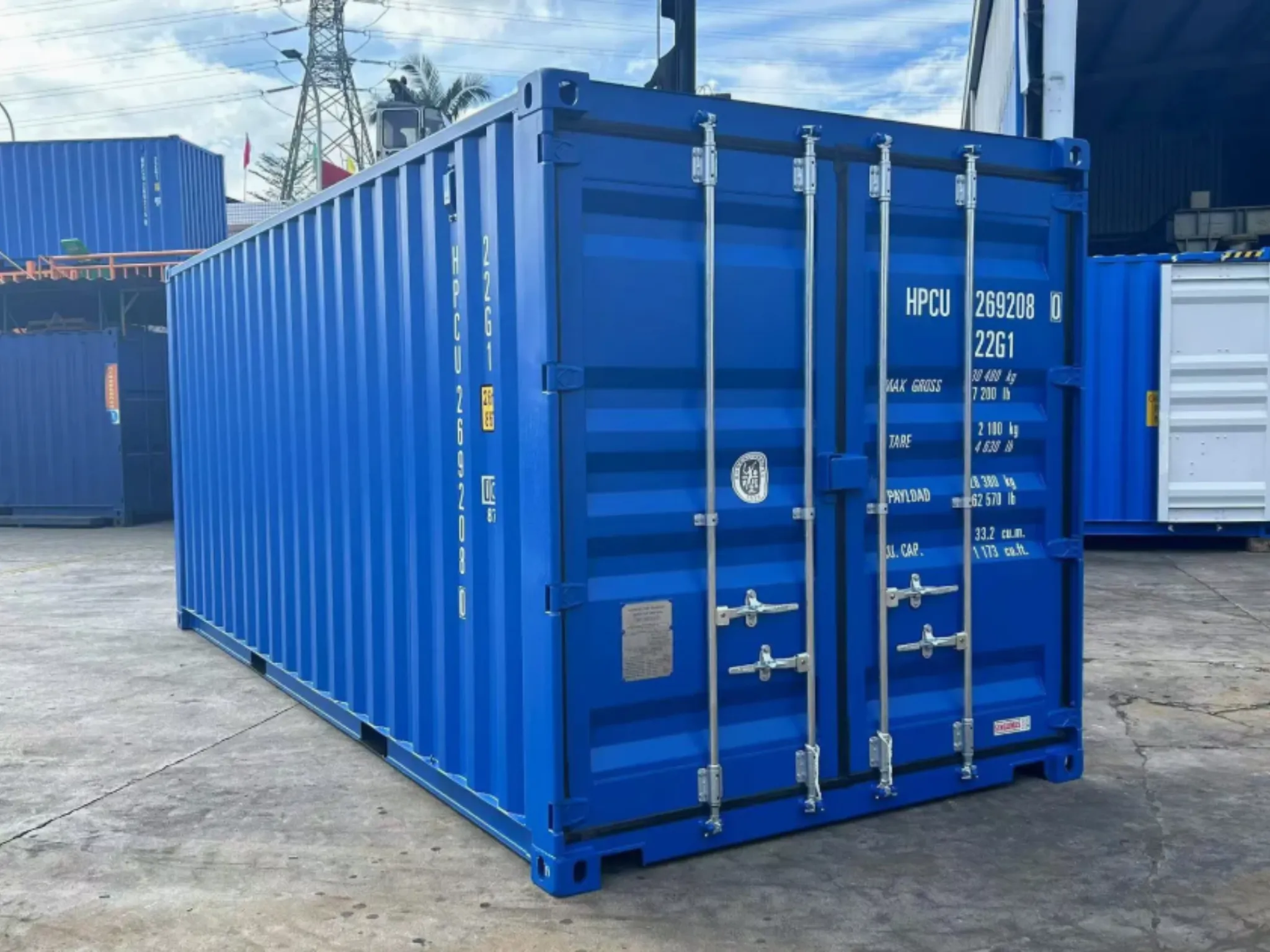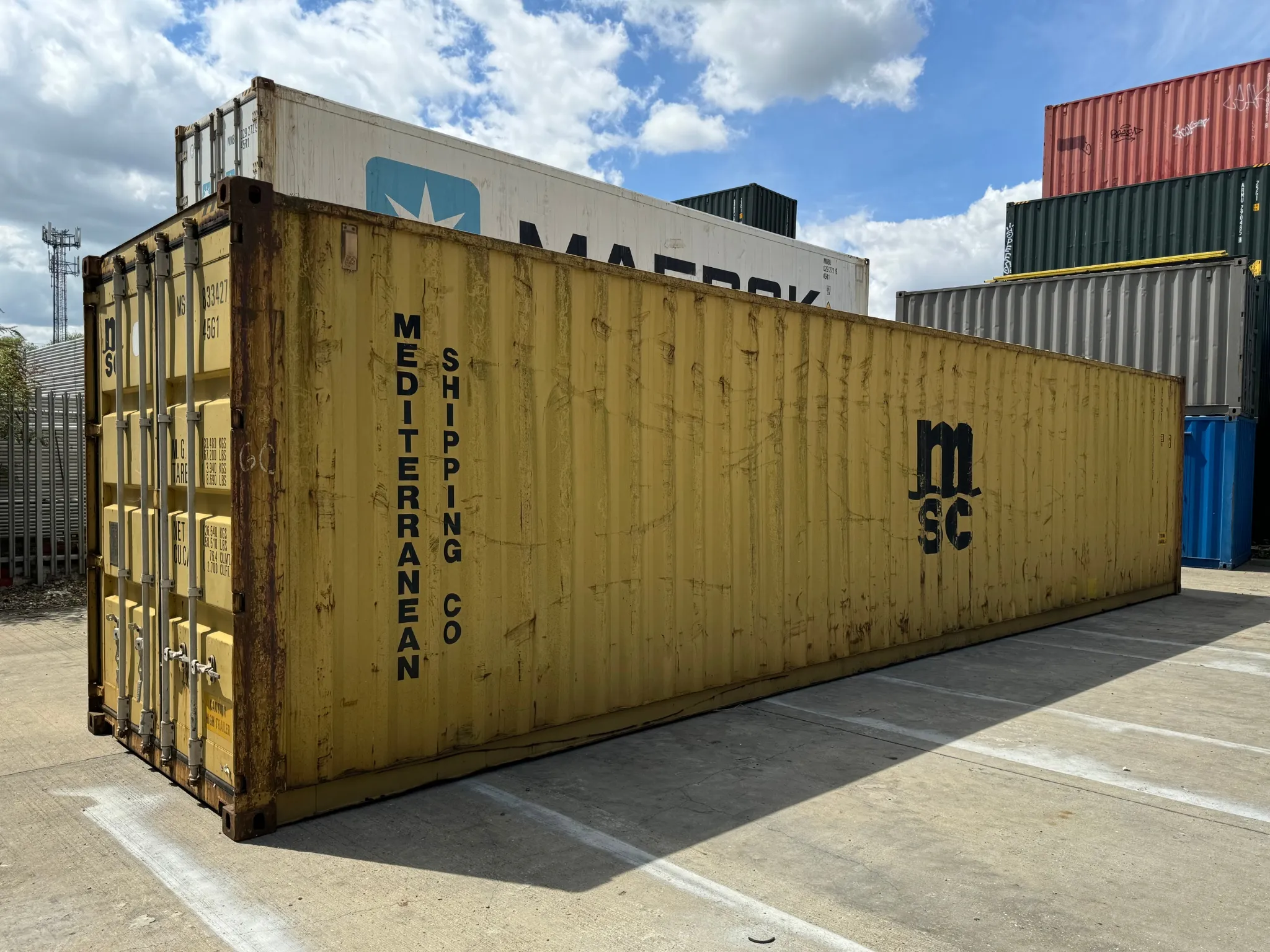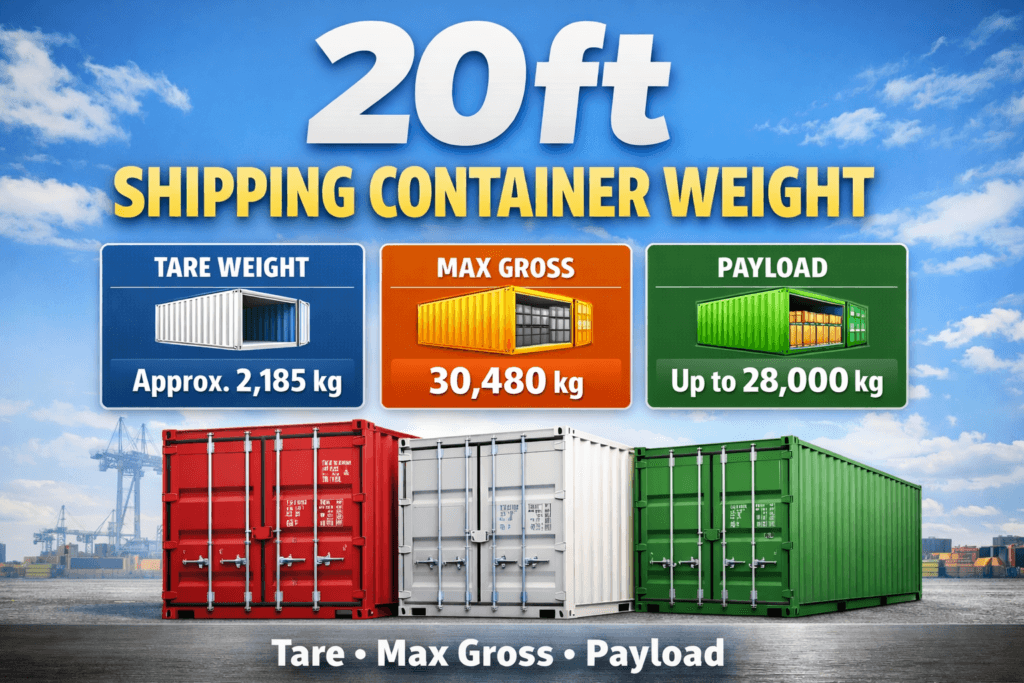
A standard 20ft shipping container usually weighs about 2,200–2,300kg empty. That empty figure is its tare weight. Many units have a maximum gross weight of 30,480kg, leaving a maximum payload of roughly 28,180–28,280kg. Specifications vary by manufacturer and container series, so the CSC plate on the doors is always the final authority.
20ft Shipping Container Weight: Quick Answer
| Weight term | Typical standard 20ft figure | What it means |
|---|---|---|
| Tare weight | About 2,200–2,300kg | The empty container |
| Maximum payload | About 28,180–28,280kg | The maximum permitted cargo, depending on tare |
| Maximum gross weight | Often 30,480kg | Container plus cargo combined |
These are representative figures, not a substitute for checking the individual unit. For example, Maersk gives 2,280kg as the tare weight of one standard 20ft series, while other 20ft units may be lighter or heavier.
What Do Tare, Payload and Gross Weight Mean?
Tare weight
Tare weight is the weight of the empty container, including its normal doors, flooring, fittings and associated equipment. It does not include cargo. The 20ft container tare weight matters when selecting a HIAB, sidelifter or other delivery vehicle.
Payload
Payload is the maximum permitted weight of the cargo placed inside. It is calculated from the container’s approved figures:
Maximum payload = maximum gross weight − tare weight
A 30,480kg-gross container with a 2,280kg tare has a theoretical payload of 28,200kg. A heavier container with the same gross limit has a slightly lower payload. Road, lifting, site and operating restrictions may impose a lower practical limit.
Maximum gross weight
Maximum gross weight is the greatest approved combined mass of the container and its contents. It must not be confused with payload. The International Maritime Organization states that a packed container must not exceed the maximum gross mass shown on its CSC Safety Approval Plate.
Why the CSC Plate Matters More Than a Generic Table
The CSC plate is normally fixed to a container door and identifies the approved maximum operating gross mass for that specific unit. The doors also carry tare and payload markings. Check those figures before export, heavy loading or any lift where exact weight matters.
- Manufacturers and production series use different components.
- High-cube, reefer and specialist units have different weights.
- Lockboxes, shelving, lining, insulation and conversions add weight.
- Repairs or replacement flooring may alter the empty mass.
If you need the container’s measurements alongside its mass, see our 20ft shipping container dimensions guide.
How Much Does a 20ft Shipping Container Weigh Empty?
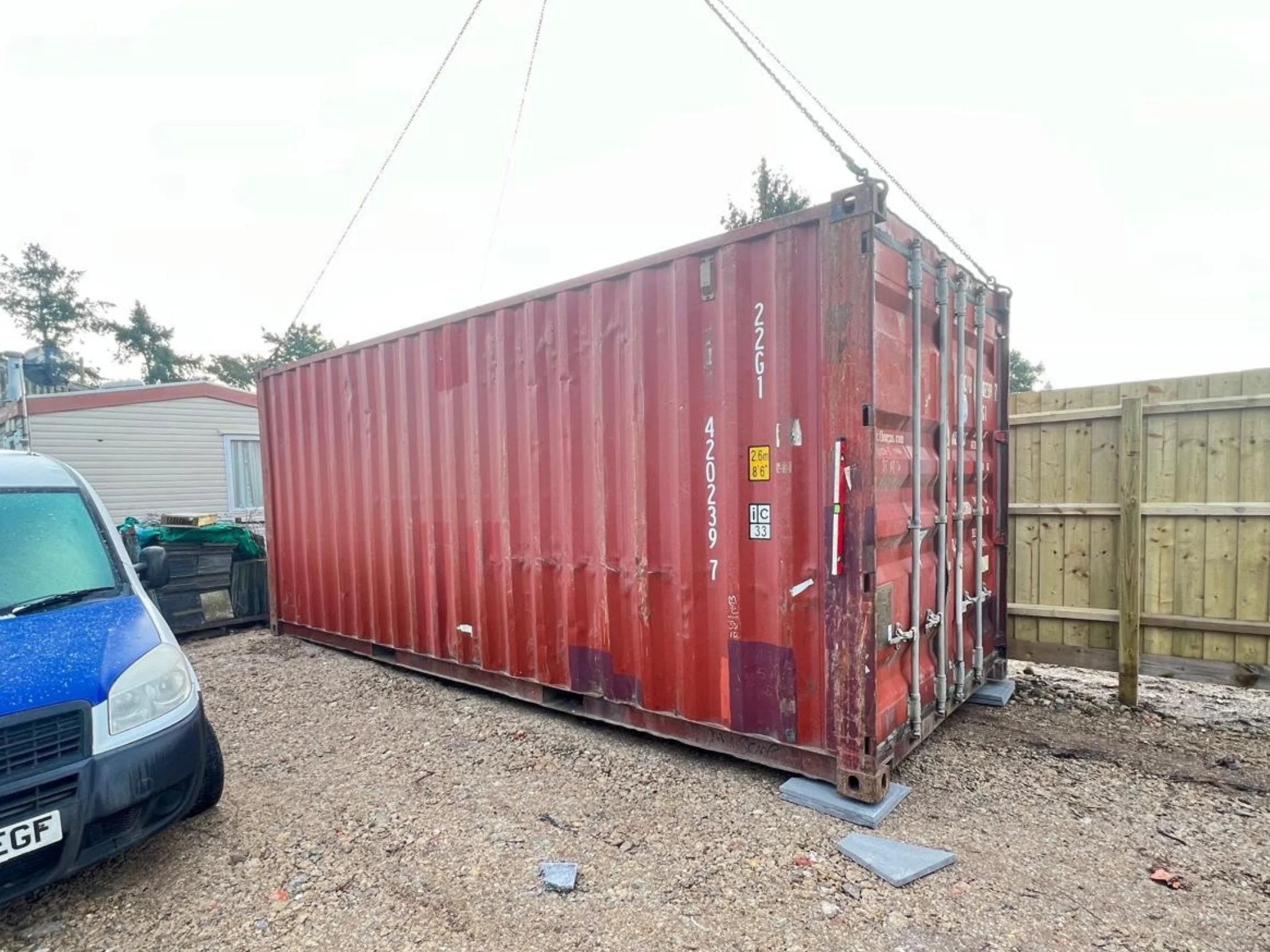
For planning purposes, allow approximately 2.2–2.3 tonnes for a standard empty dry 20ft unit. Do not quote one universal figure: the exact answer is printed on the container. A 20ft high-cube or modified container may weigh more, and a refrigerated container is a different specification entirely.
How Much Weight Can a 20ft Container Hold?
A common ISO freight specification permits around 28.2 tonnes of payload, but that does not automatically mean the full amount can be transported to or placed on every UK site. The actual limit is the lowest applicable limit across the container plate, lifting equipment, delivery vehicle, route, loading method and supporting ground.
For a broader comparison with other sizes, read how much weight a shipping container can hold and our 40ft container weight guide. If your planning is based on palletised stock, use our shipping container pallet-capacity guide.
UK Delivery and Road-Weight Considerations
Container capacity and legal road weight are separate questions. GOV.UK lists 44 tonnes as the standard maximum laden weight for qualifying six-axle articulated combinations, but lower limits apply to other configurations and every vehicle must remain within its plated axle and gross weights.
- Tell the supplier what will be inside: delivery of an empty container is different from moving a loaded one.
- Confirm access: vehicle size, turning space, overhead obstructions and safe outrigger deployment affect HIAB delivery.
- Confirm the lift: the haulier needs the actual or conservatively estimated gross mass and lift radius.
- Plan the route: bridges, local restrictions and site entrances may reduce what can legally or safely be delivered.
See our container delivery guide for access and positioning information.
Ground Preparation for an Empty or Loaded Container
An empty 20ft container still weighs more than two tonnes, while a heavily loaded unit can approach its approved gross limit. Whether an existing drive or hardstanding is suitable cannot be decided from the container weight alone. Construction, sub-base, drainage, load distribution, ground bearing capacity and underground services all matter.
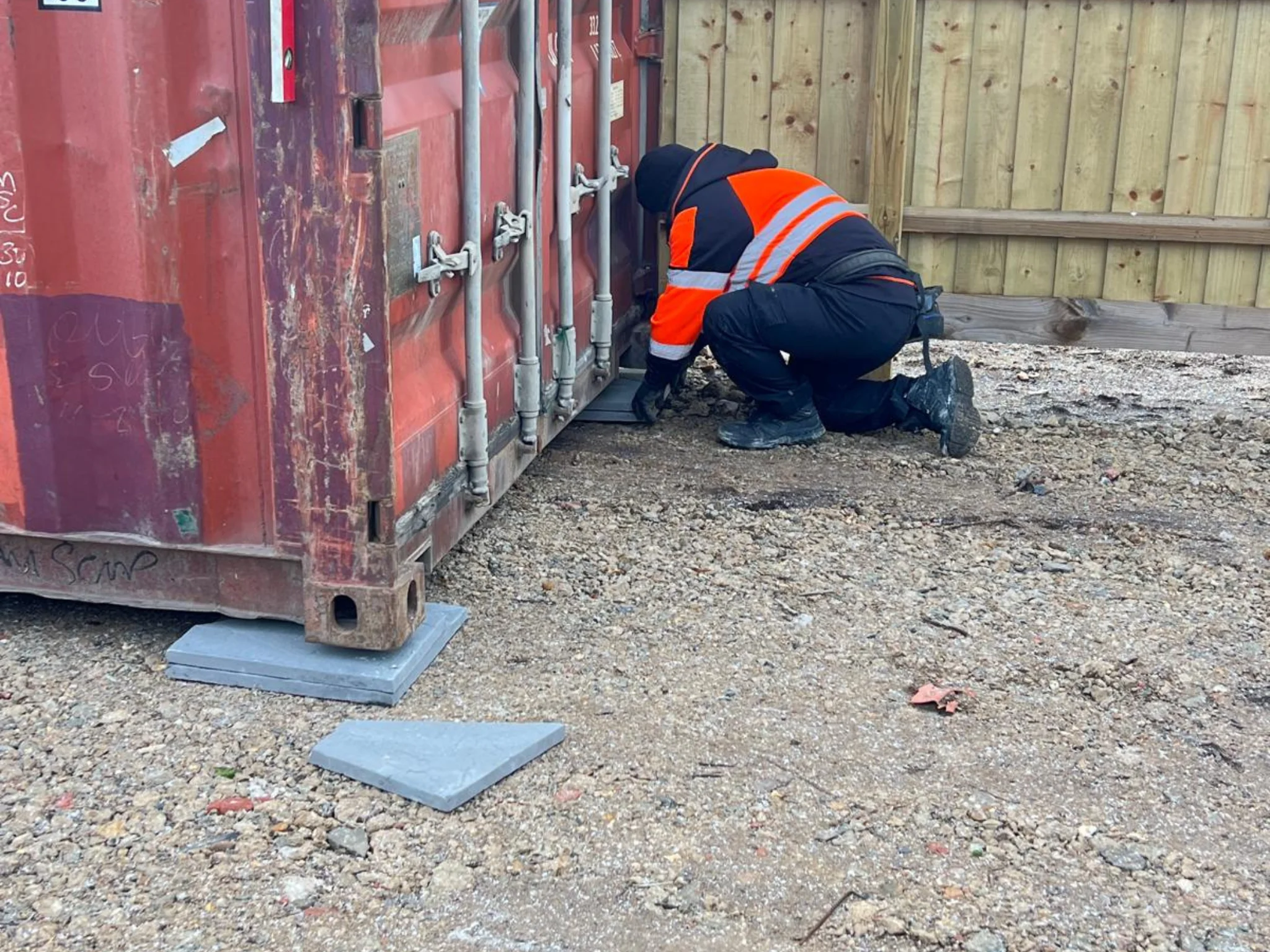
Do not promise that a domestic driveway will support the container. If the ground is uncertain or the intended load is substantial, obtain competent site-specific advice. The unit should be level and supported correctly at its structural load points so the frame does not rack and the doors remain aligned. Our shipping-container foundations guide explains the main options.
Does New, Used or Modified Condition Change the Weight?
New and used standard dry containers can have similar original specifications, but condition alone does not determine tare weight. Steel repairs, replacement floors and fitted accessories may change it. Conversions can add substantial weight through insulation, lining, doors, windows, electrics and internal framing.
Compare our new 20ft containers and used 20ft containers, or browse the main 20ft shipping-container range.
20ft Shipping Container Weight FAQs
How much does a 20ft shipping container weigh?
A standard empty dry 20ft shipping container commonly weighs around 2,200–2,300kg. Check the tare marking on the doors for the exact unit.
What is the max weight of a 20ft container?
Many units are rated to a maximum gross weight of 30,480kg, including the container and cargo. The CSC plate provides the binding figure for that container.
What is the typical 20ft container payload?
For a standard unit rated to 30,480kg gross, payload is often about 28,180–28,280kg depending on its tare weight. Operational and road limits may be lower.
Can Bosh Boxes deliver a loaded container?
Loaded movements need to be assessed individually. Provide the container’s plate details, contents, estimated gross mass, collection and delivery access so the correct vehicle and lift can be considered.
Get the Right Container and Delivery Plan
Tell us the size, condition, intended contents and delivery postcode. We will help match the container and delivery method to the job. Get your delivered container price or call 01375 503 890.