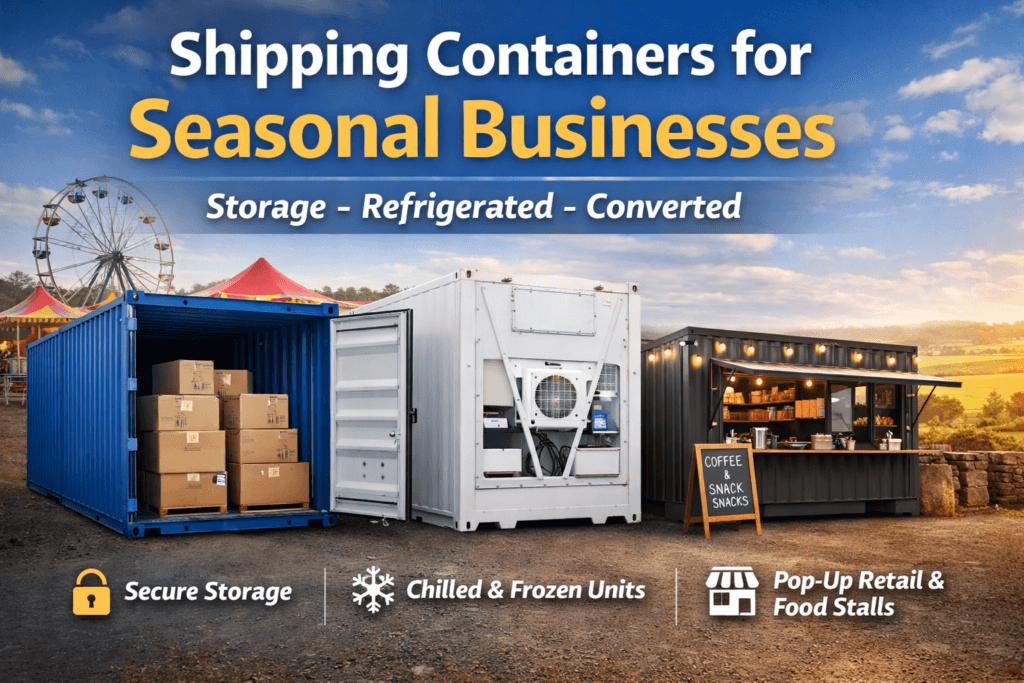
Shipping containers for seasonal businesses provide flexible, secure storage and workspace during peak trading periods. UK businesses use standard steel storage containers, refrigerated containers, and modified shipping containers to manage stock surges, create pop-up units, and protect equipment without investing in permanent buildings.
Seasonal demand creates short bursts of pressure.
Stock increases. Equipment expands. Space runs out.
Shipping containers solve this by adding secure, scalable space exactly when and where it is needed.
What Are Shipping Containers for Seasonal Businesses?
Shipping containers for seasonal businesses are adaptable steel units used for storage, retail, catering, and operational support during busy trading periods.
They typically fall into three categories:
Standard containers
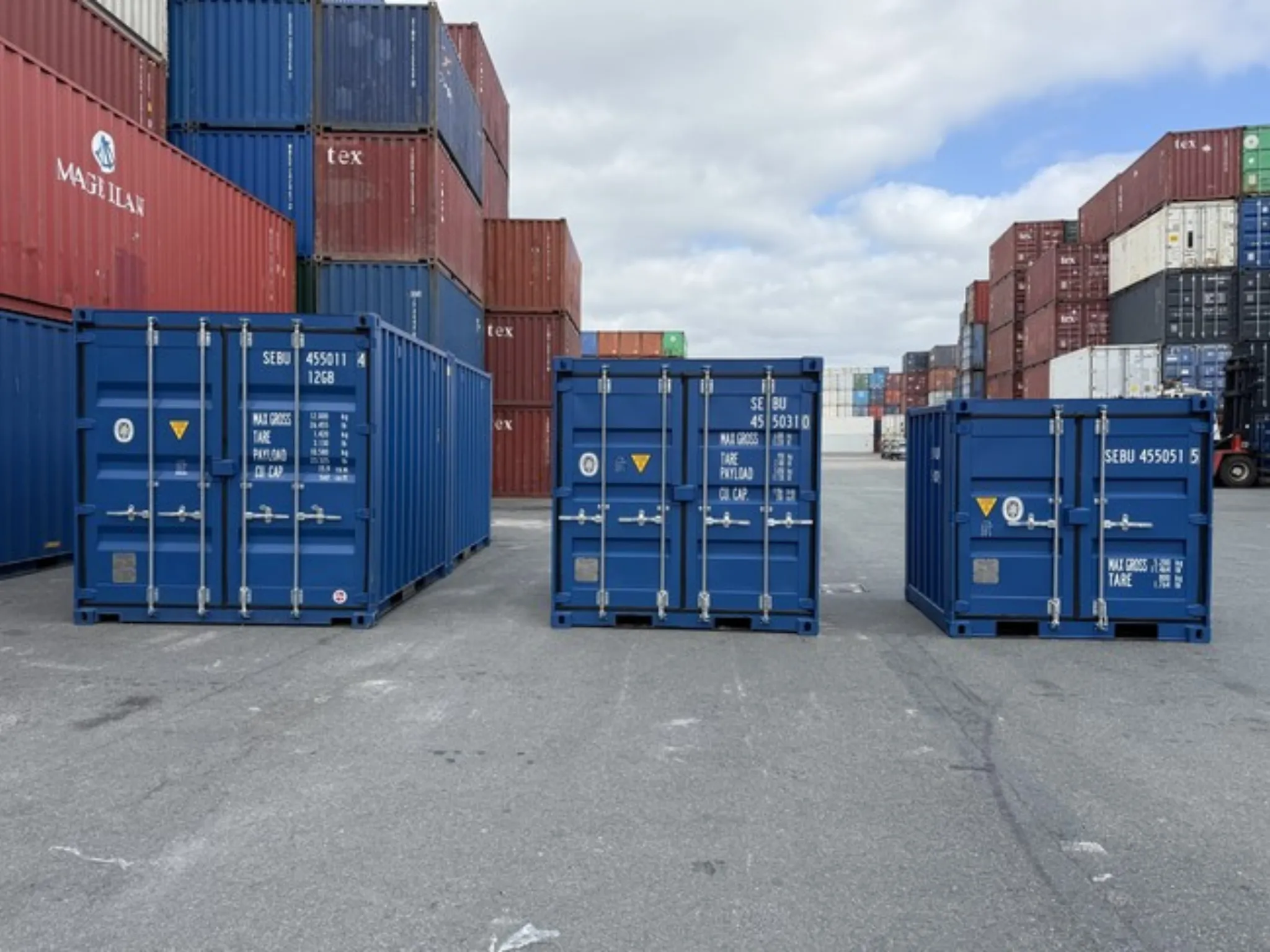
- 10ft shipping containers
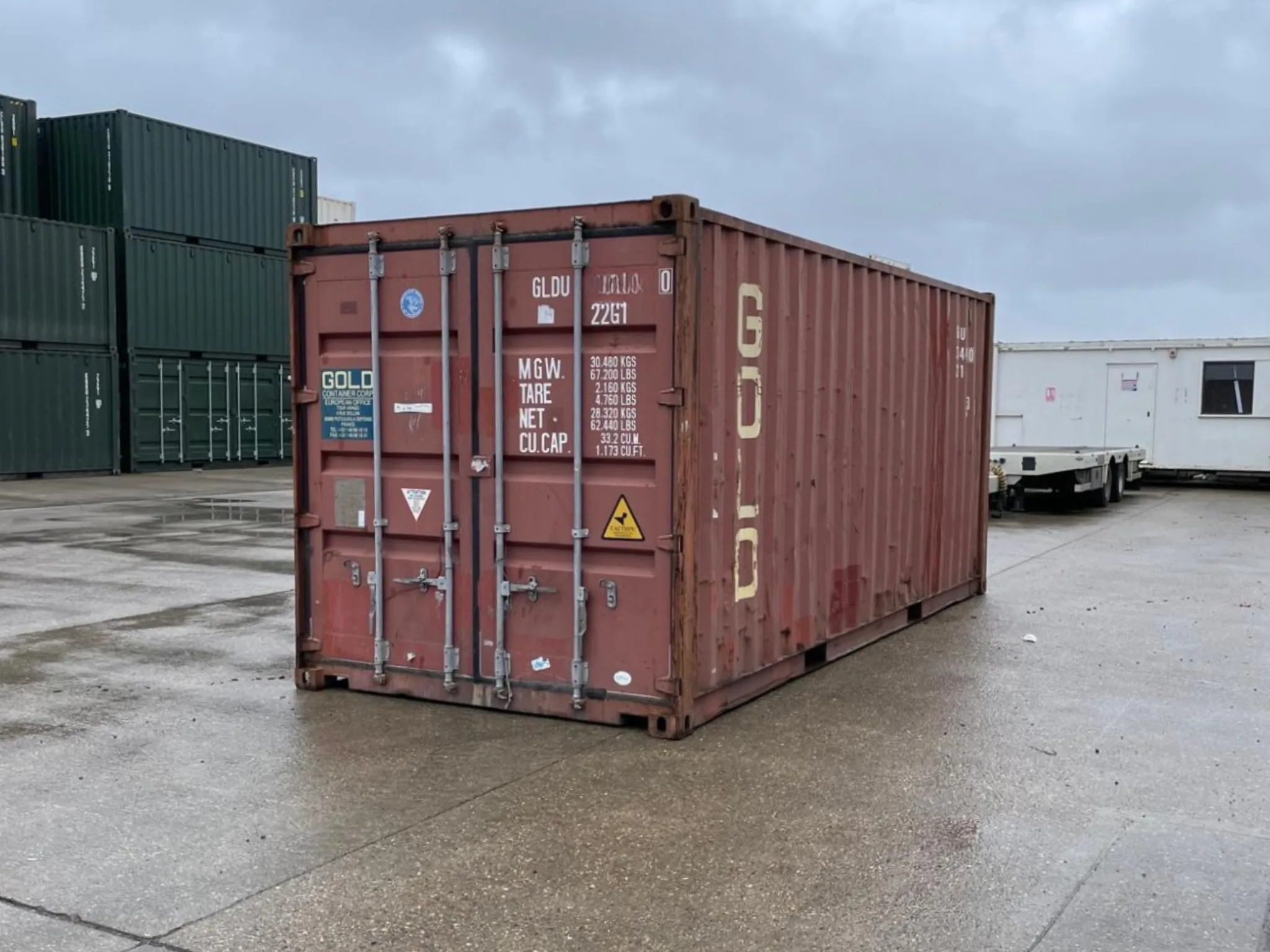
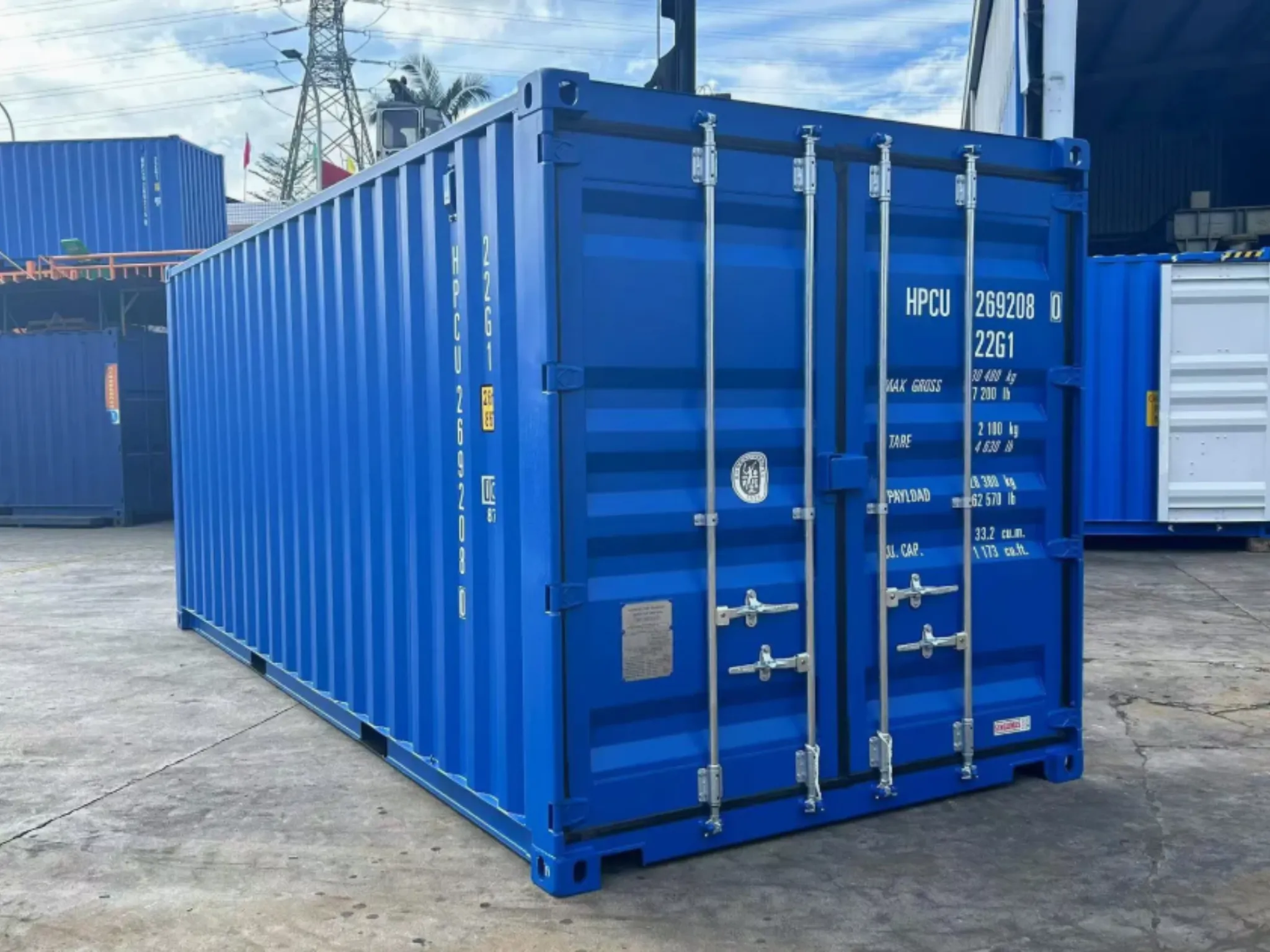
- 20ft shipping containers
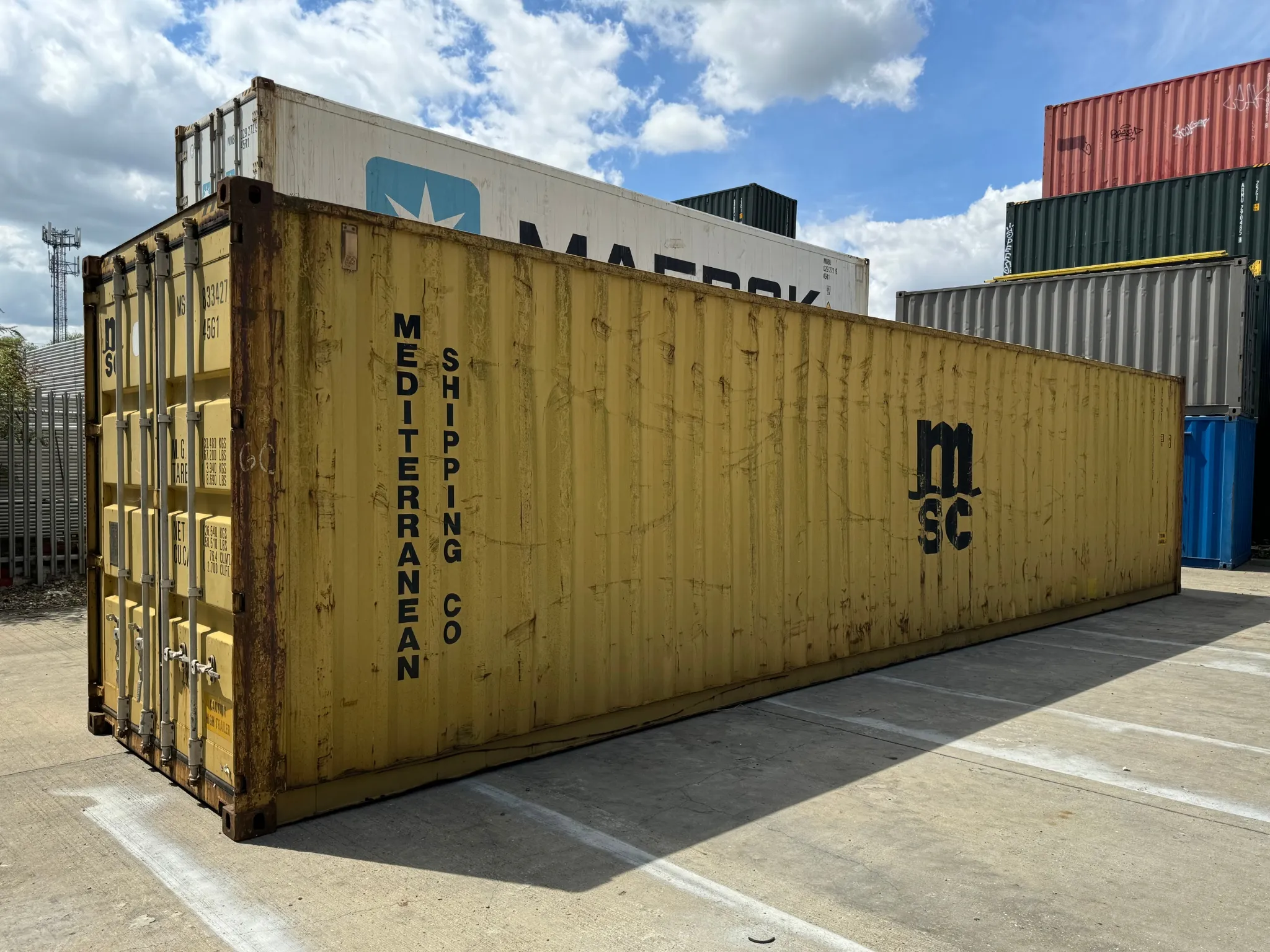
- 40ft shipping containers
- Wind and watertight
- Ideal for secure storage
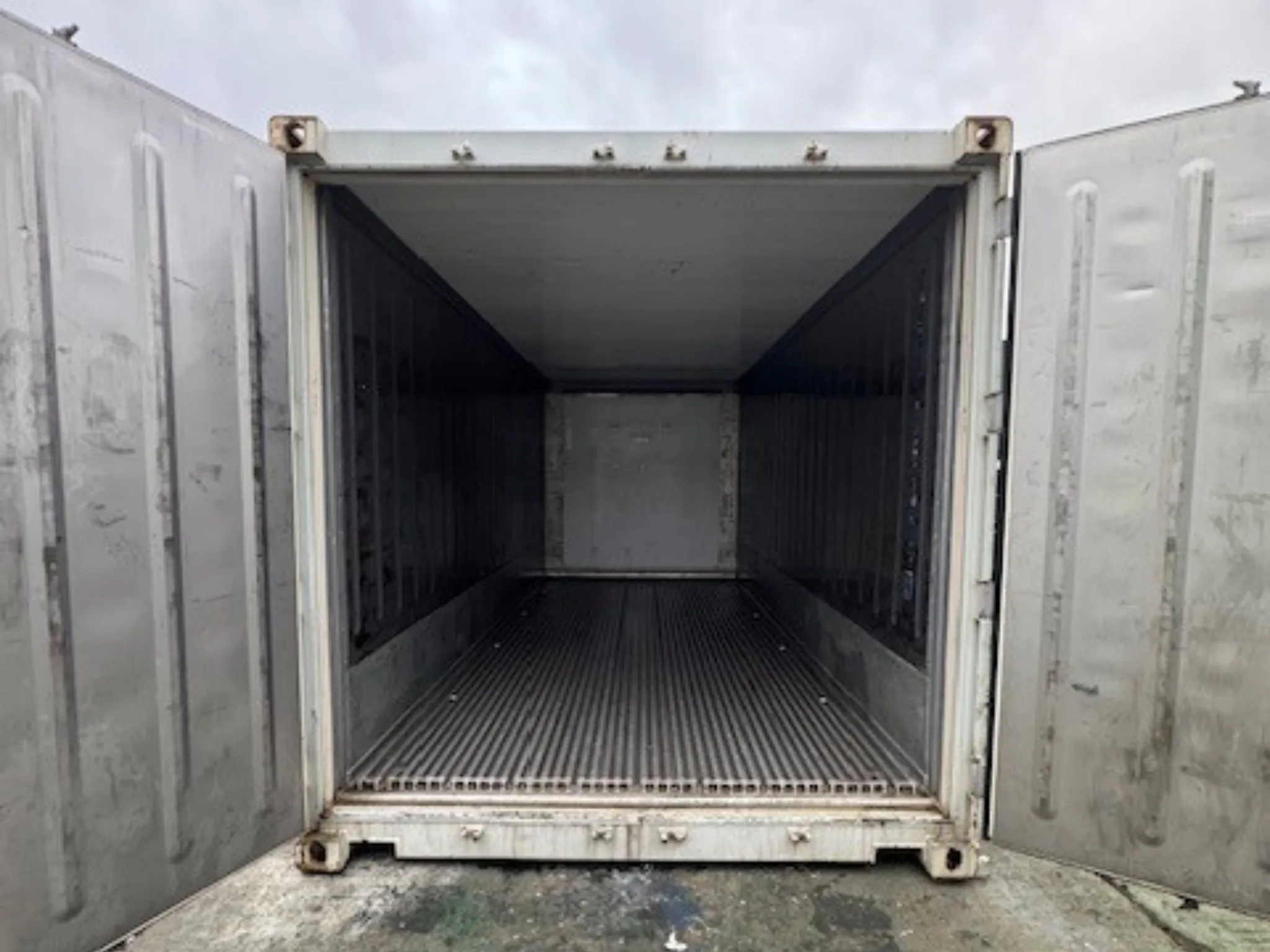
Refrigerated containers
- Temperature-controlled chilled or frozen storage
- Suitable for food and drink stock
- Common in hospitality and farm retail
Modified shipping containers
- Converted food stalls
- Pop-up retail units
- Bar containers
- Ticket offices or event cabins
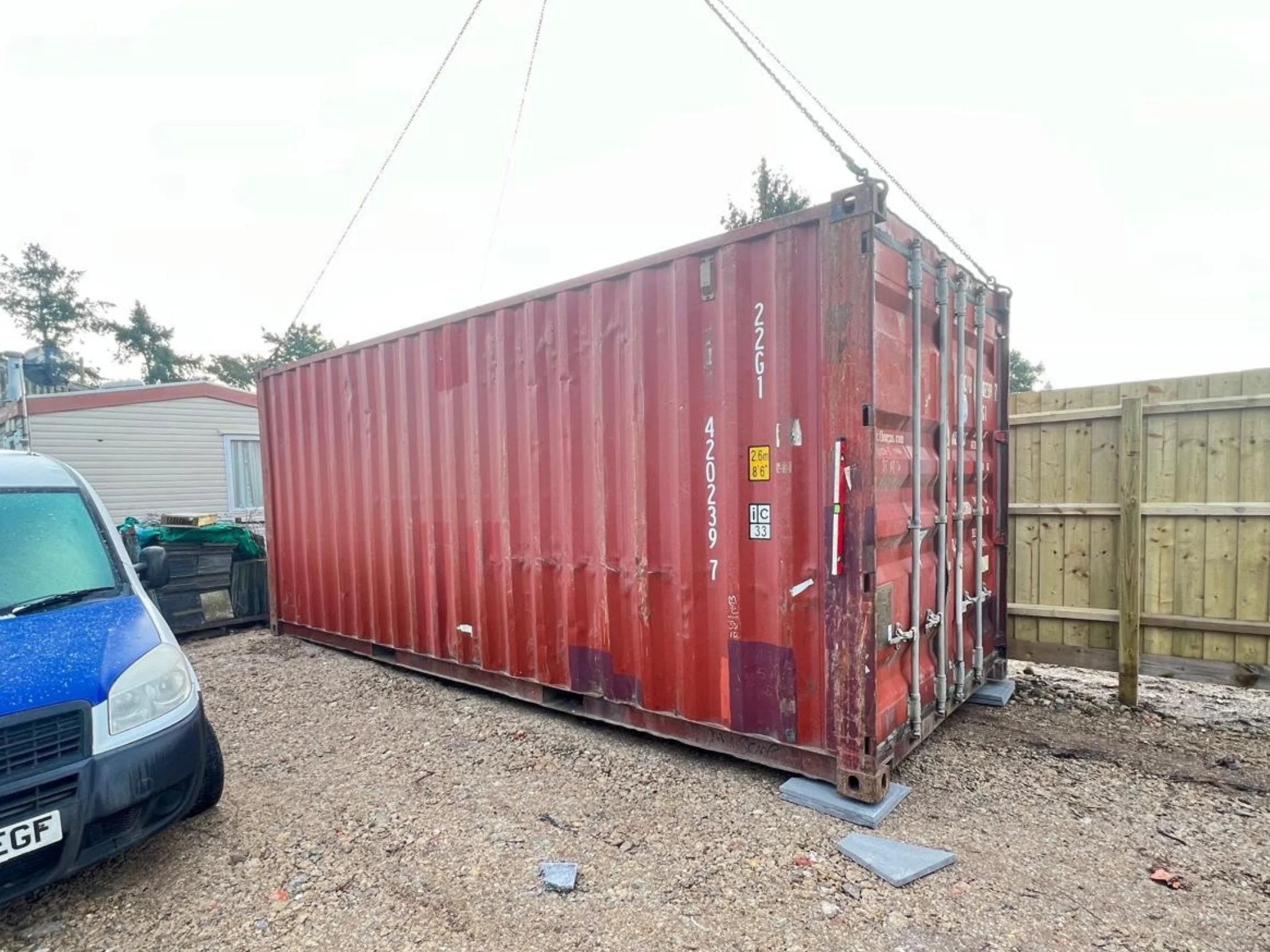
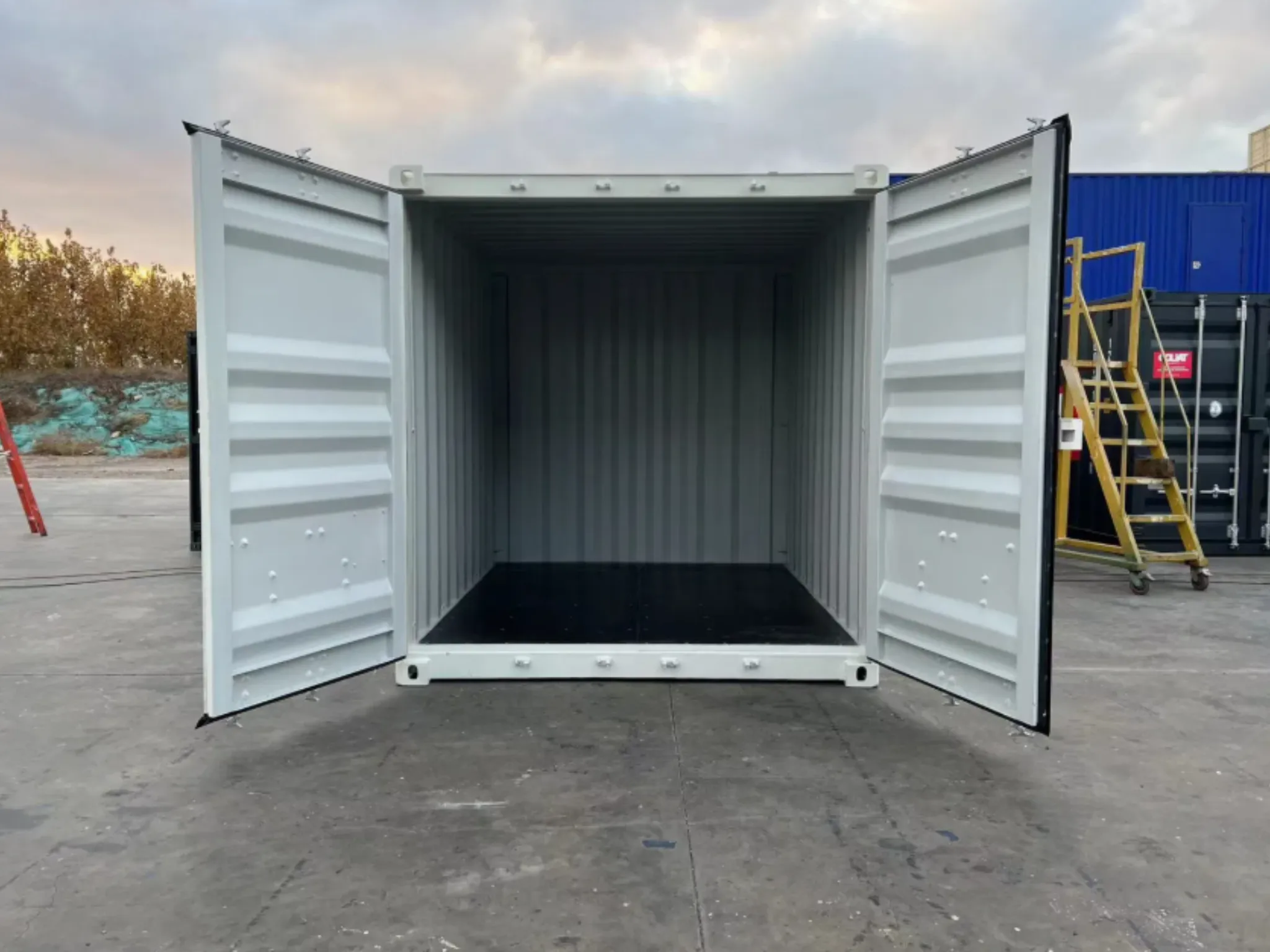
Standard steel storage containers are the most common choice. They protect stock, tools, furniture, and seasonal equipment from theft and weather.
Refrigerated containers are used where temperature control is essential, but they form part of a wider seasonal strategy rather than being the sole solution.
Modified shipping containers allow seasonal businesses to trade directly from the unit itself
Why Seasonal Businesses Use Shipping Containers
Seasonal businesses operate in hospitality, retail, agriculture, tourism, and events. Each experiences predictable trading spikes.
Shipping containers for sale UK-wide are used because they:
- Create instant overflow storage
- Protect valuable stock during busy periods
- Secure equipment between seasons
- Provide lockable space at temporary sites
- Enable pop-up retail or food trading
- Support chilled storage where required
Steel storage containers provide stronger physical protection than sheds, marquees, or temporary structures.
That matters in public-facing environments and rural locations where theft risk increases during peak trading.
Refrigerated containers are used where chilled drinks, dairy, meat, or frozen products need reliable temperature control.
Modified shipping containers allow businesses to operate without renting commercial premises.
Common Seasonal Use Cases in the UK
Events and Festivals
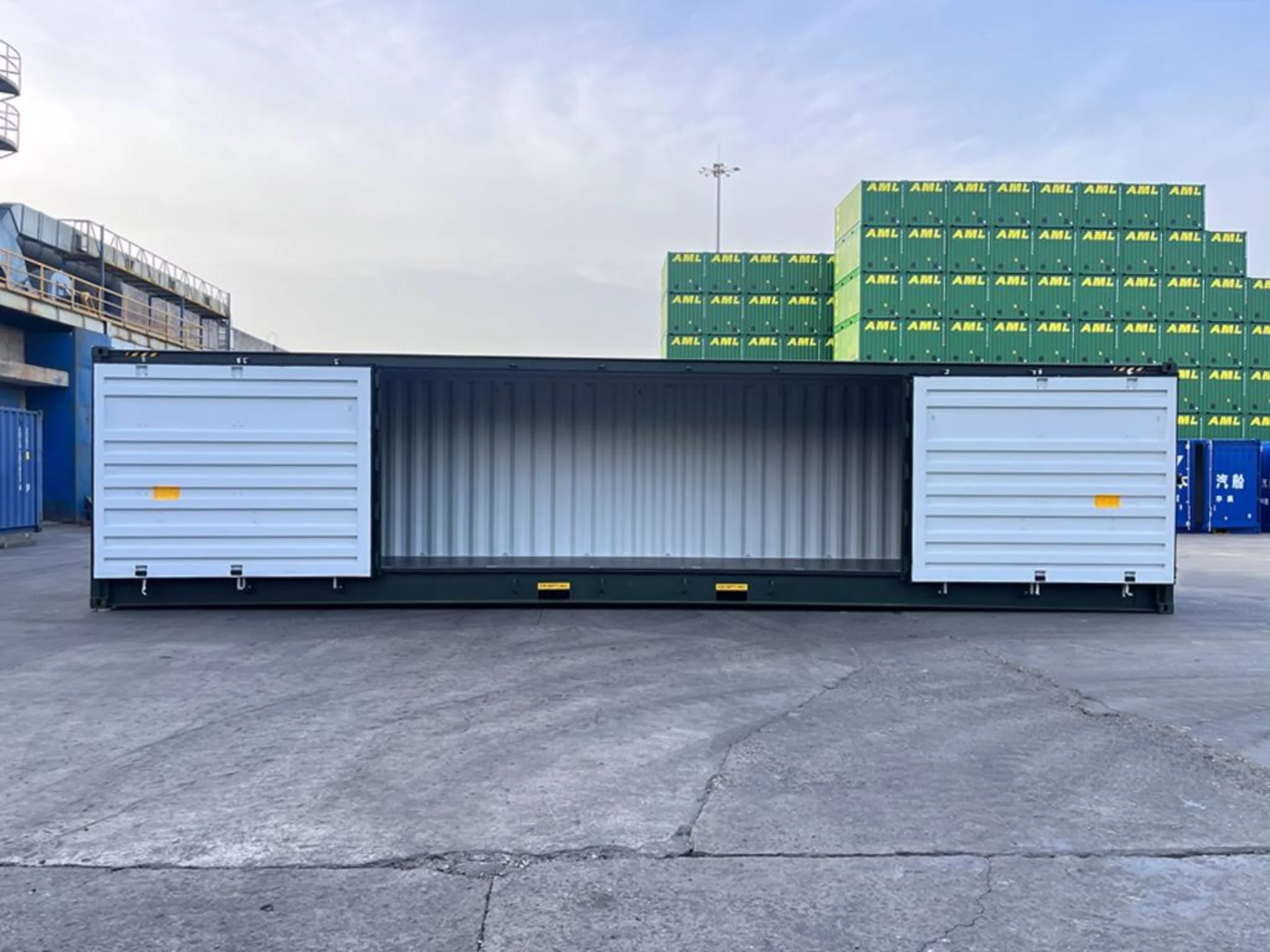
Event organisers use 20ft shipping containers for equipment storage, bar supplies, fencing, and staging materials.
Converted containers serve as:
- Bars
- Food kiosks
- Merchandise stalls
- Ticket booths
Refrigerated containers support chilled drinks and catering stock during multi-day events.
See more about Shipping Containers For Event Storage.
Farm Shops and Agricultural Businesses
Harvest periods increase packaging materials and produce storage needs.
Standard containers store tools, seed, and machinery parts securely.
Farm shops often combine:
- A standard 20ft unit for dry goods
- A refrigerated container for chilled produce
This keeps stock organised without expanding permanent buildings.
Read more about How Farmers Use Shipping Containers here.
Coastal and Tourism Businesses
Beach traders and holiday parks use containers to store seasonal furniture, inflatables, and maintenance equipment.
Converted units are increasingly used as:
- Coffee pods
- Ice cream counters
- Retail huts
At the end of the season, equipment remains secure inside wind and watertight steel storage containers.
Garden Centres and Retail
Spring and summer stock often exceeds internal warehouse capacity.
40ft shipping containers provide overflow storage for compost, furniture, and seasonal displays.
When winter arrives, excess stock can be secured without ongoing warehouse rental.
See our blog about Shipping Containers For Retail Stock Storage.
Common Buyer Concerns
Is planning permission required?
Temporary storage containers often fall outside full planning requirements, but duration and location matter. Local authority guidance should always be checked.
Converted containers used for trading may require additional approvals depending on use and utilities.
Is container delivery complicated?
Container delivery UK-wide is straightforward when access is suitable.
Sites require:
- Adequate width for HGV access
- Sufficient turning space
- Overhead clearance
Clear access prevents delays during busy seasonal setups.
Should seasonal businesses buy or hire?
Short trading windows may suit container hire.
Businesses operating annually often choose to buy shipping container UK units for long-term value.
Site Considerations for Seasonal Container Placement
Seasonal businesses should assess site conditions before arranging container delivery UK-wide.
Proper placement prevents delays during peak trading periods and ensures the container performs as intended.
Key considerations include:
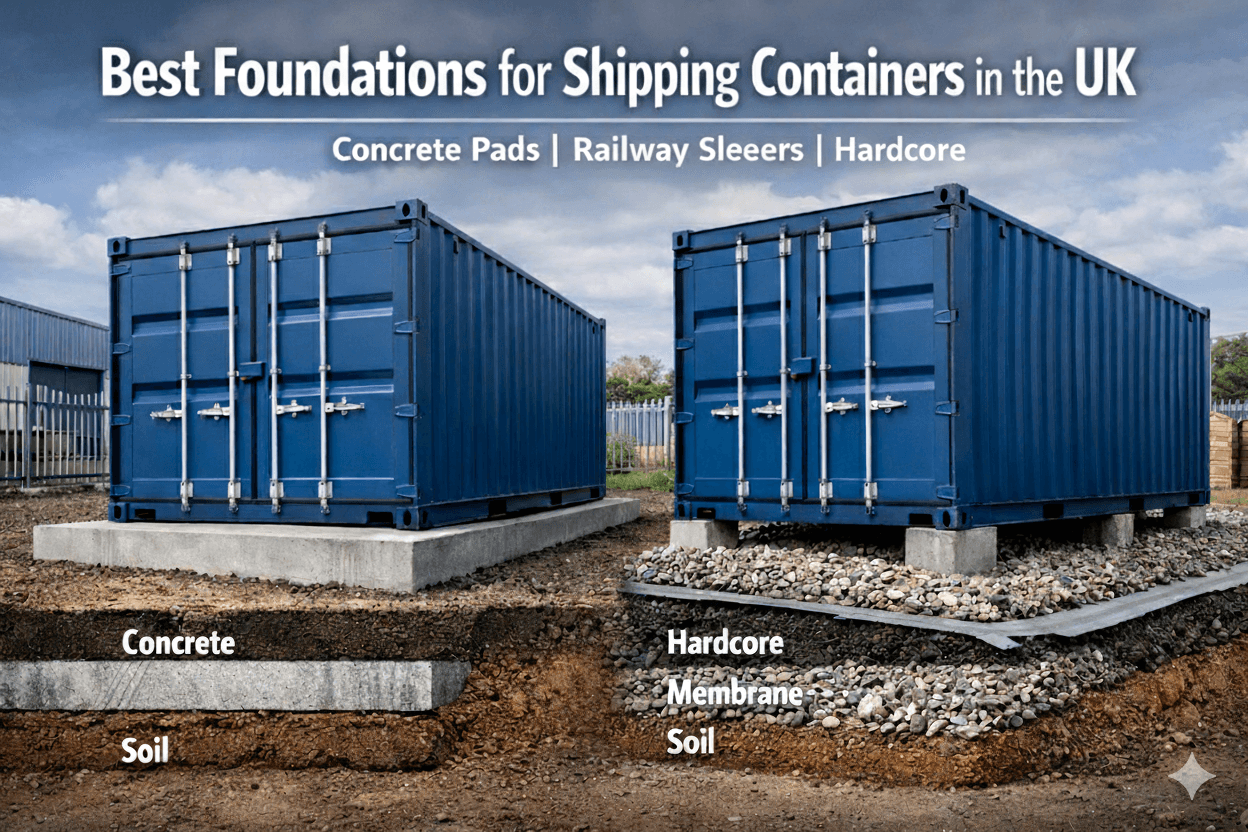
- Level ground to prevent twisting of the steel structure
- Hardstanding preferred, such as concrete, tarmac, or compacted stone
- Adequate space for HIAB or sidelifter delivery vehicles
- Clear overhead access free from trees or cables
- Safe positioning to allow easy loading and unloading
- Electrical supply for refrigerated containers where chilled storage is required
Steel storage containers are heavy. Soft or uneven ground can lead to door misalignment or long-term structural strain.
Refrigerated containers require a stable power source. Planning cable routing and safe access is essential before installation.
Assessing these practical details early reduces risk during busy seasonal trading windows.
When a Shipping Container May Not Be Suitable
Shipping containers are practical for most seasonal businesses, but they are not always the right solution.
A container may not be suitable if:
- The site has no safe vehicle access for container delivery UK
- There is insufficient turning space for a HIAB or sidelifter
- Secure indoor storage is already available on-site
- There is no electrical supply for refrigerated containers
- Ground conditions cannot support the weight of a steel storage container
Access is the most common limiting factor. Without adequate width, overhead clearance, and stable ground, delivery becomes difficult.
Refrigerated containers also require reliable power. If electricity supply is unavailable or unstable, alternative storage methods may be more appropriate.
Understanding site conditions before ordering prevents delays during peak trading periods.
Why Bosh Boxes Is the Best Choice
Seasonal businesses rely on timing. Delays cost revenue.
Bosh Boxes supports this with:
- Fast container delivery UK-wide
- New and used shipping containers available
- Standard, refrigerated, and modified shipping containers
- Quality-checked wind and watertight units
- Practical advice on access and placement
- Flexible sizes from 10ft to 40ft
- Clear pricing without unnecessary extras
Availability matters during peak trading periods. Securing units early reduces risk.
That practical approach reflects The Bosh Boxes Way.
Comparison Table
The comparison table below outlines how Bosh Boxes performs against generic UK suppliers when providing shipping containers for seasonal businesses, including standard, refrigerated, and modified container solutions.
| Feature | Bosh Boxes | Generic Supplier A | Generic Supplier B | Online Marketplace |
|---|---|---|---|---|
| Standard Containers | Available in multiple sizes | Limited options | Mixed stock | Unverified |
| Refrigerated Containers | Available when needed | Limited availability | Often older units | Condition unclear |
| Modified Shipping Containers | Custom container builds offered | Rare | Limited | None |
| Delivery Guidance | Site access advice provided | Minimal | Basic | None |
| Quality Checks | Wind and watertight inspected | Basic | Inconsistent | No guarantees |
Many competitors focus only on selling containers. Few provide guidance on matching container type to seasonal business models.
FAQs
How long can a seasonal business keep a shipping container on-site?
The length of time a seasonal business can keep a shipping container on-site depends on local planning regulations, duration of placement, and how the container is being used. Temporary storage use is often permitted for limited periods, but containers used for active trading or permanent positioning may require planning approval. Always confirm with your local authority before installation.
Can refrigerated containers run from standard power?
Most refrigerated containers require a suitable electrical supply, typically a three-phase connection, although some smaller units can operate on single-phase power. Power requirements vary by specification, so voltage and amperage should be confirmed before delivery. A stable power source is essential to maintain consistent internal temperatures during peak trading periods.
Are modified shipping containers weatherproof?
Properly converted shipping containers remain wind and watertight when professionally modified and sealed. Reputable suppliers ensure structural integrity is maintained when installing doors, windows, or serving hatches. Poorly executed conversions can compromise weather resistance, so inspection standards and build quality are important when purchasing modified shipping containers.
Do Shipping Containers Require Foundation?
Shipping containers do not usually require full concrete foundations, but they should be placed on level, stable ground. Hardstanding such as concrete, tarmac, railway sleepers, or compacted stone is recommended to prevent twisting and door misalignment.
How to Get Started
Seasonal businesses require flexible storage that can expand and contract with demand. Standard containers provide secure dry storage. Refrigerated containers protect temperature-sensitive stock. Modified shipping containers enable direct trading. Choosing the right combination depends on stock type, access, and trading duration.
Identify:
- Whether you need storage, trading space, or both
- If temperature control is required
- Site access for container delivery UK vehicles
- Duration of seasonal use
Most seasonal businesses start with a 20ft shipping container. Larger operations may combine standard and modified units.
Refrigerated containers should be arranged in advance of peak season.
For a fast quote and delivery date, contact Bosh Boxes today — your trusted UK shipping container supplier.