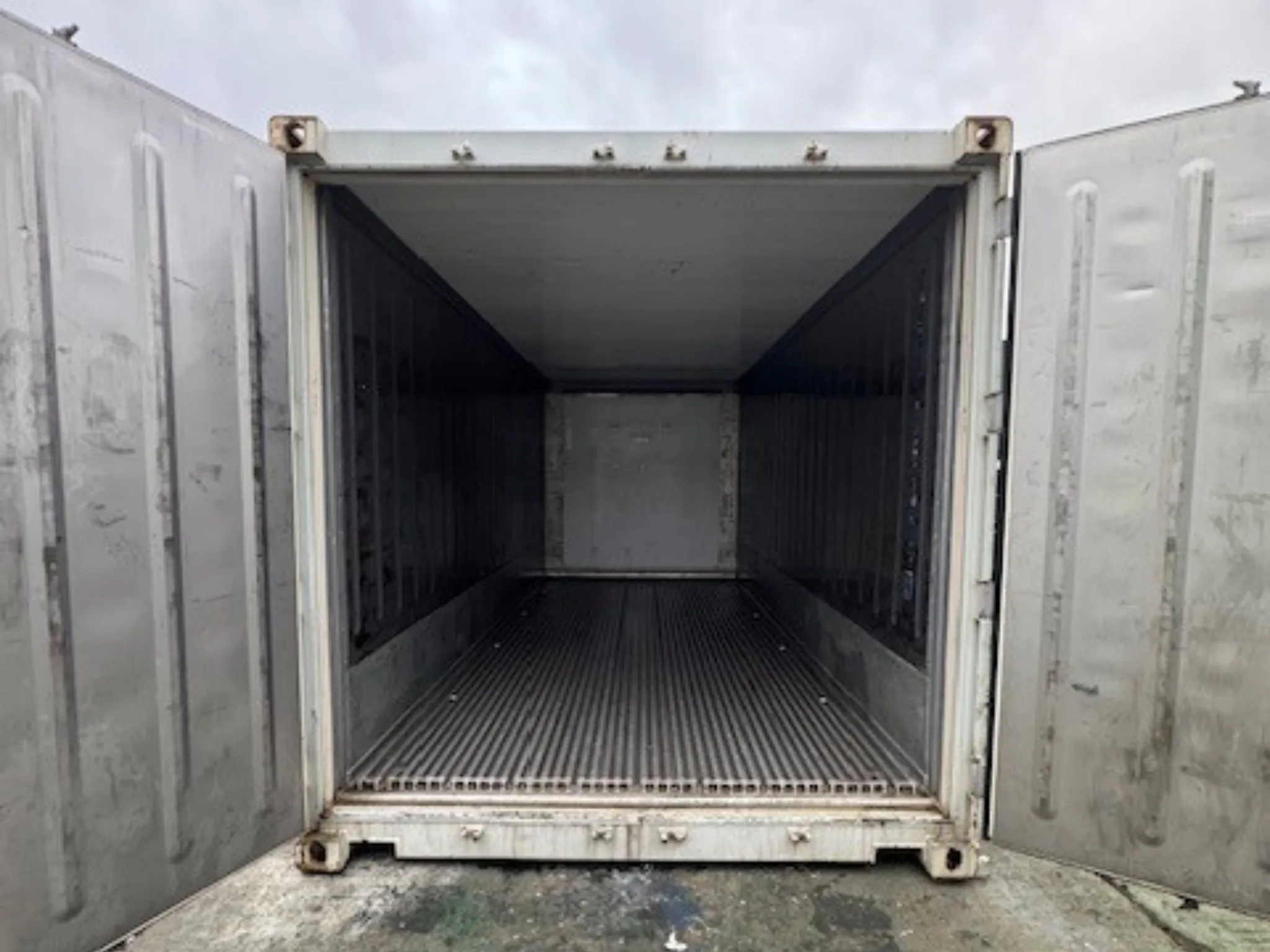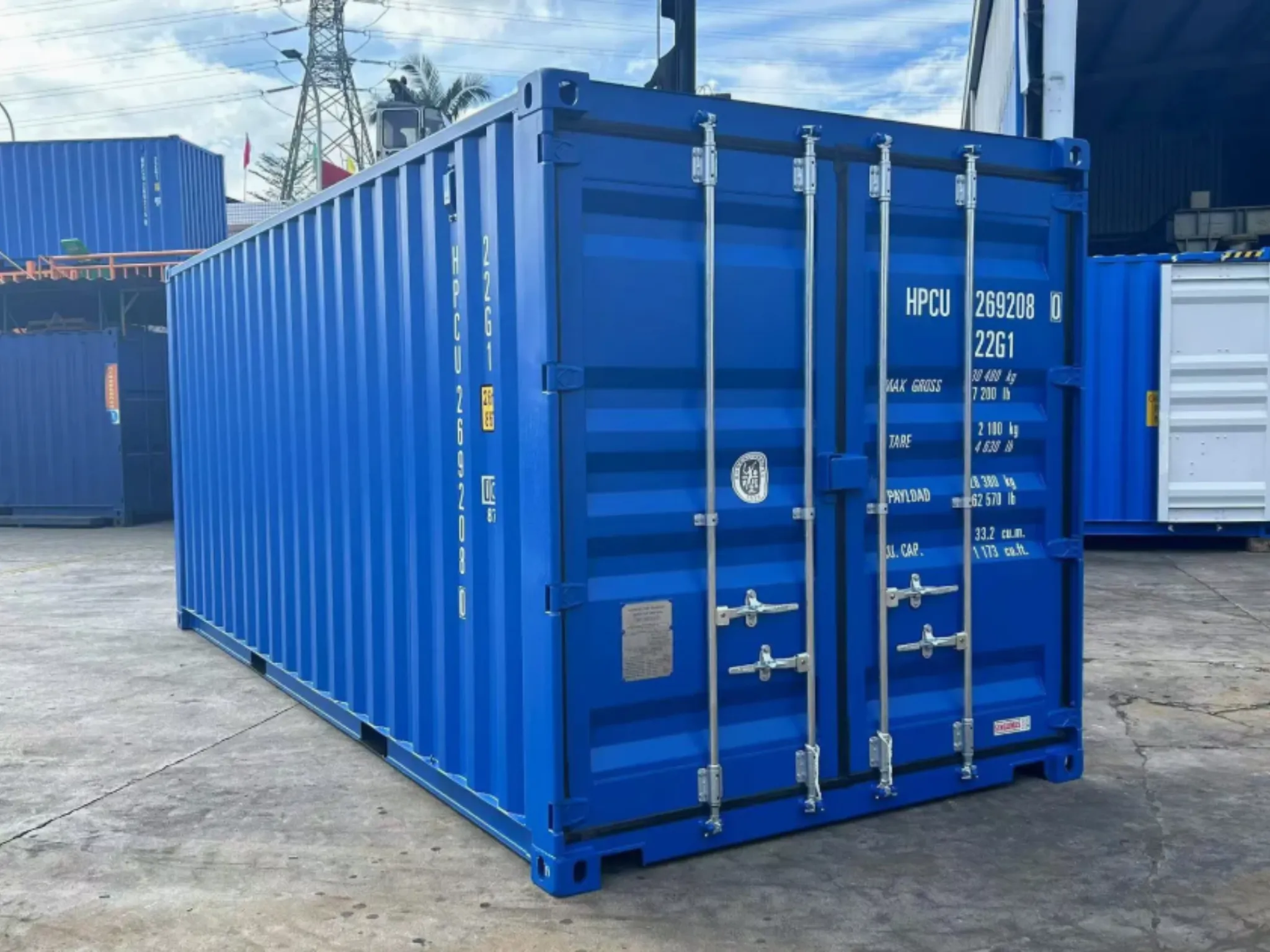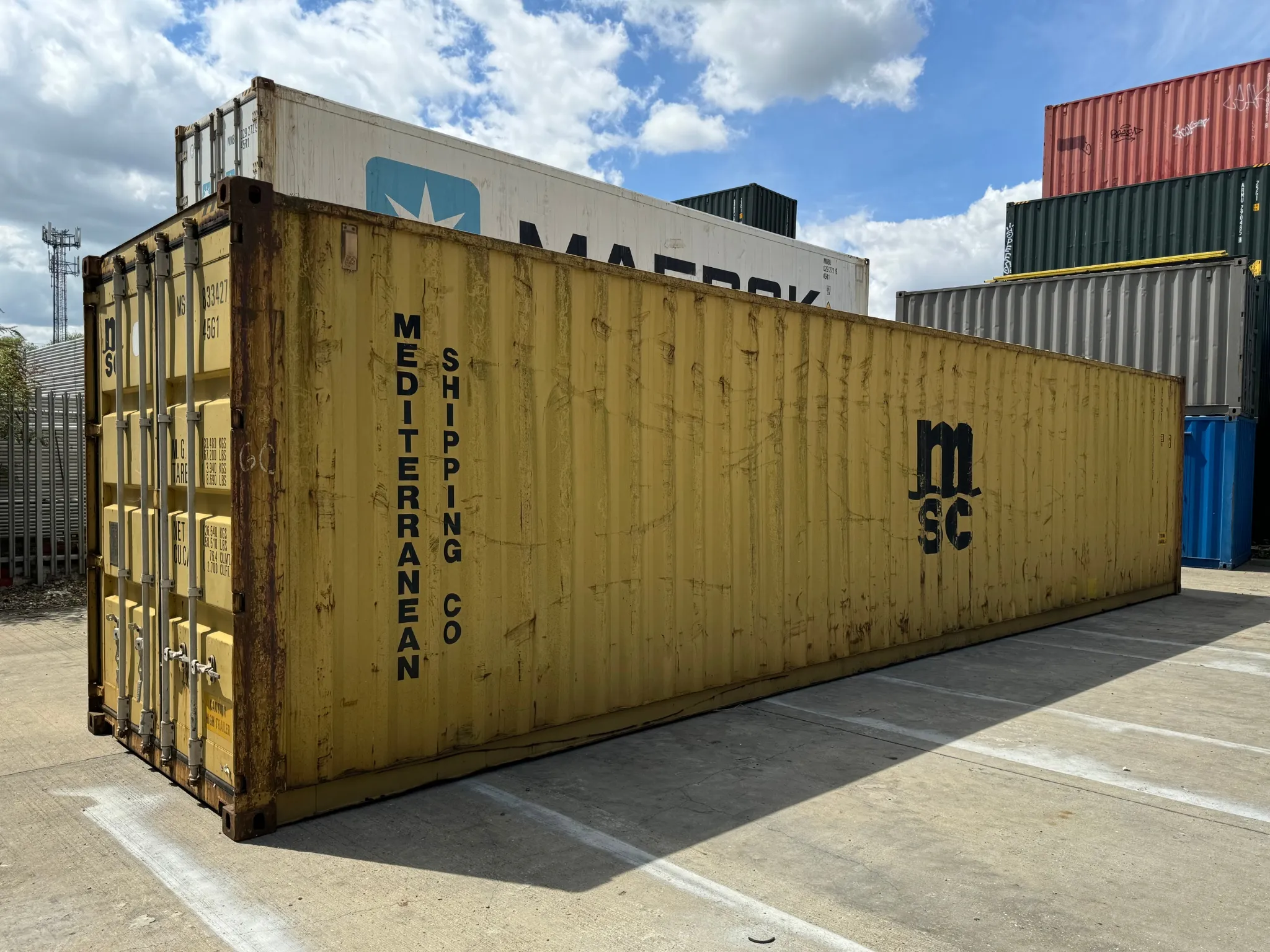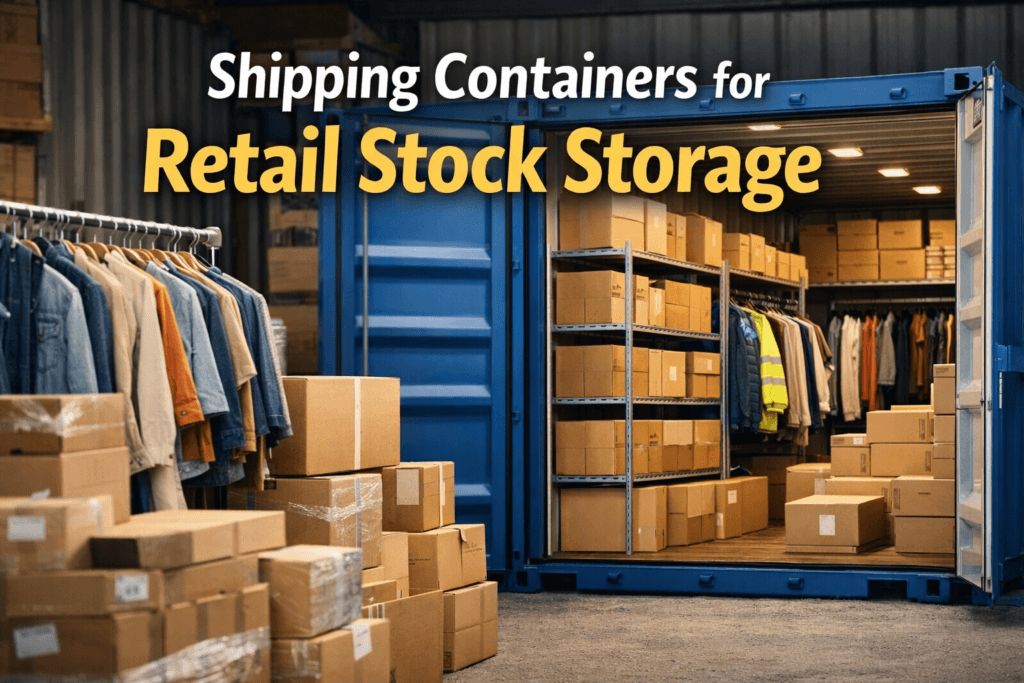
Shipping containers for retail stock storage provide secure, flexible space for excess inventory, seasonal lines, and high-value goods. Retailers across the UK use steel storage containers because they are wind and watertight, lockable, and delivered directly to site. They reduce warehouse costs while keeping stock close to the shop floor.
Retail storage problems usually appear at peak trading times.
Christmas, summer launches, clearance events, or sudden supplier overstock can overwhelm back-of-house space.
This is where new and used shipping containers become a practical solution.
Shipping containers for retail stock storage are a cost-effective long-term alternative to commercial warehousing for UK retailers.
What Are Shipping Containers for Retail Stock Storage?
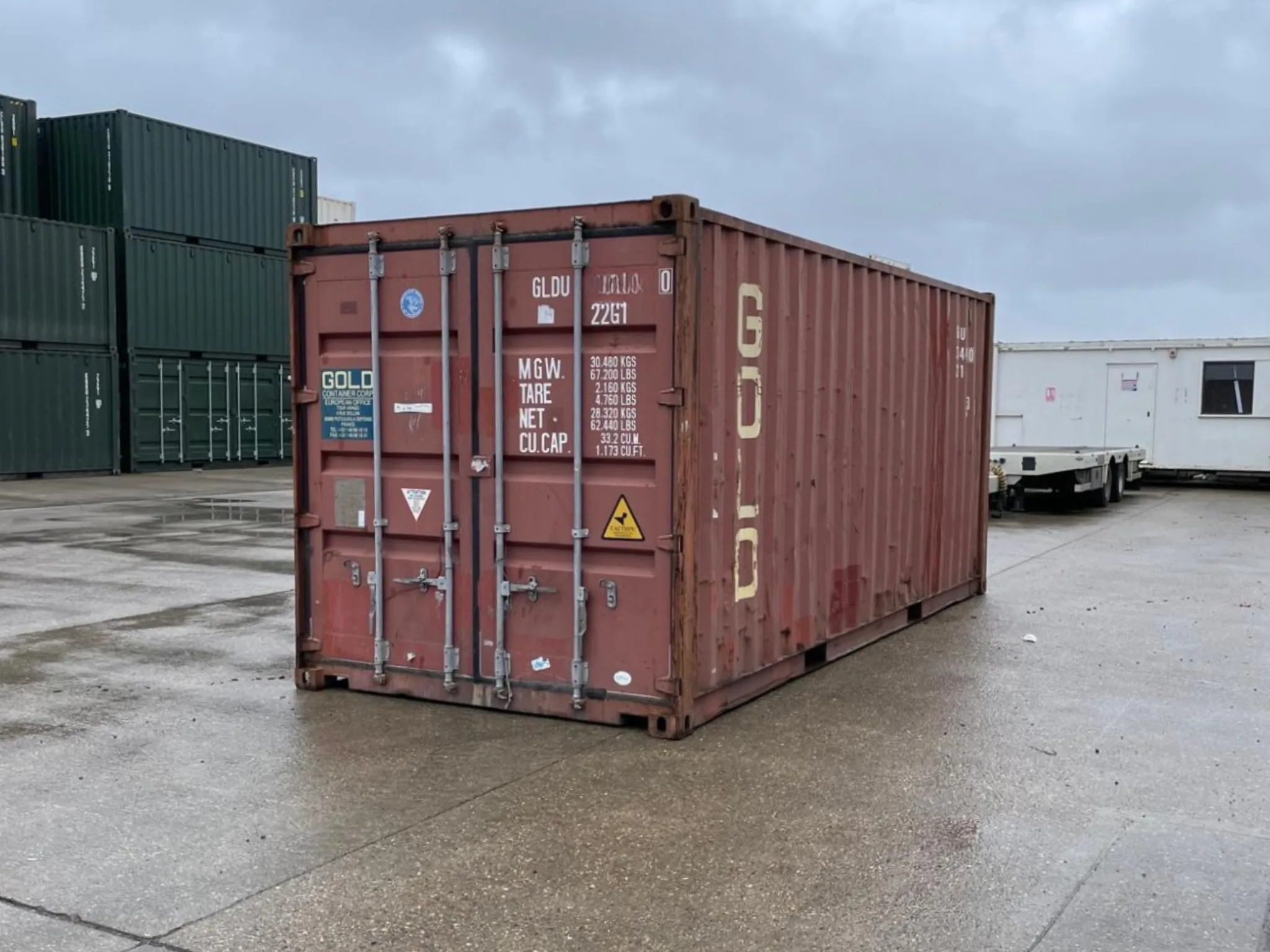
Shipping containers for retail stock storage are steel storage containers placed on-site or nearby to hold excess or overflow inventory.
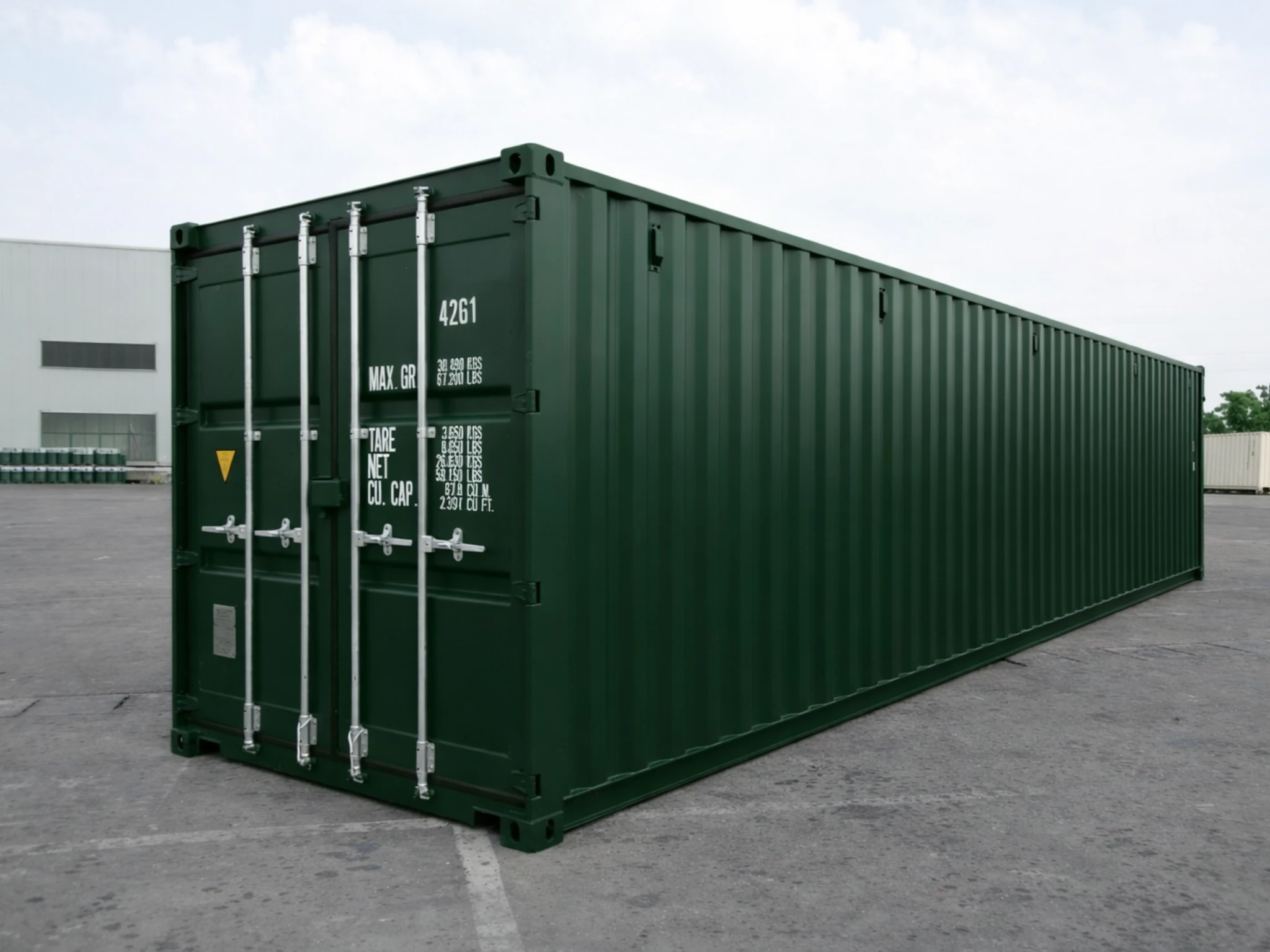
Most retailers choose 10ft shipping containers or 20ft shipping containers depending on space. Larger chains sometimes use 40ft shipping containers for centralised overflow.
These units are:
- Built from Corten steel
- Fully lockable
- Wind and watertight
- Suitable for long-term outdoor positioning
Retailers often use them as an extension of their stockroom without committing to long commercial leases.
For a deeper breakdown of dimensions and capacity, see Shipping Container Sizes Explained: 10ft vs 20ft vs 40ft (Which Do You Need?).
Why Retailers Use Shipping Containers for Stock
Retail space is expensive.
Warehousing off-site creates transport delays and added handling.
Shipping containers for sale UK-wide solve several retail-specific challenges:
- Seasonal overflow storage
- Protection from theft
- Reduced internal clutter
- Faster stock rotation
- Flexible short or long-term positioning
Steel storage containers provide stronger physical protection than timber outbuildings or temporary structures.
Many independent retailers also prefer having stock directly behind the premises rather than stored in remote industrial estates.
If choosing the correct size feels unclear, What Size Container Is Best for Business Storage? (UK Guide) breaks down suitability by industry and storage volume.
Managing Seasonal Retail Demand with Flexible Storage
Retail trading in the UK follows clear seasonal cycles, particularly during Christmas, summer tourism, Black Friday promotions, and clearance events.
For retailers experiencing short-term surges in stock volume, our guide on Shipping Containers for Seasonal Businesses explains how standard steel storage containers, refrigerated units, and modified shipping containers can be used together to manage peak demand without committing to long-term warehouse leases.
Planning storage around seasonal patterns helps retailers avoid emergency hire costs, reduce clutter during busy trading weeks, and maintain efficient stock rotation.
Security Considerations for Retail Stock
Retail stock is high risk.
Clothing, electronics, tools, beauty products, and alcohol are common theft targets.
Shipping containers for retail stock storage offer secure storage because:
- Doors are reinforced
- Lockboxes protect padlocks
- Units are built for global freight transport
- Access points are limited
A properly specified container significantly reduces opportunistic theft.
For a full breakdown of security risks and prevention methods, see How Secure Are Shipping Containers for Storage?
Security is not just about strength.
It is about visibility, placement, lighting, and access control.

On-Site vs Off-Site Container Placement
Retailers typically choose one of three setups:
- Rear yard placement
- Shared service alley positioning
- Nearby rented yard or compound
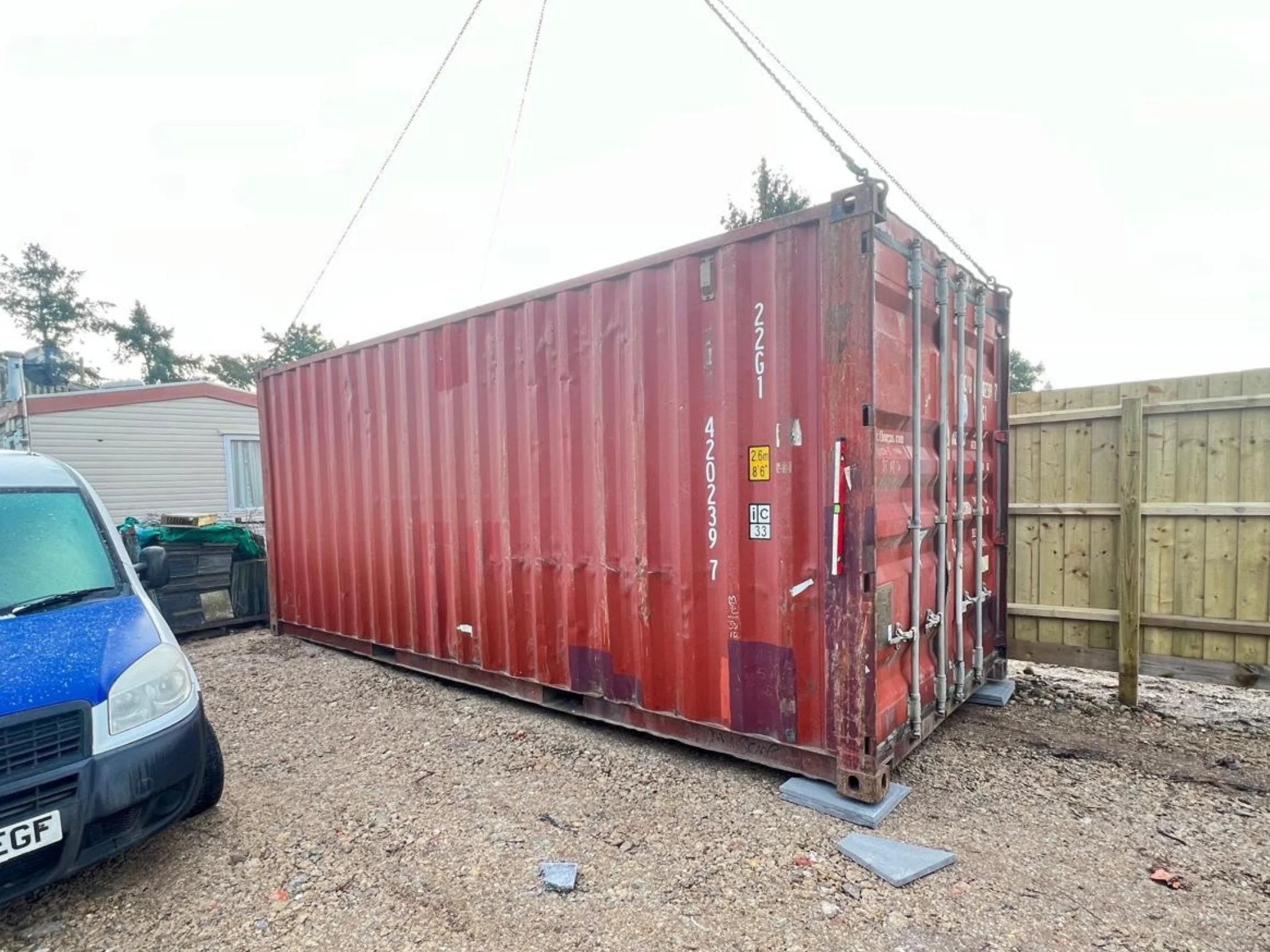
Container delivery UK-wide normally requires:
- 3.5 to 4 metres access width
- Adequate turning space
- Firm, level ground
Retail parks often allow container positioning behind service corridors if it does not obstruct loading bays.
Delivery planning is often overlooked. Access restrictions can delay installation.
When Retail Storage Becomes Retail Space
Some retailers start with stock storage.
Later, they convert part of the unit into display or trading space.
Modified shipping containers are increasingly used for:
- Pop-up shops
- Seasonal outdoor sales
- Garden centre displays
- Christmas tree sales
- Clearance outlets
If expansion into customer-facing retail is part of the plan, Shipping Containers for Retail & Pop-Up Shops (UK Guide) explains layout and planning considerations.
Container conversions allow future flexibility without replacing the unit.
New vs Used Containers for Retail Stock
Retail buyers often ask whether new or used shipping containers are better.
New containers:
- Cleaner internal condition
- Longer expected lifespan
- Stronger resale value
Used containers:
- Lower upfront cost
- Fully functional for secure storage
- Suitable for non-customer-facing placement
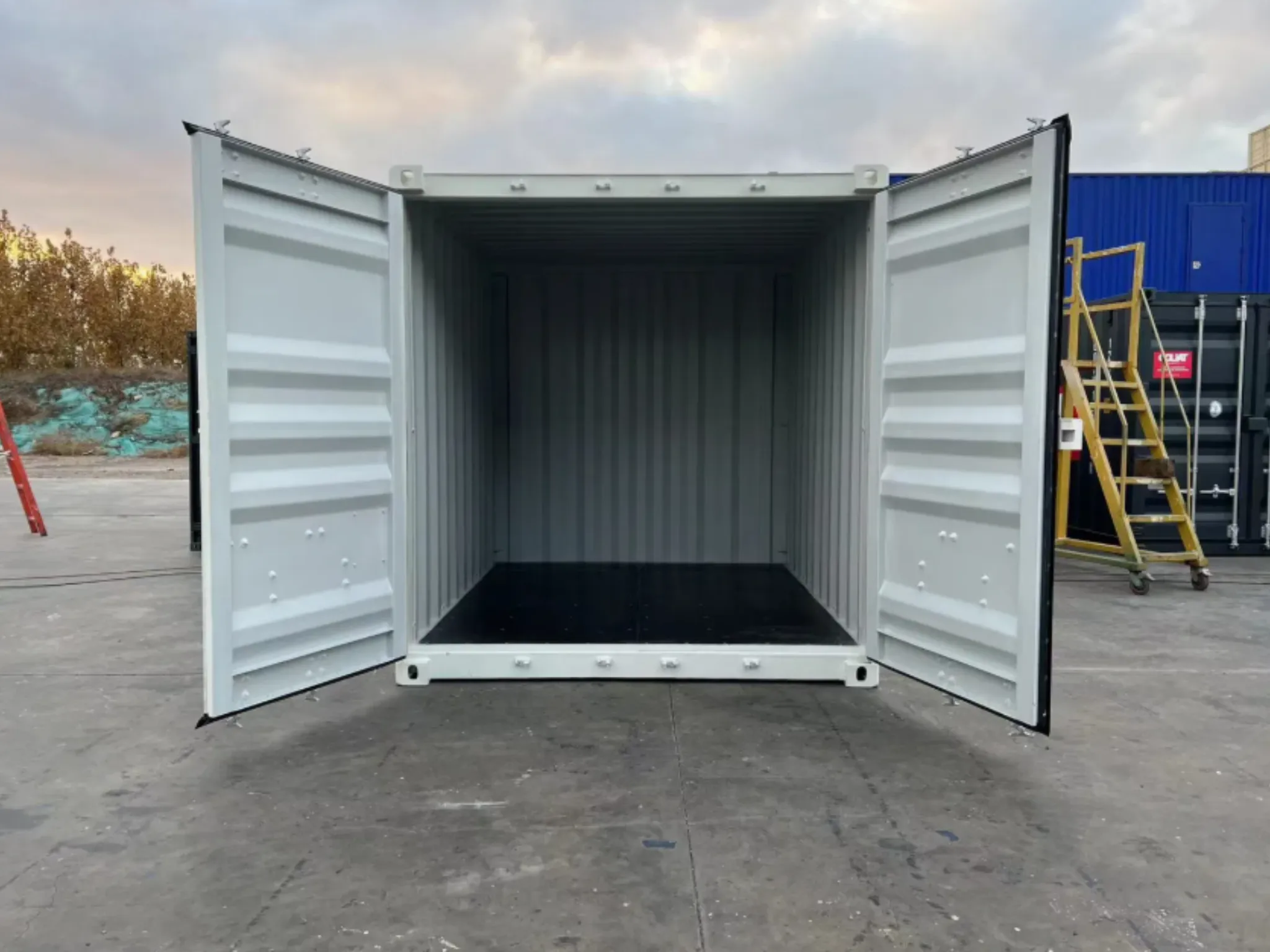
For stock storage only, wind and watertight condition is usually the key requirement.
Retailers storing boxed goods should consider moisture control and airflow.
What Do Shipping Containers for Retail Stock Storage Cost in the UK?
Cost is usually one of the first questions retailers ask.
Shipping containers for retail stock storage vary depending on size, condition, and location, but typical UK purchase ranges are:
- 10ft used container: £1500 to £1850
- 20ft used container: £800 to £1000
- 40ft used container: £1250 to £1450
- New one-trip containers: priced above used units
Used containers provide the most cost-effective solution for back-of-house stock storage where appearance is not critical.
For many independent retailers, buying a 20ft used container can cost less than several months of commercial warehouse rent. Ownership also removes ongoing hire fees and transport costs associated with off-site storage.
Delivery distance, site access, and optional security upgrades such as lockboxes may affect the final price.
Retailers comparing options should assess total cost over 2 to 5 years, not just the upfront figure.
Managing Condensation in Retail Stock Containers
Condensation is one of the most overlooked risks when using shipping containers for retail stock storage.
Steel containers react to temperature changes. When warm air inside the unit meets cooler steel walls, moisture forms. This is known as container rain.
Cardboard packaging, paper labels, and boxed goods are particularly vulnerable.
Retailers storing stock inside steel storage containers should understand:
What Causes Condensation?
- Daily temperature fluctuations
- Poor ventilation
- Storing damp or warm goods inside
- High UK humidity levels
Moisture is not caused by leaks if the container is wind and watertight. It is caused by internal air conditions.
How to Reduce Condensation Risk
Most retail storage setups remain dry when simple precautions are taken:
- Choose containers with factory-fitted air vents
- Keep goods raised off the floor using pallets
- Avoid storing wet items inside
- Allow airflow between stacked boxes
Learn about the Top 5 Natural Ways to Control Condensation in a shipping Container
Desiccants and Moisture Control
For higher-value stock, moisture absorbers or desiccant packs can be placed inside the container.
These help regulate internal humidity levels during colder months.
This is especially useful for clothing retailers, bookshops, and electronics suppliers.
Anti-Condensation Paint and Insulation
For long-term retail storage, anti-condensation coatings can be applied to the interior ceiling.
These specialist coatings reduce moisture drip formation by absorbing and releasing humidity gradually.
In higher-end container conversions, insulation boards can also be installed to regulate temperature more consistently.
Condensation is manageable. It becomes a problem only when ignored.
Retailers who understand airflow and moisture control rarely experience stock damage.
Build Quality, Standards and Lifespan Expectations
Shipping containers for retail stock storage are not temporary sheds. They are engineered for global freight transport under strict structural standards.
Most standard containers are built to ISO-certified specifications. This means they are designed to be stacked, lifted, and transported across harsh marine environments. Retail storage use is significantly less demanding than their original purpose.
A wind and watertight container used for static retail storage can last well over 15 to 25 years with basic maintenance. New one-trip containers often last even longer.
Retailers should expect:
- Heavy-duty Corten steel construction
- Reinforced door frames and locking bars
- Timber marine-grade flooring
- Factory-installed ventilation
Surface rust does not automatically mean structural weakness. Cosmetic wear is normal on used containers, but structural integrity remains strong when properly inspected.
Understanding lifespan matters when comparing purchase versus hire. A container that lasts decades changes the cost equation entirely.
Shipping containers for retail stock storage are long-term infrastructure assets, not short-term stopgaps.
Why Bosh Boxes Is a Trusted Choice for Retail Storage
Bosh Boxes supplies shipping containers for sale UK-wide with a focus on practical retail use.
Retailers choose Bosh Boxes because:
- Fast container delivery UK-wide
- Every unit checked before dispatch
- Clear condition grading
- Honest advice on sizing
- Access planning support
- Secure lockbox options available
- Flexible options for future container conversions
Retail storage decisions should be based on longevity and access, not just price.
The Bosh Boxes Way focuses on long-term suitability.
Comparison: Retail Storage Options
The comparison table below outlines key differences between suppliers of shipping containers for retail stock storage in the UK. It compares delivery speed, security features, condition grading, modification availability, and ownership versus hire considerations to help retailers make an informed storage decision.
| Feature | Bosh Boxes | Generic Online Seller | Local Ad Marketplace | Container Hire Company |
|---|---|---|---|---|
| Delivery speed | Fast UK delivery | Variable | Collection only | Scheduled slots |
| Condition clarity | Clearly graded | Often vague | Unknown | Rental only |
| Access advice | Included | Rare | None | Limited |
| Lockbox security | Available | Not standard | Not standard | Basic |
| Modification options | Yes | Limited | No | No |
| Ownership | Yes | Yes | Yes | No |
Ownership provides long-term cost stability compared to ongoing hire.
Common Retail Buyer Concerns
Will it look industrial behind the shop?
Used units can be repainted or clad if required.
Is planning permission needed?
Temporary storage often falls under permitted development, but local guidance varies.
Will stock stay dry?
A wind and watertight container prevents rain ingress when properly maintained.
Is it cheaper than warehousing?
For many independent retailers, yes over the medium term.
How to Get Started
Start by assessing:
- Available ground space
- Access width
- Estimated stock volume
- Length of use
A simple conversation can clarify whether a 10ft, 20ft, or 40ft unit is appropriate.
For a fast quote and delivery date, contact Bosh Boxes today.
Secure retail storage does not need to be complicated.