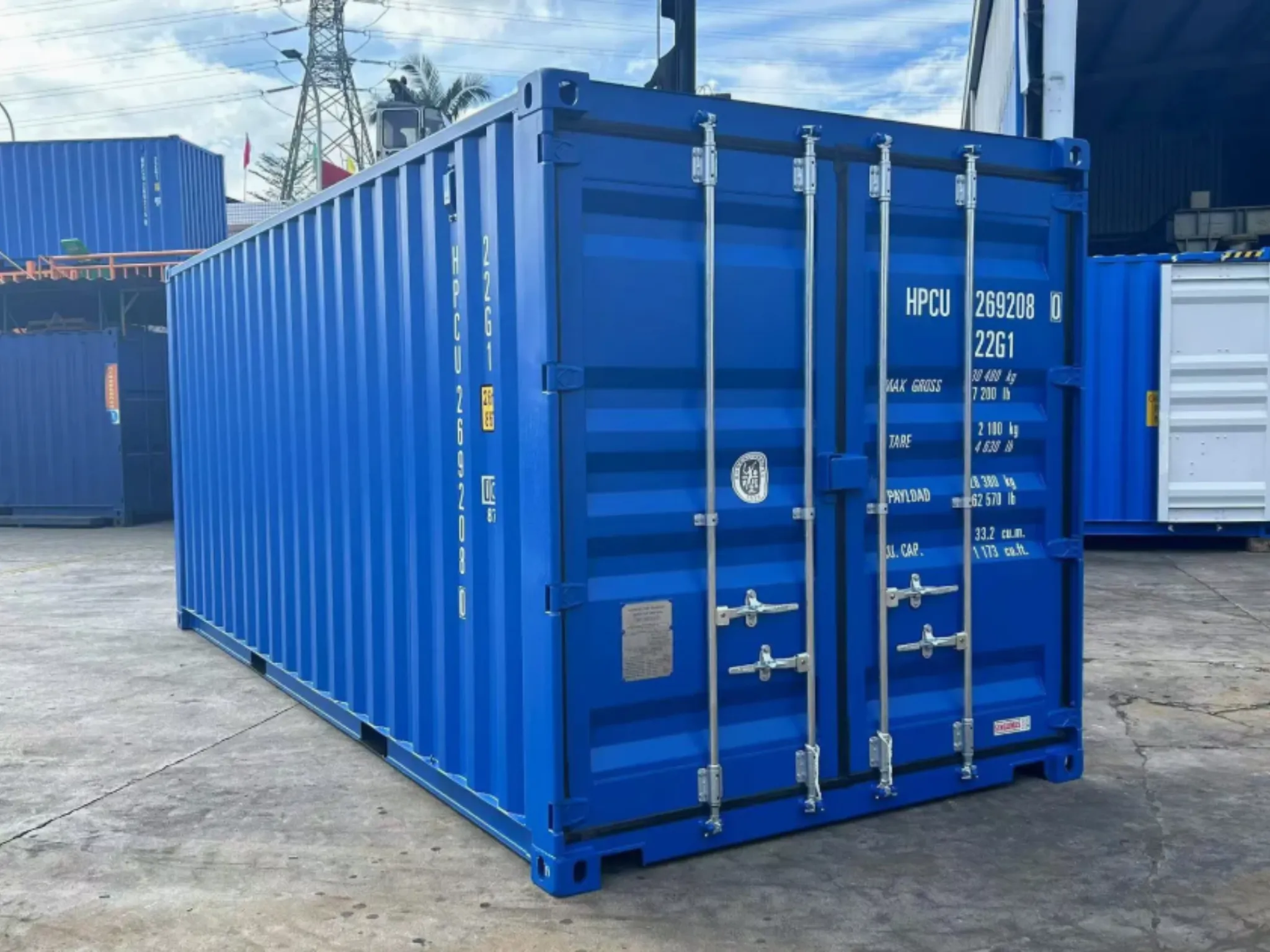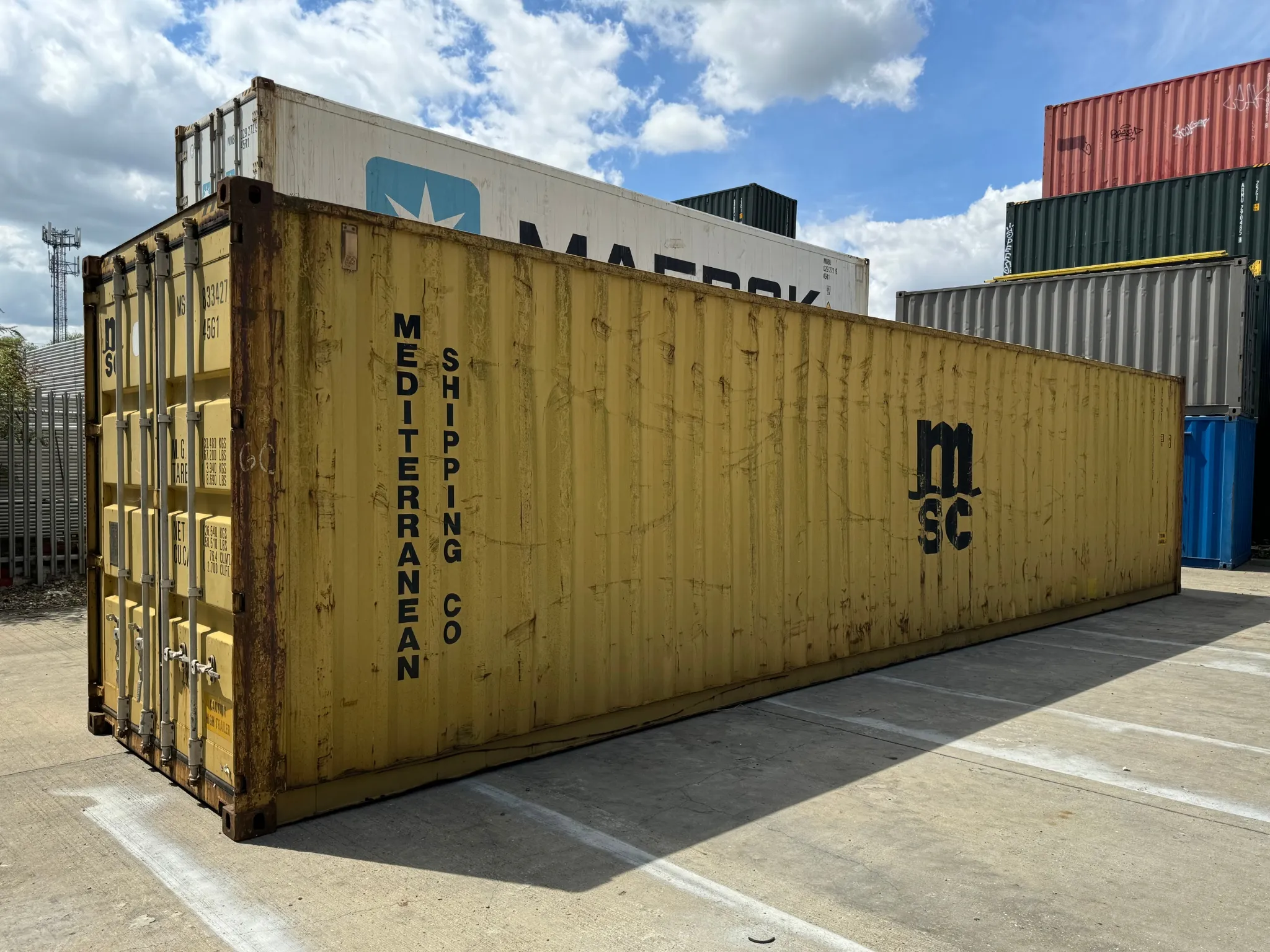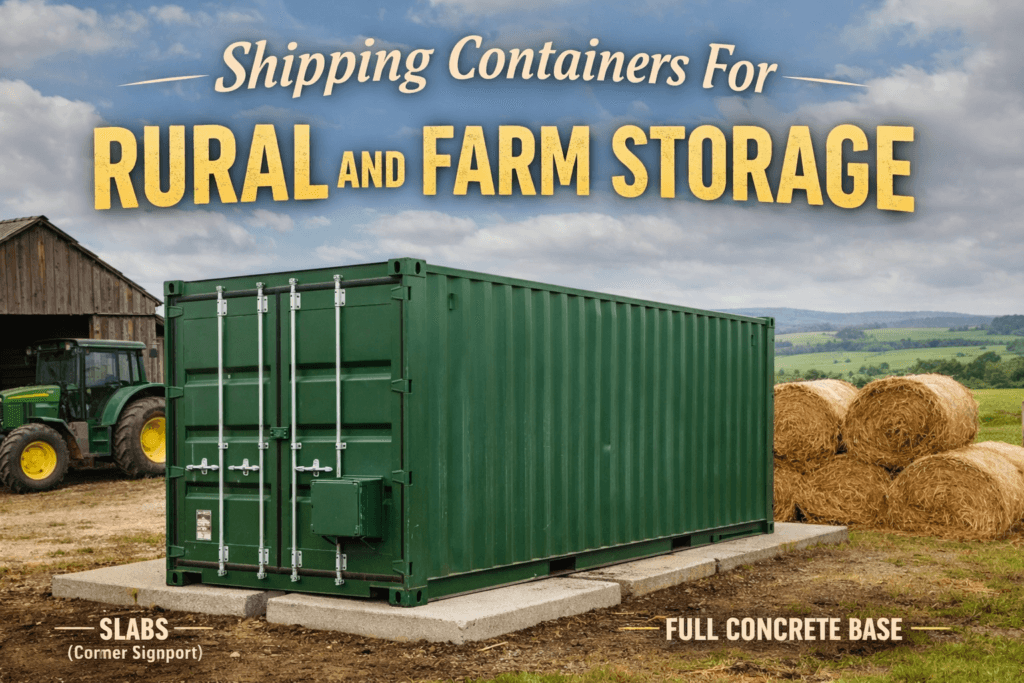
Shipping containers For Rural and Farm Storage provide secure, durable, and cost-effective solutions for protecting tools, feed, machinery, and equipment in exposed environments. Designed from weather-resistant steel, containers offer wind and watertight protection, strong security, and long-term performance in demanding UK agricultural conditions.
Introduction
Shipping containers for rural and farm storage in the UK provide secure, weather-resistant protection for machinery, feed, livestock equipment and temperature-sensitive goods, even in remote agricultural locations.
Farms and rural properties across the UK face unique storage challenges. Remote locations, high rainfall, livestock exposure, and limited security infrastructure mean that traditional sheds or lightweight buildings are often not enough.
Shipping containers offer farmers and rural businesses a reliable alternative. With secure locking systems, robust steel construction, and flexible placement options, they are increasingly used for everything from machinery storage to seasonal equipment protection.
This guide explains why shipping containers work so well in rural environments, what sizes are most suitable, and what to consider before delivery.
Why Shipping Containers Work for Rural and Farm Storage
Rural sites present different risks compared to industrial yards or urban storage facilities.
Common challenges include:
• Theft in isolated areas
• Weather exposure and standing water
• Uneven or soft ground
• Limited access for delivery vehicles
• Livestock interference
Shipping containers are built for extreme conditions at sea, making them more than capable of handling UK farm environments.
Key advantages include:
• Heavy-duty corten steel construction
• Wind and watertight protection
• Secure locking bars and lockbox options
• Long service life in static use
• Minimal maintenance requirements
For farmers looking for secure storage without complex construction, containers provide a practical and scalable solution.
Security Benefits for Rural Locations
Rural theft remains a major issue across the UK.
Shipping containers offer:
• Heavy steel construction
• Multi-point locking systems
• Lockbox protection for padlocks
• Option for additional security upgrades
Unlike lightweight sheds, containers cannot be easily dismantled or forced open without significant equipment.
For isolated farm sites, this added security can make a substantial difference.
Understanding Security Risks on Farms
While shipping containers significantly improve rural security, farms still face targeted risks such as fuel theft, machinery break-ins, and perimeter access vulnerabilities.
For a detailed breakdown of how theft occurs, what insurers assess, and what to check before buying, see our guide on Security Risks for Shipping Containers on Farms.
Understanding these risks before purchase helps prevent costly retrofits and reduces exposure from day one.

Common Uses of Shipping Containers on Farms
Shipping containers are highly versatile in agricultural settings.
Machinery and Equipment Storage
Farm tools, chainsaws, generators, fencing equipment, and small machinery can be safely stored in a lockable steel unit rather than an open barn.
Feed and Supply Storage
Containers provide dry, protected storage for animal feed, fertilisers, and seasonal supplies.
Workshop and Maintenance Units
Many farms convert containers into basic workshops with electrics and lighting installed.
Chemical and Specialist Storage
Modified units with ventilation and secure access can be used for regulated storage applications when compliant with relevant guidance.
If you would like to see practical examples, our guide on How Farmers Are Using Shipping Containers for Secure Storage explains real-world agricultural use cases in more detail.
Best Container Sizes for Rural Storage
The correct size depends on the intended use and available space.
10ft containers
Ideal for small farms or tool storage where space is limited.
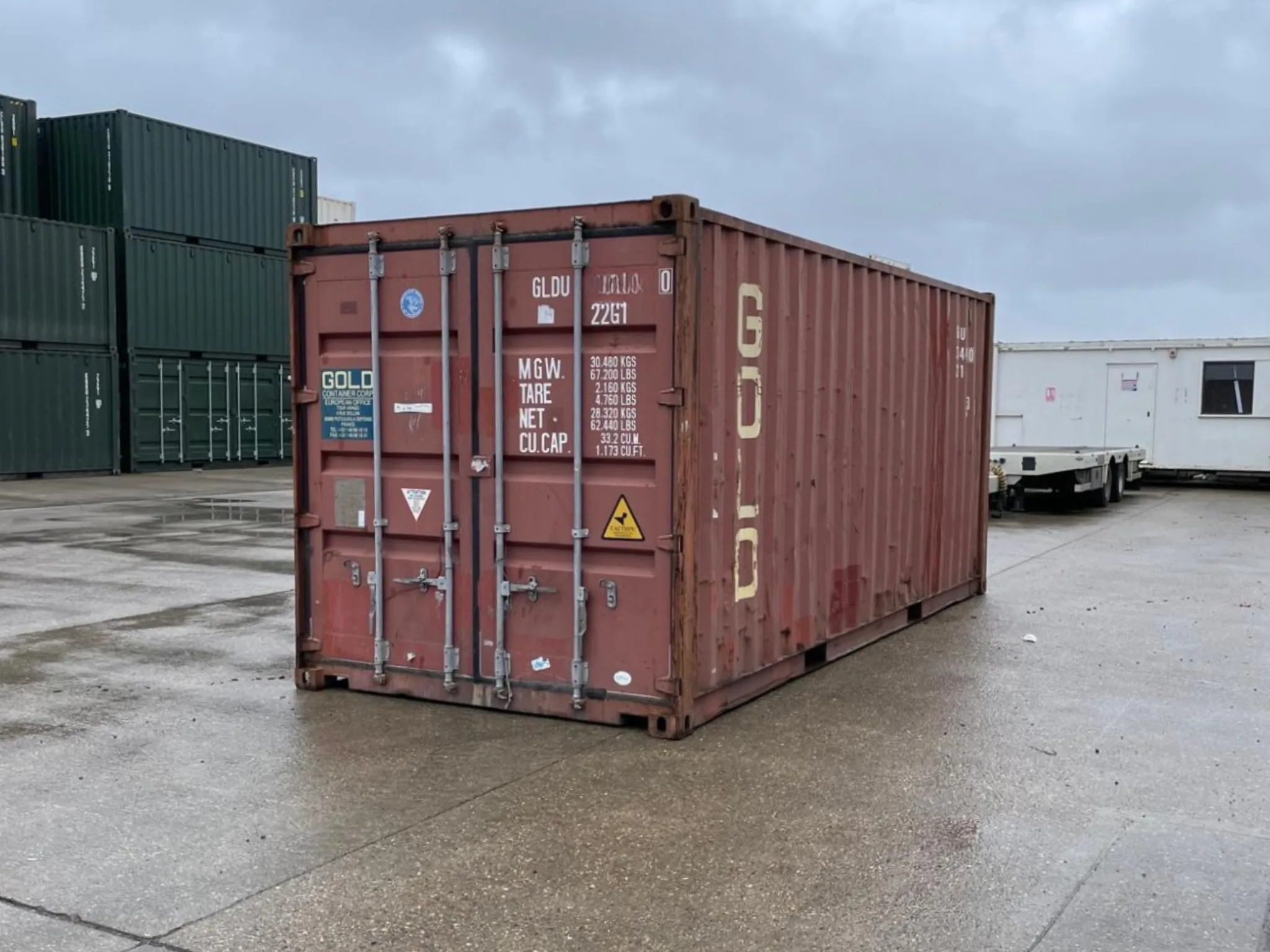
20ft shipping containers
The most popular option for agricultural use. Large enough for equipment while remaining easy to position.
40ft shipping containers
Suitable for machinery, bulk storage, or larger estates needing substantial capacity.
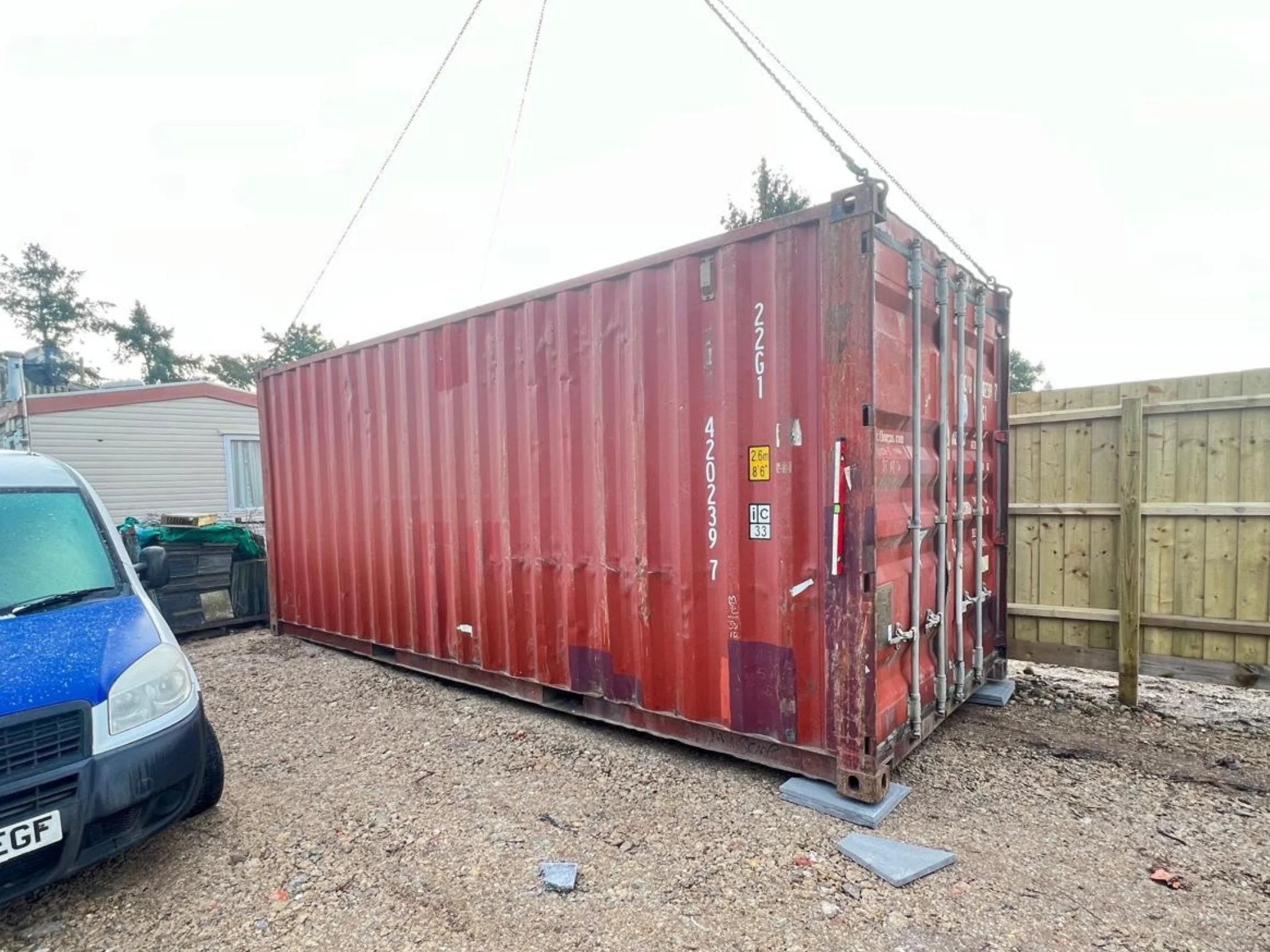
On uneven or soft ground, proper preparation is essential to prevent settlement and door misalignment.
If you are unsure about site access, especially in fields or remote areas, our guide on Can Shipping Containers Be Delivered to Farms and Rural Locations? explains what to check before delivery.
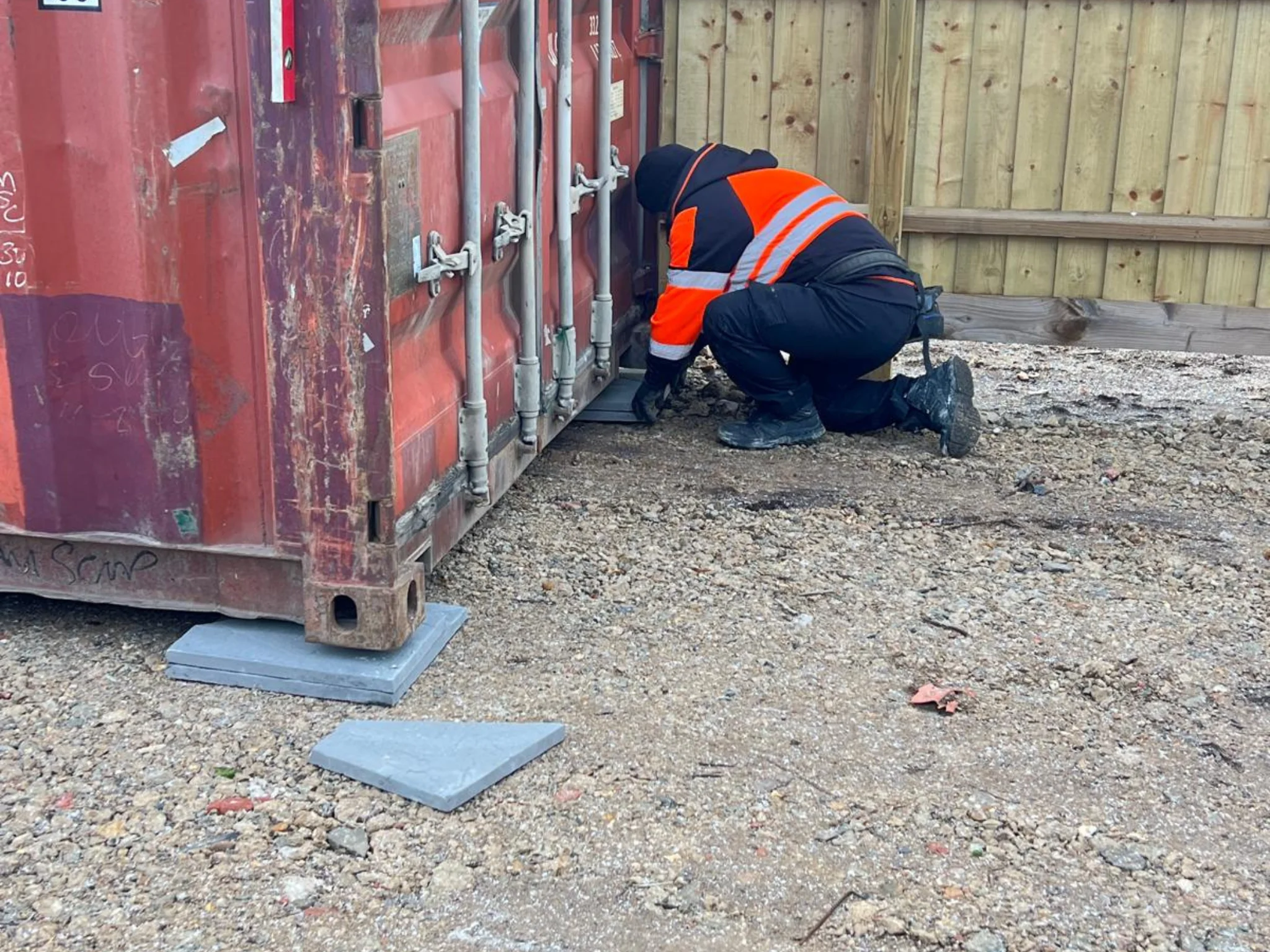
High Security Container Lockbox
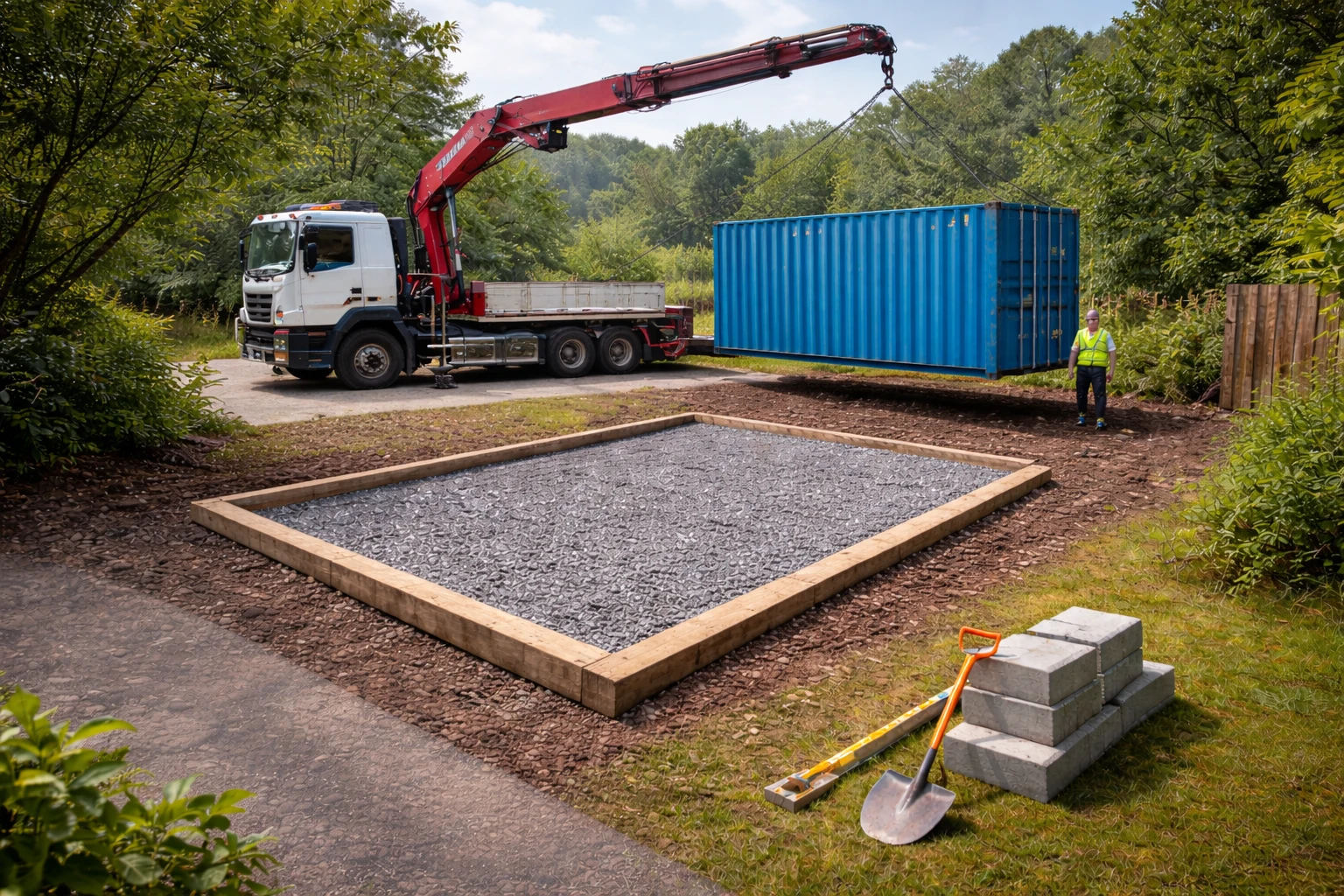
Ground Preparation for Farm Installations
Farm sites often involve grass, soil, or compacted earth.
Containers should not be placed directly on soft ground.
Recommended support options include:
• Concrete pads beneath corner castings
• Compacted hardcore base with membrane
• Railway sleepers for short-term storage
Proper support prevents:
• Door alignment issues
• Structural twisting
• Accelerated corrosion from standing water
Rural ground conditions vary significantly, so planning ahead avoids long-term problems.
See our guide on Best Foundations For Shipping Containers In The UK to help plan ahead prior to delivery.
Weather and Environmental Considerations
UK farms face:
• High rainfall
• Frost heave
• Clay soil movement
• Livestock interaction
Containers raised slightly off the ground allow airflow beneath, reducing underside moisture buildup.
Regular inspection and minor maintenance help extend lifespan significantly in rural settings.
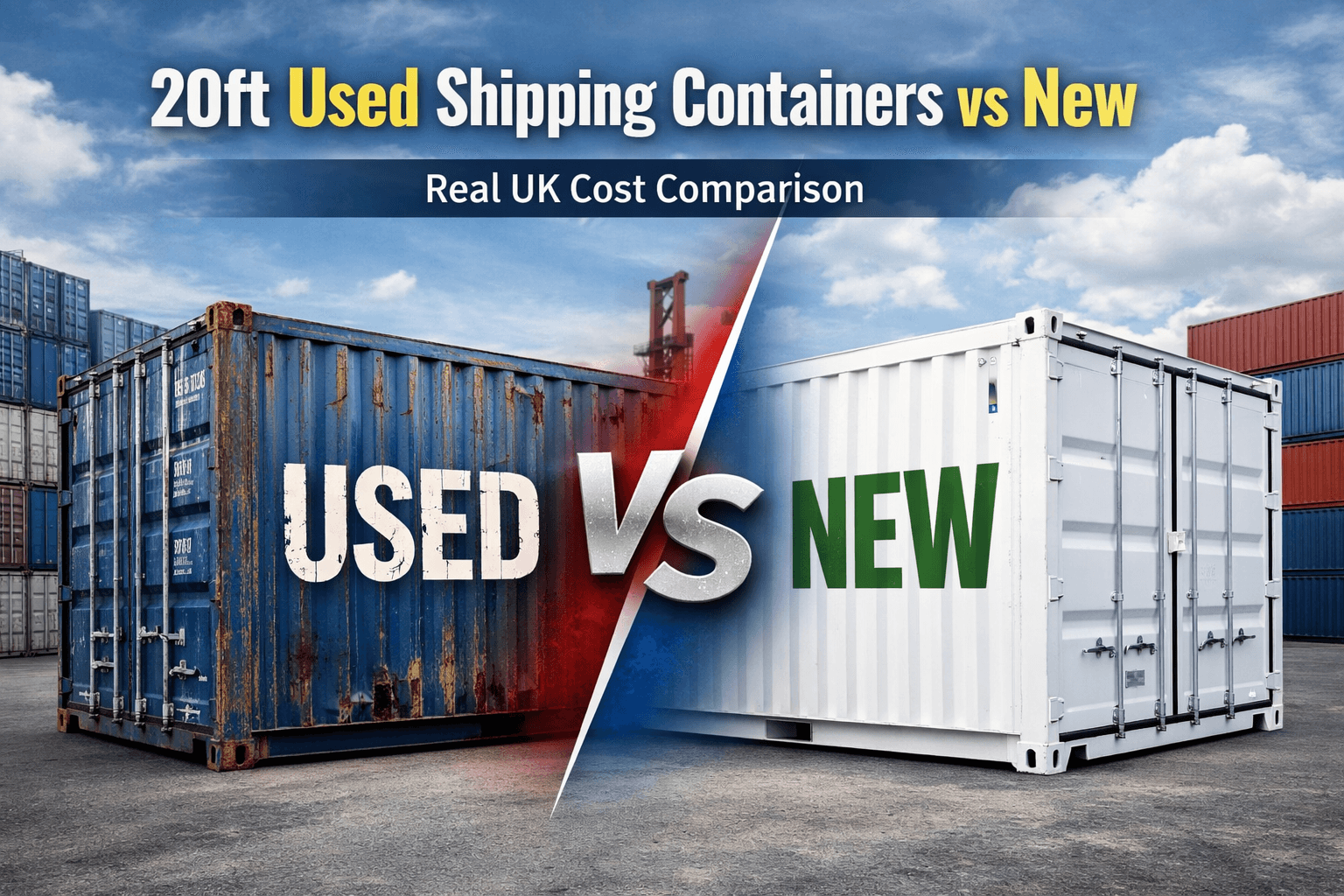
New vs Used Containers for Farm Use
Used containers are often perfectly suitable for agricultural storage where cosmetic appearance is not a priority.
However, new or one-trip containers may be better where:
• Long-term use is planned
• Valuable machinery is stored
• Conversion work is required
• Minimal maintenance is desired
The decision should be based on lifespan expectations and storage sensitivity rather than upfront cost alone.
Why Refrigerated Containers Work for Rural and Farm Storage
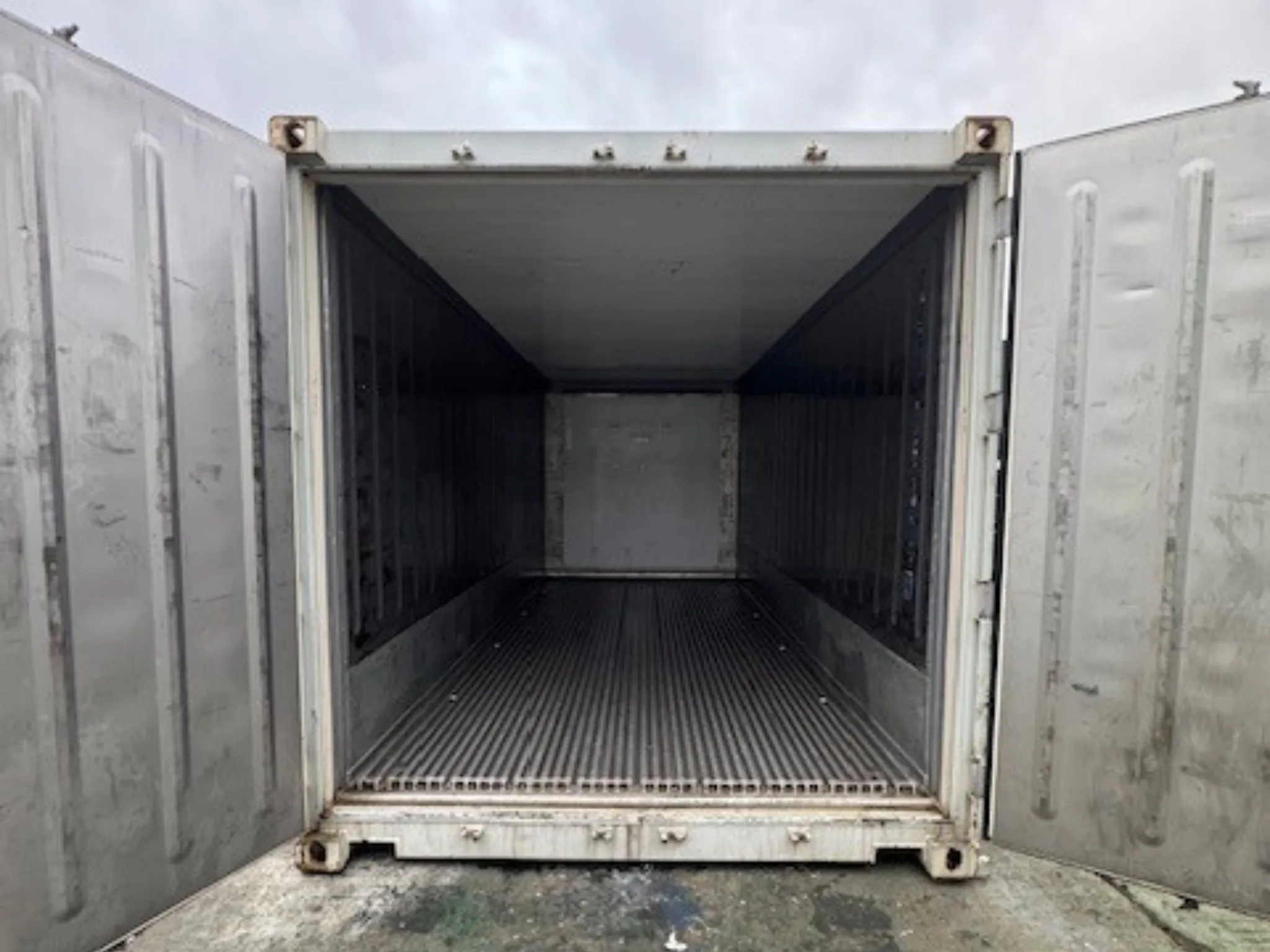
Refrigerated shipping containers, often called reefer containers, are increasingly used in rural and agricultural settings where temperature control is essential.
Unlike standard storage units, refrigerated containers allow farmers to maintain precise internal temperatures, typically ranging from -25°C to +25°C depending on specification. This makes them ideal for storing temperature-sensitive products directly on-site without relying on off-site cold storage facilities.
Ideal Uses for Refrigerated Containers on Farms
• Dairy product storage
• Meat processing and short-term holding
• Harvested fruit and vegetable storage
• Seed preservation
• Veterinary supplies
• Temperature-controlled feed storage
For farms producing perishable goods, a refrigerated container can act as a mobile cold room positioned exactly where it is needed, reducing transport time and maintaining product quality.
Advantages of Refrigerated Containers in Rural Settings
• Precise digital temperature control
• Insulated walls for energy efficiency
• Stainless steel internal lining for hygiene
• Easy wash-down surfaces
• Suitable for static long-term placement
In rural environments where supply chains may be longer and access to commercial cold storage is limited, refrigerated containers provide independence and operational flexibility.
They are also commonly used seasonally, allowing farms to scale storage capacity during harvest periods without permanent construction.
As with standard containers, correct ground preparation and electrical supply planning are essential before installation. Reefer units require a reliable power source, so farms should assess available electrical infrastructure in advance.
For agricultural businesses expanding into food production, direct-to-consumer sales, or livestock processing, refrigerated containers can significantly enhance on-site storage capability while maintaining compliance with temperature control standards.
Planning and Regulatory Considerations
In many cases, temporary container placement on agricultural land does not require planning permission.
However:
• Permanent installations may trigger approval
• Change of land use may require consultation
• Large multi-unit structures may require permission
Always check with your local authority before installation.
Using Shipping Containers to Generate Additional Farm Income
Many farms have unused hard-standing areas, yard space, or peripheral land that can be repurposed for small-scale self storage.
Shipping containers offer a low-capital entry point into rural storage businesses. By placing multiple containers on prepared ground, farmers can rent them to:
• Local tradespeople
• Small businesses
• Caravan and vehicle owners
• Rural households lacking garage space
• Seasonal equipment users
Compared to traditional agricultural diversification projects, container self storage:
• Requires minimal construction
• Can be scaled gradually
• Offers predictable monthly income
• Uses land that may otherwise sit idle
Because containers are modular, farmers can start with a small number of units and expand based on demand.
Frequently Asked Questions
Are shipping containers suitable for long-term farm storage?
Yes. With correct ground preparation and basic maintenance, containers can provide decades of reliable storage in static rural use.
Can containers be delivered to remote farms?
In most cases, yes. Access width, turning space, and ground conditions must be assessed in advance.
Do containers rust quickly in rural areas?
Containers are built from weathering steel and designed for marine environments. Surface rust may occur over time, but structural integrity remains strong with routine maintenance.
Final Thoughts
Shipping containers for rural and farm storage offer secure, weather-resistant, and cost-effective protection for equipment and supplies. Their strength, flexibility, and durability make them well suited to the challenges of agricultural environments across the UK.
With proper delivery planning and ground preparation, containers can provide long-term storage performance even in exposed or remote locations.
If you are considering a container for your farm or rural property, speak to a trusted UK supplier to ensure you choose the correct size, specification, and delivery setup for your site.