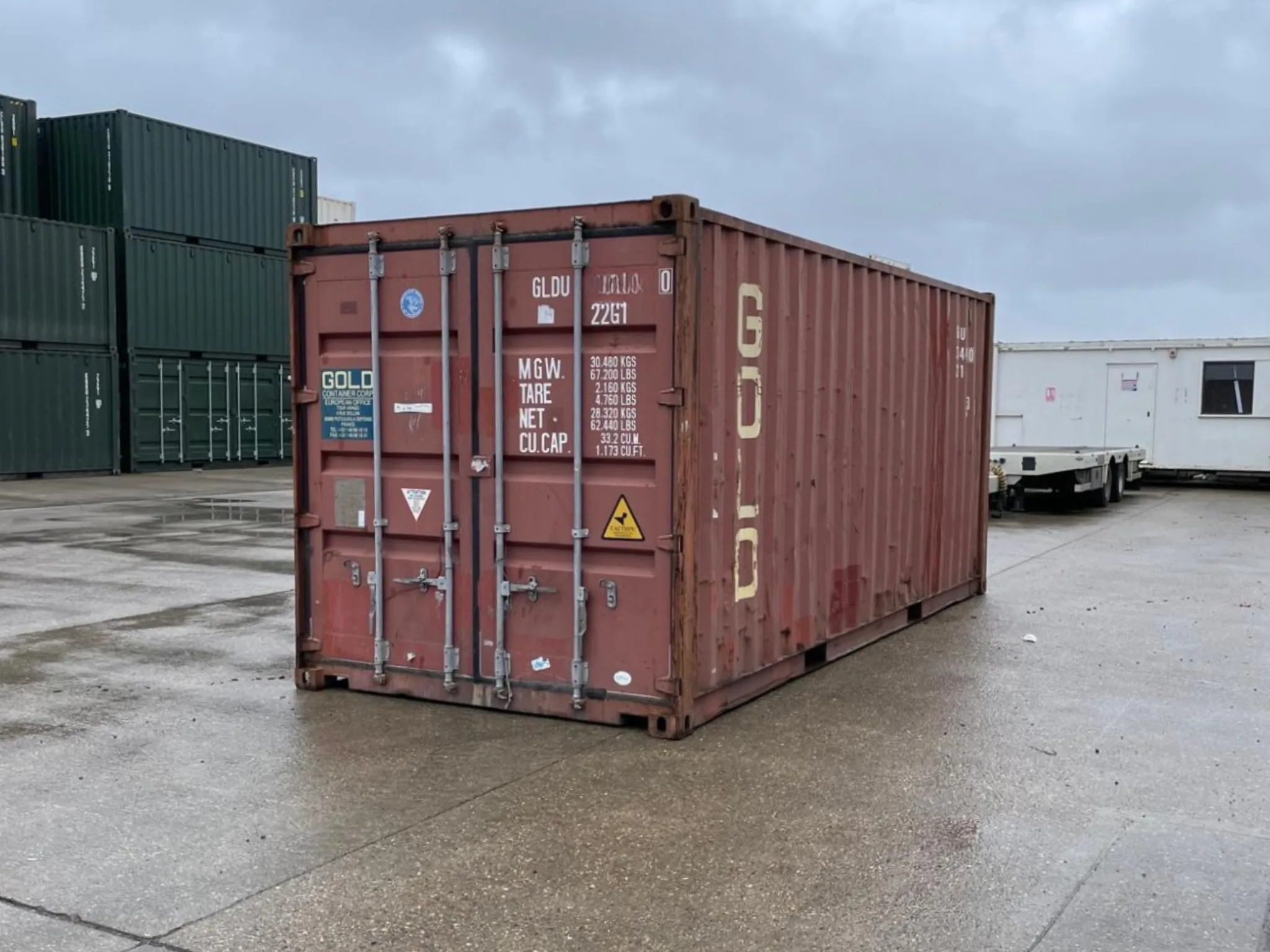
The best foundations for shipping containers in the UK depend on ground conditions, container size, and intended use. Concrete slabs, reinforced corner pads, compacted hardcore bases, and engineered pile systems each suit different site conditions. Choosing the correct base prevents structural stress, door misalignment, water damage, and long-term corrosion.
Introduction
Shipping containers are designed to carry heavy loads across oceans, but when placed on land for static storage, workshops, or offices, they require proper support.
A container placed directly on soft ground can twist, settle unevenly, and develop door and roof issues. In the UK, where rainfall and ground movement are common, selecting the right foundation is critical for long-term performance.
This guide explains the best foundation options for shipping containers in the UK, when each is appropriate, and what to avoid.
Why Foundations Matter for Shipping Containers
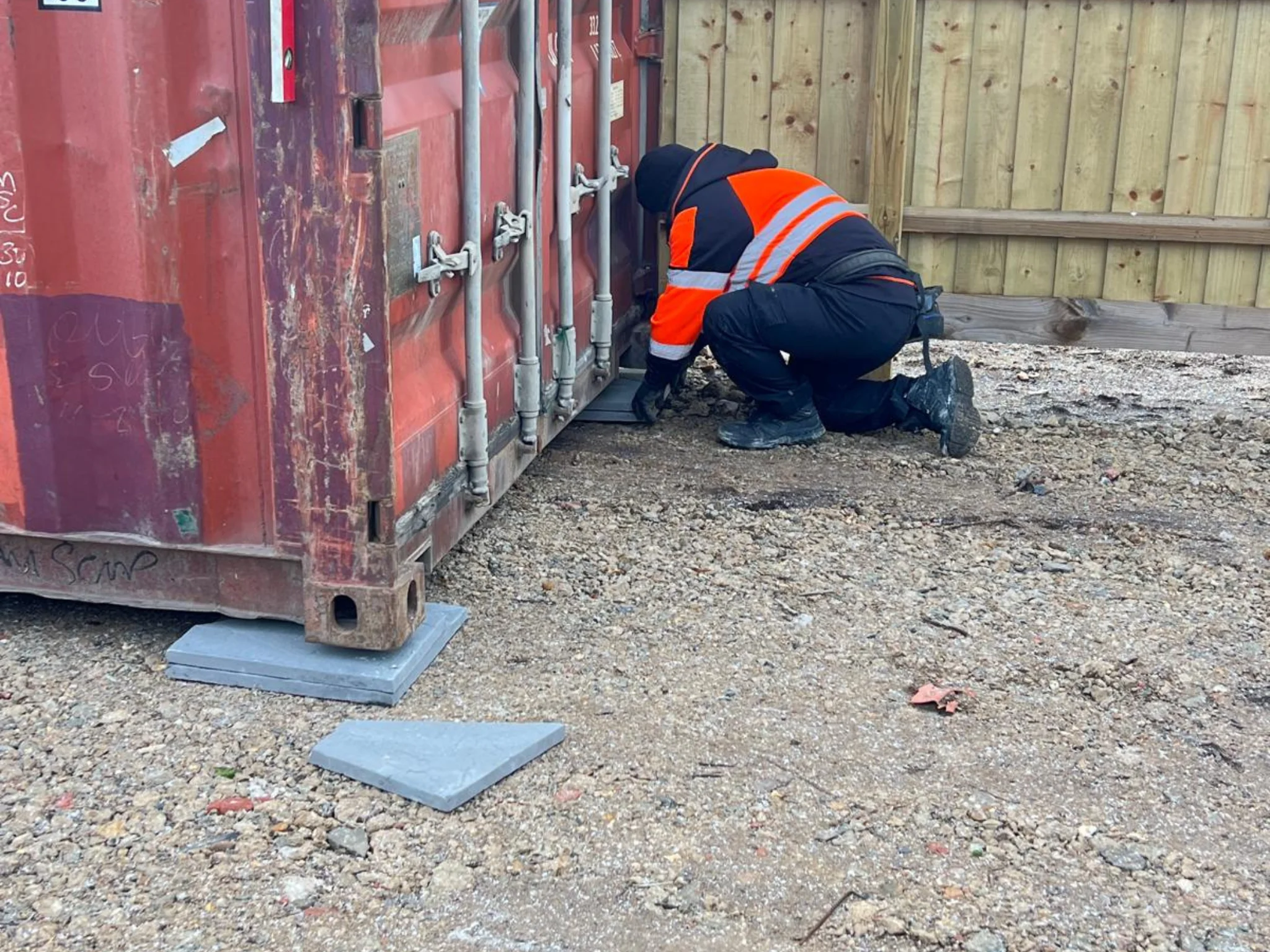
Shipping containers are structurally strongest at the four corner posts. The entire load is designed to transfer through the corner castings.
If the base is uneven or unstable:
• Doors can become difficult to open
• Roof panels can bow
• Water can pool and cause corrosion
• Structural stress can shorten lifespan
Proper foundations protect your investment and extend the container’s usable life.
If you are unsure about long-term durability, you may also want to read How Long Do Shipping Containers Last?
For context, a 20ft shipping container weighs approximately 1.8 to 2.2 tonnes when empty, while a 40ft container typically weighs over 3.75 tonnes empty. When loaded, weight increases significantly. Foundations must account for both empty and operational load.
How Poor Foundations Cause Door Alignment Problems
One of the first signs of a poor foundation is difficulty opening container doors. Original ISO shipping container doors are heavy by design and rely on precise structural alignment to operate smoothly.
If even one corner of the container settles slightly lower than the others, the frame can twist. In the industry, this is known as “racking out.” Even a small height difference between corners can cause the door locking bars to misalign, making them stiff or difficult to close.
This problem is often worse when:
• The container is placed on soft ground such as grass or soil
• Weight inside the container is unevenly distributed
• Corner supports sink over time
• The ground beneath hardcore has not been properly compacted
Once a container racks out, doors can require excessive force to open and may no longer seal correctly. Preventing movement at the foundation stage is far easier than correcting alignment issues later.
Understanding Foundation Loads
Before choosing a foundation, it is important to understand the types of load your container will place on the ground.
Dead load – the weight of the container itself. A 20ft container typically weighs approximately 1.8 to 2.2 tonnes empty, while a 40ft unit can exceed 3.7 tonnes before contents are added.
Live load – the weight of stored goods, equipment, or people using the container.
Environmental load – wind pressure, snow weight, and ground movement, which are especially relevant in exposed UK locations.
A foundation must be capable of supporting the combined load safely without settlement or movement.
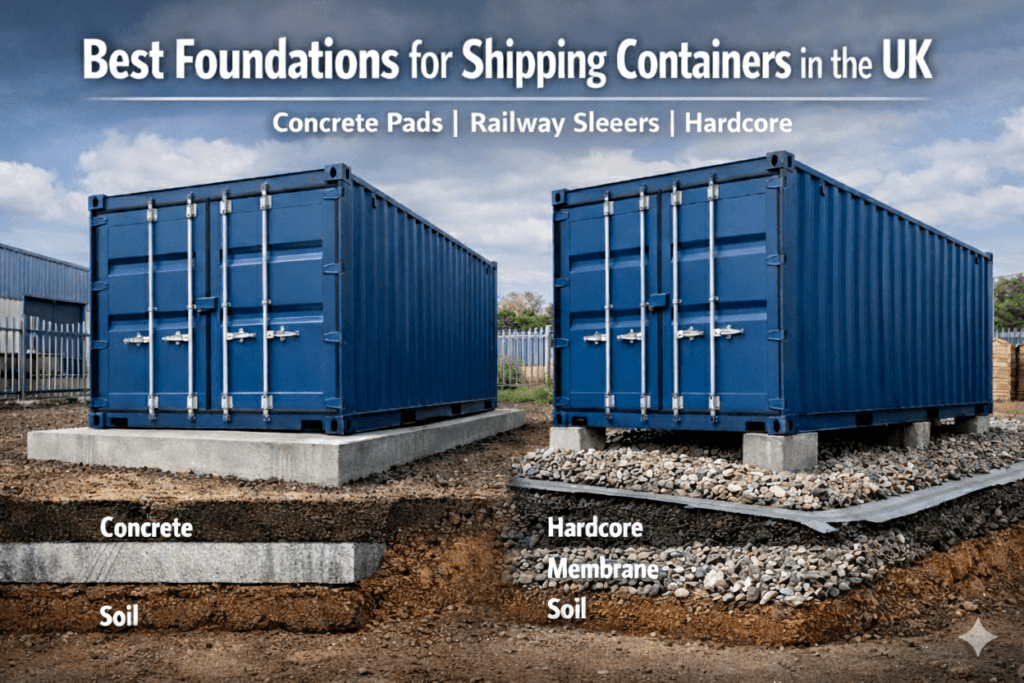
Concrete Pad Foundation
Best for:
Permanent installations, container offices, workshops, long-term storage.
A full concrete slab is the most stable and durable foundation option.
Advantages
- Maximum load bearing capacity
- Even weight distribution
- Reduced risk of movement
- Long lifespan
Considerations
- Higher upfront cost
- Requires ground preparation
- May require drainage planning
Concrete pads are ideal for 40ft containers or high cube units where weight and long-term stability are priorities.
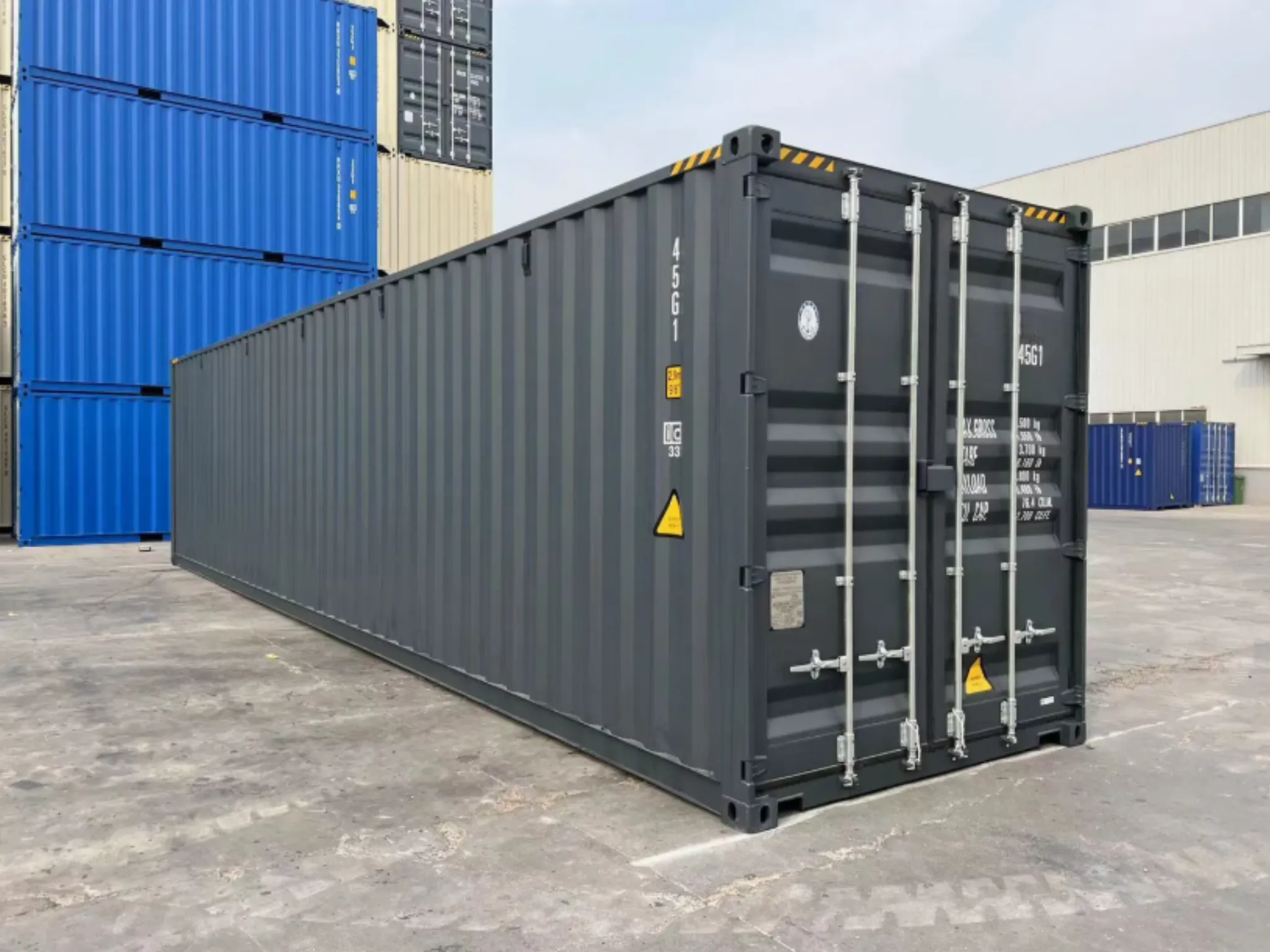
Concrete Piers or Pads at Corner Points
Best for:
Standard storage containers in residential or commercial settings.
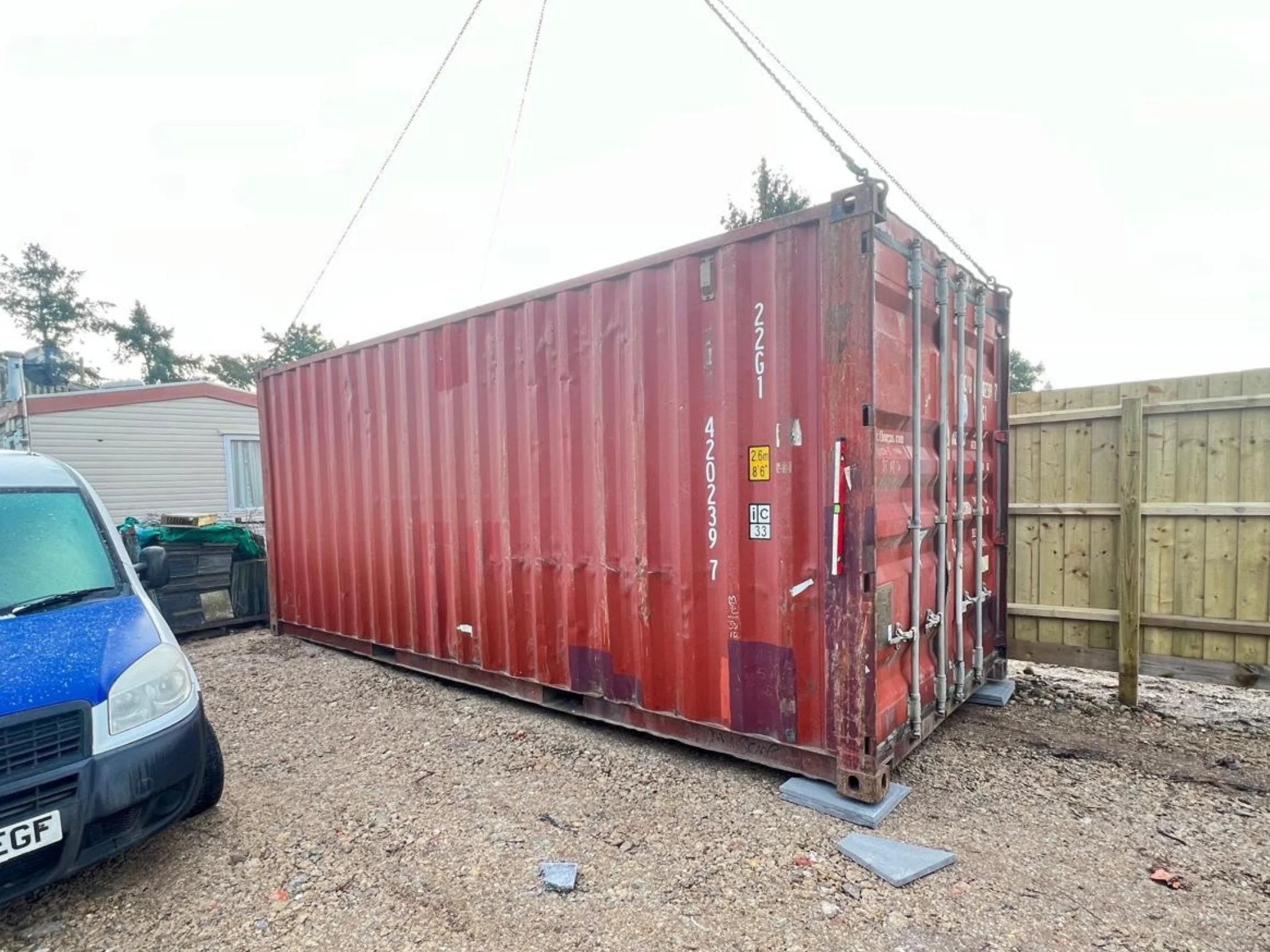
Because containers are structurally supported at the corners, concrete pads or piers beneath each corner casting can be sufficient.
Advantages:
- Lower cost than full slab
- Faster installation
- Allows airflow beneath container
Considerations:
• Must be precisely level
• Ground between supports should remain stable
This method works well for 20ft and 40ft storage containers where full slab installation is not required.
Compacted Hardcore Base
Best for:
Farm use, yards, temporary installations.
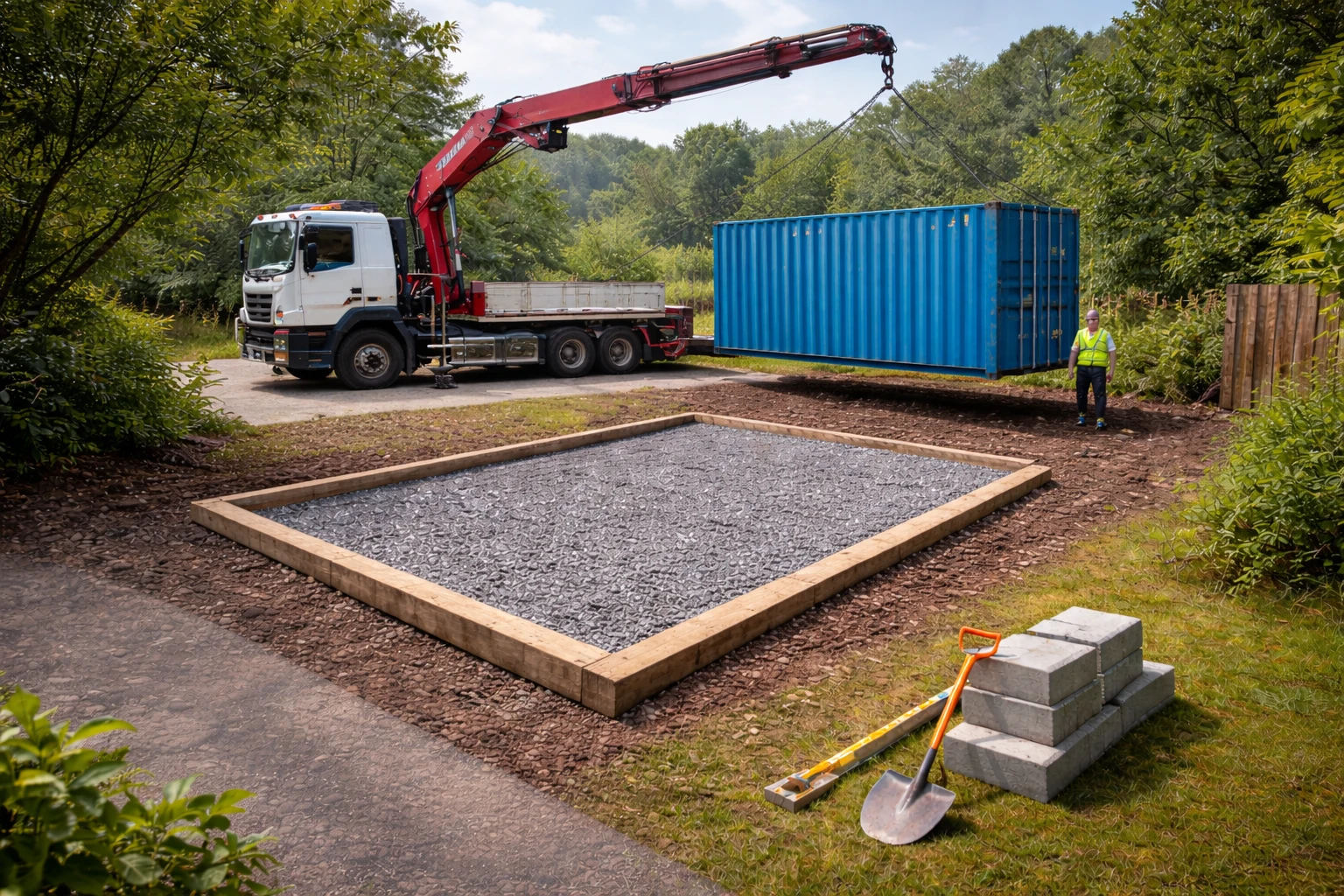
A compacted hardcore or crushed stone base can provide adequate support if properly prepared.
Requirements:
- Excavated area
- Geotextile membrane
- Compacted MOT Type 1 or similar
- Level finish
Advantages:
- Cost effective
- Good drainage
- Suitable for rural sites
Risks:
• Poor compaction leads to settlement
• Not ideal for very heavy loads
• Requires occasional re-levelling
This is often used for agricultural or lower budget installations.
Railway Sleepers
Best for:
Temporary storage or budget installations.
Railway sleepers placed beneath the corner castings can provide adequate support when ground conditions are stable.
Advantages:
• Quick installation
• Low cost
• Keeps container off damp ground
Considerations:
• Not ideal for soft soil
• Can settle unevenly
• May degrade over time
Sleepers are suitable for short-term storage but not recommended for permanent offices or conversions
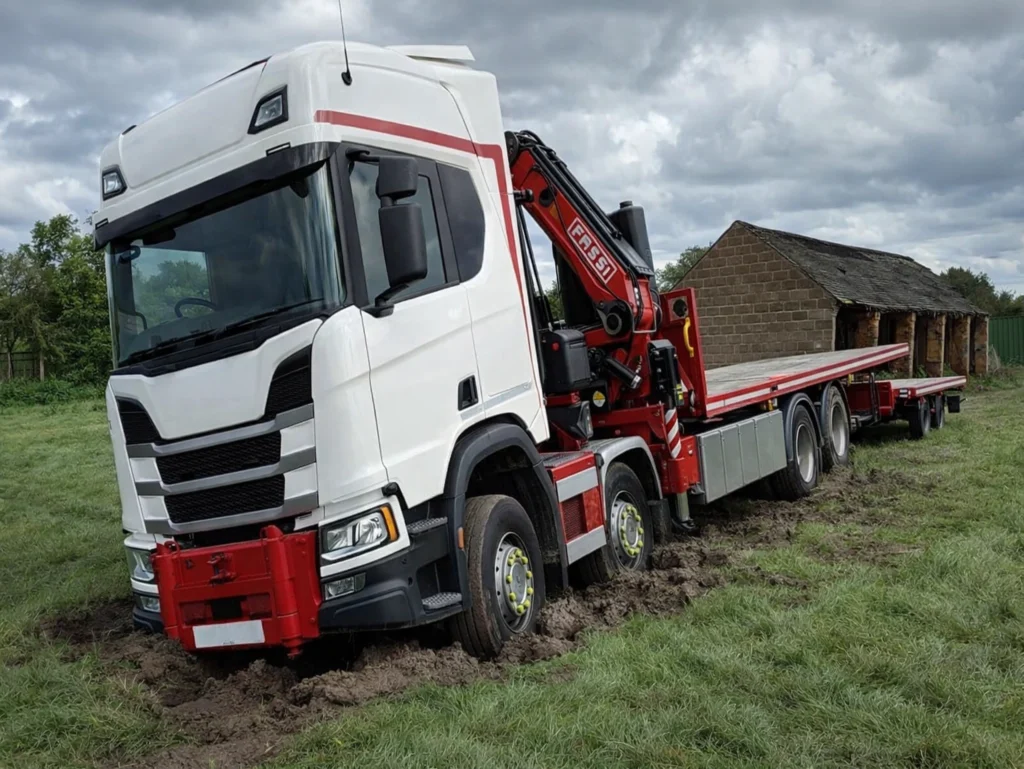
Advanced Foundation Options for Challenging Ground Conditions
In some UK locations, particularly where soil is soft, clay-heavy, or prone to movement, standard pads or slabs may not provide adequate long-term stability.
More advanced options include:
Helical screw piles
Steel screw piles are driven into the ground to reach stable soil layers. They are ideal for sites with poor surface bearing capacity and allow containers to be installed quickly with minimal excavation.
Pile foundations
Driven or bored piles transfer the load deeper into stable subsoil. These are typically used for large or multi-container installations where combined weight is significant.
Reinforced strip foundations
Continuous concrete footings can support container edges for projects requiring enhanced structural support, such as stacked units or heavy workshop conversions.
These systems are generally used where ground conditions are unpredictable or where long-term structural performance is critical.
What to Avoid
Avoid placing containers directly on:
• Grass
• Soft soil
• Mud
• Uneven paving
• Block paving without reinforcement
Poor foundations are one of the most common causes of container door misalignment and structural stress.
If you are planning delivery soon, also read Can Shipping Containers Be Delivered onto Grass or Fields? to find out more.
Common Foundation Mistakes to Avoid
Many container foundation problems are not caused by the container itself, but by errors during ground preparation. Avoiding these common mistakes helps prevent door misalignment, corrosion, and long-term structural stress.
Even when buyers understand the importance of foundations, small oversights can lead to costly repairs later.
Common mistakes include:
• Not checking level properly
Even a small height difference between corners can cause twisting stress, leading to stiff doors and roof panel movement.
• Skipping a geotextile membrane
Without a membrane beneath hardcore, soil can mix with stone over time, reducing load-bearing stability and increasing settlement risk.
• Poor drainage planning
Standing water beneath or around a container accelerates corrosion. Foundations should always allow water to run away from the base.
• Underestimating container weight
A 20ft container weighs over 2 tonnes empty, and significantly more when loaded. A 40ft container can exceed 4 tonnes empty. Foundations must account for both static and loaded weight.
• Relying on soft or uncompacted ground
Gravel placed directly onto soil without proper compaction is one of the most common causes of container movement and re-levelling issues.
Avoiding these mistakes protects structural integrity and extends the lifespan of shipping containers in static storage use.
UK Ground and Weather Considerations
The UK climate presents specific challenges:
• High rainfall
• Clay soil movement
• Frost expansion
• Surface water pooling
Proper drainage and ground preparation are essential. A foundation should prevent standing water beneath the container.
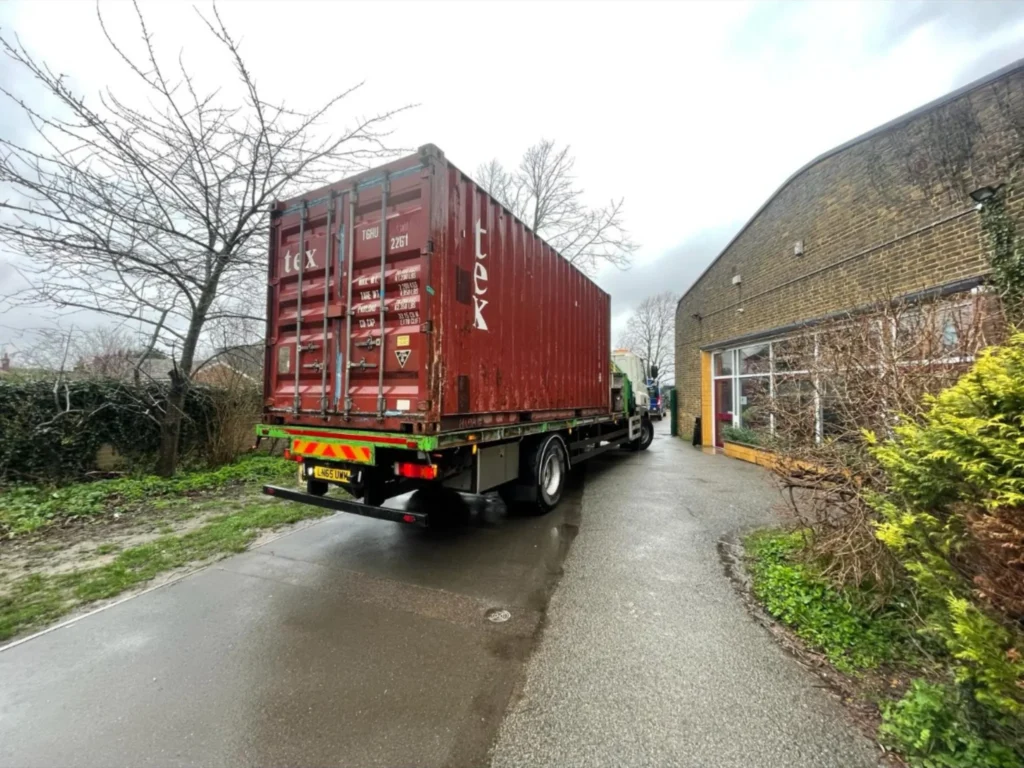
Foundation Recommendations by Container Type
The table below compares common shipping container foundation types in the UK and matches them to specific container sizes and uses. It highlights which base is most suitable for 10ft, 20ft, and 40ft containers, including storage units, offices, and workshop conversions. By showing the relationship between container weight, intended use, and foundation strength, the table helps buyers quickly identify the safest and most cost-effective base for their site conditions. Choosing the correct foundation from the start reduces structural stress, prevents door alignment issues, and extends the overall lifespan of the container.
| Container Type | Recommended Foundation |
|---|---|
| 10ft Storage | Concrete pads or sleepers |
| 20ft Storage | Concrete pads or compacted hardcore |
| 40ft Storage | Concrete pad or reinforced hardcore |
| 20ft Office | Full concrete slab |
| 40ft Office | Reinforced concrete slab |
Choosing the correct foundation reduces long-term repair costs and protects structural integrity.
Multi-container or stacked installations require reinforced slabs or engineered pile systems to support combined load weight.
Do Shipping Containers Need Planning Permission for Foundations?
In many UK cases, temporary container placements do not require planning permission. However:
• Permanent slabs may trigger planning requirements
• Change of land use may require approval
• Residential installations may need consultation
Always check with your local authority before installing permanent foundations.
Read more about Do You Need Planning Permission for a Shipping Container? before purchasing your container
Long-Term Performance and Lifespan
The right foundation significantly affects container lifespan.
Poor support can shorten usable life through:
• Twisting stress
• Roof sagging
• Accelerated corrosion
If you are comparing container types and long-term value, read Are Shipping Containers a Good Long-Term Storage Solution?
Frequently Asked Questions
Do shipping containers need foundations in the UK?
Yes. While containers are structurally strong, they must be placed on level, load-bearing ground to prevent twisting and door issues.
Can I put a container directly on concrete?
Yes, as long as the surface is level and structurally sound. Full slabs are ideal for offices and heavy-use installations.
Is gravel enough for a container base?
Gravel can work if properly compacted and supported with a membrane. It is not suitable for unstable or waterlogged ground.
Related Guides
Final Thoughts
The best foundation for a shipping container in the UK depends on intended use, ground conditions, and long-term plans.
For permanent installations such as container offices or workshops, a concrete slab offers the greatest stability. For standard storage, properly installed corner pads or compacted hardcore may be sufficient.
Choosing the right base from the start prevents structural stress, protects against corrosion, and ensures smooth operation for years to come.
If you are unsure which foundation suits your site, speak to a specialist supplier before delivery to avoid costly mistakes.
Foundation Checklist Before Container Delivery
Before your container arrives, run through this simple checklist to avoid common foundation issues:
• Confirm the ground is level across all four corner support points
• Ensure hardcore is properly compacted and installed over a geotextile membrane
• Check drainage so water cannot pool beneath the container
• Verify supports are large enough to fully cover corner castings
• Confirm the base can support the container’s empty and loaded weight
• Allow slight elevation to promote airflow under the container
• Keep shims or packers available for minor levelling adjustments during offload
Taking these steps before delivery significantly reduces the risk of door misalignment, settlement, and long-term corrosion.