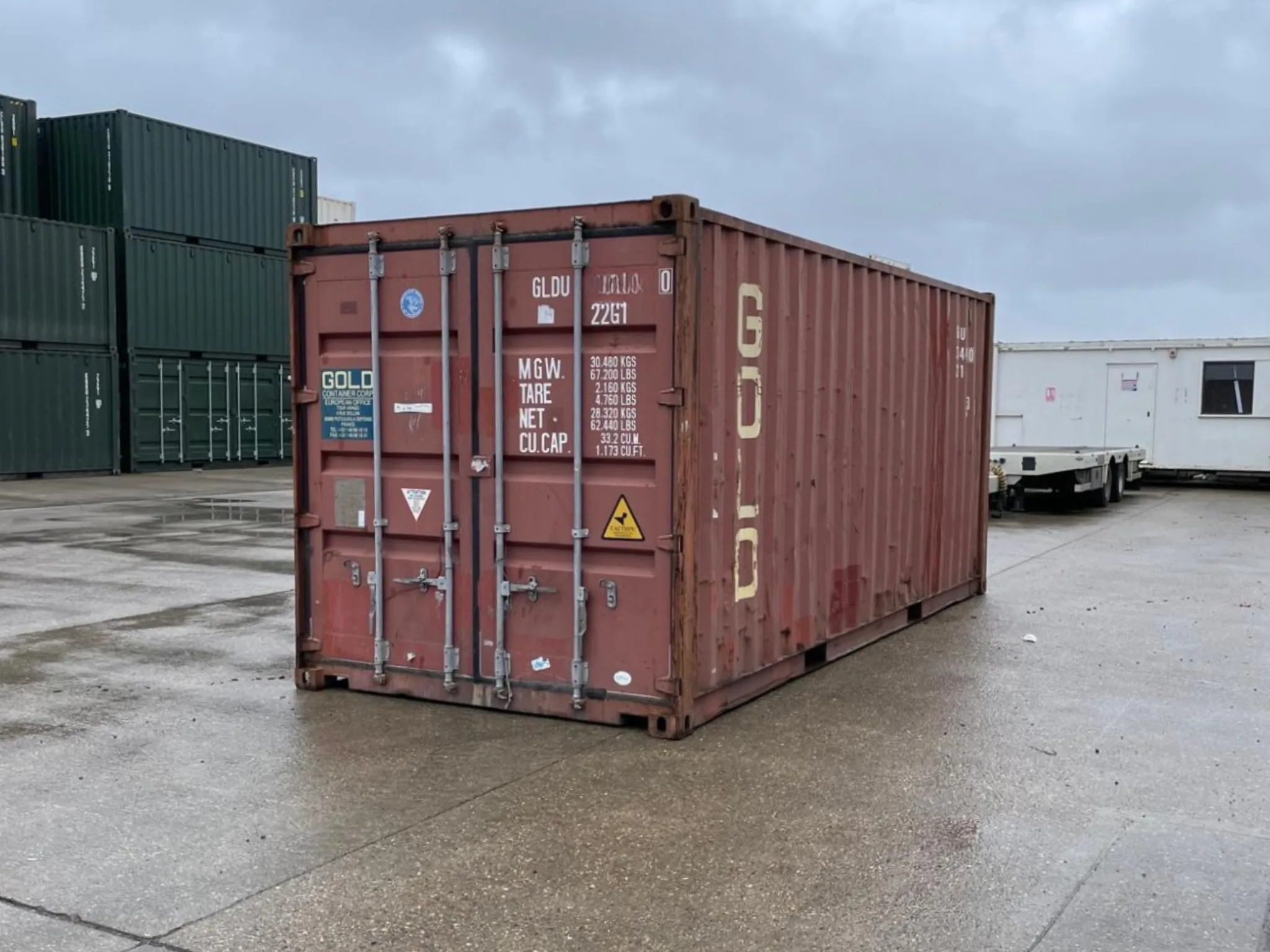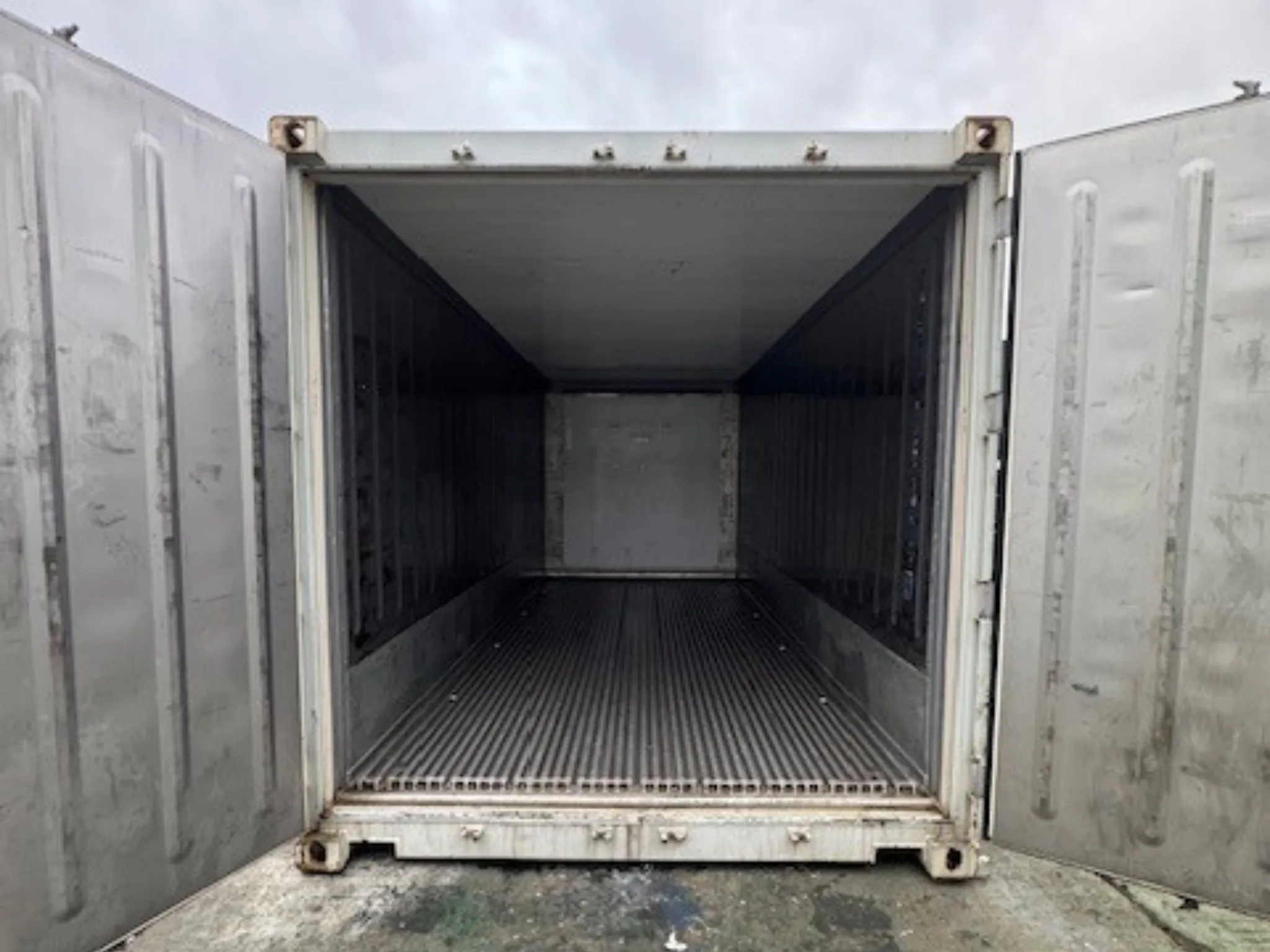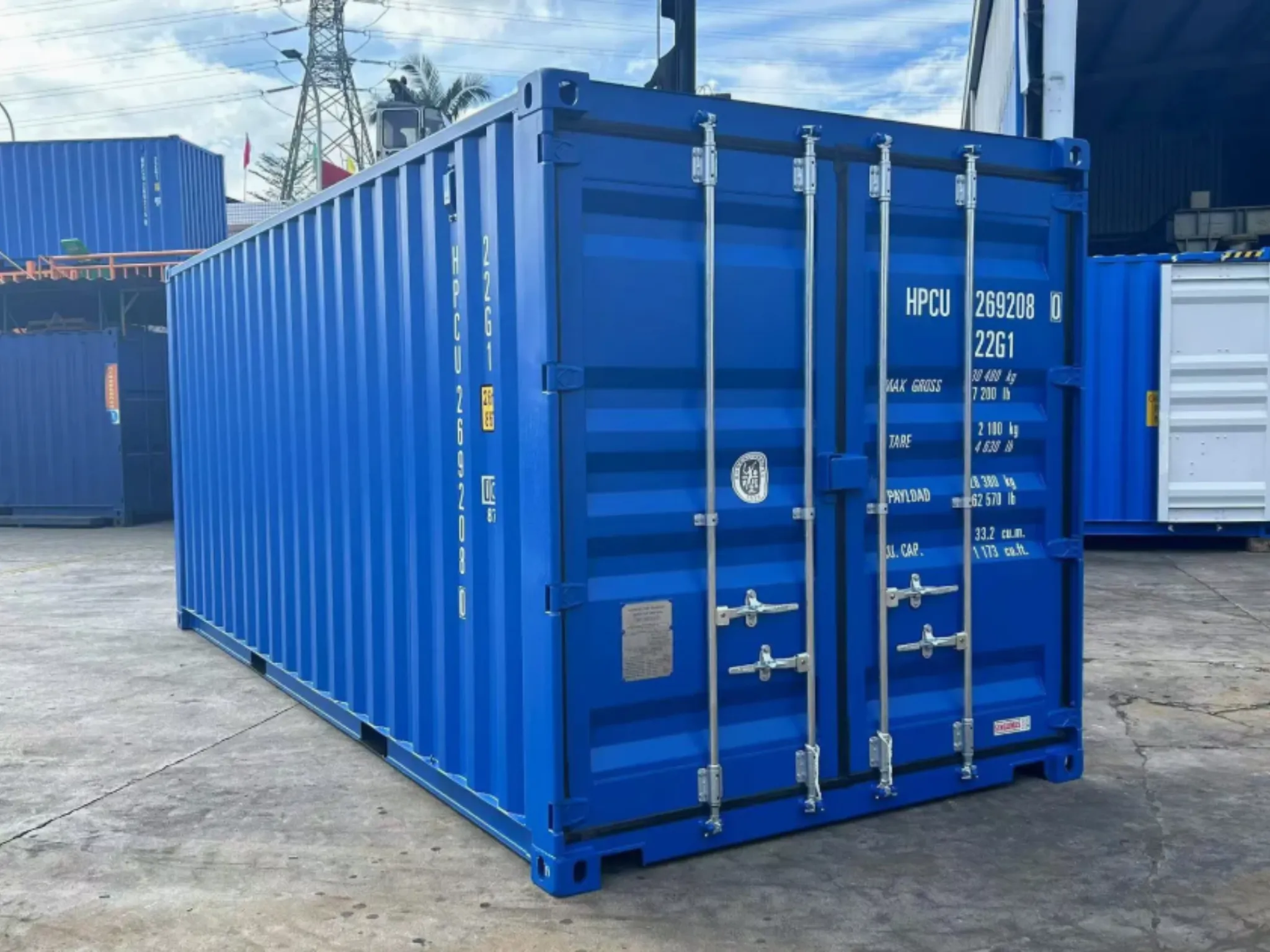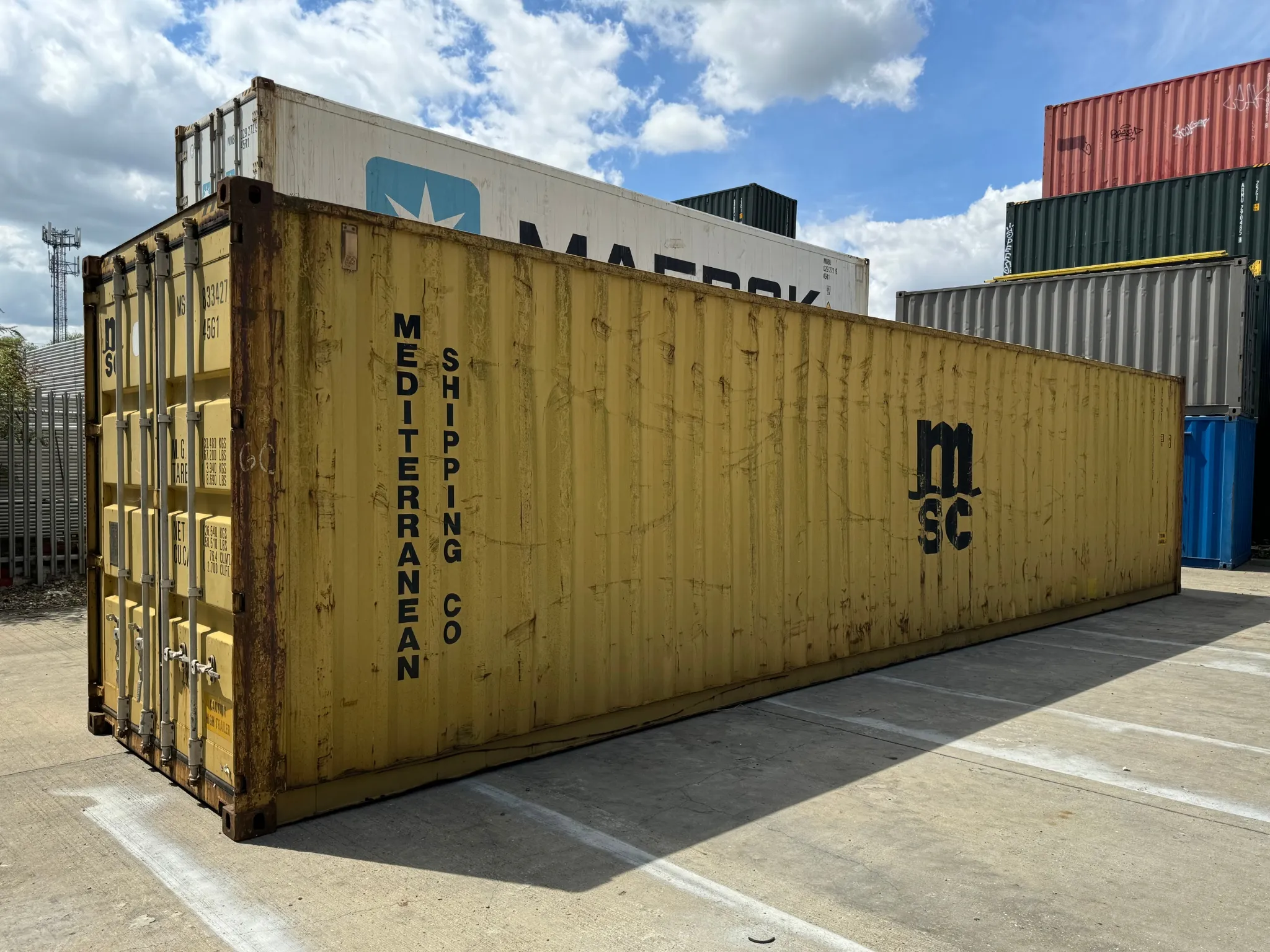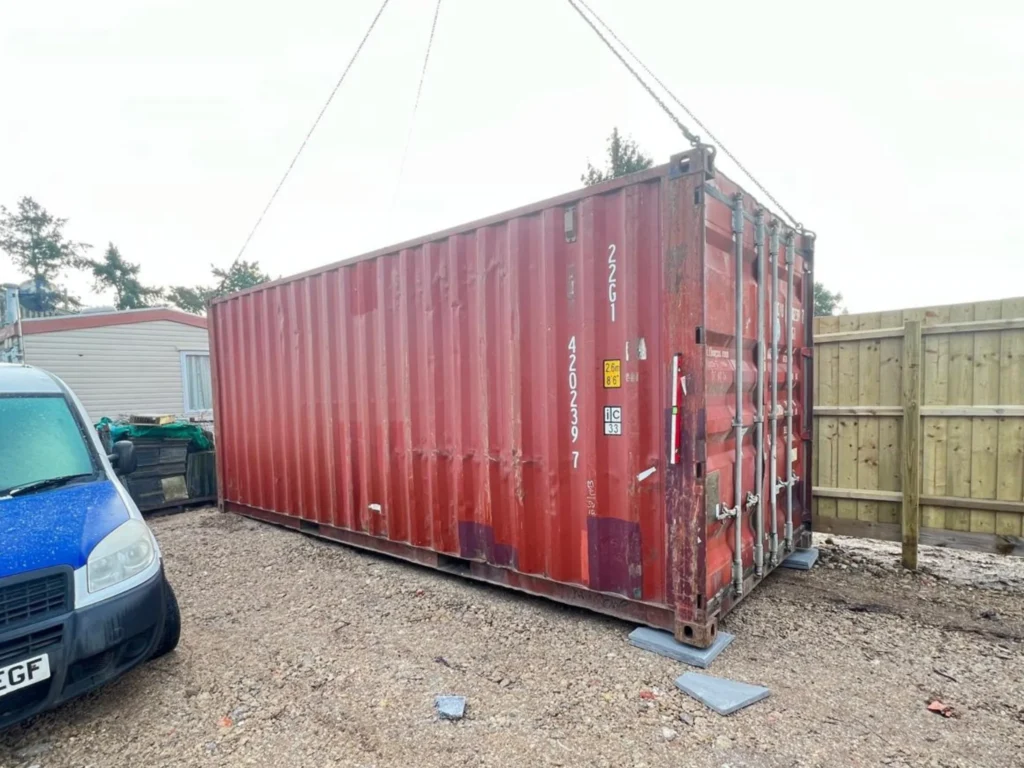
Shipping container lifespan in static storage use typically ranges from 15 to 35+ years in the UK, depending on condition, maintenance, and environment. Containers used for stationary storage last significantly longer than those in international shipping cycles, especially when placed on proper ground and protected from excess moisture.
Introduction
Shipping containers are designed for extreme conditions at sea. When removed from active shipping service and placed into static storage use, their lifespan often increases significantly.
But how long should you realistically expect a shipping container to last when used purely for on-site storage?
The answer depends on:
- Whether the container is new or used
- Ground conditions
- Exposure to moisture and salt
- Maintenance practices
- Intended use
Understanding lifespan properly helps buyers decide between new and used units and avoid premature replacement costs.
For a broader overview, see our guide on How Long Do Shipping Containers Last?
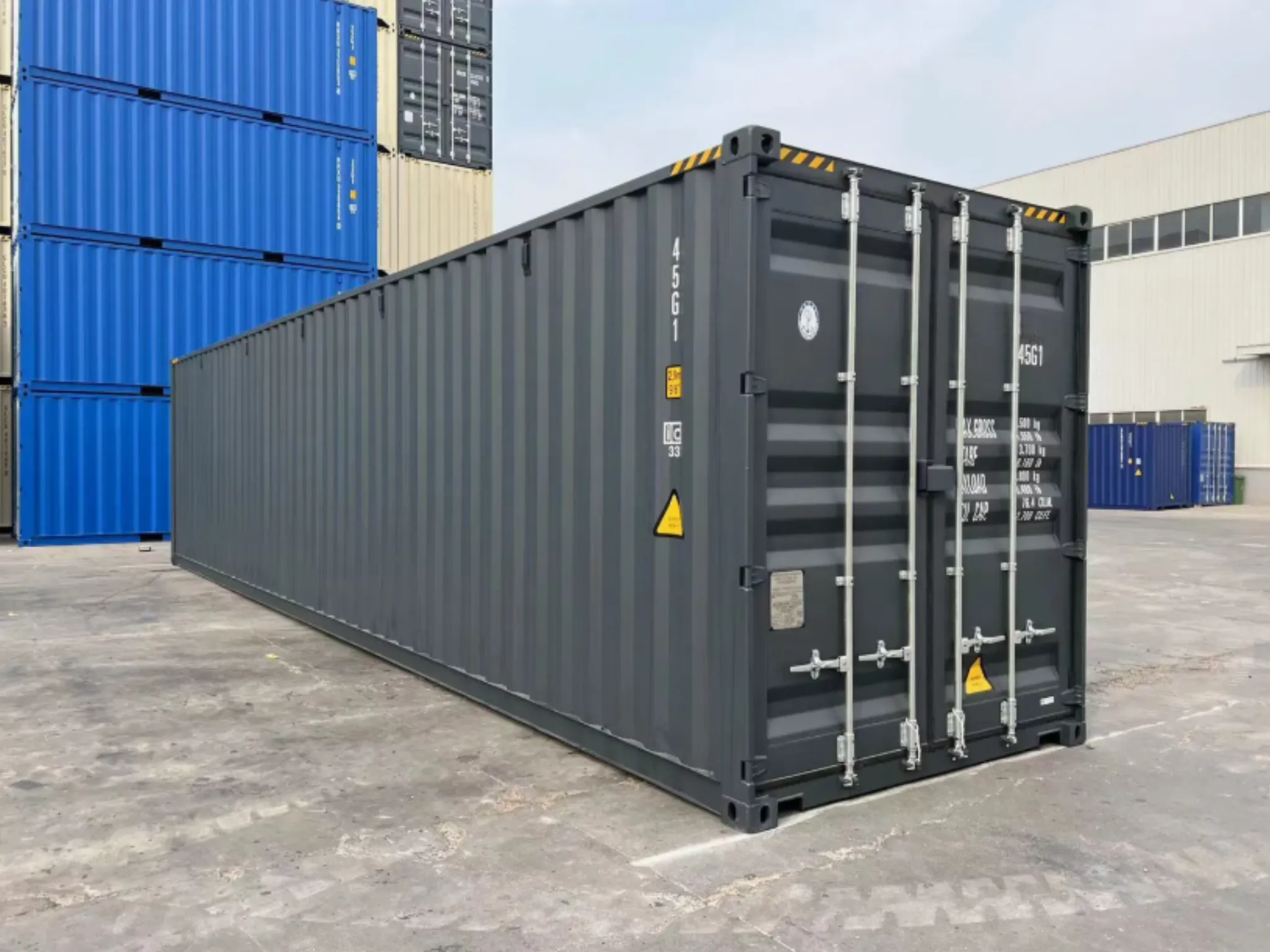
What Is Static Storage Use?
Static storage use means the container:
- Is delivered to site
- Remains in one position
- Is not repeatedly transported
- Is used purely for storage or workspace
Unlike cargo containers that face constant lifting, stacking, twisting, and sea air exposure, static containers avoid much of that stress.
This greatly improves longevity.
Average Lifespan in Static Use
Used Containers
A typical used container sold in the UK is around 10 to 18 years old.
In static storage use, a structurally sound used container can last:
- 10 to 20 additional years
- Sometimes longer with maintenance
This depends heavily on base condition and corrosion levels at purchase.
New or One Trip Containers
New containers, often called one trip units, have completed only a single cargo journey.
In static use, they can last:
- 25 to 35 years
- Occasionally longer in low corrosion environments
For long-term installations, this makes a significant difference in total ownership cost.
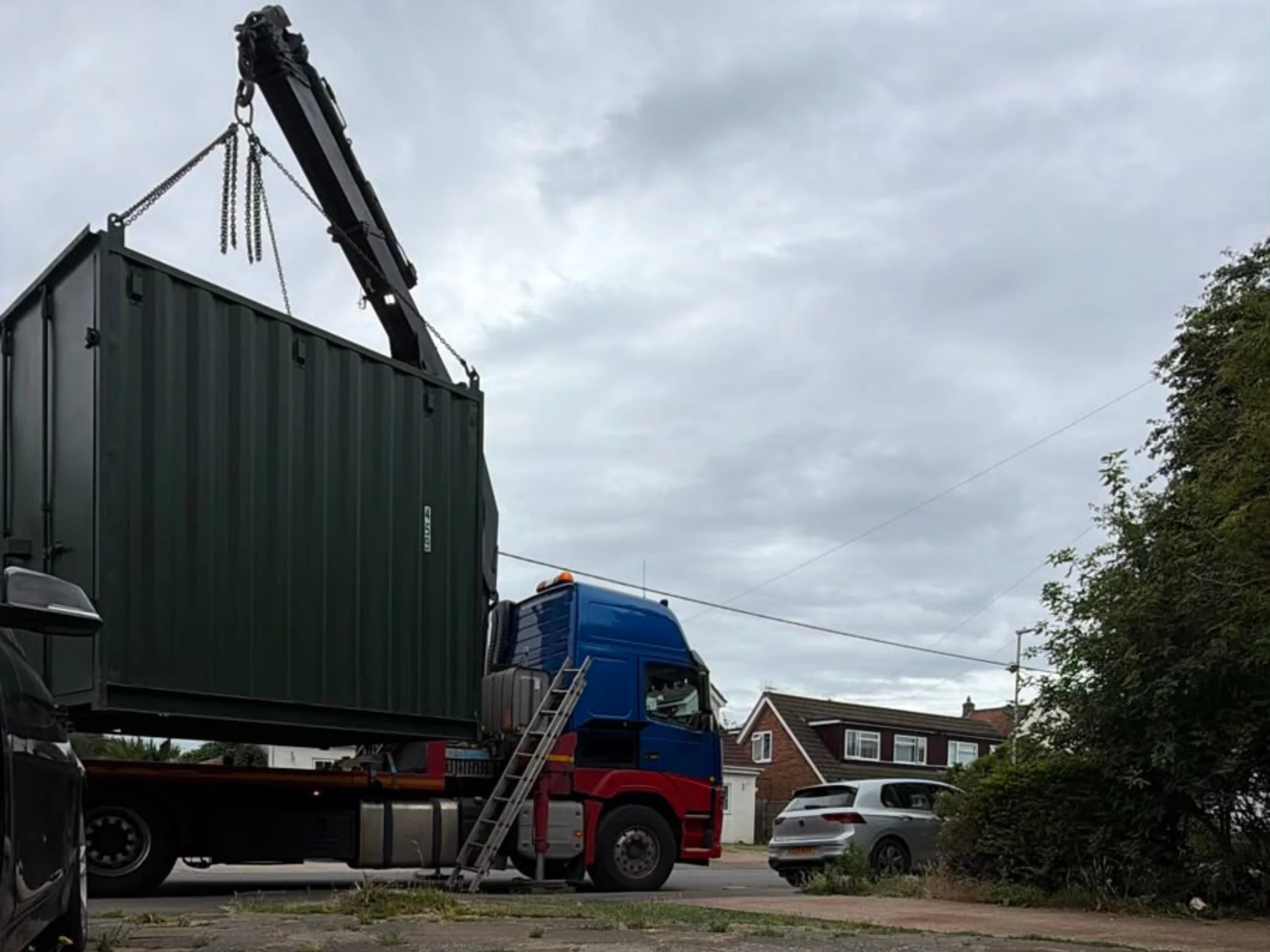
Key Factors That Affect Lifespan
Ground Conditions
The number one cause of premature failure is poor ground support.
Containers placed directly on:
- Soil
- Grass
- Mud
Are exposed to standing moisture around base rails.
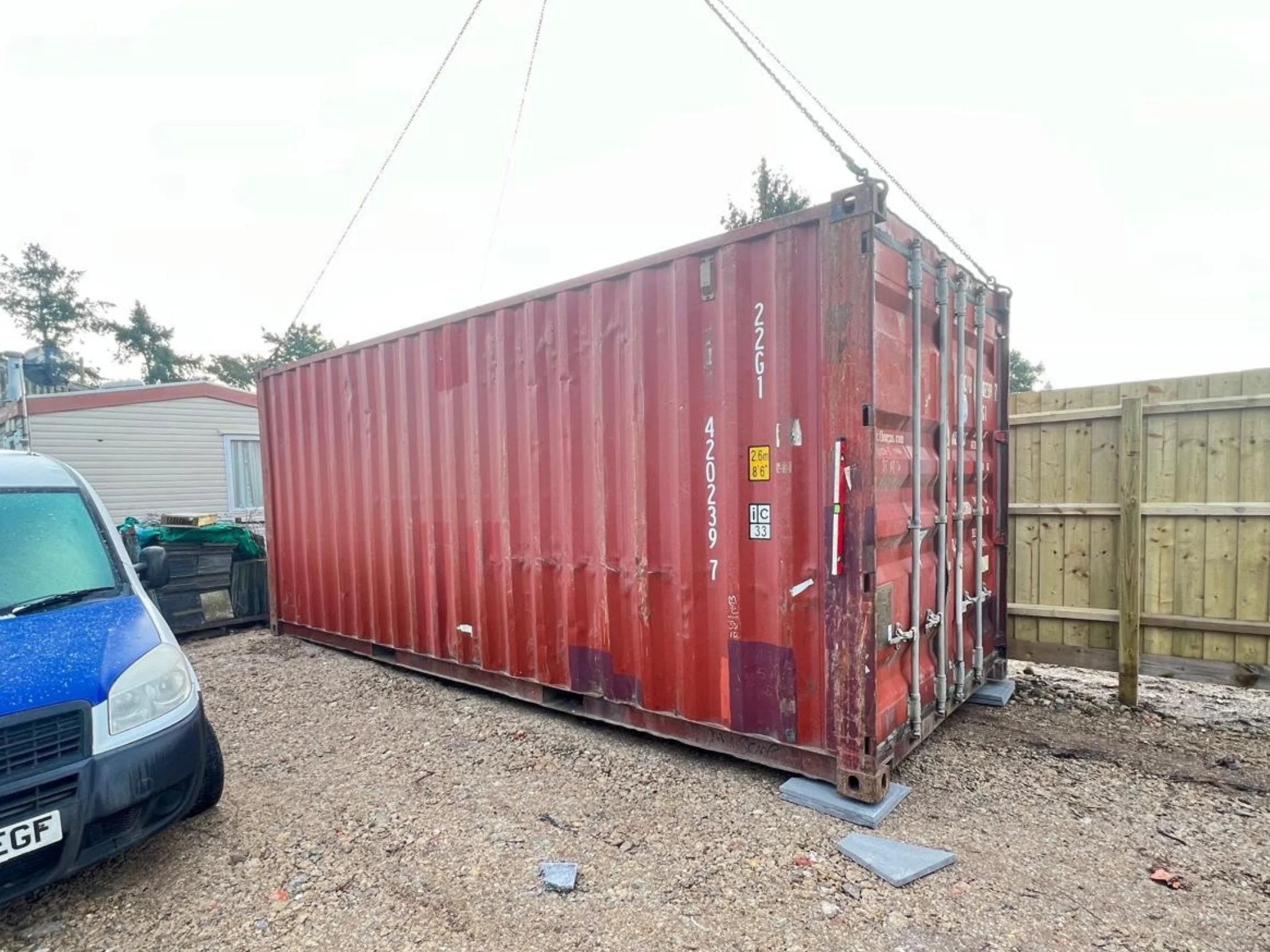
Best practice includes:
- Concrete pads
- Railway sleepers
- Level hardcore bases
Keeping the base rails off constant damp contact can add years to lifespan.
Environment and Location
Lifespan varies based on environment:
- Coastal areas accelerate corrosion
- Industrial zones may increase surface wear
- Rural inland areas often provide longer life
Salt exposure is a major factor in corrosion speed.
Maintenance
Even minimal maintenance can extend lifespan significantly.
Basic upkeep includes:
- Checking roof panels annually
- Treating surface rust early
- Lubricating door mechanisms
- Ensuring drainage around base
Containers do not require heavy maintenance, but ignoring minor issues leads to faster deterioration.
Roof Condition
Roof panels are thinner than side walls and are more vulnerable to:
- Impact damage
- Standing water
- Corrosion
Regular inspection prevents leaks and internal damage.
Simple Maintenance to Extend Lifespan
While shipping containers are low maintenance compared to traditional buildings, basic upkeep can significantly extend their usable life in static storage.
Simple steps include:
• Inspecting the roof annually for dents or standing water
• Removing surface rust before it spreads
• Repainting chipped or exposed areas with appropriate metal protection paint
• Ensuring the container remains level on its foundation
• Clearing debris from the roof to prevent moisture build-up
These small actions prevent minor issues from developing into structural problems and can add years to a container’s service life.
What Shipping Containers Are Made Of
Most shipping containers are constructed from Corten steel, also known as weathering steel. This material is designed to form a protective oxide layer when exposed to air, which slows down deeper corrosion compared to ordinary mild steel. This is one of the key reasons containers can survive harsh marine environments before being retired into static storage use.
In addition to the steel structure, containers are coated in marine-grade primer and paint to provide extra protection against moisture, salt, and UV exposure. The doors include heavy-duty rubber gaskets to prevent water ingress, while the flooring is typically marine-grade plywood that is treated to resist damp and insect damage.
Structural integrity is reinforced by corner castings and corner posts. These components are designed to carry stacking loads during shipping and continue to provide strength and rigidity when the container is used in static storage.
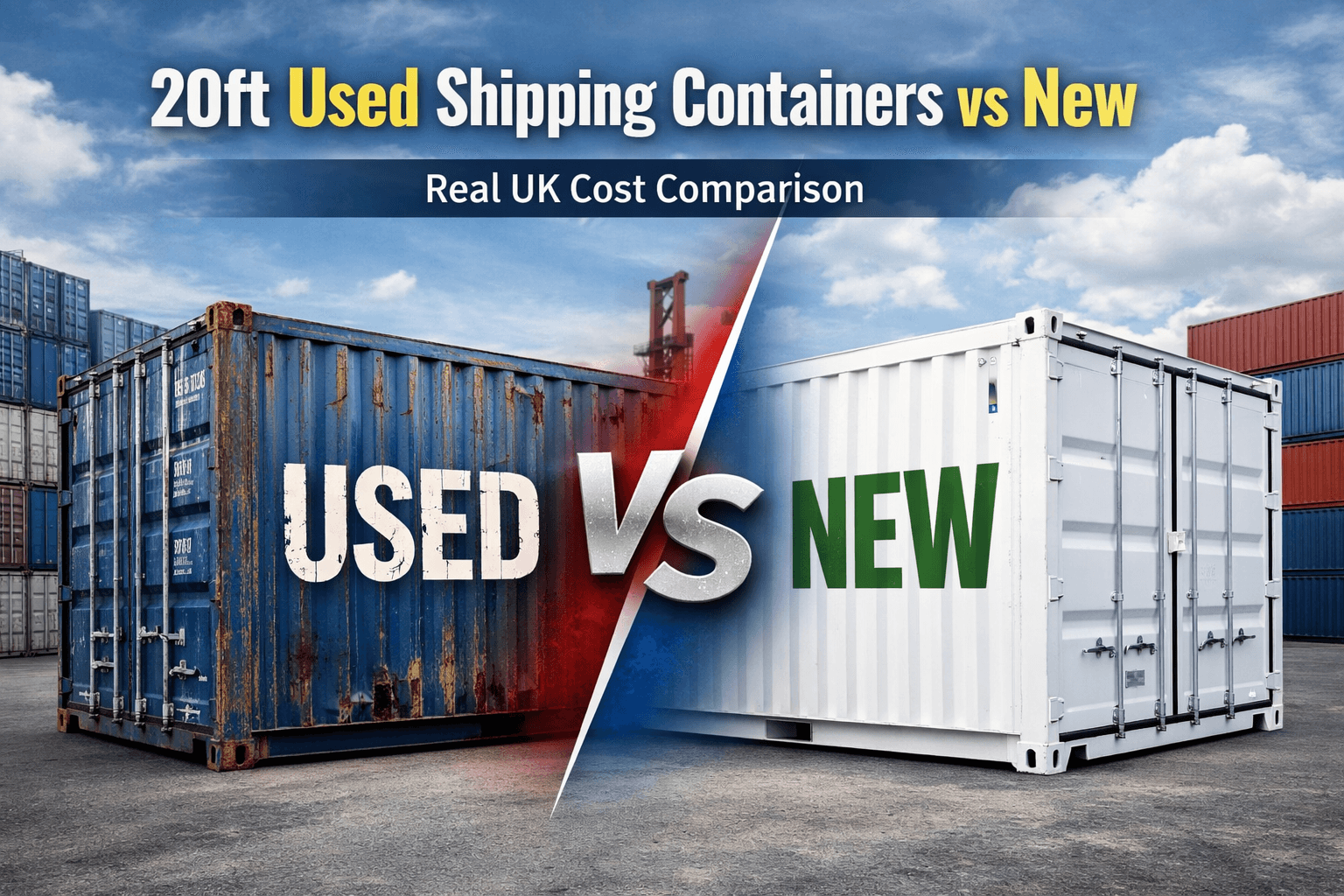
Used vs New in Static Storage
Many buyers ask whether used containers become a false economy in long-term storage.
The answer depends on duration of use.
If you only need storage for 3 to 5 years, a used container often makes financial sense.
If you need storage for 15 to 25 years, the lifespan difference between used and new units becomes more important.
You may also find our guide helpful:
Are Shipping Containers a Good Long-Term Storage Solution?
Shipping Container Lifespan Comparison
The typical lifespan of a shipping container varies depending on how it is used:
Shipping use lifespan: 10–15 years
Static storage lifespan: 25–35+ years
Converted building lifespan: 30–40+ years
Containers used at sea face extreme handling, salt exposure, and stacking loads, which reduces operational lifespan. Once retired into static storage use, structural stress is significantly lower, allowing containers to last decades longer with proper maintenance.
Signs a Shipping Container Lifespan Is Reducing
Watch for:
- Base rail corrosion
- Door misalignment
- Persistent leaks
- Roof panel weakness
- Floor delamination
These do not always mean immediate replacement, but they signal reduced long-term durability.
Can a Container Last 40 Years?
Yes, but usually under specific conditions:
- Inland location
- Solid base
- Regular inspection
- Light usage
- Minimal movement
Well-maintained new containers in static use can exceed 30 years comfortably.
Used units vary more widely depending on starting condition.
When Replacement Becomes Necessary
Replacement is usually needed when:
- Structural corrosion compromises strength
- Repair costs exceed replacement value
- Conversion projects require cleaner base units
- Insurance or compliance requires higher condition standards
In many cases, proper initial selection avoids early replacement.
Static Storage vs Shipping Use
Containers in global freight cycles experience:
- Salt spray
- Constant lifting
- Stacking stress
- Heavy impact
Static storage containers avoid most of this.
That is why lifespan increases significantly once removed from cargo service.
Lifespan and Total Cost of Ownership
The true cost of a container is not just purchase price.
It includes:
- Maintenance
- Repairs
- Replacement timing
- Resale value
For short-term use, used containers often provide strong value.
For long-term static installations, new units frequently deliver lower total cost over decades.
Why Choose Bosh Boxes
At Bosh Boxes, we supply new and used shipping containers across the UK with full transparency on condition and lifespan expectations.
We do not oversell low-grade stock as long-term solutions. Instead, we help buyers match container type to intended duration of use.
You receive:
- Clear condition grading
- Honest lifespan guidance
- Nationwide delivery
- Reliable wind and watertight units
- Support before and after delivery
Whether you need a short-term storage unit or a long-term static solution, we ensure you choose correctly from the start.
Frequently Asked Questions
How long do used shipping containers last in static use?
In static storage use, a well-maintained used shipping container can typically last 25 years or more. Lifespan depends on environmental exposure, ground conditions, and maintenance practices.
Can a shipping container last 40 years?
Yes. With proper maintenance and when used in static storage rather than shipping, containers can last 35 to 40 years or more. Converted containers used as buildings may last even longer if properly insulated and protected.
Does rust mean a container needs replacing?
Not necessarily. Surface rust is common and can usually be treated and repainted. However, deep structural corrosion affecting corner posts, base rails, or roof panels may indicate the container is reaching the end of its lifespan.
Final Thoughts
Shipping container lifespan in static storage use is often far longer than many buyers expect.
Used containers can deliver excellent value when matched to the right timeframe. New containers provide extended durability for long-term installations.
The key is not asking how long a container can last.
The key is asking how long you need it to last.