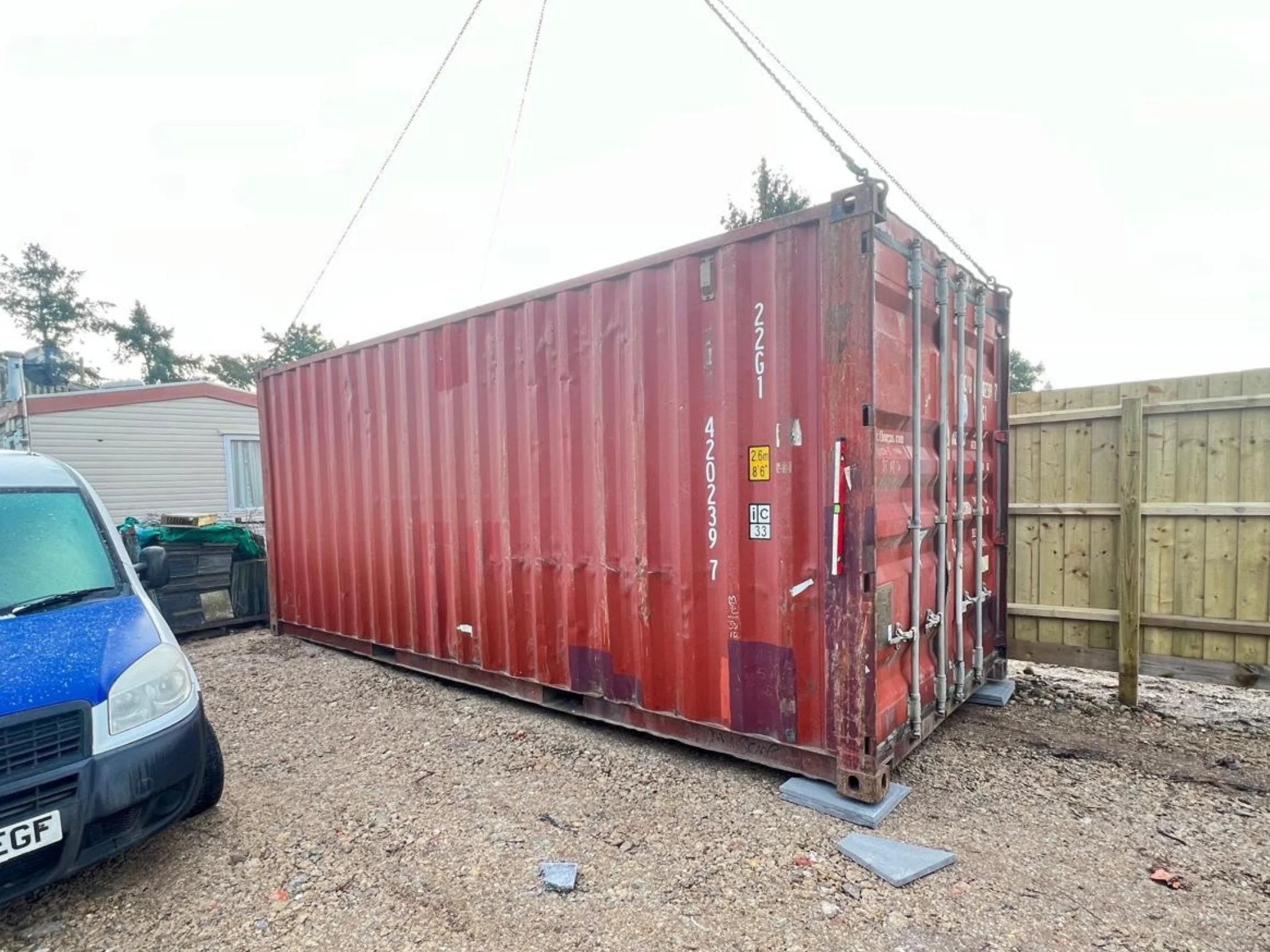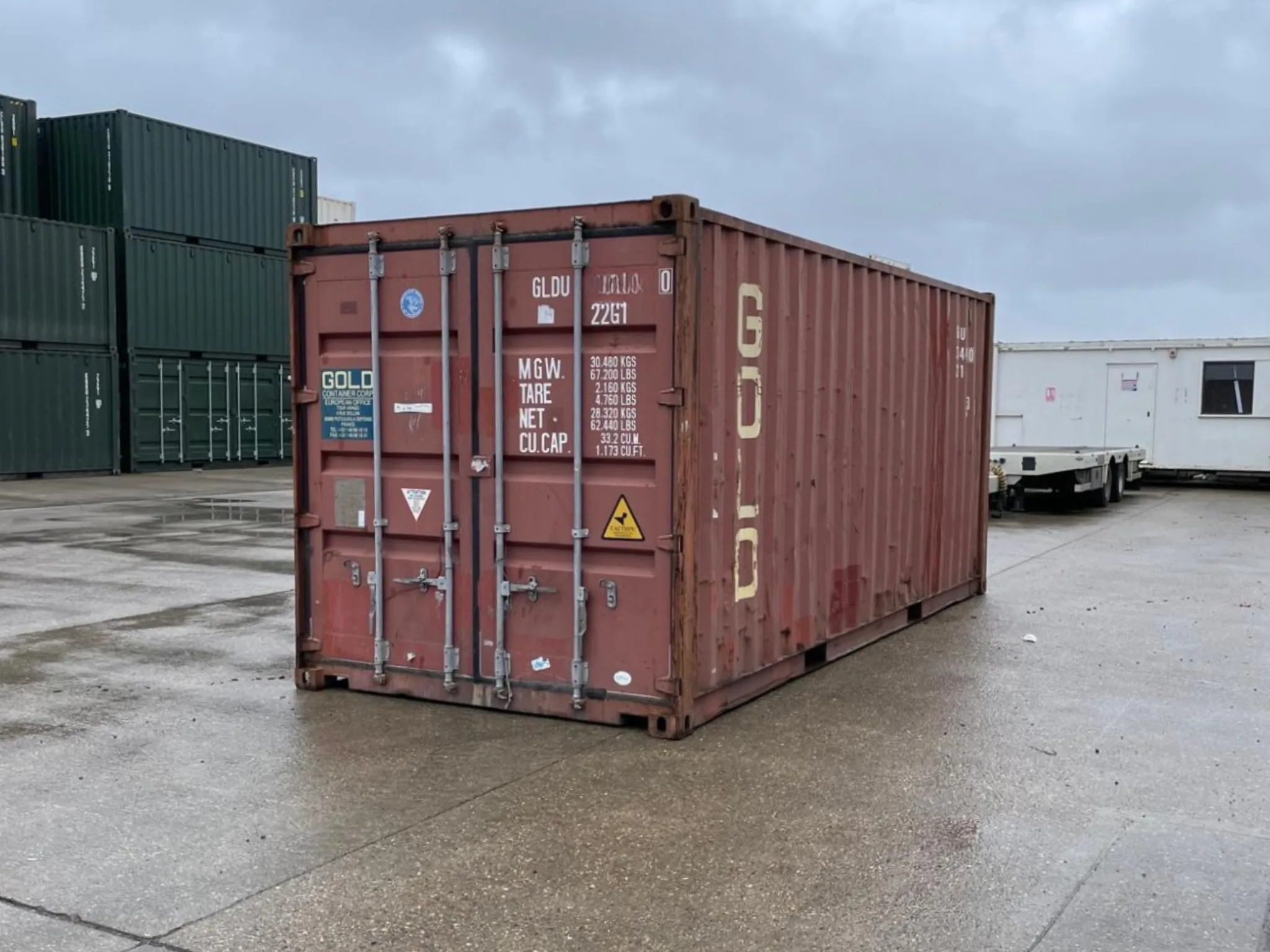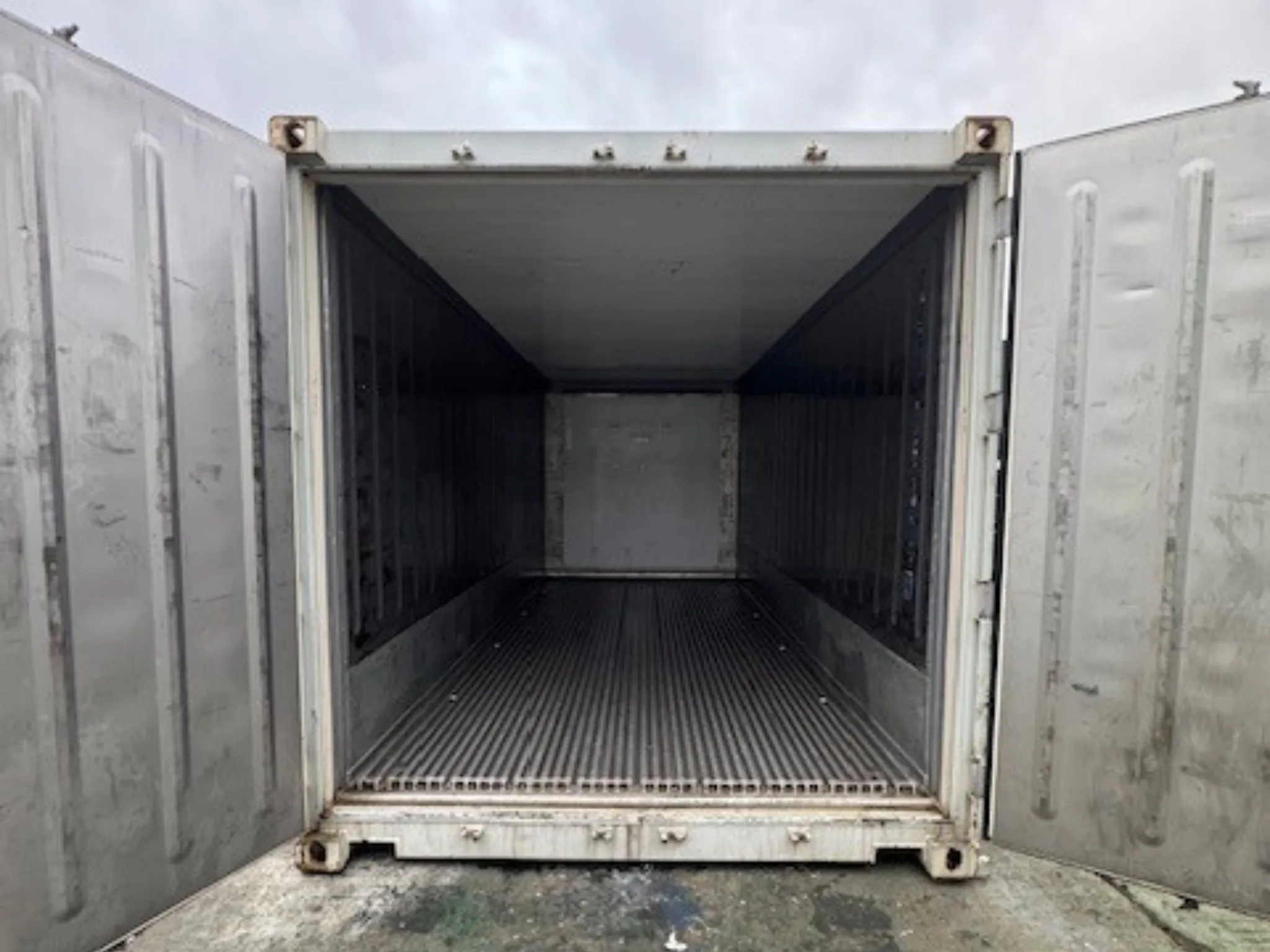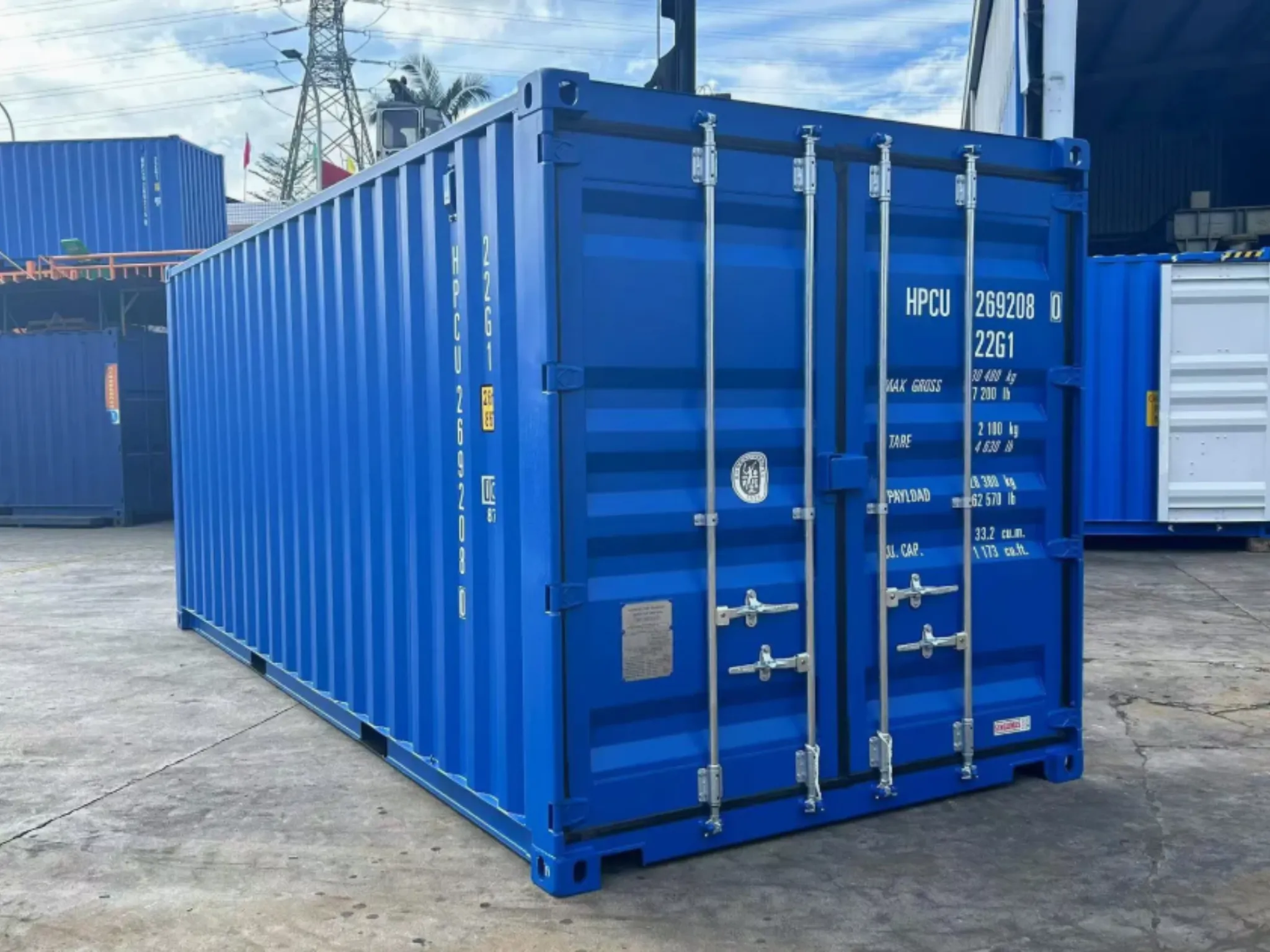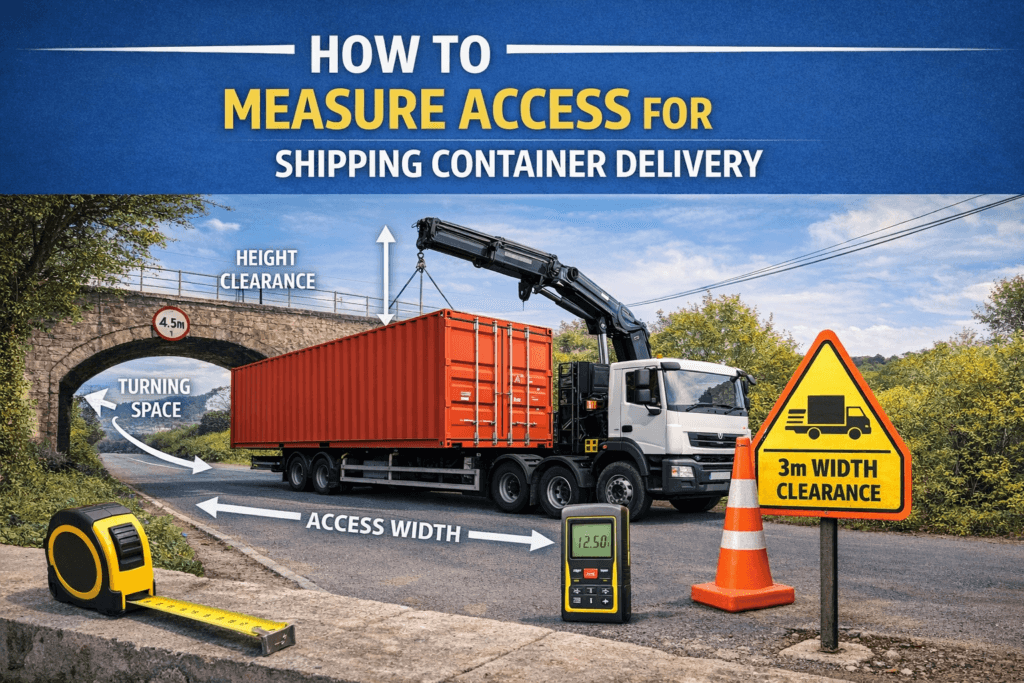
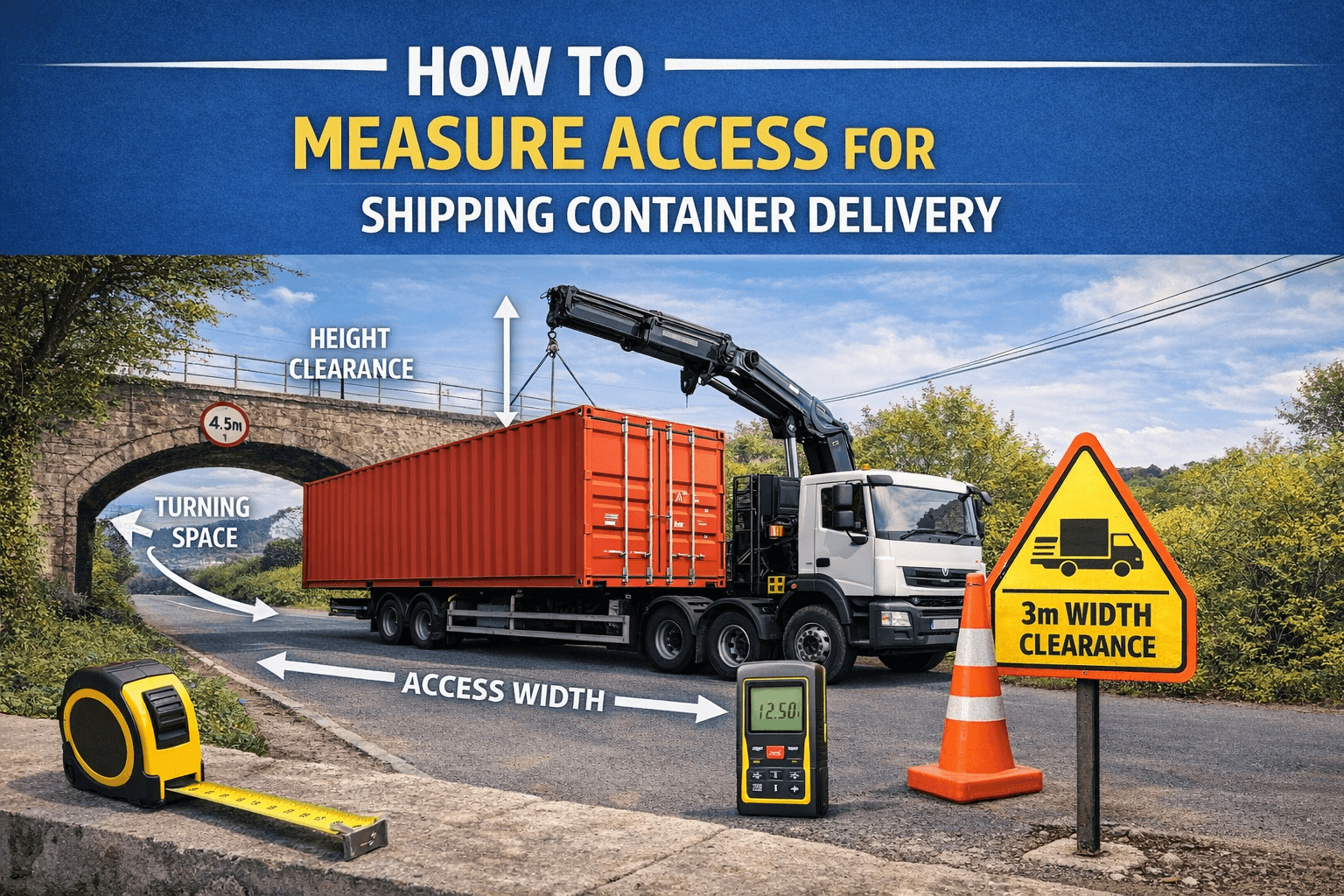
To measure access for shipping container delivery, you must check vehicle access width, turning space, ground conditions, overhead clearance, and the final placement area. Accurate measurements help ensure the delivery vehicle can reach the site safely and place the container without delays, damage, or additional costs.
Introduction
Shipping container delivery often fails not because of the container, but because access has not been measured properly.
Whether you are ordering a 10ft, 20ft, or 40ft container, delivery vehicles require sufficient space to enter, manoeuvre, and position the unit safely. Incorrect measurements can result in aborted deliveries, additional charges, or the need to relocate the container.
This guide explains how to measure access for shipping container delivery correctly, using practical checks that apply to UK residential, commercial, and industrial sites.
Why Measuring Access Matters
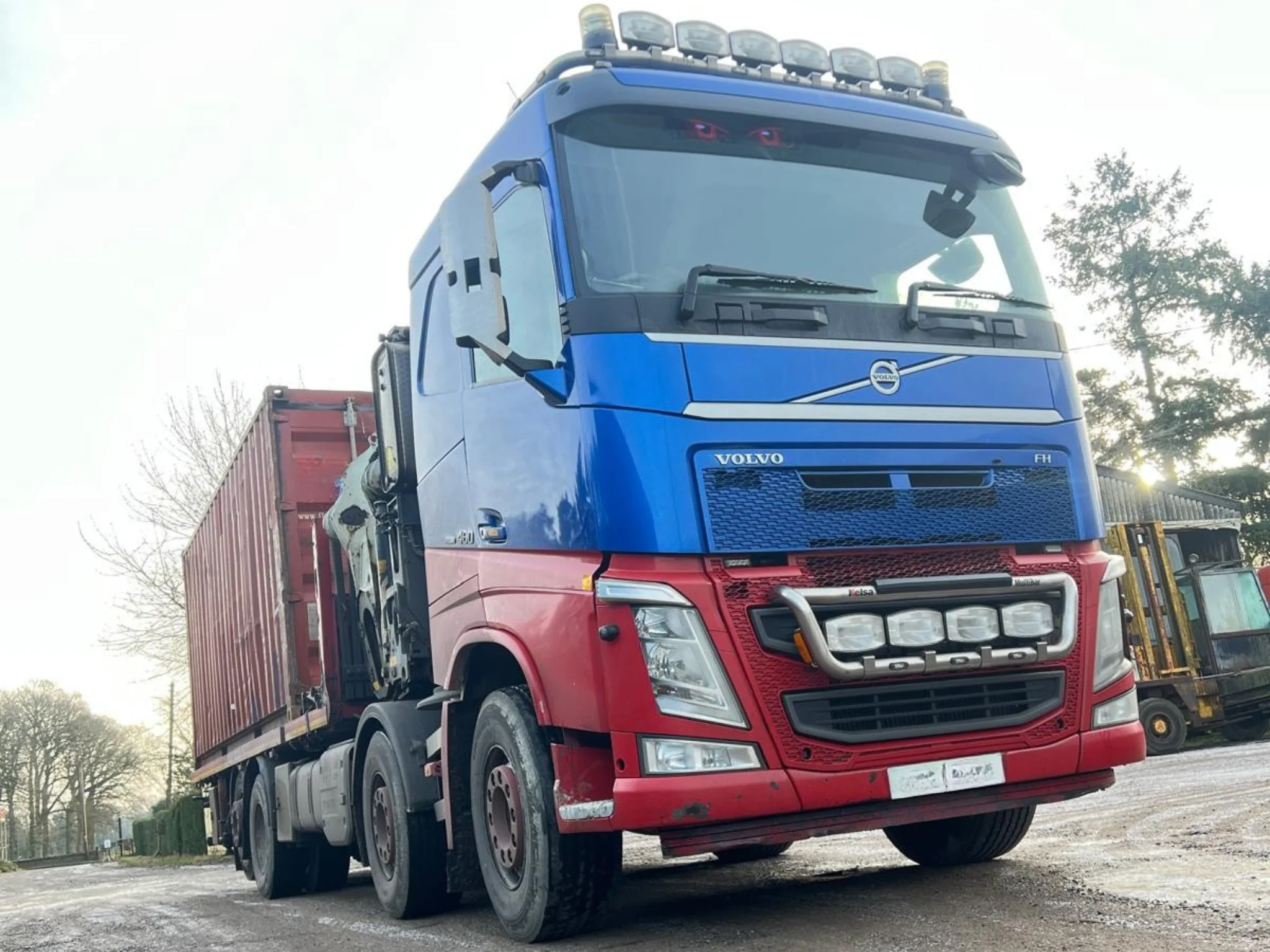
Container deliveries are completed using specialist vehicles, most commonly Hiab crane lorries.
If access is restricted, the driver may be unable to:
- Enter the site
- Turn the vehicle
- Deploy the crane
- Place the container accurately
Measuring access in advance reduces risk and ensures delivery happens on the agreed date.
Step 1: Measure the Access Width
The access width is the narrowest point the delivery vehicle must pass through.
This includes:
- Gates
- Driveways
- Site entrances
- Narrow roads or alleyways
As a general guide:
- Most container deliveries require at least 3 metres of clear width
- Wider access improves safety and positioning accuracy
Remember to account for mirrors and crane outriggers, not just the vehicle body.
Step 2: Check Turning Space
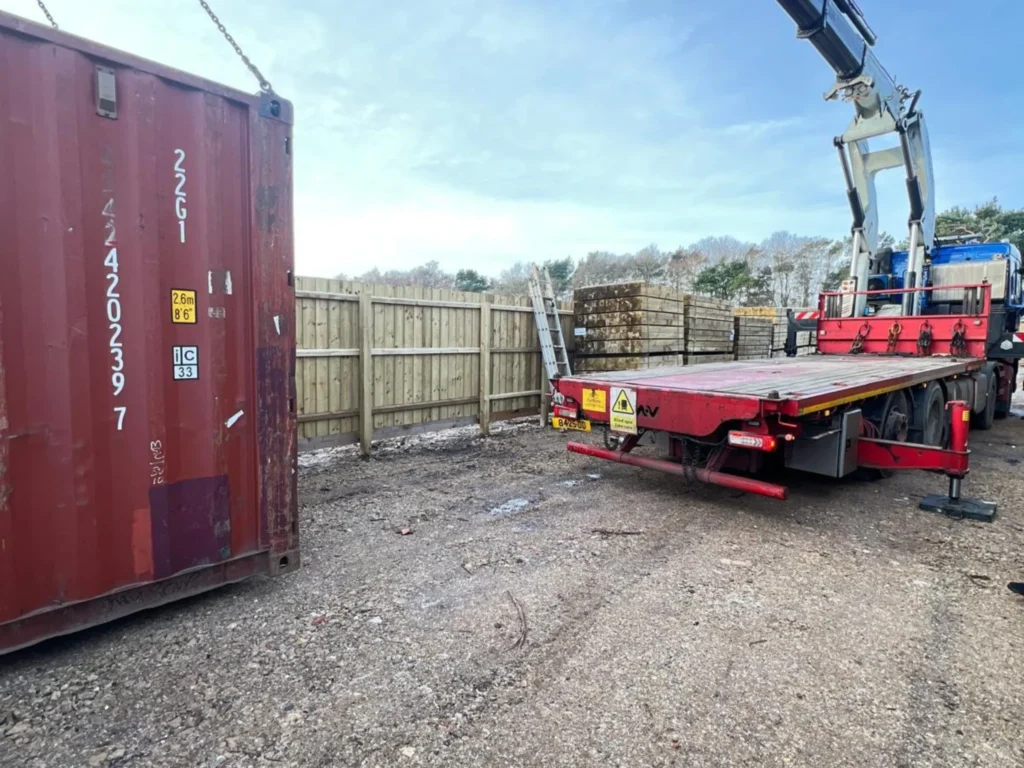
Turning space is critical, especially for 40ft containers.
Measure:
- The space available for the vehicle to turn or reverse
- Any tight corners near the site
- The distance from the entrance to the drop location
Sites with limited turning space often require the vehicle to reverse in. Long reverse distances increase delivery difficulty.
If you are unsure about space requirements for larger units, this is closely related to how much space is needed to deliver a 40ft shipping container.
Step 3: Measure Overhead Clearance
Overhead clearance is one of the most commonly overlooked issues.
You must check for:
- Tree branches
- Power lines
- Telephone cables
- Building overhangs
- Archways
Crane deliveries require clear vertical space to lift and position the container. Even if the vehicle can enter the site, overhead obstructions can prevent safe placement.
Always measure the lowest obstruction along the full delivery route.
Step 4: Assess Ground Conditions
The ground must support the weight of both the delivery vehicle and the container.
Check:
- Is the ground level
- Is it firm and load bearing
- Is it concrete, tarmac, or compacted hardcore
Soft ground, gravel, or sloped surfaces can cause crane instability and placement issues.
Poor ground conditions are a major contributor to the most common container delivery problems.
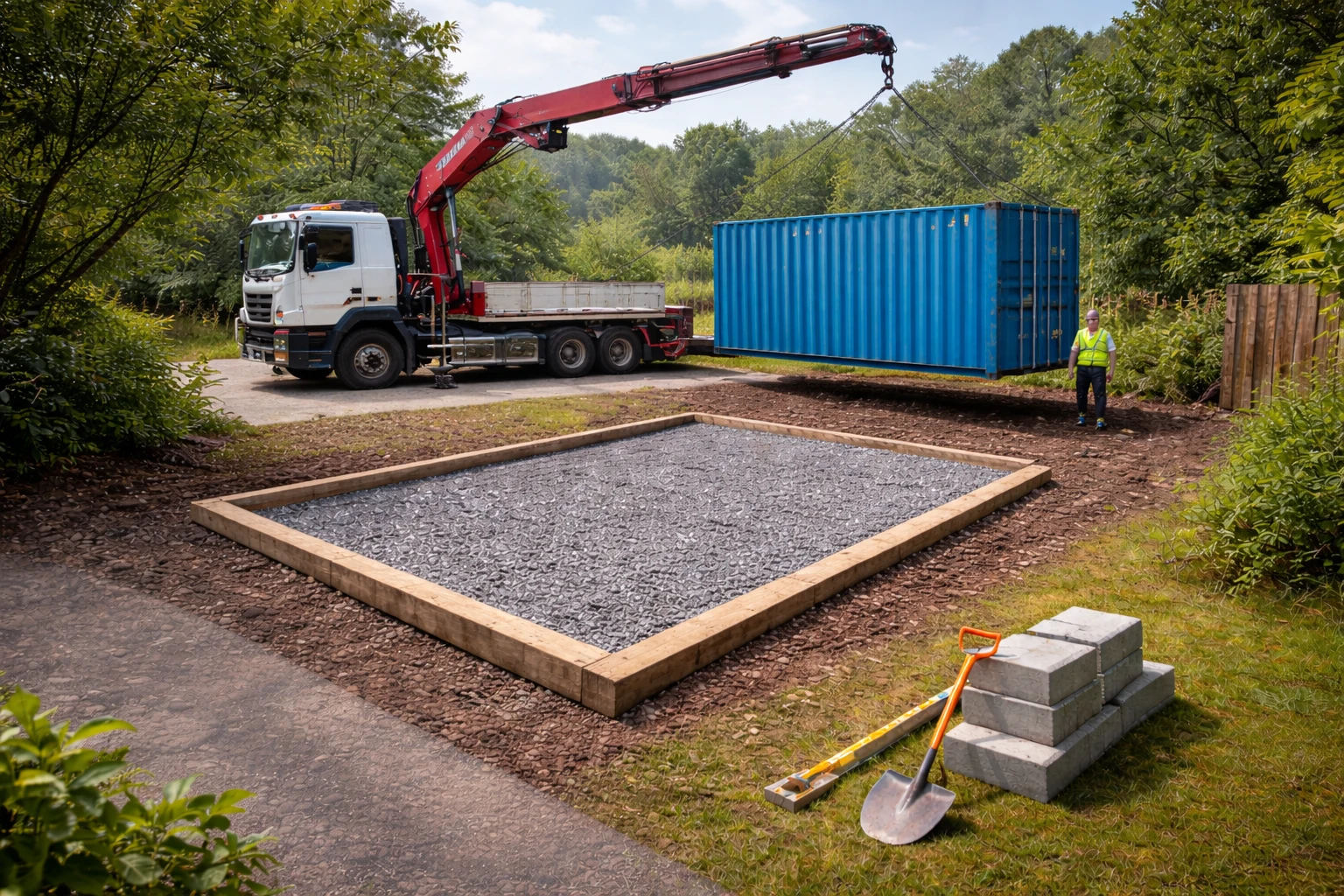
Step 5: Measure the Placement Area
The placement area is where the container will sit permanently.
Measure:
- The full container length and width
- Clearance for opening doors
- Space around the container for access and ventilation
Containers must be placed level to avoid door alignment problems and long-term structural strain.
Step 6: Identify Restrictions Early
Before delivery, identify any restrictions such as:
- Tight residential streets
- Parked vehicles
- Time limited access
- Weight restrictions
- Shared driveways
Early identification allows delivery methods to be adjusted or alternative solutions discussed.
Common Access Mistakes to Avoid
Some of the most common delivery issues come from simple measurement errors.
These include:
- Measuring the container size but not the vehicle size
- Ignoring overhead obstructions
- Underestimating turning space
- Assuming a delivery will fit because a van can access the site
Understanding common container delivery problems helps prevent costly mistakes.
Residential vs Commercial Access
Residential deliveries often face tighter access constraints.
Common challenges include:
- Narrow driveways
- Low trees
- Limited turning space
Commercial and industrial sites usually provide better access but may still have:
- Height restrictions
- Weight limits
- Internal traffic considerations
Measuring access accurately applies to both environments.
When Professional Advice Helps
If access is tight or unclear, professional guidance is recommended.
Suppliers can often:
- Review site photos
- Advise on alternative delivery methods
- Confirm feasibility before dispatch
This step can prevent failed deliveries and unexpected costs.
Final Thoughts
Measuring access for shipping container delivery is as important as choosing the right container size.
By checking width, turning space, overhead clearance, ground conditions, and placement area, you reduce risk and improve delivery success. Accurate measurements help ensure containers arrive on time, are placed correctly, and avoid unnecessary complications.