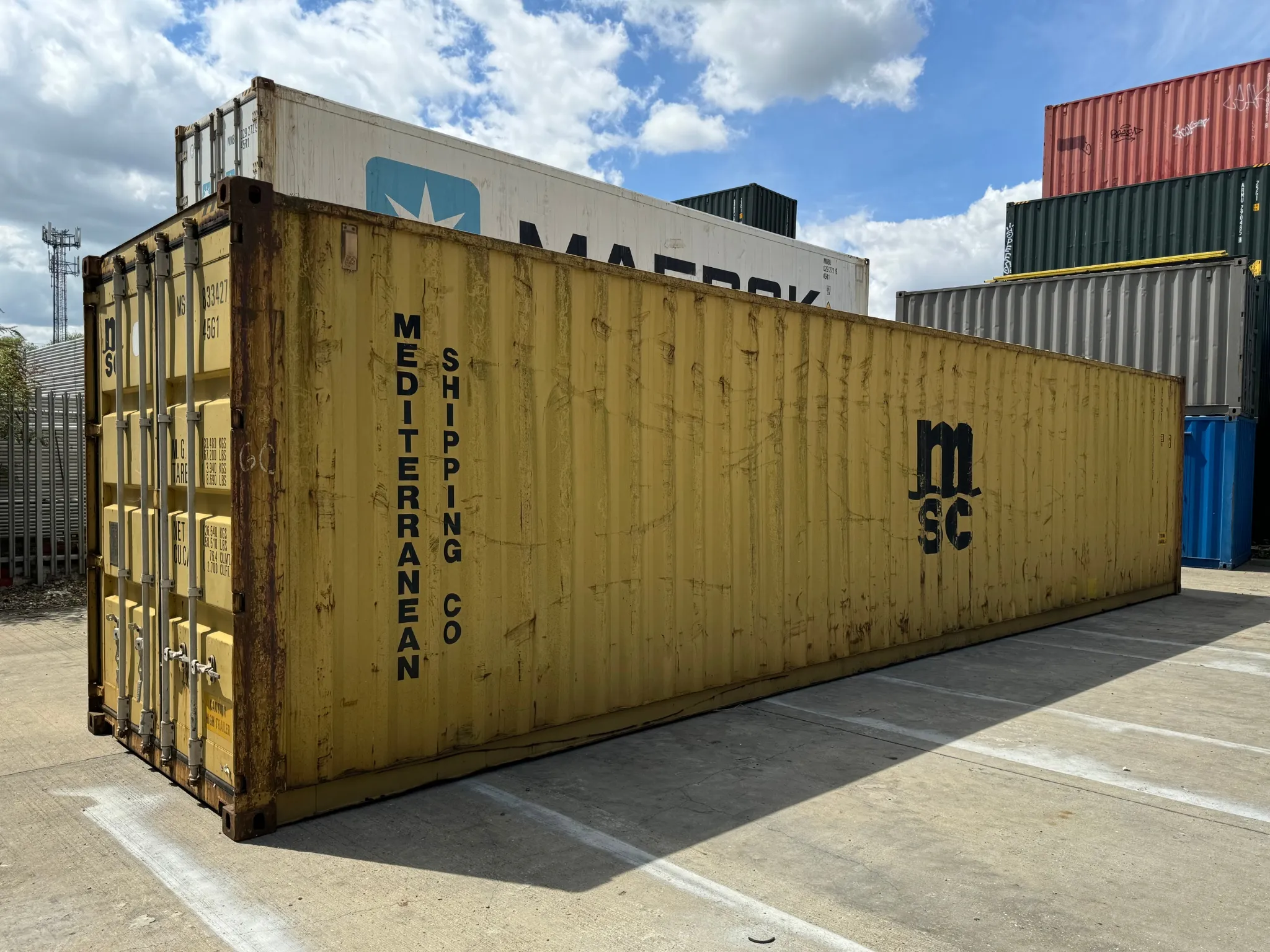
Shipping container offices typically cost between £4,500 and £15,000+ in the UK, depending on container size, specification, and internal fit-out.
Costs are driven by insulation, electrics, windows, heating, and layout, while setup requirements include ground preparation, power connections, and planning considerations. Delivery depends on site access, ground conditions, overhead clearance, and crane placement.
Introduction
Shipping container offices are now widely used across construction, commercial, and industrial sites in the UK.
They offer a practical alternative to traditional portable buildings. Faster installation, lower upfront cost, and long service life make container offices a popular choice for businesses needing flexible workspace.
Understanding the real costs, setup requirements, and delivery considerations is essential before committing.
What Is a Shipping Container Office?
A shipping container office is a standard steel container converted into a usable workspace.
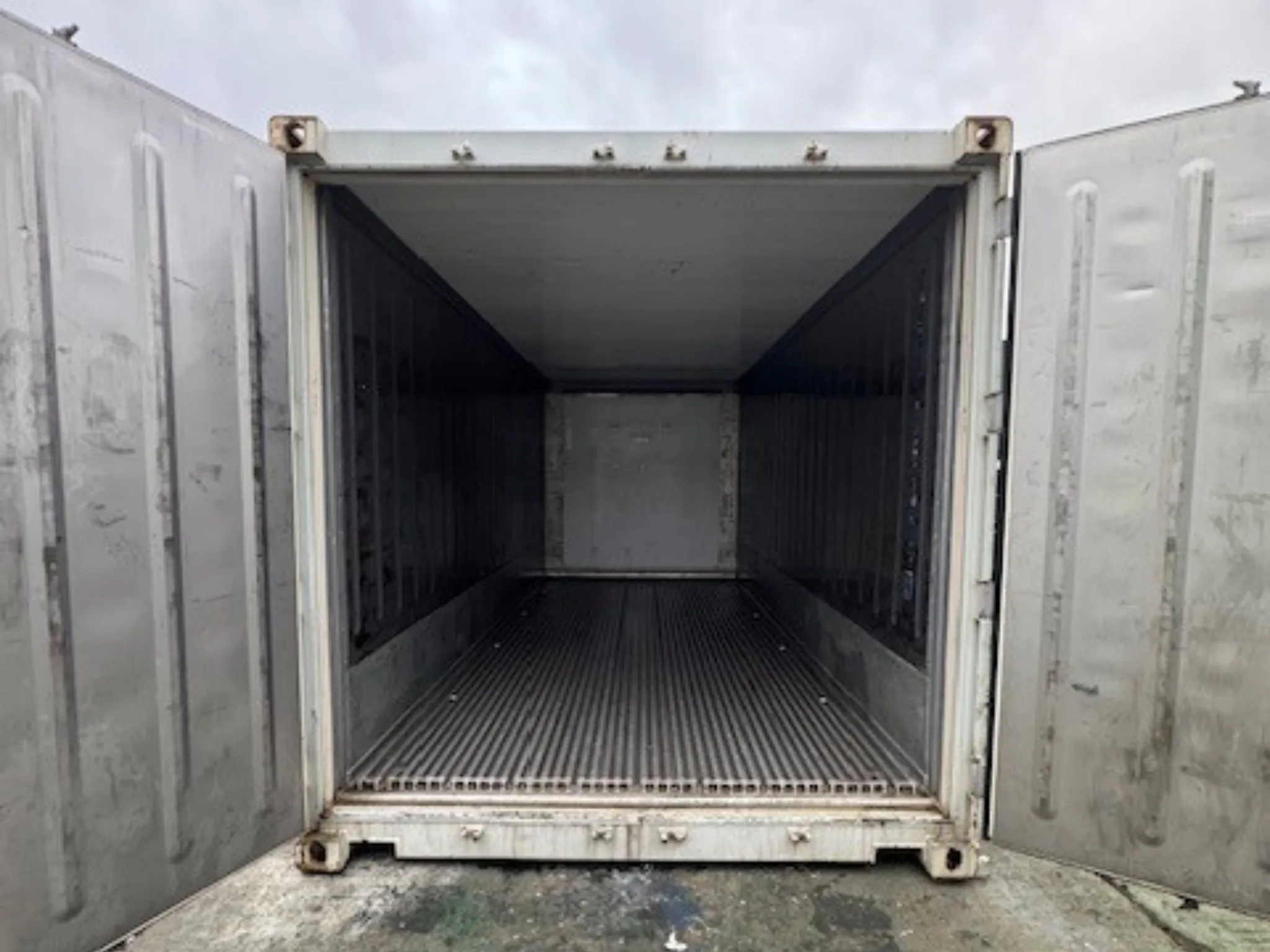
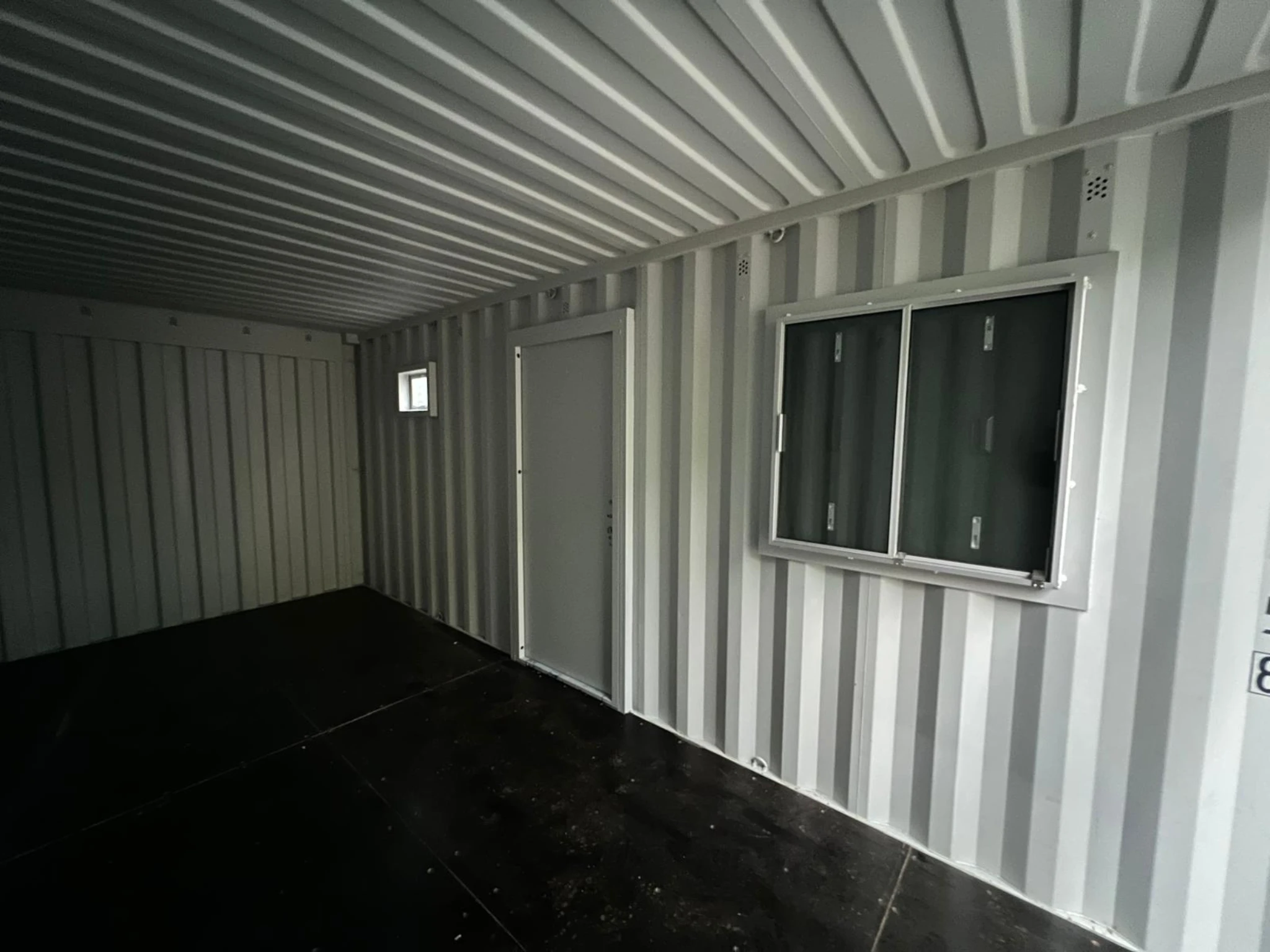
The container is structurally modified and fitted with insulation, anti-vandal windows, electrics, lighting, heating, and access points. Most units are based on 20ft or 40ft containers, either standard height or high cube depending on headroom requirements.
These units fall under container conversions rather than temporary cabins.
Why Businesses Choose Container Offices
Shipping container offices solve several common site problems.
They are chosen because they are:
- Faster to install than traditional buildings
- Cost-effective compared to modular offices
- Robust and secure by design
- Suitable for short-term or long-term use
- Easy to relocate if site needs change
For many businesses, they provide a permanent-quality office without permanent construction.
Types of Shipping Container Offices
Shipping container offices are not one-size-fits-all. Different specifications suit different sites, budgets, and use cases.
Basic container offices
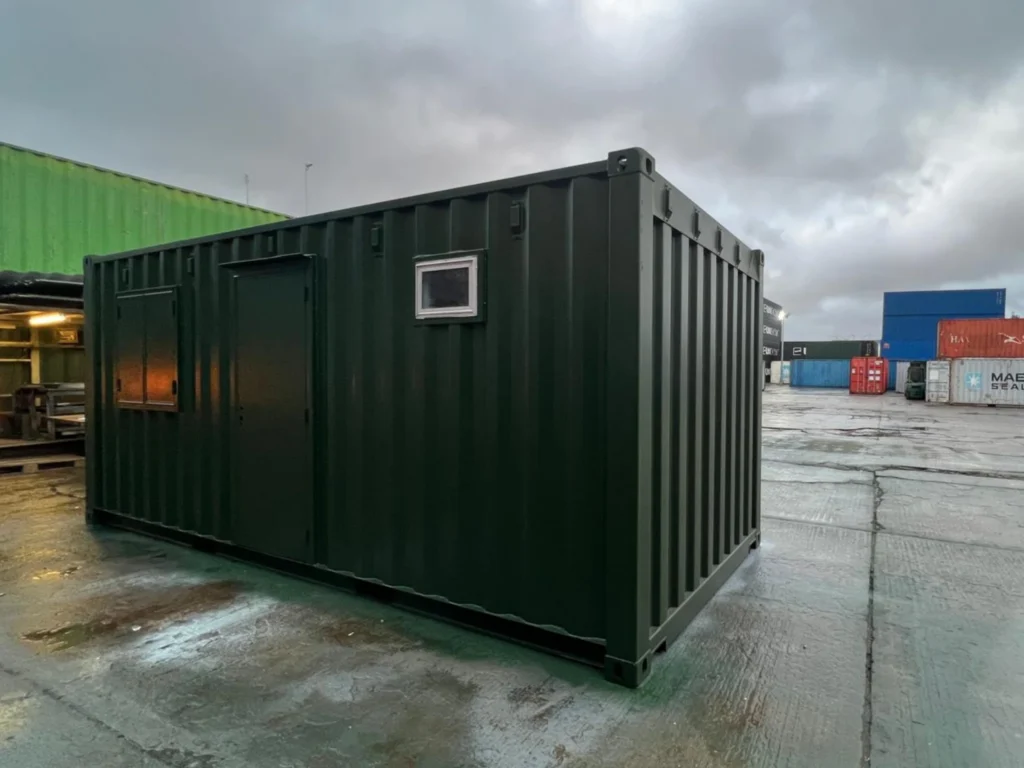
These are cost-led office units designed for practical, short-to-medium term use. They typically include insulation, electrics, lighting, a personnel door, and at least one window. Basic offices are commonly used on construction sites, yards, and industrial locations where function matters more than appearance.
Mid-spec or insulated container offices
Mid-spec container offices offer improved internal finishes and comfort. These units often include upgraded insulation, better wall lining, flooring, heating, and additional power points. They are suitable for longer-term site offices or locations where staff spend extended periods inside.
Bespoke or high-spec container offices
Bespoke container offices are built to order and tailored to specific requirements. Layouts, window placement, doors, electrics, and internal finishes can all be customised. These units are commonly used for customer-facing offices, commercial premises, or long-term business use where appearance and usability are important.
Single-unit and multi-unit office setups
Container offices can be supplied as standalone units or combined to create larger workspaces. Multiple containers can be joined side-by-side or stacked, subject to structural checks and site conditions. This approach is often used for growing teams or projects requiring separate office and meeting areas.
Other Names for Shipping Container Offices
Shipping container offices are sometimes referred to as site offices, portable offices, or anti-vandal offices, depending on their use and specification. While terminology varies, most refer to the same type of steel container converted into a secure, insulated workspace.
Shipping Container Office Costs Explained
Base container cost
The starting point is the container itself.
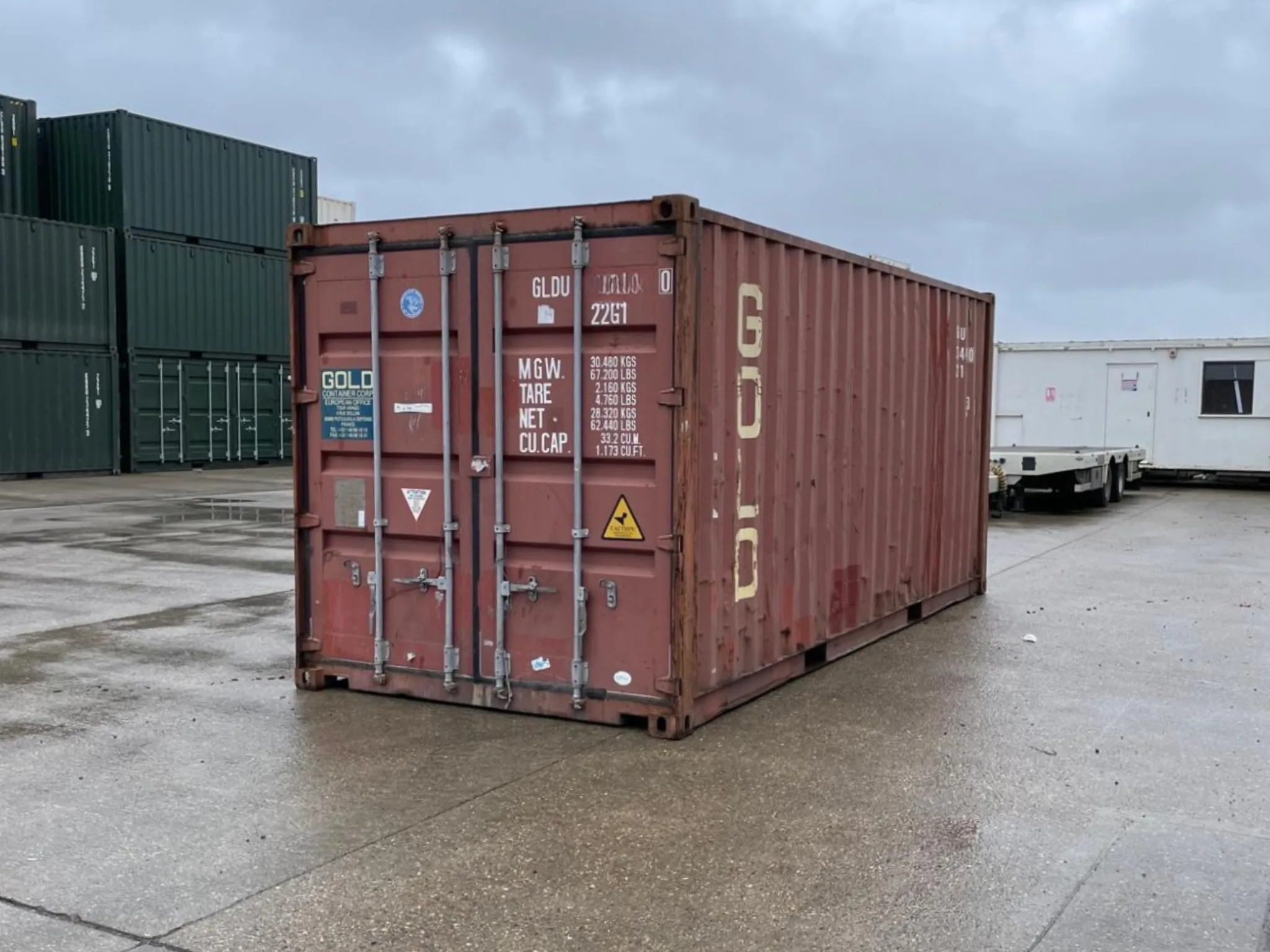
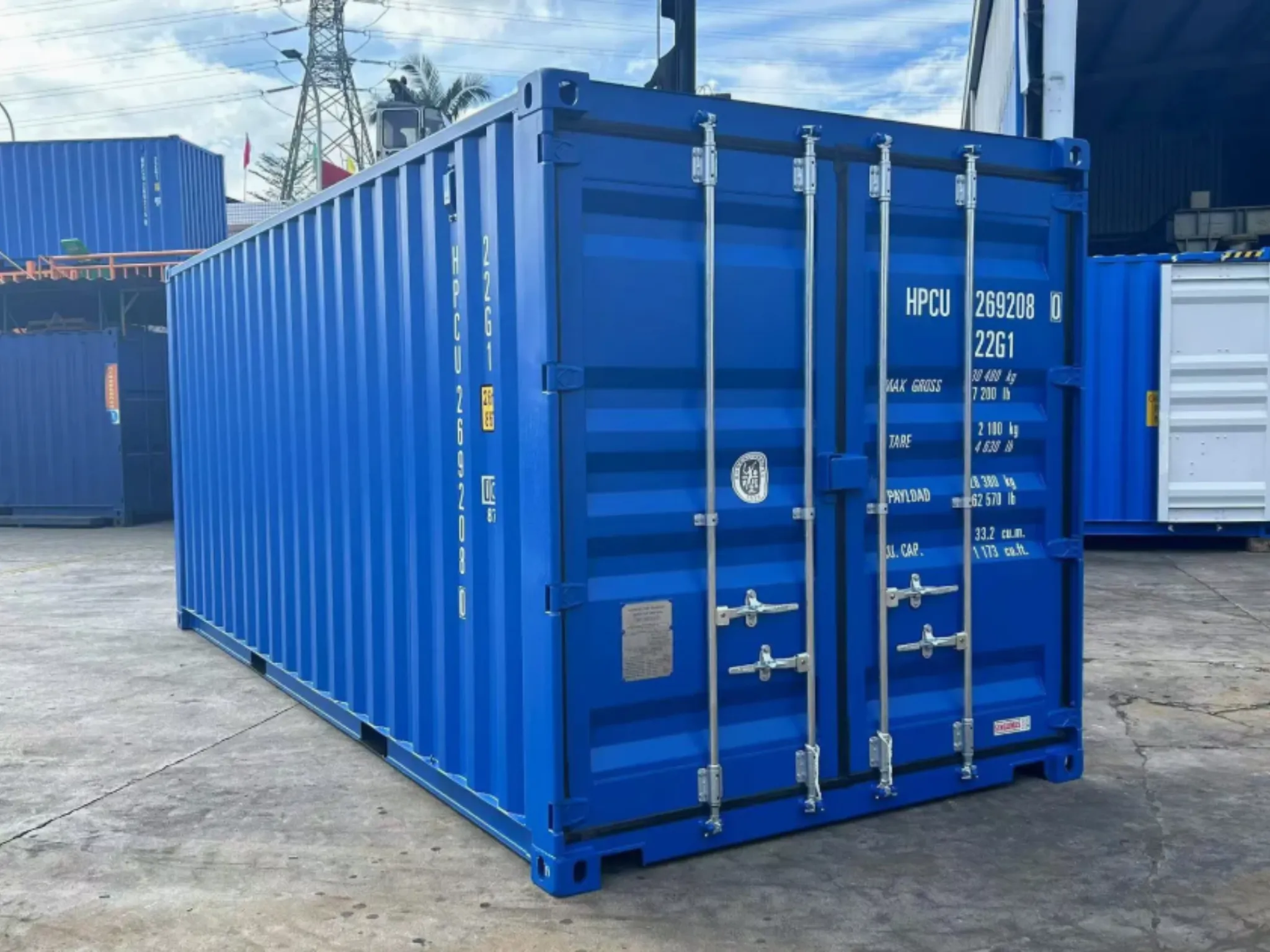
Used containers are cheaper. New or one-trip containers cost more but offer better appearance and longer lifespan.
Typical container costs:
- 40ft units: higher cost but more usable space
- 20ft used container: lower entry cost
- 20ft new container: higher upfront, better finish
Conversion and fit-out costs
The main cost comes from the internal fit-out.
Factors that affect price include:
- Insulation type and thickness
- Electrical installation and lighting
- Windows and personnel doors
- Heating or air conditioning
- Internal wall lining and flooring
A basic office fit-out costs less than a fully finished workspace.
Typical UK price ranges
As a general guide:
- Basic 20ft office conversion: from £4,500 to £7,000
- Mid-spec container office: £7,000 to £10,000
- High-spec or 40ft office: £10,000 to £15,000+
Prices vary by specification, not just size.
Setup Requirements for Container Offices
Ground preparation
Container offices must sit on level, load-bearing ground.
Common base options include:
- Concrete pads
- Hardcore bases
- Railway sleepers
Poor ground preparation leads to door alignment issues and long-term problems.
Power and services
Most container offices require:
- Mains electrical connection
- Data or internet supply
- Heating provision
Services should be planned before delivery.
Planning considerations
In many cases, container offices are classed as temporary structures.
Planning permission may not be required if:
- The unit is temporary
- Land use does not change
- No permanent foundations are installed
Local authority guidance should always be checked.
Do Shipping Container Offices Need Planning Permission?
In most UK cases, container offices used temporarily on commercial or industrial land do not require planning permission. However, factors such as permanence, utilities, change of land use, and location can trigger approval requirements. Always check with your local authority before installation.
Delivery Considerations for Shipping Container Offices
Vehicle access
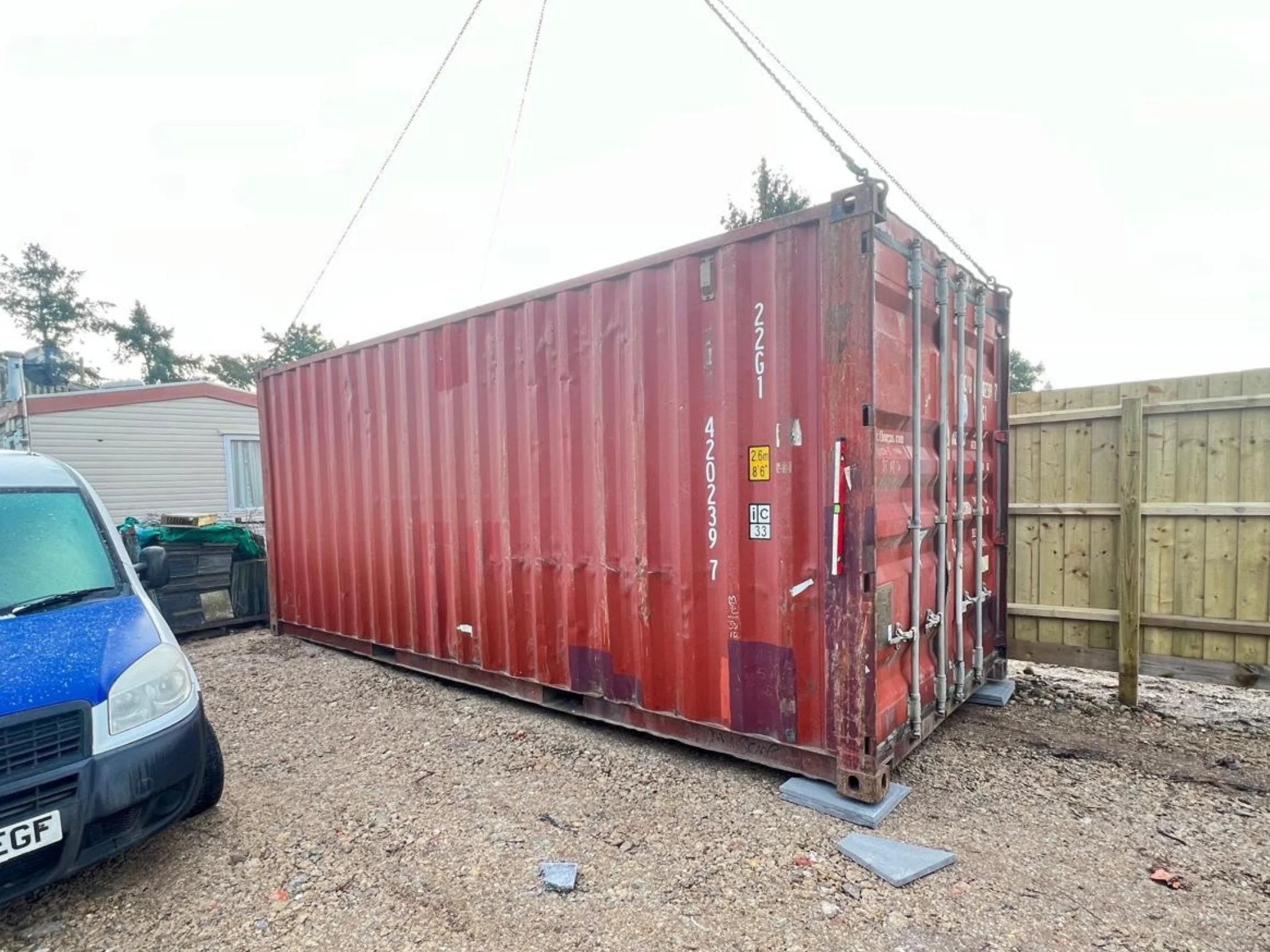
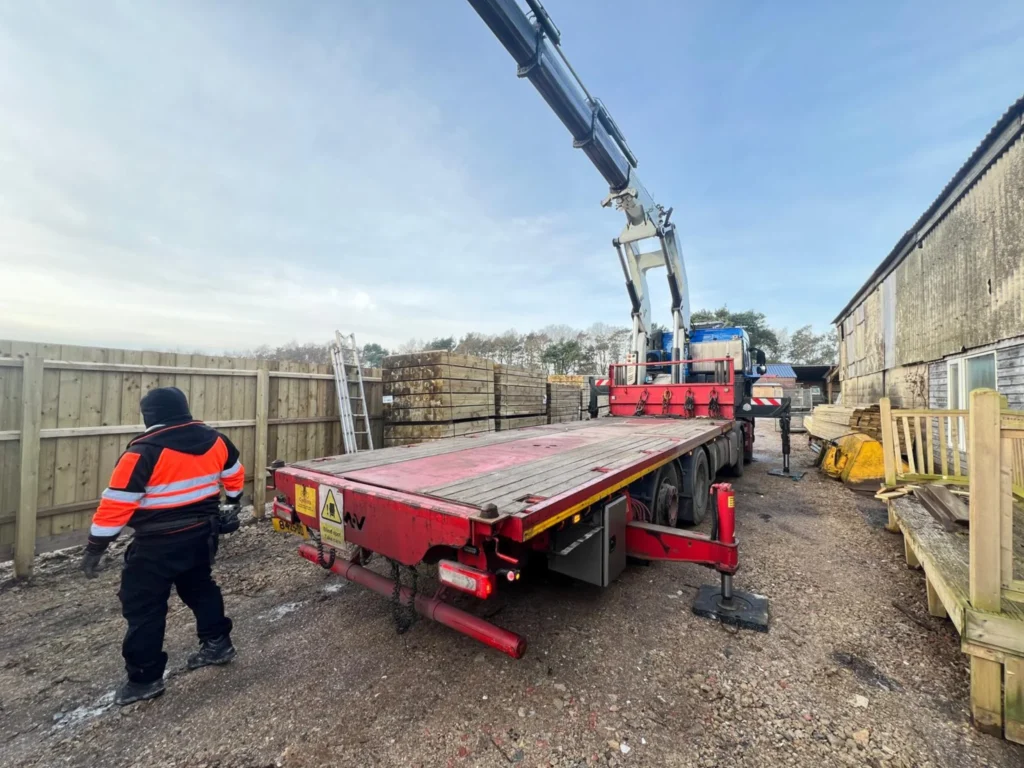
Container offices are delivered using Hiab crane lorries.
Sites must allow:
- Straight access for a long vehicle
- Adequate turning space
- Clear placement area
Restricted access is the most common cause of failed deliveries.
Overhead clearance
Crane deliveries require vertical clearance.
Obstructions such as cables, trees, or buildings must be identified in advance.
Placement accuracy
Office containers must be placed accurately.
Doors, windows, and access steps rely on correct positioning.
What Comes With a Shipping Container Office
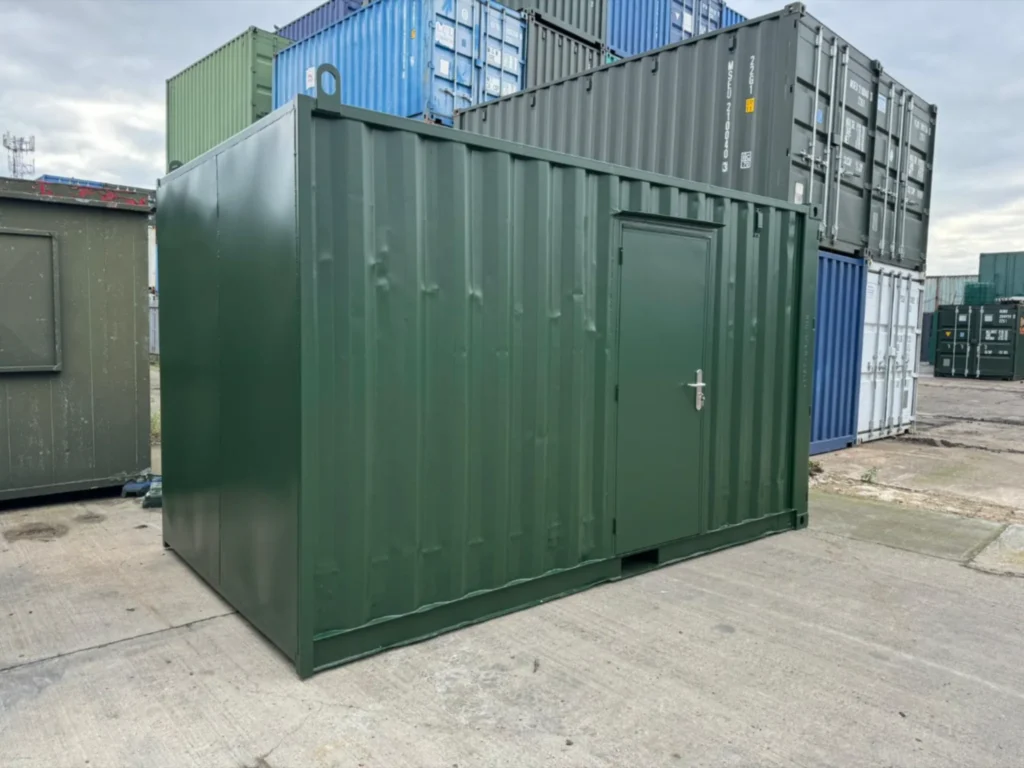
Shipping container offices are designed to be practical and quick to deploy on site.
Many container offices are delivered ready to use, with insulation, electrics, lighting, and power points pre-installed, allowing businesses to connect power and start using the unit immediately.
Depending on specification, additional features such as heating, data points, or welfare fittings can also be included.
Common Office Layout Options
Single office unit
A single 20ft container works well for:
- Small admin teams
- Site offices
- Security offices
Multi-room layouts
Larger teams often use:
- 40ft containers
- Partitioned internal spaces
- Separate meeting areas
Stacked office units
High cube containers are often stacked to create:
- Two-storey office blocks
- Combined office and storage setups
Stacking requires structural checks and proper foundations.
Ongoing Running Costs
Shipping container offices have low ongoing costs.
Most expenses relate to:
- Electricity usage
- Heating
- Routine maintenance
Steel construction keeps long-term maintenance minimal.
When a Shipping Container Office May Not Be Suitable
Container offices may not suit every situation.
They may not be ideal if:
- Site access is extremely restricted
- A permanent brick structure is required
- Planning restrictions apply
In these cases, alternative solutions should be considered.
FAQs: Shipping Container Offices
How much does a shipping container office cost in the UK?
Shipping container offices typically cost between £4,500 and £15,000+, depending on size, specification, and internal fit-out. Basic 20ft offices are the lowest cost, while high-spec or 40ft container offices with heating, multiple windows, and upgraded finishes sit at the higher end.
How are shipping container offices delivered?
Shipping container offices are typically delivered using a Hiab crane lorry. Delivery requires clear vehicle access, sufficient turning space, level ground, and adequate overhead clearance for safe placement.
Are shipping container offices secure?
Yes. Shipping container offices are built from steel containers and are naturally secure. Many include reinforced doors, lockable windows, and anti-vandal features, making them suitable for construction sites, yards, and unsecured locations.
Can shipping container offices be relocated?
Yes. One of the key advantages of container offices is that they can be relocated if site requirements change, provided access is suitable for lifting and transport.
Final Thoughts
Shipping container offices offer a practical, cost-effective workspace solution for UK businesses.
Understanding the full costs, setup requirements, and delivery constraints helps avoid problems later.
With proper planning, a container office can provide years of reliable use with minimal disruption.
How to Get Started
For businesses considering shipping container offices, early advice makes a difference.
For a fast quote and delivery guidance, contact Bosh Boxes, a trusted UK shipping container supplier.