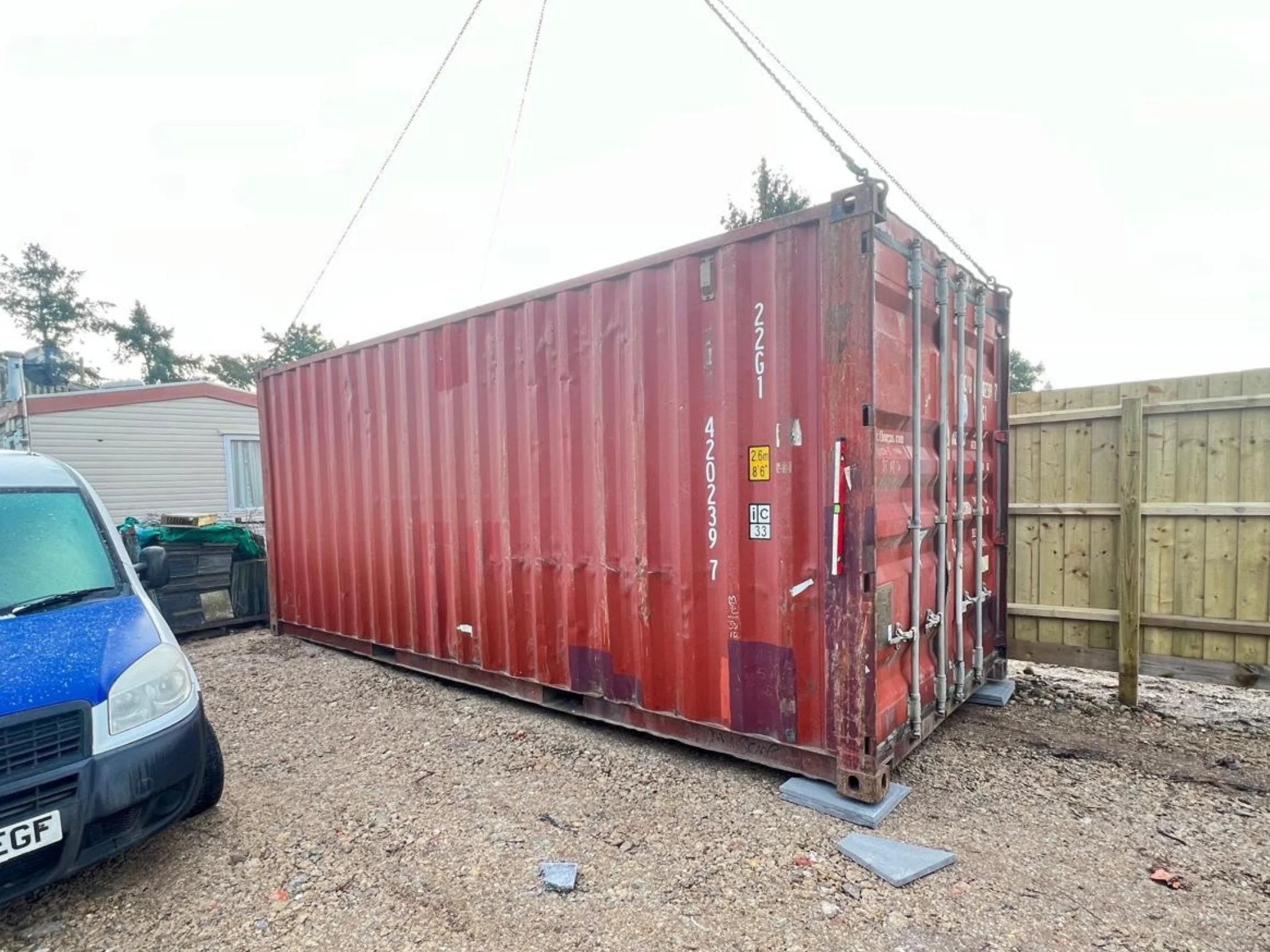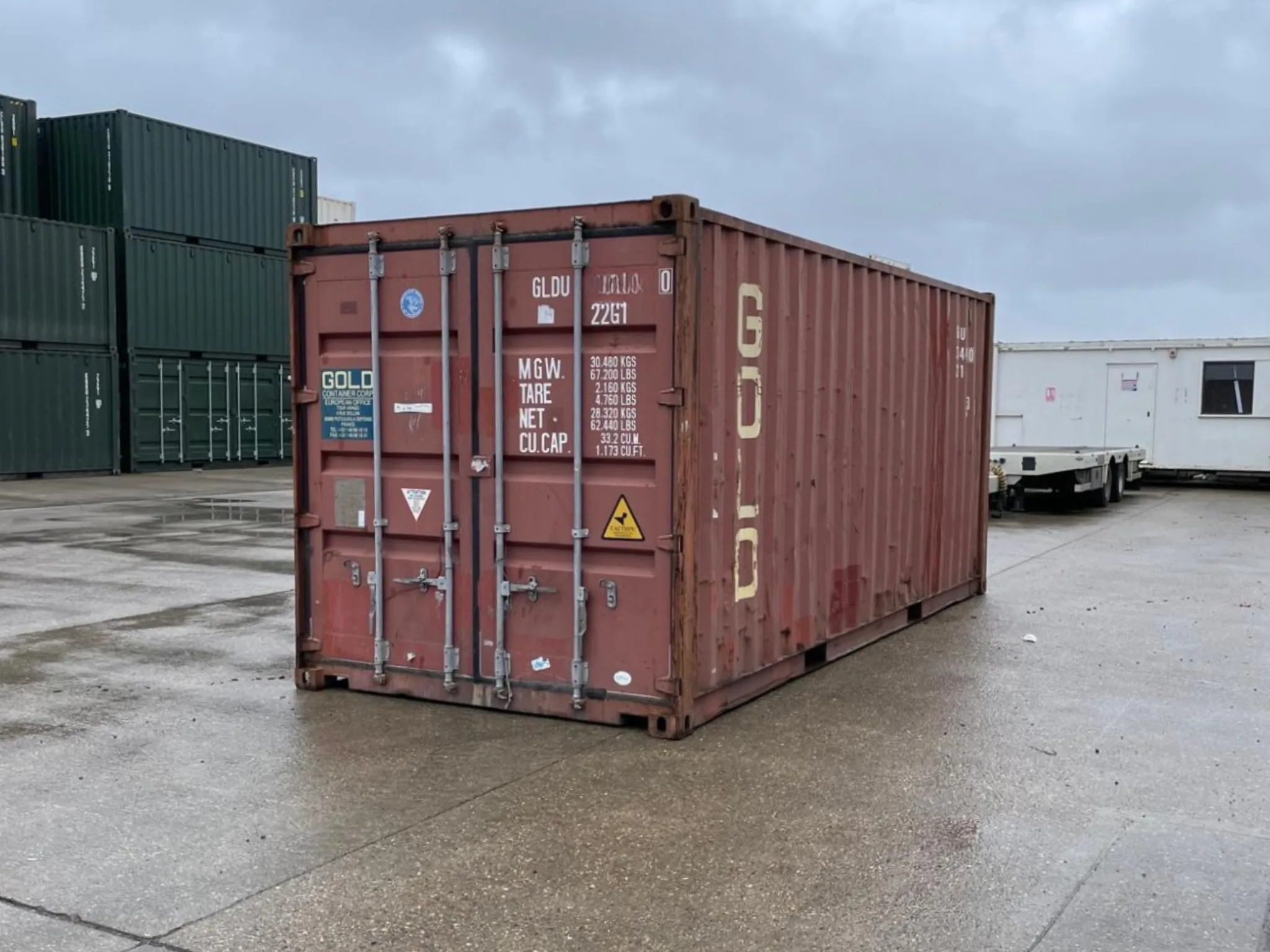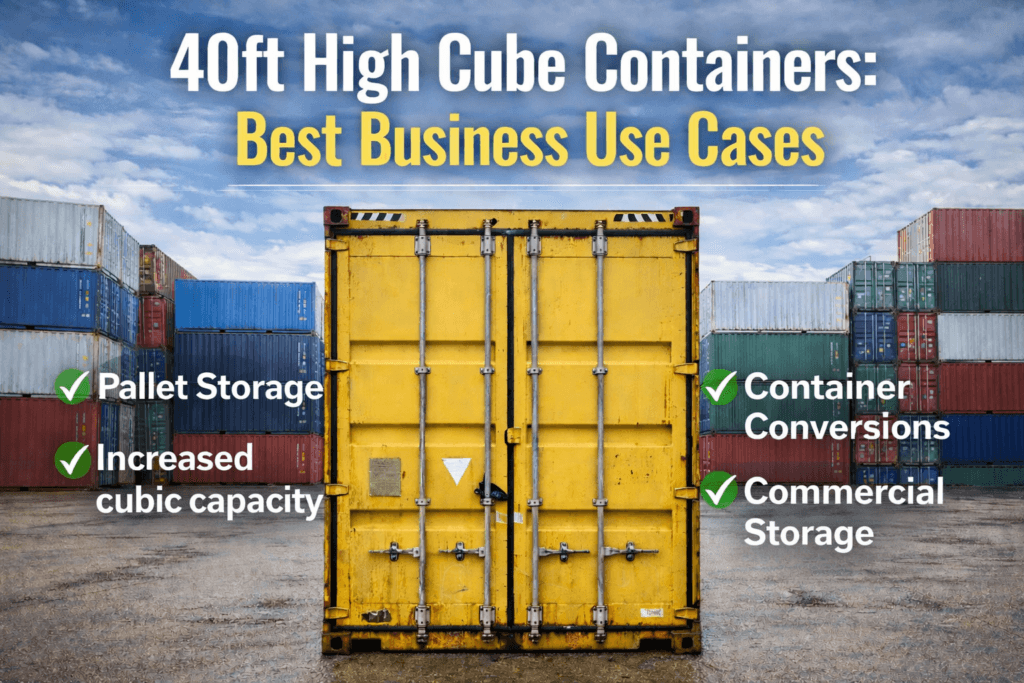
40ft High Cube Containers: Best Business Use Cases. A 40ft high cube container is commonly used where standard containers fall short in height, such as bulk pallet storage, tall machinery, or racked commercial stock. With an extra 30cm of vertical space compared to a standard 40ft container, high cube units are ideal for tall machinery, bulk pallet storage, racked stock, and container conversions where headroom matters.
Introduction
When storage volume becomes the limiting factor, floor space alone is not always enough. Many UK businesses reach a point where height matters just as much as length. This is where 40ft high cube containers offer a clear advantage over standard units.
Used across logistics, manufacturing, construction and commercial storage, high cube containers provide additional vertical clearance without increasing the footprint on site. This makes them particularly valuable where space is restricted but storage demands are high.
What Is a 40ft High Cube Container?
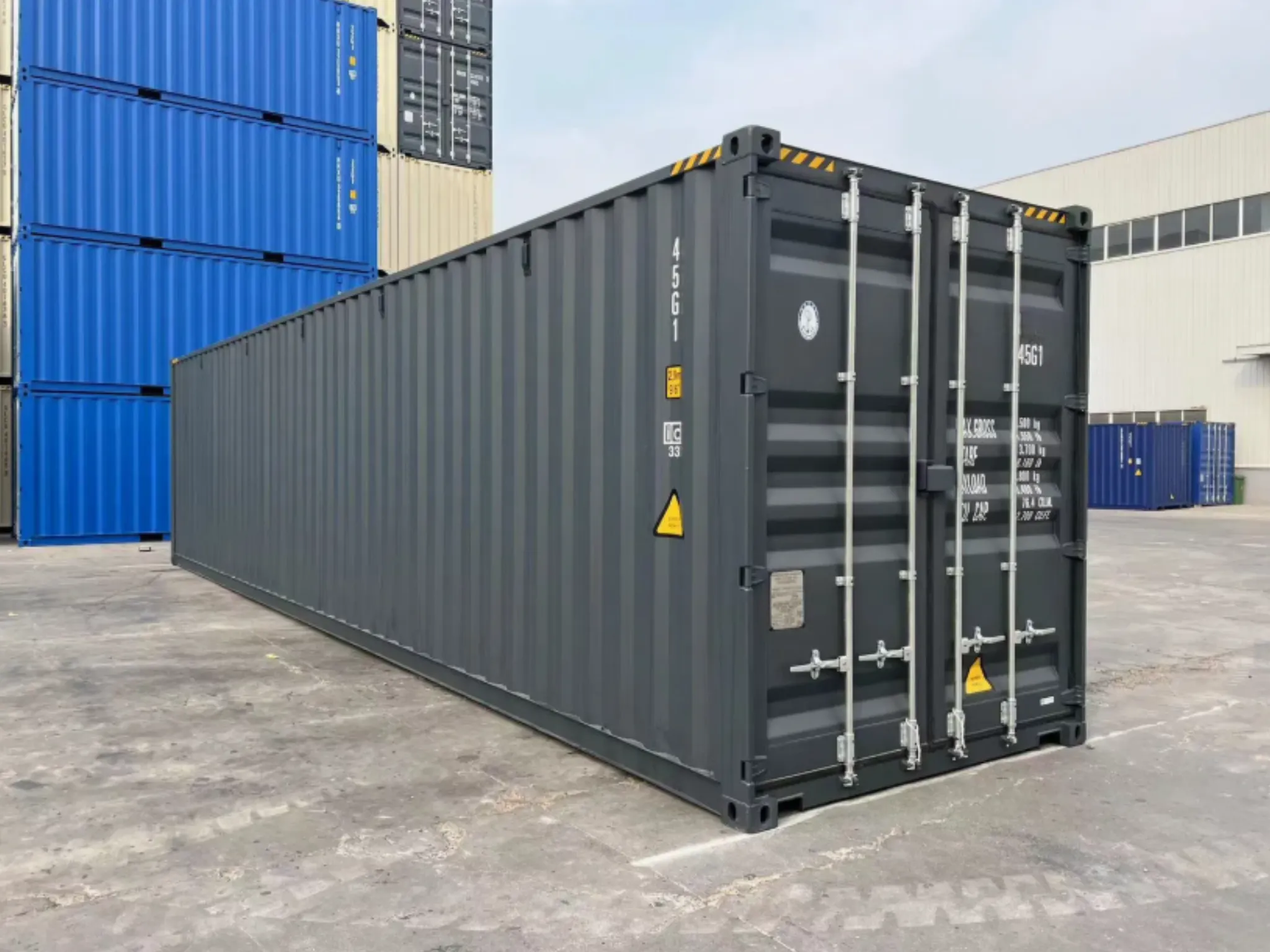
A 40ft high cube container is the taller version of a standard 40ft shipping container.
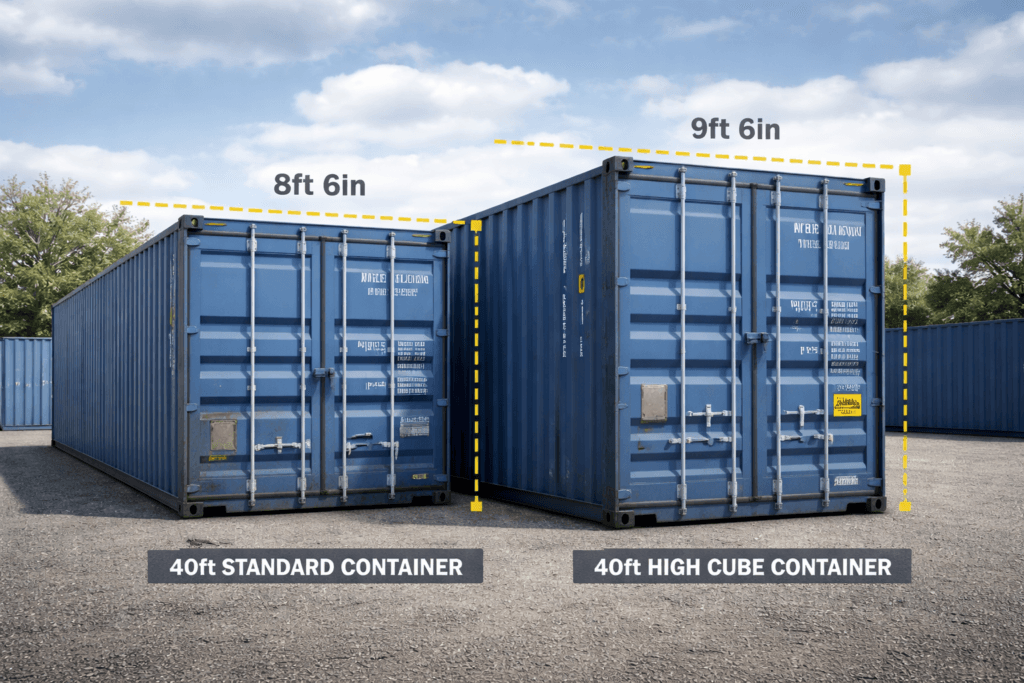
Key differences compared to a standard 40ft unit
- Same external length and width
- Approximately 30cm extra internal height
- Greater total cubic capacity
- Better suited to tall or stacked goods
This additional height often removes the need for double stacking across multiple containers, helping businesses consolidate storage into one secure unit.
For a full breakdown of external measurements, internal dimensions, door opening sizes and pallet capacity, see our guide on 40ft Shipping Container Dimensions.
When Size Really Matters for Business Storage
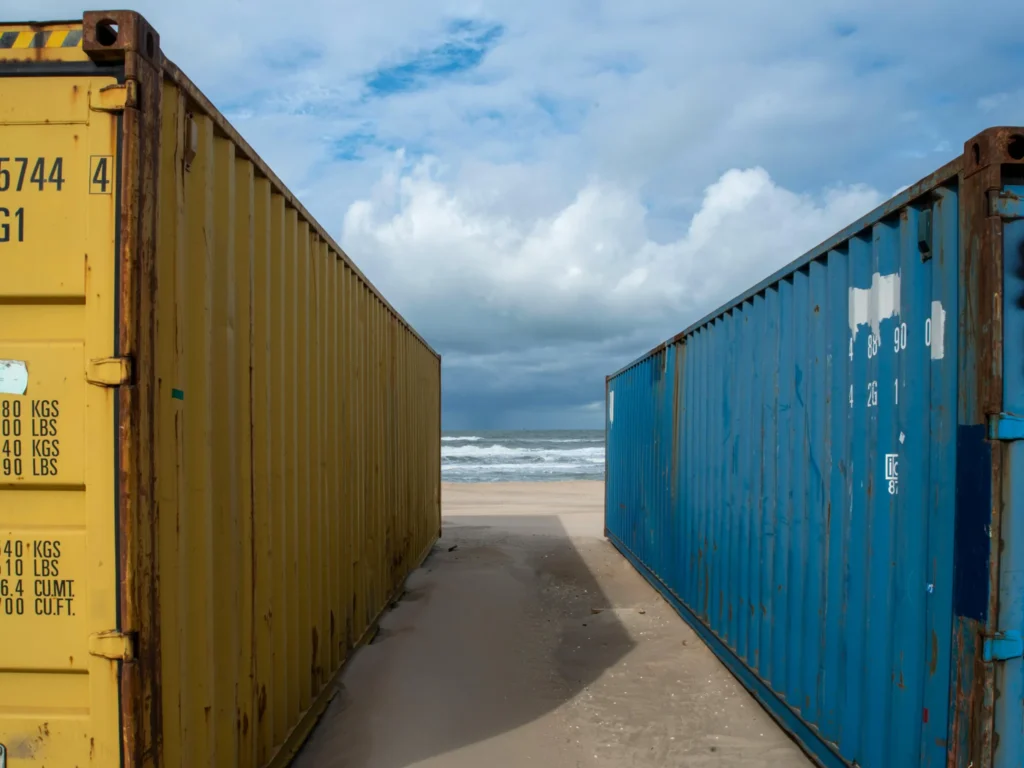
Not all storage problems are solved by adding more containers. In many cases, the issue is inefficient use of vertical space.
A 40ft high cube container makes sense when
- Stock is stacked high on pallets
- Goods cannot be compressed or laid flat
- Equipment exceeds standard container height
- Racking systems are planned
- Access and movement inside the container is required
For businesses paying for external storage or warehouse overflow, the extra headroom can significantly improve cost efficiency per cubic metre.
Choosing extra height instead of additional containers can reduce site congestion and simplify access.
Understanding the Cost Difference Between Standard and High Cube
While the footprint of a 40ft high cube container is identical to a standard 40ft unit, pricing can vary depending on stock levels, condition, and UK depot availability. Buyers often compare both height specification and container condition before deciding whether a used or new unit represents better value. A detailed breakdown of these differences is explained in our guide to New vs Used 40ft Shipping Containers: Price, Lifespan & Which Is Better.
High cube containers often carry a modest premium due to increased internal height and demand for commercial storage and conversions. However, during periods of strong availability, price differences can narrow.
Buyers wanting to understand why container prices vary between suppliers, condition, depot location and delivery requirements can also review What Affects the Price of a 40ft Shipping Container?
For a full breakdown of pricing, including used, new one-trip and delivery costs, see our guide: How Much Does a 40ft Shipping Container Cost in the UK?
Reviewing realistic cost expectations helps businesses decide whether the additional height delivers better value per cubic metre.
Best Business Use Cases for 40ft High Cube Containers
Logistics and Distribution
High cube containers are widely used in logistics due to their ability to handle taller pallet stacks.
They are well suited to:
- Bulk pallet storage
- Cross-docking operations
- Overflow stock holding
- Temporary depot storage
The extra height allows standard pallet racking systems to be installed more effectively.
Manufacturing and Engineering
Manufacturing environments often involve equipment and components that exceed standard container height.
High cube containers are commonly used for:
- Machinery storage
- Tooling and spare parts
- Production overflow stock
- Secure holding of finished goods
The additional headroom also improves airflow and working clearance inside the unit.
Construction and Infrastructure Projects
Construction sites benefit from high cube containers where bulky or irregular materials are involved.
Typical uses include:
- Site equipment storage
- Formwork and materials
- Mechanical plant components
- Secure tool compounds
Using a single high cube container instead of multiple smaller units helps reduce site clutter and improve access.
Retail, Wholesale and Seasonal Stock
Retailers handling high volumes of boxed or palletised goods often outgrow standard containers quickly.
A 40ft high cube container works well for:
- Seasonal stock storage
- Promotional product holding
- Bulk imports awaiting distribution
- E-commerce fulfilment overflow
The extra vertical capacity helps businesses prepare for peak trading periods without committing to long-term warehouse contracts.
Container Conversions and Workshops
High cube containers are often preferred for conversions where interior usability matters.
They are commonly adapted into:
- Workshops
- Mobile production units
- Technical workspaces
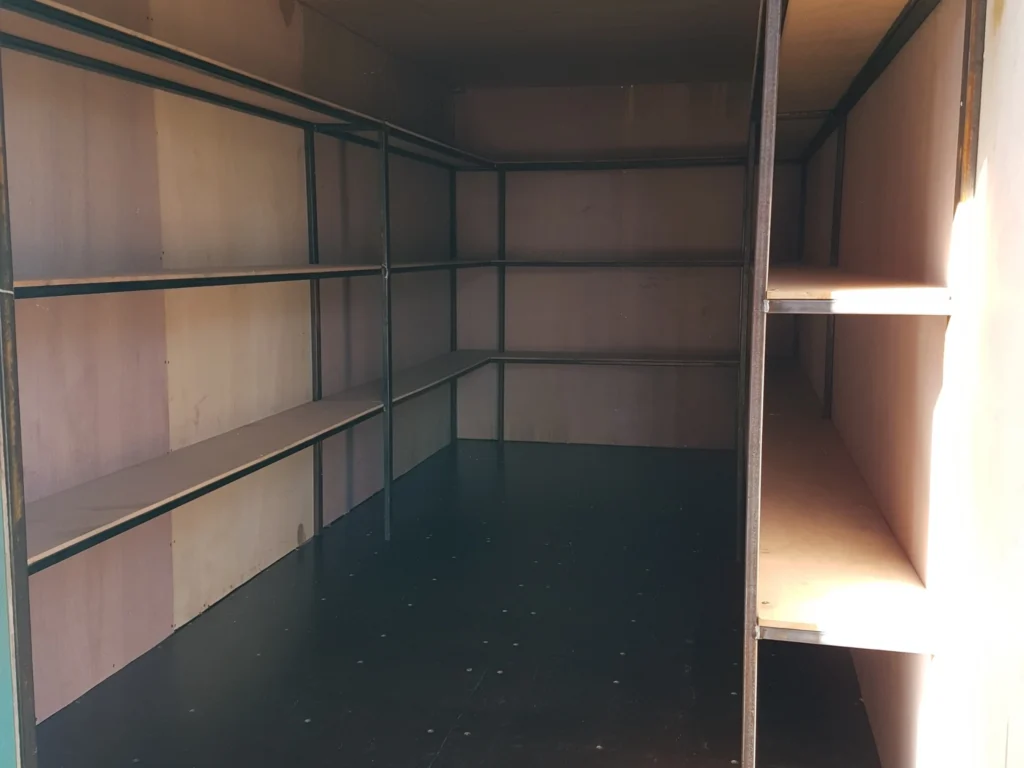
- Storage with mezzanine shelving
The increased ceiling height improves comfort, safety, and layout flexibility.
40ft High Cube Storage Capacity Explained
Typical storage benefits of a 40ft high cube container
- Increased cubic capacity compared to standard units
- Improved stacking height for pallets
- Better suitability for racking systems
- Reduced need for multiple containers
For many businesses, this results in fewer deliveries, lower transport costs, and simpler site management.
The extra internal height also improves forklift clearance and reduces handling damage when loading bulky items.
A 40ft high cube container can typically accommodate around 20 to 22 standard pallets, depending on layout and stacking height.
When storing heavy palletised goods, it is also important to understand container load limits. Our guide 40ft Shipping Container Weight: Tare, Payload & Gross Explained explains typical tare weight, payload capacity, and maximum gross weight for both standard and high cube containers.
40ft High Cube vs Standard 40ft Container Size Comparison
The table below compares a 40ft high cube container with a standard height 40ft container, showing internal dimensions, external dimensions, and average storage capacity side by side.
This helps buyers quickly see how much extra height and usable volume a high cube container provides for business storage and commercial use.
| Specification | 40ft High Cube Container | Standard 40ft Container |
|---|---|---|
| External Length | 12.19m | 12.19m |
| External Width | 2.44m | 2.44m |
| External Height | 2.89m | 2.59m |
| Internal Length | 12.03m | 12.03m |
| Internal Width | 2.35m | 2.35m |
| Internal Height | 2.69m | 2.39m |
| Average Internal Capacity | ~76 cubic metres | ~67 cubic metres |
What This Comparison Shows
Both container types offer the same footprint, but the 40ft high cube container provides around 30cm of extra internal height.
This additional headroom delivers approximately 13 percent more internal volume, making high cube containers better suited to tall pallets, racked stock, machinery, and container conversions.
For businesses storing low-profile goods, a standard 40ft container may be sufficient. For operations where vertical space matters, a high cube container often delivers better value per cubic metre.
Delivery and Site Access Considerations
While high cube containers offer more space, delivery planning is essential.
Before ordering a high cube container, buyers should also understand the full buying process, including choosing between new and used units, confirming site access, and planning delivery requirements. Our guide How to Buy a 40ft Shipping Container (Step-by-Step Guide) explains the complete process UK buyers typically follow when purchasing a 40ft container.
Things to check before ordering
- Site access for a 40ft vehicle
- Turning space for Hiab or articulated lorry
- Ground conditions and load bearing capacity
- Overhead clearance, including cables and trees
Industrial yards, farms, depots and commercial sites are usually suitable. Tight residential access may require additional planning.
For a detailed breakdown of vehicle access width, turning requirements, and overhead clearance, read our guide on How Much Space Is Needed to Deliver a 40ft Shipping Container. Understanding delivery space before ordering helps prevent failed drops and avoids unnecessary transport charges.
When a Standard 40ft Container May Be Enough
A high cube container is not always necessary.
A standard 40ft unit may be sufficient if:
- Goods are low profile
- No racking is required
- Height is not a limiting factor
- Budget is the primary concern
Understanding your actual storage needs helps avoid paying for unused space.
Final Thoughts
For businesses where height is a constraint, 40ft high cube containers provide a practical and efficient solution. The additional vertical space improves storage density, usability and long-term flexibility across a wide range of industries.
When size truly matters, upgrading to a high cube container can simplify operations, reduce costs per cubic metre, and future-proof your storage setup.