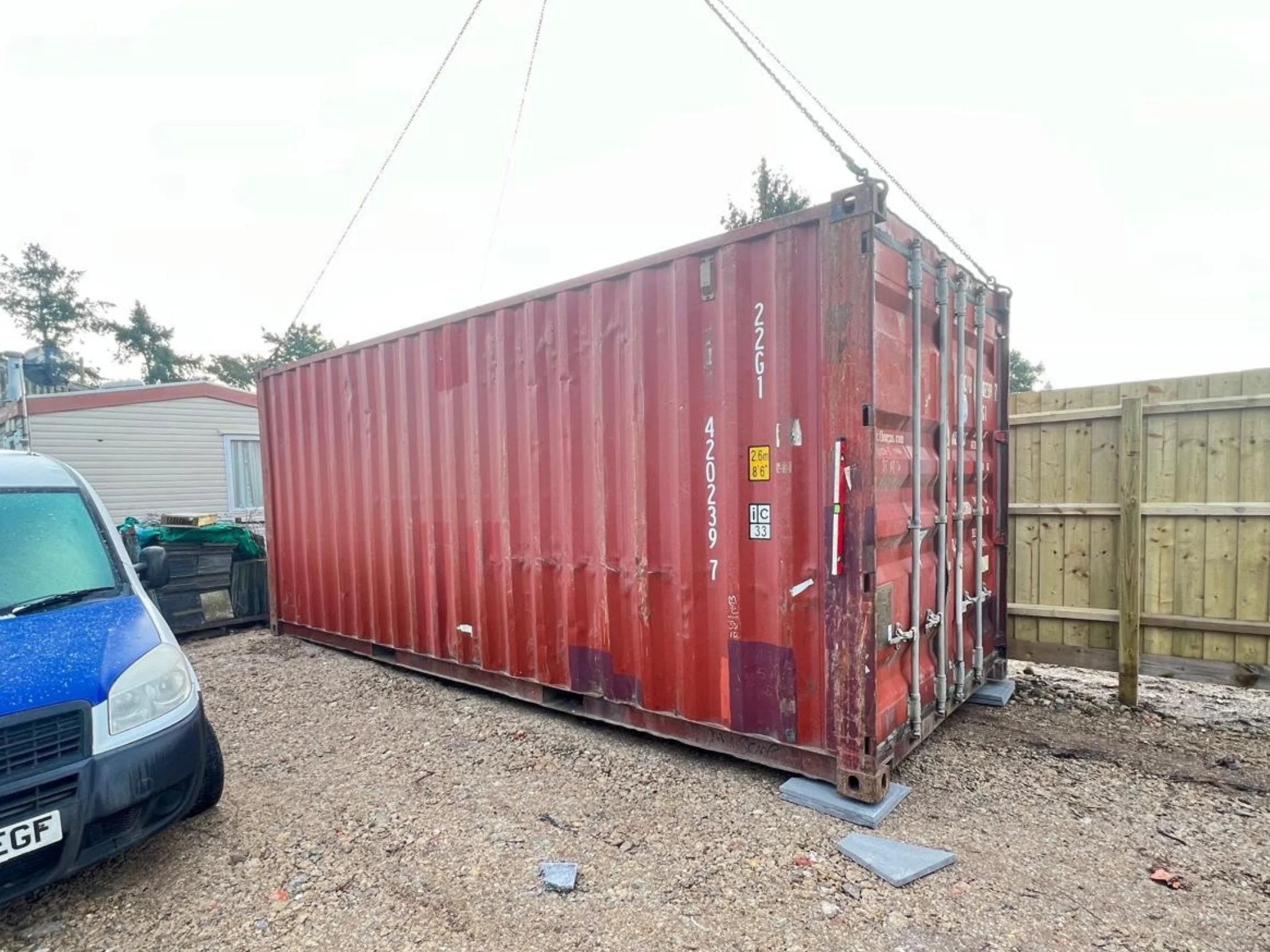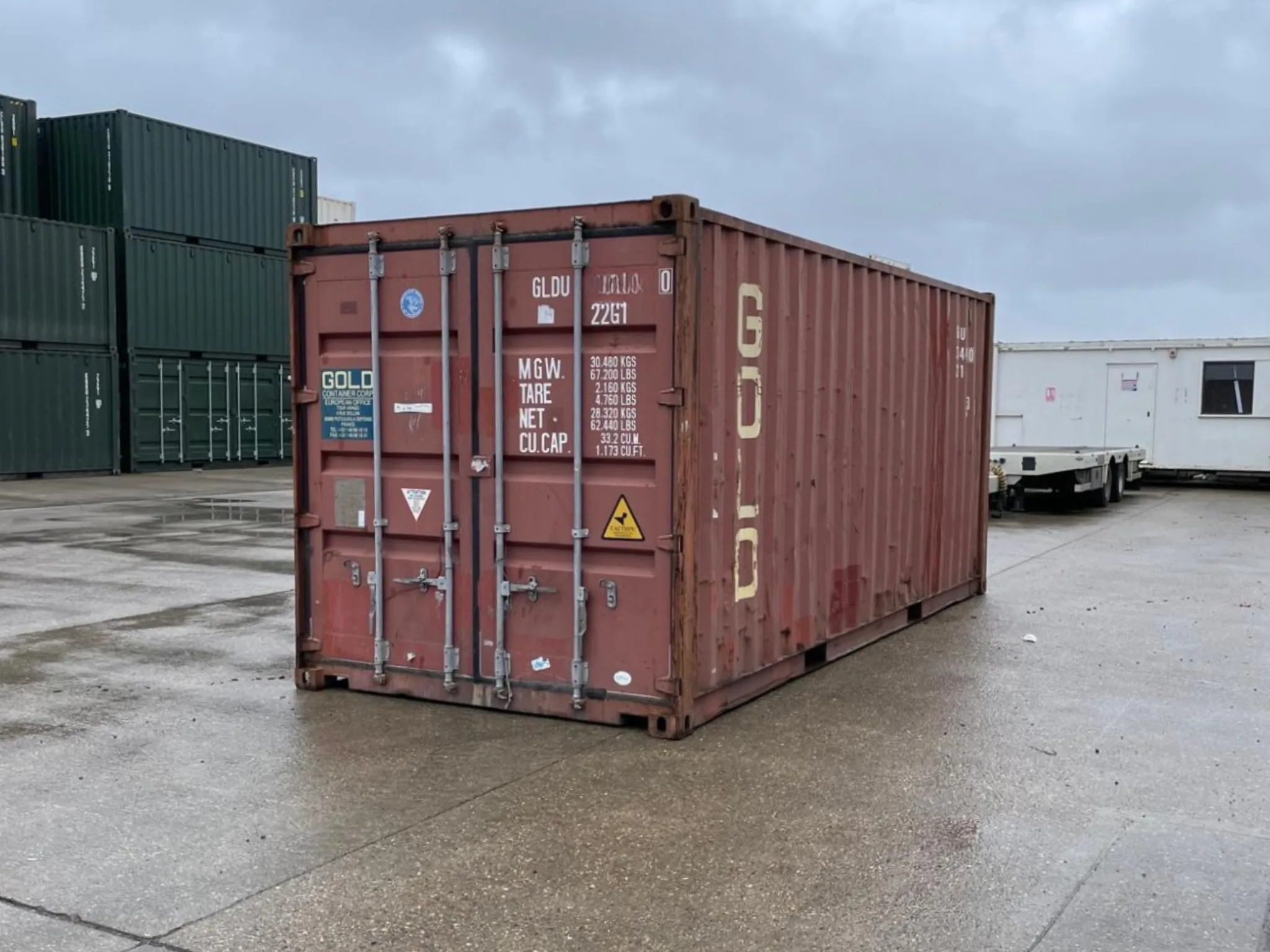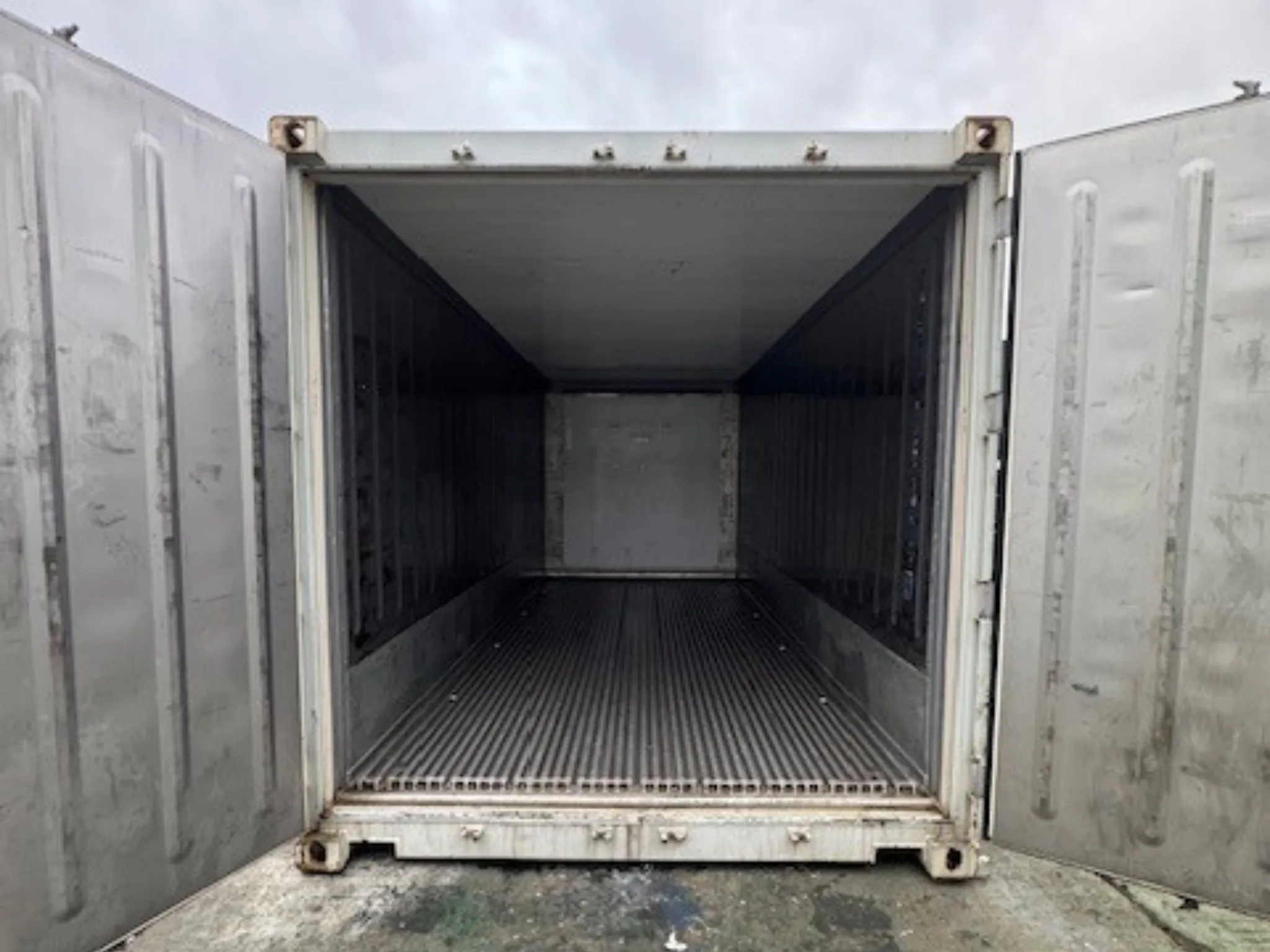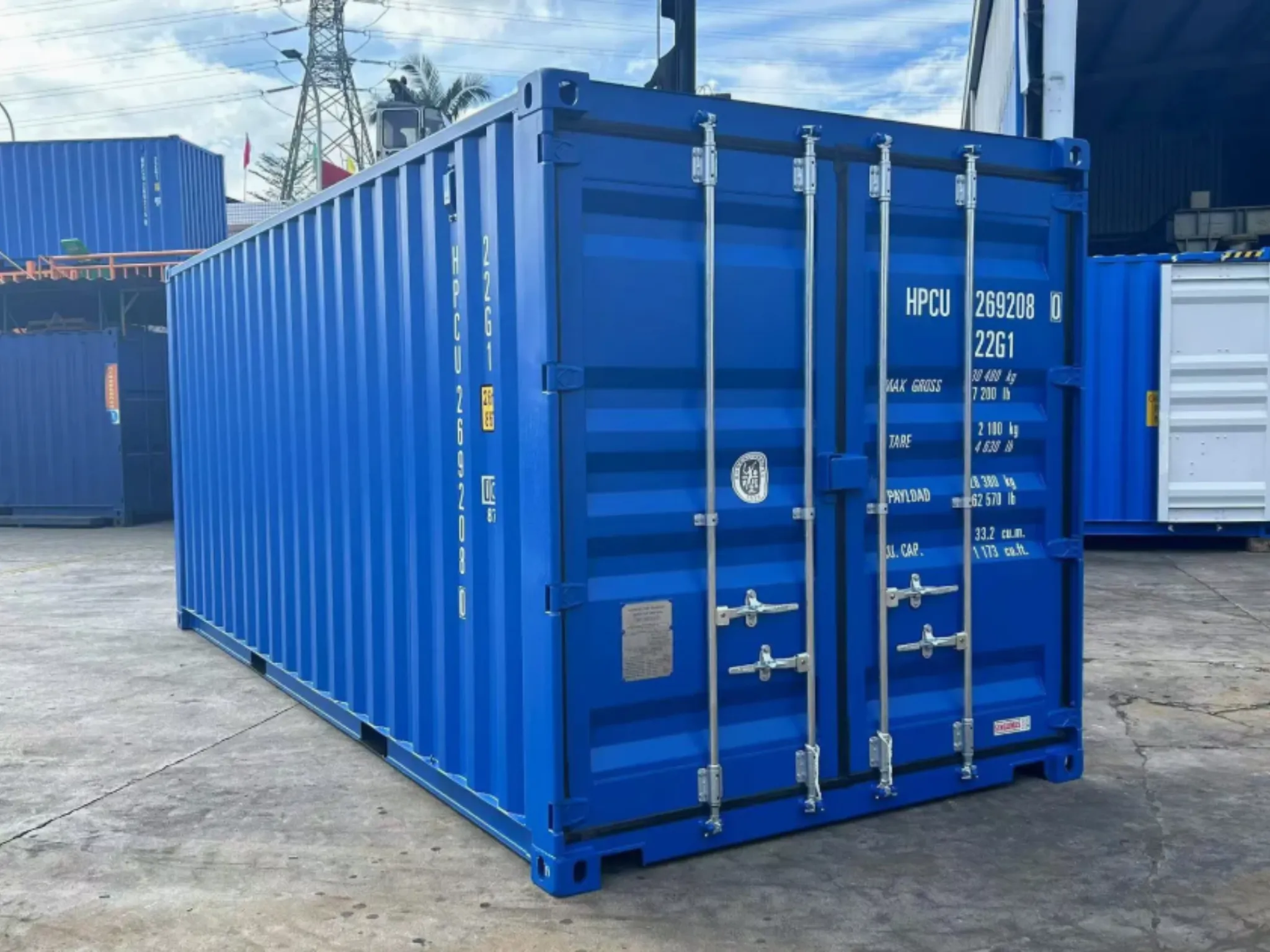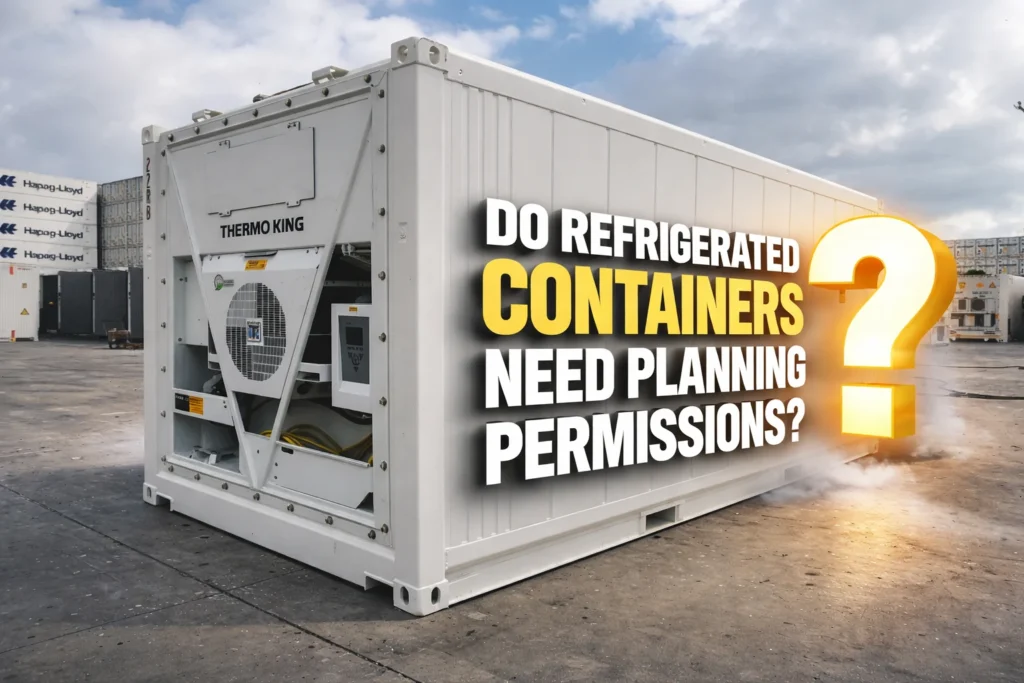
In most cases, refrigerated containers do not need planning permission in the UK if they are used temporarily and do not change the use of the land. However, planning permission is often required if the unit is used for commercial expansion, placed long-term, causes noise disturbance near residential properties, or changes how the land is used. Always check with your local authority before installation.
Quick Answer: When Planning Permission Is Required
| Situation | Planning Permission Required? |
|---|---|
| Temporary refrigerated storage | Usually no |
| Agricultural use on agricultural land | Usually no |
| Commercial expansion of premises | Yes |
| Business storage with vehicle traffic | Yes |
| Long-term placement | Often yes |
| Near residential properties (noise risk) | Often yes |
| Change of land use | Yes |
| Conservation area, AONB, Green Belt | Likely yes |
Refrigerated Containers vs Standard Shipping Containers
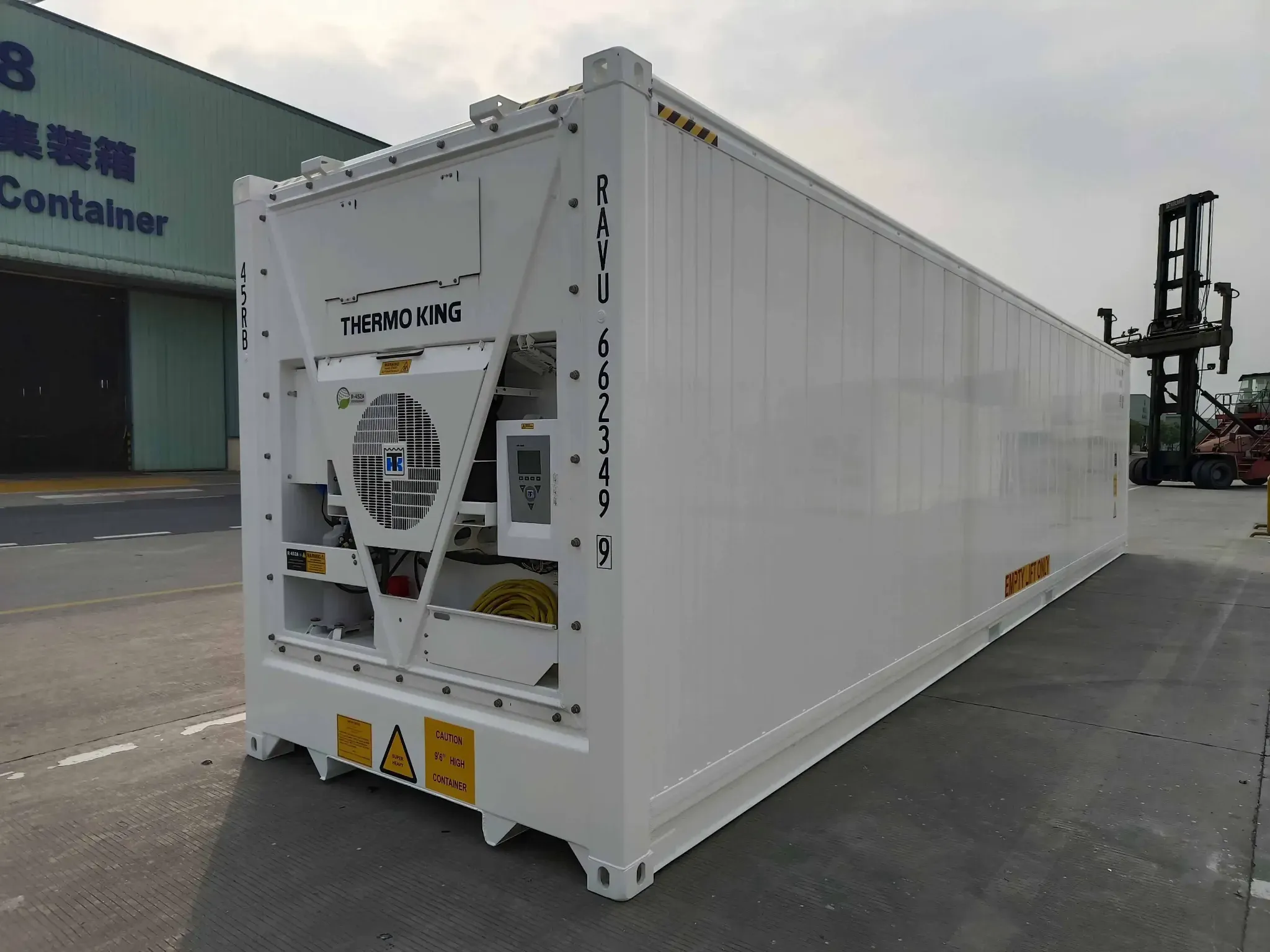
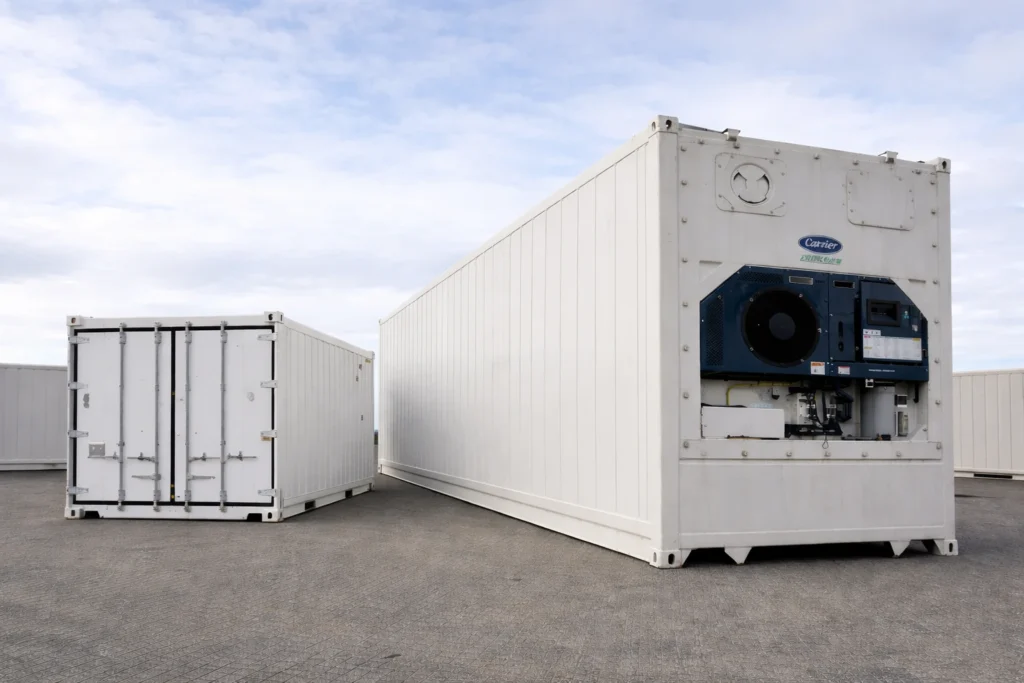
Refrigerated shipping containers (reefers) are still classed as shipping containers, but councils often apply extra scrutiny because they:
- Contain mechanical refrigeration units
- Produce operational noise
- Require a permanent power supply
- Are commonly used for commercial storage
This means a reefer may attract planning attention sooner than a standard dry container.
More Info On Shipping Container Planning Permission Below:
https://boshboxes.store/planning-permission-for-a-shipping-container/
Temporary vs Permanent Use (The Key Distinction)
Temporary Use (Permission Usually Not Required)
A refrigerated container is more likely to be exempt if it:
- Is genuinely short-term
- Remains movable
- Is not fixed to permanent foundations
- Is not connected to permanent services
- Does not change land use
Common examples:
- Temporary business overflowring.
- Event cold storage
- Seasonal food or drink storage
- Agricultural produce storage
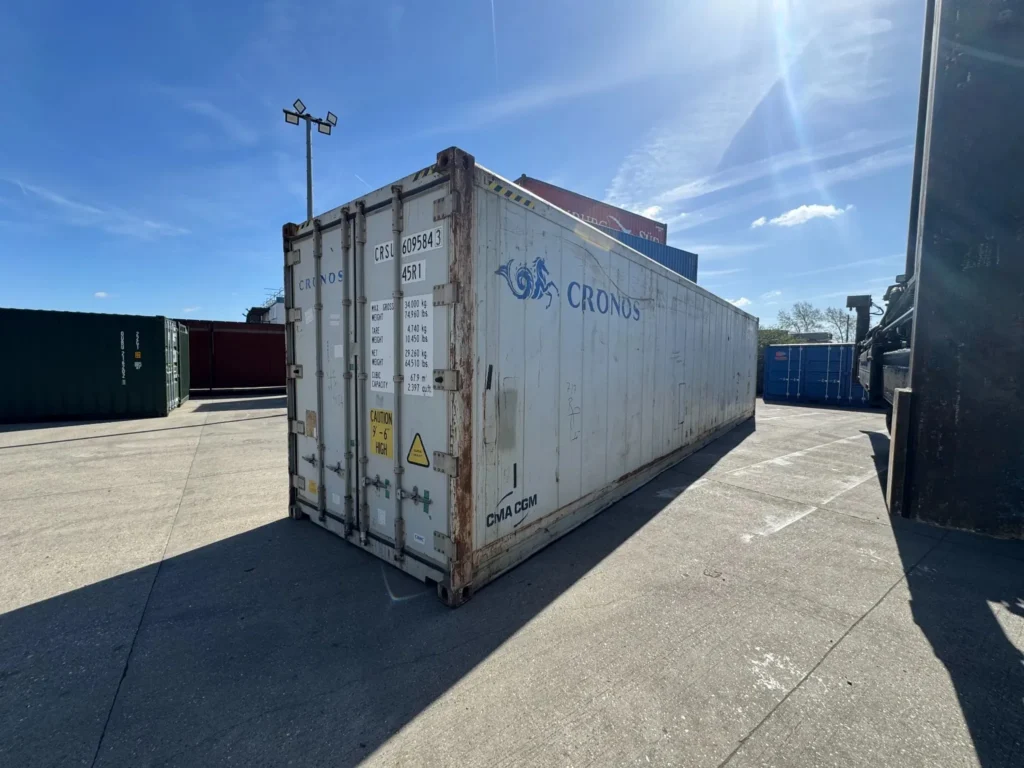
Permanent or Commercial Use (Permission Likely Required)
Planning permission is far more likely if the refrigerated container:
- Is used as an expansion of commercial premises
- Supports day-to-day business operations
- Remains in place long-term
- Is connected to permanent electrics
- Brings increased vehicle traffic
- Is used by staff or customers
This is where many businesses get caught out.
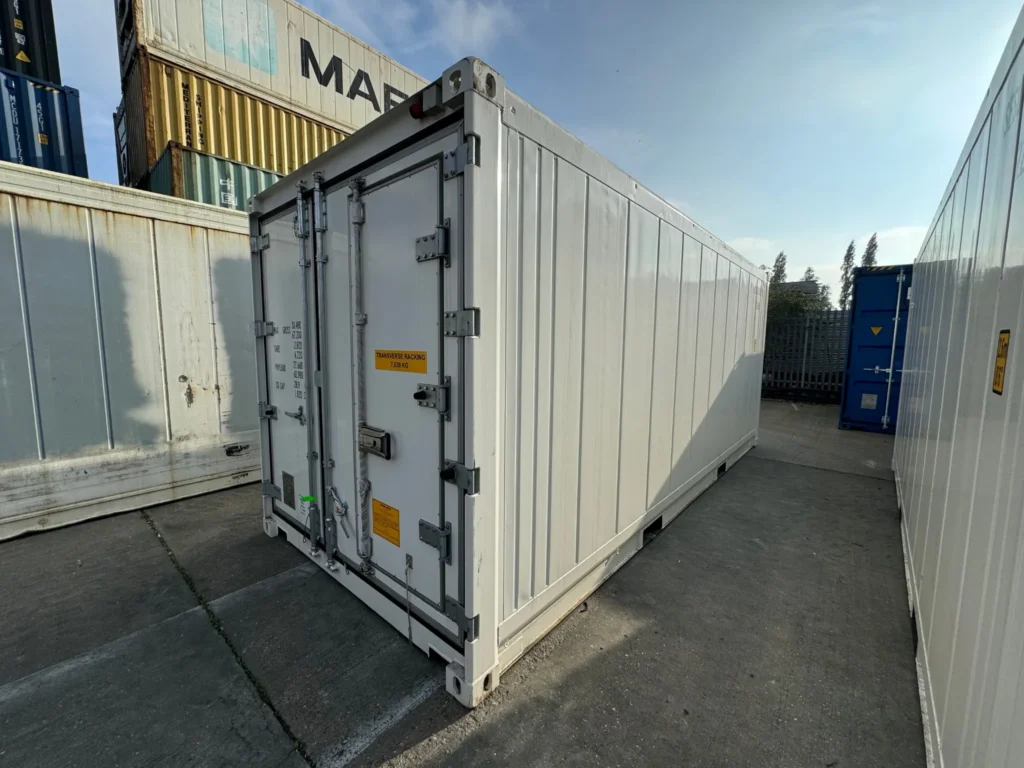
Commercial Use = The Biggest Planning Trigger
If a refrigerated container is being used as part of a business, councils often treat it as a building, not a temporary structure.
Examples that commonly require permission:
- Restaurants adding external cold storage
- Supermarkets using containers for overflow stock
- Caterers using reefers year-round
- Warehouses expanding cold capacity
- Food production businesses
Even if the container is technically movable, commercial expansion almost always triggers planning review.
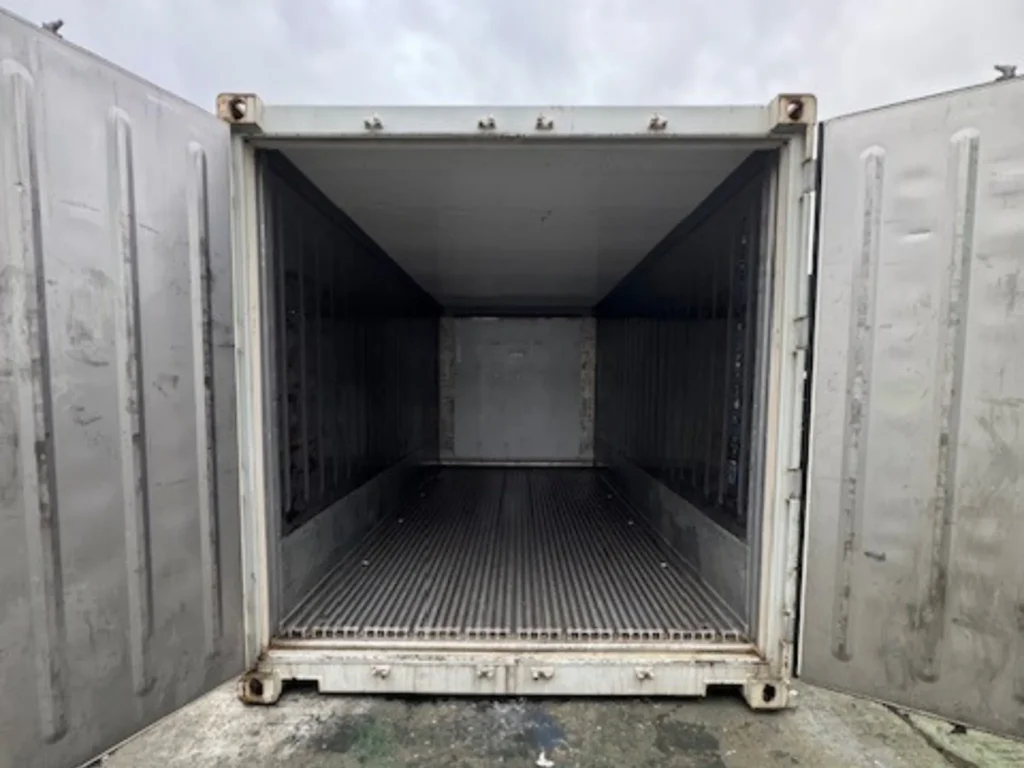
Refrigerated Containers Near Residential Properties
This is a major issue and often overlooked.
Refrigerated containers generate:
- Constant fan noise
- Compressor cycling sounds
- Night-time operational noise
If a container is placed:
- Near homes
- Close to property boundaries
- In residential or mixed-use areas
Then noise complaints can arise, which frequently leads to:
- Planning enforcement
- Environmental health involvement
- Restrictions on operating hours
In these cases, planning permission or noise mitigation may be required.
Agricultural Land and Refrigerated Containers
When Permission Is Usually Not Required
- The container supports existing farming activity
- It is used for crop, produce, or livestock storage
- It does not change land use
When Permission Is Required
- The container is rented to third parties
- It supports non-agricultural business
- Multiple units form a storage yard
- Cold storage is offered commercially
Once land use shifts from agricultural to commercial, planning permission is normally required.
The 28-Day Rule (Correctly Explained)
UK planning law allows certain temporary uses of land for up to 28 days per year.
However:
- You cannot rotate containers to reset the clock
- The use must be genuinely temporary
- Councils actively monitor repeat use
This rule is often misunderstood and misapplied.
Does Container Size Affect Planning?
The size itself is not usually the deciding factor, but larger units attract more attention.
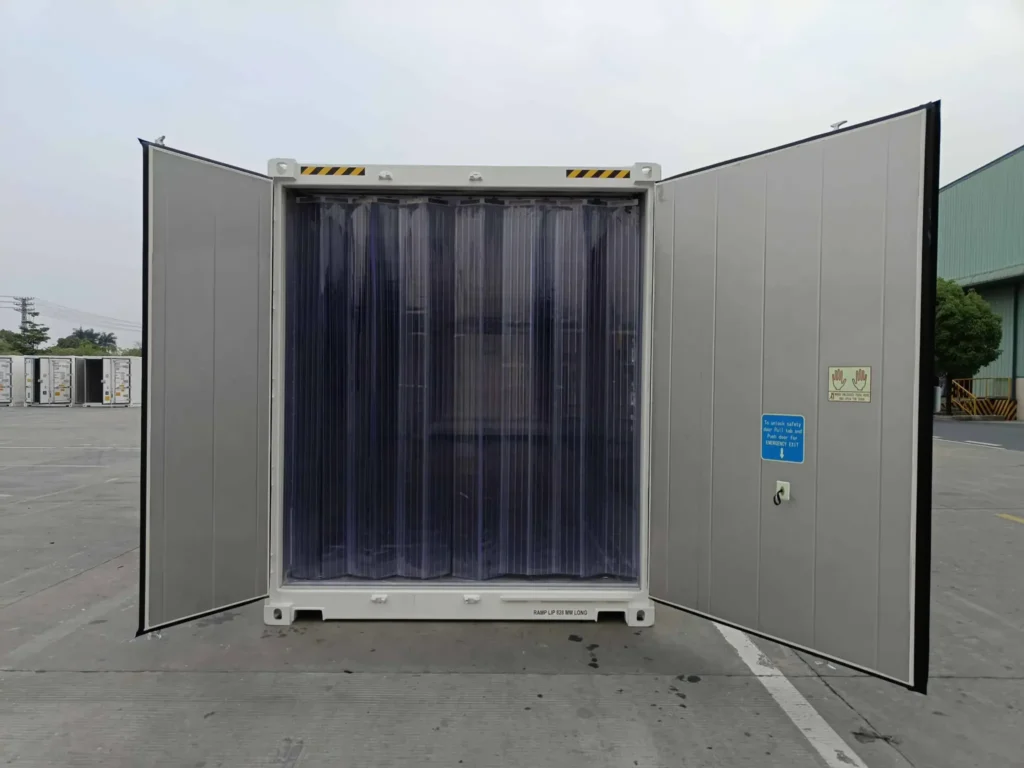
Common reefer sizes include:
- 20ft refrigerated containers
- 40ft high cube refrigerated containers
Larger units:
- Are more visually prominent
- Produce more operational noise
- Are harder to argue as “temporary”
See Our 20ft Container Refrigerated Container Here: https://boshboxes.store/20ft-used-ex-marine-refrigerated-containers/
See Our 40ft High Cube Refrigerated Containers Here: https://boshboxes.store/40ft-used-high-cube-marine-refrigerated-containers/
Special Locations Where Rules Are Stricter
Planning permission is far more likely if the container is located in:
- Conservation areas
- Areas of Outstanding Natural Beauty (AONB)
- Green Belt land
- National Parks
- Near listed buildings
In these areas, permitted development rights may be restricted or removed entirely.
Planning Permission vs Building Regulations
These are not the same thing.
Even if planning permission is not required, building regulations may still apply if the container:
- Is insulated
- Has electrics or plumbing
- Is used by staff or the public
- Is used as a workspace or food environment
Always check with Building Control separately.
Enforcement & Retrospective Planning
If a council believes planning rules have been breached, they may:
- Request removal
- Issue enforcement notices
- Require retrospective planning permission
The enforcement window is now 10 years for most breaches under current rules.
Ignoring enforcement can lead to fines or forced removal.
How to Check Before Ordering a Refrigerated Container
Before arranging delivery, always:
- Identify land designation
- Confirm intended use
- Decide how long the container will remain
- Check local council guidance
- Speak to planning officers if unsure
This avoids delays, wasted costs, and compliance issues.
How Bosh Boxes Helps
At Bosh Boxes, we help customers across the UK understand:
- When planning permission is likely
- How container use affects land classification
- Which refrigerated container suits the application
- How container delivery works safely and compliantly
We don’t replace planners, but we help customers avoid common mistakes before they order