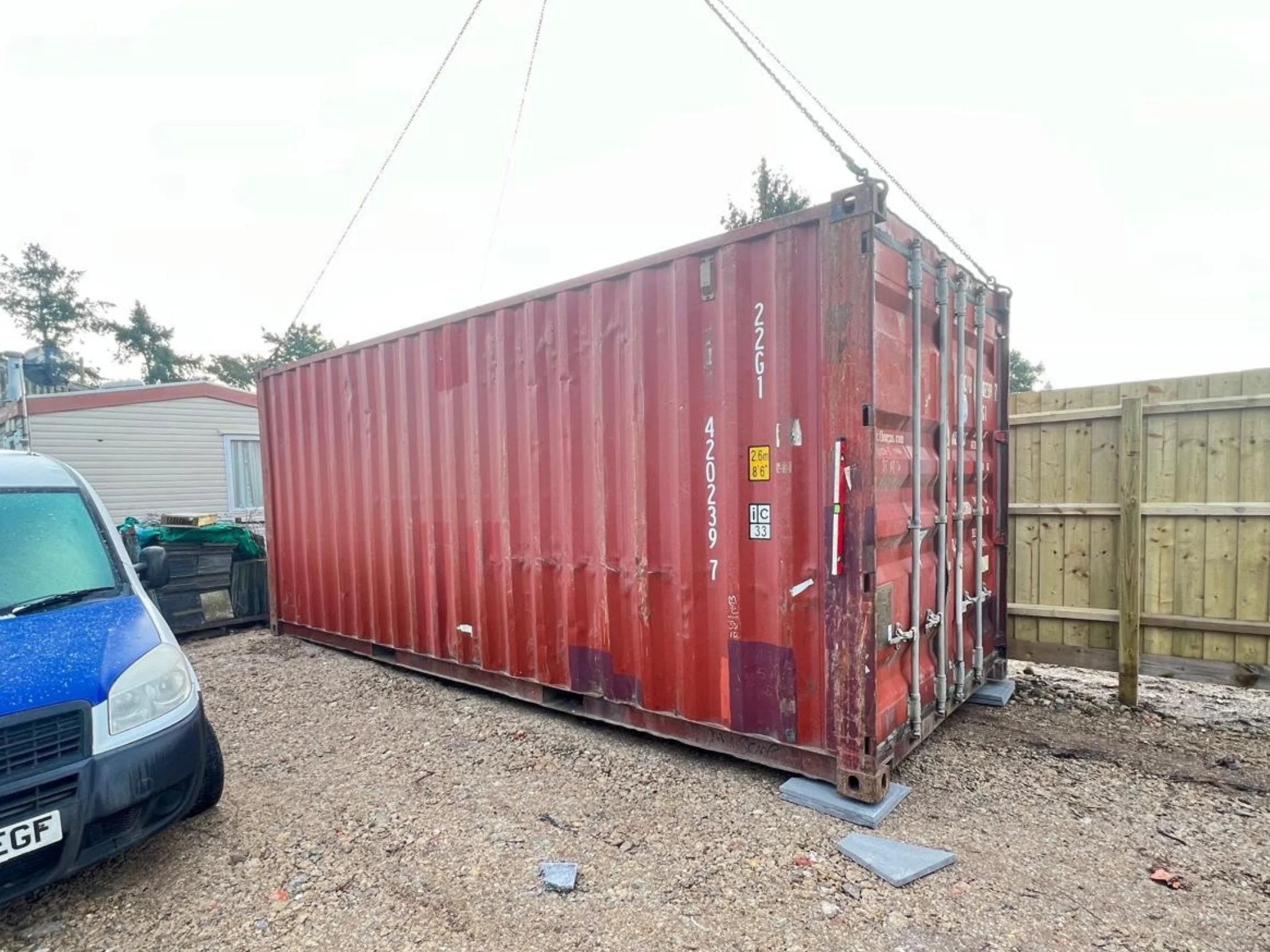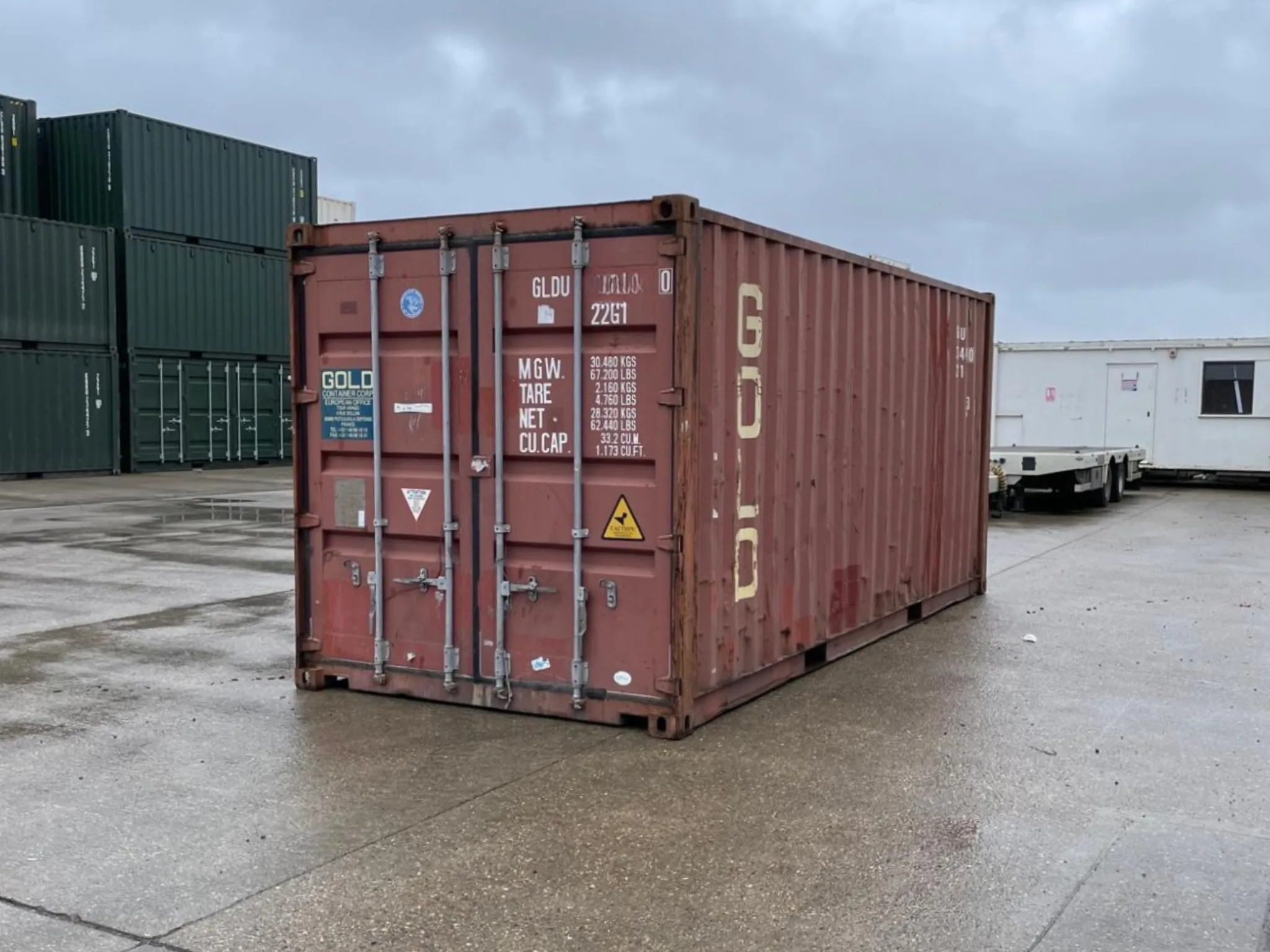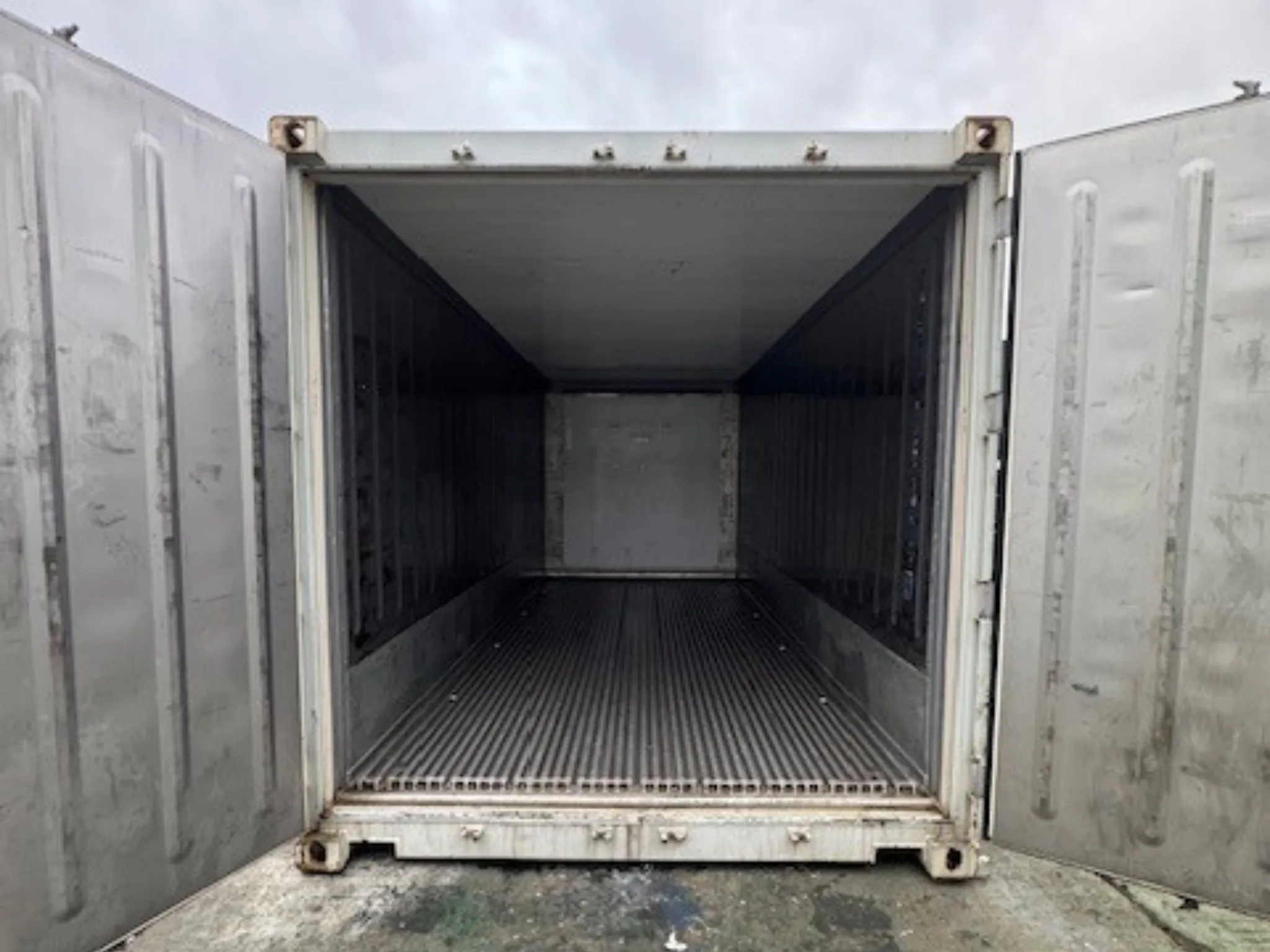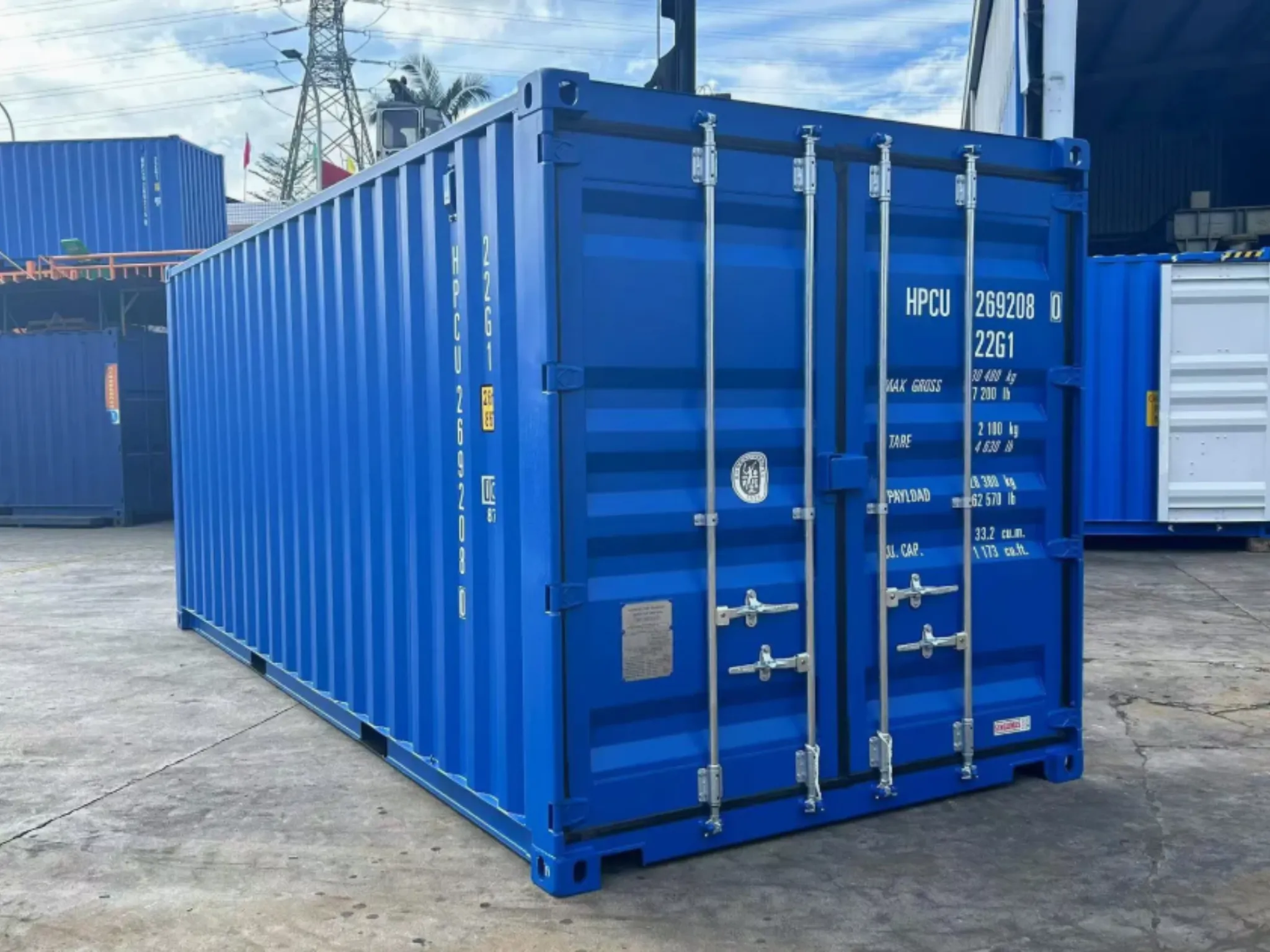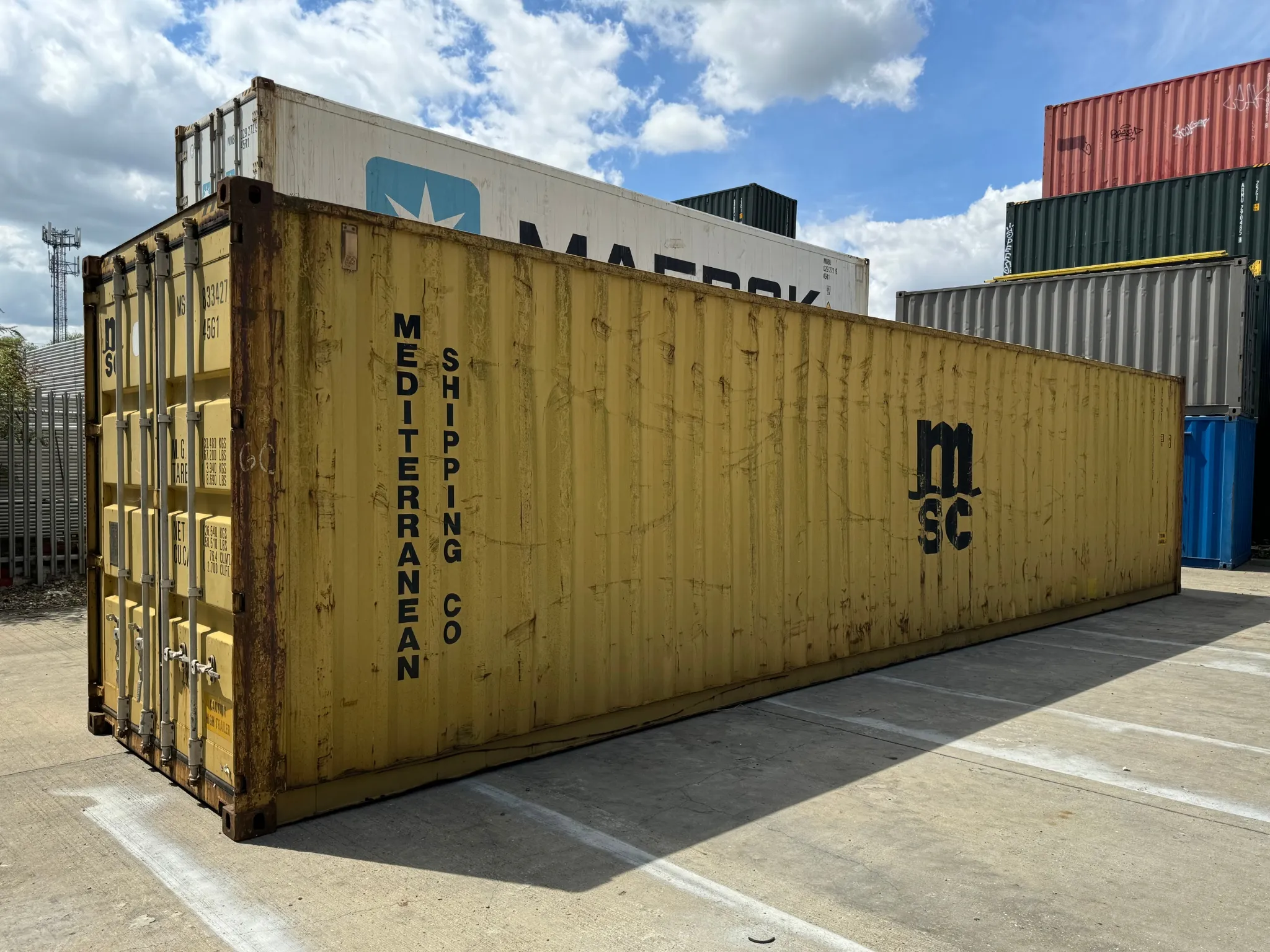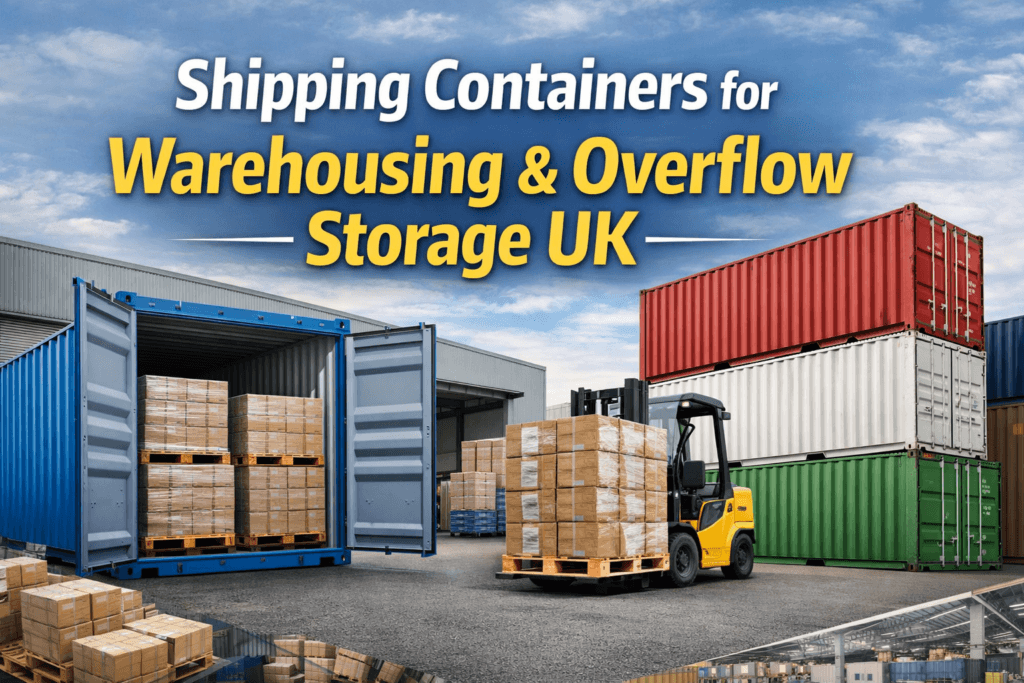
Shipping containers for warehousing & overflow storage UK provide UK businesses with a fast, secure, and cost-effective way to increase storage capacity without expanding buildings. Containers are used to store palletised stock, seasonal inventory, raw materials, and surplus goods directly on-site or at overflow locations, offering flexible warehouse storage solutions.
Introduction
Warehousing space is expensive and often limited, especially for UK businesses dealing with seasonal demand, supply chain delays, or rapid growth.
Shipping containers offer a practical alternative to traditional warehouse expansion, allowing businesses to add overflow storage quickly, securely, and without long-term commitments.
What Are Shipping Containers Used for in Warehousing?
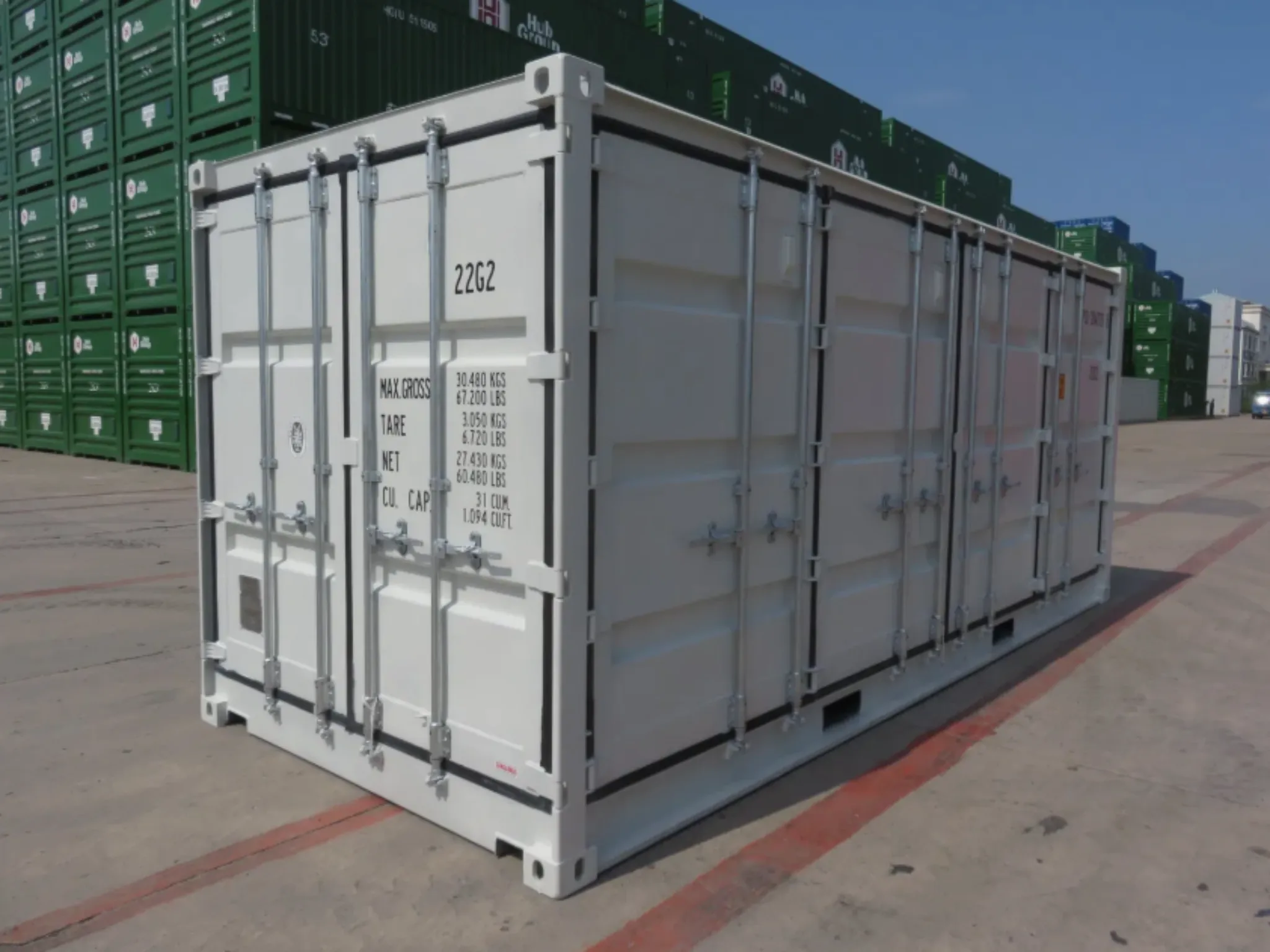
Shipping containers are commonly used as modular storage units that sit alongside or within existing warehouse operations.
Typical warehousing uses include:
- Overflow storage during peak periods
- Palletised stock storage
- Buffer stock for supply chain delays
- Raw materials and components
- Short-term or temporary warehousing solutions
Because containers are designed for global freight, they are built to handle heavy loads, frequent access, and outdoor placement.
Why Warehouses Use Shipping Containers for Overflow Storage
1. Rapid Capacity Expansion
Unlike building extensions or renting off-site warehouses, containers can be delivered and installed within days.
2. Lower Cost Than Traditional Warehousing
Shipping containers involve a one-off purchase or short-term hire, avoiding:
- Long leases
- Business rate increases
- Construction costs
3. On-Site Stock Access
Containers placed within warehouse yards reduce handling time, transport costs, and stock movement risks.
4. Secure Storage
Steel construction and lockbox options provide high levels of security for valuable goods.
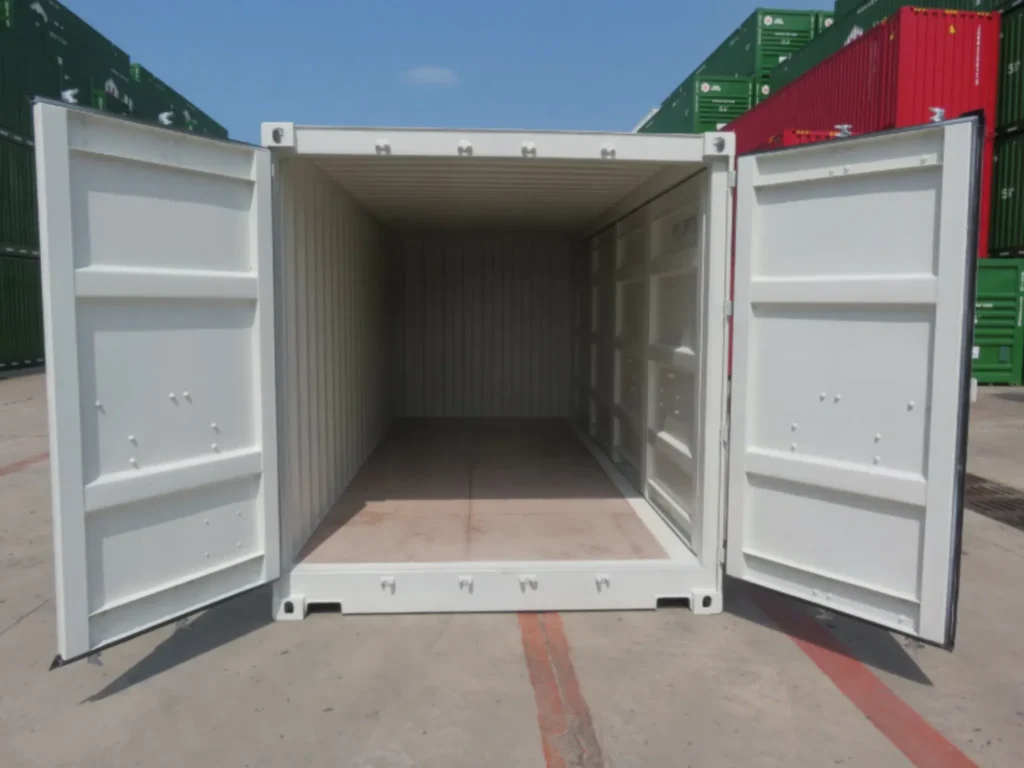
Best Container Sizes for Warehouse Storage
Choosing the correct container size depends on stock volume, pallet configuration, and access needs.
Common sizes used for warehousing:
- 10ft containers – Small overflow, tools, or spare parts
- 20ft containers – Standard pallet storage and general overflow
- 40ft containers – High-volume or bulk warehousing needs
Container Size Comparison for Warehousing
This table compares common shipping container sizes used for warehousing and overflow storage in the UK, including capacity, pallet suitability, and typical business use cases.
| Container Size | Internal Length | Approx. Pallet Capacity | Best For |
|---|---|---|---|
| 10ft | ~2.8m | 4–5 pallets | Small overflow or parts storage |
| 20ft | ~5.9m | 10–11 pallets | General warehouse overflow |
| 40ft | ~12m | 20–22 pallets | High-volume or bulk stock |

New vs Used Containers for Warehouse Storage
Both new and used containers are widely used in warehousing environments.
New (One-Trip) Containers
- Best appearance
- Long lifespan
- Ideal for food, pharmaceuticals, or customer-facing sites
Used Containers
- Lower cost
- Fully functional for storage
- Most common choice for industrial warehousing
For overflow storage, cargo-worthy used containers offer the best value for most UK warehouses.
Planning Permission for Warehouse Containers (UK)
In most cases:
- Temporary or movable containers do not require planning permission
- Long-term or permanent installations may require approval
- Containers inside industrial yards are usually permitted
Always check with your local council if containers will remain on-site permanently.

Container Modifications for Warehousing
Shipping containers can be adapted to improve warehouse efficiency, including:
- Roller shutter doors for forklift access
- Shelving and racking systems
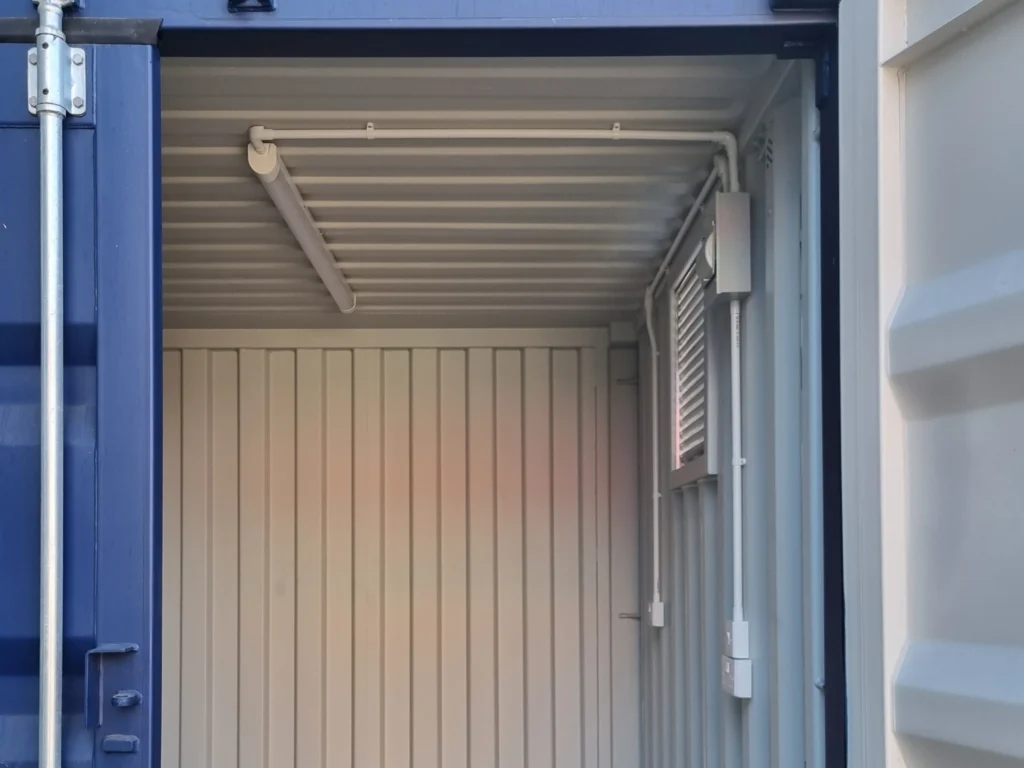
- Internal lighting
- Ventilation to reduce condensation
- High-security locking systems
These upgrades turn containers into fully functional warehouse extensions.
Who Uses Shipping Containers for Overflow Storage?
Shipping containers are widely used across UK industries, including:
- Retail distribution centres
- Manufacturing and assembly plants
- Logistics and freight operators
- Construction material suppliers
- E-commerce fulfilment warehouses
Any business with fluctuating stock levels can benefit.
Why Bosh Boxes Is the Right Choice for Warehouse Containers
- UK-wide container supply and delivery
- New and used containers available
- Containers suitable for palletised storage
- Modification options for warehouse use
- Honest, buyer-focused advice
- Competitive pricing with no hidden costs
Example Use Case
A UK distribution warehouse experiencing seasonal demand used multiple 20ft containers to store overflow pallets during peak trading months. This eliminated the need for short-term warehouse rental and reduced handling delays during order fulfilment.
Bottom Line
Shipping containers for warehousing & overflow storage offer UK businesses a flexible, secure, and cost-effective alternative to traditional warehouse expansion. They scale with demand, reduce overheads, and integrate easily into existing operations.
If you’re considering shipping containers for warehouse storage or overflow capacity, Bosh Boxes can help you choose the right size, condition, and setup for your operation.