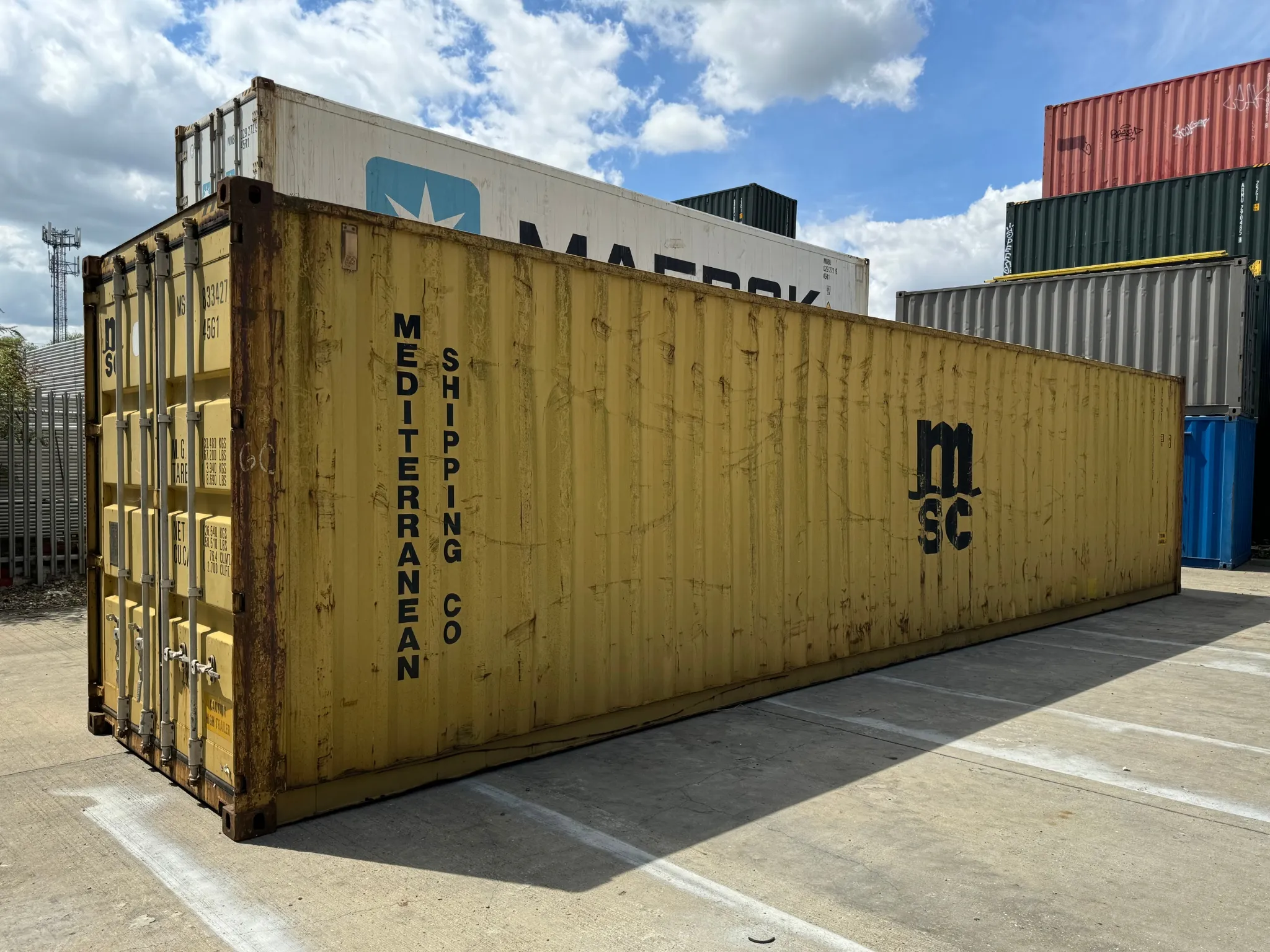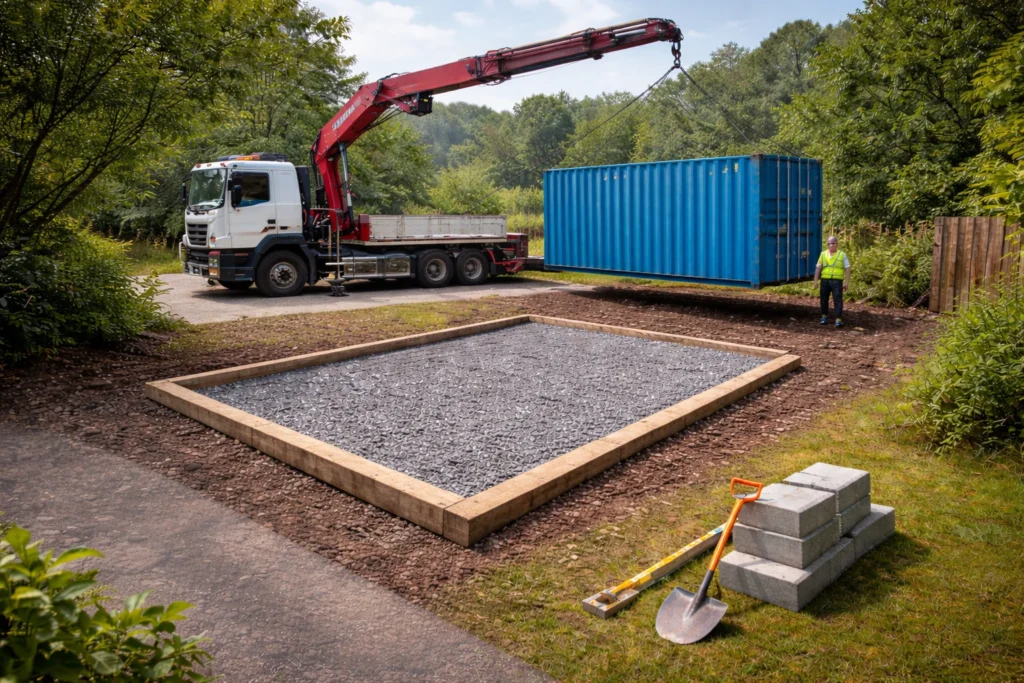
How to prepare the ground for a shipping container?
To prepare the ground for a shipping container, you need a level, stable base that supports the container’s weight evenly and allows drainage. Proper ground preparation prevents sinking, twisting (known as racking), door alignment issues, and premature corrosion, helping your container last longer and function correctly from day one.
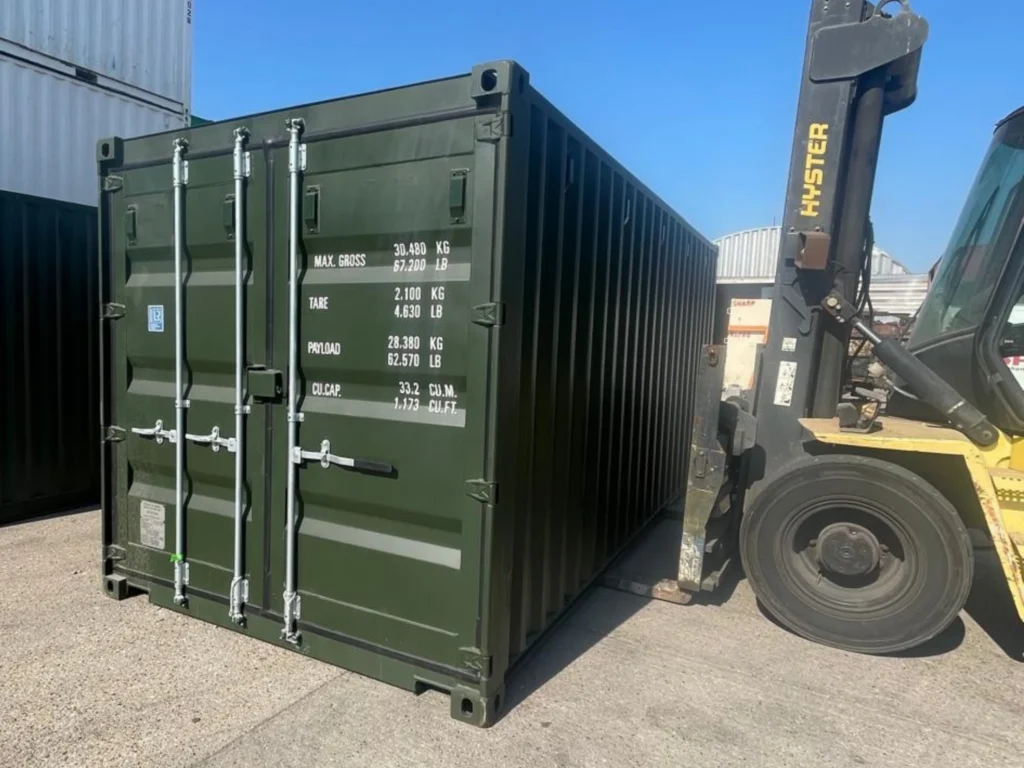
What Is Shipping Container Ground Preparation?
Shipping container ground preparation is the process of creating a firm, level surface for your container to sit on safely. Containers are designed to carry weight through specific structural points, not uneven ground.
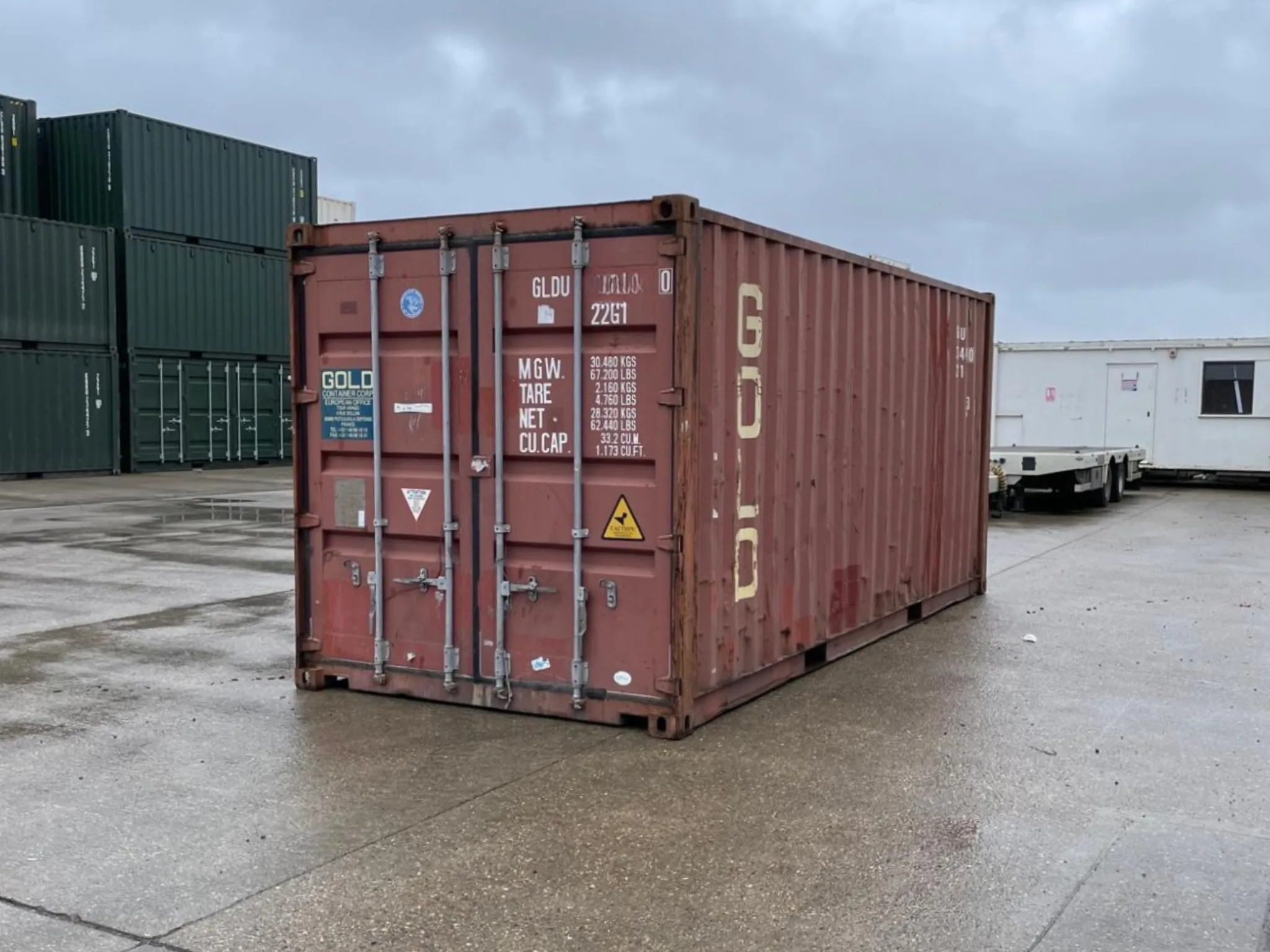
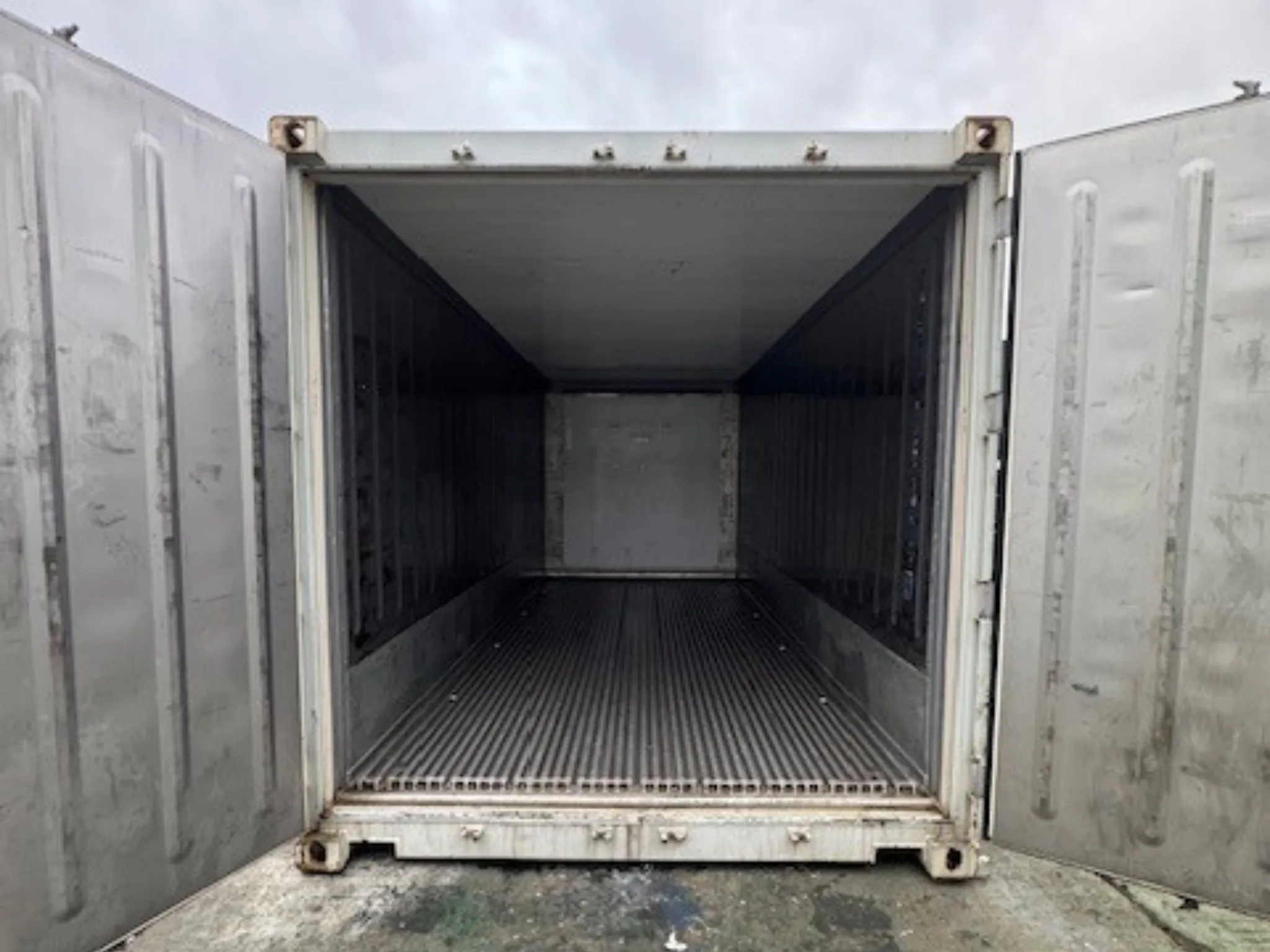
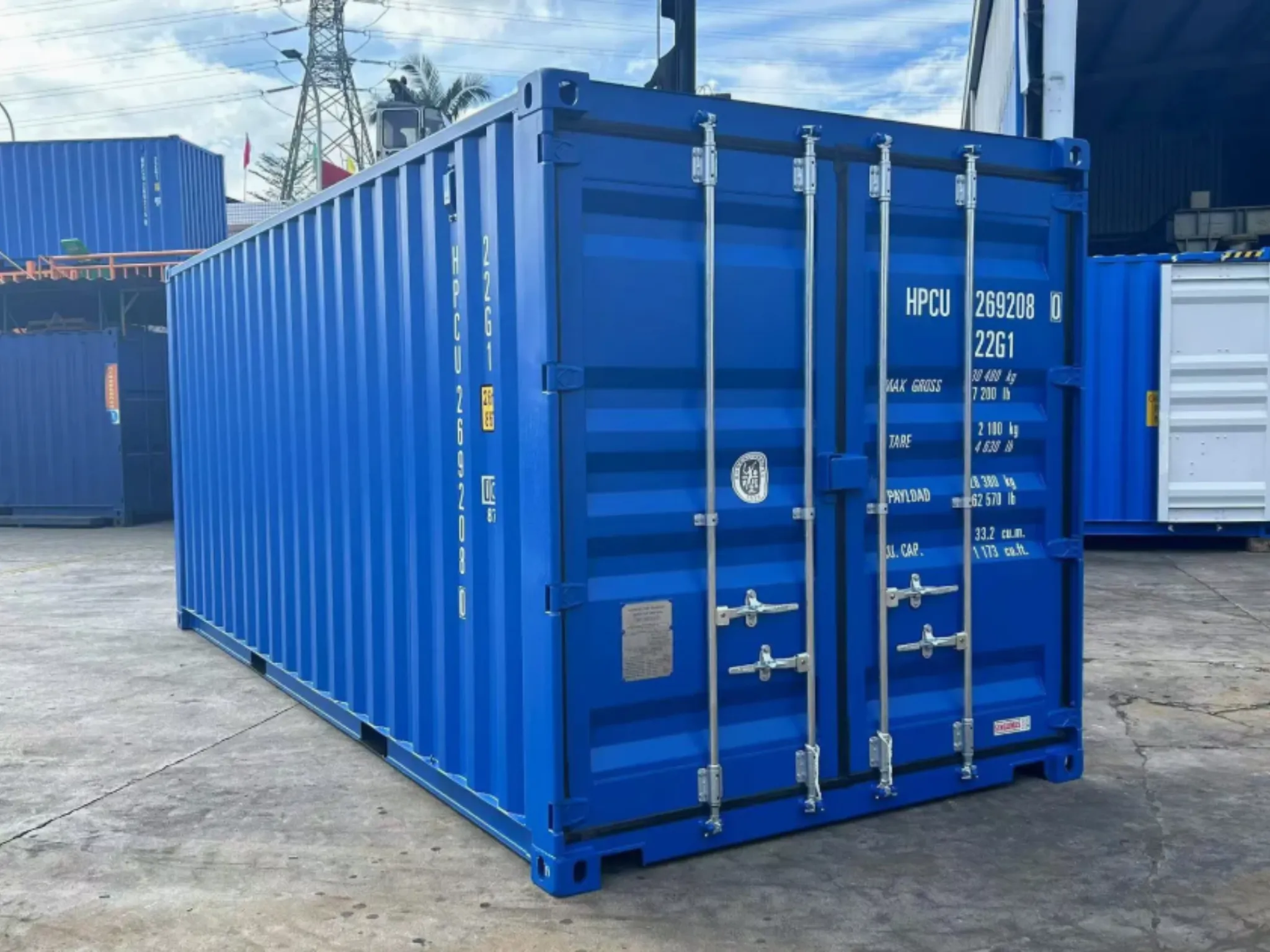
Whether you are using new and used shipping containers, steel storage containers, or modified shipping containers, the principles are the same: stability, drainage, and level support.
Poor preparation is one of the most common reasons customers experience door problems, condensation issues, or shortened container lifespan.

Why Proper Ground Preparation Matters
Incorrect ground preparation can cause long-term issues that are costly or difficult to fix later.
Good preparation helps to:
- Prevent containers sinking into soft ground
- Avoid racking, which causes doors to jam or misalign
- Reduce standing water under the container
- Extend the lifespan of the steel floor and underside
- Ensure safe and successful container delivery UK-wide
Even a small height difference at one corner can cause problems over time.
What Happens If the Ground Isn’t Level?
Container racking explained
Racking occurs when a shipping container twists slightly because one or more corners are not supported evenly. This is especially common when containers are placed on grass, soil, or uneven hardstanding.
Signs of racking include:
- Doors becoming stiff or difficult to close
- Lock boxes no longer lining up
- Increased wear on hinges and seals
Racking is not a manufacturing fault — it is almost always caused by poor siting.
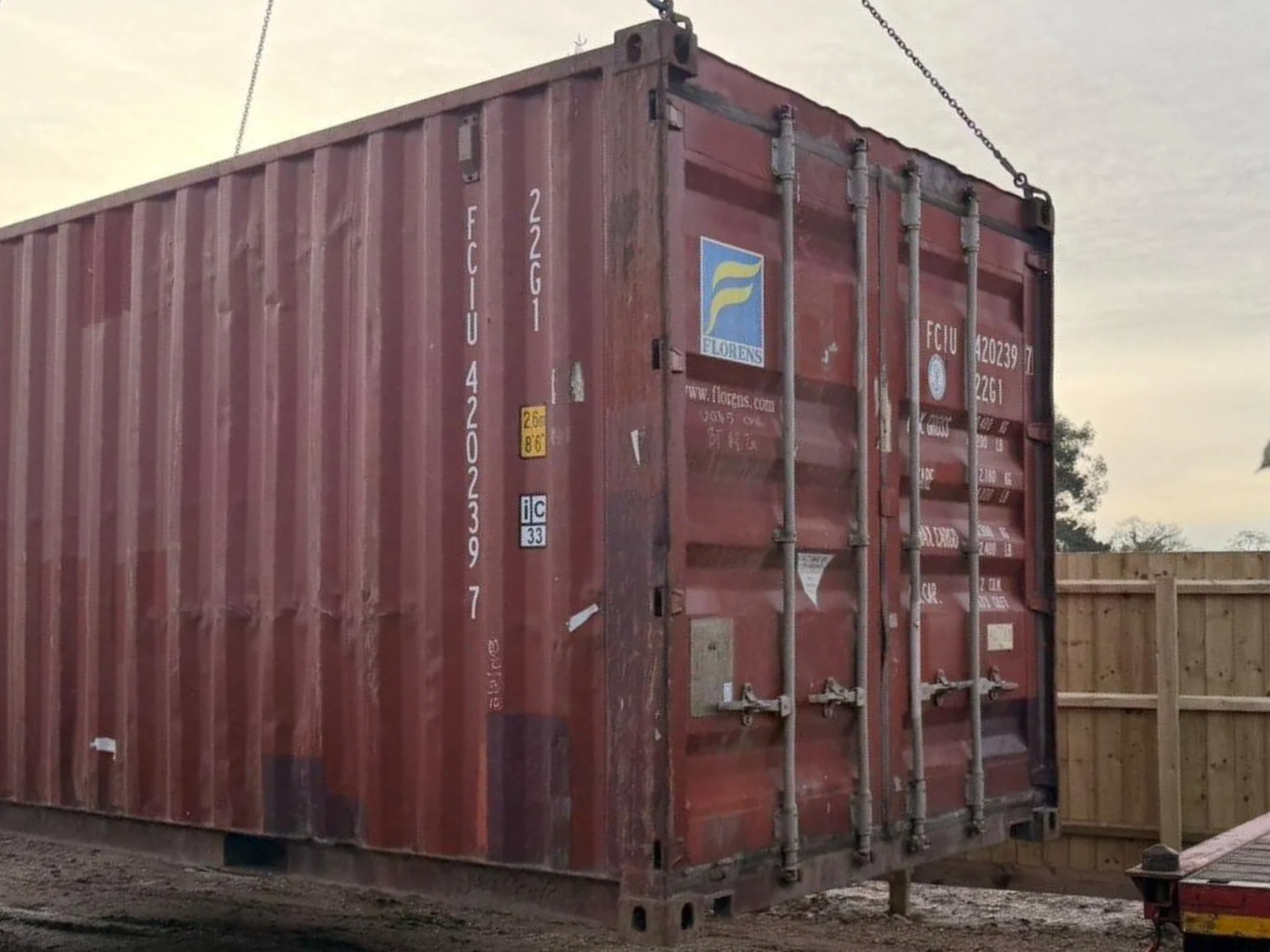
Best Surfaces for Placing a Shipping Container
Not all ground types are suitable. The best option depends on how long the container will stay in place and how it will be used.
Suitable surfaces
- Concrete base – The most durable option for long-term use
- Concrete slabs or pads – Ideal when placed under each corner
- Railway sleepers – A popular, flexible option for farms and yards
- Compacted hardcore or gravel – Works well when properly levelled
Surfaces to avoid
- Grass
- Mud
- Loose soil
- Uncompacted aggregate
Containers placed directly on soft ground will almost always sink over time.
How to Prepare the Ground Step by Step
1. Choose the right location
Select a spot that is naturally level, well-drained, and accessible for delivery. Think about door orientation and future access before preparing the base.
2. Clear and compact the area
Remove debris, vegetation, and loose material. Compact the ground thoroughly to reduce future movement.
3. Install supports or foundations
Depending on your container type:
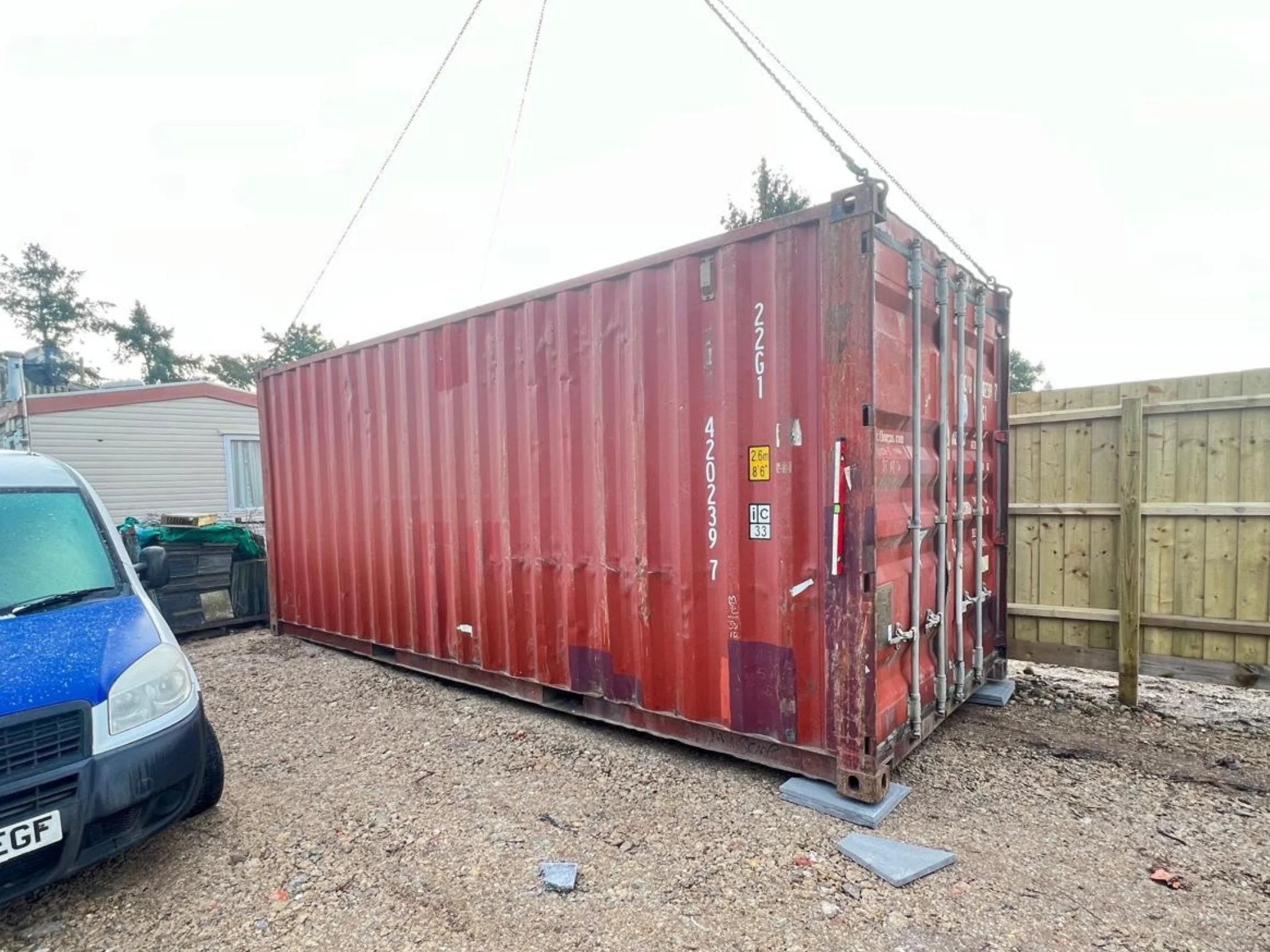
- Standard containers – Support the four corner castings
- Modified containers – Add support along bottom rails
- New build containers – Use a full, continuous base
4. Raise the container slightly
Lifting the container off the ground improves airflow underneath and helps prevent corrosion.
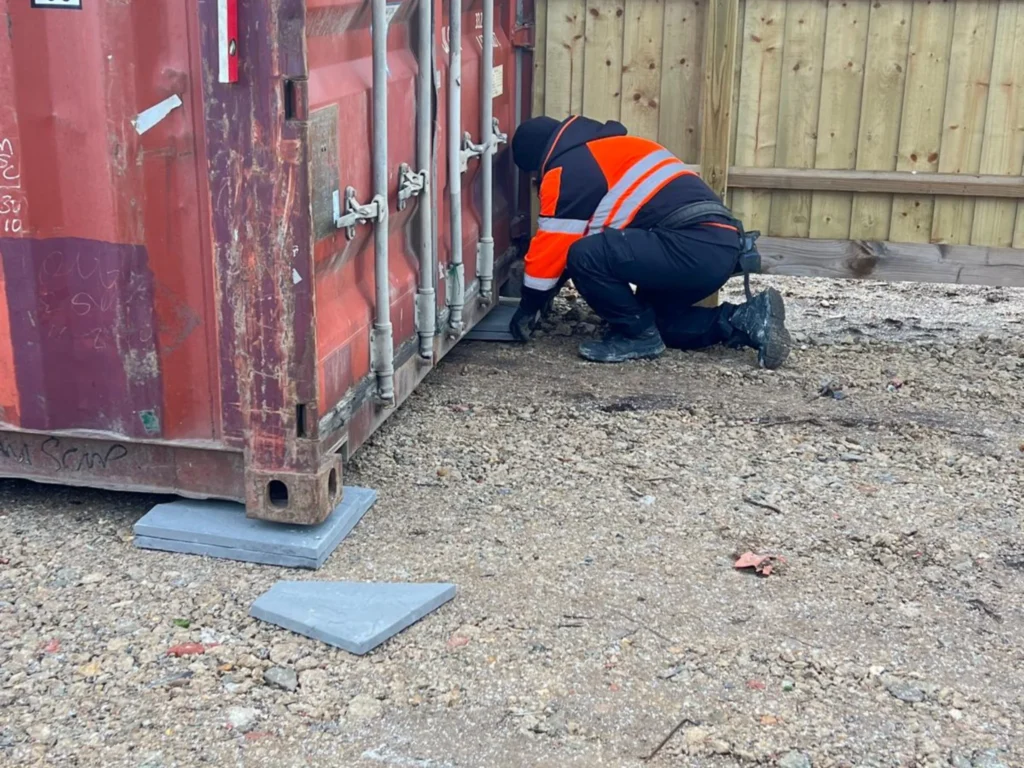
5. Have packers ready
Thin slabs or shims allow fine levelling adjustments during delivery.
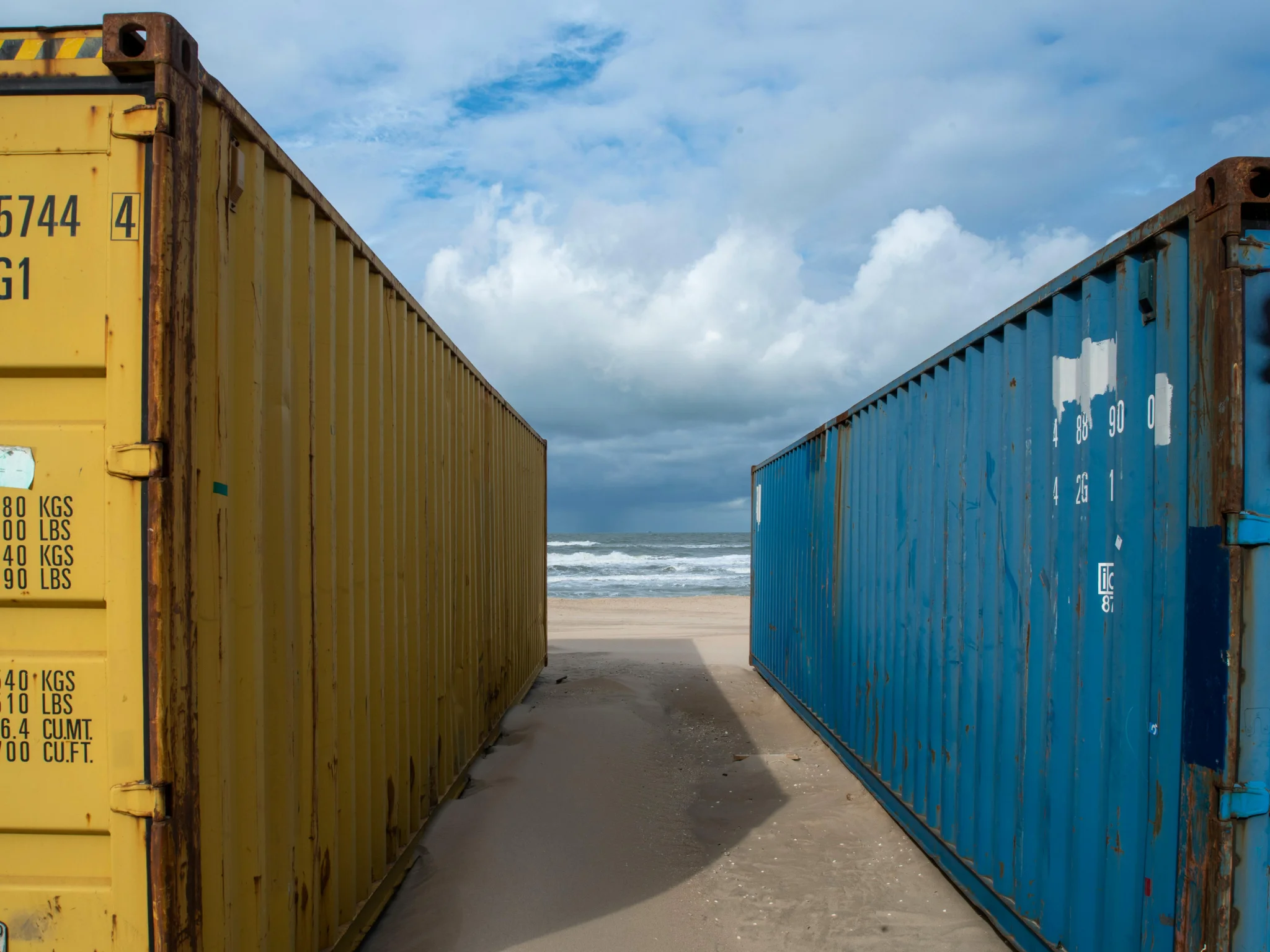
Preparing the Ground for Different Container Types
Standard shipping containers
These carry weight primarily through the four corners. Level corner supports are usually sufficient.
Modified shipping containers
Units with doors, windows, or side openings need additional support along the base to prevent flexing.
New build containers
These often require full base support due to their construction and intended use.
Ground Preparation and Container Delivery
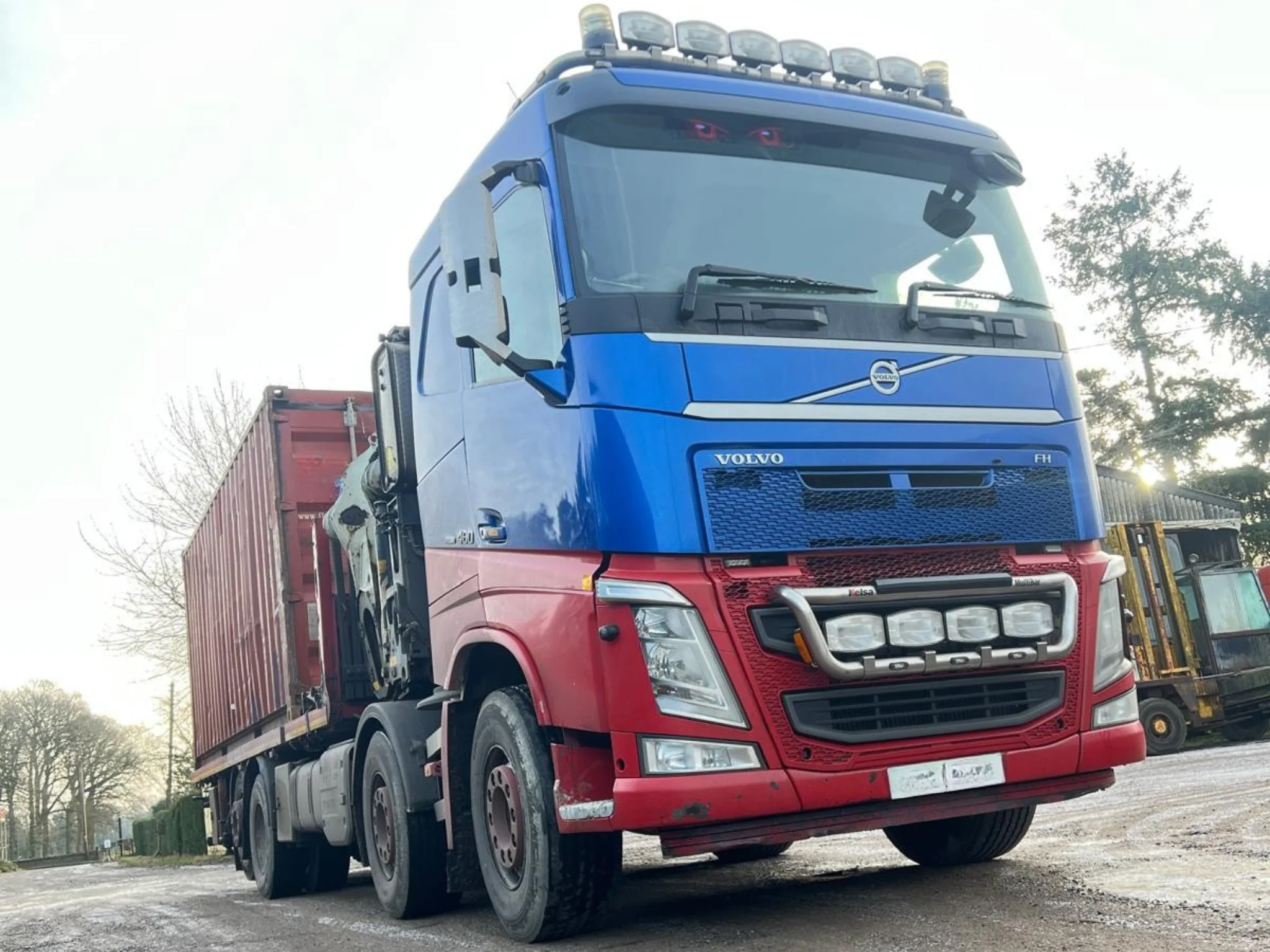
Even a perfectly prepared base will not help if the delivery vehicle cannot reach it.
Before delivery, check:
- Access width for the lorry
- Turning space
- Overhead clearance
- Hardstanding for crane vehicles
For detailed measurements, see our guide on how much space is needed to deliver a shipping container.
Common Ground Preparation Mistakes to Avoid
- Placing containers directly on grass
- Assuming slabs will self-level on uneven soil
- Ignoring drainage
- Forgetting access for delivery vehicles
- Not checking door operation before the driver leaves
Many delivery issues can be avoided with simple preparation.
If you want to understand where deliveries most commonly fail, our guide to the most common container delivery problems and how to avoid them explains this in detail.
How Ground Preparation Affects Container Lifespan
A well-prepared base significantly increases how long a container lasts in static storage. Containers that sit dry, level, and supported correctly can remain in excellent condition for decades.
For more detail, see how long do shipping containers last.
The Bottom Line
Preparing the ground properly is one of the most important steps when buying shipping containers for sale. A level, stable base prevents racking, protects the structure, and ensures smooth delivery and long-term use.
Taking time to prepare the site upfront avoids unnecessary costs and keeps your container working as intended from day one.