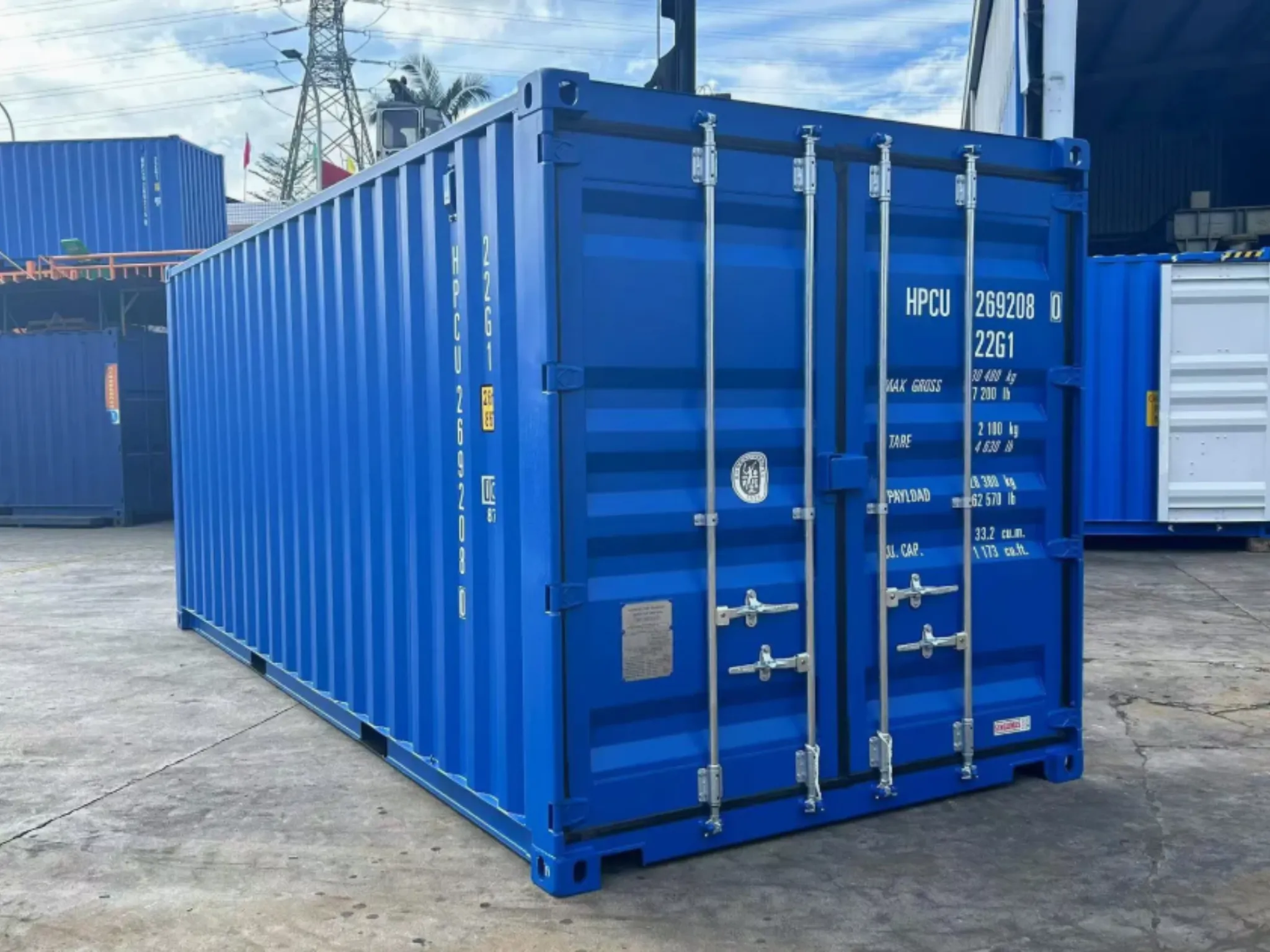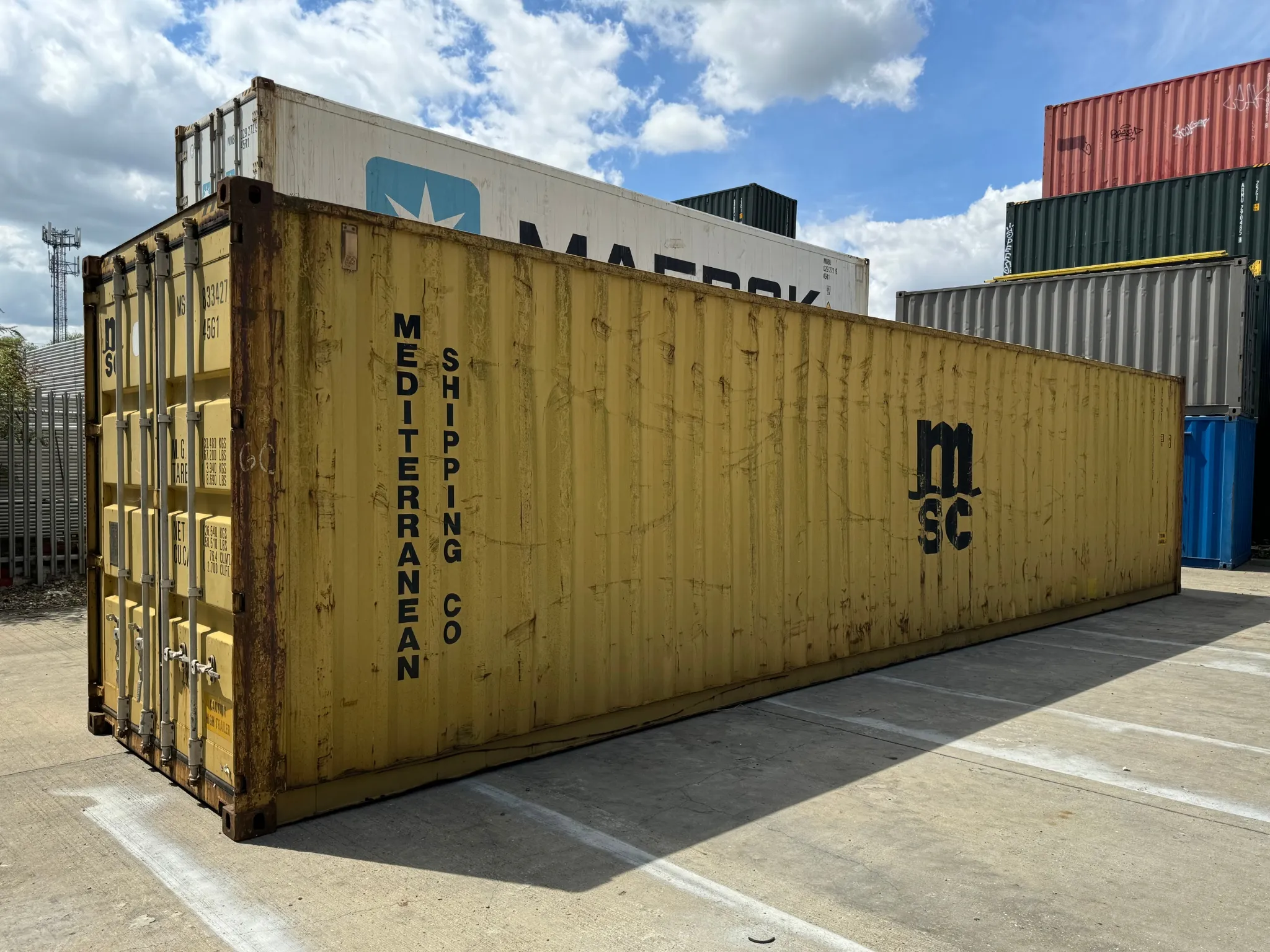
Can shipping containers be delivered to farms and rural locations?
Yes, shipping containers can be delivered to farms and rural sites across the UK, provided there is suitable access for an HGV, solid ground for the delivery vehicle to operate on, and clear overhead space for lifting. With the correct planning and communication, containers are routinely delivered to working farms, smallholdings, estates, and remote agricultural sites.
Why this question matters for farmers
Farms often need secure, weatherproof storage quickly. Whether it is machinery, feed, tools, or diversification projects, farmers need solutions that work with uneven ground, narrow lanes, and seasonal use. Understanding delivery requirements early avoids failed deliveries, delays, and unnecessary cost.
How shipping container delivery works on farms
Access requirements for rural sites
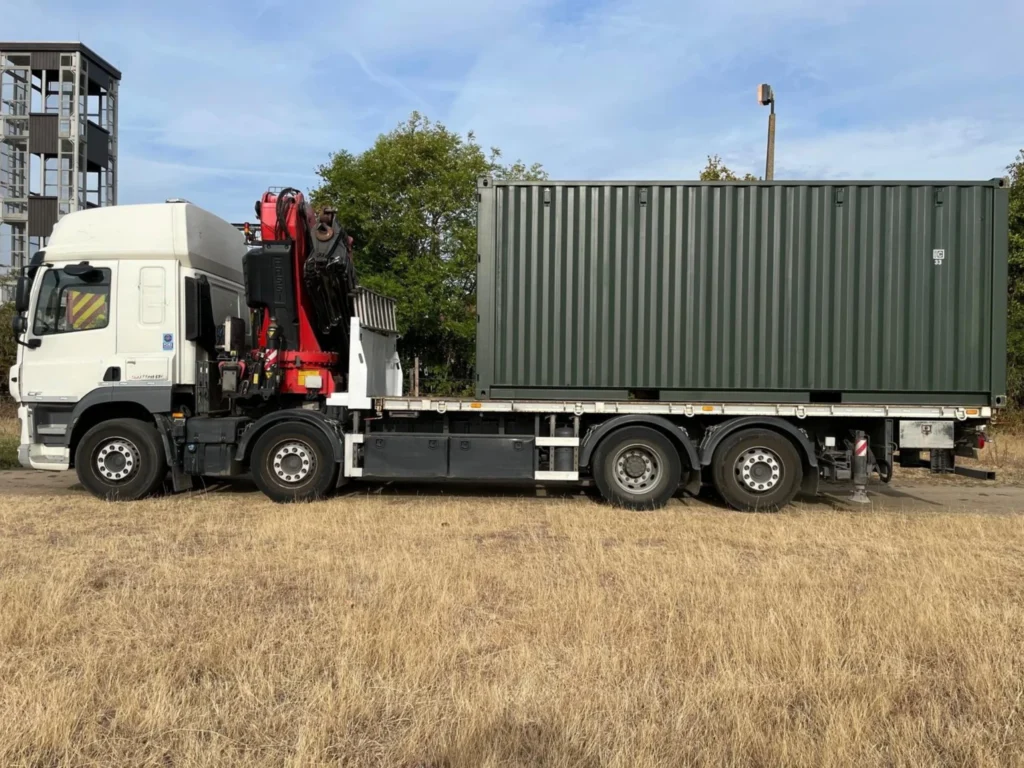
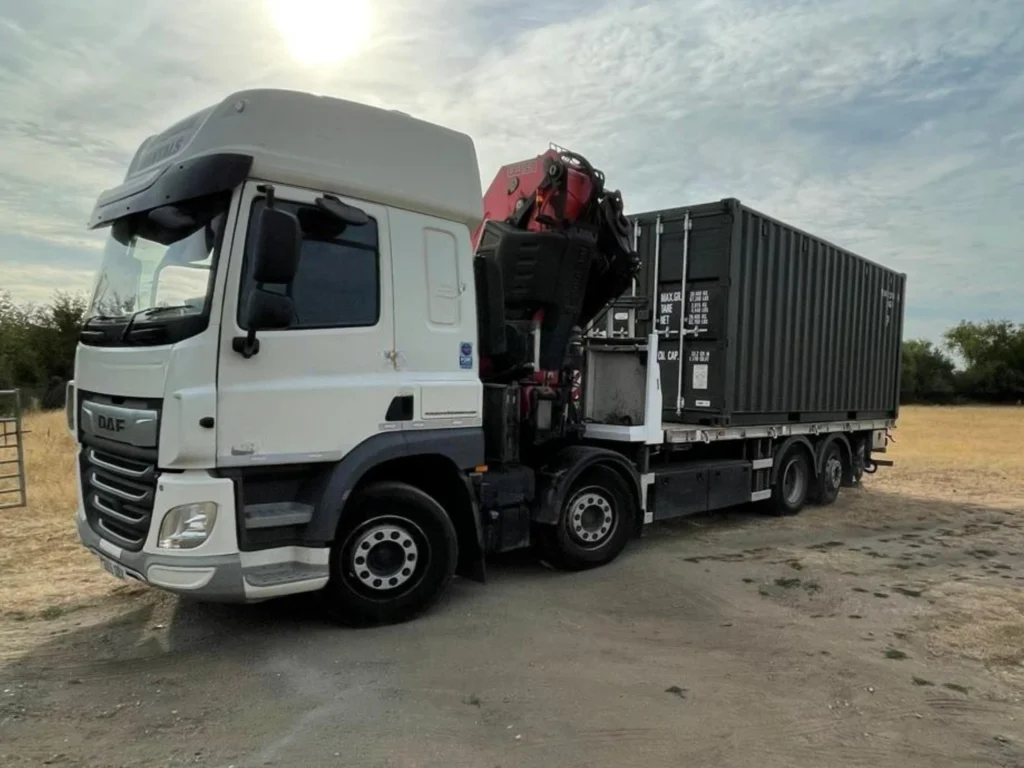
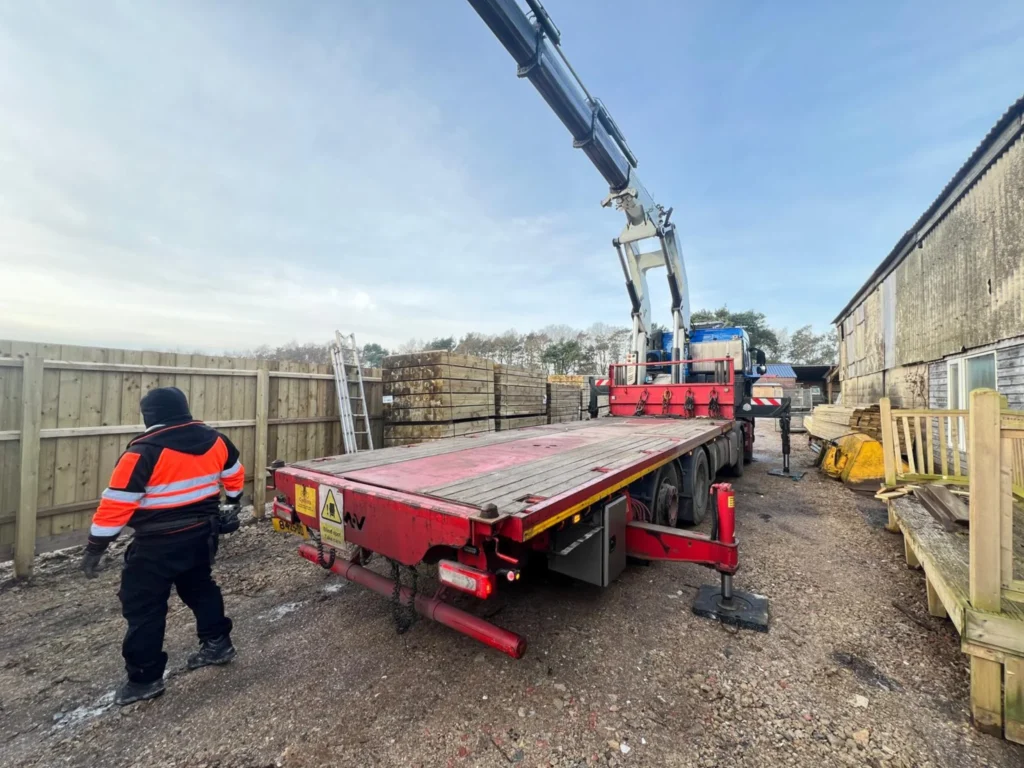
Most containers are delivered using crane-equipped lorries (Hiab vehicles). These vehicles are large and heavy, even when delivering a single 10ft or 20ft container.
Key access requirements include:
- A route that can accommodate an HGV on the final approach
- Sufficient width to avoid damage from overhanging branches or fences
- No low bridges or height restrictions near the site
- Space on site for the vehicle to park and deploy stabilisers
Narrow country lanes are common on farms and are not automatically a problem, but suppliers must be told in advance so the correct vehicle can be selected.
Ground conditions on farmland
Delivery vehicles must operate on hard standing such as concrete, tarmac, or well-compacted hardcore. Grass, soft soil, or recently ploughed ground will usually result in delivery refusal.
On many farms:
- The vehicle stays on a track or yard
- The container is lifted into position from solid ground
- The container does not need to sit on hard standing itself
This approach works well for yards, paddock edges, and field boundaries.
Common farm uses for shipping containers
Agricultural machinery and equipment storage
Quad bikes, pumps, tools, strimmers, trailers, and small plant are high-risk items for theft. Shipping containers provide enclosed, lockable steel storage that can be positioned close to where equipment is used.
This matters because:
- Rural crime cost UK farmers £1 billion on average every single year
- Containers are anonymous and difficult to breach
- High-security lock boxes allow contents to be insured
Hay and animal feed storage
Containers are well suited to feed and hay storage when in sound condition and correctly positioned.
Benefits include:
- Wind and watertight protection
- Raised floors that reduce moisture exposure
- Strong resistance to vermin when doors and seals are intact
Condensation can occur in all steel containers, but this can be managed depending on how feed is stored.
Workshops, offices, and staff facilities
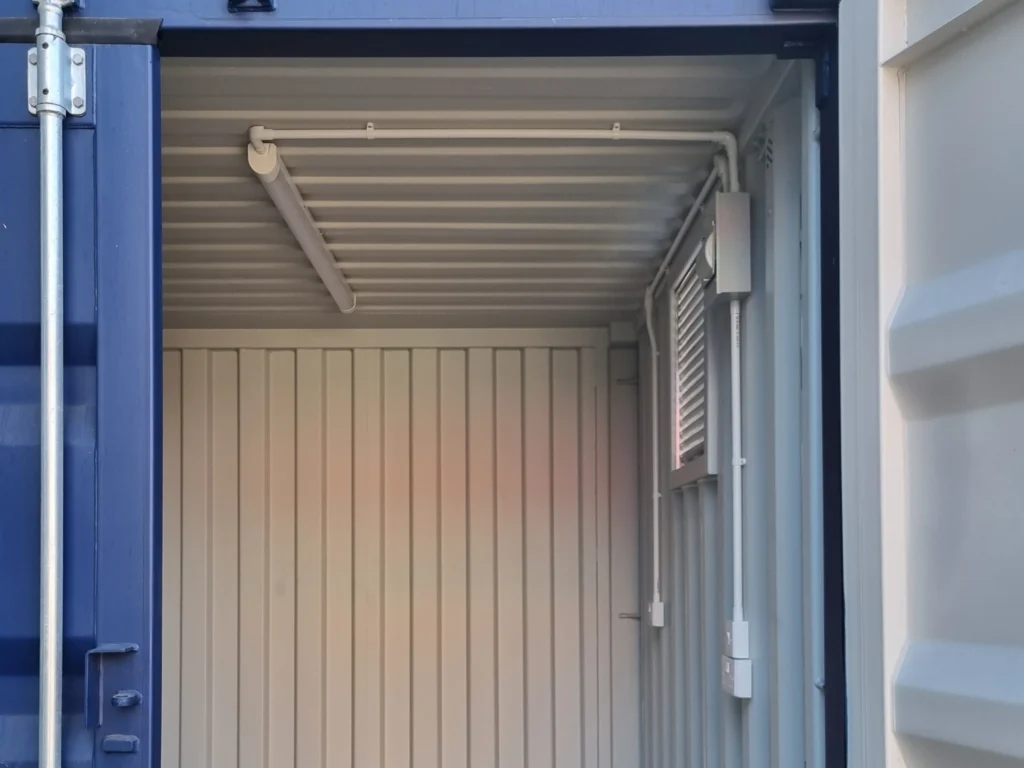
As farms diversify, containers are increasingly used as:
- Workshops
- Site offices
- Break rooms and welfare units
Because containers are classed as temporary structures in many cases, they often avoid the cost and complexity of permanent buildings.
Containers for farm diversification
Farm shops, glamping, and visitor facilities
Many farms now generate income from visitors. Containers are commonly used to create:
- Farm shops
- Storage for campsites
- Toilet and shower blocks
- Glamping pods
Containers can be converted off-site and delivered ready to use, reducing disruption during busy seasons.
Self-storage on agricultural land
Some farmers use spare land to operate container self-storage.
Why this appeals:
- Containers typically pay for themselves within a few years
- Long service life when static
- Containers retain resale value
- Storage demand continues to grow in rural areas
Preparing a farm site for container delivery
Levelling and siting
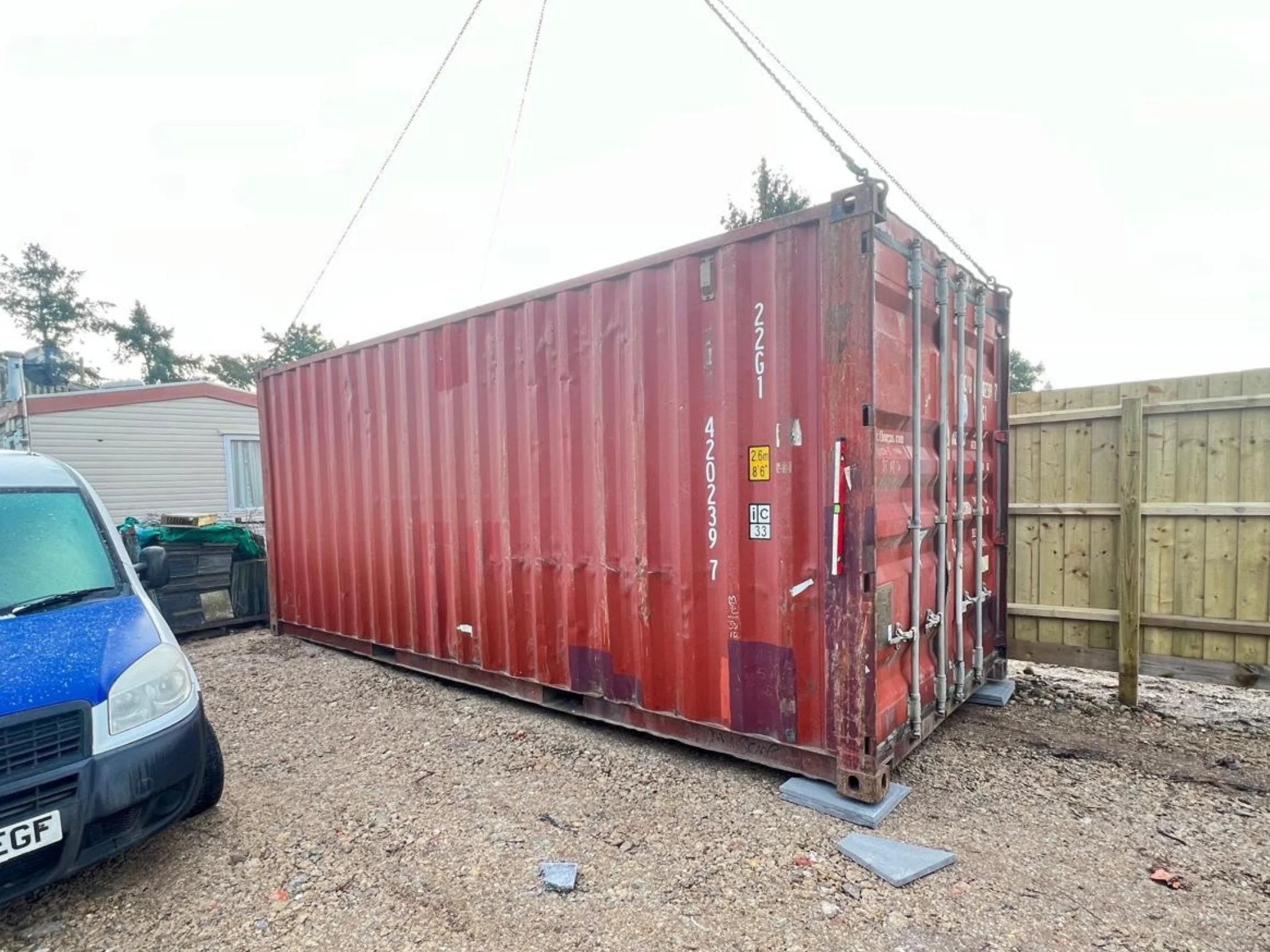
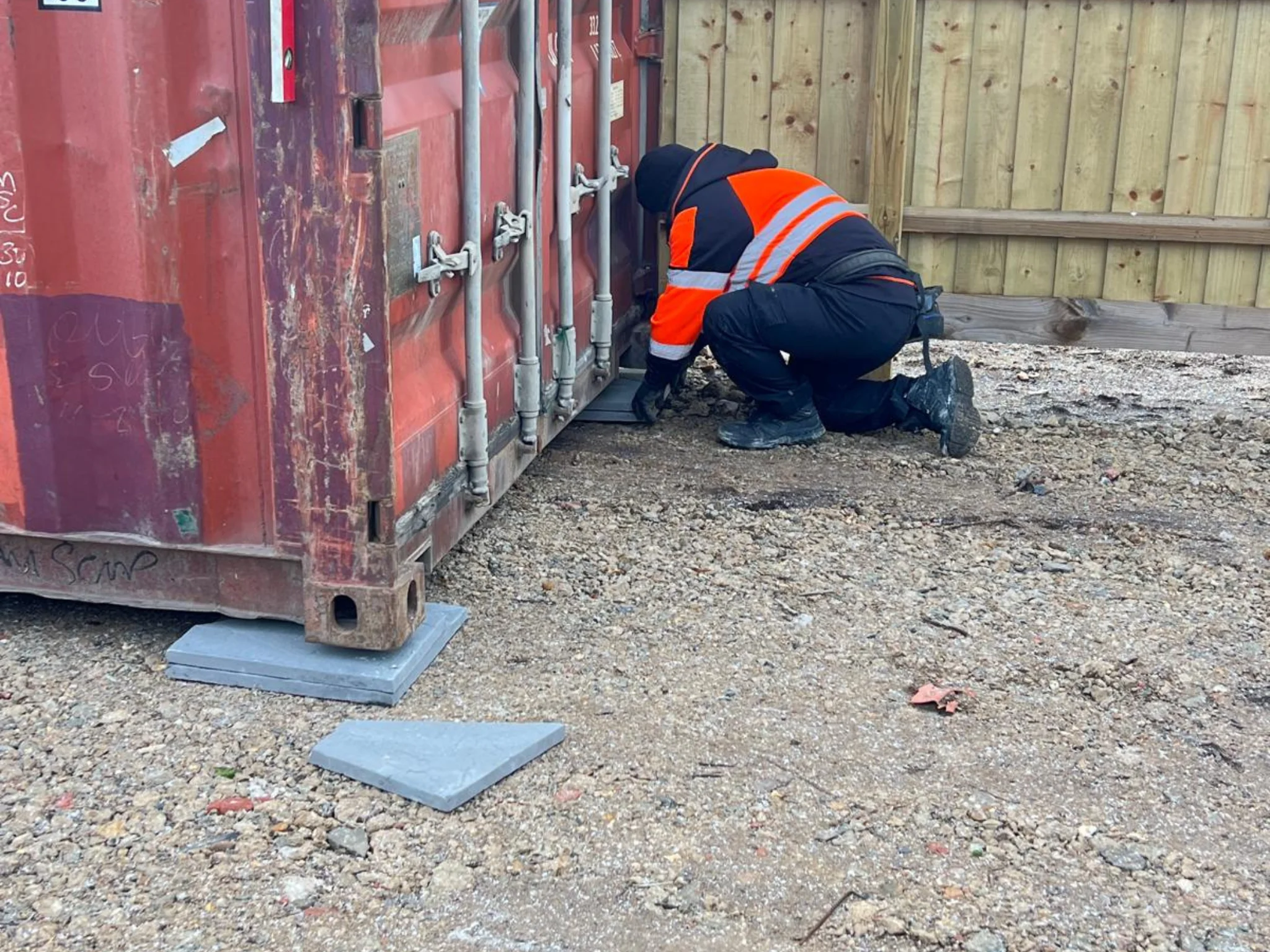
Containers should not be placed directly on soil.
Best practice includes:
- Supporting the container on its four corner points
- Using concrete blocks, slabs, or sleepers
- Ensuring the container is level across all corners
A level container prevents frame twist, which can cause doors to jam.
Overhead clearance
Hiab cranes lift containers from the top corner castings and require clear vertical space. Power lines, tree branches, and building overhangs must be identified in advance.
Frequently asked questions from farmers
Can containers be delivered across fields?
Vehicles must remain on solid ground, but containers can often be lifted into fields from tracks or yards.
Can I move the container myself after delivery?
Many 20ft containers have fork pockets and can be moved short distances using farm machinery, provided it is suitable and safe.
Do I need planning permission? – See More Info About This Here
Often no, as containers are considered temporary structures, but this varies by council and intended use.
How long will a container last on a farm? – See More Info About This Here
A sound used container can last decades in static use when raised off the ground and maintained.
Bottom line
Shipping containers can absolutely be delivered to farms and rural locations. With proper access checks, ground preparation, and early communication, containers provide a flexible, secure, and cost-effective solution for modern farming needs — from machinery storage to diversification projects.