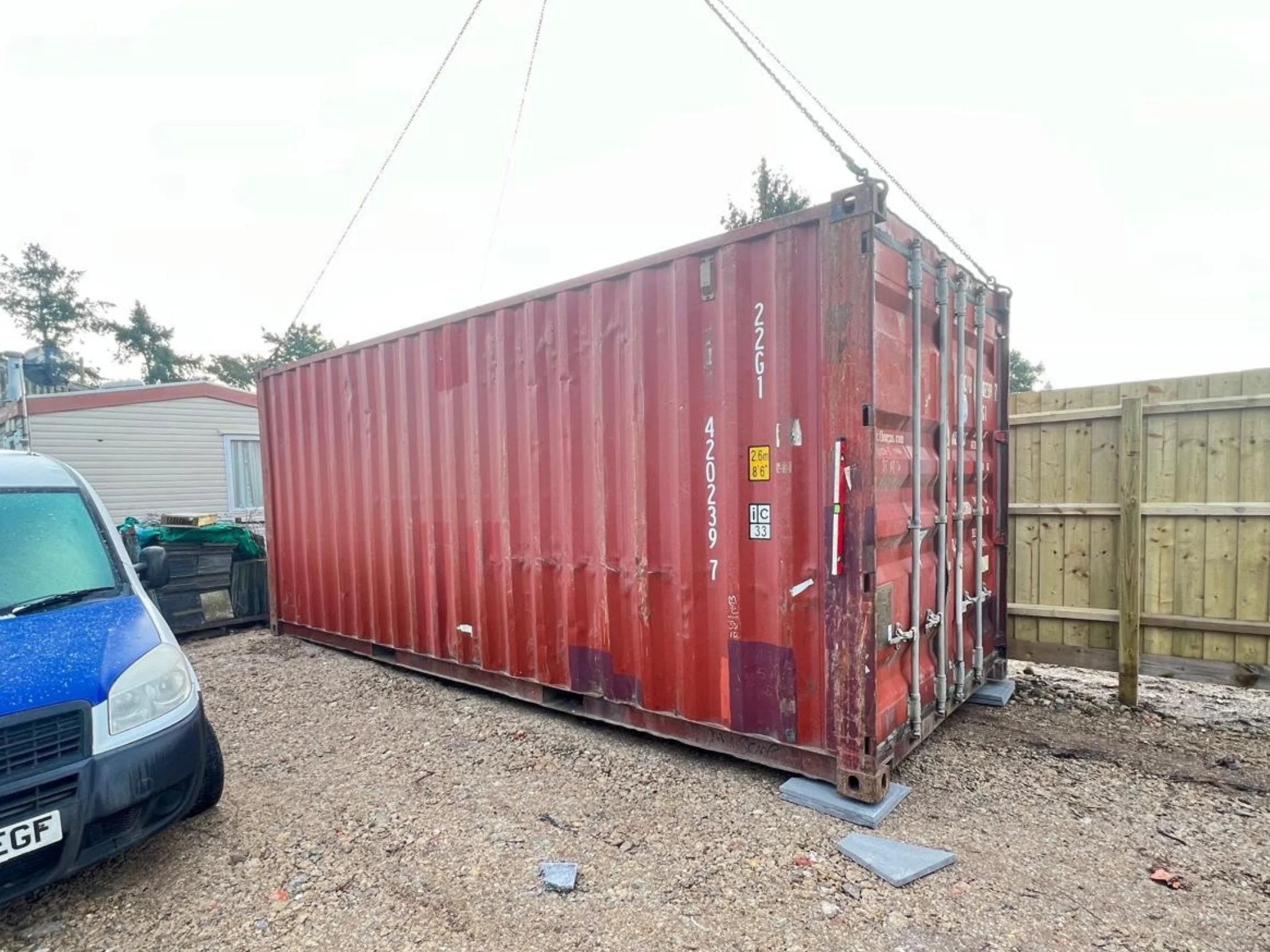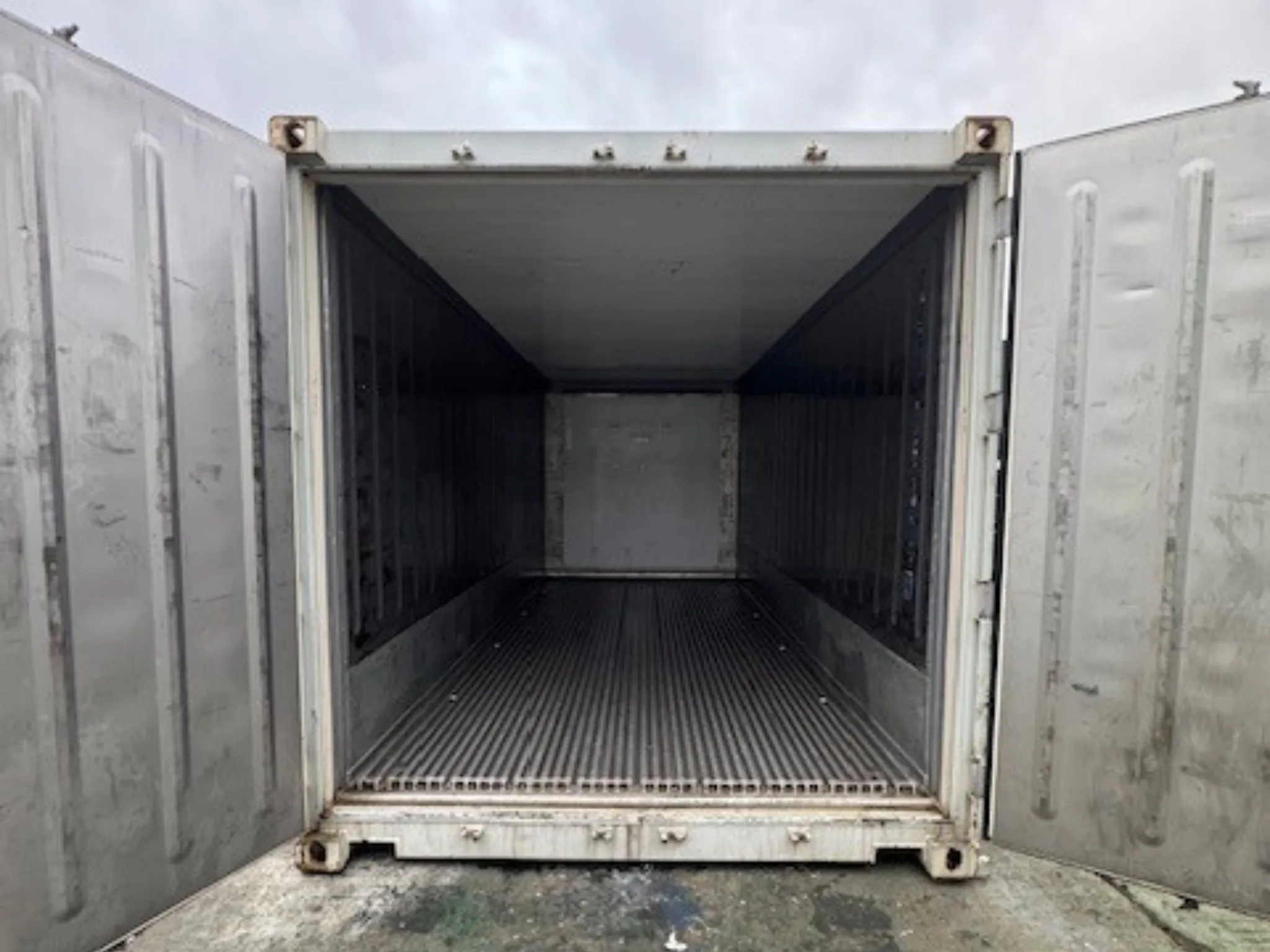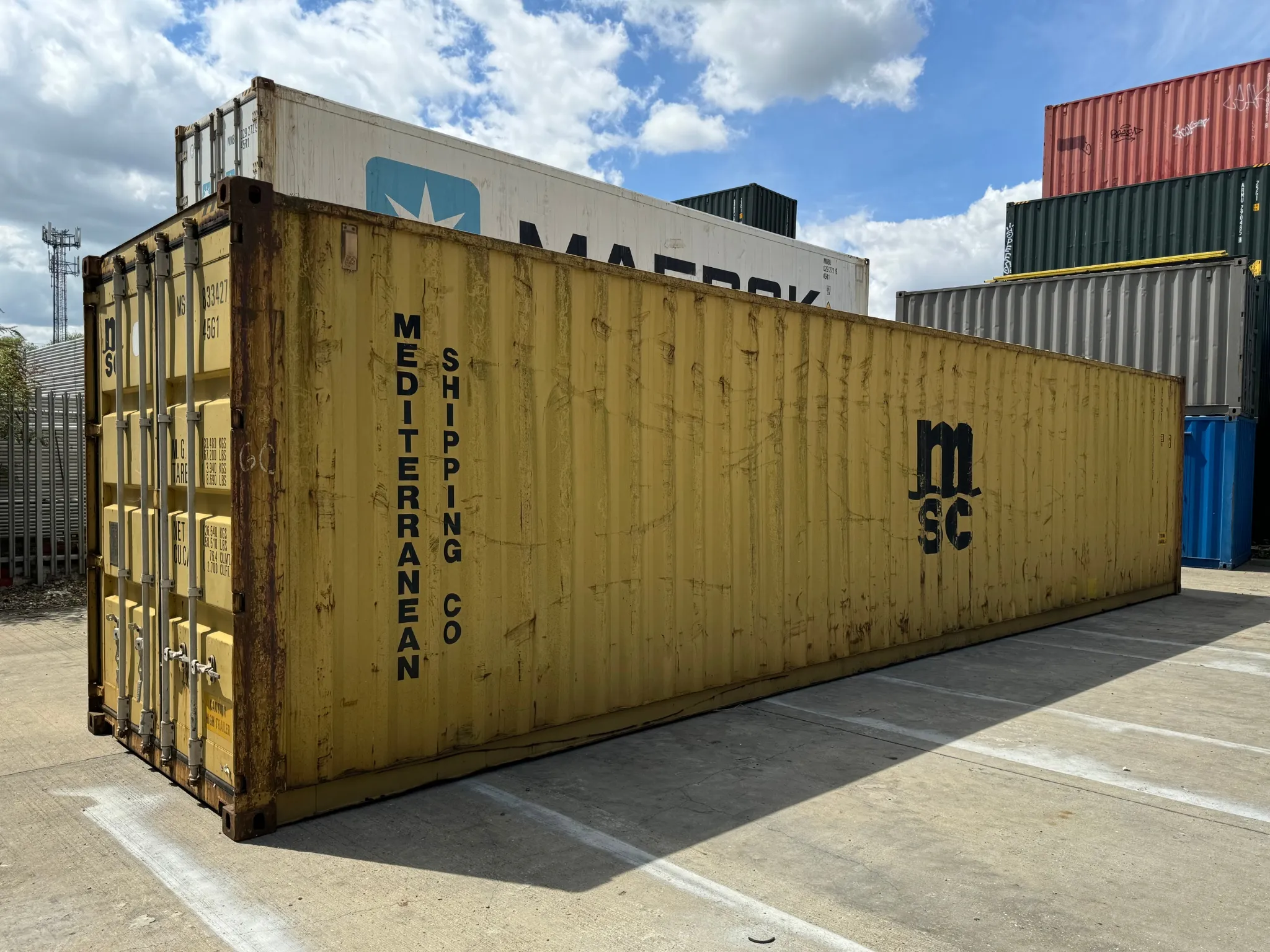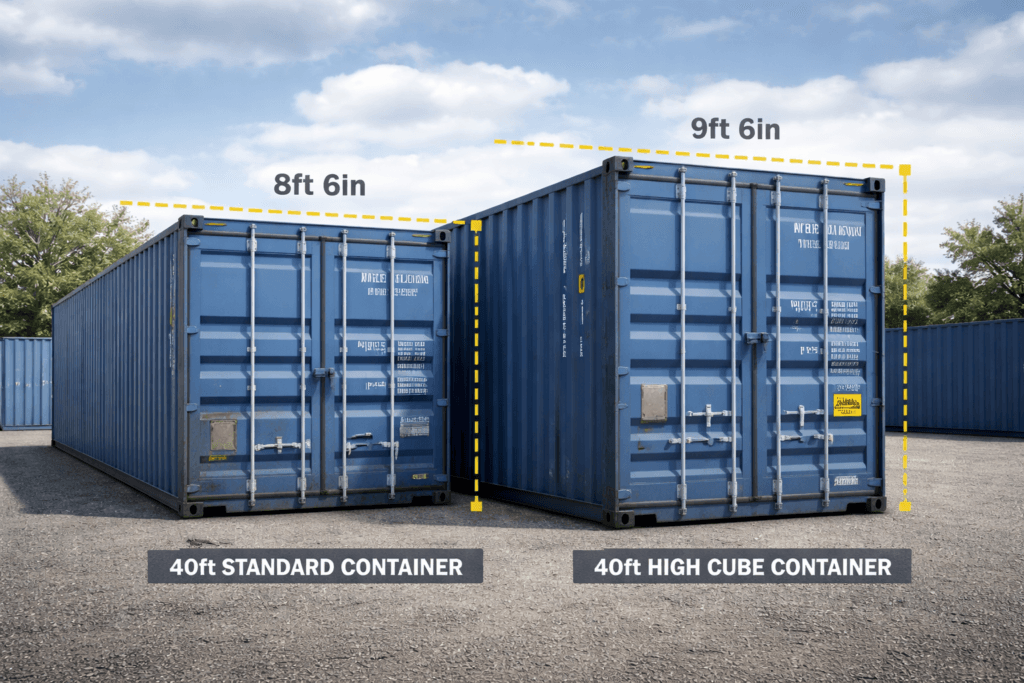
The difference between high cube vs standard containers is height. Standard shipping containers are 8ft 6in tall, while high cube containers are 9ft 6in tall, giving an extra foot of internal space. That extra height makes high cube containers better for taller cargo, container conversions, and storage where volume matters.
Introduction
If you’re buying shipping containers in the UK, one of the first choices you’ll face is high cube vs standard containers. On paper, the difference looks small — just one extra foot.
In practice, that extra height affects what you can store, how you convert the container, delivery logistics, and overall value for money. This guide explains the difference clearly so you can choose the right container first time.
What Is a Standard Shipping Container? (Sizes & Uses)
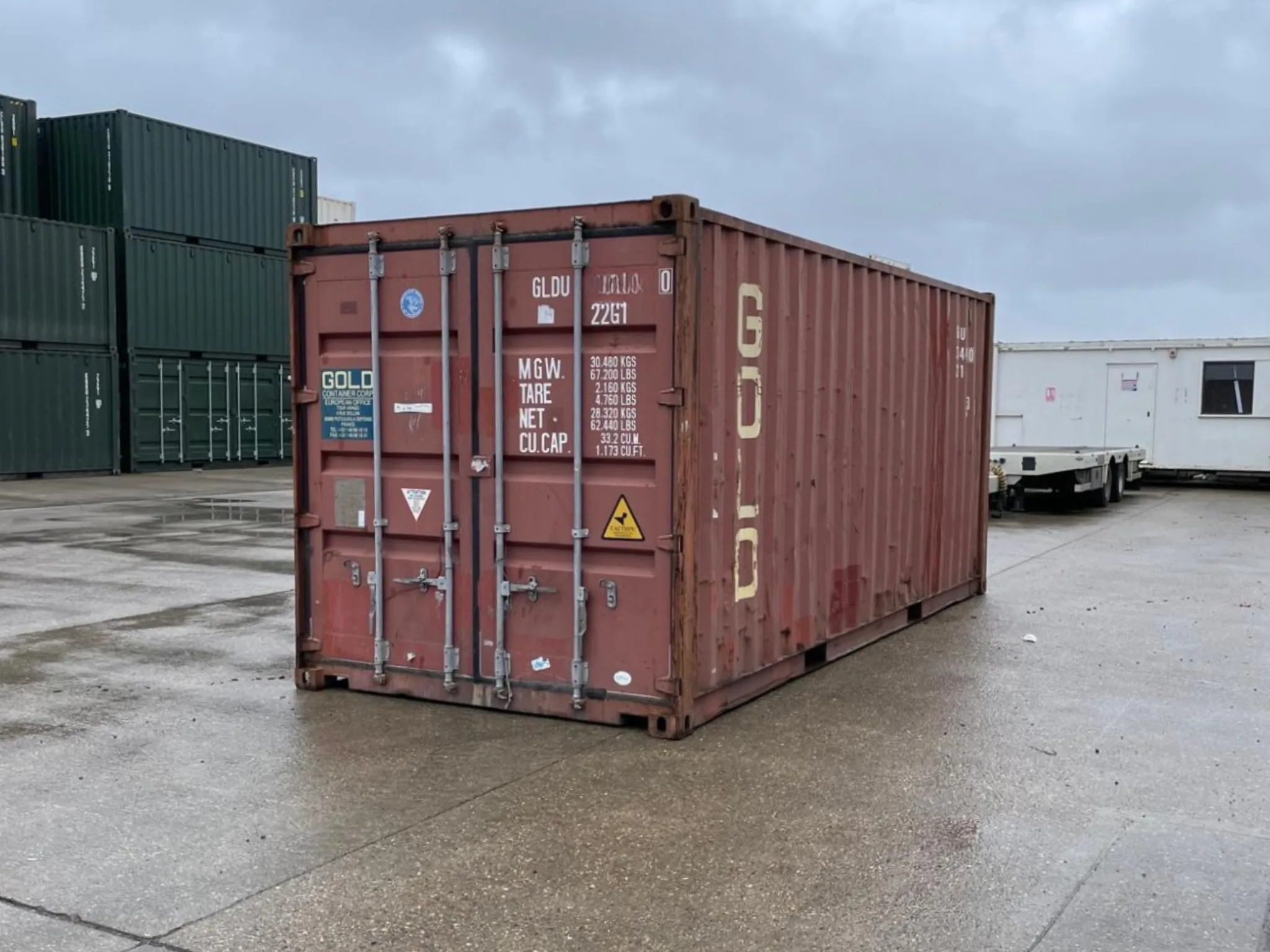
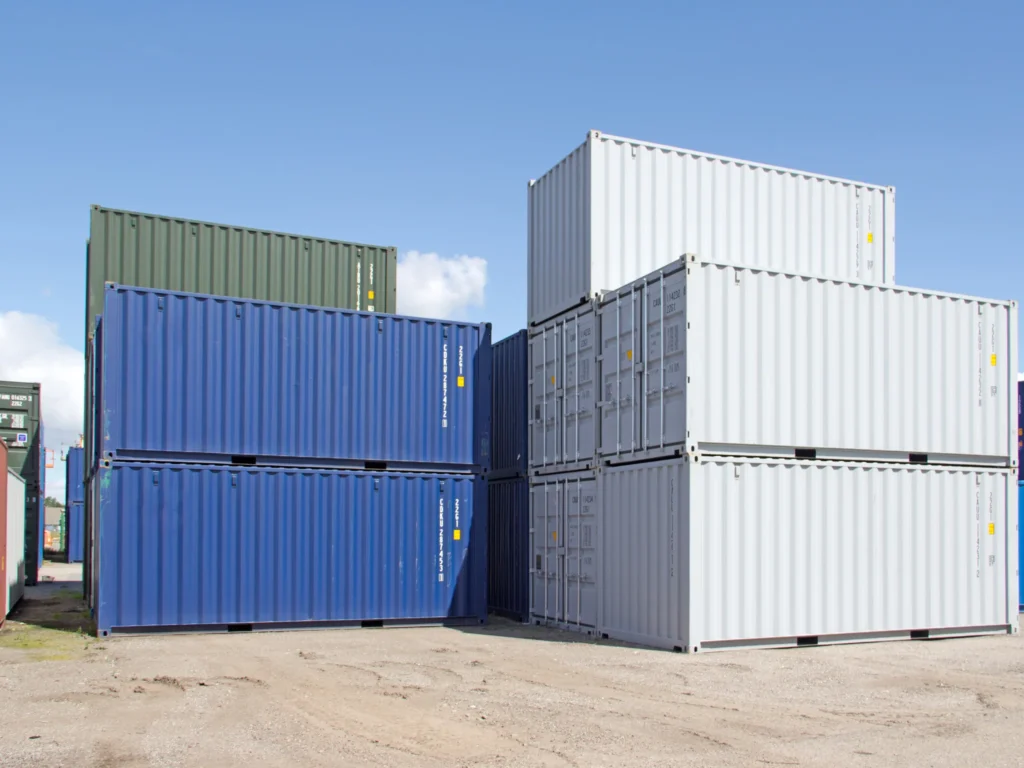
A standard shipping container is the most commonly used container worldwide for freight and storage.
Key characteristics:
- External height: 8ft 6in
- Available sizes: 20ft and 40ft
- Designed for international shipping
- Lower purchase and transport costs
- Easier to position where height is restricted
Standard containers are ideal for general storage, tools, machinery, pallets, and goods that don’t require extra headroom.
One Trip Standard ContainerWhat Is a High Cube Shipping Container? (Extra Height Explained)
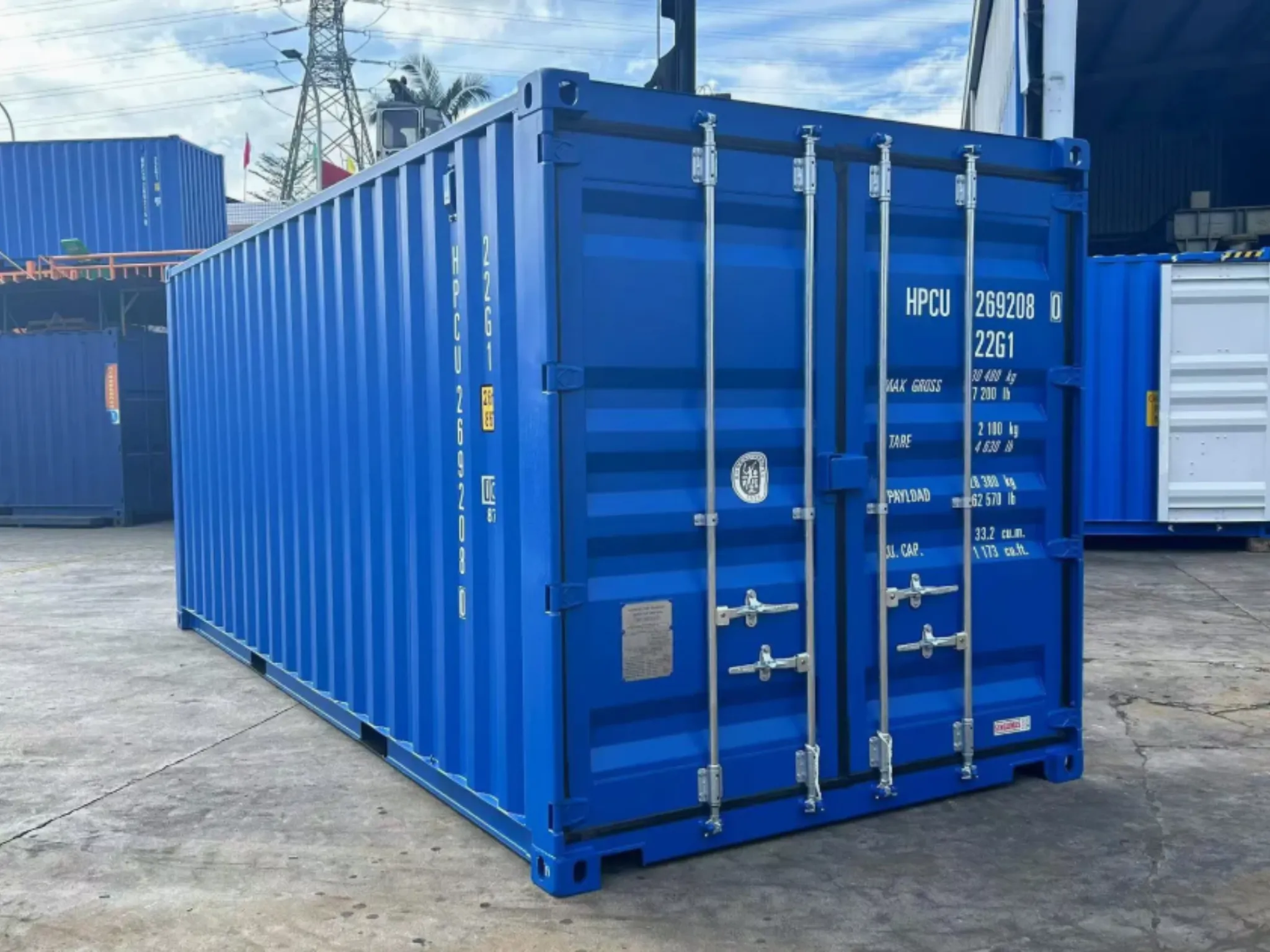
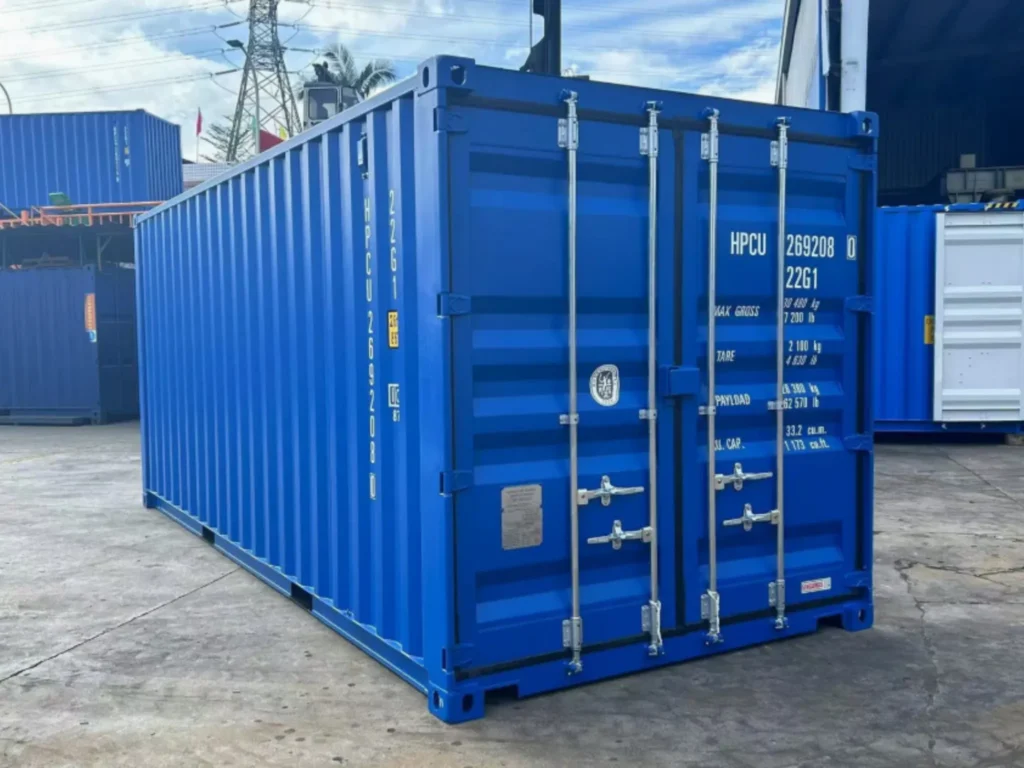
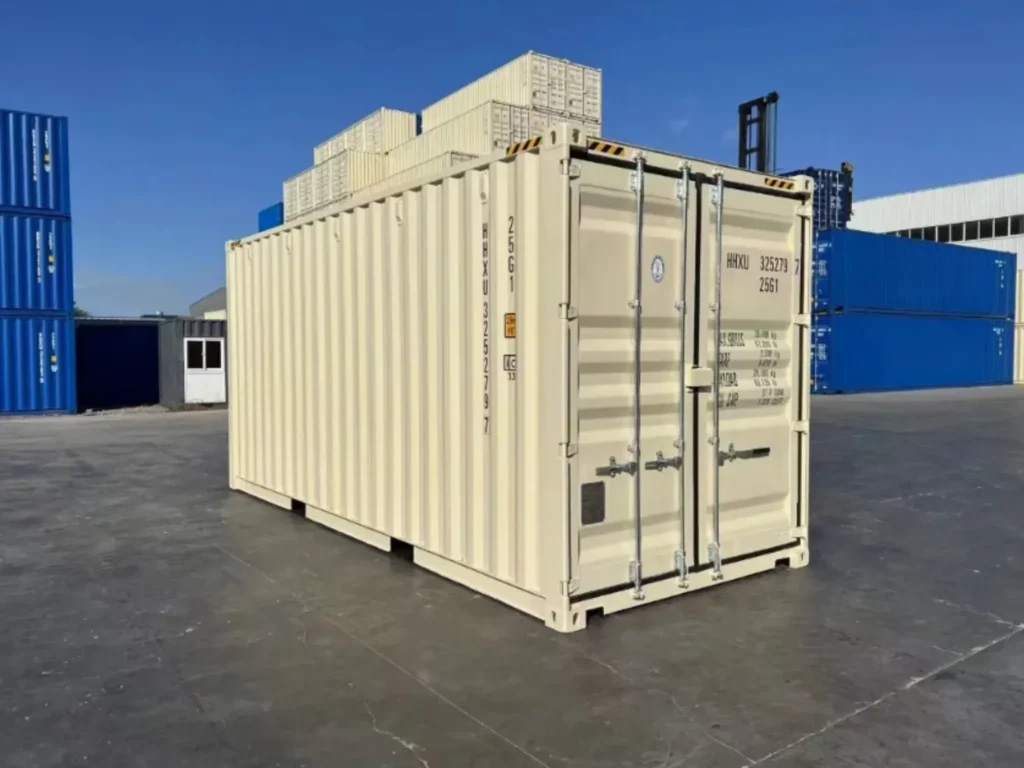
A high cube container is identical in length and width to a standard container but 1ft taller.
Key characteristics:
- External height: 9ft 6in
- Increased internal volume
- More headroom for people and tall items
- Commonly used for conversions and bulky storage
That extra height may sound minor, but it can make a significant difference in usability and storage efficiency.
One Trip High Cube ContainerHigh Cube vs Standard Containers: Key Differences
3 Key Differences Between High Cube vs Standard Containers
1. Height & Internal Space
- Standard containers: 8ft 6in external height
- High cube containers: 9ft 6in external height
- High cubes offer more usable internal volume, especially when stacking or fitting racking
2. Best Use Cases
- Standard containers: tools, pallets, machinery, site storage
- High cube containers: furniture, shelving, workshops, container conversions
High cubes are better where headroom and flexibility matter.
3. Cost & Transport
- Standard shipping containers are usually cheaper to buy and move
- High cube containers may cost slightly more due to size and demand
However, many buyers find high cubes offer better long-term value
High Cube vs Standard Container Size Comparison
The table below compares high cube vs standard containers, showing the key differences in height, internal space, available sizes, typical pricing, and best uses. This comparison helps UK buyers quickly understand which shipping container size is better suited for storage, transport, or container conversion projects.
| Feature | Standard Container | High Cube Container |
|---|---|---|
| External height | 8ft 6in | 9ft 6in |
| Internal height | ~7ft 10in | ~8ft 10in |
| Length options | 20ft / 40ft | 20ft / 40ft |
| Internal volume | Lower | Higher |
| Typical price | Lower | Slightly higher |
| Best for | General storage | Tall items & conversions |
20ft High Cube Shipping Containers (Dimensions & Summary)
A 20ft high cube shipping container has the same footprint as a standard 20ft unit but with an additional 1ft of height.
External Dimensions:
Length: 20ft (6,058mm)
Width: 8ft (2,438mm)
Height: 9ft 6in (2,896mm)
Internal Dimensions:
Length: approx. 19ft 4in
Width: approx. 7ft 8in
Height: approx. 8ft 10in
Approximate Capacity:
Around 37 cubic metres
A 20ft high cube is commonly chosen where vertical clearance matters more than footprint. The additional headroom allows for racking systems, insulation for conversions, and more comfortable standing height.
For smaller sites where access is limited but internal flexibility is required, the 20ft high cube offers a strong balance between manageable footprint and increased internal volume.
Full 20ft specifications can be found in our guide on 20ft shipping container dimensions UK.
40ft High Cube Shipping Containers (Dimensions & Summary)
A 40ft high cube shipping container follows the same principle as the 20ft version, adding an extra foot of height compared to a standard 40ft container.
External Dimensions:
Length: 40ft (12,192mm)
Width: 8ft (2,438mm)
Height: 9ft 6in (2,896mm)
Internal Dimensions:
Length: approx. 39ft 5in
Width: approx. 7ft 8in
Height: approx. 8ft 10in
Approximate Capacity:
Around 76 cubic metres
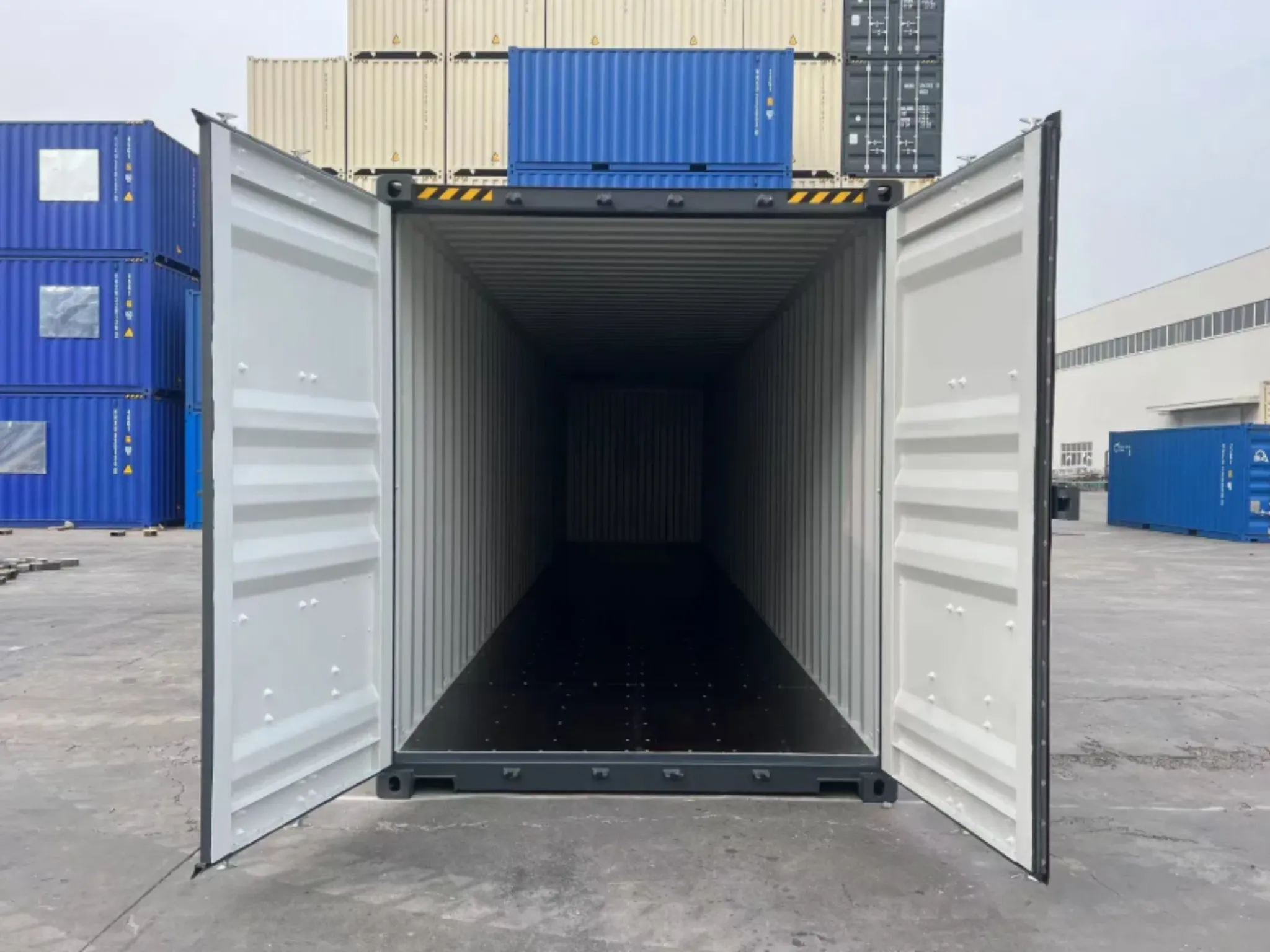
A 40ft high cube provides substantial internal volume and is often used for bulk storage, container conversions, and projects requiring uninterrupted internal space.
The combination of extended length and additional height makes it particularly suitable for workshops, retail conversions, accommodation builds, and large-scale storage.
However, delivery access and site planning must be considered carefully due to increased footprint and overall height.
Which Container Is Better for Storage?
Choose a standard container if:
- You’re storing tools, equipment, or pallets
- Site height is restricted
- Budget is the main priority
- You want the most common, easy-to-source container
Choose a high cube container if:
- You need extra headroom
- You’re storing tall or stacked items
- You plan to install shelving or racking
- You want flexibility for future conversion
For many UK buyers, high cube containers provide better long-term value despite the higher upfront cost.
Which Is Better for Container Conversions?
High cube containers are usually the better option for:
- Offices
- Workshops
- Gyms
- Retail units
- Living or accommodation spaces
The extra height allows for:
- Insulation without losing headroom
- Suspended ceilings
- Improved ventilation
- A more comfortable internal environment
Standard containers can be converted, but internal space becomes limited quickly.
UK Planning & Delivery Considerations
Before choosing between high cube vs standard containers, consider:
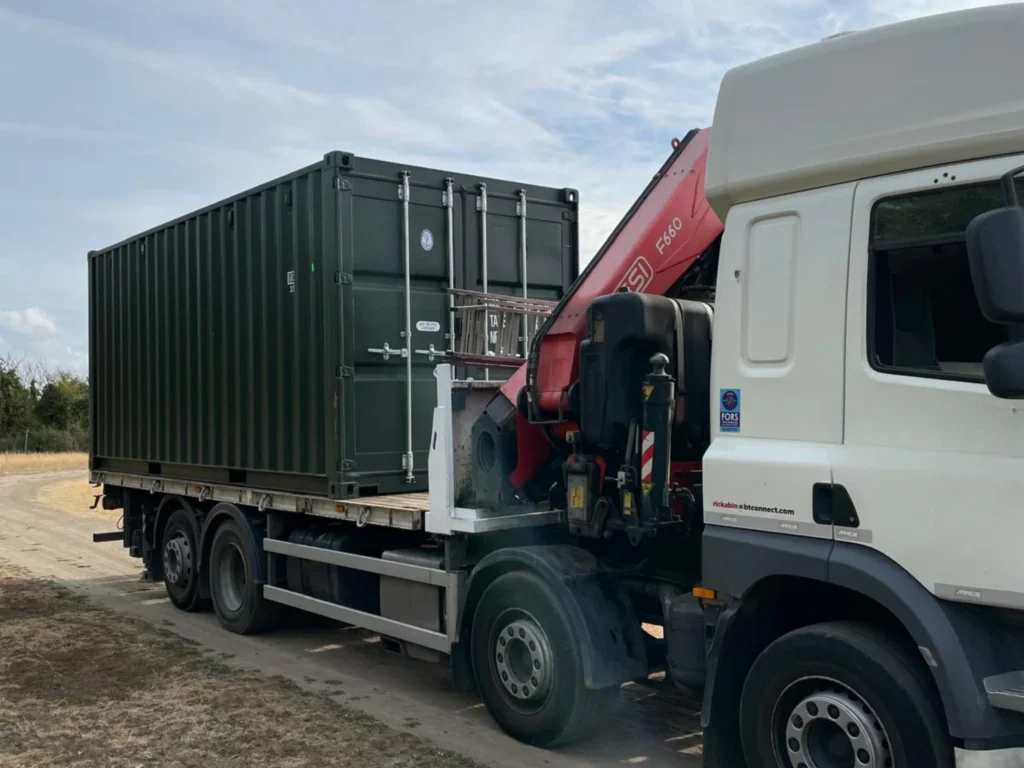
- Site access for delivery vehicles
- Overhead obstructions (trees, cables, buildings)
- Ground levels and foundations
- Local planning restrictions for permanent installations
High cube containers are taller, which can be a factor on tight residential or urban sites.
Why Buy from Bosh Boxes?
- Wide stock of standard and high cube containers
- Clear, honest advice — no upselling
- Containers suited for UK storage and conversion projects
- Nationwide delivery
- Competitive pricing
- Containers inspected for condition and usability
We help you choose the right container, not just any container.
Bottom Line
The difference between high cube vs standard containers comes down to height, internal space, and future flexibility. Standard shipping containers are cheaper and ideal for most storage needs. High cube containers cost slightly more but offer extra volume, comfort, and versatility — especially for conversions.
Need Help Choosing?
If you’re unsure which container suits your project, talk to Bosh Boxes. We supply high cube and standard shipping containers across the UK and can advise on sizes, access, and delivery — without pressure.