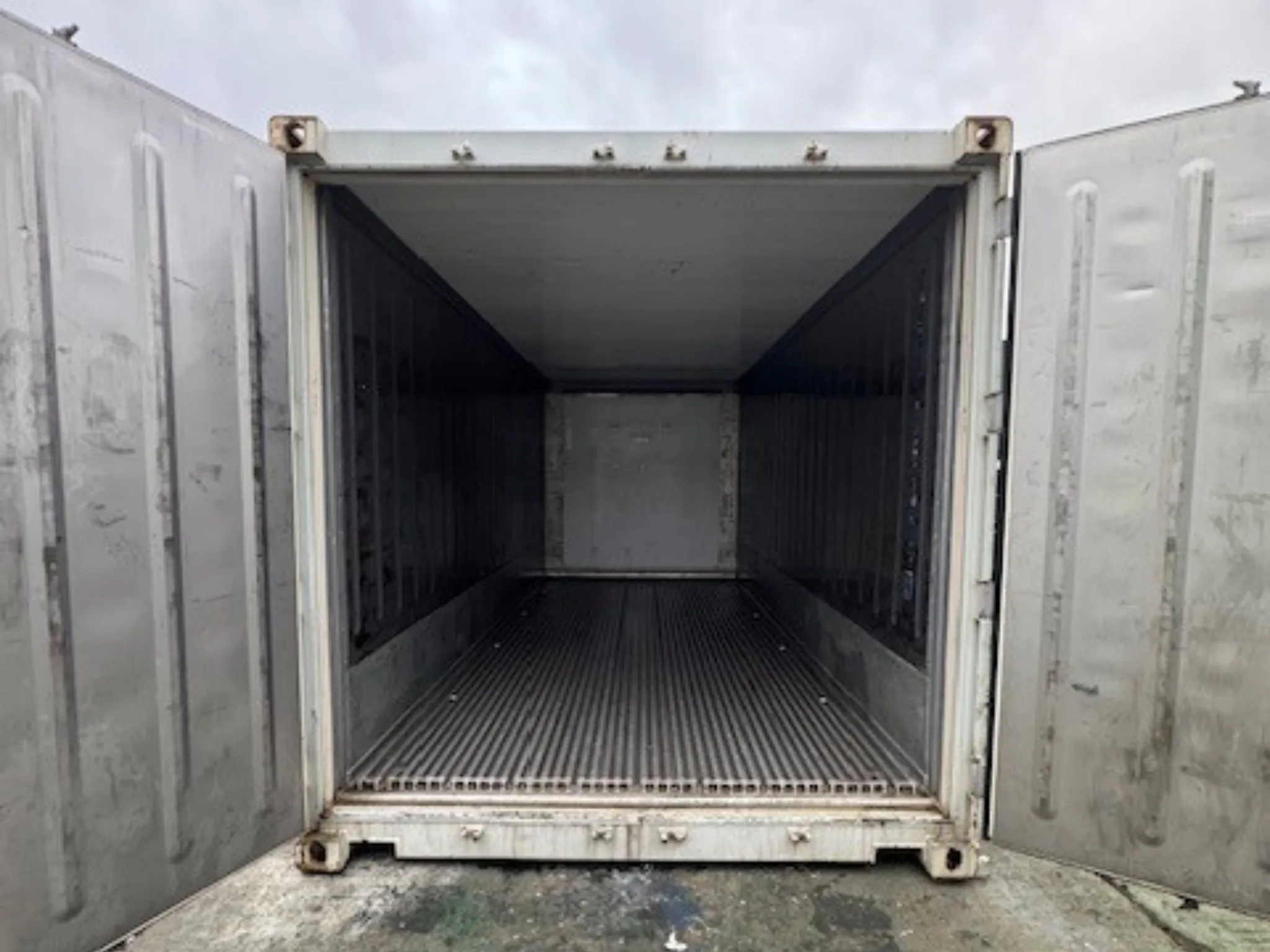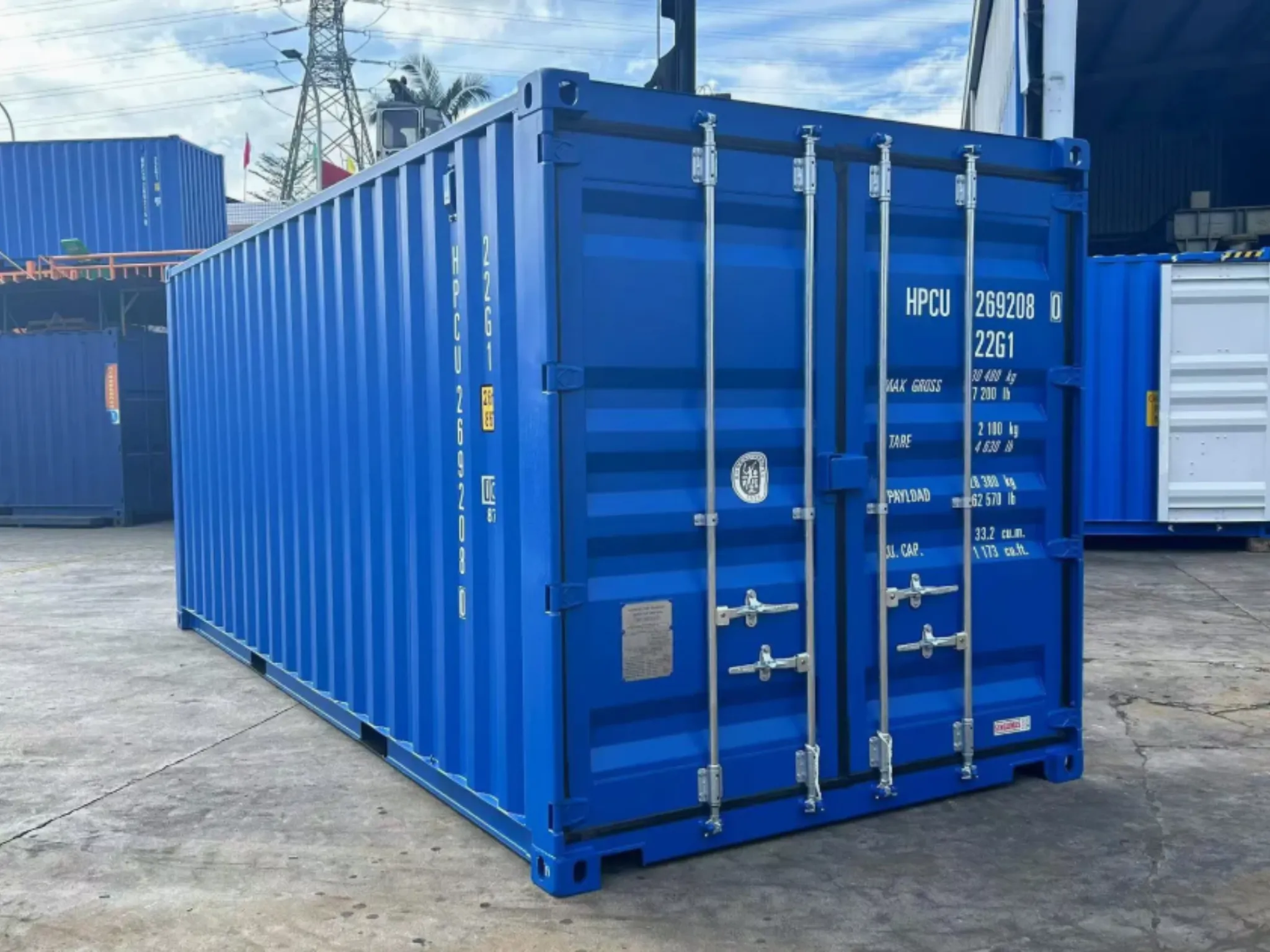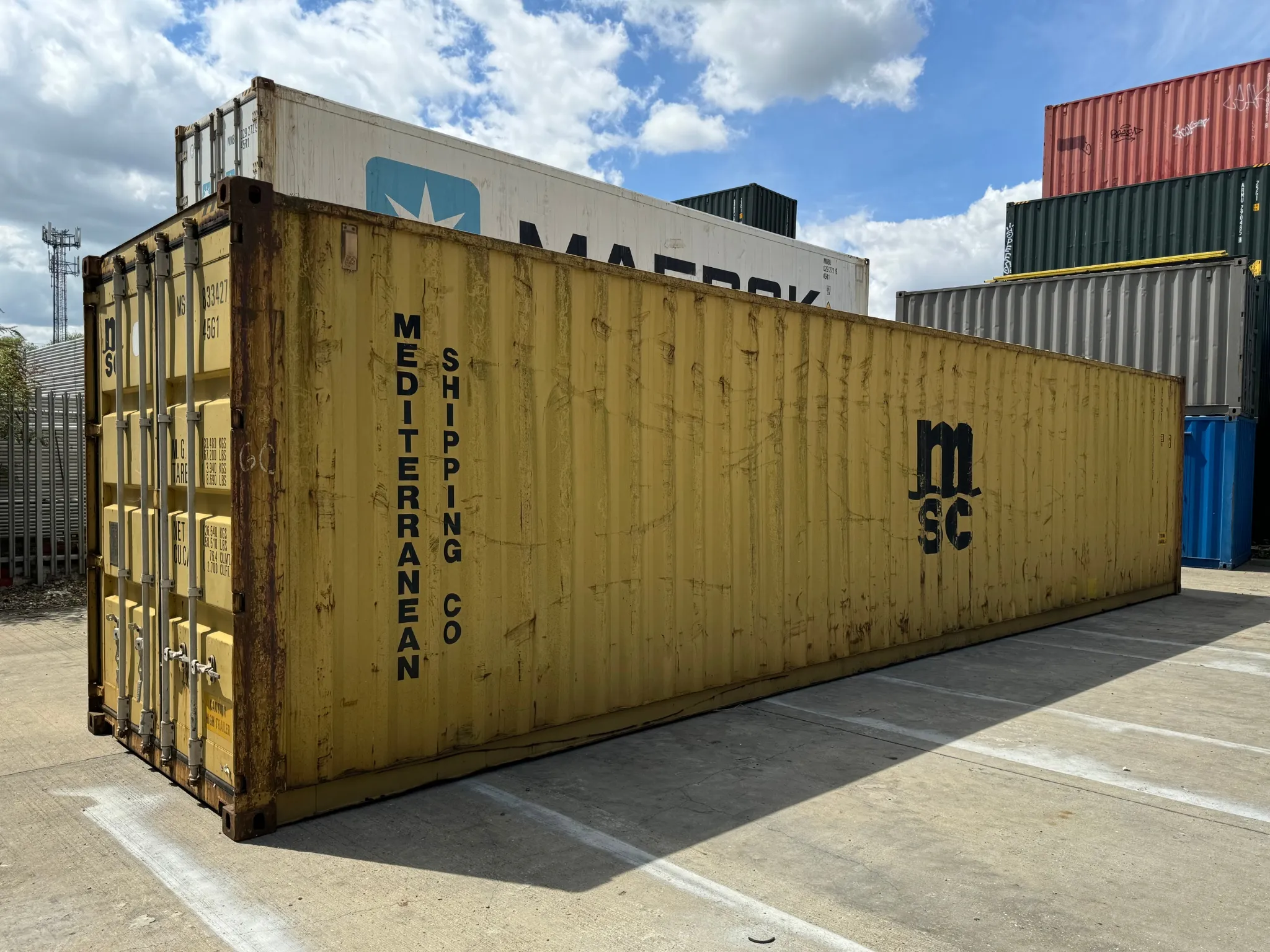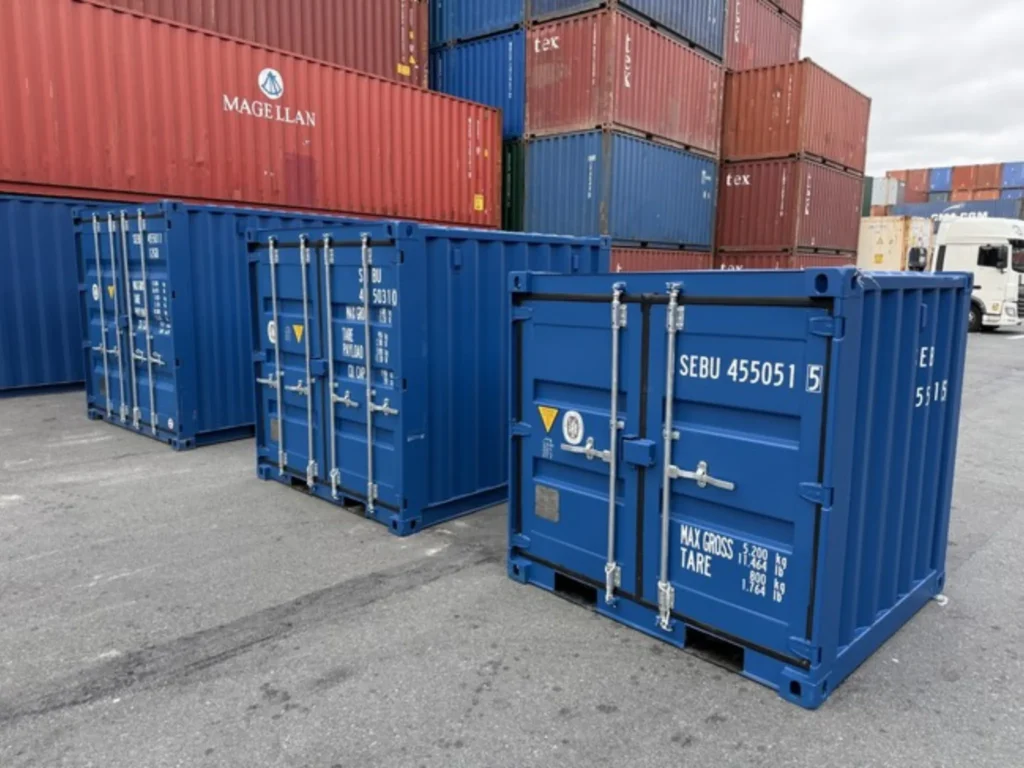
Buy or hire a shipping container – what’s the right choice?
Whether it’s better to buy or hire a shipping container depends on how long you need it, where it will be used, and whether you plan to modify it. In the UK, hiring is typically suited to short-term projects, while buying a shipping container often works out more cost-effective for longer-term storage or permanent use.
This guide explains the real differences between buying and hiring, including costs, transport, flexibility, and long-term value, so you can make the right decision for your situation.
Buying vs Hiring a Shipping Container – The Basics
At a glance, the difference is simple:
- Hiring gives short-term access with lower upfront cost
- Buying gives long-term ownership with no ongoing fees
The details, however, are where the real cost differences appear.
When Hiring a Shipping Container Can Make Sense
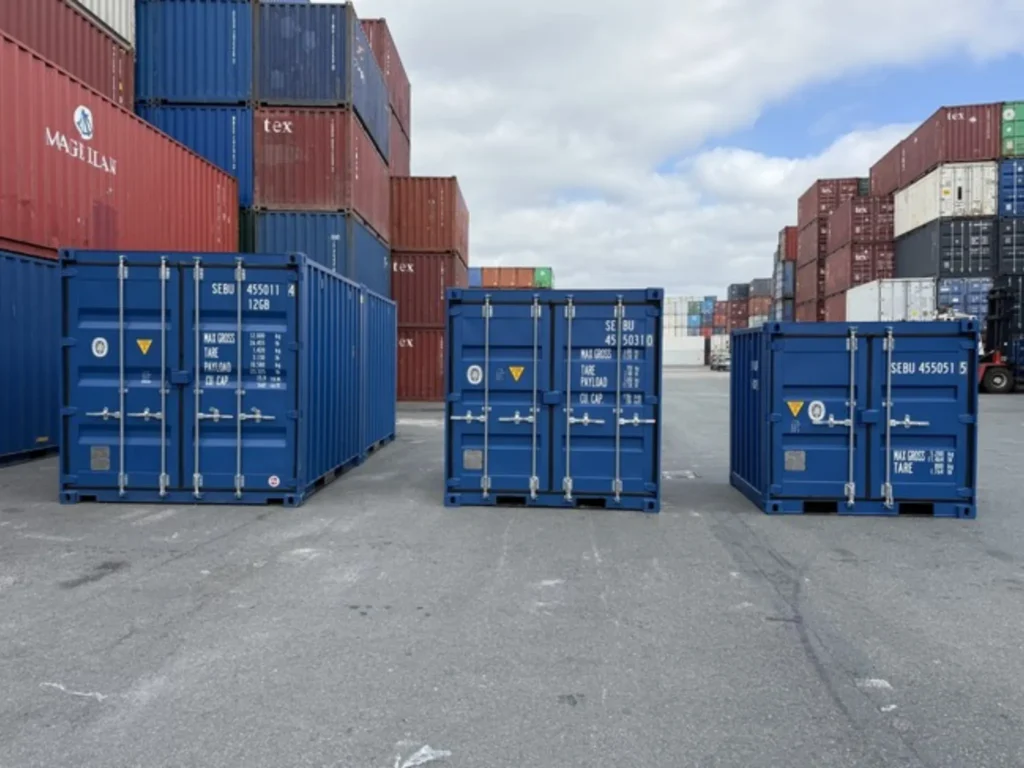
Hiring a shipping container can be suitable when the requirement is genuinely temporary and clearly defined.
Common short-term scenarios include:
- Emergency or overflow storage
- Temporary construction projects
- Events, festivals, or short-term site work
- Seasonal storage requirements
In these cases, hiring offers speed and flexibility, particularly if the container is only needed for a few weeks or months.
The Hidden Costs of Hiring Shipping Containers
While container hire may look cheaper at first glance, there are several costs that are often overlooked.
Transport costs (paid twice)
When hiring, you usually pay for:
- Delivery to site
- Collection at the end of hire
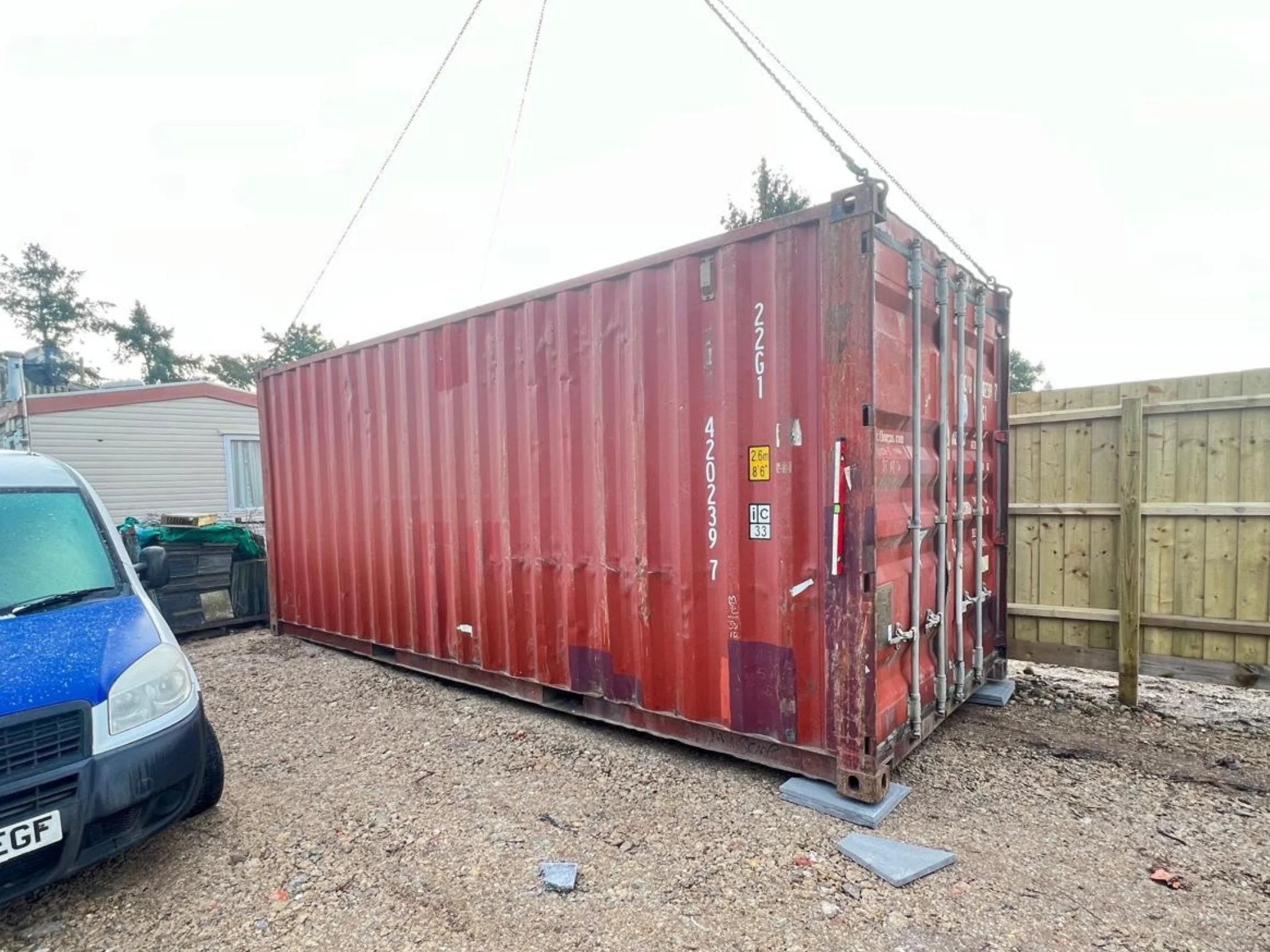
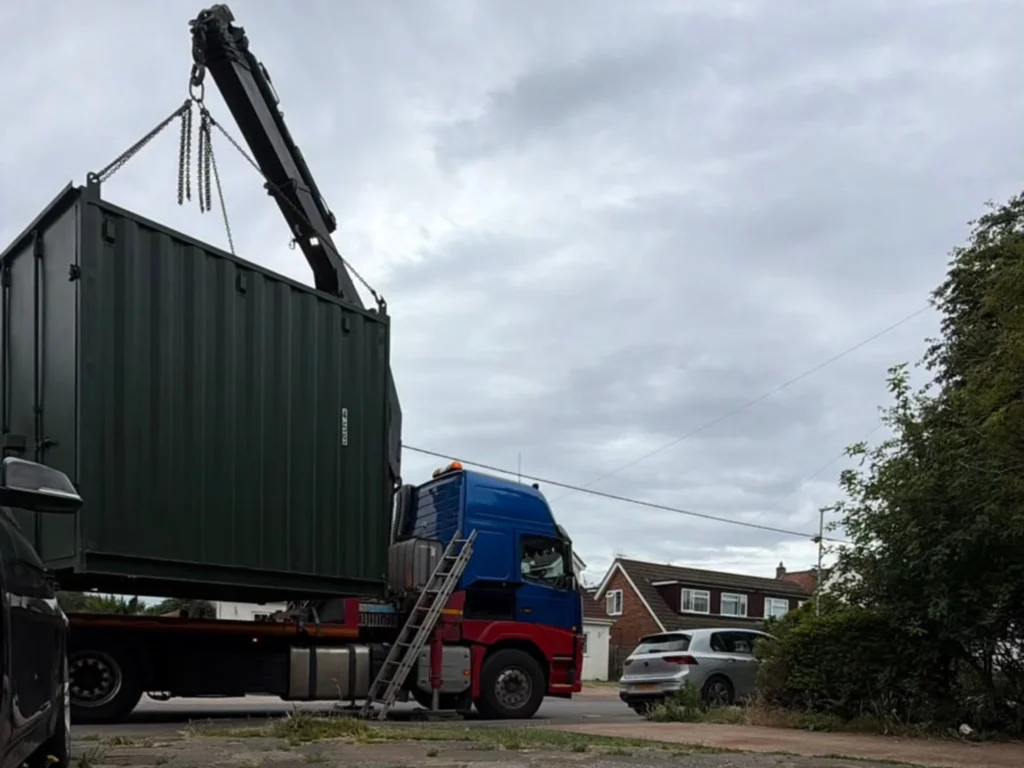
Container delivery requires specialist vehicles, usually HIAB crane lorries. Paying for transport twice can significantly increase the total cost of hire.
Ongoing rental fees
Monthly hire charges continue for as long as the container remains on site. Projects often overrun, and short-term hire can easily turn into long-term rental without realising.
Condition and damage liability
Hired containers are expected to be returned in acceptable condition. Damage beyond normal wear and tear can result in repair charges, sometimes close to the container’s full value.
Limited modification options
Most hire agreements restrict:
- Cutting openings
- Adding insulation
- Installing electrics
- Structural changes
This limits how the container can be used.
Why Buying a Shipping Container Often Makes More Sense
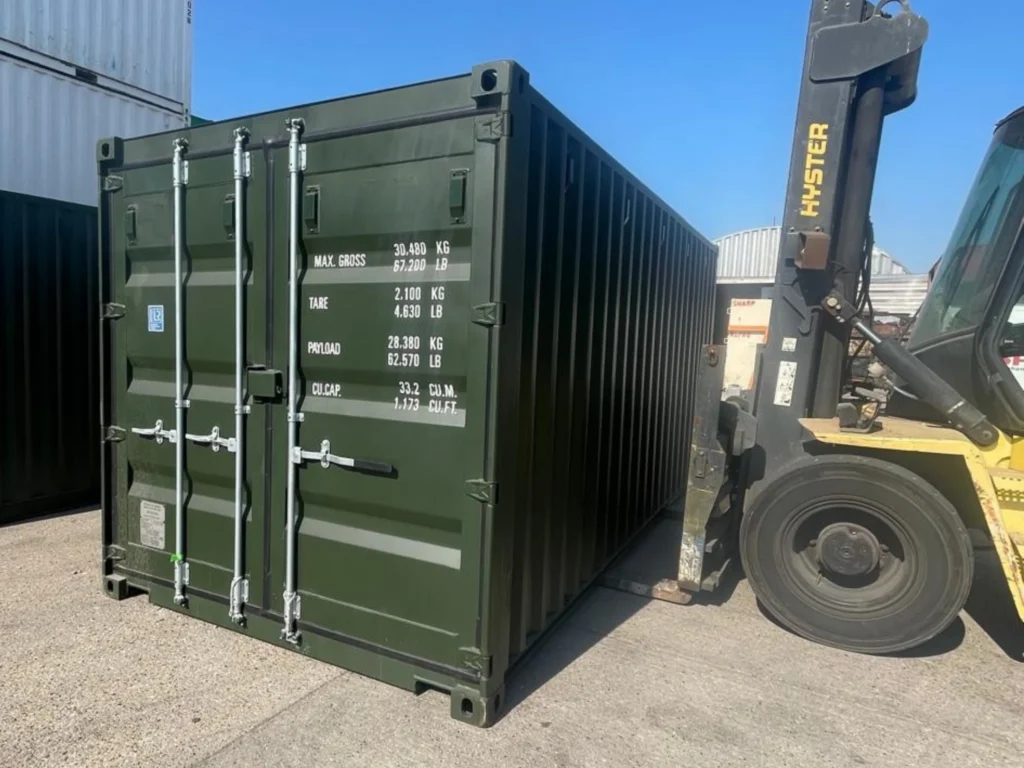
Buying a shipping container is often the better option when the container is required for medium to long-term use, or where flexibility matters.
One-time cost, no ongoing fees
Once purchased, there are no monthly rental charges. For many customers, the break-even point between hire and purchase can be surprisingly short.
Only one delivery cost
Buying usually involves one delivery, not delivery and collection. This alone can make buying more economical than hiring over time.
Full control and flexibility
Ownership allows you to:
- Modify the container
- Add ventilation, insulation, or electrics
- Use it indefinitely
- Relocate or resell it later
Long service life
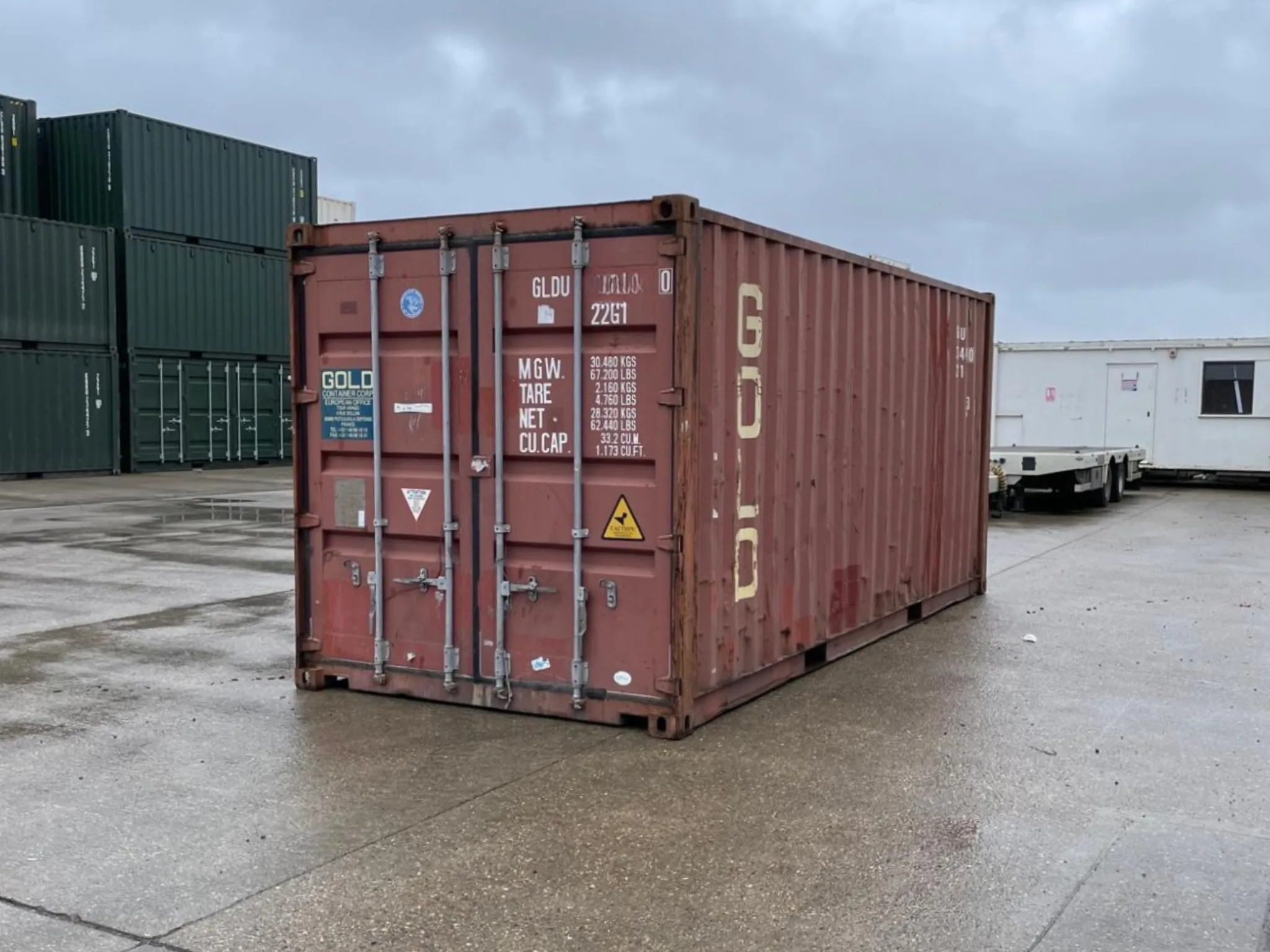
Used shipping containers are built from heavy-duty steel and are typically sold wind and watertight. With basic care, they can provide many years of secure storage.
How Long Do You Need the Container?
This is often the deciding factor.
- A few weeks to a couple of months → hiring may suit
- Several months or longer → buying is usually more cost-effective
Many customers initially plan short-term use, only to find their container stays on site far longer than expected.

Container Sizes and Value for Money
Standard container sizes tend to offer the best value, whether buying or hiring.
- 20ft and 40ft containers are standard ISO sizes
- They are widely available
- They retain resale value
- They are cheaper per square foot than cut-down units
Smaller sizes, such as 10ft containers, are often cut down from larger units in the UK, which explains why they can cost more per foot than a 20ft container.
Buying With Confidence – A Practical Middle Ground
Some buyers want ownership without committing forever. In these cases, buy-back options can offer flexibility.
Buying allows:
- Immediate use
- Modifications if required
- No ongoing rental fees
And if circumstances change, resale or buy-back routes can reduce long-term risk.
Buy or Hire – A Simple Summary
Hiring a shipping container
- Best for short, clearly defined projects
- Lower upfront cost
- Less flexibility
- Ongoing fees and double transport costs
Buying a shipping container
- Retains resale value.
- Better value for longer-term use
- One delivery cost
- Full control and modification options
Final Thoughts
There’s no universal right answer when deciding whether to buy or hire a shipping container. The correct choice depends on timeframe, budget, and intended use.
For many UK buyers, especially those needing secure storage on their own site, buying a shipping container provides better long-term value, flexibility, and control than hiring.
If you’re unsure which option suits your situation, understanding the full costs and limitations upfront can prevent expensive surprises later.
Ready to explore buying a shipping container?
If ownership makes more sense for your needs, explore new and used shipping containers available across the UK, with clear pricing, honest advice, and straightforward delivery — the Bosh Boxes way.