In most cases, no — you do not need planning permission for a shipping container if it is used temporarily and does not change the use of the land. In the UK, shipping containers are usually classed as temporary structures. However, planning permission is required if the container becomes permanent, is used for business or residential purposes, or changes how the land is used. Always check with your local authority before delivery.
Quick Answer: When Planning Permission Is Needed
| Situation | Planning Permission Required? |
|---|---|
| Temporary storage on private land | Usually no |
| Agricultural use on agricultural land | Usually no |
| Business or commercial storage | Yes |
| Residential use or habitation | Yes |
| Container on land for over 28 days | Often yes |
| Change of land use | Yes |
| Conservation area or AONB | Likely yes |

What Counts as a “Temporary Structure”?
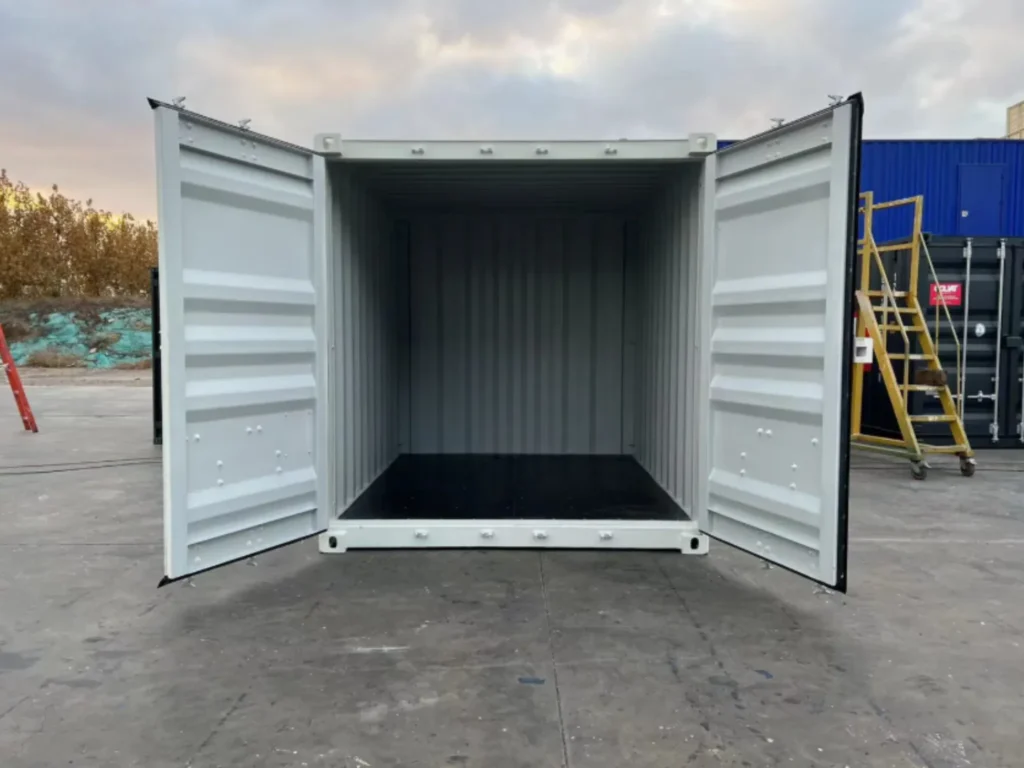
Shipping and storage containers are generally considered portable structures. They do not require permanent foundations, can be moved easily, and are not designed to be fixed in place long-term. This is why they are often exempt from planning permission.
However, councils increasingly look beyond whether a container can be moved and focus instead on:
- How long it stays in place
- What it is used for
- Whether it changes the use of the land
This is where most confusion and enforcement, begins.
Temporary vs Permanent Use (The Key Distinction)
Temporary use
A shipping container is more likely to be exempt if it:
- Is used for short-term storage
- Remains fully transportable
- Is not connected to permanent utilities
- Does not alter how the land is used
Examples include:
- Storage during renovations
- Agricultural equipment storage
- Containers on construction sites
- Seasonal or short-term projects (under 28 days)
Permanent use
Planning permission is far more likely if the container:
- Remains in place long-term
- Is fixed to the ground
- Is insulated and connected to services
- Is used as a home, office, or business
- Is let to third parties
At this point, councils usually treat the container as a building, not a temporary structure.
Shipping Containers on Private Land
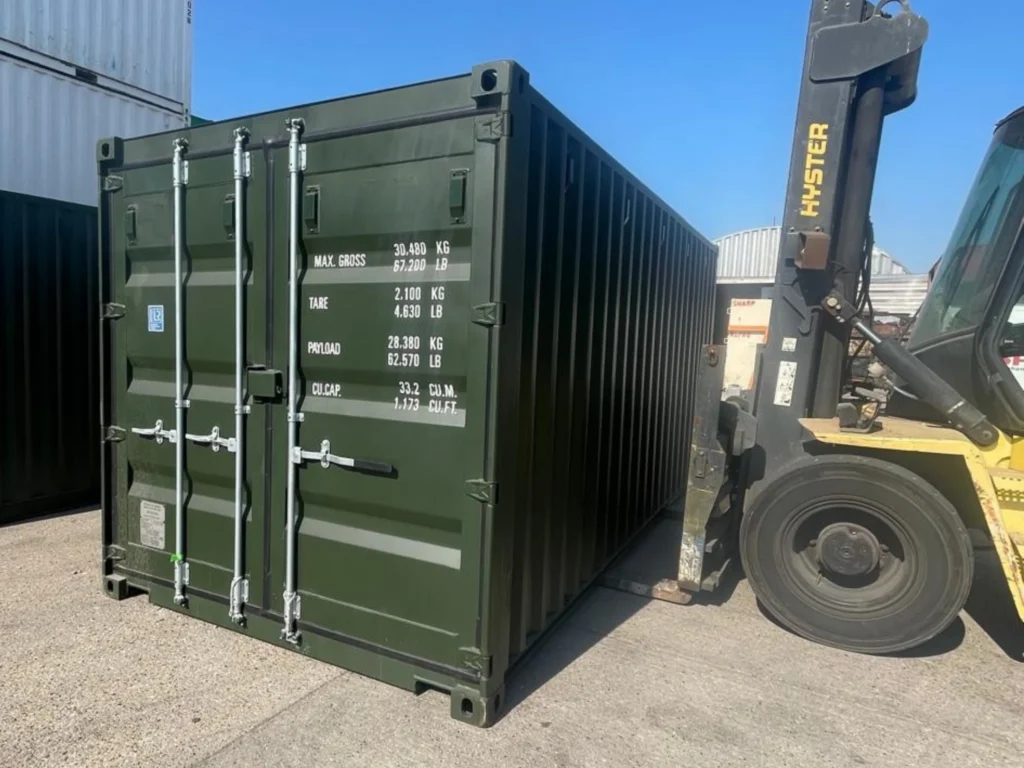
In most residential settings, a single shipping container used as storage will not require planning permission — provided it complies with permitted development rules.
Key conditions include:
- It must be incidental to the main property
- It cannot cover more than 50% of the surrounding land
- It must not sit forward of the principal elevation
- If near a boundary, it must not exceed 2.5 metres in height
- It cannot be used as separate living accommodation
If any of these are breached, planning permission may be required.
Shipping Containers on Agricultural Land
Agricultural land is where planning rules tighten.
When permission is NOT usually required
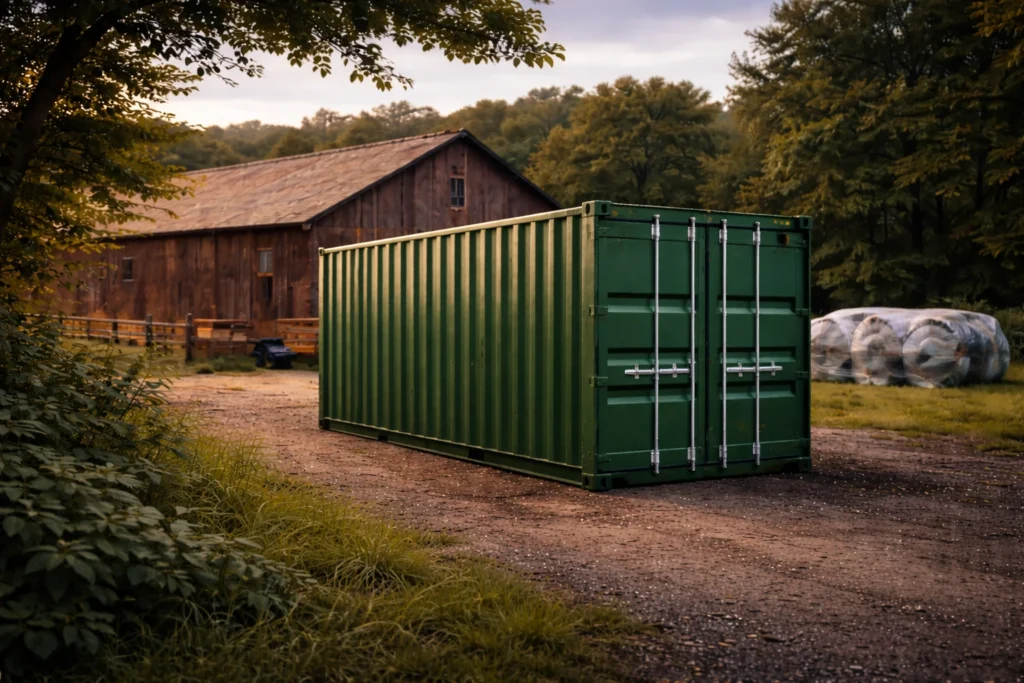
- The container is used purely for agricultural purposes
- It supports existing farming activity
- It does not change the use of the land
Examples:
- Secure tool storage
- Workshops
- Equipment housing
When permission IS required
- The container is let to third parties
- The land is used for commercial storage
- The container supports a non-agricultural business
- Multiple containers form a storage yard
- The land use changes from agricultural to storage or commercial
In these cases, planning permission is normally required — even if the container itself is movable.
Also see our blog How Farmers Are Using Shipping Containers for Secure Storage
The 28-Day Rule Explained (Properly)
Under UK planning law, certain temporary uses of land are permitted for up to 28 days per calendar year.
This may apply if:
- The container is not within residential curtilage
- It is genuinely temporary
- It is removed after the period ends
You cannot reset the clock by moving the container slightly or swapping units. Councils monitor this closely.
Change of Use: The Biggest Planning Trigger
The single biggest reason containers require planning permission is not the container — it’s the land use.
If placing a container:
- Changes agricultural land to storage
- Turns garden land into a business site
- Introduces commercial activity
- Brings regular vehicle traffic
Then planning permission is usually required, regardless of how temporary the container looks.
Special Locations Where Rules Are Stricter
Planning permission is far more likely if the container is located in or near:
- Conservation areas
- Areas of Outstanding Natural Beauty (AONB)
- National Parks
- Listed buildings
- Green Belt land
- World Heritage Sites
Permitted development rights may be restricted or removed entirely in these areas.
Building Regulations vs Planning Permission
These are not the same thing.
Even if planning permission is not required, building regulations may still apply, especially if the container:
- Is insulated
- Is used as a workspace or dwelling
- Has electrics, plumbing, or gas
- Is accessible to the public
Always check with Building Control separately.

Container Conversions and Planning Permission
Container conversions dramatically increase the likelihood of needing permission.
You will almost always need planning permission if a container is converted into:
- A home or guest accommodation
- An office with staff or visitors
- A café, bar, or retail unit
- A permanent workshop or studio
The more permanent the conversion, the more likely permission is required.
Enforcement and Retrospective Planning
If a council believes a container breaches planning rules, they can:
- Request its removal
- Issue an enforcement notice
- Require retrospective planning permission
The enforcement period is now 10 years for most breaches, unless works were completed before April 2024 under older rules.
Ignoring enforcement can lead to fines or forced removal.
How to Check Before You Order a Container
Before arranging container delivery UK-wide, always:
- Identify the land designation
- Clarify intended use
- Confirm how long it will remain
- Check local council guidance
- Speak to planning officers if unsure
This prevents delays, wasted costs, and legal headaches.
How Bosh Boxes Helps
At Bosh Boxes, we work with homeowners, farmers, builders, and businesses across the UK. We help customers understand:
- Whether planning permission is likely
- How container use affects land designation
- What container type suits the intended use
- How container delivery UK-wide works safely and compliantly
We don’t replace planners — but we help you avoid common mistakes before you order.
Final Word
Shipping containers are one of the most flexible and cost-effective storage solutions available in the UK. In many cases, planning permission is not required — but assumptions are where problems start.
When in doubt, check first.
For advice on containers, delivery, or container conversions, contact Bosh Boxes for practical guidance and fast container delivery UK-wide — the Bosh Way