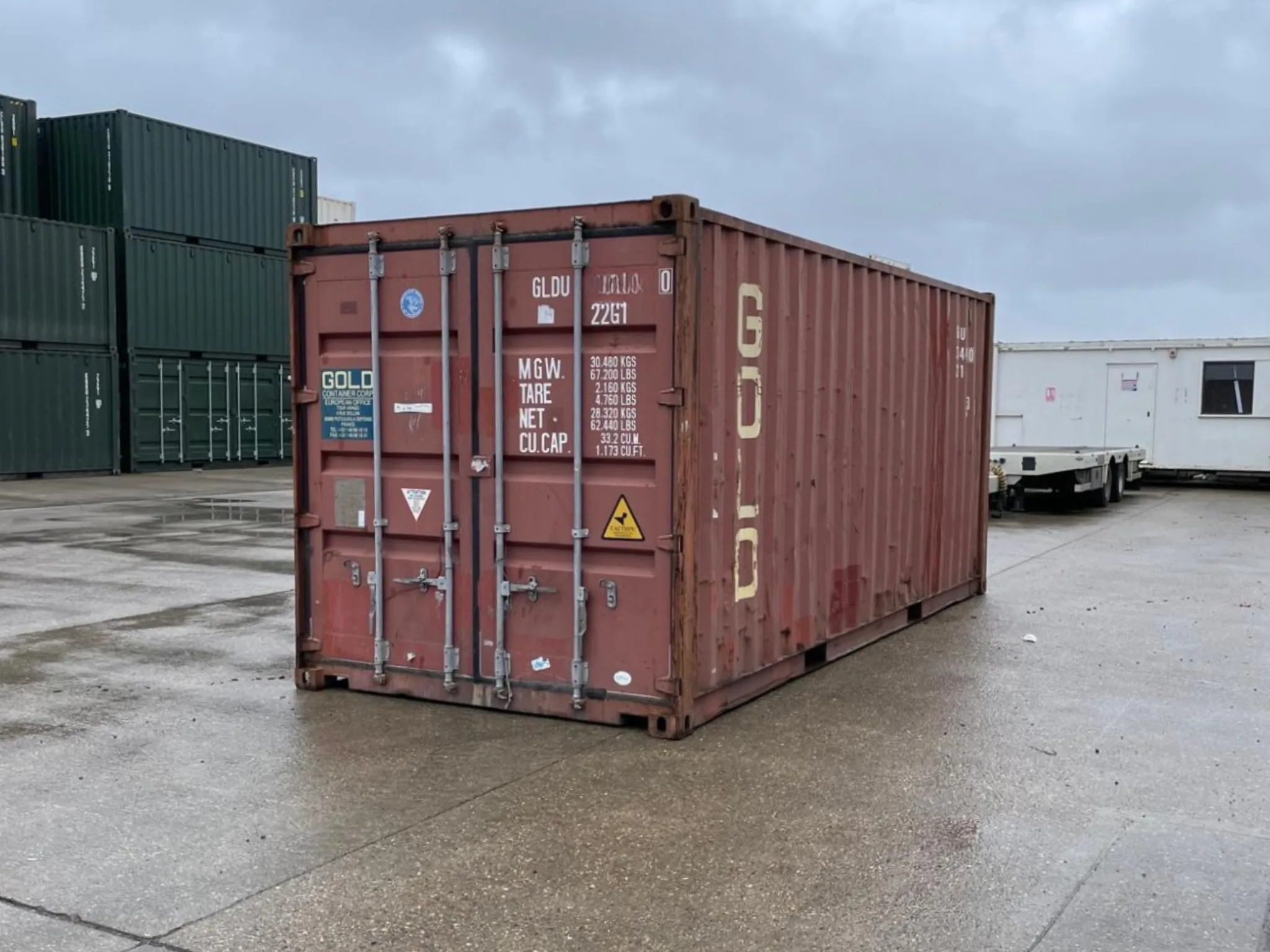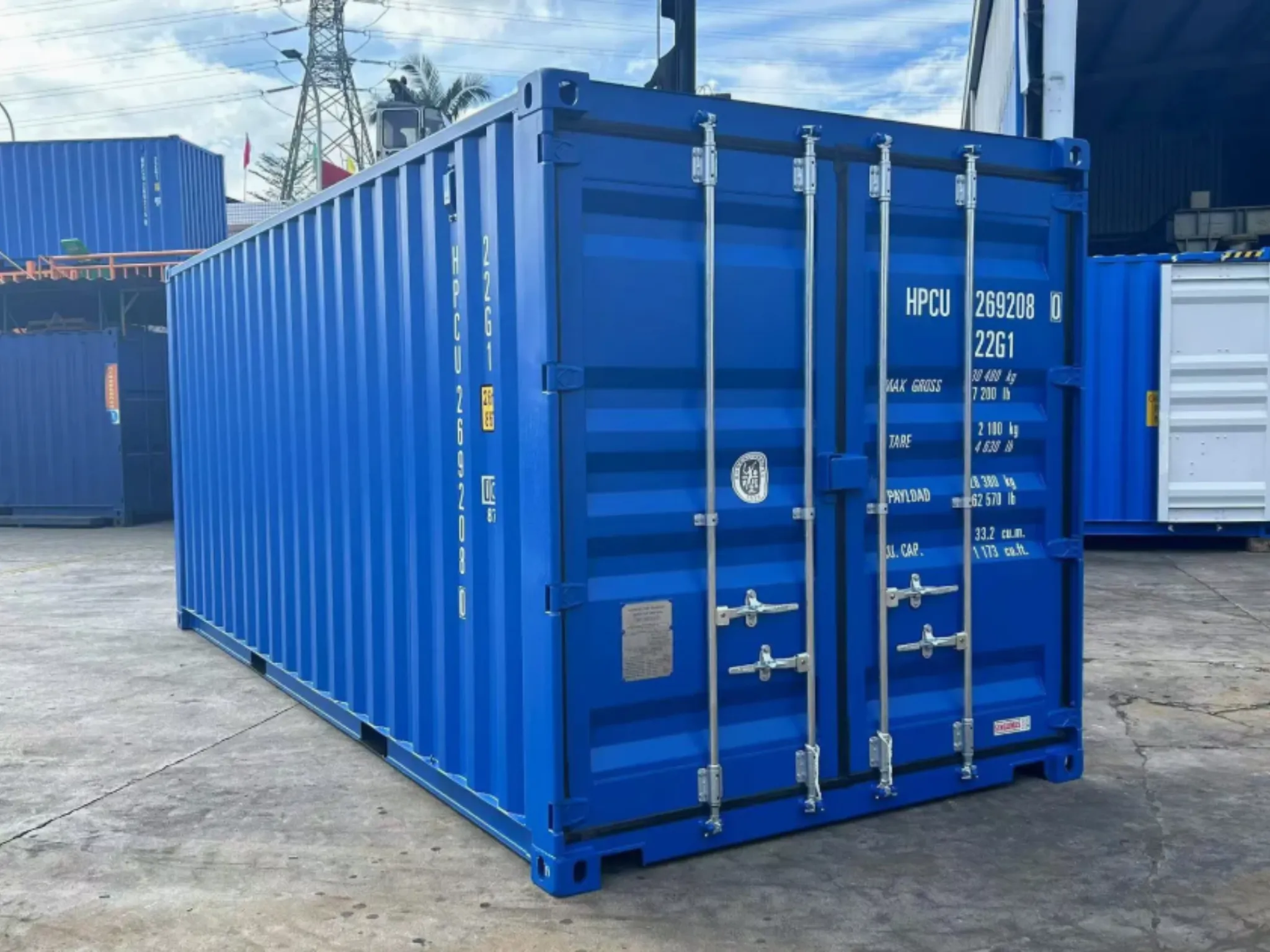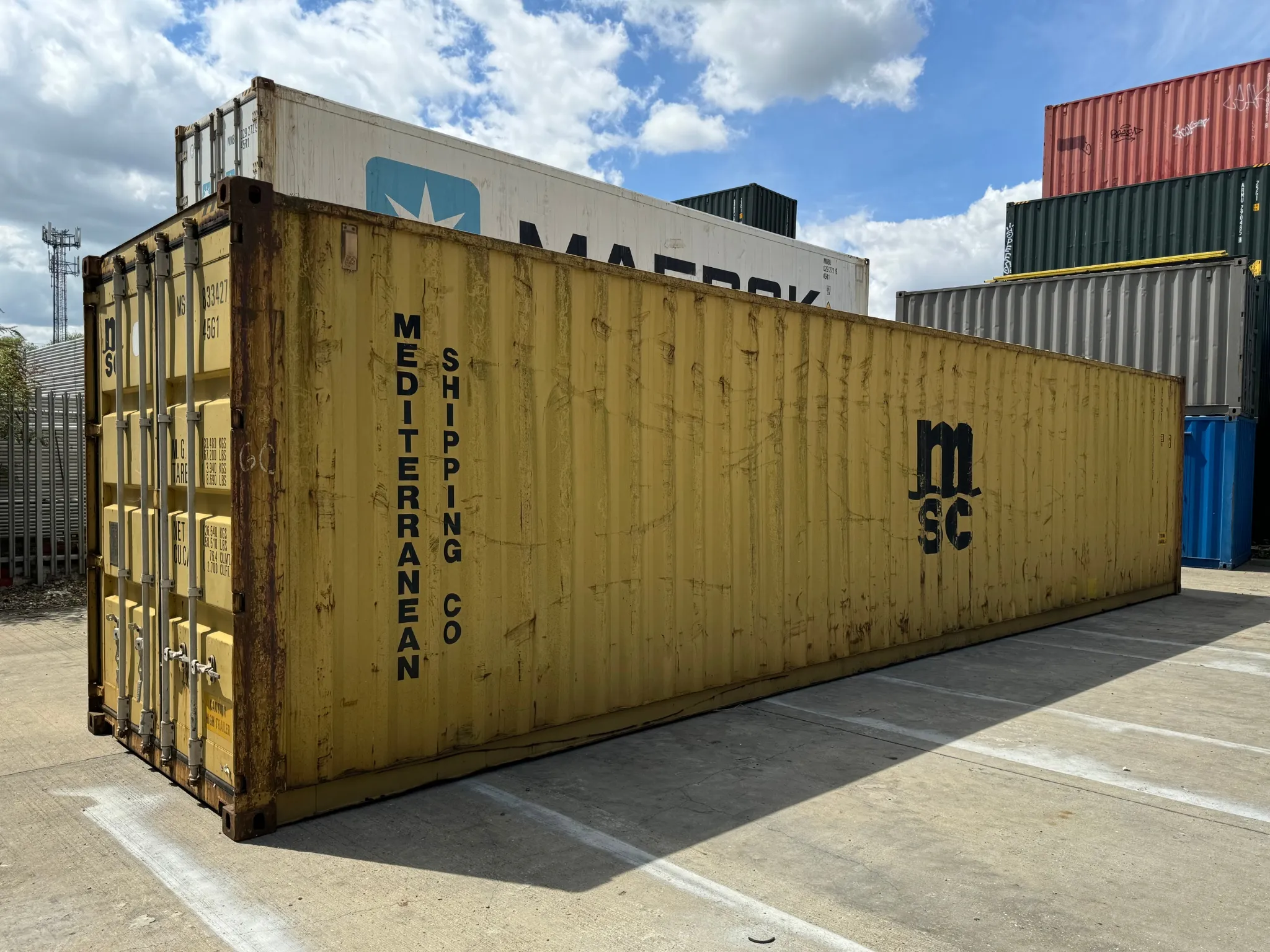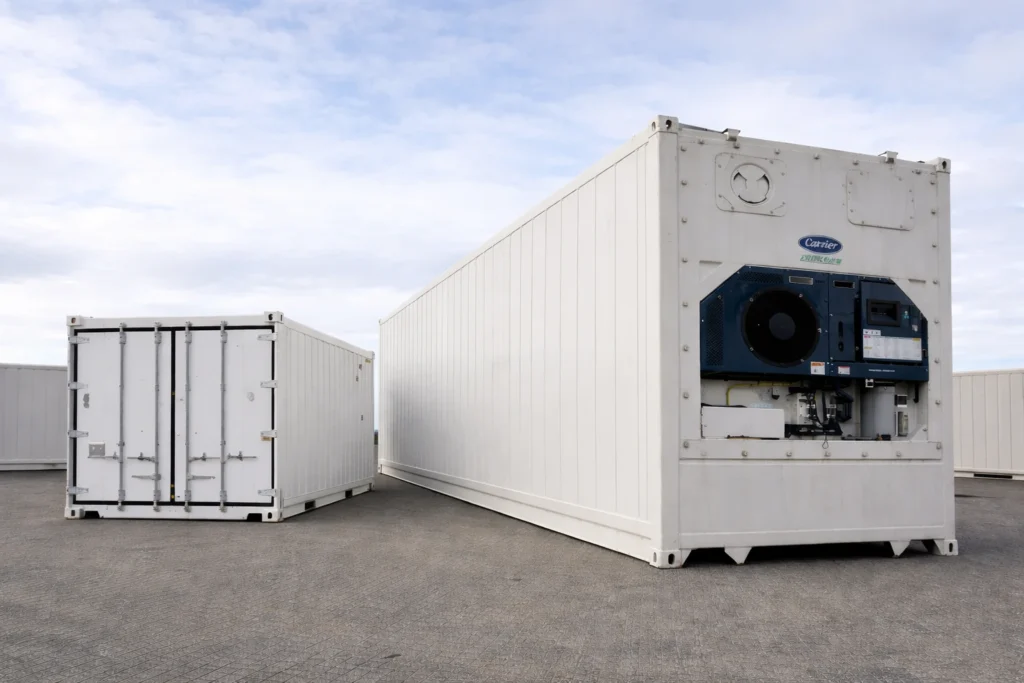
Choosing between a 20ft and 40ft refrigerated container is one of the most important decisions when investing in temperature-controlled storage. The right size affects running costs, delivery access, power requirements, and how efficiently your business can scale.
This guide explains the real-world differences between 20ft reefers and 40ft reefers, helping UK buyers choose the option that fits their operation today and still works tomorrow.
What Is a Refrigerated Shipping Container?
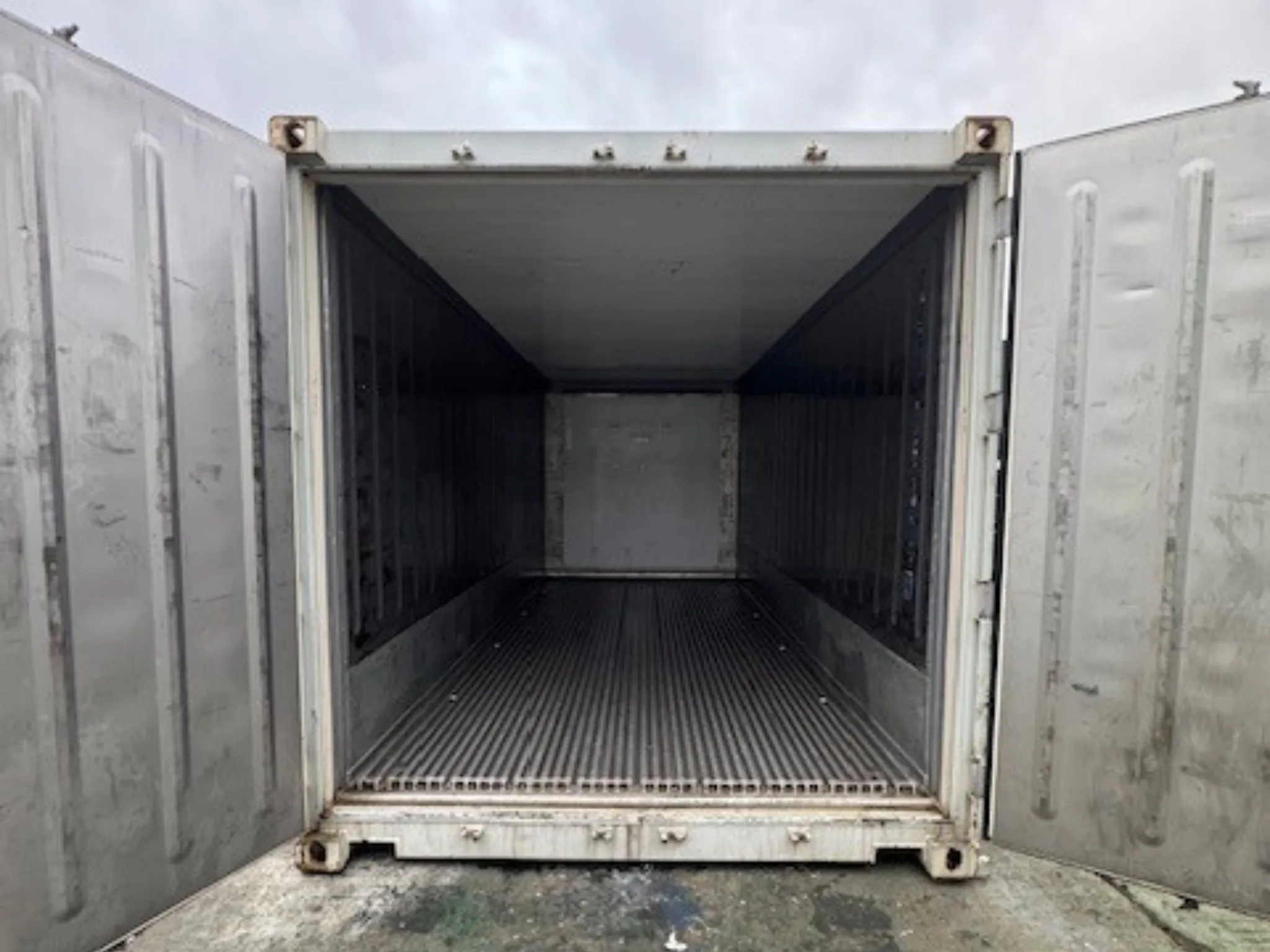
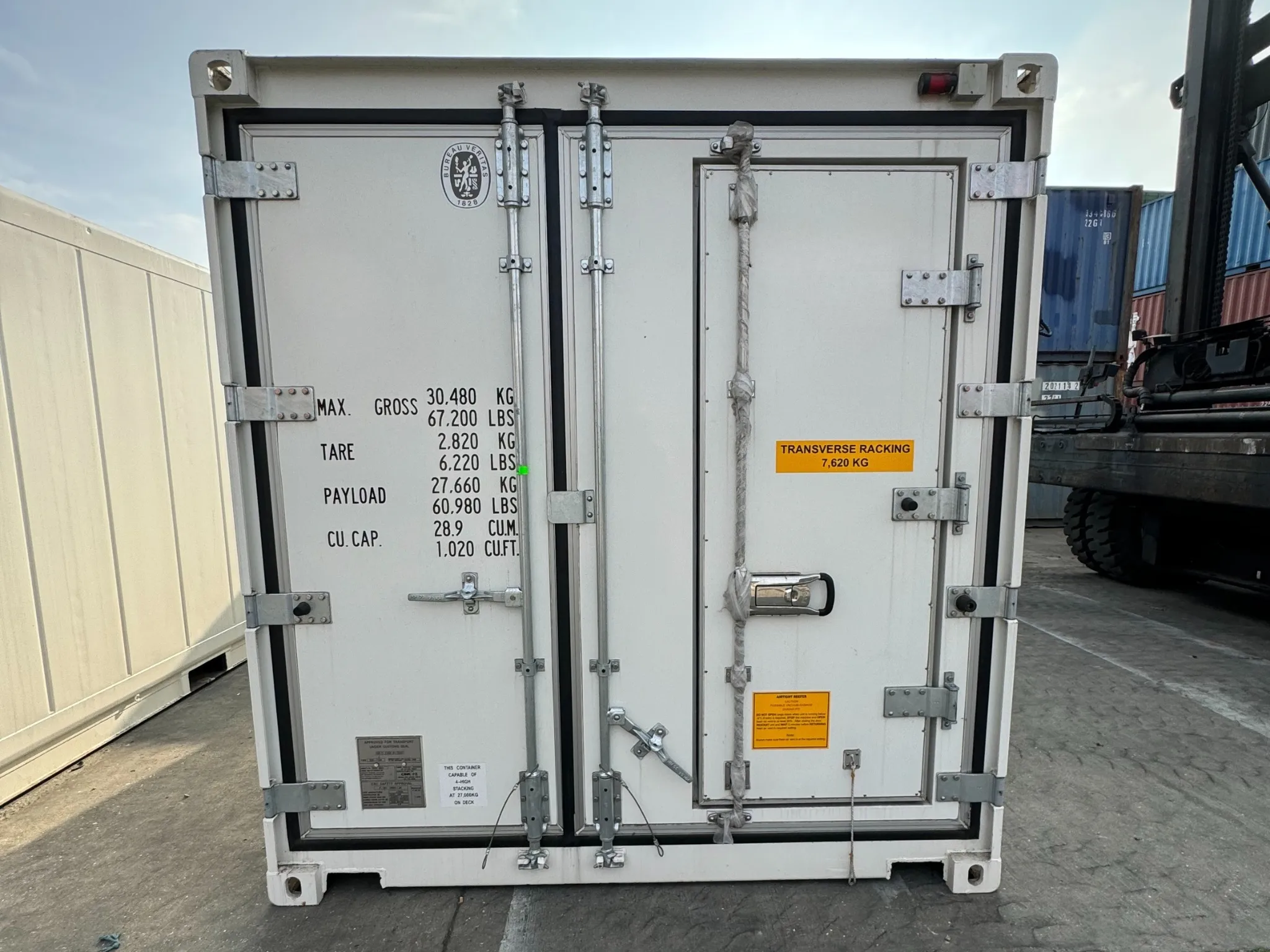
A refrigerated shipping container, often called a reefer, is a temperature-controlled ISO container fitted with an integrated refrigeration unit.
Unlike standard containers, reefers actively maintain a set internal temperature regardless of external conditions. Typical operating ranges are between -25°C and +25°C, depending on the unit.
They are widely used across the UK for:
- Supermarkets and wholesalers
- Cold and frozen food storage
- Pharmaceutical and medical products
- Catering and event preparation
- Agricultural and rural cold storage
The Key Difference Between 20ft and 40ft Reefers
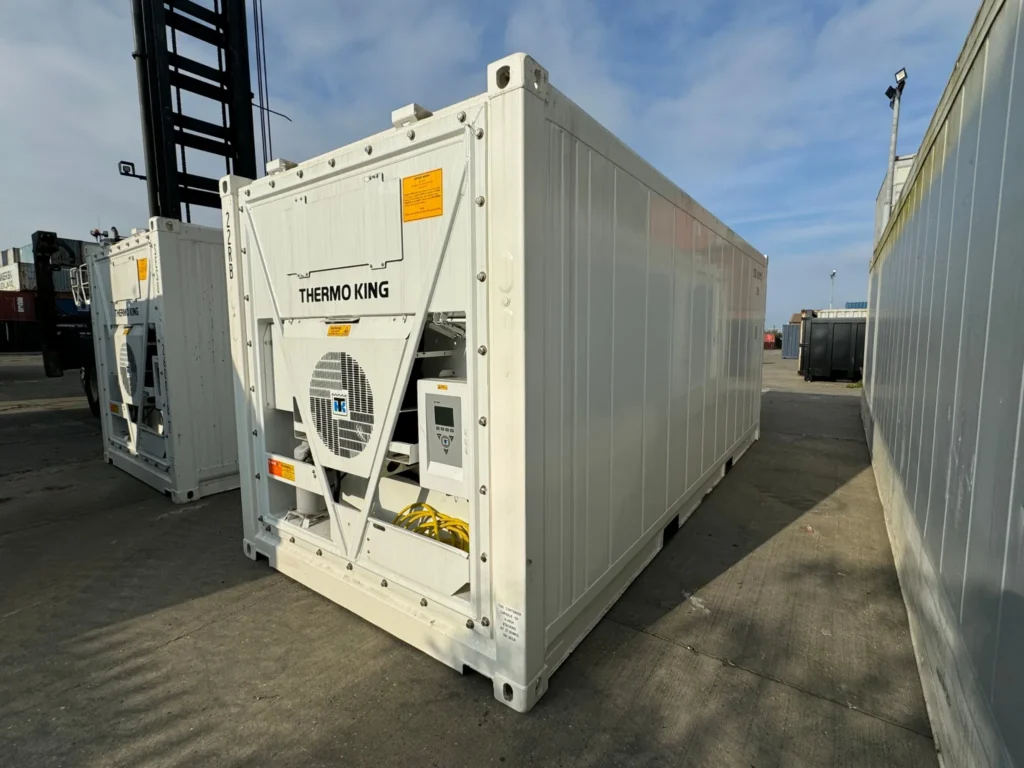
The main difference is not just size. Capacity, airflow, cost efficiency, and site suitability all change depending on which option you choose.
| Feature | 20ft Refrigerated Container | 40ft Refrigerated Container |
|---|---|---|
| External length | 20ft | 40ft |
| Internal volume | Approx. 28 m³ | Approx. 59 m³ |
| Power supply | 32 Amp, 3-phase | 32 Amp, 3-phase |
| Delivery access | Easier on restricted sites | Requires more space |
| Best for | Small to medium operations | High-volume storage |
| Cost per m³ | Higher | Lower |
When a 20ft Refrigerated Container Is the Right Choice
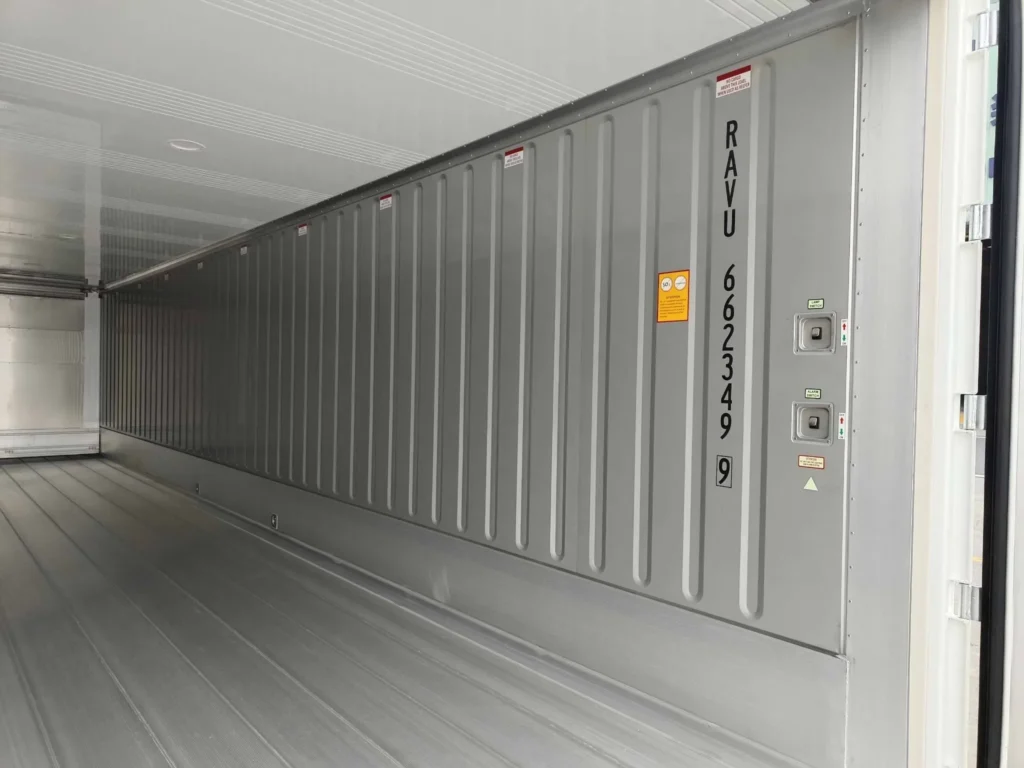
A 20ft reefer is often the best starting point for businesses that need reliable cold storage without committing to excessive space or cost.
You should consider a 20ft refrigerated container if:
- Site access is restricted
- You have limited outdoor space
- Stock volumes are moderate
- Access is infrequent rather than constant
- You want lower upfront cost
Typical uses include:
- Farm shops and rural producers
- Small food manufacturers
- Catering businesses
- Seasonal cold storage
- Backup freezer storage
For most UK buyers, a 20ft unit offers the best balance between practicality and cost.
👉 View our 20ft used ex-marine refrigerated containers
https://boshboxes.store/20ft-used-ex-marine-refrigerated-containers/
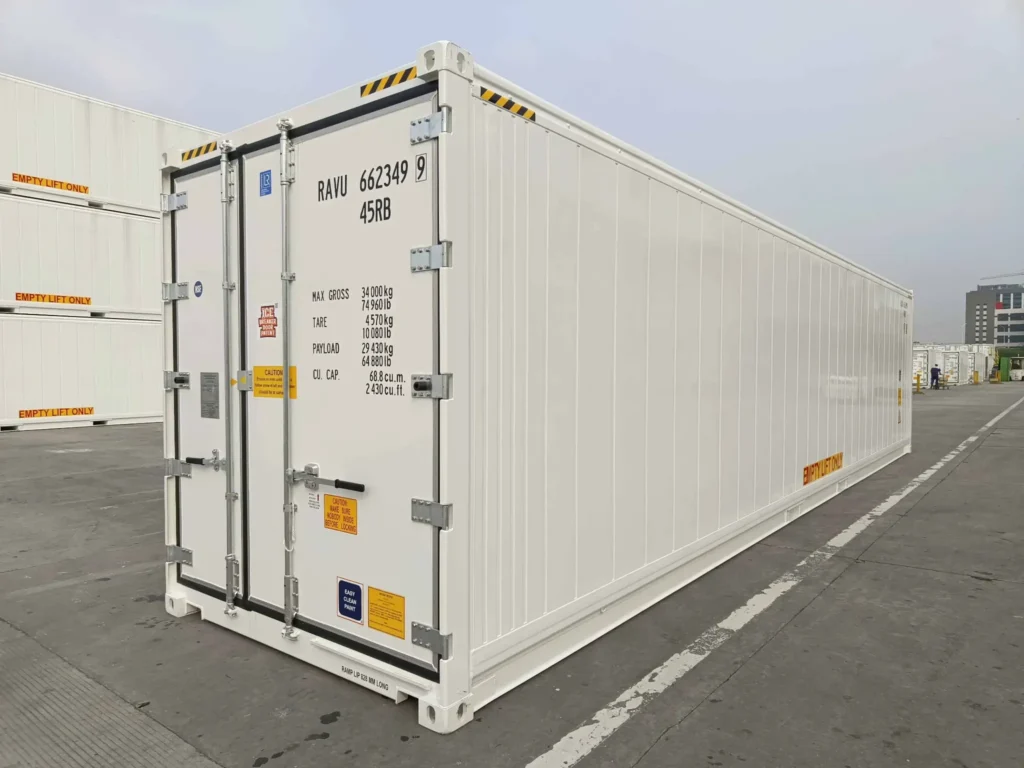
When a 40ft Refrigerated Container Makes More Sense
A 40ft refrigerated container is designed for high-volume storage and operations that need to scale efficiently.
You should consider a 40ft reefer if:
- You store large palletised loads
- Stock turnover is high
- You want the lowest cost per cubic metre
- Internal height matters for airflow or stacking
- You are replacing multiple smaller units
Typical uses include:
- Food distributors and wholesalers
- Seafood and meat processors
- Supermarkets
- Pharmaceutical storage
- Large agricultural operations
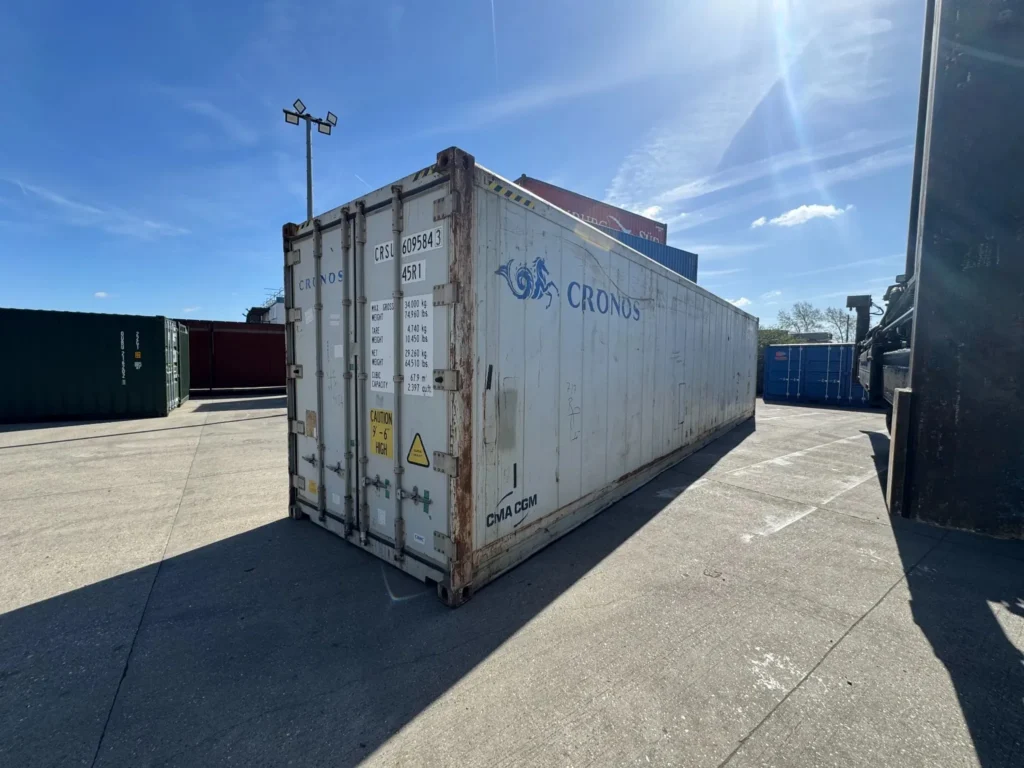
A single 40ft reefer often replaces two smaller units, reducing delivery costs, power connections, and long-term maintenance.
👉 View our 40ft used high cube marine refrigerated containers
https://boshboxes.store/40ft-used-high-cube-marine-refrigerated-containers/
Power Requirements Are the Same for Both Sizes
One common misconception is that 40ft reefers require more power. In practice, both 20ft and 40ft refrigerated containers use the same electrical supply.
You will need:
- 32 Amp
- 3-phase power
- Motor-rated (D-rated) circuit breaker
- 5 Pin Plug Configuration
The difference is runtime efficiency, not connection size. Larger units are often more efficient per cubic metre when fully loaded.
Cost Efficiency Over Time
Upfront cost matters, but long-term value matters more.
- A 20ft reefer is cheaper to buy initially
- A 40ft reefer is cheaper per cubic metre of storage
- Two 20ft units usually cost more to run than one 40ft
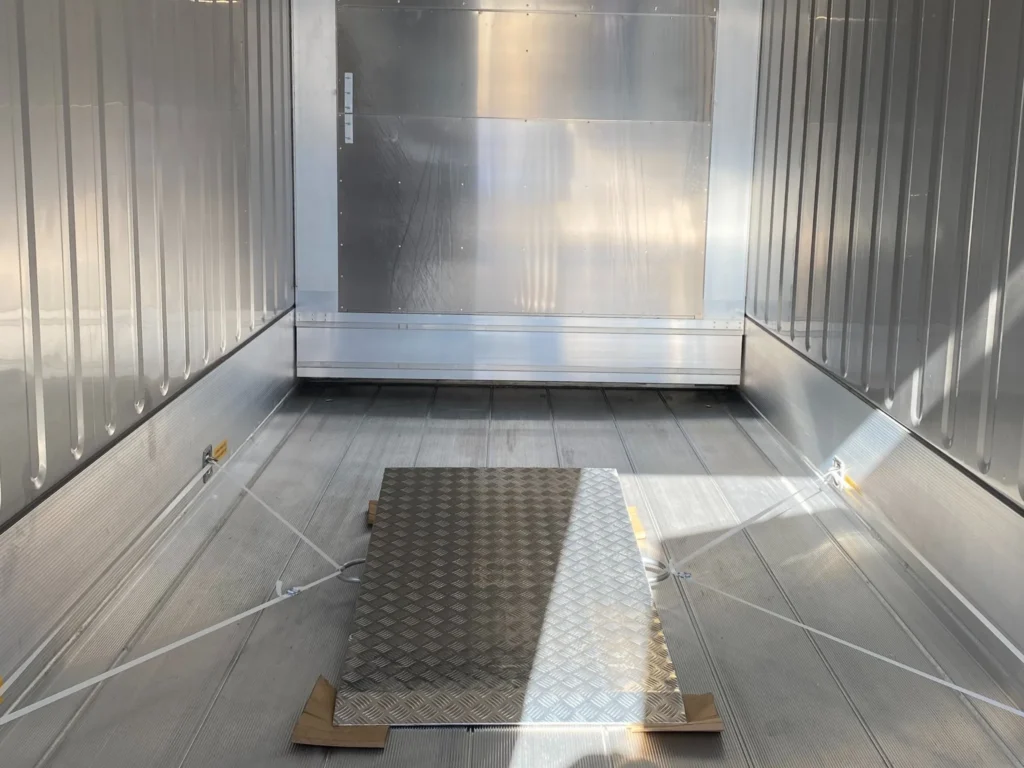
If your business is growing, buying the larger unit early often avoids costly upgrades later.tly better value than purpose-built cold rooms when access is limited.
Delivery and Site Access Considerations
Before choosing a size, confirm your site can accept delivery.
20ft reefers:
- Easier to deliver
- Better for residential or rural access
- More flexible positioning
40ft reefers:
- Require more offload space
- Need clearer access routes
- Often delivered on articulated vehicles
If access is tight, review our guide on container delivery UK before ordering.
Which Size Is Right for You?
Choose a 20ft refrigerated container if you want flexibility, easier delivery, and lower upfront cost.
Choose a 40ft refrigerated container if you want scale, efficiency, and the lowest cost per unit of storage.
If you are unsure, it is usually better to size slightly larger than your current need. Cold storage fills up faster than expected.
Related Guides You May Find Useful
How to prepare the ground for a refrigerated container
https://boshboxes.store/how-to-prepare-the-ground-for-a-shipping-container/
How long do refrigerated shipping containers last
https://boshboxes.store/how-long-do-shipping-containers-last/
Final Thought
Both 20ft and 40ft reefers are proven, industrial-grade cold storage solutions. The right choice depends on access, volume, and how you plan to grow.
If you want honest guidance on suitability rather than being oversold, speak to Bosh Boxes. We make sure the container works for your operation, not just the invoice.
The Bosh Boxes Way.